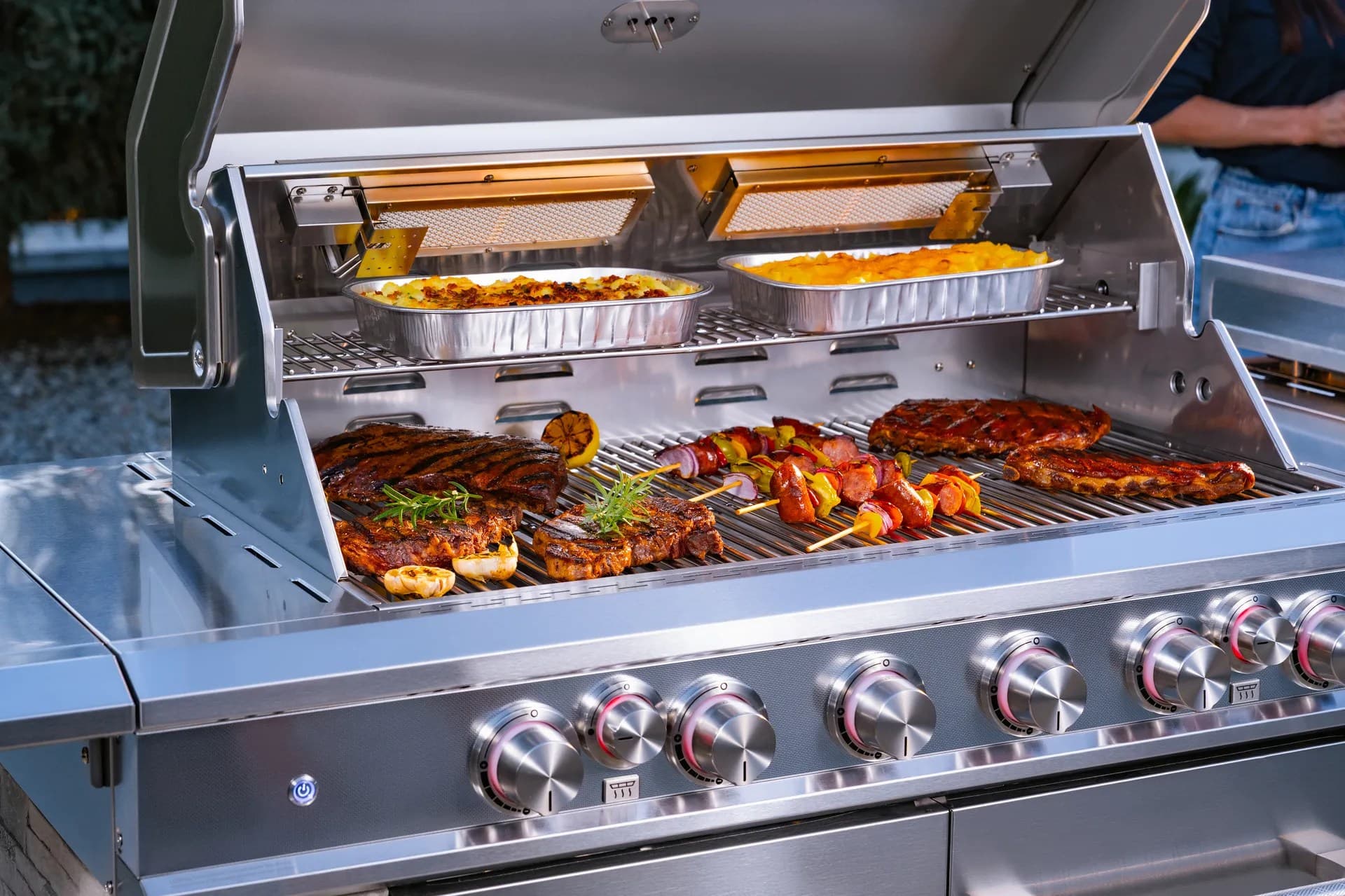
A comprehensive guide to essential grilling methods for every enthusiast.
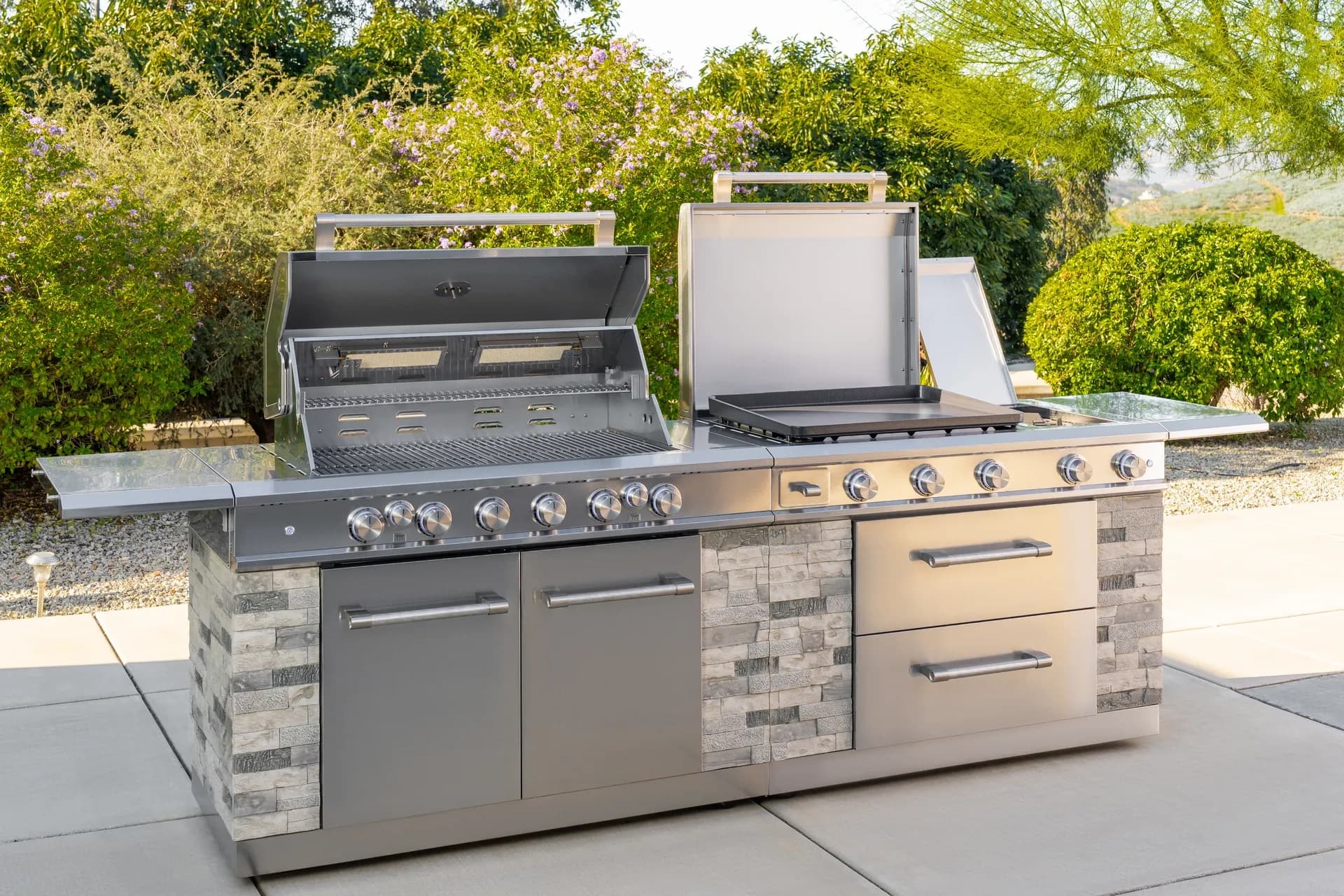
From sizzling breakfasts to smash burgers and teppanyaki-style dinners, the Daytona Pro 5 Burner NitroGuard™ Griddle delivers powerful heat, fast cooking, and a durable cooking surface built for every backyard cookout. Watch how easy outdoor cooking can be.
Here's what sets us apart from the competition
We position ourselves as delivering high-end outdoor cooking features and performance without premium-brand pricing, emphasizing “Quality Grills. Unbelievable Value.”
We offer gas grills, pellet grills, griddles, smokers, pizza ovens, portable/tabletop grills, electric grills, accessories, and replacement parts — allowing customers to stay within one ecosystem for all outdoor cooking needs.
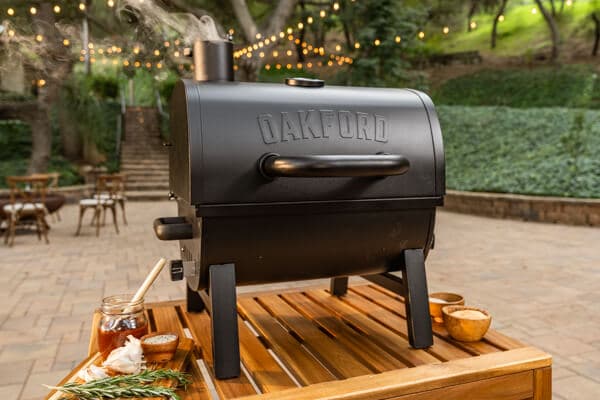
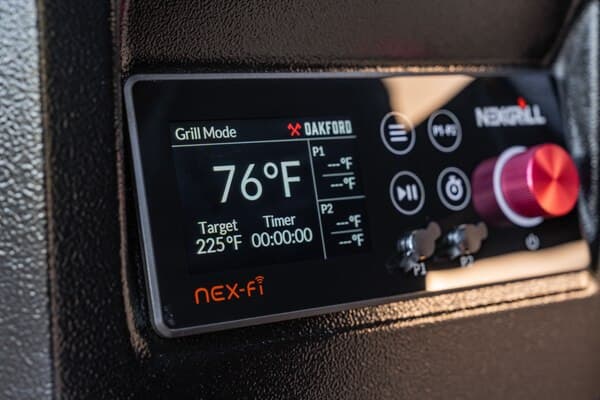
We differentiate ourselves through smart grilling products like the Oakford smart pellet grill, including app-connected cooking controls and modern outdoor cooking technology.
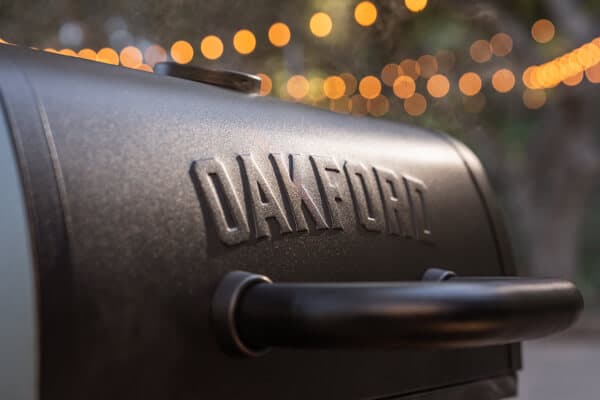
Expert tips, buying guides, comparisons, and inspiration for choosing and getting the most out of your grill.
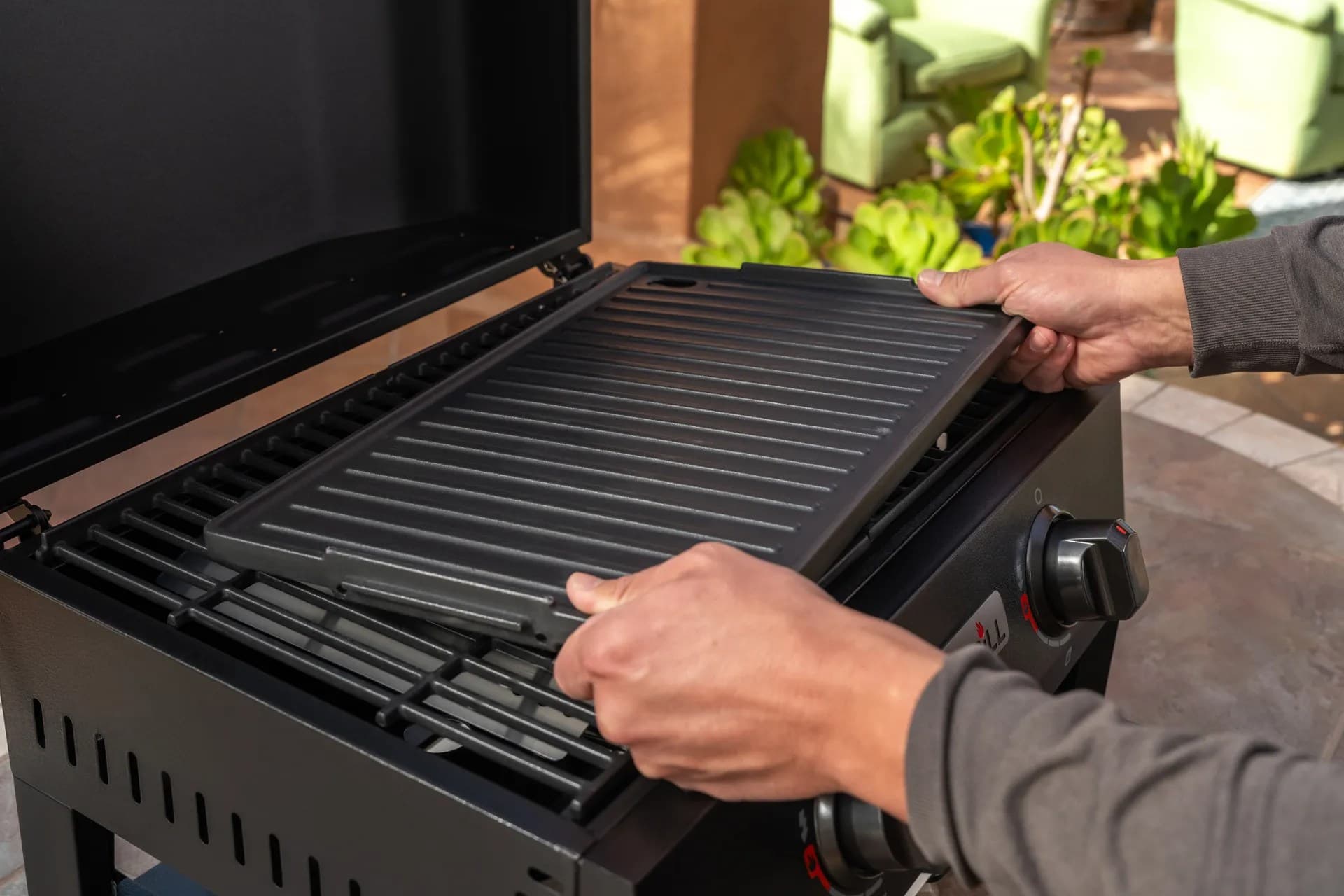
Practical guides for cleaning, maintenance, common grill issues, and performance optimization.
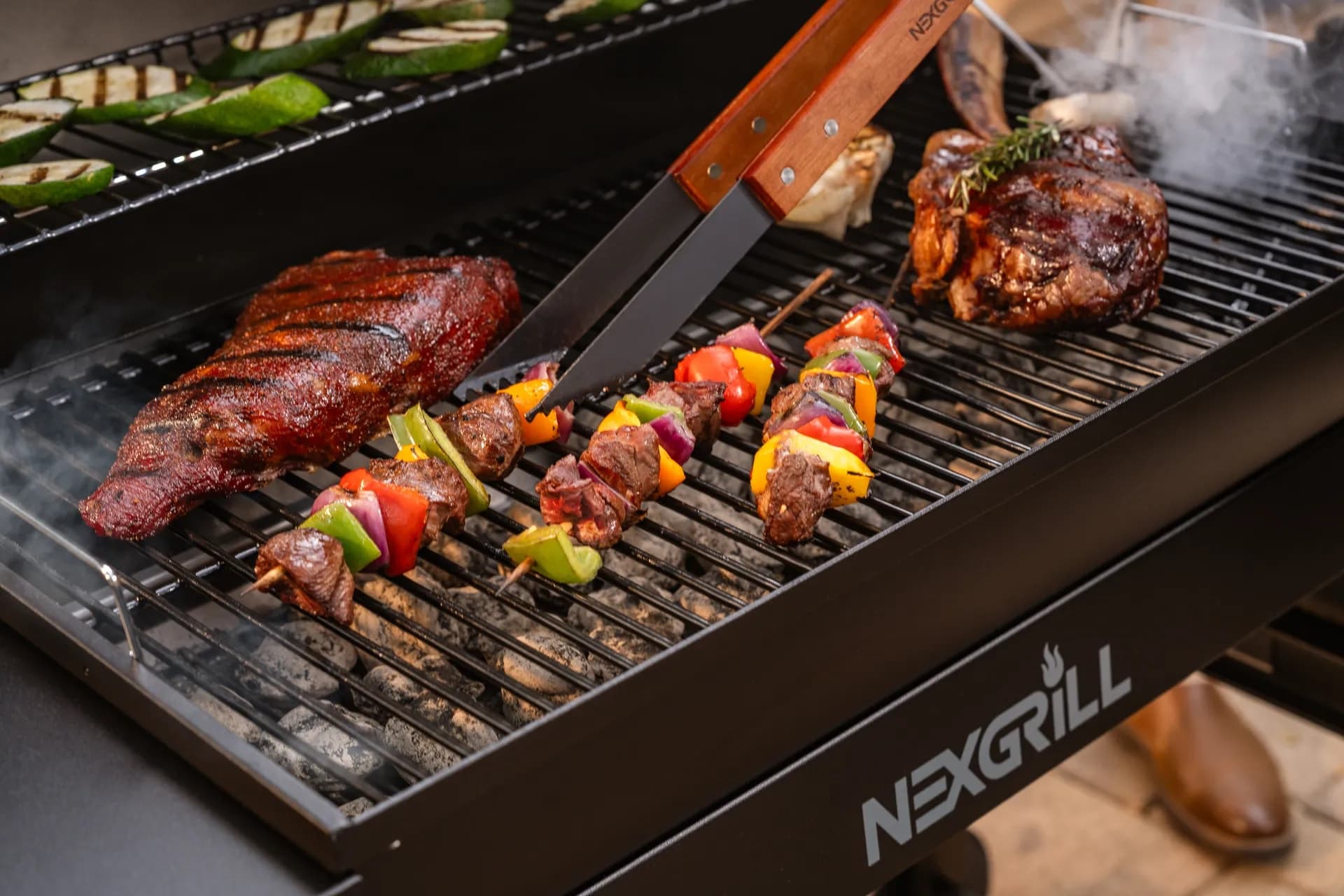
Step-by-step grilling recipes, cooking techniques, and meal ideas for every occasion and skill level.
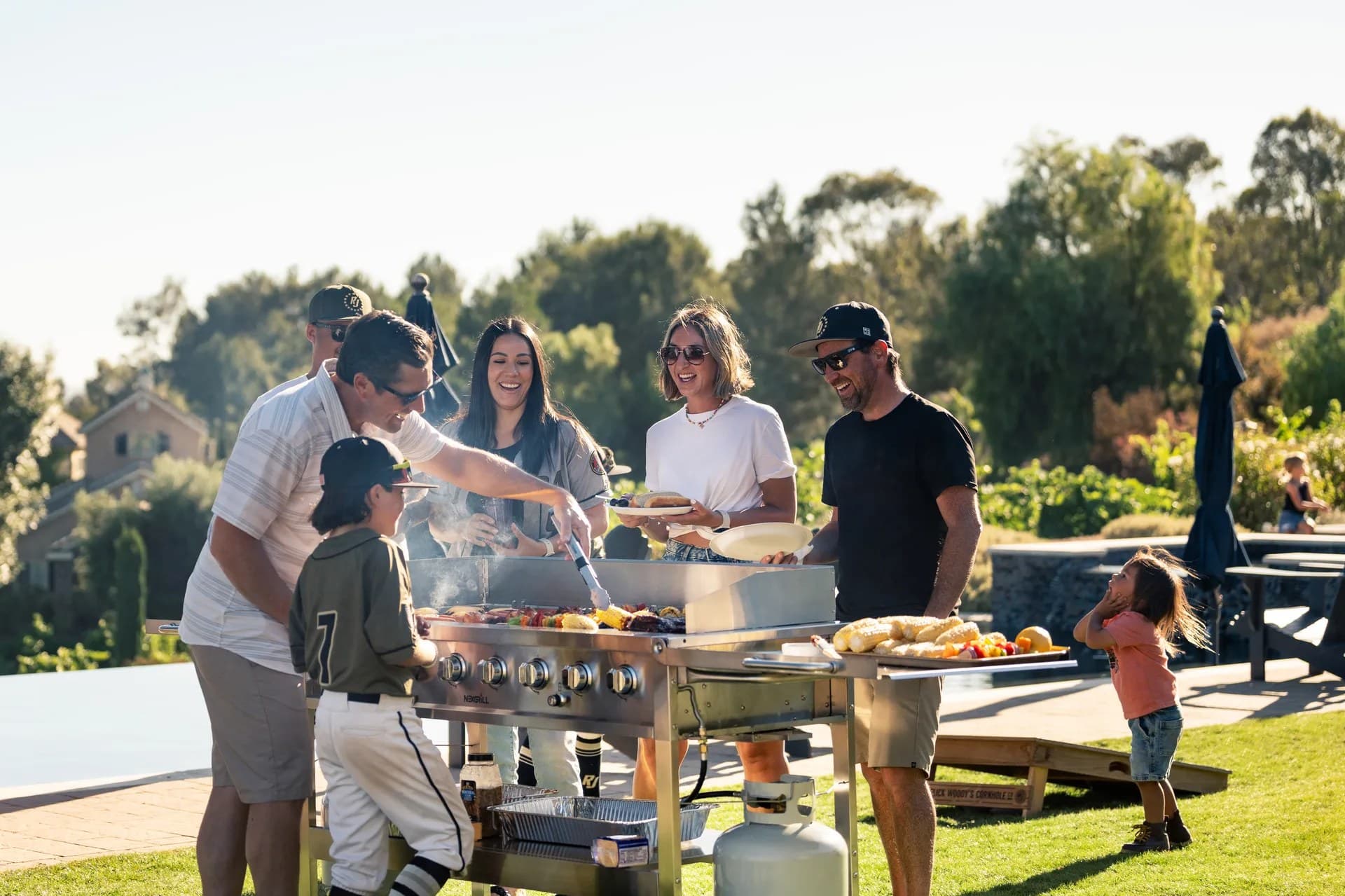
Backyard entertaining ideas, seasonal grilling inspiration, and stories that celebrate outdoor cooking culture.
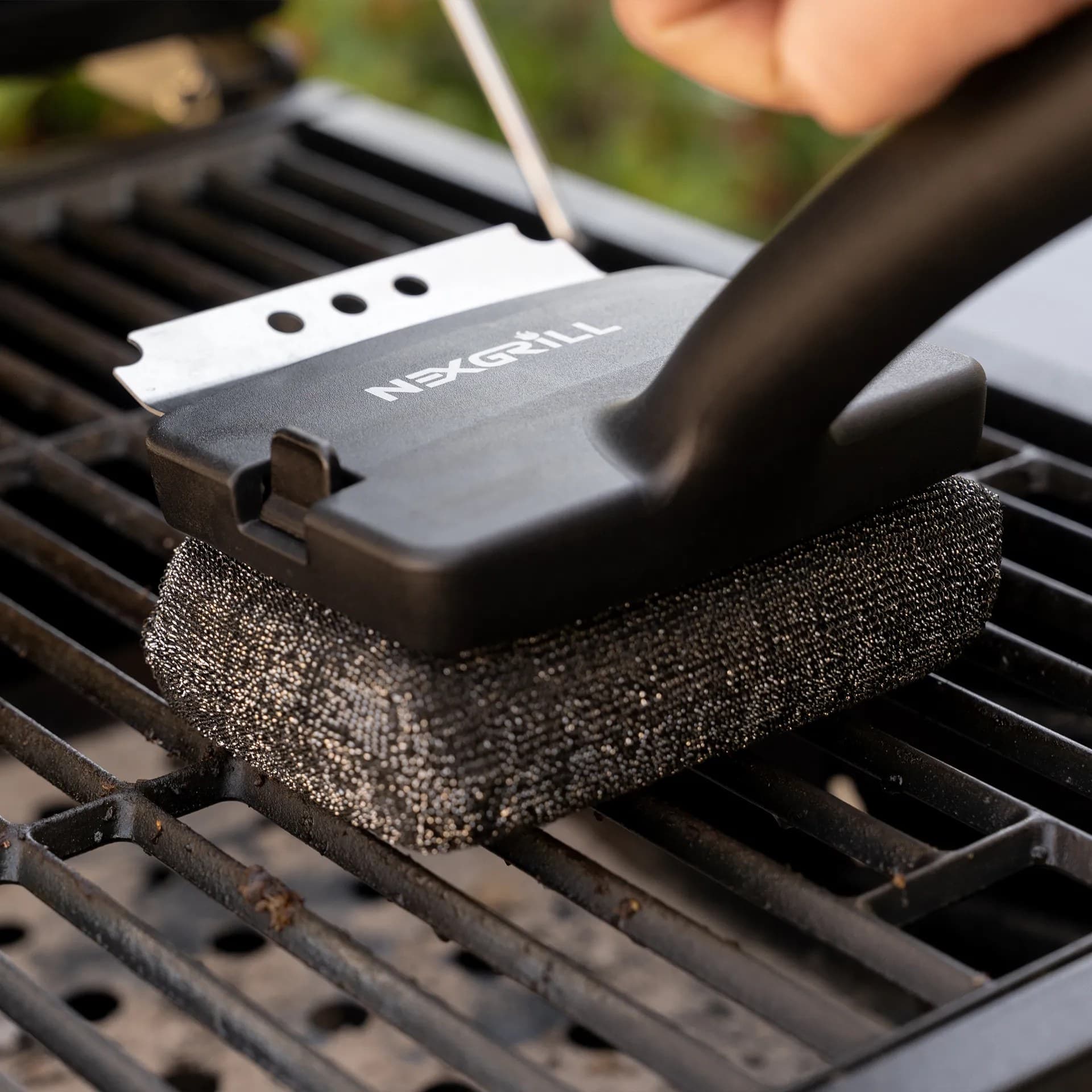
Helpful articles covering grilling tools, cookware, maintenance gear, and must-have accessories for outdoor cooking.
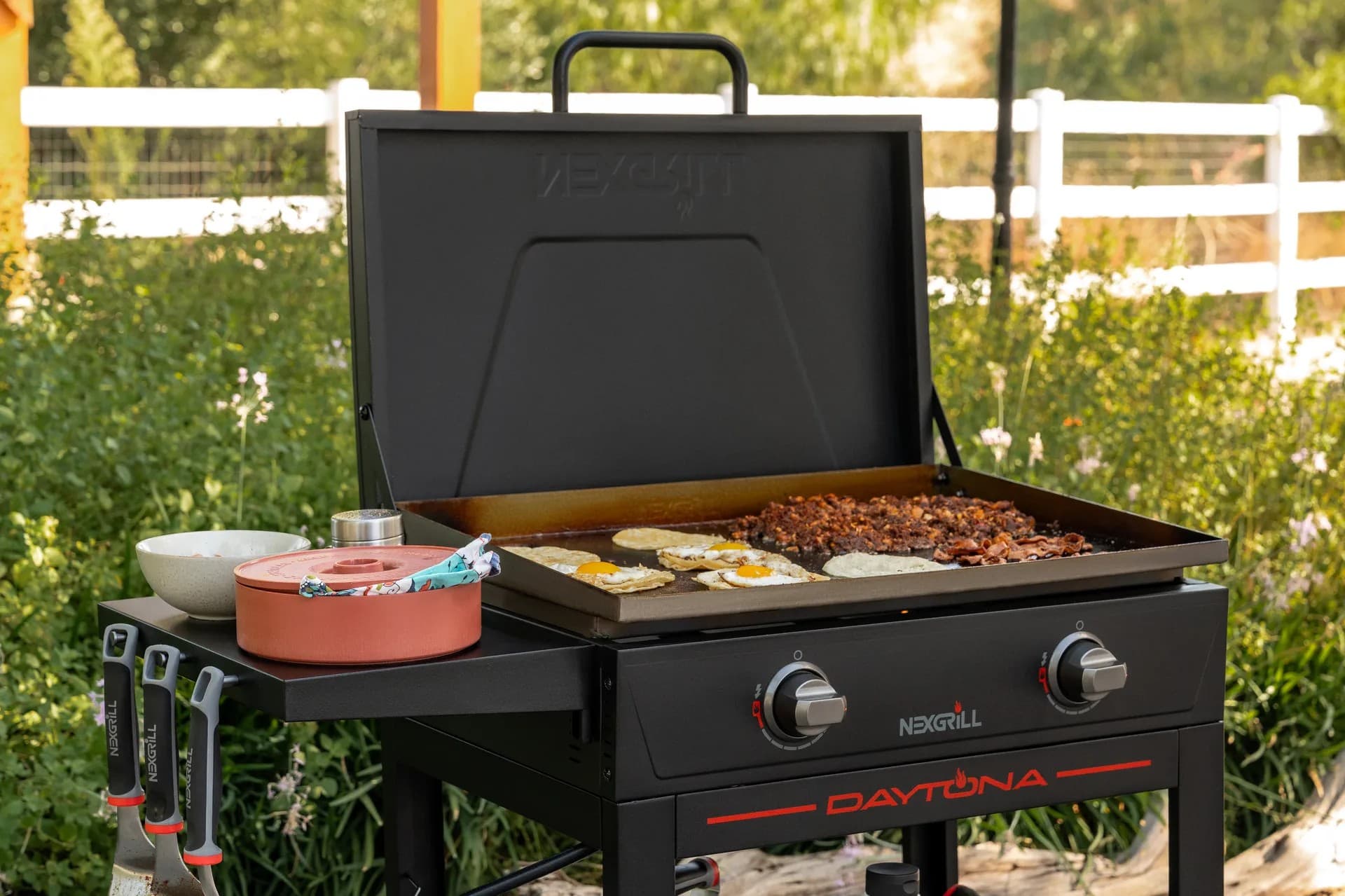
Find griddle recipes, cooking techniques, cleaning tips, and outdoor meal ideas designed for Nexgrill griddles.
Find answers to common questions
Gas grills provide instant heat and precise temperature control, making them easier to use. Charcoal grills offer a smoky flavor and high heat for searing but require more time to heat up and manage.
Pellet grills combine the convenience of gas with the flavor of wood, allowing for smoking, baking, and grilling. Traditional gas grills, however, are quicker to start and often easier to clean.
Charcoal grills typically reach higher temperatures quicker than gas grills, making them better for searing meat. However, high-quality gas grills can also provide adequate heat for effective searing.
Nexgrill offers models designed specifically for gas, charcoal, and pellets, allowing users to choose based on their cooking style and flavor preferences. Each type is built to optimize the characteristics of its respective fuel.
Choosing between gas and charcoal grills depends on your cooking preferences and lifestyle. If you value convenience and quick cooking, a gas grill may suit you better; if you prefer the taste and experience of traditional grilling, a charcoal grill would be ideal.
In This Article
Direct Grilling
Indirect Grilling
Smoking
Grilling is often treated like a single skill, but in practice it is a set of methods that solve different cooking problems. A thin steak needs fast, intense heat. A pork shoulder needs patience and steady temperature. A whole chicken benefits from a gentler, more controlled environment. Once you understand the logic behind common grilling techniques, you stop guessing and start choosing the right method for the food in front of you.
That matters because better technique does more than improve flavor. It helps you avoid dry chicken breasts, scorched vegetables, undercooked roasts, and expensive cuts that never reach their best texture. For many home grillers, the biggest breakthrough is realizing that heat management is the real craft. A grill is not just a hot box; it is a tool for creating zones, shaping browning, and controlling timing. Nexgrill’s brand philosophy emphasizes approachable outdoor cooking that brings people together, and that spirit fits this topic well: the more confidently you use heat, the more relaxed and generous the whole cookout becomes. The goal is not to memorize tricks. It is to match the technique to the food, the fuel, and the time you actually have.
Think of technique as a decision tree: quick foods want direct heat, thicker foods need indirect heat, and smoky flavor comes from adding time plus controlled fire.
If you are cooking on a Nexgrill gas grill, griddle, pellet smoker, or charcoal setup, the same principle applies. Direct grilling, indirect grilling, smoking, reverse searing, rotisserie cooking, and low-and-slow barbecue all depend on managing distance from the heat source and understanding when to move food, cover it, or leave it alone. That is where most confidence comes from: not from turning the knobs more often, but from knowing why you are turning them.
Can cover steaks, ribs, chicken, vegetables, and whole cuts when you pair heat with the right method.
Direct grilling is the most familiar technique, and also the one that exposes poor habits fastest. Food sits over the flame or heat source, usually with the lid open or only partially closed, so the cooking happens quickly. This is the method for foods that cook in minutes and benefit from browning: strip steaks, burgers, shrimp, asparagus, halloumi, sliced zucchini, pork chops, and thinner chicken pieces. On a gas grill, direct grilling is easiest when you preheat properly and keep the grate clean. On charcoal, it is strongest when the coals are spread evenly and the food is placed where the heat is hottest.
The main advantage of direct grilling is the Maillard reaction, the browning that creates the deep roasted flavor people associate with a great cookout. To get it, the surface of the food needs dry heat and good contact with the grate. That is why patting meat dry before grilling often matters more than adding another seasoning step. For steaks, use a hot zone that can sear quickly, then flip only when the crust has formed. For vegetables, cut them consistently so the pieces finish at the same time. For shrimp, small skewers or a grill basket can prevent losses through the grate and make turning easier.
| Food | Best direct-grill approach | Common mistake |
|---|---|---|
| Steaks | Hot grate, short cook, one strong sear per side | Moving too often and losing crust |
| Chicken cutlets | Moderate-high heat, lid closed as needed | High flame that burns exterior before center cooks |
| Vegetables | Light oil, even cut size, quick turn | Overcrowding and steaming instead of browning |
A useful rule: if the food would be ruined by being left over heat for too long, direct grilling is probably the right starting point. That makes it ideal for weeknight meals and for cooks who want visible grill marks and a quick turnaround. It is also the simplest technique to pair with a sharp finishing sauce or butter because the food lands on the plate immediately after cooking, while its surface is still hot enough to absorb those last flavors.
Indirect grilling moves the food away from the flame and relies on surrounding heat instead of direct exposure. This technique turns the grill into a convection-style cooking chamber, especially when the lid stays closed. It is the method to reach for when a cut is too thick or too delicate for straight-over-flame cooking. Think bone-in chicken pieces, pork tenderloin, thicker sausages, tri-tip, salmon fillets on a plank, or even a small turkey breast. On a gas grill, you typically heat one side and place the food on the cooler side. On charcoal, the coals sit to the side, not directly beneath the food.
The benefit of indirect grilling is control. Food can cook through without the exterior scorching, which is especially useful when the center needs more time than the outside can tolerate. This technique also lets you add smoke wood for flavor without subjecting the food to the full blast of direct heat. For example, a bone-in chicken breast can be seasoned, set on the cool side of a two-zone grill, and finished with a final direct sear only if the skin needs extra color. That balance of steady heat and selective browning is what makes indirect grilling so versatile.
If your food is browning too fast before it reaches the right internal temperature, move it to indirect heat immediately instead of lowering the flame and hoping for the best.
Indirect grilling is also the technique most home cooks should learn before attempting larger cuts. It reduces the odds of charring the outside while the inside stays raw, and it gives you more time to react if the grill runs hotter than expected. The best results come from patience and stable lid control. Every time you open the lid, you reset the cooking environment a little, so indirect cooking rewards discipline. If you need a practical shortcut, use a thermometer and trust it. That matters more than visual cues once the food is covered and surrounded by hot air.
Smoking is less about heat intensity and more about time, wood, and clean combustion. The point is to cook food gently while allowing smoke compounds to cling to the surface and work their way into the bark, crust, or skin. Smoking is the technique behind ribs, brisket, pork shoulder, salmon, turkey breast, and even some cheeses or nuts when handled carefully. If direct grilling is about speed, smoking is about transformation. It rewards lean planning and consistent temperature control.
For best results, use a cut with enough structure or connective tissue to benefit from the long cook. Brisket and pork shoulder are classic examples because collagen breaks down over time, turning tough meat tender. A pellet smoker like Nexgrill’s Oakford line is built for this style of cooking, where maintaining a stable environment matters more than chasing flare-ups. On charcoal or gas, smoking usually requires setting the heat low, adding wood chunks or chips correctly, and resisting the urge to keep opening the lid. Smoke should smell clean, not sharp or bitter; that usually signals better airflow and less smoldering.
A common mistake is over-smoking food. More smoke is not always better. Thin fish fillets, chicken breasts, and vegetables can become bitter if they sit too long in heavy smoke. The better approach is to match the smoke load to the food: stronger smoke for big cuts, lighter smoke for delicate foods. Smoking also benefits from wrapping at the right moment, often when bark or color is set, so the surface does not dry out before the interior finishes. That is a practical example of technique working as a sequence, not a single event.
Two-zone grilling is one of the most useful habits a home griller can build because it solves a problem that comes up constantly: food often needs both heat and restraint. One side of the grill is hot, the other side is cooler. You can sear on one side, move to the other, and finish without losing control. This approach is especially effective for bone-in chicken thighs, thicker steaks, sausages that need to cook through, and vegetables that brown quickly but need a softer finish.
Think of the hot zone as your engine and the cooler zone as your safety net. If chicken skin starts to darken too fast, shift it over. If burgers need a second to melt cheese without burning the bottom, move them away from direct flame. Two-zone grilling works on gas, charcoal, and pellet setups, though the setup looks different on each. On gas, simply light one burner group and leave the other off. On charcoal, bank the coals to one side. This method is powerful because it lets you cook multiple foods with different needs at the same time, which is exactly what a family meal often requires.
Try comparing two products side by side below to see which fits best:
Once you’ve compared two grill setups and thought about heat control, the next step is learning how advanced methods build on the basics rather than replace them. Reverse searing, rotisserie cooking, and low-and-slow barbecue all depend on the same core ideas you already used with direct and indirect grilling: manage temperature, know when to move food, and give the protein enough time to finish correctly. The difference is that these methods ask for more precision and more patience. They also reward cooks who pay attention to thickness, fat content, and carryover cooking.
A reverse sear works best for thick steaks such as ribeye, strip, or filet. Start in a cooler zone or low-temperature environment until the meat is nearly finished, then move it to a ripping-hot surface for a short sear. The result is a more even interior with a deeper crust than many cooks can achieve with a single high-heat pass. Rotisserie cooking shines on whole chickens, leg of lamb, and certain roasts because constant rotation exposes every side evenly to heat and helps render fat gradually. Low-and-slow grilling is the natural home for pork shoulder, beef chuck, and ribs, where connective tissue needs hours rather than minutes to soften. In each case, the technique is chosen because the cut has a structural need, not because the method sounds impressive.
| Technique | Best cut | Why it works |
|---|---|---|
| Reverse sear | Thick ribeye or strip steak | Builds even doneness before final crust |
| Rotisserie | Whole chicken or small roast | Self-basting rotation limits dry spots |
| Low and slow | Pork shoulder or beef chuck | Gives connective tissue time to break down |
Advanced methods are easier when you use a thermometer. Visual cues help, but internal temperature tells you whether the cook is actually on track.
Vegetables do not behave like meat, so the best grilling approach for them is not just “less time.” Texture, moisture content, and cut size all matter. Dense vegetables such as carrots, cauliflower steaks, and thick onion rounds often do better with a mix of direct heat and indirect finishing. Softer vegetables like peppers, zucchini, mushrooms, and asparagus usually need a fast, hot cook that gives them color without collapsing their structure. The technique is to oil lightly, season simply, and respect the vegetable’s natural water content so it browns instead of steaming.
One of the biggest mistakes is cutting vegetables too thin or too unevenly. Thin pieces fall through the grate or dry out before they develop flavor. Uneven pieces finish at different times, which encourages overcooking the smaller ones. A better method is to group vegetables by density. Hard vegetables can be par-cooked or started indirectly, then finished on direct heat. Softer ones can go straight to the hottest part of the grill with minimal handling. If you are using a griddle, the same rules still apply, but the flat surface gives you more control over delicate ingredients such as sliced onions or halved Brussels sprouts.
Seafood is where control really shows. Fish and shellfish cook quickly, so the goal is gentle confidence rather than aggressive fire. Firm fish such as salmon, swordfish, halibut, and tuna can handle direct grilling well if the grates are clean and the fish is lightly oiled. Delicate fillets may need a grill basket, cedar plank, or parchment-style barrier on the griddle to reduce sticking and breakage. Shrimp, scallops, and mussels cook fast enough that they can go from perfect to rubbery in a matter of seconds, so prep matters before they ever hit the heat.
A useful seafood rule is to prioritize surface drying and preheating. Moisture is the enemy of browning and the friend of sticking. Pat fish dry, oil the grates, and let the grill preheat fully before placing the food down. For salmon, leaving the skin on can create a natural barrier that helps it release more cleanly. For shellfish, skewers can make turning simpler and reduce the chance of losing pieces between the bars. If you want smoke with seafood, keep it subtle; strong smoke can overpower the natural flavor very quickly.
Grilled fruit works because heat concentrates sugar, creates light caramelization, and adds a savory edge that balances sweetness. Pineapple, peaches, plums, watermelon, figs, and even bananas can all be grilled successfully if you choose fruit that is ripe but still firm. The method is usually direct grilling over medium heat, with only enough oil or butter to prevent sticking. Too much handling can crush the fruit, so leave it in place long enough to mark before flipping. Grilled fruit can serve as a side, a topping for pork or chicken, or a base for dessert with yogurt, honey, or ice cream.
The key mistake is using fruit that is too soft. If it is already on the edge of collapse, the grill will turn it into mush. Another common issue is high heat that scorches the sugars before the inside warms through. Medium heat lets the natural sweetness deepen without turning bitter. Nectarines and peaches are especially good candidates because the flesh holds together while the sugars intensify. For a simple family cookout, grilled pineapple with a pinch of cinnamon and a squeeze of lime can be an easy way to finish the meal without firing up the oven.
Dessert on the grill is less about novelty than it is about using residual heat and caramelization to build texture. Pound cake, fruit skewers, stuffed peaches, s’mores-style sandwiches, and even skillet cobblers can work well. The trick is to use lower direct heat or a moderate two-zone setup so sugar does not burn before the inside warms. Desserts are especially useful at group gatherings because they keep everyone outside and extend the cookout experience past the main course.
A dessert mistake is treating sugar like any other ingredient. It burns fast, and once it crosses that line, there is no recovery. Oil or butter helps, but the bigger answer is gentler heat. If you want something crowd-friendly, grilled stone fruit with mascarpone or vanilla yogurt gives you a plated dessert that feels deliberate rather than gimmicky. For children or casual gatherings, a simple grilled banana split can turn the grill into the final part of the meal instead of just the main course.
Most grilling problems come from a small set of causes: heat that is too high, food that is too wet, overcrowding, or poor timing. If food sticks, the grate may not be hot enough, the surface may be too wet, or the item may simply need another minute before it naturally releases. If the outside browns too quickly, move to indirect heat instead of forcing the cook to finish over the flame. If smoke turns harsh and bitter, check airflow and whether grease or old residue is burning. Good troubleshooting starts with identifying which part of the system is failing: heat source, surface contact, or timing.
Another common issue is uneven cooking. This is often a sign that the grill has hot spots, the food pieces are different sizes, or the lid is being opened too often. Thermometers solve a surprising number of these problems because they take the guesswork out of the center temperature. For larger cuts, carryover cooking matters too, so removing food a little early can help avoid overshooting the target. If your grill runs cooler than expected, give it more preheat time and avoid loading it with too much cold food at once.
Technique only works well when the equipment is in good condition. Clean grates improve searing, open burners prevent uneven flames, and a clear grease path reduces flare-ups. After each cook, brush the grates while they are still warm, empty grease trays regularly, and inspect the interior for buildup. On charcoal grills, ash management matters because ash can block airflow and make temperature control erratic. On gas grills, checking burner ports and ignition systems can prevent frustrating mid-cook failures. For pellet smokers, keeping the fire pot and hopper clean supports steadier performance.
A covered grill lasts longer because it is protected from rain, UV exposure, and debris. That is especially important in United States backyards where weather can swing from humid summers to cold, wet winters. If you use the grill year-round, give it a more thorough seasonal cleaning and check fasteners, hoses, and moving parts before heavy use periods. Good maintenance is not about making the grill perfect; it is about keeping the next cook predictable.
Grilling is a social event, so part of skill is managing the space around the fire. Good etiquette keeps the cook relaxed and guests included. That means setting expectations about when food will be ready, keeping raw and cooked items separated, and making room for people to gather without crowding the cooking zone. It also means recognizing that some guests want sauces on the side, different doneness levels, or a vegetarian option that deserves the same care as the meat.
The best hosts keep the grill area organized so the cook can focus on timing rather than improvising. Label platters if you are serving different proteins, use separate utensils for raw and cooked food, and let people know when to step back from the heat. That creates the kind of relaxed, inclusive environment Nexgrill’s brand voice emphasizes: the grill is a gathering point, not a barrier.
Seasonal grilling is really about adjusting technique to weather and ingredients. In spring and early summer, indirect heat and short direct cooks work well for tender vegetables, chicken, and fresh seafood. In peak summer, direct grilling shines because quick-cooking meals fit busy schedules and warm evenings. In fall, smoking and reverse searing become especially attractive for richer cuts like pork shoulder, sausages, and thick steaks. In winter, you may need longer preheat times and wind protection, plus a stronger focus on lid management so the grill retains heat efficiently.
The ingredients shift too. Spring brings asparagus, ramps, and tender herbs. Summer favors peaches, corn, and tomatoes. Fall leans into squash, apples, and heartier meats. Winter cooking tends to be about comfort: roasts, smoky dishes, and more substantial sides. If you treat the grill as a year-round cooking platform rather than a summer-only appliance, you get more value from every technique you learn.
Becoming a stronger griller is less about chasing one secret method and more about knowing when each technique belongs. Direct grilling gives you speed and sear. Indirect grilling gives you control. Smoking adds depth. Two-zone cooking bridges the gap. Reverse searing, rotisserie, and low-and-slow methods expand what your grill can do when you are ready for more precision. Vegetables, seafood, fruit, and desserts all fit into the same framework once you understand heat management.
If you build your skills around those common grilling techniques, you will cook more confidently, waste less food, and serve better meals across the seasons. That is the real payoff: not just better results on the plate, but a smoother, more enjoyable rhythm around the grill itself.
Here's what sets us apart
We position ourselves as delivering high-end outdoor cooking features and performance without premium-brand pricing, emphasizing “Quality Grills. Unbelievable Value.”
We offer gas grills, pellet grills, griddles, smokers, pizza ovens, portable/tabletop grills, electric grills, accessories, and replacement parts — allowing customers to stay within one ecosystem for all outdoor cooking needs.
We differentiate ourselves through smart grilling products like the Oakford smart pellet grill, including app-connected cooking controls and modern outdoor cooking technology.
Don't just take our word for it
Keep reading
From our catalog