A comprehensive guide to using grill thermometers for safe and delicious outdoor cooking.

From sizzling breakfasts to smash burgers and teppanyaki-style dinners, the Daytona Pro 5 Burner NitroGuard™ Griddle delivers powerful heat, fast cooking, and a durable cooking surface built for every backyard cookout. Watch how easy outdoor cooking can be.
Here's what sets us apart from the competition
We position ourselves as delivering high-end outdoor cooking features and performance without premium-brand pricing, emphasizing “Quality Grills. Unbelievable Value.”
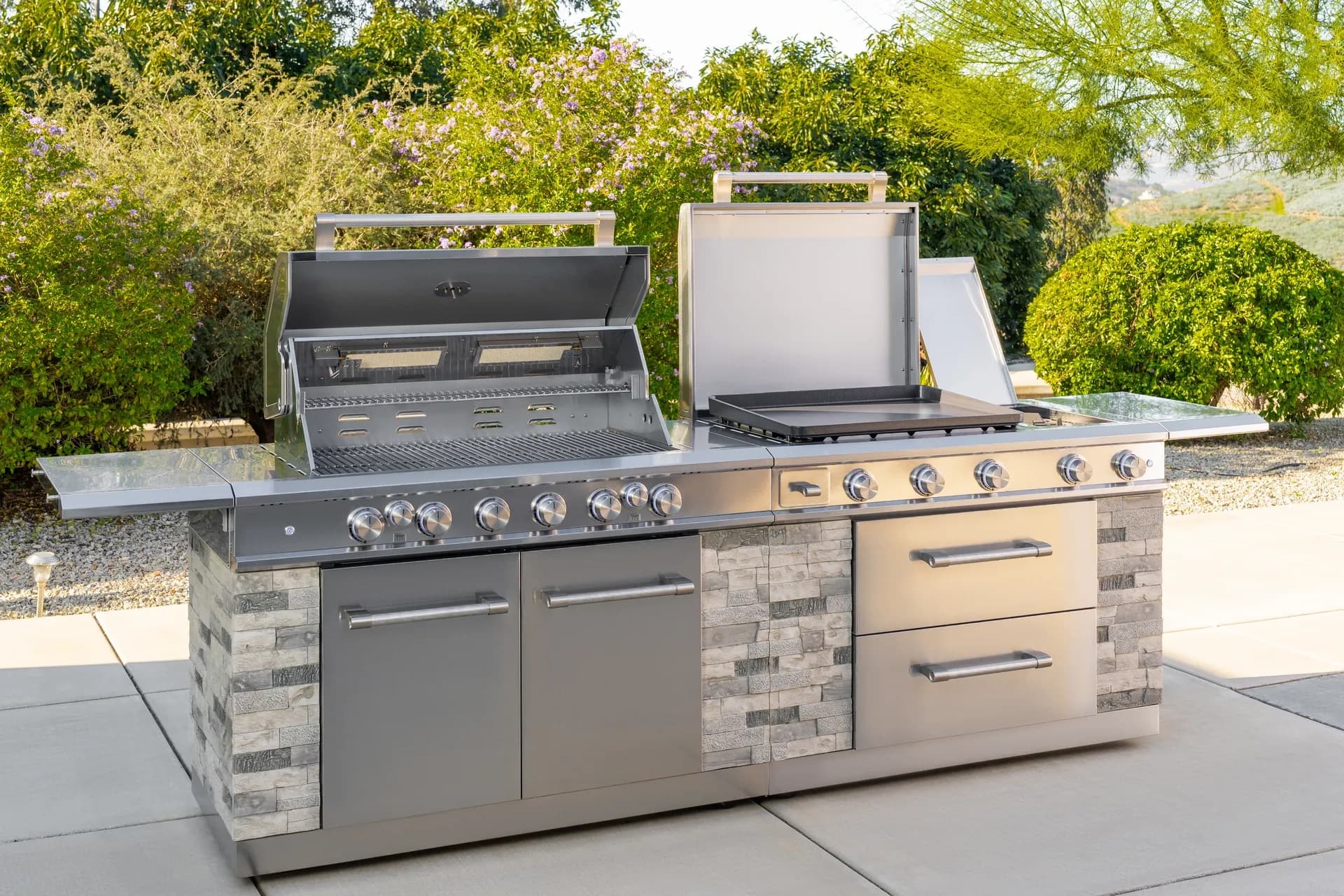
We offer gas grills, pellet grills, griddles, smokers, pizza ovens, portable/tabletop grills, electric grills, accessories, and replacement parts — allowing customers to stay within one ecosystem for all outdoor cooking needs.
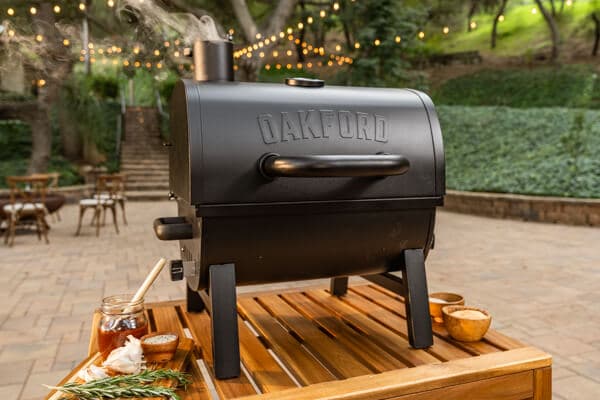
We differentiate ourselves through smart grilling products like the Oakford smart pellet grill, including app-connected cooking controls and modern outdoor cooking technology.
Expert tips, buying guides, comparisons, and inspiration for choosing and getting the most out of your grill.

Practical guides for cleaning, maintenance, common grill issues, and performance optimization.

Step-by-step grilling recipes, cooking techniques, and meal ideas for every occasion and skill level.

Backyard entertaining ideas, seasonal grilling inspiration, and stories that celebrate outdoor cooking culture.

Helpful articles covering grilling tools, cookware, maintenance gear, and must-have accessories for outdoor cooking.

Find griddle recipes, cooking techniques, cleaning tips, and outdoor meal ideas designed for Nexgrill griddles.
Find answers to common questions
Gas grills provide instant heat and precise temperature control, making them easier to use. Charcoal grills offer a smoky flavor and high heat for searing but require more time to heat up and manage.
Pellet grills combine the convenience of gas with the flavor of wood, allowing for smoking, baking, and grilling. Traditional gas grills, however, are quicker to start and often easier to clean.
Charcoal grills typically reach higher temperatures quicker than gas grills, making them better for searing meat. However, high-quality gas grills can also provide adequate heat for effective searing.
Nexgrill offers models designed specifically for gas, charcoal, and pellets, allowing users to choose based on their cooking style and flavor preferences. Each type is built to optimize the characteristics of its respective fuel.
Choosing between gas and charcoal grills depends on your cooking preferences and lifestyle. If you value convenience and quick cooking, a gas grill may suit you better; if you prefer the taste and experience of traditional grilling, a charcoal grill would be ideal.
In This Article
Accurate Cooking
Preventing Foodborne Illness
Enhanced Flavor
Using grill thermometers for safety is one of the simplest habits that can change the quality and confidence of your outdoor cooking. A thermometer takes the guesswork out of doneness, which matters whether you are grilling chicken breasts for a weeknight dinner, burgers for a neighborhood cookout, or thick pork chops on a busy weekend. Visual cues like grill marks, browned edges, and clear juices can be misleading, especially when heat is uneven or meat thickness varies. A thermometer gives you a direct reading from the food itself, which is what determines whether it is safely cooked.
Nexgrill’s brand approach emphasizes welcoming, dependable outdoor cooking for people with different skill levels and cooking styles, and thermometer use fits that philosophy well. It is a practical tool for beginners who want reassurance and for experienced grillers who want consistency across different cuts and recipes. When you cook with a thermometer, you are not just protecting flavor. You are building a repeatable process that helps you serve food at the right temperature, with less second-guessing and fewer overcooked results. That balance of confidence and control is especially valuable in backyard grilling, where heat, weather, and timing can shift quickly.
can reduce uncertainty every time you move from flame to plate
Thermometers also help you cook more generously and more consistently for a group. If you are grilling for family, friends, or a mix of adults and children, you may be handling different proteins at once, each with its own safe internal temperature target. That is where thermometer use becomes part of the hosting experience, not just a technical detail. Instead of cutting into food repeatedly or relying on timing alone, you can use a fast reading to make decisions quickly and keep the meal moving. In that sense, a thermometer supports both safety and the relaxed, social rhythm that makes grilling enjoyable.
The best way to think about a grill thermometer is as a safety instrument first and a quality tool second. Safety comes from knowing the interior of the food has reached the proper temperature; quality comes from removing the food at the right moment, before moisture is pushed out by overcooking. That combination is what keeps chicken juicy, steak rested properly, and seafood tender. For anyone building better grilling habits, thermometer use belongs near the top of the list.
Foodborne illness is the core reason thermometer use matters. Raw or undercooked poultry, ground meats, and mixed dishes can contain harmful bacteria that are not visible, smelled, or tasted. A grill surface may look hot and a piece of meat may look done on the outside, but the center can still be below a safe temperature. That gap between appearance and reality is where mistakes happen. Accurate cooking is not about cooking everything until it is dry; it is about reaching a safe internal temperature without overshooting it.
A thermometer helps close that gap because it measures the coldest part of the food directly. Heat moves from the outside inward, and the center usually lags behind the surface. Thick cuts, bone-in pieces, stuffed foods, and irregular shapes can all create uneven heating. For example, a butterflied chicken breast may finish differently than a thick bone-in thigh; a burger patty compressed tightly at the center can read differently from one formed more loosely. Thermometer use is the practical response to those differences. It tells you when food is actually safe, rather than when it merely appears ready.
This is also where grilling habits intersect with kitchen habits. Many home cooks know the importance of food safety indoors, yet assume that an outdoor grill somehow makes the process more forgiving. In reality, the same rules apply. You still need to avoid undercooking high-risk foods, and you still need a reliable method to check doneness. If you are serving a mixed menu, a thermometer becomes even more important because some foods finish much faster than others. That is especially true when you are cooking for guests with different preferences and when you want to avoid cross-guessing based on time alone.
Warning: Do not use color alone as a safety signal. Meat can brown before the center reaches a safe temperature, especially on hotter grill zones.
Temperature accuracy matters not only for safety but also for trust at the table. If you cook a meal for your family, guests should not have to wonder whether the protein is safe. A reliable thermometer removes that uncertainty and helps you develop a consistent standard every time you grill. That consistency becomes especially valuable when you move between different fuels, different grill sizes, or different weather conditions, all of which can change cooking speed.
Not every thermometer works the same way, and the right choice depends on how you cook. The main distinction is between instant-read thermometers and leave-in thermometers. Instant-read models are designed for quick spot checks. They are ideal when you want a fast answer at the end of cooking or when you need to monitor several pieces without leaving a probe in the food. Leave-in thermometers remain in the food during cooking and continuously track temperature, which can be useful for thicker cuts or longer grill sessions.
Digital thermometers are popular because they are easier to read quickly than analog dials. Many offer a clear display, fast response time, and thin probes that minimize damage to the food. Analog thermometers can still be useful, especially in simple setups, but they usually require more interpretation and may not update as quickly. For safety-focused grilling, readability and response speed are real advantages because they reduce the chance of leaving the food on the heat too long while you wait for a result.
Probe-style thermometers are especially helpful for indirect cooking, smoking, and larger cuts like whole chickens or roasts. They let you keep track of internal temperature without opening the lid repeatedly. That matters because frequent lid lifting can release heat and extend cooking time. For people who use a pellet smoker or a multi-zone gas grill, a probe thermometer can be the difference between controlled cooking and a lot of unnecessary guesswork. A dual-probe setup is even more flexible because it can monitor two foods or two zones at once.
| Thermometer type | Best use | Safety advantage |
|---|---|---|
| Instant-read digital | Quick checks on burgers, steaks, chops | Fast readings reduce overcooking while confirming doneness |
| Leave-in probe | Chicken, roasts, thick cuts, long cooks | Continuous monitoring without repeated lid opening |
| Dual-probe system | Two foods or food plus ambient heat | Helps track multiple safety points at once |
When choosing a thermometer, think about visibility, probe length, speed, and how often you grill foods that need internal temperature tracking. A casual griller may be happiest with a simple instant-read model. Someone who cooks whole poultry or slow-cooks on a pellet grill may prefer a probe system with alarms. The right tool is the one you will actually use consistently, because the best thermometer is the one that becomes part of your routine instead of staying in a drawer.
Using a thermometer correctly is just as important as owning one. Start by preheating the grill and preparing the food so that you are checking temperature under stable cooking conditions. If the grill is still coming up to heat, readings may not reflect the final state of the food. Once the food is close to done, insert the probe into the thickest part of the item, avoiding bone, fat pockets, and empty air spaces. Those areas can give misleading readings and make you remove food too early.
For thin items such as burgers or smaller cuts, insert the probe from the side when possible so the tip reaches the center of the food. For chicken breasts or thick chops, insert straight into the thickest part. If you are checking several items, test more than one piece because individual pieces may cook at different rates. On a crowded grill, even placement matters; food near hotter zones may reach target temperature before pieces placed near cooler edges. The thermometer tells you what is happening in the slowest-to-cook part, which is the part that matters most for safety.
It also helps to allow food to rest after removing it from the grill. Temperature can rise a few degrees during resting, especially for thick cuts. That means you should plan for carryover heat rather than chasing the exact number on the grill grate at the last second. If your target is nearly reached, pull the food early enough to account for that rise. This is one reason experienced grillers use thermometers actively instead of passively. They are not waiting for a random clock to end; they are watching the food’s actual condition.
Tip: Clean the probe between checks, especially when moving from raw poultry to cooked foods, to help prevent cross-contamination.
If you are grilling multiple proteins, work from the foods with the highest safety requirements first and use separate plates for raw and cooked items. A thermometer supports food safety, but it should be part of a broader handling routine that keeps raw juices away from ready-to-eat food. The right steps are simple: preheat, probe the thickest section, confirm the correct number, rest the food, and serve with confidence.
Safe internal temperatures vary by protein, which is exactly why a thermometer is so useful. Different meats and foods need different endpoints, and the number that means “done” for one item may be too low for another. In the United States, a widely used safety benchmark is 165°F for poultry, while ground meats and many reheated dishes also require higher internal temperatures than whole muscle cuts. Whole cuts of beef, pork, lamb, and veal can often be served at lower temperatures if handled properly, but the exact target depends on personal preference and the food safety guidance you are following.
| Food | Common safe target | Why it matters |
|---|---|---|
| Poultry, including chicken and turkey | 165°F | Reduces risk from pathogens commonly associated with poultry |
| Ground beef, pork, lamb, veal | 160°F | Ground meats can spread surface bacteria throughout the product |
| Fish and seafood | 145°F or until flesh flakes easily | Supports safety while preserving texture |
| Leftovers and reheated dishes | 165°F | Ensures safe reheating before serving |
For whole cuts like steaks or pork chops, thermometers still matter because they help you reach the texture you want without drifting into dryness. The thermometer is not only a safety checkpoint; it is also a precision tool for flavor. If you know the exact internal temperature, you can rest the meat at the right moment and preserve juiciness. That is especially helpful when cooking for different preferences, such as medium-rare steaks alongside fully cooked chicken pieces. Thermometers let you manage those differences without compromising either safety or quality.
A thermometer is only as useful as its accuracy. Over time, probes can shift, batteries can weaken, and displays can become harder to trust if the tool is dropped or stored carelessly. Maintenance starts with keeping the probe clean and dry after each use. Food residue can affect sanitation and, in some cases, interfere with contact or response time. Store the thermometer in a protective case if possible, and avoid bending the probe tip, which can throw off readings.
Calibration is the best way to verify that your thermometer still reads correctly. Some models include built-in calibration features; others can be checked using the ice-water method. In that method, a properly prepared ice bath should read close to 32°F at sea level. If your thermometer is off by more than a small margin, follow the manufacturer’s instructions for adjustment or replacement. Calibration is worth doing periodically, especially before peak grilling season or after the thermometer has been dropped. A thermometer that looks fine but reads inaccurately can create a false sense of safety, which is the opposite of what you want.
Info: Replace batteries early if the display slows down or flickers. Unstable power can make digital readings less dependable.
It also helps to check whether the probe is appropriate for the food you cook most often. A short probe may work well for thinner items but can be less effective on thicker roasts. Likewise, a damaged wire on a leave-in model can create inconsistent signals. Treat the thermometer as part of your core grilling gear. If it is clean, accurate, and stored properly, it will support safer meals all season long. Try comparing two products side by side below to see which fits best:
Once you've compared basic thermometer styles, the next question is what modern features actually help you cook more safely and with less friction. The newest grill thermometers are not just temperature sticks with a display; many now include faster response times, multiple probes, stronger magnets or stands, backlit screens, and alarms that alert you when food reaches a target temperature. These features are useful because they reduce the number of times you need to open the lid or hover over the grill, both of which can interrupt heat stability and make timing less predictable.
One of the most practical upgrades is a dual- or multi-probe setup. A single probe can tell you when one piece of meat is done, but multiple probes let you track two proteins or compare food temperature to grill temperature at the same time. That is especially useful when you are cooking a chicken on one side of the grill and vegetables or a steak on the other. In a busy backyard setting, that added visibility helps you manage the entire cook instead of focusing on one item and hoping the rest works out. For larger gatherings, multi-probe systems can be a serious time-saver because they reduce the need for repeated manual checks.
Other useful features include audible alerts, programmable target settings, and temperature presets for common proteins. Presets are not a substitute for knowing safe temperatures, but they can make the process faster when you are cooking familiar foods. A clear display matters too, especially in bright daylight or when the grill is placed a little farther from the prep area. If you have ever squinted at a screen while holding a hot tray, you already know why readability matters. Modern thermometers often solve that with large numbers, illuminated screens, and app-connected monitoring that lets you stay focused on the meal.
Info: The most useful advanced feature is usually not the most expensive one. Choose the feature that solves your most common cooking problem, whether that is visibility, distance, or managing multiple items at once.
For Nexgrill-style outdoor cooking, advanced thermometer features fit especially well with flexible cooking setups such as gas grills, pellet smokers, and griddles with multiple zones. The best feature set is the one that helps you cook with fewer interruptions and more consistency, not the one with the most buttons. In other words, practicality beats novelty when safety is the goal.
Wireless and smart thermometers have become popular because they let you monitor food without standing over the grill. Instead of checking manually every few minutes, you can receive readings on a handheld receiver or a smartphone app. That is especially useful for long cooks, when you are juggling side dishes, setting the table, or talking with guests. The main benefit is convenience, but the deeper value is precision: when a thermometer alerts you at the right moment, you can remove food at the correct temperature before it crosses into overcooked territory.
Smart thermometers usually pair a probe with Bluetooth or Wi-Fi connectivity. Bluetooth models work well when you stay within range, while Wi-Fi-connected versions can be useful if you move around the house or yard more freely. Some systems let you set high and low alerts so you know whether the grill or the food is drifting out of range. That matters for safety and consistency, especially during longer cooks like whole chickens, pork shoulder, or brisket-style meals. Instead of checking constantly, you can be notified when attention is actually needed.
That said, wireless thermometers are best viewed as an aid, not a substitute for sound grilling habits. A smart alert still depends on a correctly placed probe, a calibrated sensor, and a charged battery or stable connection. If any of those break down, the system becomes less reliable. For that reason, it is smart to test your device before a big cook, confirm your app settings, and make sure notifications are enabled. A smart thermometer works best when the setup is simple and the signal is strong.
For many home grillers, the biggest advantage is peace of mind. You can step away from the grill long enough to manage sides or enjoy your guests without losing track of the meat. That makes smart thermometers a strong fit for people who host often or who like slow-cooked barbecue but do not want to babysit the grill every minute. If safety, convenience, and better timing all matter to you, wireless options are worth a close look.
The easiest way to get more value from a thermometer is to make it part of your routine before, during, and after each cook. Start by keeping it with your core grilling tools so you do not have to search for it when the food is nearly done. If the thermometer lives near your spatula, tongs, and resting tray, you are more likely to use it at the right moment instead of after the food has already overcooked. That small workflow decision often matters more than the brand of the thermometer itself.
A practical routine begins before the grill is lit. Check that the battery works, the probe is clean, and the display is readable. Then decide which foods need the thermometer most. Poultry, ground meats, and thicker cuts should be on your check list. As the food cooks, use the thermometer only when the item is close to finished or when a probe system signals that the temperature is trending upward. This keeps the grill experience relaxed instead of overly technical. You are not trying to measure every two minutes; you are trying to confirm the right moment to serve.
It is also helpful to build a quick post-cook habit. Clean the probe, wipe the body of the thermometer if needed, and store it where it will not get bent or exposed to moisture. Over time, that routine improves accuracy and extends the life of the device. For frequent grillers, the thermometer becomes part of the same mental sequence as seasoning, preheating, resting, and plating. Once that sequence is established, safer cooking feels easier and more natural, which is exactly what you want when cooking for family or friends.
Tip: Keep a small note card or phone note with your most-cooked safe temperature targets so the numbers stay easy to reference during busy cooks.
Accessories can make thermometer use simpler, cleaner, and more reliable. A protective case is useful if you transport your thermometer to tailgates or store it with other tools in a crowded drawer. Probe clips help hold sensors in place and can reduce awkward placement when you are tracking grill temperature rather than food temperature. High-temperature gloves can also help, because they let you position probes or move food without rushing and risking a bad placement. When the right accessory removes one small annoyance, the thermometer gets used more often and more correctly.
Another useful accessory is a replacement probe or cable set for models that support them. If a probe is damaged, having a spare can keep your cooking plan on track. For smart thermometers, a charging dock or battery backup can be the difference between a smooth meal and a dead device right when you need it most. Some users also keep a notebook, magnet, or printable temperature chart nearby so that target temps are always visible. Those supporting items may seem small, but they reinforce the habit of checking internal temperature rather than guessing.
The best accessories are the ones that match your cooking style. If you mostly grill quick weeknight meals, a compact case and a good clip may be enough. If you smoke larger cuts on a pellet grill, extra probes and a wireless receiver might be more valuable. Either way, accessories should support the thermometer, not complicate it. Keep the setup simple enough that you can focus on food quality and safety without turning every cook into a gear project.
When a thermometer stops behaving as expected, the issue is often easy to solve. If the readings seem inconsistent, start with the battery. Low power can cause delayed updates, dim screens, or intermittent wireless connections. Next, inspect the probe for bending, damage, or residue. A probe that is bent or coated with buildup may not respond as accurately. If your device uses a cable, check the connection point carefully, since a loose fit can create false readings or signal dropouts. These are simple checks, but they solve many problems before they disrupt a cook.
If the temperature seems clearly wrong, recalibrate the thermometer before assuming the food or grill is the problem. A quick ice-water test can reveal whether the device is reading too high or too low. If the thermometer is still out of range after calibration, it may be time for replacement or service. Wireless units can also lose connection because of distance, interference, or app settings. In those cases, move closer to the receiver, restart the device, and confirm that notifications are enabled. A weak signal does not mean the grill is unsafe; it usually means the monitoring system needs attention.
Another issue is probe placement. If you keep getting odd numbers, the probe may be too close to fat, bone, or the surface. Reposition it into the thickest section and try again. With practice, most troubleshooting becomes instinctive. You will learn whether the issue is the device, the placement, or the food itself. That kind of experience is valuable because it keeps you calm and focused when a meal is on the line.
Warning: If the thermometer is damaged, unreliable, or repeatedly off after calibration, do not rely on it for high-risk foods.
A grill thermometer is one of the smallest tools on the patio, but it has an outsized effect on both safety and quality. It helps you serve food at the right internal temperature, which is the foundation of avoiding foodborne illness, but it also protects texture and moisture by preventing overcooking. That is a valuable combination for anyone who grills regularly, especially in a home setting where food is shared with family and guests.
If you are choosing where to spend your grilling budget, a dependable thermometer is a smart place to invest. You do not need the most complicated device on the shelf; you need one that is accurate, easy to read, and suited to the kinds of food you cook most often. For many households, that means a simple instant-read model plus a reliable probe thermometer for longer cooks. For others, a wireless smart system makes sense because it fits the way they host and multitask. Either way, the right thermometer turns grilling into a more confident, more repeatable process.
The best grilling habits are usually the simple ones you repeat every time. Keep the thermometer clean, test it periodically, and use it before food leaves the grill. That routine supports better results and safer meals without adding stress to the cookout. In practical terms, that is a worthwhile upgrade for any backyard griller who wants less guessing and more control.
Here's what sets us apart
We position ourselves as delivering high-end outdoor cooking features and performance without premium-brand pricing, emphasizing “Quality Grills. Unbelievable Value.”
We offer gas grills, pellet grills, griddles, smokers, pizza ovens, portable/tabletop grills, electric grills, accessories, and replacement parts — allowing customers to stay within one ecosystem for all outdoor cooking needs.
We differentiate ourselves through smart grilling products like the Oakford smart pellet grill, including app-connected cooking controls and modern outdoor cooking technology.
Don't just take our word for it
Keep reading
From our catalog