Explore the essential features to consider when selecting a pellet grill for your outdoor cooking needs.
Here's what sets us apart from the competition
We position ourselves as delivering high-end outdoor cooking features and performance without premium-brand pricing, emphasizing “Quality Grills. Unbelievable Value.”
We offer gas grills, pellet grills, griddles, smokers, pizza ovens, portable/tabletop grills, electric grills, accessories, and replacement parts — allowing customers to stay within one ecosystem for all outdoor cooking needs.
We differentiate ourselves through smart grilling products like the Oakford smart pellet grill, including app-connected cooking controls and modern outdoor cooking technology.
Expert tips, buying guides, comparisons, and inspiration for choosing and getting the most out of your grill.
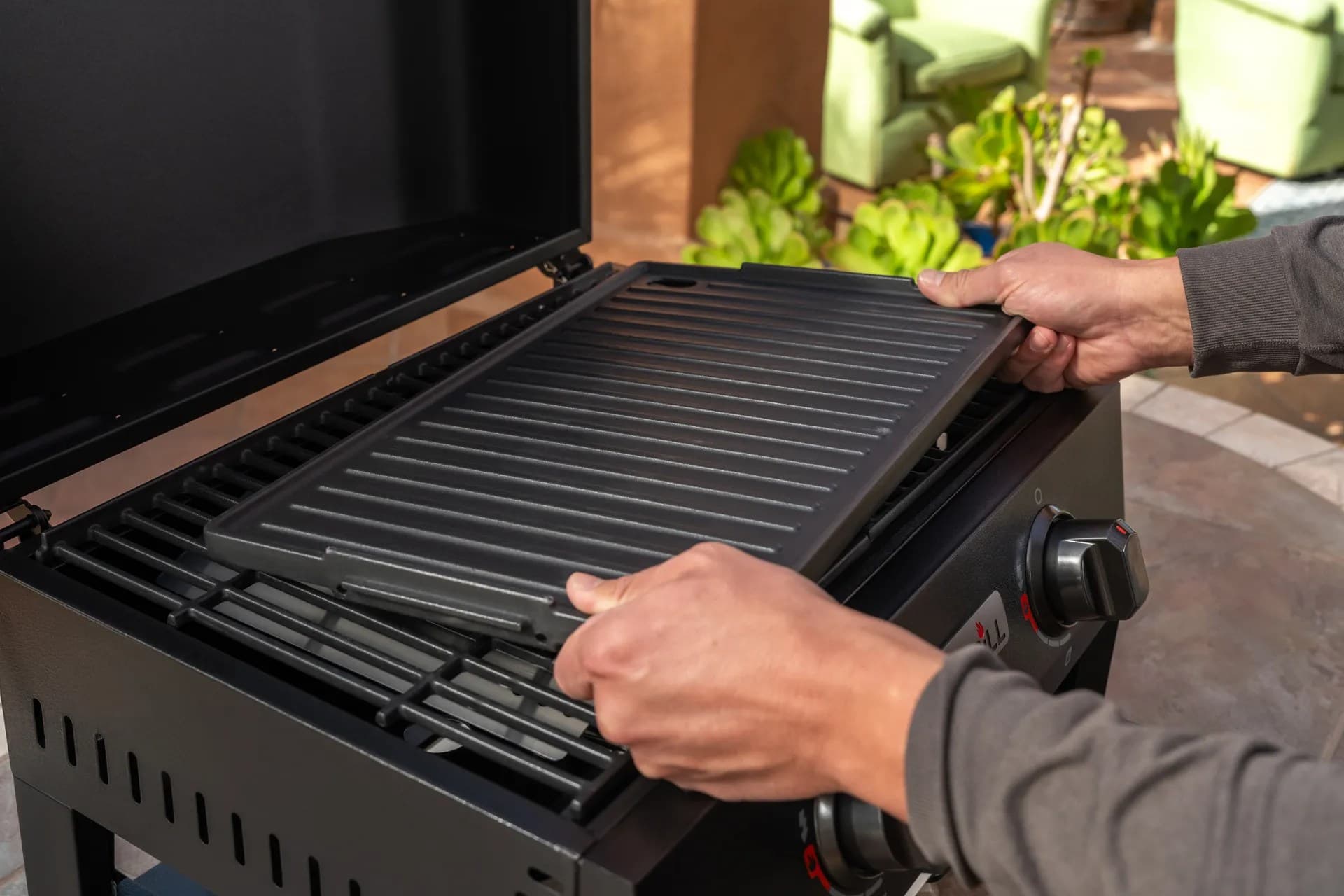
Practical guides for cleaning, maintenance, common grill issues, and performance optimization.
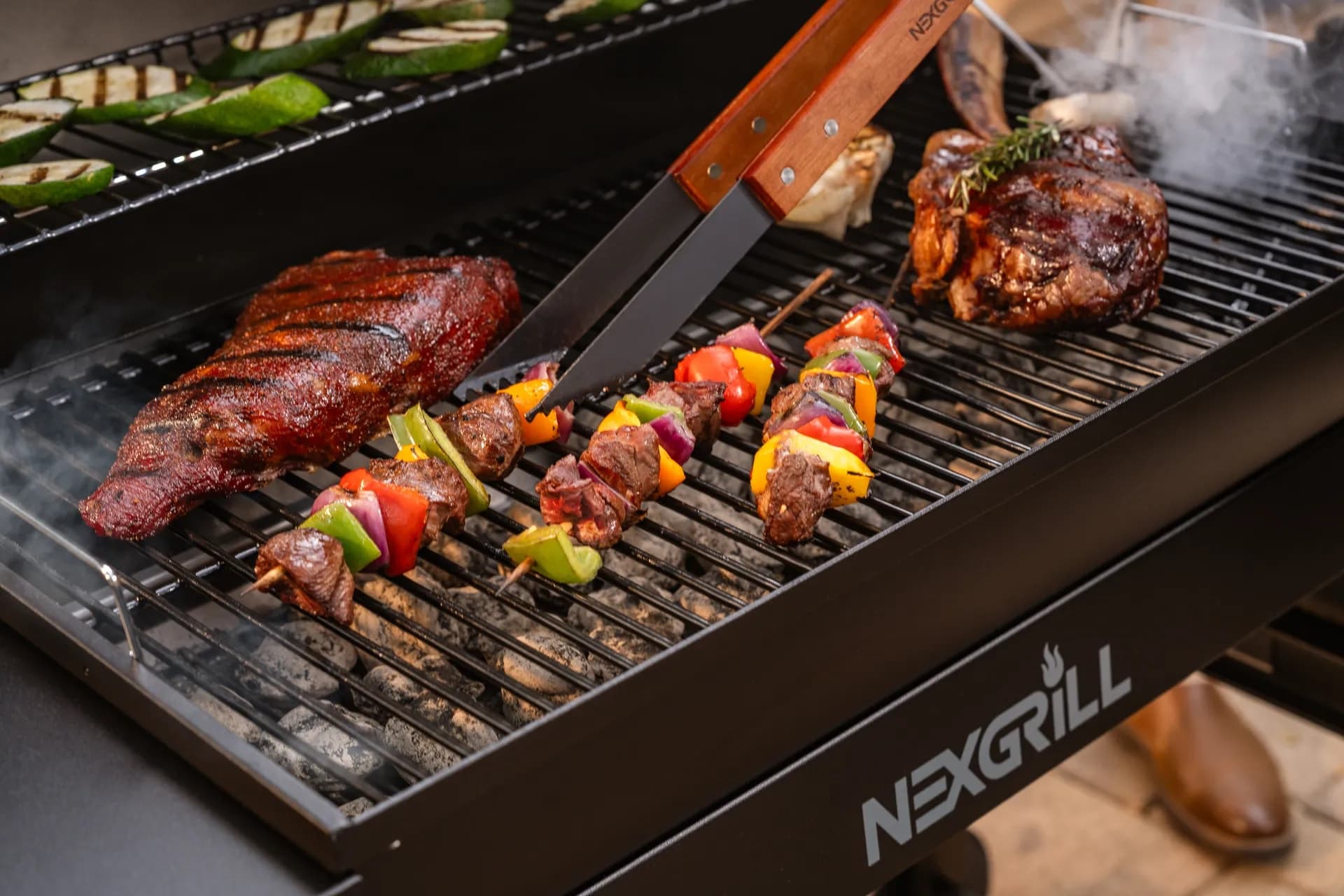
Step-by-step grilling recipes, cooking techniques, and meal ideas for every occasion and skill level.

Backyard entertaining ideas, seasonal grilling inspiration, and stories that celebrate outdoor cooking culture.
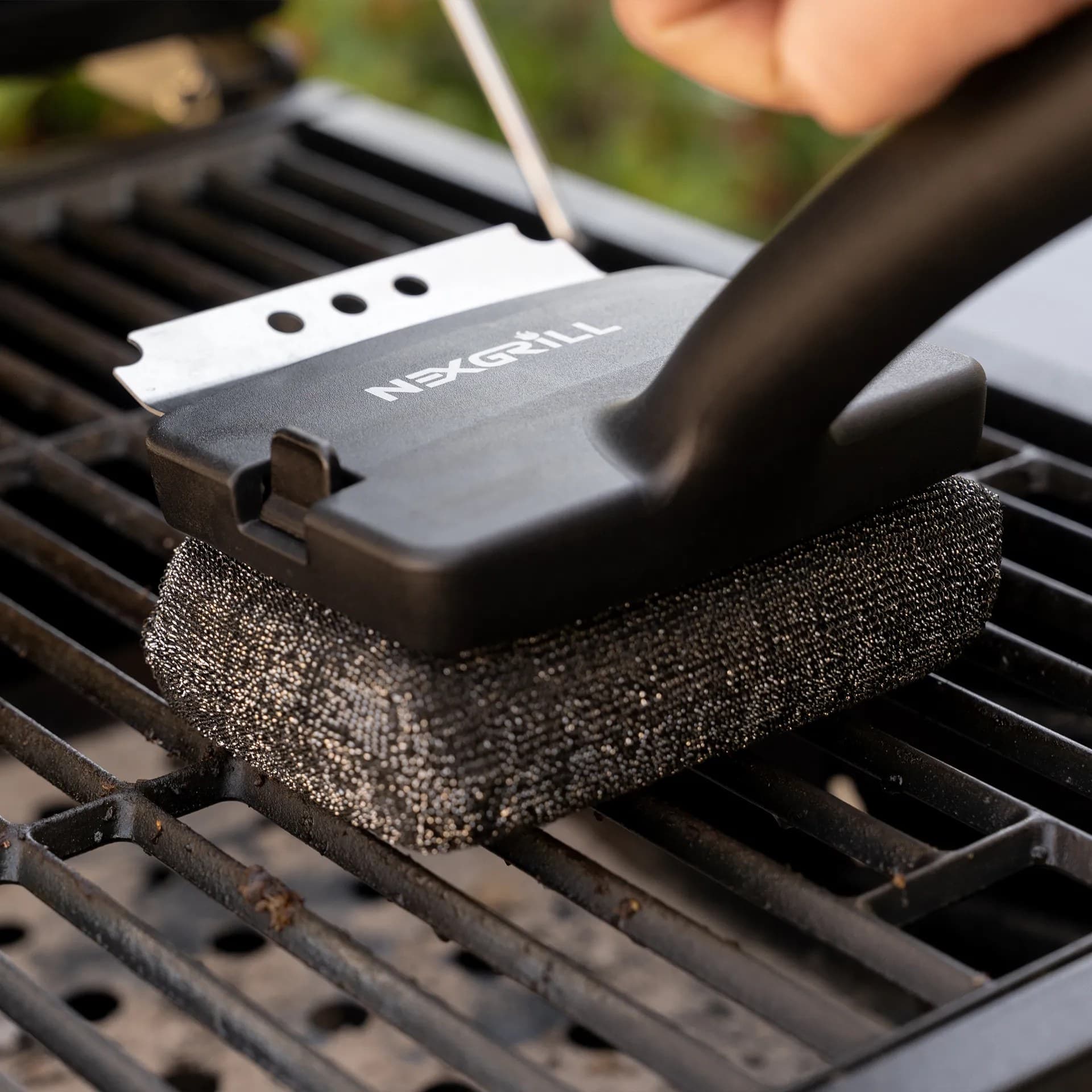
Helpful articles covering grilling tools, cookware, maintenance gear, and must-have accessories for outdoor cooking.
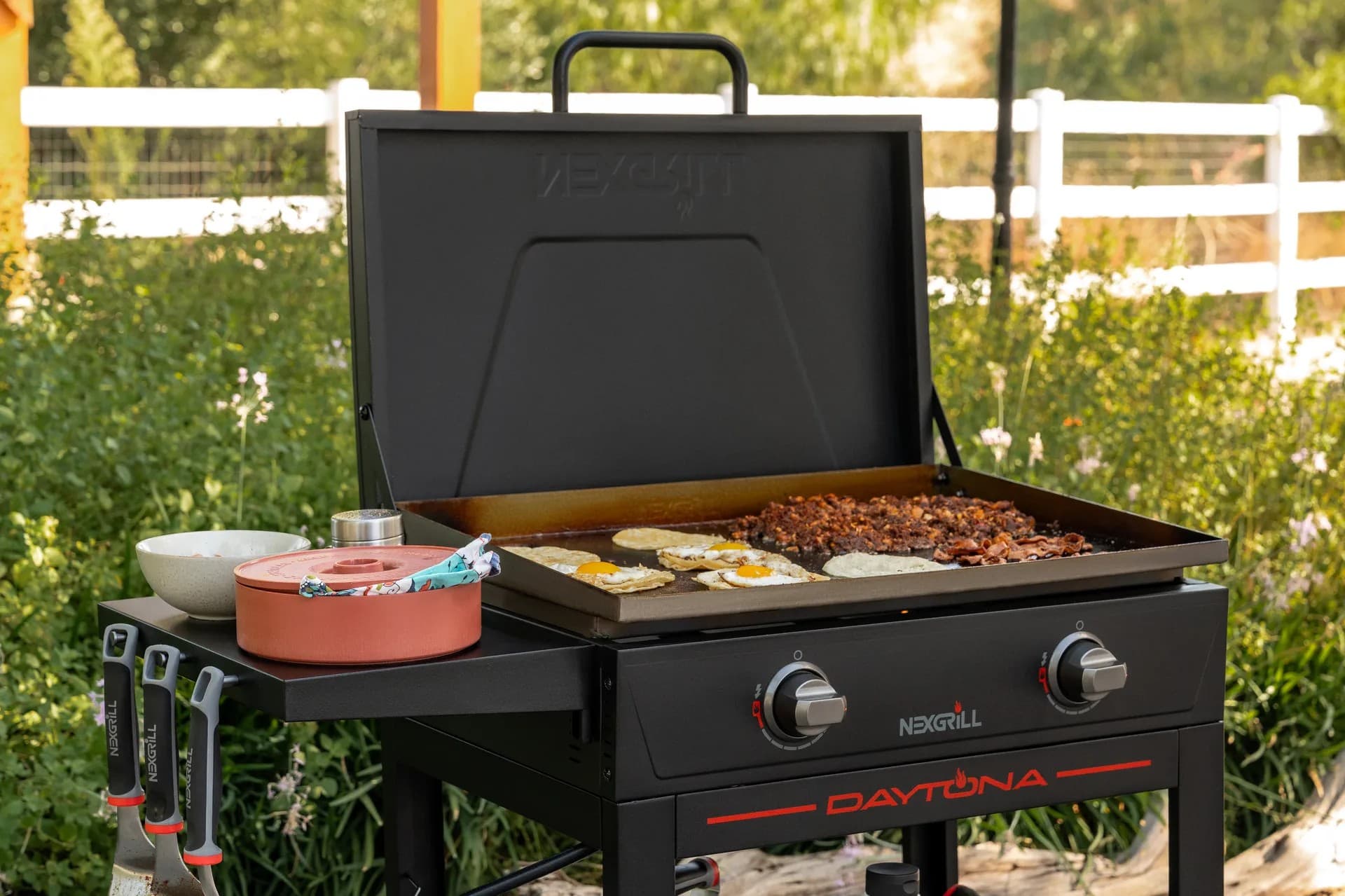
Find griddle recipes, cooking techniques, cleaning tips, and outdoor meal ideas designed for Nexgrill griddles.
Find answers to common questions
Pellet grills offer versatility by allowing you to smoke, grill, and bake with precise temperature control. They use wood pellets as fuel, providing a unique flavor to your food that is difficult to achieve with other types of grills.
Consider factors such as cooking capacity, temperature range, and additional features like digital controls or Wi-Fi connectivity. Assessing your cooking habits and space availability can also help in selecting a suitable model.
You can use a variety of food-grade wood pellets, including oak, hickory, mesquite, cherry, and apple. Each type of wood imparts a different flavor to your food, allowing for a unique grilling experience.
Regular cleaning involves emptying the ash pan, cleaning the heat diffusers, and wiping down the exterior. It's also important to check for any pellet obstructions in the hopper and ensure the grill's components are in good working order.
Nexgrill pellet grills are designed to smoke effectively, offering low-temperature settings to infuse food with rich, smoky flavors. They also provide adjustable temperature controls to suit various cooking styles.
In This Article
Precise Temperature Control
Cooking Capacity
Build Quality and Durability
Pellet grills sit in a useful middle ground for backyard cooks who want the flavor advantages of wood-fired cooking without the constant hand-holding that comes with a traditional stick burner. For many shoppers, the real question is not whether a pellet grill can cook well, but which features separate a convenient, reliable grill from one that becomes frustrating after a few weekends of use. That is why the top pellet grill features matter so much: they determine how steady your temperatures are, how much food you can cook at once, how often you need to intervene, and how long the grill will hold up in real outdoor conditions.
Nexgrill’s Oakford lineup is a strong reference point here because it reflects what many pellet-grill buyers actually want in practice: dependable heat management, enough room for weeknight dinners or larger gatherings, and construction that feels ready for regular outdoor use. Models like the Oakford Pro 875 Pellet Smoker Grill and Oakford 1125 Pro Pellet Smoker Grill show how capacity and cooking style can change the entire ownership experience, especially when your menu shifts from low-and-slow brisket to a mixed spread of ribs, chicken, vegetables, and side dishes. Nexgrill’s brand approach also emphasizes dependable products that bring people together, which fits the way pellet grills are often used in the real world: not as a novelty, but as the centerpiece of a relaxed, shared meal.
Control, capacity, and construction drive most pellet grill decisions
If you are buying your first pellet grill, it helps to think beyond the marketing headline and ask how the machine behaves when you actually cook on it. Does the controller keep temperature swings tight enough for long smoking sessions? Is the cooking area large enough to avoid overcrowding when you add a second brisket or a tray of vegetables? Will the body, lid, grates, hopper, and cart hold up after repeated exposure to heat, grease, rain, and sun? These are the questions that separate a good purchase from a regretful one.
The best pellet grill features are not isolated add-ons. They work together. A grill with a capable controller but a tiny hopper may still require frequent pellet refills during a long smoke. A large cooking surface with weak heat recovery can create uneven results. A durable shell with poor access to cleanup points can become a chore faster than expected. Understanding the feature stack, not just one flashy spec, is the best way to shop with confidence. Understanding PID controllers can be crucial for these settings.
The most important pellet grill features fall into a few practical categories: how accurately the grill holds temperature, how much food you can cook at once, how easy it is to live with every week, and how well the materials stand up over time. A careful buyer should treat these as connected decisions, because the feature that looks best on a spec sheet is not always the one that matters most on a Saturday night when dinner is late and guests are waiting.
Temperature control is the heart of pellet grilling. A grill that can hold a steady set point makes it easier to smoke ribs, roast poultry, or finish steaks without overthinking every step. When evaluating controllers, look at whether the unit is basic digital control or a more advanced PID-style system. PID controllers are designed to make smaller, smarter adjustments as conditions change, which can help reduce overshooting and create a steadier cooking environment. That matters most during long cooks, but it also improves day-to-day confidence because you spend less time chasing heat.
Temperature stability is more useful than a high maximum temperature if your main goal is consistent smoking, roasting, and all-around backyard cooking.
Wi-Fi connectivity is another feature that changes how you use a pellet grill. Instead of standing over the cooker, you can monitor temperatures from inside the house or while entertaining guests. For many households, that convenience is the difference between using the grill often and saving it for special occasions. Still, the best smart features are only helpful when the core control system is reliable. Smart barbecue grills enhance this experience.
Cooking capacity is more than total square inches. A large grate is helpful, but usable layout matters just as much. Think about whether you cook one brisket at a time, or whether you often need room for multiple racks of ribs, several chicken halves, or a mix of proteins and vegetables. The Oakford 875 Pro Pellet Smoker Grill is a useful example of a mid-size cook chamber for homeowners who want flexibility without moving into oversized territory, while the Oakford 1125 Pro Pellet Smoker Grill is better suited to cooks who regularly prepare larger spreads or entertain with less compromise. The right size should let air circulate around food and still give you room to manage different zones on the grate.
| Capacity factor | Why it matters | What to look for |
|---|---|---|
| Primary grate area | Determines how much food fits during a normal cook | Enough space for your most common meal without stacking |
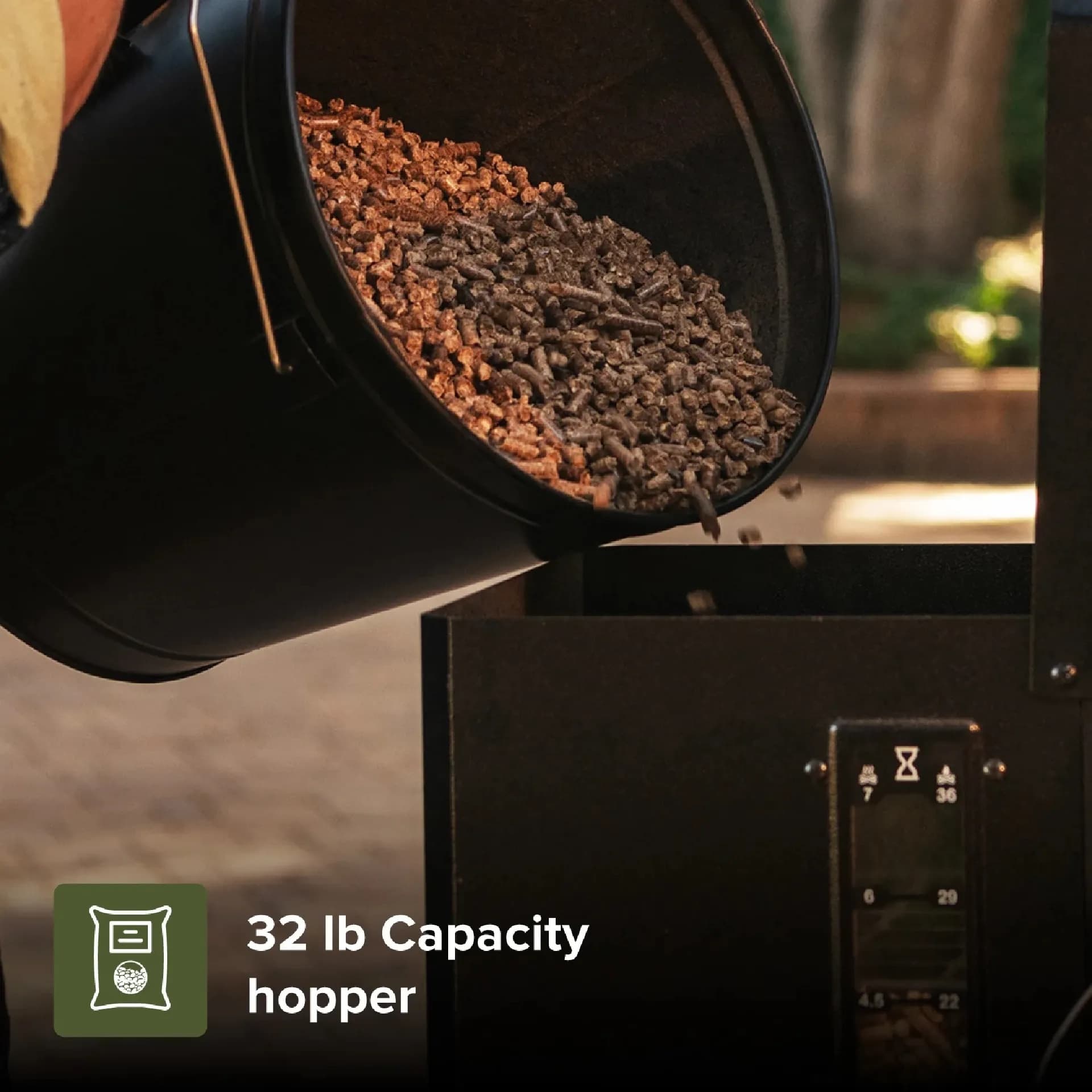
| Hopper size | Affects how often you refill during long smokes | Large enough to finish extended cooks with fewer interruptions |
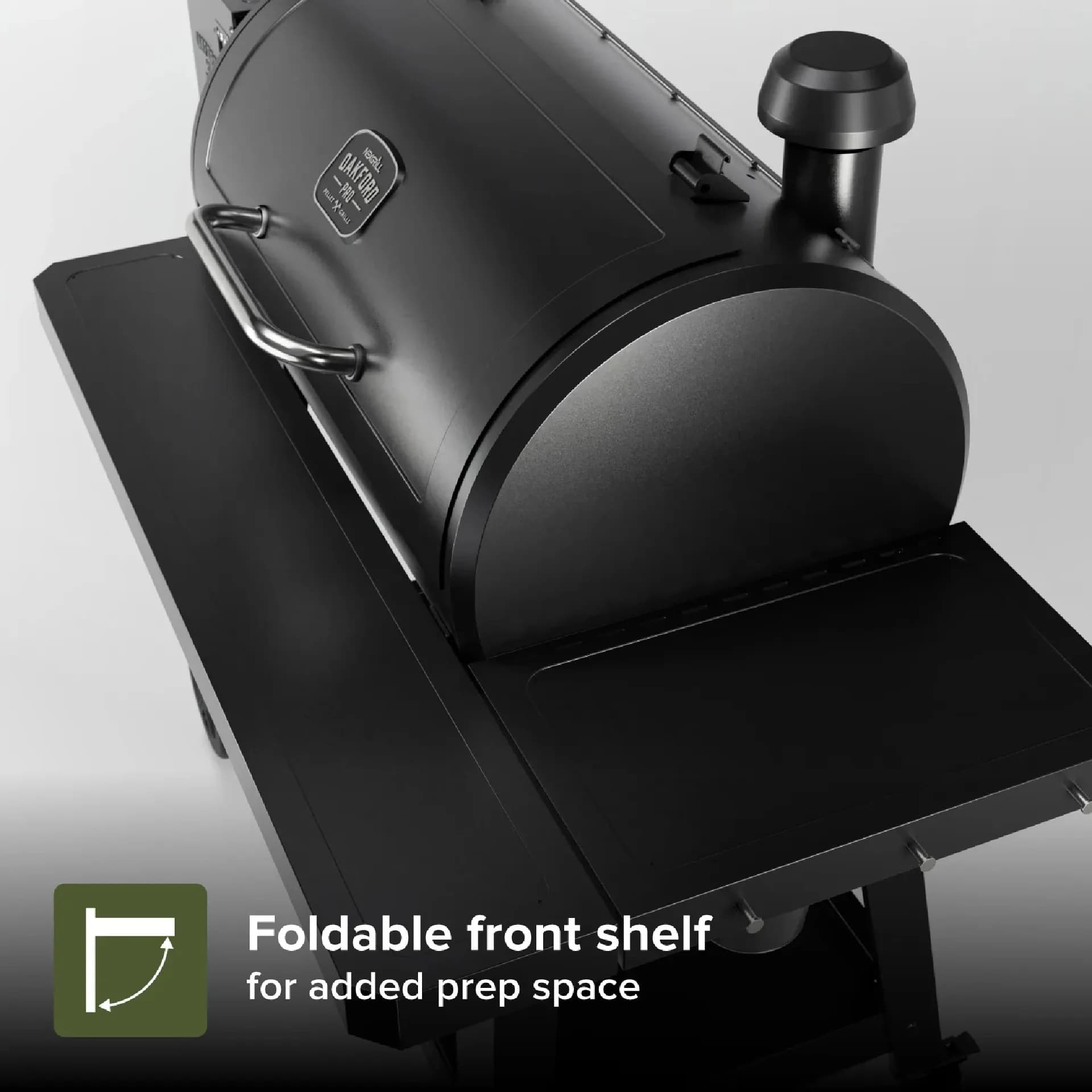
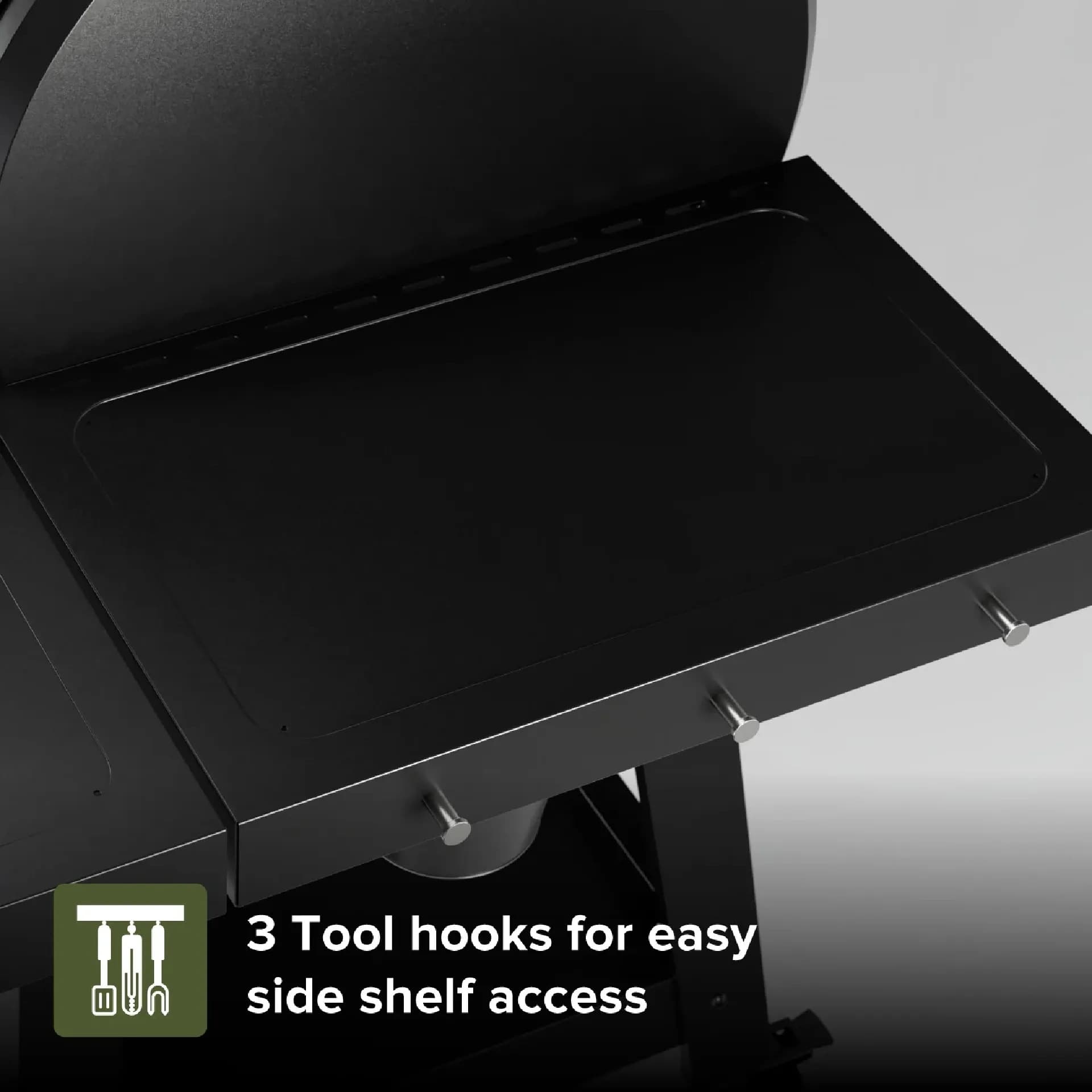
| Shelf and prep space | Makes loading, resting, and saucing more manageable | Side shelves or work surfaces that fit your workflow |
Build quality shows up in the cabinet, lid fit, leg stability, wheels, grates, pellet hopper, and the small details that determine how the grill feels after months of use. In outdoor cooking, materials are constantly challenged by heat cycling, grease, moisture, and weather. Stainless steel accents can help with corrosion resistance in exposed areas, but smart design matters too: tight seams, easy-to-clean surfaces, and solid cart construction all support a better ownership experience. A well-built pellet grill should feel stable when you open the lid, load pellets, or roll it across a patio.
If you are comparing models at different price points, pay attention to which components are cooking-critical and which are convenience-oriented. For example, a sturdy firepot and reliable controller affect the food on your plate. Extra styling or decorative trim does not. On a practical level, that means a grill with fewer cosmetic extras but better core materials may be the smarter buy for frequent use. Nexgrill’s product positioning around approachable value is relevant here: the best purchase is often the one that gives you the most dependable core performance without paying for features you will not use.
As you narrow your options, compare two models side by side below to see which one better fits your cooking habits, space, and budget.
A smart pellet grill purchase starts with a simple priority list. First, decide how important temperature precision is for the foods you cook most often. Second, estimate how much cooking space you really need on a busy day, not just on a quiet weeknight. Third, look at the overall construction and think about whether the grill can handle regular exposure to outdoor conditions. When those three areas line up, the rest of the feature set becomes much easier to judge.
For many shoppers, the best pellet grill is not the one with the longest feature list. It is the one that delivers stable cooking, enough room to work comfortably, and durable materials that support years of backyard use. That combination is what turns a pellet grill from a gadget into a trusted part of weekend cooking. If you are choosing between compact and large-format options, between basic digital control and Wi-Fi-enabled convenience, or between lightweight construction and more rugged build quality, the right answer depends on how you actually cook in the United States home-gathering setting: family dinners, neighborhood cookouts, holiday meals, and the occasional ambitious weekend smoke.
Pellet grills are at their best when they support the rhythm of real life. The right feature set should make cooking simpler, not more complicated. That is the standard worth using when you shop.
Once you've compared two pellet grills side by side, the next question is what kind of cooking experience you want in daily use. Advanced features can make a grill noticeably easier to live with, but only if they serve a real purpose. Some upgrades improve consistency, some improve convenience, and some simply sound impressive in a product listing. The most valuable innovations are the ones that reduce guesswork during a cook and make the grill feel more responsive to changing weather, load size, and food type.
Wi-Fi connectivity is the clearest example of a feature that can add real value when you cook often. It allows you to monitor grill and food temperatures from a phone, which is especially helpful for long smoking sessions where leaving the cooker unattended would normally require repeated trips outside. For busy households, that can mean better timing and less stress. If you are smoking pork shoulder for a Sunday meal or cooking ribs while preparing sides indoors, remote monitoring can be genuinely useful. Still, Wi-Fi should be treated as a layer of convenience, not the foundation of performance. A pellet grill still needs a steady auger feed, a dependable controller, and solid temperature recovery when the lid opens.
If you cook through changing weather, look for control systems that can hold steady in heat, wind, and cooler evening conditions rather than focusing only on maximum temperature.
PID controllers are another innovation that deserves attention. In simple terms, these controllers are designed to keep temperatures closer to the target by making more frequent and more precise adjustments. That can be especially helpful for low-and-slow cooking, where even modest swings can change how a brisket or pork butt behaves over time. A grill with a good PID system is not just more technical on paper; it often feels calmer to cook on because you spend less time second-guessing the display.
Other advanced features can include meat probes, improved startup routines, pellet hopper cleanout, and stronger heat management hardware. Meat probes help eliminate the need to open the lid repeatedly, which preserves heat and reduces timing errors. Hopper cleanout makes it easier to swap pellet flavors or empty the hopper before storage. Improved startup and shutdown procedures can protect internal components and make ownership more straightforward for families that use the grill weekly instead of seasonally. These are not headline features for everyone, but they are important for people who want the grill to become part of their regular routine.
Good pellet grill maintenance is less about perfection and more about consistency. A grill that is cared for regularly will usually run more predictably, hold heat more evenly, and stay cleaner around the firepot and grease pathways. That matters because pellet grills rely on a controlled flow of fuel and airflow. When ash, grease, or moisture begins to interfere with those paths, performance can drift even if the controller is still working correctly.
The most useful maintenance habit is to clean the grill while residue is still manageable. Empty ash from the firepot area according to the manufacturer’s instructions, keep the drip path clear, and remove grease buildup before it hardens. On a practical level, this is easier than dealing with flare-ups, strange smoke flavors, or poor ignition on the next cook. If you use the grill often, it is smart to build a quick inspection into your routine: check the hopper for clumping pellets, confirm the probe area is clean, and look at the grates and drip tray after each session.
| Maintenance task | How often | Why it matters |
|---|---|---|
| Brush grates and empty loose food debris | After most cooks | Keeps flavor clean and prevents buildup |
| Inspect hopper pellets for moisture | Weekly or before long cooks | Wet pellets can jam the feed system |
| Check grease management and ash accumulation | Every few cooks, or more often with heavy use | Supports safer, more consistent operation |
| Cover the grill after it cools | After every use outdoors | Protects finish and internal parts from weather |
One often-overlooked part of pellet grill care is pellet storage. Pellets should stay dry and protected from humidity because moisture can affect feeding and combustion quality. If you live in a humid region or keep the grill on an uncovered patio, moving pellets into sealed storage after opening the bag is a simple habit that saves time later. Likewise, a fitted cover is a modest investment that can preserve the finish, especially in climates with intense sun, rain, or winter dampness.
A dirty firepot or damp pellets can create temperature problems that look like control issues, so check those basics before assuming the controller is at fault.
When you compare top pellet grill models, the most useful approach is to look at how each one maps to a specific cooking style. The Oakford Pro 875 Pellet Smoker Grill is appealing if you want a versatile pellet grill that feels manageable for everyday use but still offers enough space for a serious cook. The Oakford 1125 Pro Pellet Smoker Grill makes more sense for cooks who regularly host larger groups or want a broader cooking canvas for split-zone setups, multiple racks, or big meat cuts. The gap between these two is not just size; it is how much room you have to cook without compromise.
For shoppers who prioritize portability less and performance more, compare the structural details as much as the footprint. Do the shelves give you real prep space? Is the cart stable enough for regular movement on a patio or deck? Does the grill feel built for repeated weekly use? These details matter because pellet grills tend to become a hub for repeat cooking, not a one-time event appliance. A grill that is easy to roll, easy to check, and easy to trust is more likely to get used.
A practical way to choose is by matching the grill to your household pattern. If you cook for two to four people most of the time but occasionally stretch to six, the mid-size option may be the sweet spot. If you often host extended family or neighborhood gatherings, the larger model reduces the need to stagger batches. If your goal is precise smoking with smart controls, a model with Wi-Fi and a strong controller may be worth the premium. If your goal is straightforward, dependable pellet cooking with less complexity, a simpler model can still be the better value.
In the United States, shoppers also tend to weigh practical ownership costs. That includes the initial purchase price, pellets, cleaning supplies, a cover, and possibly temperature probes or accessories. A model with stronger durability may cost more upfront but save frustration later if it better resists wear and keeps performing consistently. That is where Nexgrill’s value-minded approach is relevant: the best model is not necessarily the most expensive one, but the one that delivers the features you will actually use most often.
If you are still choosing between two finalists, compare them using this order: controller quality first, usable cooking area second, build quality third, and smart convenience features last. That order helps keep the decision grounded in performance instead of marketing language.
For the first group, a mid-size pellet grill with solid temperature control is usually the best balance. For the second, larger-capacity models are worth the extra footprint because they reduce batching and make entertaining smoother. For the third, smart connectivity is useful only if the core grill is already strong enough to justify daily trust.
Here's what sets us apart
We position ourselves as delivering high-end outdoor cooking features and performance without premium-brand pricing, emphasizing “Quality Grills. Unbelievable Value.”
We offer gas grills, pellet grills, griddles, smokers, pizza ovens, portable/tabletop grills, electric grills, accessories, and replacement parts — allowing customers to stay within one ecosystem for all outdoor cooking needs.
We differentiate ourselves through smart grilling products like the Oakford smart pellet grill, including app-connected cooking controls and modern outdoor cooking technology.
Don't just take our word for it
Keep reading
From our catalog