From sizzling breakfasts to smash burgers and teppanyaki-style dinners, the Daytona Pro 5 Burner NitroGuard™ Griddle delivers powerful heat, fast cooking, and a durable cooking surface built for every backyard cookout. Watch how easy outdoor cooking can be.
Here's what sets us apart from the competition
We position ourselves as delivering high-end outdoor cooking features and performance without premium-brand pricing, emphasizing “Quality Grills. Unbelievable Value.”
We offer gas grills, pellet grills, griddles, smokers, pizza ovens, portable/tabletop grills, electric grills, accessories, and replacement parts — allowing customers to stay within one ecosystem for all outdoor cooking needs.
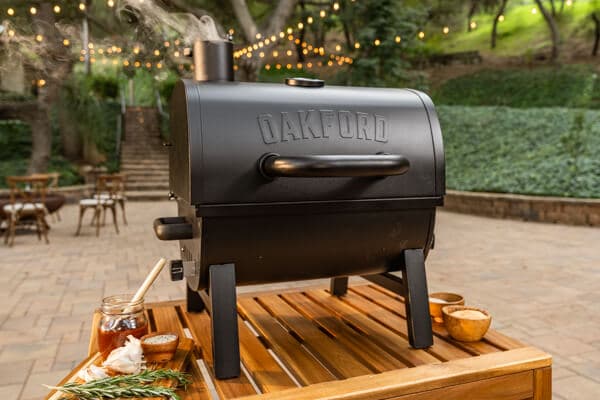
We differentiate ourselves through smart grilling products like the Oakford smart pellet grill, including app-connected cooking controls and modern outdoor cooking technology.
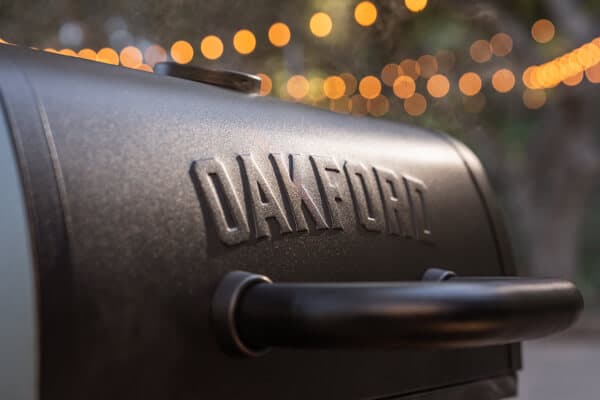
Expert tips, buying guides, comparisons, and inspiration for choosing and getting the most out of your grill.
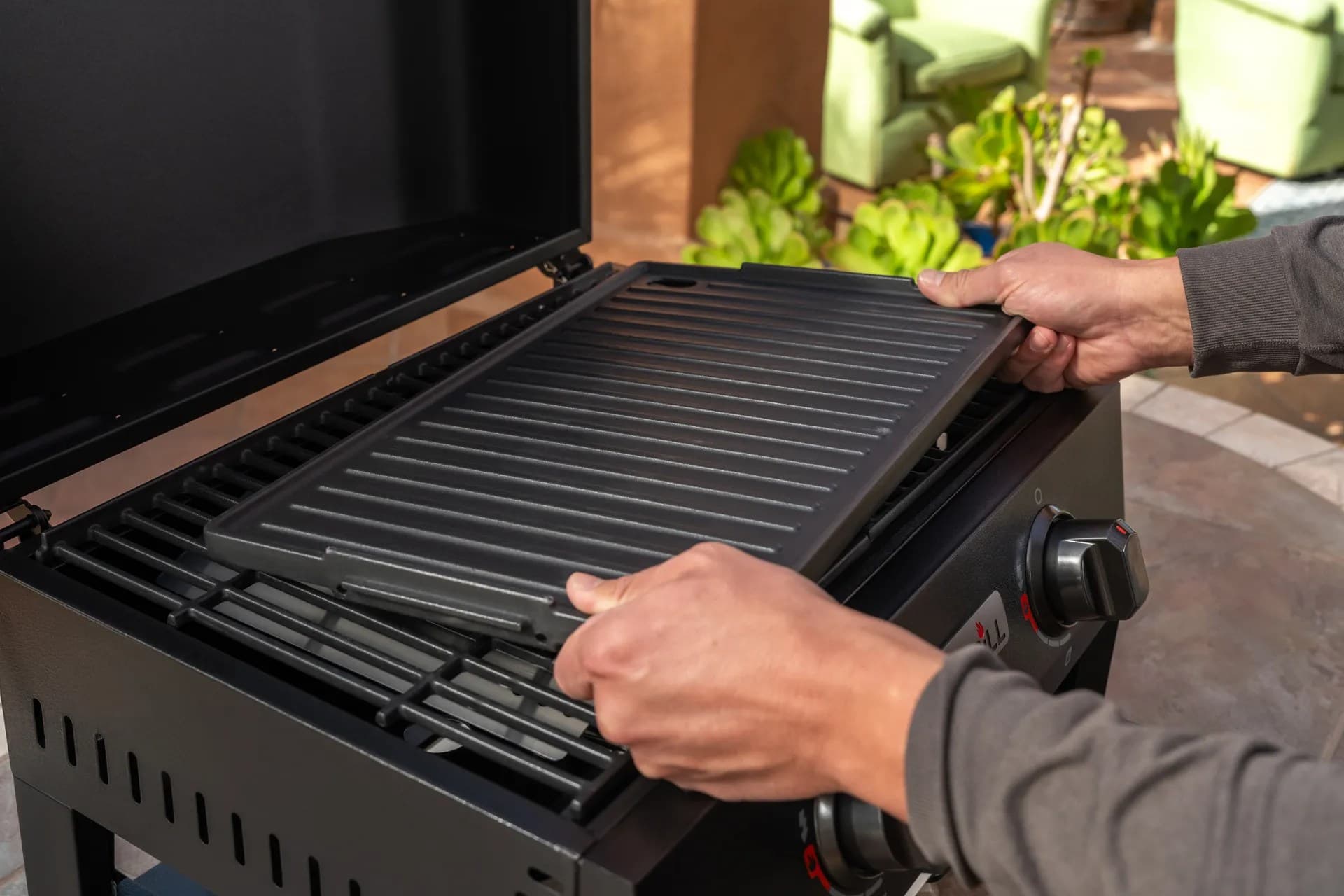
Practical guides for cleaning, maintenance, common grill issues, and performance optimization.
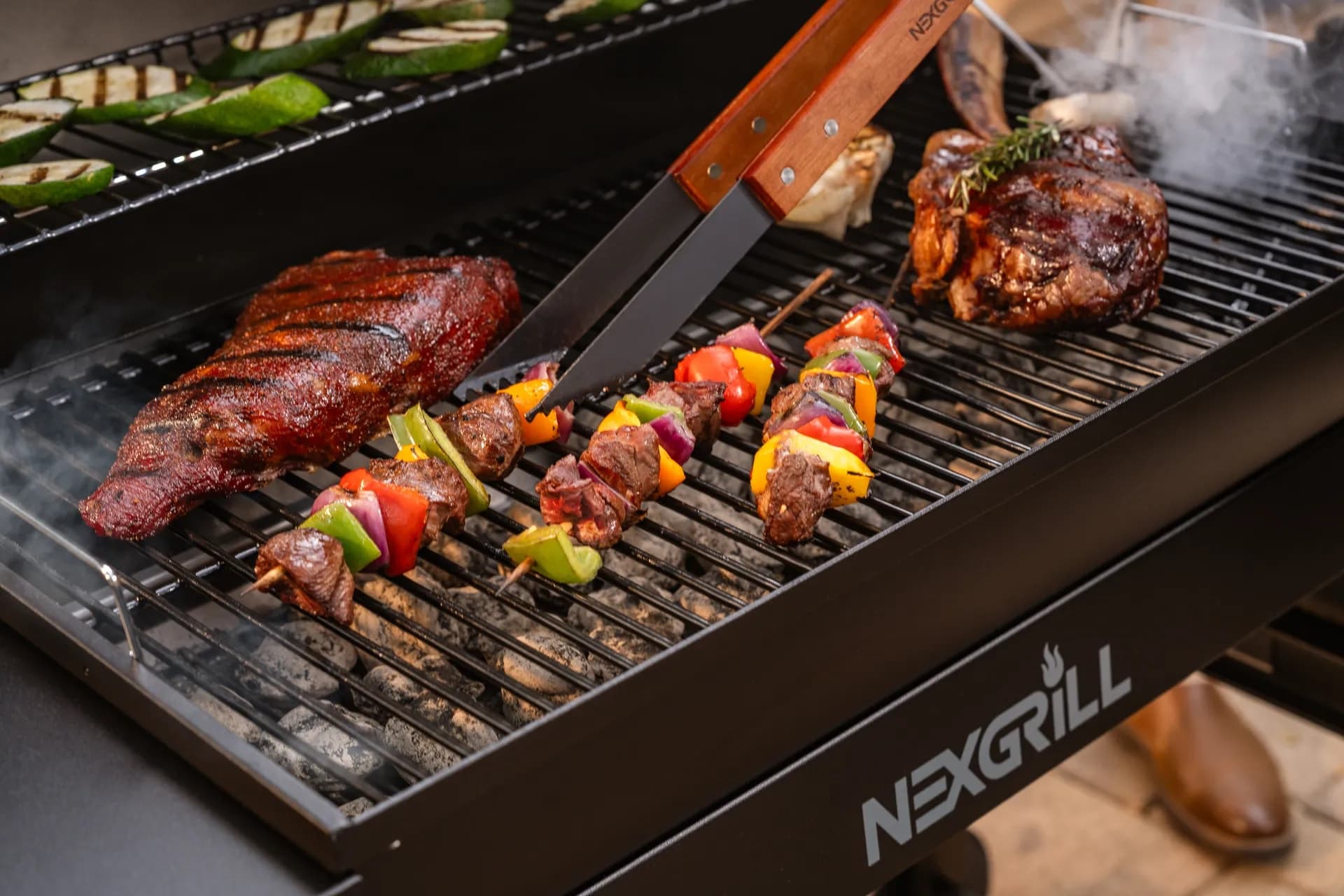
Step-by-step grilling recipes, cooking techniques, and meal ideas for every occasion and skill level.

Backyard entertaining ideas, seasonal grilling inspiration, and stories that celebrate outdoor cooking culture.
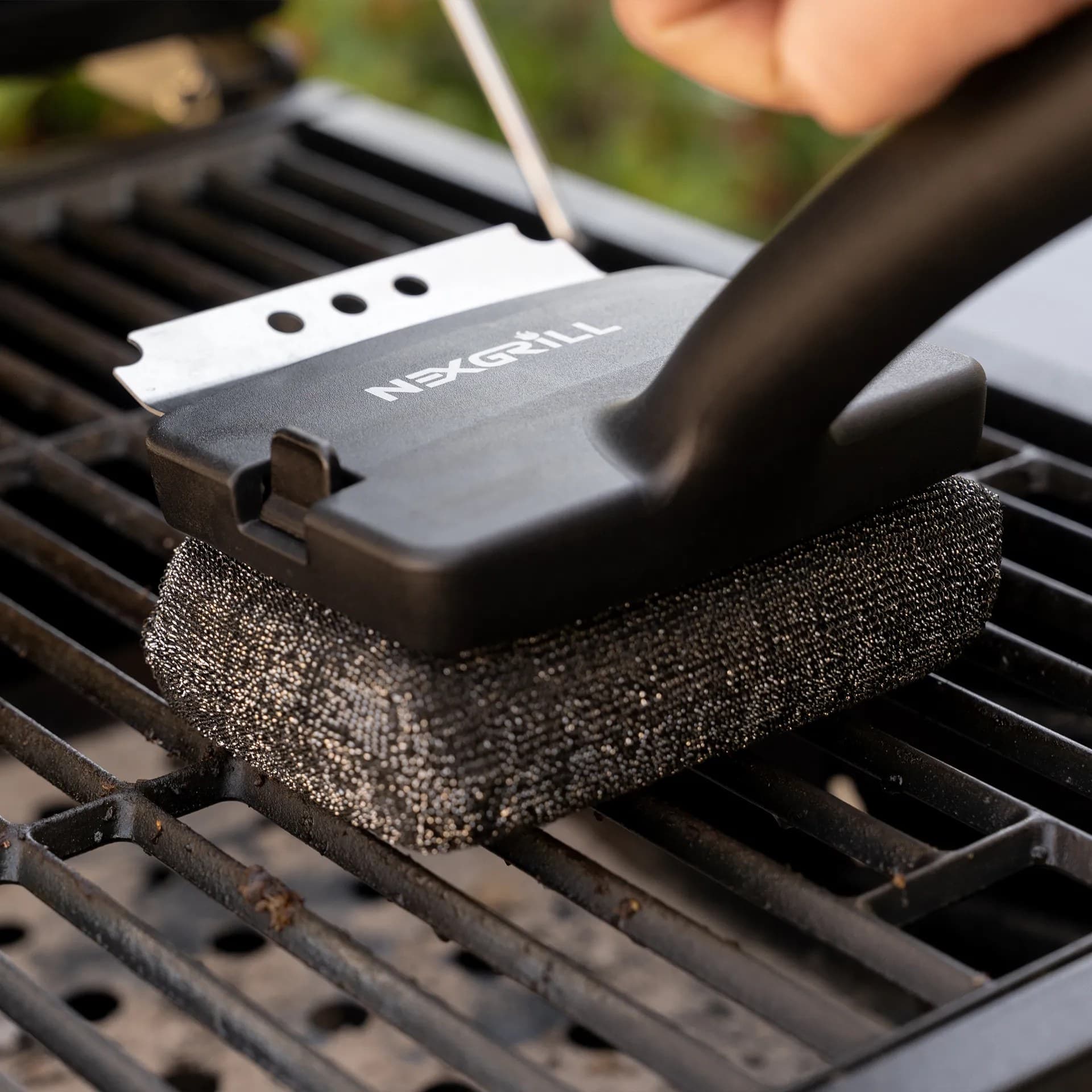
Helpful articles covering grilling tools, cookware, maintenance gear, and must-have accessories for outdoor cooking.
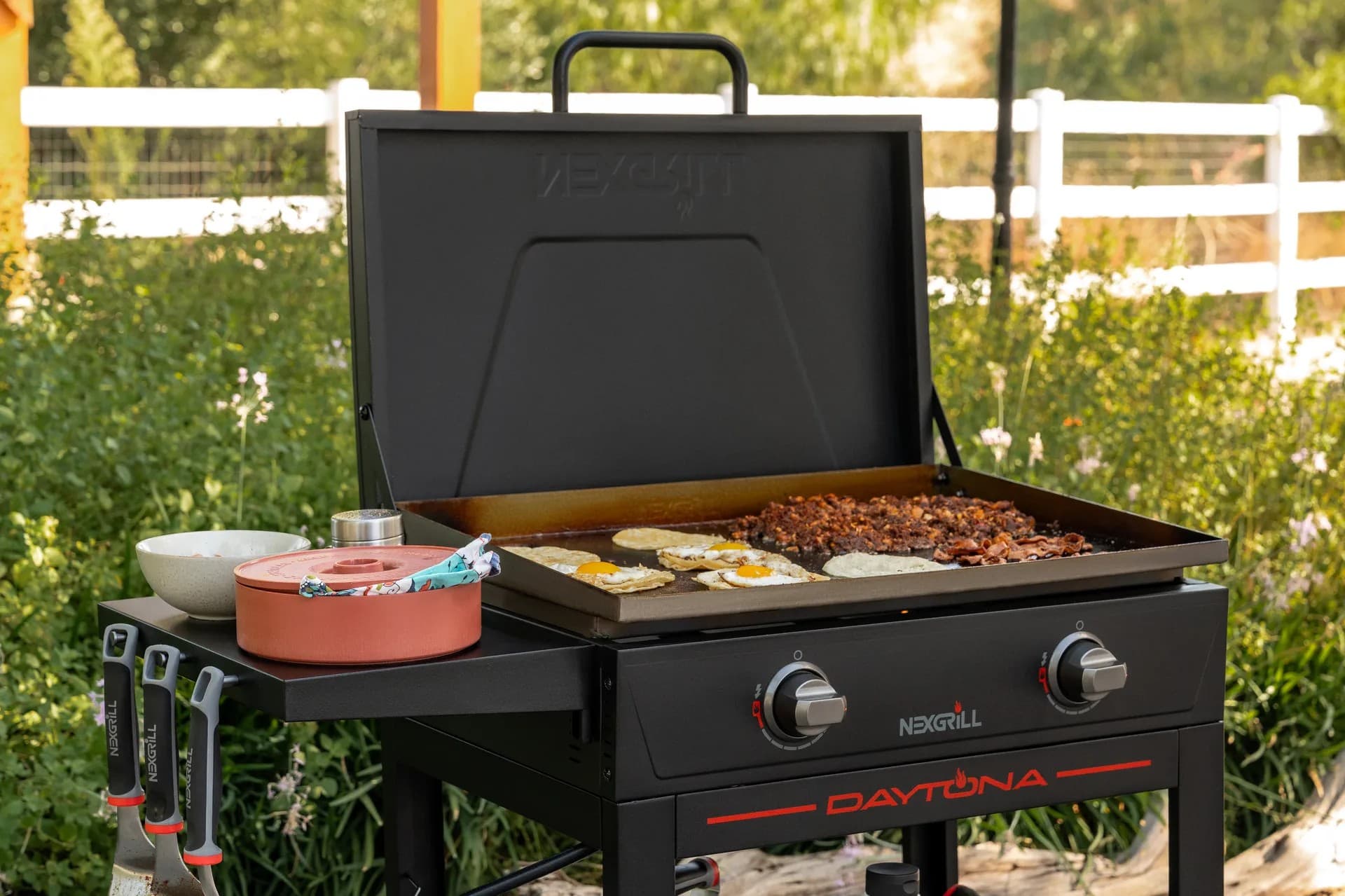
Find griddle recipes, cooking techniques, cleaning tips, and outdoor meal ideas designed for Nexgrill griddles.
Find answers to common questions
Gas grills provide instant heat and precise temperature control, making them easier to use. Charcoal grills offer a smoky flavor and high heat for searing but require more time to heat up and manage.
Pellet grills combine the convenience of gas with the flavor of wood, allowing for smoking, baking, and grilling. Traditional gas grills, however, are quicker to start and often easier to clean.
Charcoal grills typically reach higher temperatures quicker than gas grills, making them better for searing meat. However, high-quality gas grills can also provide adequate heat for effective searing.
Nexgrill offers models designed specifically for gas, charcoal, and pellets, allowing users to choose based on their cooking style and flavor preferences. Each type is built to optimize the characteristics of its respective fuel.
Choosing between gas and charcoal grills depends on your cooking preferences and lifestyle. If you value convenience and quick cooking, a gas grill may suit you better; if you prefer the taste and experience of traditional grilling, a charcoal grill would be ideal.
In This Article
Enhanced Control
Consistent Results
User-Friendly Features
Smart barbecue grills have moved outdoor cooking from a mostly manual routine into a more connected, data-driven experience. Instead of relying only on a built-in thermometer and a quick guess when lifting the lid, today’s smart grills can pair with a phone, send temperature alerts, and help you track a cook from prep to plating. That matters whether you are learning the basics of backyard grilling or trying to improve consistency when cooking for a crowd.
The appeal is not just convenience. Smart features reduce the guesswork that often causes overcooked chicken, uneven steaks, or a brisket that stalls at the wrong time. A good smart grill creates a clearer cooking process: set the target temperature, monitor the pit, watch food probes, and adjust airflow or burner output without hovering at the patio. For many households, that means grilling becomes easier to repeat, which is often what people really want from a modern appliance.
Smart grilling is most useful when you want less babysitting and more consistency. The best systems help you catch problems early, not just show you numbers after the food is already overdone.
Nexgrill’s brand perspective fits this category well because the company has long focused on making outdoor cooking more approachable and welcoming, not intimidating. That matters for smart barbecue grills because the technology should support the cook, not overwhelm them. In practice, the strongest smart grill experiences combine clear controls, reliable connectivity, and a cooking platform that still feels natural for weeknight meals, weekend gatherings, and holiday cookouts. Nexgrill’s emphasis on accessible outdoor cooking and shared meal experiences aligns with the idea that technology should make the table easier to bring people to, not turn grilling into a complicated hobby project.
If you are shopping this category in the United States, it helps to think beyond the word smart and ask what kind of smartness you actually need. Some buyers want remote monitoring because they step inside frequently. Others want preset cooking guidance because they are new to smoking and roasting. Experienced grillers may care most about multi-probe temperature tracking, quick alerts, and stable wireless range. In all three cases, the value comes from reducing avoidable mistakes and helping you serve food at the right time.
The core features of smart grills usually fall into four buckets: connectivity, sensing, automation, and user guidance. Connectivity is what links the grill to an app or control panel. Sensing includes the temperature probes and internal sensors that measure heat inside the cooking chamber and sometimes inside the food itself. Automation includes any system that adjusts airflow, augers, or heating behavior based on temperature targets. User guidance covers built-in recipes, cooking prompts, progress bars, and notifications that help you stay on track.
| Feature | What it does | Why it matters |
|---|---|---|
| Wi-Fi connectivity | Connects the grill to home internet and a smartphone app | Allows monitoring from farther away and can support richer app features |
| Bluetooth connectivity | Pairs directly with a nearby phone | Simple setup and dependable control at shorter range |
| Food probes | Measure internal temperature of meat or other foods | Reduces guesswork and helps prevent overcooking |
| App alerts | Sends notifications for temperature milestones or issues | Lets you step away without losing track of the cook |
| Guided cook modes | Offers step-by-step prompts for common proteins | Useful for beginners and for repeatable results |
The most valuable smart features are usually the ones that reduce friction. A clean app interface matters more than flashy graphics. Accurate probes matter more than an oversized touchscreen. A stable connection matters more than a long list of recipes you will never use. When you compare models, look for clear temperature readouts, fast pairing, and controls that remain understandable after the first weekend of use.
If you cook both weeknight chicken and longer weekend smokes, prioritize a grill that can handle quick temperature changes and long monitoring sessions without forcing you to restart the app or re-pair the device.
For many shoppers, the main reason to upgrade is control. Smart barbecue grills make it easier to hold a target temperature and to respond when the cook drifts. That matters for foods like ribs, pork shoulder, brisket, and whole chicken, but it also helps with everyday meals such as burgers and vegetables. Rather than opening the lid repeatedly, you can check a phone and decide whether any adjustment is needed. Less lid lifting usually means fewer heat swings, and fewer swings often translate into more predictable results.
Another major benefit is confidence. New grill owners often worry about when to flip, when to rest, or when to pull food off the heat. Smart systems reduce that stress with clear prompts and alerts. Experienced grillers benefit too, especially when they are hosting and juggling side dishes, beverages, guests, and timing. A connected grill is basically a second set of eyes on the cook.
There is also a practical time-saving benefit that often gets overlooked. A smart grill does not necessarily cook food faster, but it can save you from the kind of overcooking that wastes both time and ingredients. If a probe warns that a steak has reached the right internal temperature, you can act immediately. If the pit temperature starts falling because the fuel supply is running low or the lid was left open too long, the app can tell you sooner rather than later. That kind of early warning can be especially helpful during larger gatherings where distraction is inevitable.
Connected temperature monitoring helps turn repeatable cooks into a reliable process, especially for long sessions.
In 2026, the smart grill market is best understood by use case rather than hype. Buyers are usually choosing between a high-tech pellet style setup for low-and-slow cooks, a connected gas grill for faster weeknight meals, or a hybrid system that leans on app support for precision. Since the best model depends on how you cook, a useful comparison starts with the cooking method and then looks at the technology layer on top of it.
| Model type | Best use case | Distinct smart advantage |
|---|---|---|
| Wi-Fi pellet smoker grill | Long cooks, barbecue, hands-off weekend sessions | Remote pit monitoring and temperature management from farther away |
| Bluetooth-enabled gas grill | Quick family meals and smaller patios | Simple pairing and nearby control without a complex setup |
| App-guided griddle or grill combo | Breakfasts, smash burgers, mixed-menu entertaining | Step-by-step guidance for multiple foods at once |
| Premium multi-probe smart grill | Hosts and advanced home cooks | Tracks several items simultaneously and helps manage timing |
When comparing specific models, the standout question is whether the app genuinely improves the cooking process. A strong system should make it easier to maintain your target temp, check probe progress, and understand what to do next. If the interface feels clumsy, the smart features can become a distraction instead of a help. That is why reviews from actual users matter, but so does a close read of the app store experience, setup steps, and probe count before you buy.
One useful way to think about the 2026 market is this: the best smart grill is not always the one with the most features. It is the one that matches your cooking rhythm. If you grill burgers and vegetables after work, remote control may be less important than fast ignition and a clean interface. If you smoke pork shoulder overnight, Wi-Fi connectivity and dependable alerts become much more valuable. If you entertain often, multiple probes and clear temperature zones matter because they reduce bottlenecks when several dishes finish at different times.
Before you buy, think about the environment where the grill will live. Smart features are helpful only if your patio or deck supports the connection you want. Wi-Fi depends on internet reach and signal quality. Bluetooth usually works well nearby, but it is not meant for checking the grill from across the house or while running errands. If your cooking space is far from your router, that detail matters more than a glossy product page might suggest.
App usability is another major decision point. Some apps are easy to navigate and provide clean temperature graphs, while others bury key information behind several taps. If you are likely to use the grill frequently, pick a system that feels intuitive from the first session. Also confirm how many probes are included, whether extras are available, and how easy they are to clean and replace. A smart grill is only as useful as the parts that read the food accurately.
Do not buy on app features alone. If the grill body, fire management system, grates, or cleanup design are weak, smart controls will not fix the cooking experience.
Budget should also be considered in terms of total ownership, not just the upfront price. Some smart grills rely on more frequent probe replacement, app ecosystems, or accessories that add cost over time. Others may have a lower purchase price but fewer automation features. Decide whether your priority is convenience, precision, or flexibility, and choose the category that best reflects how you actually cook in your backyard.
Try comparing two products side by side below to see which fits best: best wood pellets for smoking.
Once you have compared two options against each other, the real value of a smart barbecue grill comes from how smoothly it fits into your actual cooking routine. Setup should be straightforward, but the first session still deserves attention. Start by placing the grill where it has stable power, adequate ventilation, and a dependable wireless signal if the model uses Wi-Fi. If it is a Bluetooth-first grill, stay within the range recommended by the manufacturer so the app can maintain a steady connection. Those first choices affect how confident you will feel when the food is on the heat.
Most smart grills work best when you follow a simple sequence: power on, connect the app, confirm probe recognition, preheat, then monitor the cook. That order matters because it reduces missed alerts and makes the software part of the cooking process rather than an afterthought. Before adding food, test the temperature display and make sure the probe data appears correctly on your phone. If there is a calibration or firmware update available, take care of it before your first major cook instead of during a dinner for guests.
A first cook is the right time to learn the app, not to test an ambitious holiday menu. Start with chicken thighs, burgers, or a small rack of ribs before moving to long smoking sessions.
For novice grillers, the biggest benefit of setup is guidance. Many smart systems provide prompts that take the mystery out of preheating and resting. For experienced grillers, the value is faster oversight. You can spend less time standing over the grate and more time handling sides, sauces, or guests. In both cases, the grill becomes more cooperative when the app and hardware are paired correctly from the start.
Smart grills still need the same core care as any outdoor cooking appliance, plus a little extra attention to their electronics and probes. Grease management is essential because excess buildup can affect performance and create avoidable cleanup work. Clean the grates while they are warm, empty drip trays regularly, and make sure residue does not block vents, burners, or temperature sensors. The smarter the grill, the more helpful it is to keep the sensing environment clean.
The probes deserve special care because they are the bridge between the food and the app. Wipe them gently after each use and avoid kinking the wires. Store them so they do not get pinched in a drawer or bent under a lid. If a probe begins to read erratically, check whether it needs a replacement before assuming the app is the problem. In many cases, the software is only reporting what the sensor is telling it.
| Maintenance task | How often | Why it matters |
|---|---|---|
| Clean grates and drip tray | After most cooks | Prevents buildup and keeps heat flow cleaner |
| Inspect probes and wires | Every few uses | Helps maintain accurate readings |
| Check firmware or app updates | Monthly or as needed | Can improve stability and features |
| Cover the grill when cool | Whenever stored outside | Protects electronics and cabinet surfaces from weather exposure |
Because smart grills include electronics, moisture management deserves extra attention. Keep ports, screens, and connectors dry, and do not store the grill uncovered during long periods of bad weather. A protective cover is not just about cosmetics; it helps preserve the reliability of sensors, control panels, and wiring. This is especially important in United States regions with strong seasonal swings, heavy rain, or salty coastal air.
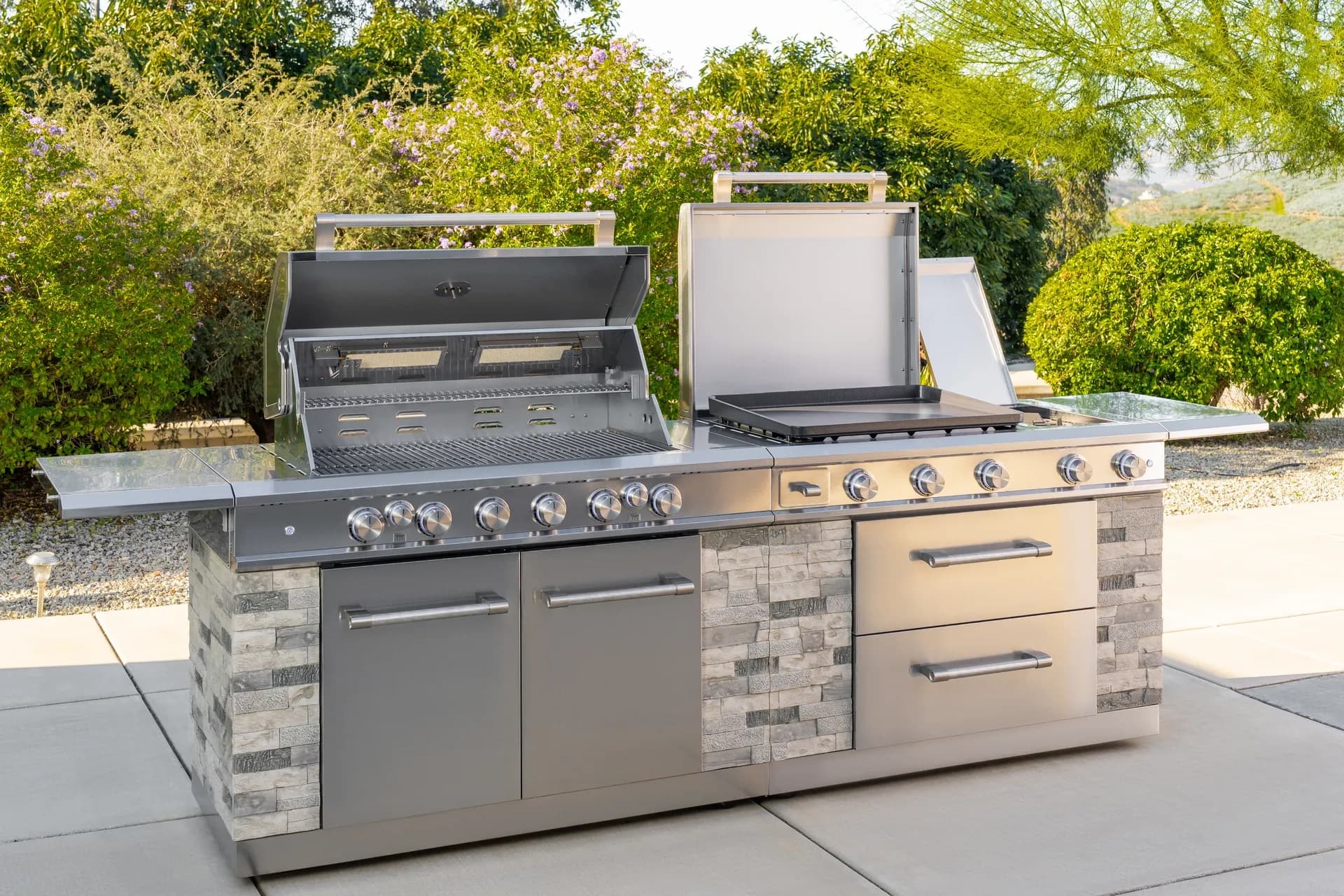
A smart grill becomes even more useful when it is part of a larger outdoor kitchen. In that setting, the grill is no longer the only appliance doing the work. It sits alongside prep space, cold storage, serving surfaces, and maybe a side burner or griddle. The advantage of connectivity is that it helps the cook manage all of those moving parts without leaving the patio every few minutes. Instead of hovering, you can organize your outdoor kitchen as a small production line: prep on one side, grill in the center, finishing and plating on the other.
When planning layout, leave enough room for safe movement and easy access to the grill lid, grease tray, probe ports, and app viewing angle. A smart grill screen should be visible without forcing awkward positioning. If you use a phone mount, prep cart, or tablet stand, place it where it will not be splashed or overheated. Good integration is less about piling on gadgets and more about reducing steps between the first sear and the final serving.
The best outdoor kitchen layouts let you glance at temperatures while still working on sauces, vegetables, and resting meats. The grill should feel like the center of the system, not a separate island of technology.
If your setup includes multiple cooking zones, smart monitoring becomes even more valuable. You may be running a hot zone for searing and a lower zone for finishing, or coordinating a main protein with side dishes on a nearby griddle. The app can help you time those steps so everything lands at the table together.
Connectivity is one of the biggest differences between smart grill models, and the choice between Wi-Fi and Bluetooth changes how you will use the grill day to day. Wi-Fi grills connect through your home network, which usually gives you broader range as long as the signal is stable. Bluetooth grills pair directly with your phone and are often easier to set up, but they work best when you are physically close to the grill. The better choice depends on where you cook and how often you move away from the patio during a session.
| Connectivity | Strengths | Trade-offs |
|---|---|---|
| Wi-Fi | Remote access, stronger long-range monitoring, better for overnight cooks | Depends on home network quality and setup can take longer |
| Bluetooth | Simple pairing, quick setup, dependable short-range use | Limited range and less suitable for stepping away from the grill |
For a buyer who likes overnight brisket or long smoke sessions, Wi-Fi is often the stronger choice because it allows you to check progress from inside the house. For someone who wants a smarter weeknight grill but does not need remote access from the grocery store, Bluetooth may be plenty. The real issue is not which connection is more advanced in abstract terms, but which one matches the distance and reliability of your home setup.
The next wave of smart grilling is likely to make the experience more predictive, more visual, and more personalized. AI-assisted cooking guidance is one of the most obvious directions. Instead of simply alerting you when a target temperature is reached, future systems may learn your habits, estimate carryover cooking more accurately, and suggest adjustments based on weather, food thickness, and previous sessions. That would be especially useful for cooks who want better results without studying every detail of barbecue theory.
Another trend is improved interface design. Expect better dashboards, cleaner graphs, easier probe naming, and more informative notifications. A smart grill app should eventually feel like a concise command center rather than a bundle of menus. Better screens on the grill itself will also matter, particularly for homeowners who want a quick look at temp and timer data without opening the phone app.
The future of smart grilling will reward brands that simplify decisions. More data only helps if it leads to clearer action at the grate.
For U.S. shoppers, the most practical future feature may be better cross-device reliability. People want apps that stay stable, probes that hold calibration, and connectivity that works without constant troubleshooting. AI can be exciting, but if the basics are weak, the experience still breaks down. The smartest next-generation grills will probably combine improved automation with the kind of dependable hardware and usable software that keep everyday cooks enjoyable.
Here's what sets us apart
We position ourselves as delivering high-end outdoor cooking features and performance without premium-brand pricing, emphasizing “Quality Grills. Unbelievable Value.”
We offer gas grills, pellet grills, griddles, smokers, pizza ovens, portable/tabletop grills, electric grills, accessories, and replacement parts — allowing customers to stay within one ecosystem for all outdoor cooking needs.
We differentiate ourselves through smart grilling products like the Oakford smart pellet grill, including app-connected cooking controls and modern outdoor cooking technology.
Don't just take our word for it
Keep reading
From our catalog