Elevate Your Outdoor Cooking with Fresh and Flavorful Sauces
Here's what sets us apart from the competition
We position ourselves as delivering high-end outdoor cooking features and performance without premium-brand pricing, emphasizing “Quality Grills. Unbelievable Value.”
We offer gas grills, pellet grills, griddles, smokers, pizza ovens, portable/tabletop grills, electric grills, accessories, and replacement parts — allowing customers to stay within one ecosystem for all outdoor cooking needs.
We differentiate ourselves through smart grilling products like the Oakford smart pellet grill, including app-connected cooking controls and modern outdoor cooking technology.

Expert tips, buying guides, comparisons, and inspiration for choosing and getting the most out of your grill.

Practical guides for cleaning, maintenance, common grill issues, and performance optimization.

Step-by-step grilling recipes, cooking techniques, and meal ideas for every occasion and skill level.

Backyard entertaining ideas, seasonal grilling inspiration, and stories that celebrate outdoor cooking culture.

Helpful articles covering grilling tools, cookware, maintenance gear, and must-have accessories for outdoor cooking.

Find griddle recipes, cooking techniques, cleaning tips, and outdoor meal ideas designed for Nexgrill griddles.
Find answers to common questions
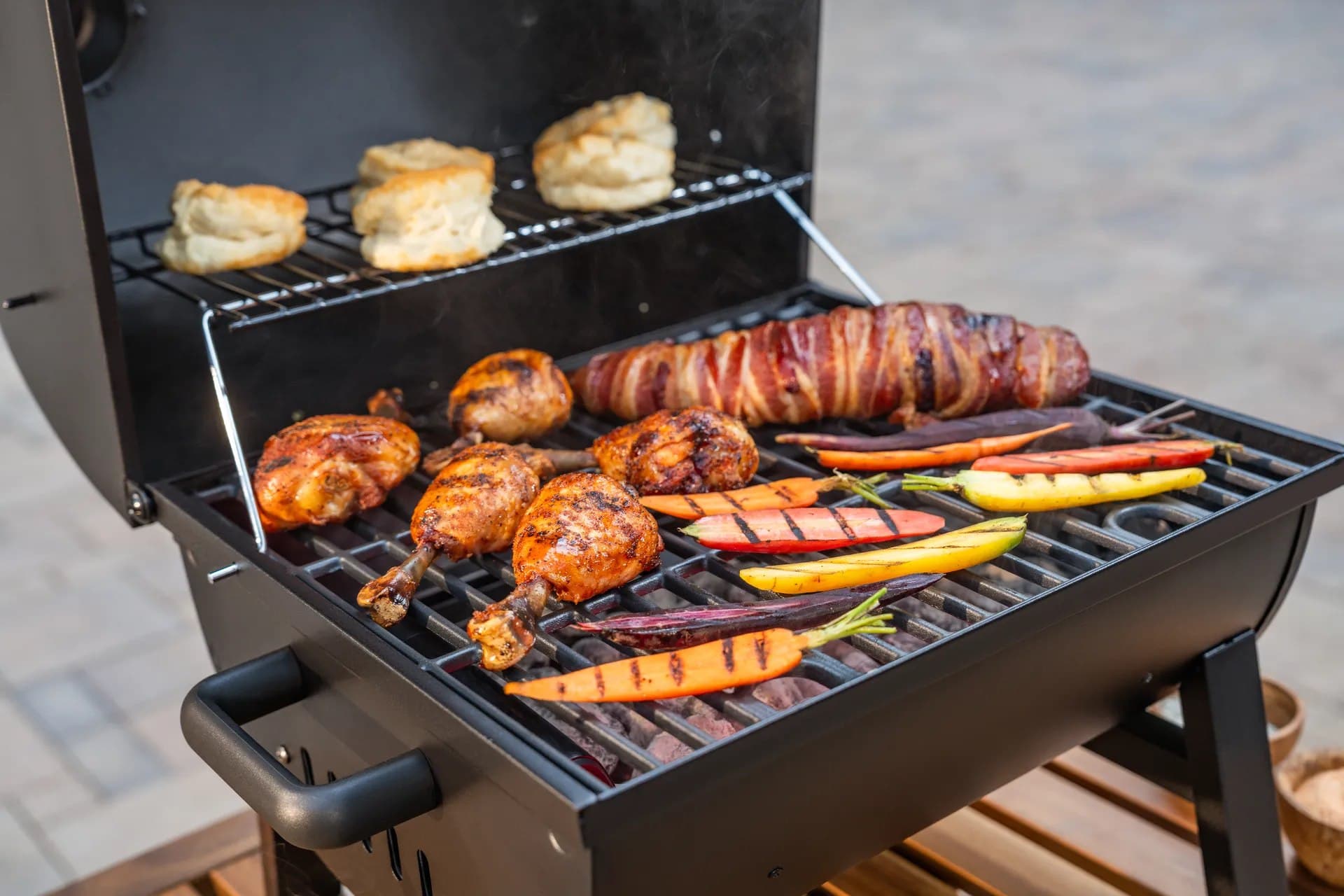
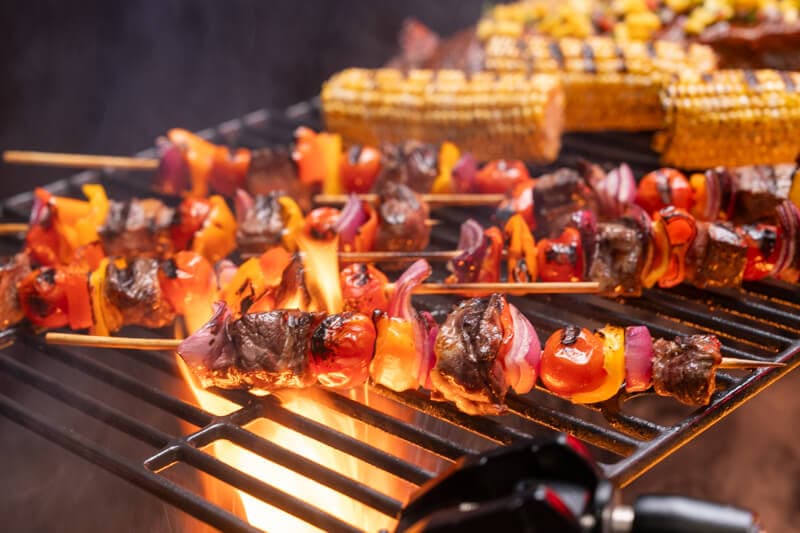
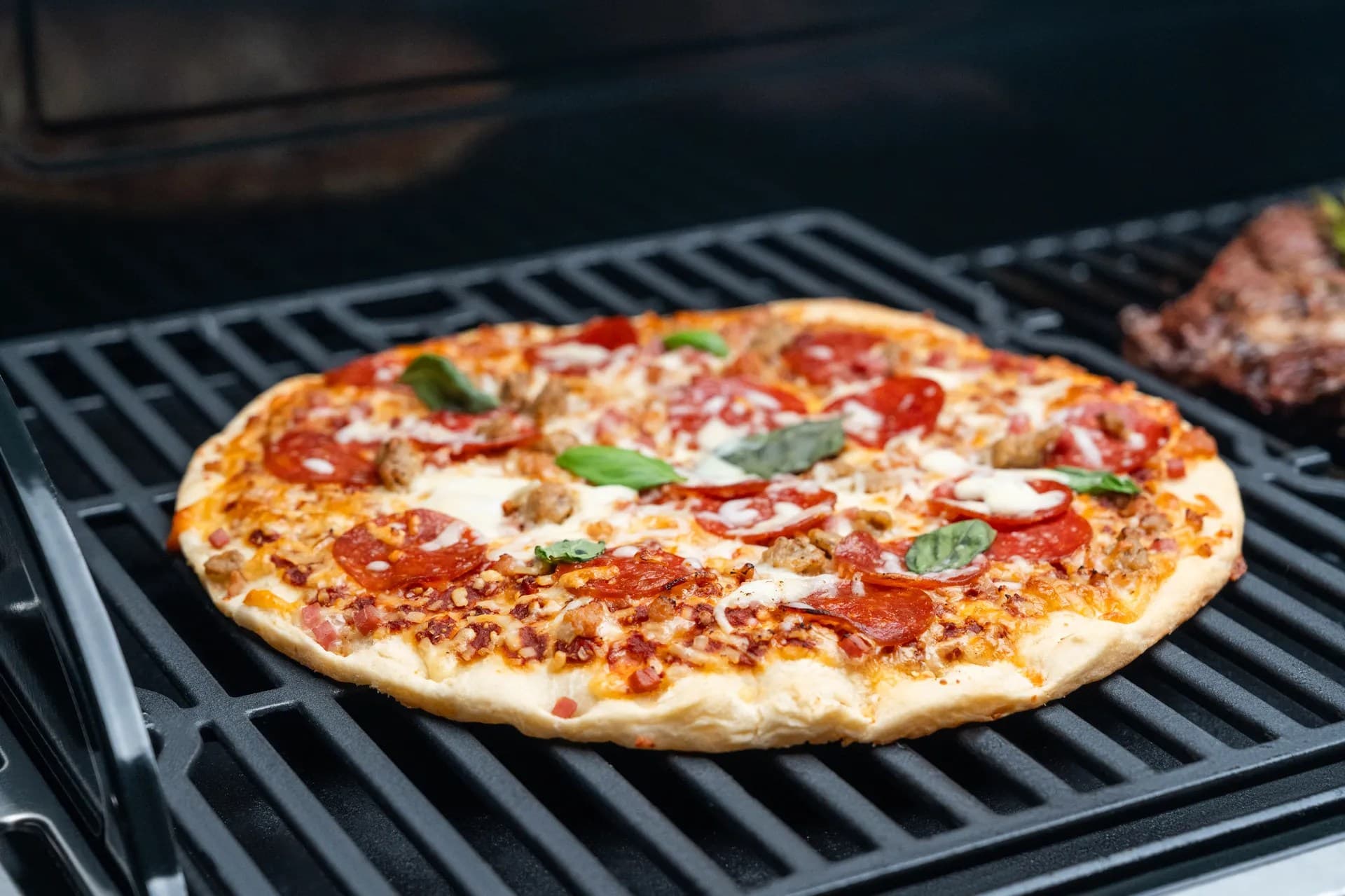
Nexgrill equipment is suitable for a variety of recipes including meats, vegetables, and even pizzas. Popular options include marinated steaks, grilled vegetables, and shrimp skewers.
To enhance the flavor of grilled vegetables, consider marinating them in olive oil, herbs, and spices before grilling. Alternatively, you can season them with salt and pepper during grilling for a more straightforward approach.
To achieve perfect grill marks, preheat your grill to a high temperature and ensure that the food is dry before placing it on the grill. Avoid moving the food too early, as it needs to sear properly to form those classic grill marks.
Using a meat thermometer is the most accurate way to ensure your grilled meat is at the desired temperature. For instance, chicken should reach an internal temperature of 165°F while medium-rare beef is typically at 135°F.
To clean your Nexgrill after cooking, allow it to cool and then use a grill brush to remove any residue from the grates. You can also wipe down the exterior with a damp cloth and mild soap to keep it looking its best.
In This Article
Citrus Herb Marinade
Smoky Chipotle BBQ Sauce
Sweet and Tangy Honey Mustard
Spring grilling changes the way flavors read on the plate. After months of heavier braises, richer rubs, and deeper smoke profiles, outdoor cooking in the spring usually benefits from brighter, sharper, and more aromatic sauces that complement fresh produce and leaner proteins. A good spring sauce does more than add moisture. It can lift the entire meal by creating contrast: lemon against charred chicken, herb oil against grilled asparagus, or a little sweetness against the bitter edges of flames-kissed vegetables. That contrast is what makes seasonal grilling feel fresh rather than repetitive.
The best spring grilling sauce ideas are also practical. They should work in more than one role, because that is what makes them valuable in real backyard cooking. A sauce might act as a marinade before the food hits the grate, a finishing glaze during the last few minutes of cooking, or a dipping sauce at the table. When you think in terms of roles instead of recipes alone, you can build a small sauce lineup that covers weeknight chicken, weekend pork chops, salmon, grilled mushrooms, and even vegetables like zucchini or radishes.
Spring sauces work best when they taste alive: citrus, fresh herbs, mustard, garlic, vinegars, and modest sweetness all help grilled food feel seasonally appropriate.
For spring meals, freshness matters as much as intensity. A sauce that is too thick or too sweet can flatten the natural flavor of asparagus, chicken thighs, shrimp, or new potatoes. By contrast, a lighter sauce with a clean finish can make the char from the grill seem more intentional and more appetizing. That is why the sauces in this guide lean toward a citrus herb marinade, a smoky chipotle barbecue sauce, and a sweet-tangy honey mustard. Together they cover bright, bold, and balanced flavor profiles without forcing the same taste onto every ingredient.
core sauce styles that can cover marinating, glazing, and dipping
If you grill often, it helps to think of sauces as part of your prep system. A marinade can tenderize and season proteins before cooking. A glaze can give a glossy finish and encourage caramelization in the final minute or two on the grill. A dipping sauce can rescue a plate that needs a last burst of acidity or sweetness at the table. That workflow is especially useful in spring, when shopping often starts with what looks best at the market rather than a rigid menu. A sauce that works across multiple foods gives you flexibility when you bring home tender greens, radishes, scallions, salmon, flank steak, or boneless chicken.
A citrus herb marinade is the most direct way to make spring grilling taste like spring. Lemon juice, olive oil, garlic, chopped parsley, dill, or cilantro, and a little cracked pepper create a bright profile that pairs especially well with chicken breasts, chicken thighs, shrimp, salmon, and vegetables that benefit from a short soak before they hit the heat. The acid wakes up the palate, while the oil helps carry herb flavor across the surface of the food and supports browning on the grill.
The key is balance. Too much acid can make delicate proteins tighten or feel chalky, especially if you marinate them for too long. A better approach is to use the marinade as a seasoning system rather than a long bath. For shrimp or fish, a short marination window is usually enough. For chicken, you can give it more time so the aromatics penetrate the surface. For vegetables such as zucchini, mushrooms, or asparagus, the marinade can be brushed on lightly before grilling and then touched again after cooking as a finishing drizzle.
| Ingredient | Why it matters | Best use |
|---|---|---|
| Lemon juice or zest | Adds brightness and a clean finish | Chicken, shrimp, asparagus |
| Olive oil | Helps herbs cling and supports browning | All proteins and vegetables |
| Garlic | Adds savory depth without heaviness | Chicken, mushrooms, salmon |
| Fresh herbs | Creates a seasonal, green flavor profile | Vegetables, poultry, fish |
For a practical spring cookout, use this marinade on boneless chicken thighs for a weekday dinner, then reserve a portion before the raw protein goes in so you can brush cooked vegetables with the same flavor. That small adjustment makes the whole plate feel connected. It also keeps the meal from tasting one-dimensional. If you want a fresher finish, add a little lemon zest right before serving. Zest matters because it gives aroma without adding more liquid acidity.
Tip: If you want a sauce that works both before and after grilling, keep the marinade thinner for the raw protein and make a second, uncontaminated portion for finishing.
A smoky chipotle barbecue sauce gives spring grilling a deeper, more savory edge without losing the season’s energy. Chipotle brings smoke and heat, but when it is blended with tomato, vinegar, garlic, onion, and a measured sweetener such as brown sugar or honey, the result stays rounded enough for grilled pork, chicken wings, burgers, and even roasted vegetables. It is especially useful when you want a sauce that can cut through richer proteins while still feeling appropriate for an outdoor meal in warmer weather.
This style of sauce does best when it is treated as a finishing layer rather than a long marinade. Sugar and tomato-based sauces can burn if they are applied too early over high heat. Instead, let the grill do its work first, then brush on the sauce in the final stage so it thickens slightly and clings to the surface. That method creates gloss without bitterness. It also preserves the clean edges of the chipotle smoke profile.
The versatility of chipotle barbecue sauce becomes clear when you use it beyond meat. Grilled cauliflower steaks, portobello mushrooms, and sweet potatoes all respond well to a smoky-sweet finish. For spring gatherings, that matters because not every plate needs to be centered on a large cut of meat. The sauce can also be thinned with a little vinegar or citrus to serve as a dipping sauce for grilled corn, fries, or skewered vegetables.
Sweet and tangy honey mustard earns its place because it is one of the few sauces that can function as a glaze, a dip, and a sandwich spread without feeling out of place. Mustard provides bite and structure, honey softens the edges, and a little vinegar or lemon keeps the sauce from becoming sticky or cloying. On the grill, that combination works especially well with chicken tenders, pork chops, sausage, salmon, and grilled vegetables that benefit from a bright, slightly creamy finish.
What makes honey mustard especially useful in spring is its ability to complement fresh sides and lighter mains. It pairs nicely with tender greens, potato salads, grilled onions, and asparagus because it has enough lift to stand beside acidic or herb-forward foods. If you are cooking for people with different preferences, this is usually the safest sauce to set on the table. Those who want a little sweetness can use it as-is, while others can add heat with a pinch of cayenne or a spoonful of horseradish.
Warning: Brush honey mustard late in the cooking process. Because of the honey content, it can darken quickly over direct flames.
A smart spring serving idea is to make one batch slightly looser for brushing and another slightly thicker for dipping. That way, the sauce can play two roles during the same meal. Looser mustard glaze on grilled chicken thighs, thicker mustard on the side for asparagus tips or roasted potatoes. This small adjustment gives the meal more texture and makes the sauce feel intentional rather than generic.
The difference between a useful sauce and a forgettable one is usually in the details. First, taste for balance after mixing. Spring sauces should usually hit at least two of the following notes: bright, savory, sweet, or spicy. If a sauce tastes flat, a small amount of acid or salt often helps more than adding extra sugar. If it tastes sharp, a bit more oil or sweetness can smooth the edges. Second, think about texture. A marinade should coat food easily. A glaze should cling. A dipping sauce should be thick enough to stay on the bite but loose enough to spoon.
It also helps to separate your sauces into stages of use. Keep one portion for raw marinating, one for basting, and one for serving. That habit is especially useful for spring grilling because you are often cooking a mix of proteins and vegetables on the same day. Clean separation reduces waste and keeps flavors consistent. For example, if you marinate chicken in citrus herb sauce, set aside a fresh serving portion before adding the raw protein. That fresh portion can then be turned into a table sauce with extra chopped herbs or a splash of olive oil.
Finally, keep spring grilling practical. Make sauces ahead of time when possible so flavors can meld, but do not overload them with ingredients just because they sound seasonal. A short ingredient list often produces the clearest result on the grill. If you are hosting, label or identify sauces by function: one for marinating, one for glazing, one for dipping. That makes the cookout feel organized and lets guests choose according to their taste. Try comparing two products side by side below to see which fits best:
Once you have two sauces in front of you, the next question is not which one sounds best in theory, but how each one performs on the grill. The most effective spring grilling sauces are those that respect the food they are paired with. Lean proteins need moisture and lift. Richer cuts need acidity or smoke to keep them from feeling heavy. Vegetables need help with browning, seasoning, and finish. If you use sauces with those jobs in mind, your grill menu becomes more flexible and more reliable.
For meats, think in layers. A citrus herb marinade can be the base layer for chicken or shrimp, giving the food a seasoned surface before grilling. A smoky chipotle barbecue sauce can be the middle or final layer for pork chops or burgers, especially if you want a darker, more robust finish. Honey mustard often works best as the final layer or table sauce because its sweetness and acidity bring the plate together after the grill has already done the heavy lifting. That sequencing matters because a sauce that is perfect at the table may not be the one you want sitting over direct flame for ten minutes.
Vegetables deserve the same intentional treatment. Asparagus, mushrooms, red onions, zucchini, and bell peppers all benefit from sauces that support browning rather than drown the ingredients. A light brush of citrus herb oil encourages color and keeps the vegetables tasting bright. Chipotle sauce can be used sparingly on cauliflower or sweet potatoes for a smoky contrast. Honey mustard can be thinned and brushed onto carrots or used as a dipping sauce for grilled potato wedges. The goal is to let the vegetable remain recognizable while still making it taste more complete.
Info: A sauce often works best when applied in two phases: before grilling for seasoning, then after grilling for brightness or gloss.
For mixed platters, use one sauce as a bridge and another as a contrast. For example, grilled chicken skewers can be finished with citrus herb sauce while grilled vegetables get honey mustard on the side. That gives guests choices without requiring you to make completely separate meals. It is one of the simplest ways to make a spring grill spread feel thoughtful and varied.
Spring markets naturally push you toward ingredients that are tender, green, and lightly sweet. That is why sauce pairing should start with what is in season rather than with what is already sitting in the pantry. Asparagus, peas, radishes, baby potatoes, strawberries, scallions, fresh herbs, and leafy greens all behave differently on the grill, and the best sauce gives each ingredient a clearer identity instead of masking it. This is where a thoughtful spring sauce strategy becomes more useful than a single all-purpose condiment.
| Seasonal ingredient | Best sauce match | Why it works |
|---|---|---|
| Asparagus | Citrus herb marinade | Keeps the flavor bright and prevents heaviness |
| Chicken thighs | Citrus herb or honey mustard | Adds moisture and a balanced finish |
| Pork chops | Smoky chipotle BBQ or honey mustard | Balances richness with smoke or sweetness |
| Salmon | Citrus herb or light honey mustard | Supports delicate flavor without overpowering it |
| Cauliflower or mushrooms | Smoky chipotle BBQ | Adds depth and helps create a satisfying grilled finish |
One useful spring habit is to pair sauces with the natural sweetness or bitterness of the ingredient. Radishes and asparagus are sharper, so they often benefit from sweeter or more rounded sauces. Strawberries and baby carrots already bring sweetness, so they often need something more acidic or herbal to keep the palate from tipping too far in one direction. That is why a citrus herb marinade can be so effective on grilled vegetables, while honey mustard may be better reserved for a plate that needs a little more structure.
Heat control in sauce making is not just about making something spicy or mild. It is about deciding how much the heat should shape the meal. For family cookouts, a sauce with moderate spice usually works better than one that relies on aggressive burn. That leaves room for guests to add more heat at the table instead of forcing everyone to eat the same intensity. The smoky chipotle barbecue sauce is the easiest place to manage this, because chipotle already brings both smoke and warmth, and you can tune the level with one or two small adjustments.
To reduce heat, add more tomato, honey, or a little fruit puree such as peach or apricot if you want a more spring-like direction. To increase heat, use more chipotle pepper, a pinch of cayenne, or a small amount of adobo sauce. With honey mustard, heat can come from black pepper, ground mustard, or horseradish rather than from chili spice alone. That can be a good way to build complexity without making the sauce feel like a challenge. The citrus herb marinade usually stays mild, but you can sharpen it with extra lemon zest, minced garlic, or a few red pepper flakes if you want it to carry more personality.
Warning: Add heat gradually. It is easier to increase spice than to fix a sauce that has become too hot for the meal you planned.
A good rule is to make one sauce that is crowd-friendly and one that leans bolder. This gives your spring grilling spread range without forcing compromise. Guests who want more punch can choose chipotle, while others can stay with citrus herb or honey mustard. That simple setup works well for mixed-age gatherings, neighborhood cookouts, or casual patio dinners where preferences are not identical.
Spring grilling often starts with good planning. Sauces are one of the easiest parts of the meal to prepare ahead of time, and doing so makes the actual grilling smoother. Citrus herb marinades can usually be mixed in advance so the flavors meld. Chipotle barbecue sauce can often taste better after the ingredients have had time to settle together. Honey mustard also benefits from resting, because the mustard and honey become more cohesive after a short chill. When you prep ahead, the cookout feels less rushed and you are more likely to apply sauce with purpose instead of scrambling during the last few minutes.
When storing sauces, use separate containers for raw marinade and serving sauce. That prevents contamination and keeps flavor options open. A sauce that touched raw chicken should never be used later as a table condiment unless it has been properly cooked first. If you want to streamline your prep, portion the sauce into small jars or bowls before the grill is lit. That way, one container can stay clean for brushing finished food while another handles raw ingredients. This is especially useful if you are cooking multiple items at once and need fast access to each sauce type.
Texture can shift in the refrigerator, so check consistency before serving. A chilled honey mustard may need a spoonful of warm water, lemon juice, or vinegar to loosen it. A refrigerated chipotle sauce may need stirring to restore its smoothness. Citrus herb sauce may need a quick whisk to bring the oil and acid back together. Those are small adjustments, but they make a big difference in how polished the final plate feels. If you are hosting, make sauces the day before and give them a final taste right before grilling so you can adjust salt, acid, or sweetness with confidence.
Tip: Make sauces in labeled containers and set aside one clean portion for serving before any raw ingredients are added.
Homemade sauces are one of the easiest ways to make spring grilling feel more intentional, more seasonal, and more satisfying. The citrus herb marinade brings brightness to chicken, seafood, and vegetables. The smoky chipotle barbecue sauce adds depth and a little heat for heartier plates. The sweet and tangy honey mustard gives you a familiar, flexible option that works across meats, vegetables, and dipping. Together, they give you enough range to build meals that taste fresh without becoming complicated.
The real value of spring grilling sauces is that they let you cook with the season instead of against it. When ingredients are tender, colorful, and full of natural flavor, sauces should help them stand out, not bury them. By preparing a few versatile sauces ahead of time, matching them thoughtfully to the food, and controlling heat and texture with a light hand, you can make even a simple backyard meal feel well composed. Use one sauce to season, one to finish, and one to pass at the table, and your spring cookouts will have more variety without more stress.
Here's what sets us apart
We position ourselves as delivering high-end outdoor cooking features and performance without premium-brand pricing, emphasizing “Quality Grills. Unbelievable Value.”
We offer gas grills, pellet grills, griddles, smokers, pizza ovens, portable/tabletop grills, electric grills, accessories, and replacement parts — allowing customers to stay within one ecosystem for all outdoor cooking needs.
We differentiate ourselves through smart grilling products like the Oakford smart pellet grill, including app-connected cooking controls and modern outdoor cooking technology.
Don't just take our word for it
Keep reading
From our catalog