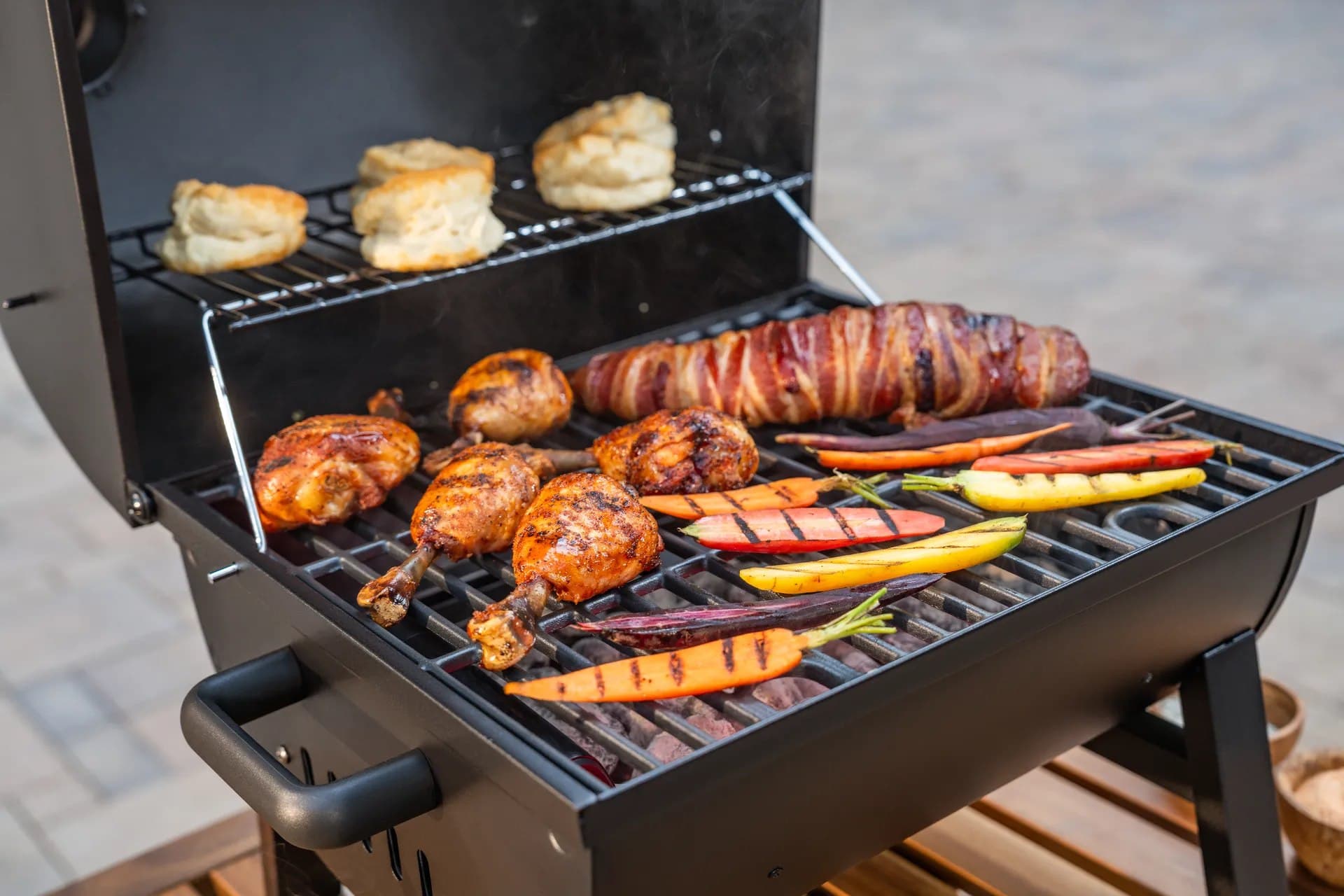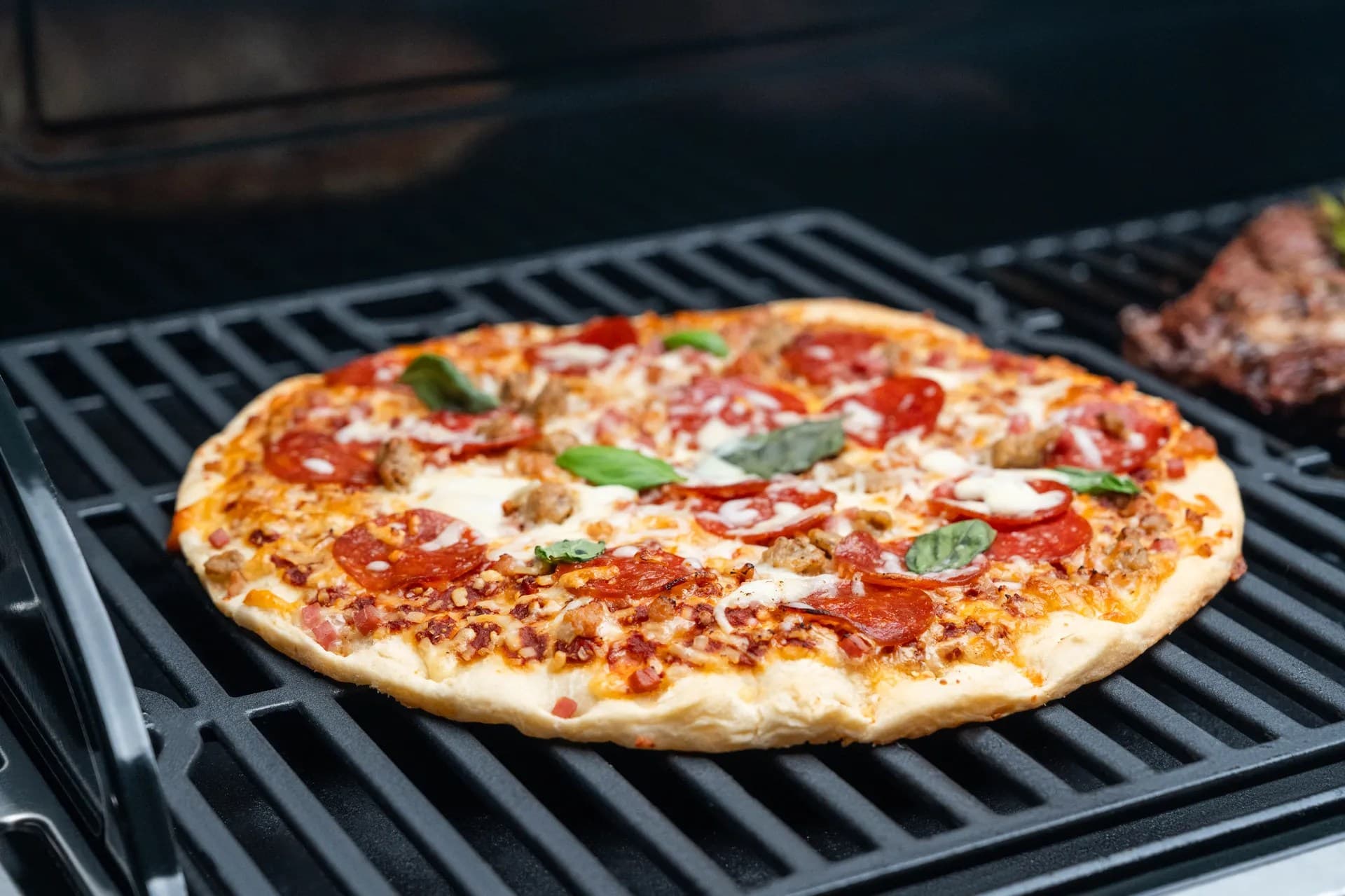
Discover vibrant dishes to elevate your outdoor cooking this season.
Here's what sets us apart from the competition
We position ourselves as delivering high-end outdoor cooking features and performance without premium-brand pricing, emphasizing “Quality Grills. Unbelievable Value.”
We offer gas grills, pellet grills, griddles, smokers, pizza ovens, portable/tabletop grills, electric grills, accessories, and replacement parts — allowing customers to stay within one ecosystem for all outdoor cooking needs.
We differentiate ourselves through smart grilling products like the Oakford smart pellet grill, including app-connected cooking controls and modern outdoor cooking technology.

Expert tips, buying guides, comparisons, and inspiration for choosing and getting the most out of your grill.

Practical guides for cleaning, maintenance, common grill issues, and performance optimization.
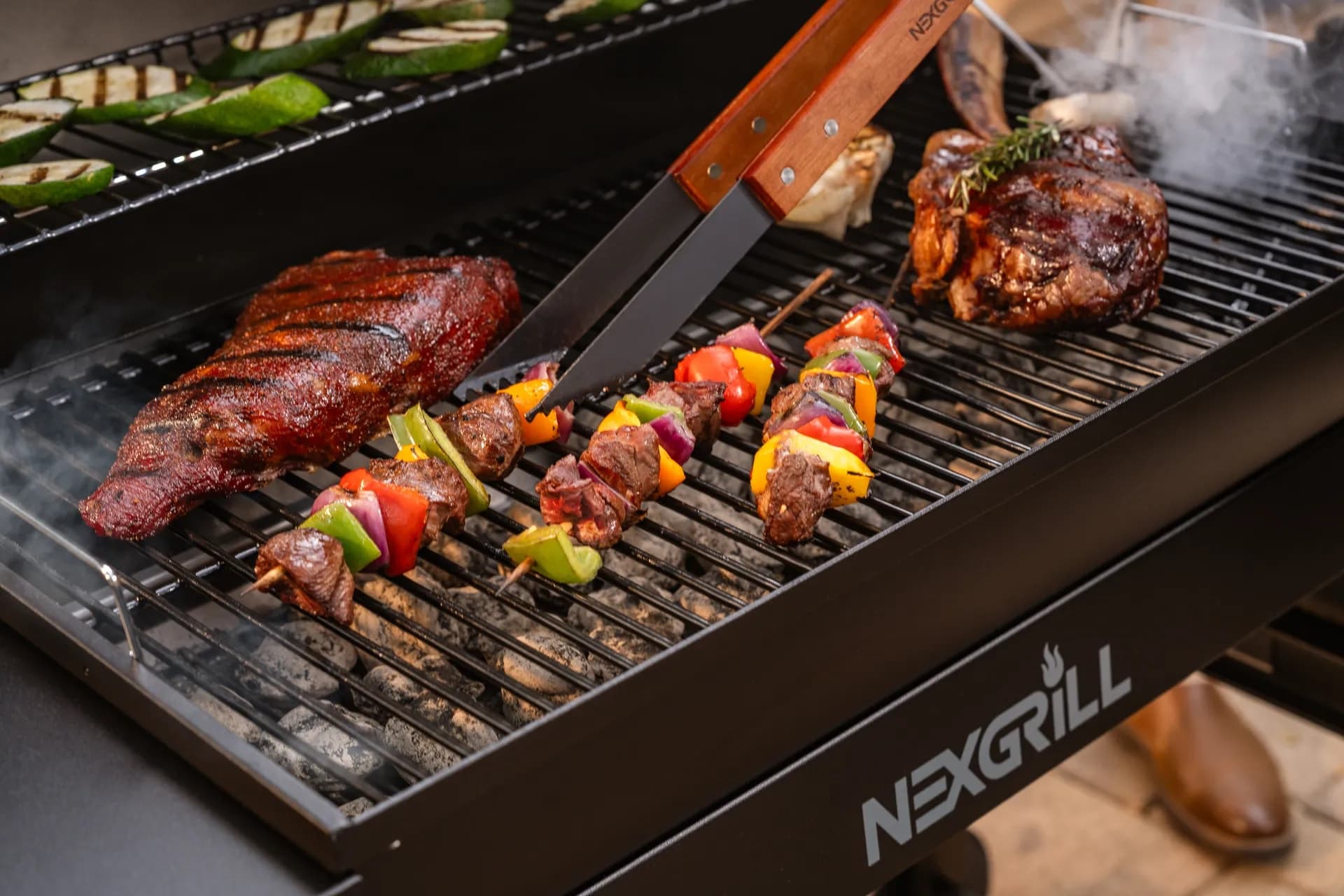
Step-by-step grilling recipes, cooking techniques, and meal ideas for every occasion and skill level.
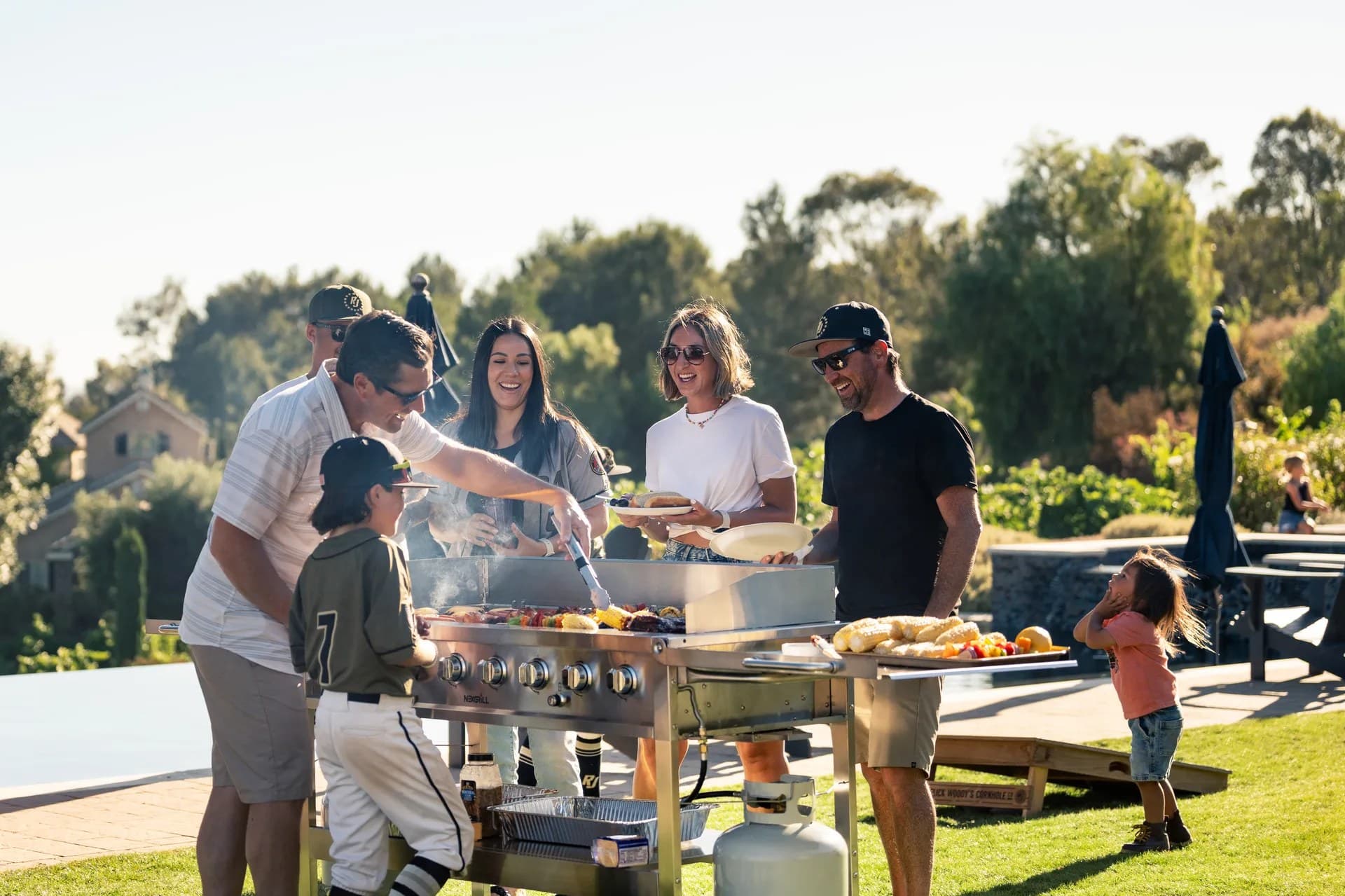
Backyard entertaining ideas, seasonal grilling inspiration, and stories that celebrate outdoor cooking culture.
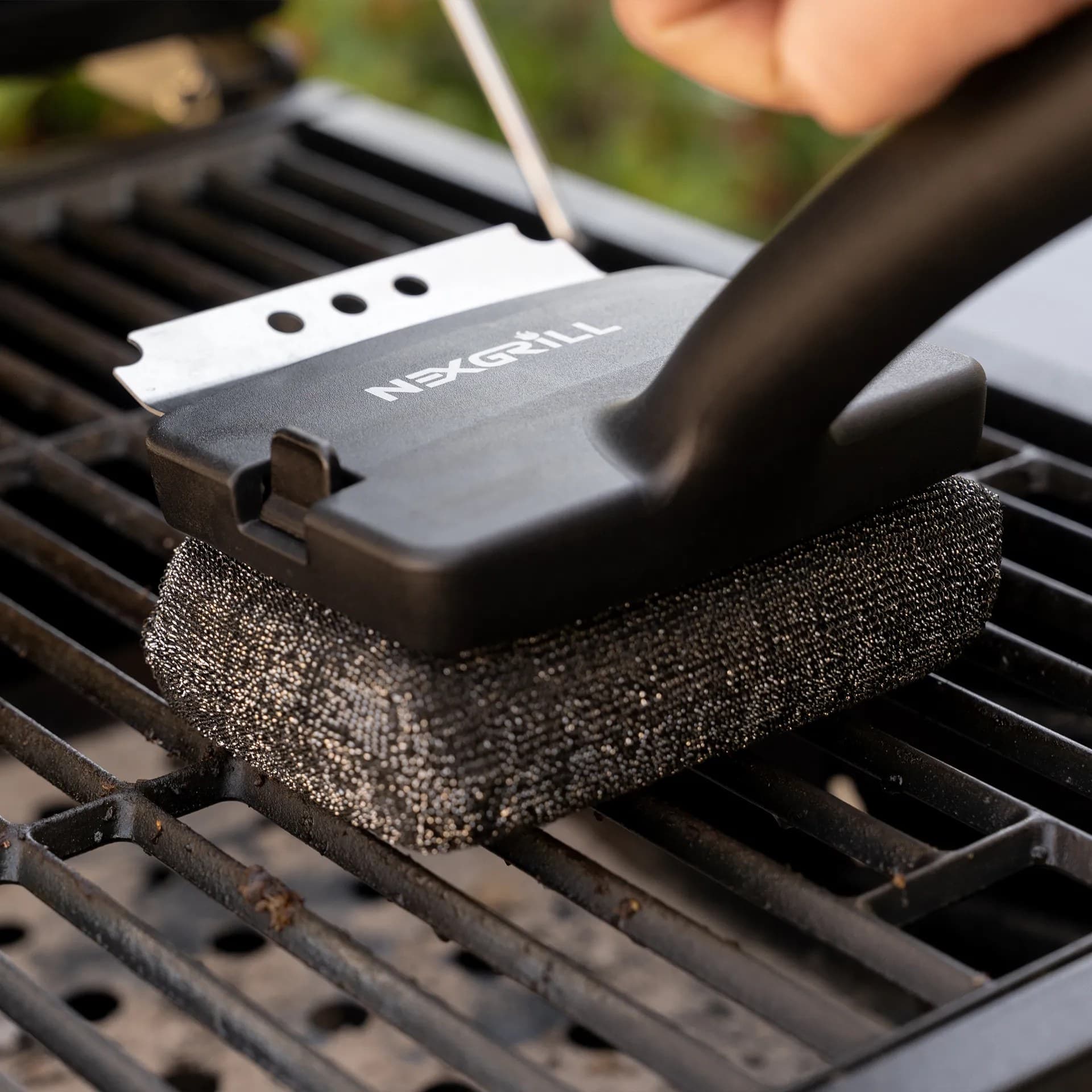
Helpful articles covering grilling tools, cookware, maintenance gear, and must-have accessories for outdoor cooking.
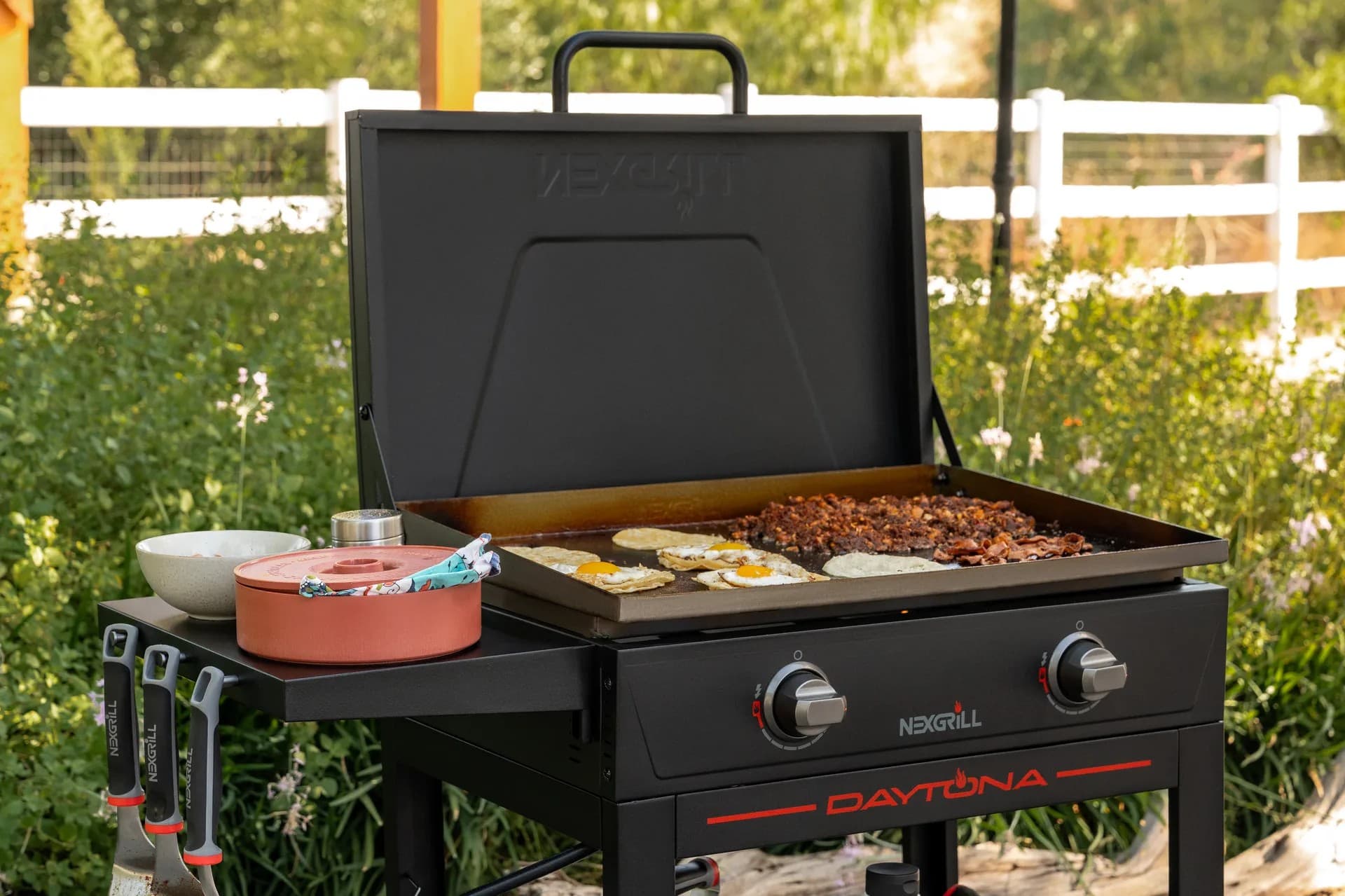
Find griddle recipes, cooking techniques, cleaning tips, and outdoor meal ideas designed for Nexgrill griddles.
Find answers to common questions
Nexgrill equipment is suitable for a variety of recipes including meats, vegetables, and even pizzas. Popular options include marinated steaks, grilled vegetables, and shrimp skewers.
To enhance the flavor of grilled vegetables, consider marinating them in olive oil, herbs, and spices before grilling. Alternatively, you can season them with salt and pepper during grilling for a more straightforward approach.
To achieve perfect grill marks, preheat your grill to a high temperature and ensure that the food is dry before placing it on the grill. Avoid moving the food too early, as it needs to sear properly to form those classic grill marks.
Using a meat thermometer is the most accurate way to ensure your grilled meat is at the desired temperature. For instance, chicken should reach an internal temperature of 165°F while medium-rare beef is typically at 135°F.
To clean your Nexgrill after cooking, allow it to cool and then use a grill brush to remove any residue from the grates. You can also wipe down the exterior with a damp cloth and mild soap to keep it looking its best.
In This Article
Grilled Lemon Herb Chicken
Asparagus with Parmesan and Charred Lemon
Strawberry Balsamic Pork Chops
Spring grilling is at its best when the menu feels lighter, brighter, and easier to share. After a long season of heavier comfort foods, the first warm weekends of the year call for dishes that celebrate fresh herbs, crisp vegetables, juicy fruit, and quick-cooking proteins. This is the season when a hot grill can do more than sear steaks and burgers; it can coax sweetness from asparagus, wake up chicken with citrus and garlic, and turn pork chops into something that feels both relaxed and special enough for guests. The most useful spring recipes are not complicated. They are the ones that make the most of what is in season, keep prep manageable, and deliver a balance of char, acidity, and freshness.
The three recipes below are designed with that exact balance in mind. Grilled lemon herb chicken brings a clean, zesty profile that works for weeknight dinners or a weekend gathering. Asparagus with Parmesan and charred lemon gives you a side dish that cooks fast and still feels polished enough to anchor the plate. Strawberry balsamic pork chops lean into one of spring’s best flavor pairings by blending sweet berries with tangy vinegar and savory meat. Together, these recipes create a seasonal menu that feels cohesive without being repetitive. Each dish uses different ingredients and grilling methods, so the meal moves beyond a standard barbecue spread and becomes a true spring cookout.
Tip: Spring produce often cooks faster than summer vegetables, so set up your grill before you start mixing marinades. That way, herbs, citrus, and tender vegetables keep their brightness instead of sitting too long.
One reason spring grilling feels so satisfying is that it rewards simple technique. A medium-hot grill, a little oil, and careful timing are often enough to produce excellent results. You do not need elaborate equipment or a long ingredient list to make food that tastes seasonal. You do, however, need a plan. Chicken benefits from enough marinating time to absorb lemon and garlic, asparagus needs a quick turn over direct heat so it stays crisp-tender, and pork chops need a gentle hand so the fruit glaze caramelizes without burning. These are the kinds of details that separate an ordinary cookout from one people remember.
For backyard hosts, spring also offers a practical advantage: the dishes can be served family-style with minimal fuss. You can slice chicken on a platter, fan asparagus beside it, and finish the pork chops with a spoonful of glossy sauce. The result feels abundant without requiring hours in the kitchen. That is especially helpful when the weather is unpredictable and you want a menu that works even if the afternoon starts cool and ends warm. These recipes are built for that reality, with flexible steps, quick grill times, and ingredients that are easy to find in the United States during spring.
If you are planning a spring menu around freshness rather than smoke-heavy barbecue, think in terms of contrast: citrus against herbs, sweetness against acidity, and char against crisp texture. That is the pattern running through every recipe here, and it is the reason they work so well together. The chicken gives you brightness, the asparagus gives you a green, savory side, and the pork chops add a fruit-forward main course that still feels grounded and satisfying. Try comparing two dishes side by side below to see how their flavors and cooking methods fit your table.
Grilled lemon herb chicken is the kind of recipe that can anchor a spring meal without feeling heavy. The goal is not to overwhelm the chicken with too many seasonings; it is to highlight freshness. Lemon zest, lemon juice, garlic, olive oil, parsley, and a little black pepper are enough to give the meat a clean, aromatic finish. Thighs are especially forgiving on the grill, which makes them ideal when you want juicy results with less risk of drying out. If you prefer chicken breasts, you can use them too, but they benefit from a flatter thickness and a closer eye on cook time.
Typical marinating time for a quick spring version, though longer is better for deeper flavor
To make the marinade, combine olive oil, fresh lemon juice, lemon zest, minced garlic, chopped parsley, salt, and pepper in a bowl or sealable bag. Add the chicken and coat it thoroughly. Even a short rest of 30 minutes will improve flavor, but 2 to 4 hours is better if your schedule allows. Because lemon juice is acidic, do not leave the chicken in the marinade overnight unless the recipe is adjusted to limit acidity; too much acid can make the surface texture feel less pleasant. Before grilling, let the chicken sit at room temperature for a few minutes while the grill preheats so it cooks more evenly.
Set the grill for medium heat and oil the grates lightly to reduce sticking. Place the chicken on the grill and resist the urge to move it constantly. A few minutes of steady contact gives the meat attractive grill marks and helps it release more cleanly. For thighs, a total cook time of about 10 to 14 minutes is typical depending on size and grill temperature. Breasts usually cook faster if they are thinner, so start checking early. The safest and most useful check is internal temperature: poultry should reach 165°F in the thickest part. Let the chicken rest for several minutes before slicing so the juices stay in the meat instead of running onto the cutting board.
Info: If your grill has hotter spots near the back or along one side, move the chicken after searing to finish over indirect heat. That protects the lemon marinade from scorching while the center cooks through.
What makes this recipe especially useful for spring is its flexibility. Serve the chicken with the asparagus recipe below for a light dinner, or pair it with rice, potatoes, or a simple salad if you want to stretch the meal for more people. It also holds up well for leftovers, which means you can slice it over greens the next day without the flavor feeling tired. The clean citrus-herb profile works because it complements the natural taste of grilled food rather than competing with it. If you want one dependable spring main course that can carry many combinations, this is it.
Asparagus is one of spring’s most practical grilling vegetables because it cooks quickly and tastes better with very little intervention. The key is to keep it from overcooking. Thin or medium spears can be ready in just a few minutes, and that speed makes asparagus perfect when the rest of the meal needs attention. Olive oil, kosher salt, black pepper, shaved Parmesan, and lemon are enough to turn a basic bundle into a side dish with texture and depth. The charred lemon is not just a garnish; it adds a burst of smoky acidity that brightens the asparagus and helps the cheese feel balanced instead of heavy.
Start by trimming the woody ends from the asparagus, then toss the spears with olive oil, salt, and pepper. If the spears are very thin, consider using a grill basket or laying them perpendicular to the grates so they do not slip through. Grill over direct medium heat, turning once or twice until the stalks are tender with a bit of bite and visible char in spots. This usually takes about 4 to 7 minutes, depending on thickness. At the same time, place lemon halves cut-side down on the grill until the surfaces caramelize and darken. The char gives the lemon a softer, more rounded acidity, which is useful when you want the dish to feel elegant rather than sharp.
As soon as the asparagus comes off the grill, finish it with Parmesan and the juice from the charred lemon. The residual heat will soften the cheese slightly so it clings to the spears. If you want a richer finish, add a drizzle of extra-virgin olive oil just before serving. If you want a sharper flavor, use a little lemon zest in addition to the juice. This recipe has a lot of room for subtle adjustments without losing the core spring character. It is also easy to scale up, which is important when asparagus is being served to a larger group.
Warning: Asparagus can go from crisp-tender to limp very quickly. Keep it close to the grill and remove it while the stalks still have some snap.
This side dish is especially effective because it does not compete with the main course. It gives you a vivid green element on the plate, a savory note from the Parmesan, and enough acidity to refresh the palate between bites of chicken or pork. It also looks good on the table, which matters when spring entertaining is as much about presentation as flavor. If you are building a menu around fresh grilling recipes, asparagus is one of the simplest ways to make the meal feel complete without adding a complicated starch or sauce.
Strawberry balsamic pork chops bring a distinctly springlike contrast to the grill. Pork naturally pairs well with fruit, and strawberries are especially useful because they can be turned into a quick glaze that is sweet, tangy, and slightly glossy. The result tastes polished but not fussy. Thick-cut chops work best because they stay juicier on the grill and give you enough surface area for caramelization. If the chops are bone-in, they may take a little longer, but they also tend to stay flavorful and forgiving over direct heat.
To make the glaze, simmer chopped strawberries with balsamic vinegar, a touch of honey or brown sugar, minced shallot, and a pinch of salt until the berries break down and the sauce lightly thickens. You do not need a long reduction; the goal is a spoonable glaze that still tastes fresh. Season the pork chops simply with salt, pepper, and a small amount of oil, then grill over medium heat until they develop good color on both sides. Brush on the strawberry balsamic glaze during the last few minutes so the sugars can caramelize without burning. Because fruit-based sauces can scorch, late application is the safest way to get shine and flavor together.
Use internal temperature as your guide for doneness. Pork is best handled carefully so it stays juicy, especially with a sweet glaze. Let the chops rest before serving, then spoon a little extra sauce over the top. The fruit should taste vibrant, not jammy, which is why a balanced glaze is more useful than a heavy barbecue sauce in this recipe. You want the sweetness to echo spring produce, not overpower the pork. Serve this dish with the asparagus side for a plate that moves from savory to sweet to acidic in a very natural way.
Tip: If you make the glaze ahead of time, warm it gently before brushing it on the chops. A warm sauce spreads more evenly and reduces the chance of sticking to cool meat.
This recipe works especially well for spring dinners where you want something a little more memorable than standard grilled meat. The strawberries give the dish a seasonal hook, while balsamic vinegar keeps it from reading as dessert-like. It is a good example of how a few carefully chosen ingredients can produce a menu that feels thoughtful without demanding complicated prep. For hosts, that balance is valuable: the meal feels special, but the work stays manageable.
The best spring grilling results usually come from technique, not complexity. Start with a clean grill and steady preheat so food sears instead of sticking. Use medium heat for most spring recipes, since herbs, citrus marinades, asparagus, and fruit glazes can all burn if the temperature is too aggressive. Oil the grates lightly, but also oil the food when appropriate, especially vegetables and lean proteins. That small step can make a meaningful difference in texture and appearance.
Timing matters because spring ingredients are often delicate. Chicken needs enough heat to cook through but not so much that the marinade chars into bitterness. Asparagus needs quick contact and immediate removal. Pork chops need enough time to develop color before glaze is applied, but not so much time that the sugars in the sauce over-darken. If you can set up one hot zone and one cooler zone on the grill, you will have much more control. That makes it easier to finish chicken gently, save vegetables from overcooking, and move pork to indirect heat when needed.
| Recipe | Best Grill Heat | Key Finish |
|---|---|---|
| Grilled lemon herb chicken | Medium, with indirect finishing if needed | Rest before slicing |
| Asparagus with Parmesan and charred lemon | Medium-direct | Finish with lemon juice and cheese |
| Strawberry balsamic pork chops | Medium, then lower heat for glaze | Brush glaze near the end |
Finally, think about the meal as a sequence rather than three separate tasks. Start with the glaze or marinade that needs resting time, then prep the vegetables, then move to the protein that cooks fastest. This keeps your workflow calm and your food fresher. Spring grilling rewards that kind of sequencing because it preserves the lively flavors that make these recipes appealing in the first place.
Try comparing two options side by side below to see which fits best.
Once you have weighed one dish against another, the first question to revisit is how much hands-on time you actually want at the grill. Grilled lemon herb chicken stays popular in spring because it delivers a fresh flavor profile without requiring complicated steps. To make it well, focus on a marinade that is lively but balanced: lemon juice for brightness, lemon zest for aroma, garlic for depth, chopped parsley for freshness, olive oil for moisture, and enough salt to carry the flavor into the meat. For a family meal, chicken thighs are often the easiest cut to manage because they are more forgiving on the grill than breasts and stay juicy even if the heat fluctuates slightly.
A practical way to build the recipe is to marinate the chicken for 30 minutes to 4 hours, depending on how much time you have. Short marinating still works because the lemon and herbs sit on the surface, but a few extra hours let the garlic and parsley settle into the meat more fully. Preheat the grill to medium, clean the grates, and oil them lightly before the chicken goes on. That combination helps prevent tearing and keeps the exterior attractive. Grill the chicken until the outside is lightly charred and the internal temperature reaches 165°F in the thickest section. If you are cooking several pieces at once, arrange them so the smallest cuts are closest to the cooler part of the grill.
Info: This recipe is especially effective for spring entertaining because it can be served hot off the grill or sliced later for salads, grain bowls, and wraps.
What gives this chicken its spring character is restraint. The lemon should brighten, not dominate. The parsley should read as fresh and green, not grassy. And the grill should add light smokiness without masking the herbs. If you want extra depth, add a small amount of Dijon mustard to the marinade for subtle tang, but keep the ratio modest so the citrus remains the lead flavor. After grilling, allow the chicken to rest for at least five minutes. That short pause improves juiciness more than any finishing sauce can.
For serving, pair the chicken with the asparagus side or place it next to a salad of tender greens, shaved radish, and a simple vinaigrette. The clean, zesty profile makes it a dependable anchor for a spring menu because it matches both casual outdoor dinners and more polished backyard gatherings. If you are cooking for a mixed group of adults and children, this is usually the safest place to start because the flavor is familiar while still feeling fresh and seasonal.
Once the main protein is settled, a side dish should add color and texture without asking for much extra attention. Asparagus with Parmesan and charred lemon fits that role perfectly. It cooks fast, looks bright on the plate, and brings a savory element that balances the citrus in the chicken and the sweetness in the pork. The strongest versions of this dish keep the ingredient list short: asparagus, olive oil, salt, black pepper, Parmesan, and lemon. That simplicity is useful because spring vegetables already offer a natural flavor lift.
The preparation is straightforward. Trim the stalks, coat them lightly in oil, season well, and grill them directly over medium heat until they are tender with some bite left in the center. The exact timing depends on thickness, but most spears need only a few minutes. Char the lemon halves cut-side down during the same cook, then squeeze the warm juice over the asparagus once it comes off the grill. Finish with shaved or finely grated Parmesan while the spears are still hot enough to soften the cheese slightly. If you prefer a more rustic finish, a splash of extra oil and a pinch of flaky salt can replace some of the cheese.
Warning: If the spears are very thin, move quickly and use a grill basket or perpendicular placement so they do not fall through the grates.
This side is useful beyond the obvious pairing with chicken. It works with pork chops, salmon, shrimp skewers, or even a grilled flatbread menu if you are building a larger spring spread. That versatility makes it a smart recipe to repeat all season long. It also benefits from a visual contrast that spring hosts appreciate: bright green asparagus, golden cheese, and charred lemon on a platter look finished without requiring garnish-heavy presentation. The flavor is equally efficient. You get vegetal freshness, salt, and a little smoke in each bite, which is often exactly what a spring meal needs.
Strawberry balsamic pork chops are the menu item that gives this spring spread a more distinctive edge. Fruit and pork have long worked well together, but strawberries make the combination feel especially timely because they are one of the signature flavors of the season. For the best result, use thick-cut chops so the meat can hold up to direct heat and a glossy glaze. A quick seasoning of salt, pepper, and oil is enough before grilling. The real character comes from the sauce, which should be made separately and brushed on near the end.
To build the glaze, simmer chopped strawberries with balsamic vinegar, a small amount of honey or brown sugar, and a pinch of salt until the berries soften and the liquid turns syrupy but still pourable. If you want a more layered flavor, a minced shallot can be added at the start for mild savoriness. Grill the pork chops over medium heat until they develop a good sear, then brush the glaze on during the last few minutes so it can set without burning. Because sugar darkens quickly on the grill, late glazing is important. It gives the dish a polished finish and protects the fruit flavor from becoming too heavy or bitter.
Tip: If you have extra glaze, serve it warm at the table in a small bowl so guests can add more without overwhelming the pork.
This dish works well when you want something that feels more composed than a simple grilled chop. The glaze creates a clear spring identity and makes the meal feel restaurant-inspired without demanding advanced technique. Pair it with asparagus for a balanced plate, or serve it with grilled potatoes and a leafy salad if you want to expand the menu. As with the chicken, let the meat rest before slicing. That brief pause preserves juiciness and keeps the sauce sitting on top instead of running off the plate.
Once you have compared these dishes, the final step is making sure the grill itself supports the flavors you are trying to build. Spring recipes tend to rely on freshness, so a clean cooking surface is more important than ever. Leftover grease and char can easily make lemon, herbs, and fruit taste muddy. Clean the grates while they are still warm, and preheat long enough to burn off residue before adding food. Medium heat is the sweet spot for these recipes because it lets proteins cook through while still allowing vegetables to stay crisp and sauces to caramelize gently.
| Technique | Why It Matters in Spring | Best Use |
|---|---|---|
| Medium heat preheat | Prevents delicate ingredients from burning too fast | Chicken, asparagus, pork chops |
| Late sauce application | Protects sugar in glazes from scorching | Strawberry balsamic pork chops |
| Short resting time | Keeps juices inside proteins | Chicken and pork |
The most reliable spring workflow is to start with the ingredient that benefits from a little rest, like chicken in marinade or the fruit glaze. While that sits, trim the vegetables and prepare the grill. Then move to the items with the shortest cook times, usually asparagus, before finishing with the main protein. That order keeps you from rushing the most delicate components and helps everything land on the table at nearly the same time. If you are cooking for a group, this approach also makes the meal feel more relaxed because you are not juggling every element at once.
Info: For a more flexible meal, grill extra asparagus and slice leftover chicken for lunches the next day. Spring recipes are often at their best when they can carry into a second meal.
Here's what sets us apart
We position ourselves as delivering high-end outdoor cooking features and performance without premium-brand pricing, emphasizing “Quality Grills. Unbelievable Value.”
We offer gas grills, pellet grills, griddles, smokers, pizza ovens, portable/tabletop grills, electric grills, accessories, and replacement parts — allowing customers to stay within one ecosystem for all outdoor cooking needs.
We differentiate ourselves through smart grilling products like the Oakford smart pellet grill, including app-connected cooking controls and modern outdoor cooking technology.
Don't just take our word for it
Keep reading
From our catalog