Unlock the secrets to perfecting your smoker grill technique for mouthwatering results.
Here's what sets us apart from the competition
We position ourselves as delivering high-end outdoor cooking features and performance without premium-brand pricing, emphasizing “Quality Grills. Unbelievable Value.”
We offer gas grills, pellet grills, griddles, smokers, pizza ovens, portable/tabletop grills, electric grills, accessories, and replacement parts — allowing customers to stay within one ecosystem for all outdoor cooking needs.
We differentiate ourselves through smart grilling products like the Oakford smart pellet grill, including app-connected cooking controls and modern outdoor cooking technology.
Expert tips, buying guides, comparisons, and inspiration for choosing and getting the most out of your grill.
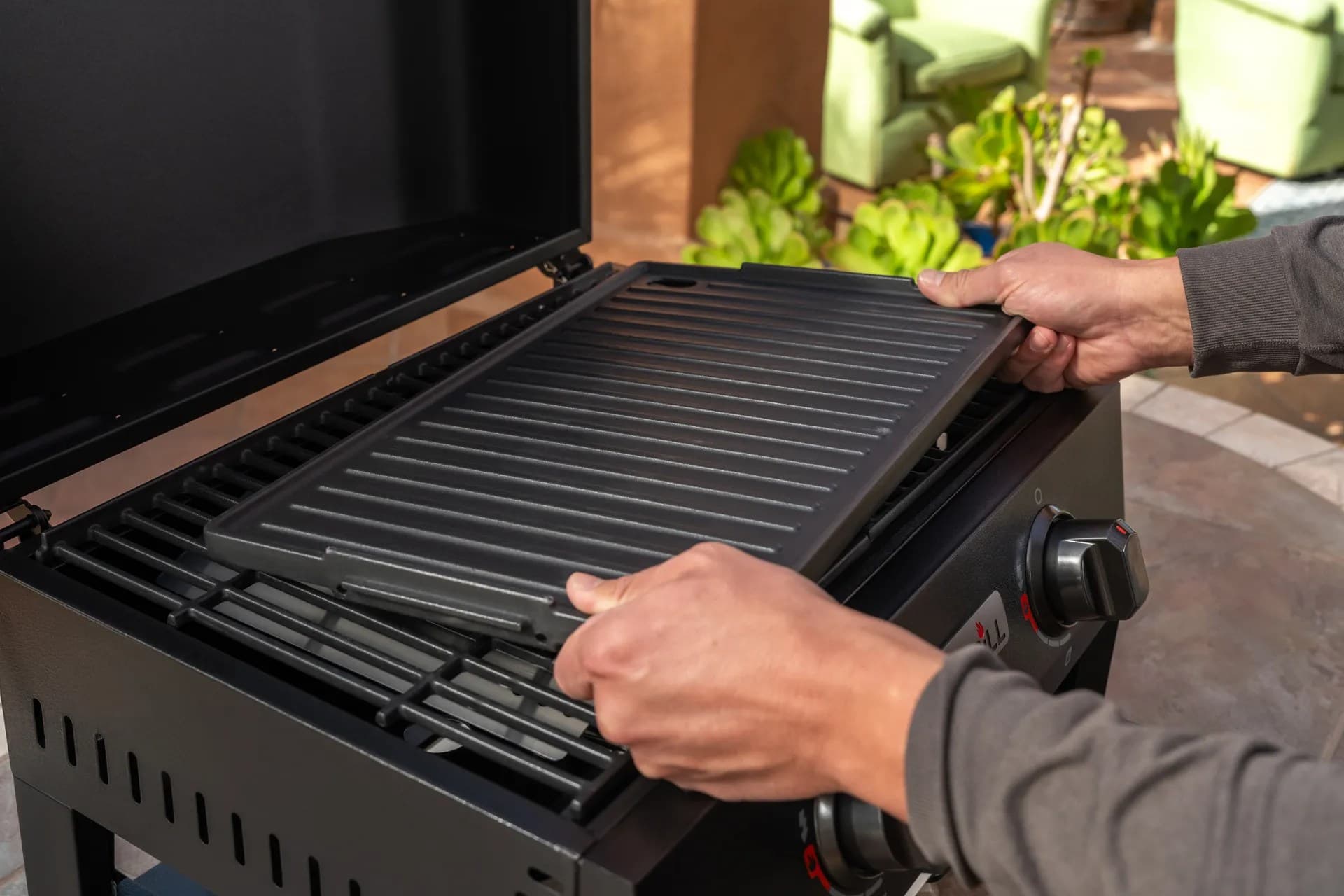
Practical guides for cleaning, maintenance, common grill issues, and performance optimization.
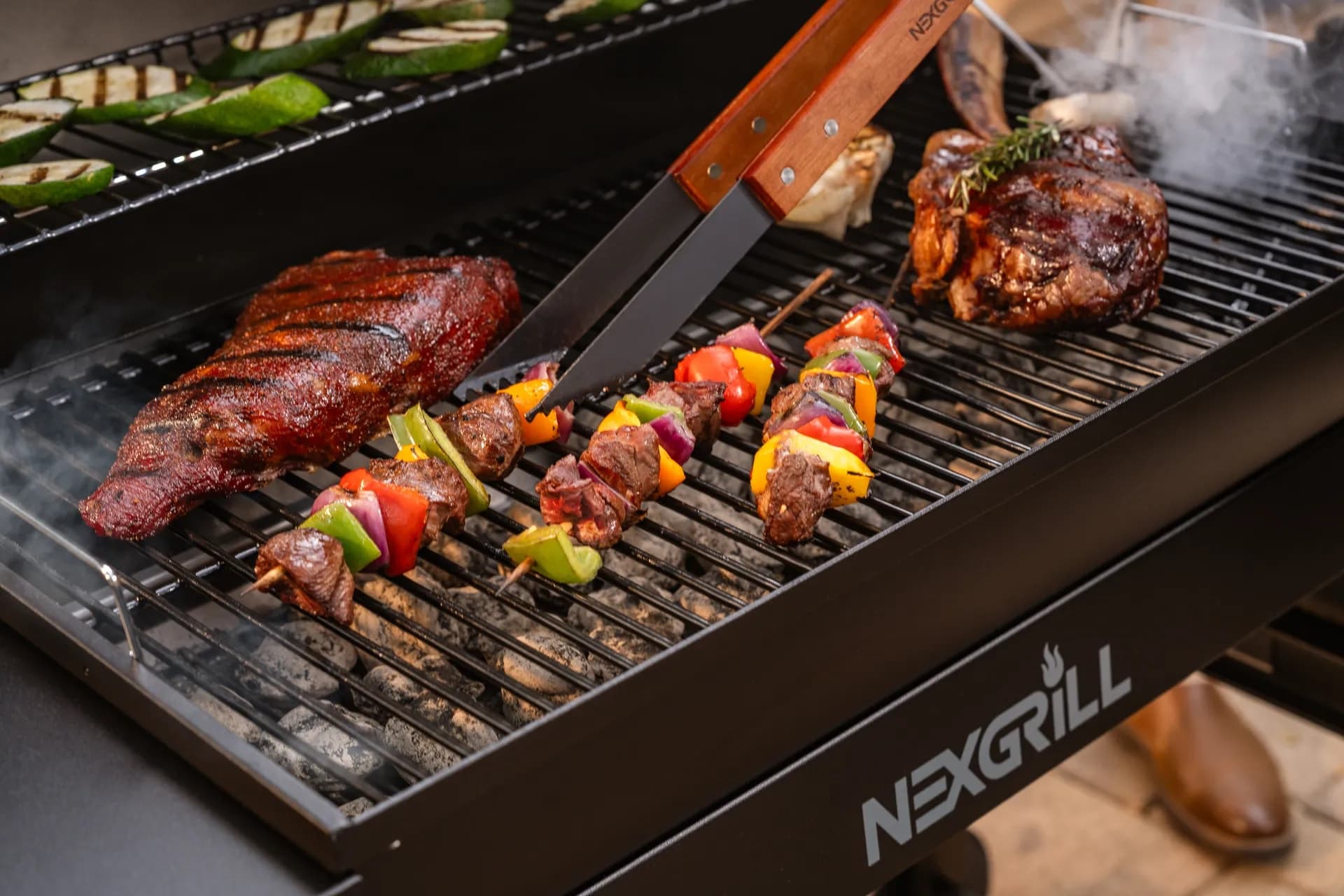
Step-by-step grilling recipes, cooking techniques, and meal ideas for every occasion and skill level.

Backyard entertaining ideas, seasonal grilling inspiration, and stories that celebrate outdoor cooking culture.
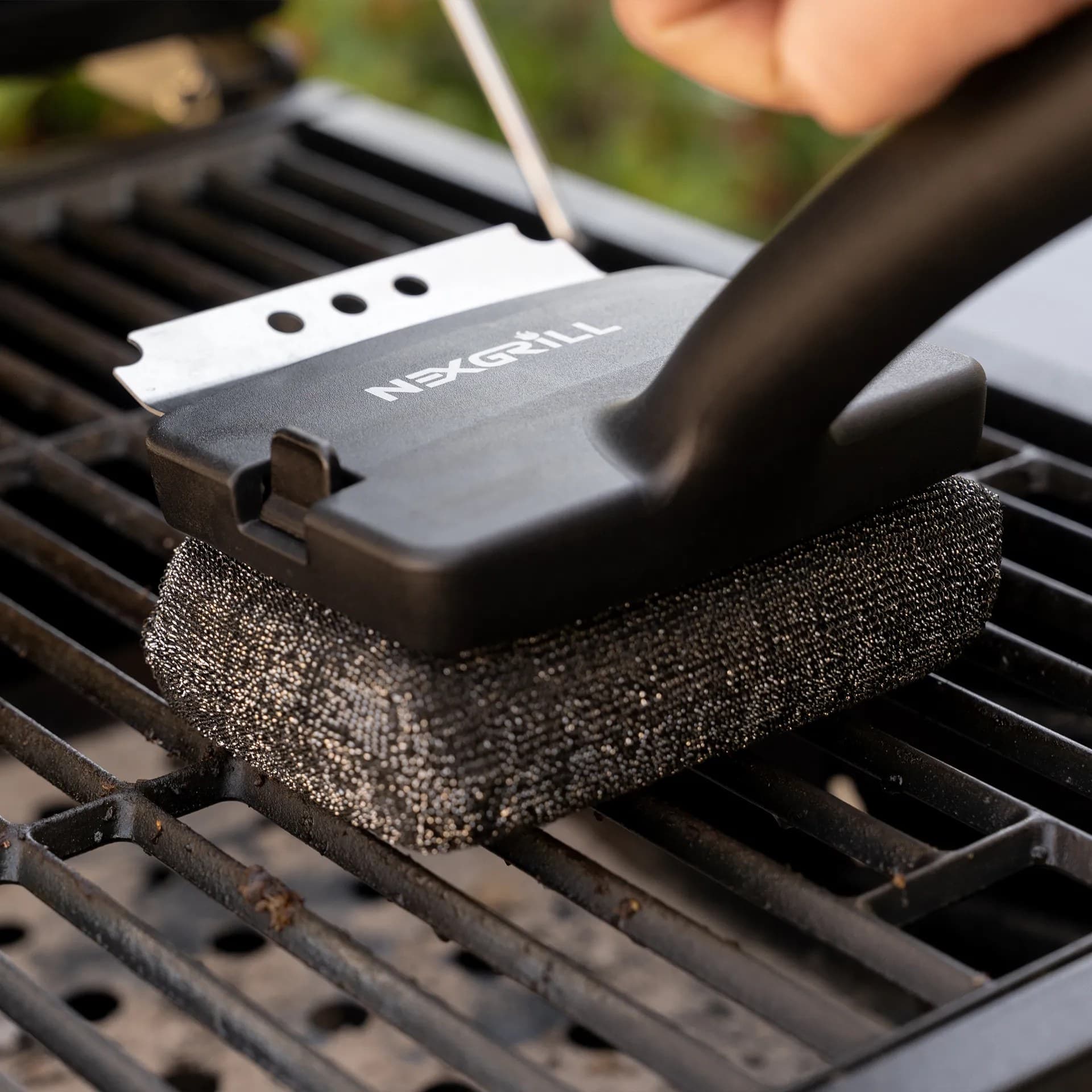
Helpful articles covering grilling tools, cookware, maintenance gear, and must-have accessories for outdoor cooking.
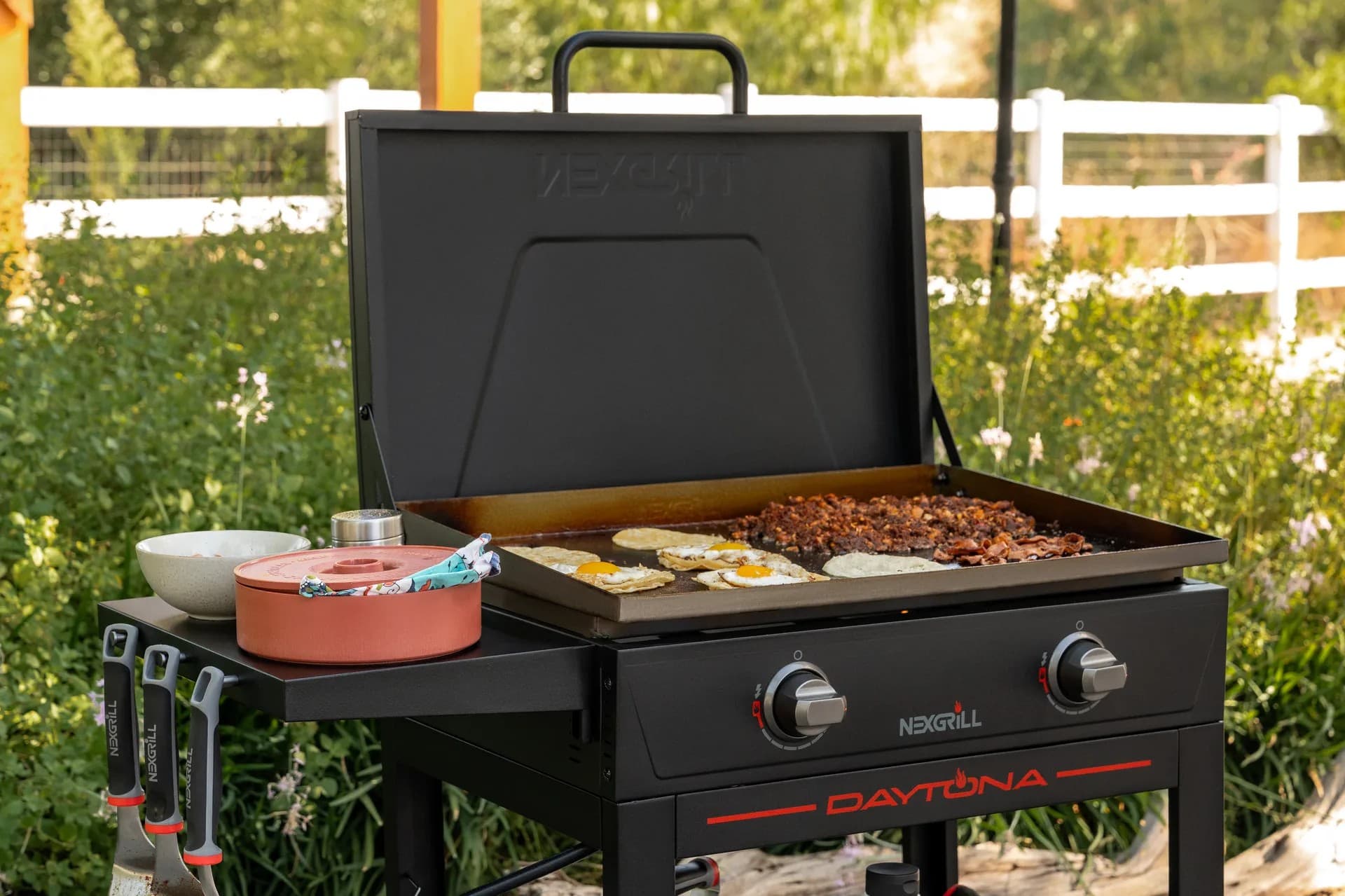
Find griddle recipes, cooking techniques, cleaning tips, and outdoor meal ideas designed for Nexgrill griddles.
Find answers to common questions
Pellet grills offer versatility by allowing you to smoke, grill, and bake with precise temperature control. They use wood pellets as fuel, providing a unique flavor to your food that is difficult to achieve with other types of grills.
Consider factors such as cooking capacity, temperature range, and additional features like digital controls or Wi-Fi connectivity. Assessing your cooking habits and space availability can also help in selecting a suitable model.
You can use a variety of food-grade wood pellets, including oak, hickory, mesquite, cherry, and apple. Each type of wood imparts a different flavor to your food, allowing for a unique grilling experience.
Regular cleaning involves emptying the ash pan, cleaning the heat diffusers, and wiping down the exterior. It's also important to check for any pellet obstructions in the hopper and ensure the grill's components are in good working order.
Nexgrill pellet grills are designed to smoke effectively, offering low-temperature settings to infuse food with rich, smoky flavors. They also provide adjustable temperature controls to suit various cooking styles.
In This Article
Temperature Control
Wood Selection
Meat Preparation
A smoker grill is less about rushing dinner and more about building flavor with intention. That difference matters. When you smoke food, you are managing heat, airflow, time, and wood choice so the meat cooks slowly while absorbing aromatic compounds that make barbecue taste deep, layered, and memorable. Nexgrill’s brand philosophy emphasizes bringing people together around shared food and approachable outdoor cooking, and smoker grilling fits that spirit especially well because it turns a meal into an event rather than a quick task .
For a first-time smoker user, the biggest shift is understanding that the goal is not the hottest fire possible. The goal is stable, repeatable heat that gives collagen time to break down and fat time to render. That is why smoker-grill-tips often focus on patience, temperature discipline, and preparation rather than dramatic flare-ups or aggressive searing. If you are used to gas grilling steaks in minutes, smoking brisket, pork shoulder, ribs, chicken thighs, or even salmon asks you to think in hours. The payoff is tenderness and a smoke ring that signals careful low-and-slow cooking, not just surface charring.
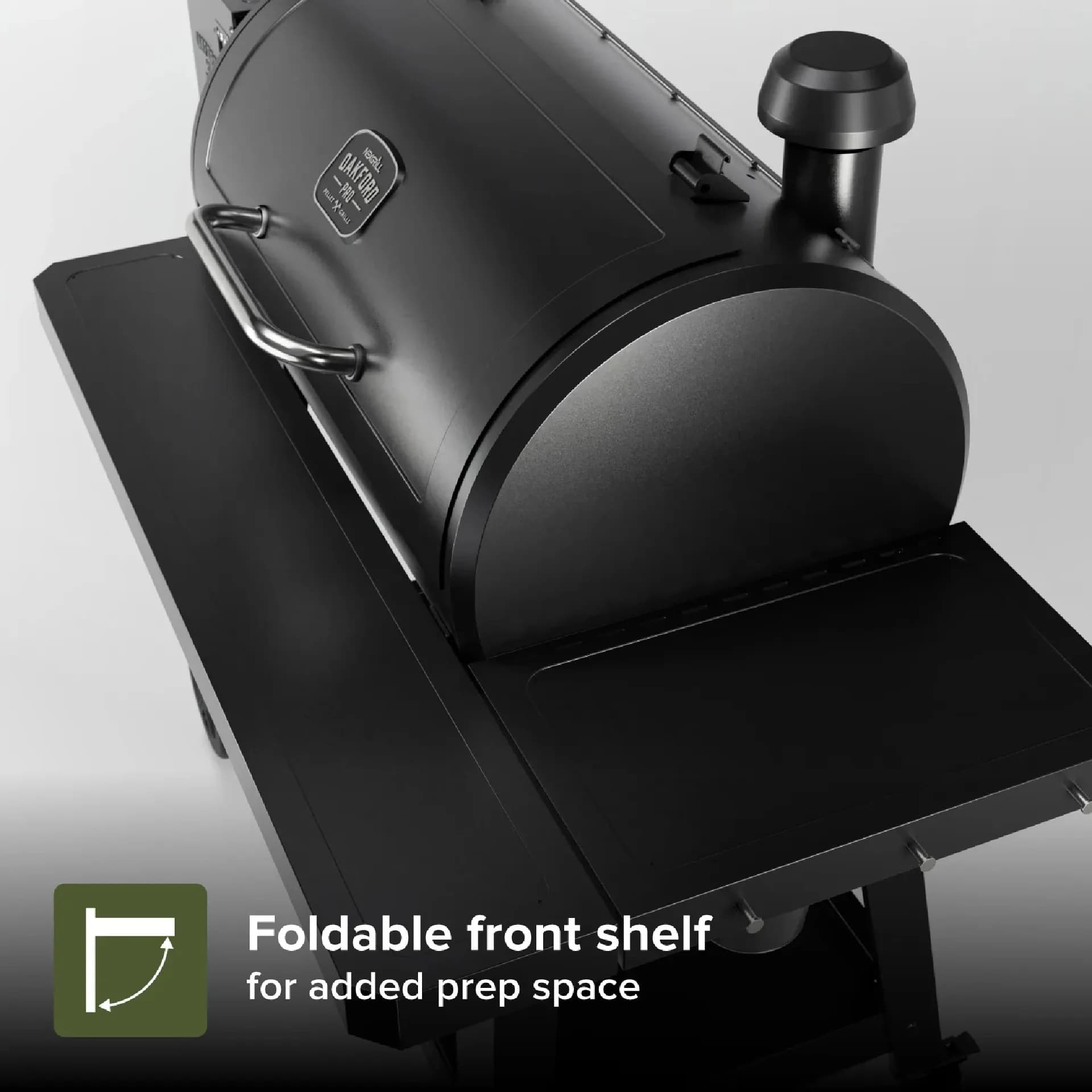
Nexgrill’s Oakford pellet smoker lineup is built around that kind of cooking rhythm. The Oakford 875 Pro Pellet Smoker Grill and Oakford 1125 Pro Pellet Smoker Grill give backyard cooks a practical path into controlled smoking, while the Oakford Homestead 24 Heavy Duty Charcoal Grill appeals to cooks who want a more traditional charcoal-forward fire management experience. That range matters because the right smoker is not the one with the most features on paper; it is the one that matches the way you actually cook, the size of your gatherings, and how hands-on you want to be during the cook .
Smoking rewards stable temperatures and steady airflow more than raw heat.
Different smoker designs create different experiences, and it helps to choose based on how involved you want to be. Pellet smokers are the easiest to live with for many home cooks because they simplify fuel management and temperature consistency. Charcoal smokers typically ask for more attention but can deliver a more traditional fire-building experience. Offset-style setups, cabinet smokers, and hybrid grills each sit somewhere along that spectrum of hands-on control versus automation. The best choice depends on whether you are cooking for a weeknight family dinner, a Sunday gathering, or an all-day brisket project.
| Smoker type | Best for | Main trade-off |
|---|---|---|
| Pellet smoker | Set-it-and-monitor cooks, beginners, multi-hour recipes | Less direct fire management than charcoal |
| Charcoal smoker | Traditional barbecue flavor and fire control | Requires more attention and fuel management |
| Hybrid or grill-smoker | Cooks who want grilling and smoking in one setup | Compromise between specialization and versatility |
If your real goal is to smoke pork shoulder every few weeks without babysitting a firebox all day, a pellet smoker may be the most practical option. If you enjoy tuning vents, learning charcoal behavior, and building a more tactile connection to the fire, charcoal makes sense. Nexgrill’s product mix is especially helpful here because it gives buyers a way to choose the style that fits their confidence level, not just their budget .
Good smoker-grill-tips start with the right supporting gear. A smoker itself matters, but so do the tools that help you read temperature and manage the cook. A reliable instant-read thermometer is non-negotiable because visual cues alone cannot tell you when a pork butt is truly tender or when chicken has reached a safe internal temperature. A probe thermometer or leave-in monitoring system helps you track long cooks without opening the lid every fifteen minutes. Heat-resistant gloves, long tongs, a sturdy drip pan, and a chimney starter for charcoal cooks all make the process easier and safer.
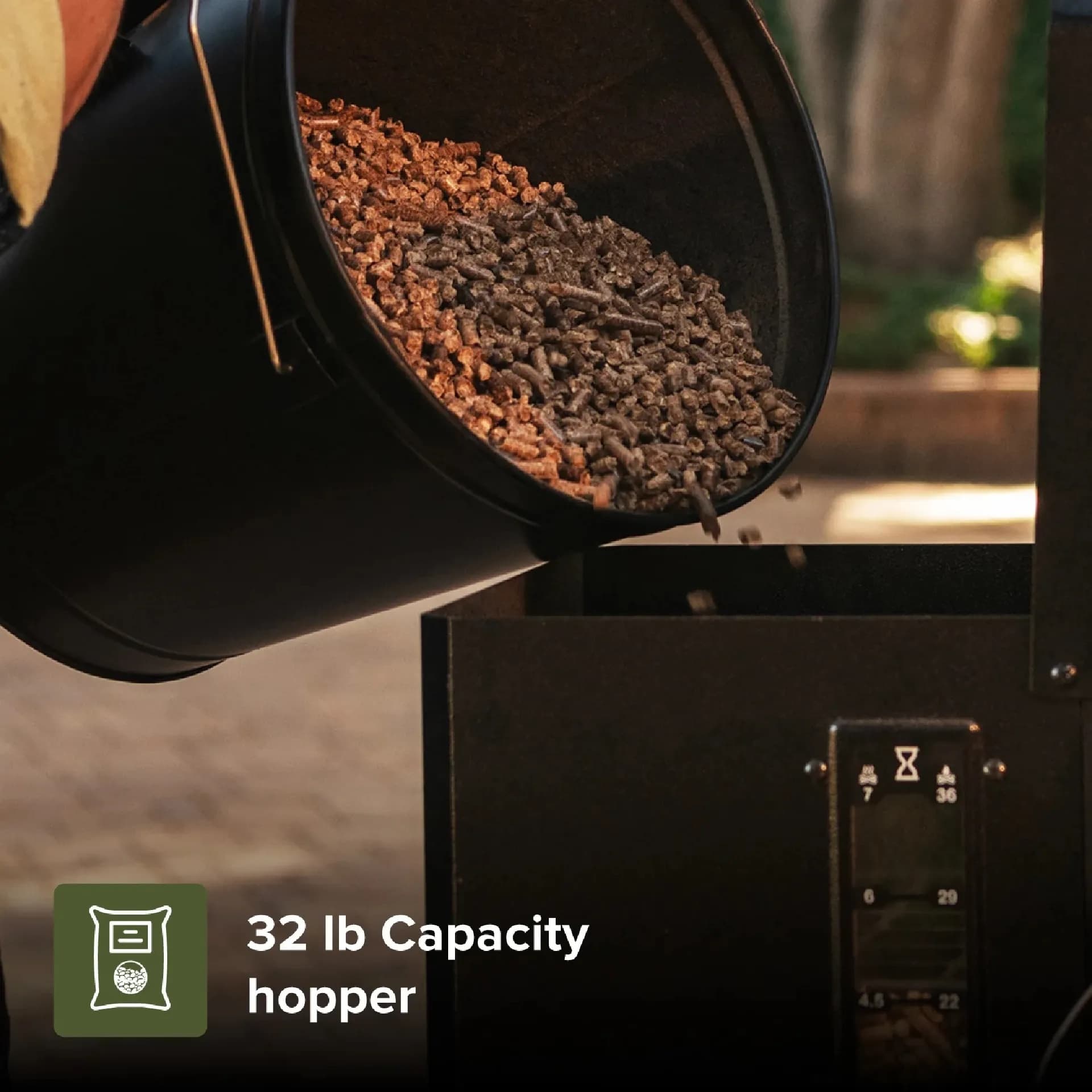
For pellet-based smoking, fuel quality matters too. Pellets should be dry, clean, and intended for food smoking, not generic heating use. For charcoal smokers, lump charcoal and briquettes behave differently, so it helps to know whether you want faster ignition and hotter burn or steadier, longer-lasting heat. A water pan can also be useful because it helps stabilize humidity in the cooking chamber and can soften the bark-building process on long cooks.
Tip: keep two thermometers in your workflow - one for the smoker chamber and one for the meat. That separation prevents guesswork and catches drift early.
Preparation is where many great cooks are won or lost. Before the first rack of ribs or brisket goes on, clean the grates, empty old ash or grease, check airflow paths, and preheat the unit until it settles at your target range. For pellet smokers, make sure the hopper is filled with dry pellets and the auger path is clear. For charcoal smokers, build your fire gradually so the cooker can come up to temperature instead of overshooting it. A stable start is easier to maintain than a hot start that must be rescued later.
Food preparation matters just as much. Trim excess fat, remove loose membrane from ribs if needed, and season well in advance when the recipe benefits from a dry brine. A simple rub of salt, pepper, garlic, and paprika can go a long way when the smoke is clean and balanced. If you are smoking poultry, drying the skin in the refrigerator before cooking can help it render and crisp better later. The point is to create a surface that accepts smoke without becoming soggy or overloaded.
Wood selection is one of the easiest ways to shape flavor. Hickory brings a bold, classic barbecue profile that pairs well with pork and brisket. Oak is more balanced and versatile, making it a strong everyday choice when you want smoke without overwhelming sweetness or bitterness. Apple and cherry offer gentler fruitwood notes that work nicely for poultry, ham, and lighter cuts. Mesquite is powerful and should be used carefully, especially on long cooks, because it can dominate delicate meats if overused.
A useful rule is to match stronger woods with richer cuts and milder woods with leaner proteins. Brisket and pork shoulder can stand up to oak or hickory. Salmon, chicken, and turkey often taste better with fruitwood or a milder blend. If you are using pellets, a blend can give you balance; if you are adding wood chunks to a charcoal smoker, smaller amounts are usually better than overloading the chamber.
A common smoking range in the United States for many low-and-slow recipes, depending on the cut and style.
The most reliable smoker-grill-tips all come back to temperature control. For many classic barbecue recipes, a cooking chamber between 225°F and 275°F is a practical starting point, though the ideal target changes by cut and recipe. Brisket often benefits from a steady low range early on, while chicken may need a slightly hotter finish to improve skin texture. The key is consistency. It is better to hold a smoker within a narrow window than to chase a perfect number that keeps swinging up and down.
Warning: repeatedly lifting the lid drops chamber temperature and lengthens cook time. Every peek should have a purpose.
When you see a temperature dip, resist the urge to make major fuel changes immediately. Give the smoker a few minutes to recover and confirm whether the drop is real or just a transient reading from an opened lid or moving probe. In charcoal smokers, vent control changes should be small and deliberate. In pellet smokers, allow the controller time to respond before assuming something is wrong. Reading the fire calmly is often the difference between tender results and a frustrated, overcorrected cook.
Different meats ask for different strategies, and matching technique to cut is one of the fastest ways to improve. Brisket usually needs patience, a well-trimmed fat cap, and enough time for the collagen to soften. Pork shoulder is forgiving and ideal for learners because it can stay juicy through long cooks and still produce great pulled pork. Ribs benefit from even seasoning, stable heat, and careful wrapping decisions based on the texture you want. Chicken is the fastest of the common barbecue meats and rewards attention to skin texture and doneness. Fish should be smoked gently so it stays intact and does not turn dry or chalky.
Maintenance keeps flavor clean and equipment dependable. After each session, remove grease and ash once the cooker is cool enough to handle safely. Build-up in drip areas can affect airflow and create unwanted smoke smells on the next cook. Grates should be brushed while warm, and interior surfaces should be checked for residue that might interfere with ignition or temperature stability. For pellet grills, inspect the firepot and hopper area regularly. For charcoal models, clear ash so airflow remains open. A fitted cover helps protect against dust, rain, and seasonal weather swings, which matters if your smoker stays outdoors year-round.
If your food tastes acrid, the smoke may be too heavy, too dirty, or produced while the fire is struggling to burn cleanly. White billowy smoke is usually a sign that the fire needs more time or better airflow; thin blue smoke is often a better sign for flavor. If meat stalls for hours, that is normal on certain cuts and usually reflects evaporative cooling. If bark looks pale, the cooker may be too humid or the meat may be wrapped too early. If temperatures are unstable, inspect fuel quality, vent settings, and whether the cooking chamber is being opened too often. A little detective work here prevents a lot of future disappointment.
Try comparing two products side by side below to see which fits best:
Once you’ve compared two smoker options, the next step is learning how experienced barbecue cooks layer flavor without losing control of the fire. Advanced smoking is not about making the process more complicated for its own sake. It is about using structure: managing when to spritz, when to wrap, when to rest, and when to hold. Those choices can make a brisket slice cleaner, help pork shoulder stay juicy, or keep ribs from drying out on a long cook. The most useful smoker-grill-tips at this stage are less about gear and more about rhythm.
A common advanced move is cooking in stages. For example, you might smoke a pork butt until the bark sets, then wrap it to reduce surface drying and power through the stall, then hold it in a warm insulated environment before pulling. That three-part flow gives you more predictable texture than simply cooking until the thermometer says done. Another useful technique is using a resting box or cooler hold after the cook. Resting lets juices redistribute, and for larger cuts it can meaningfully improve slice quality. In the United States, backyard cooks often underestimate resting because they are eager to serve the meal immediately, but patience here often shows up directly on the plate.
Info: when cooking larger cuts, a long rest can be as important as the smoke itself. Slicing too early lets precious moisture escape.
Another advanced technique is building flavor through layering rather than relying on one bold rub. Start with a salt-forward base, then use spices that support the meat instead of masking it. For poultry, citrus, paprika, and light herb notes work well. For pork, brown sugar, pepper, mustard seed, and gentle heat can create a balanced bark. For beef, many cooks get the best results with restraint: salt, pepper, garlic, and clean smoke are often enough. The point is not to bury the meat under seasoning but to let the smoke work in concert with the surface crust.
A great smoker meal is usually stronger when the sides and sauces are chosen with the same care as the meat. Rich cuts like brisket or pork shoulder do well with acidity, crunch, and brightness on the side. Vinegar slaw, pickled onions, grilled vegetables, and cornbread can keep the meal from feeling heavy. Chicken and turkey smoke nicely with creamy or herb-forward sides, while ribs often benefit from sauces that balance sweetness, acid, and spice. Thinking this way helps a dinner feel complete rather than simply large.
| Smoked meat | Best side direction | Sauce style that works |
|---|---|---|
| Brisket | Pickles, onions, slaw, potato salad | Thin vinegar or pepper-forward sauce |
| Pork shoulder | Cornbread, beans, slaw | Tomato-vinegar hybrid or mustard sauce |
| Chicken | Roasted vegetables, potato wedges, greens | Herb sauce or light sweet glaze |
Smoking traditions around the world show that barbecue is broader than any one region’s style. American low-and-slow barbecue has its own identity, but it sits alongside other fire traditions that emphasize different cuts, woods, marinades, and cooking rhythms. In parts of Europe, cured and smoked sausages are often treated as pantry staples. In Latin American cooking, smoke may support adobo-style seasoning or be part of earthier open-fire methods. In East and Southeast Asian traditions, smoke and char can be paired with marinades that balance sweet, salty, and umami notes.
That broader lens is useful because it reminds home cooks not to lock themselves into one profile. A smoker can handle far more than ribs and brisket. Try jerk-inspired chicken with allspice and citrus, maple-glazed salmon with alder-style wood, or smoke-roasted vegetables for a side that stands on its own. The more you borrow ideas from different food cultures, the more your smoker becomes a creative tool instead of a single-purpose machine.
A smoker grill party works best when the menu is designed around timing, not just taste. Choose at least one centerpiece that can cook ahead, such as pork shoulder or brisket, then add faster dishes that can finish near serving time, like smoked chicken wings or vegetables. This lets you welcome guests without turning the host into a full-time pit manager. Nexgrill’s brand emphasis on togetherness and approachable outdoor cooking fits perfectly here: smoked food is social food, and it invites people to linger, talk, and graze together .
A practical party menu for a U.S. backyard gathering might include smoked pork shoulder sandwiches, smoked corn, pickled onions, and a vinegar slaw. If you want a shorter cook, smoked chicken thighs, rosemary potatoes, and grilled peaches can still feel special without monopolizing your whole afternoon. The recipe strategy should always reflect your smoker capacity, the weather, and how much you want to interact with guests while cooking.
Safety should be treated as part of the cooking process, not an afterthought. Keep the smoker on a stable, nonflammable surface and away from siding, deck railings, dry brush, or low overhangs. Use heat-resistant gloves when handling grates, pans, and hot tools. If you are running a charcoal smoker, dispose of ash only after it has fully cooled. If you use a pellet smoker, follow the owner’s instructions for shutdown and cleaning so accumulated grease or pellets do not create a hazard. It is also smart to keep a fire extinguisher nearby whenever you are cooking outdoors.
Warning: never leave a live smoker unattended for long periods, especially during windy weather or on a crowded patio.
Weather changes how a smoker behaves. Cold air can increase preheat time and make temperature swings more noticeable. Wind can pull heat from the chamber or push smoke unevenly across the cook. Humid summer air can change bark development and alter how quickly the surface dries. In winter, many cooks insulate their setup more carefully and allow extra startup time. In hot summer conditions, it is wise to monitor the chamber more closely because the cooker may respond faster than expected.
A useful habit is to plan the cook around the environment instead of fighting it. If a storm front is moving in, choose a simpler recipe. If it is very cold, start earlier than you think you need to. If you are cooking in direct sun, watch for heat spikes. Seasonal flexibility turns frustration into a manageable variable.
Once the fundamentals are solid, the smoker becomes a playground for inventive cooking. Smoked queso, bacon-wrapped jalapeño poppers, smoked mac and cheese, and smoked vegetables can add variety to a standard barbecue menu. Fruit can also benefit from smoke, especially peaches, pineapple, and apples that will be served with yogurt, ice cream, or savory accompaniments. A pellet smoker is especially helpful for these recipes because it supports steady, gentle cooking without forcing you to micromanage the fire.
For a richer weekend meal, try a two-stage cook: smoke a tray of vegetables, then finish them with charred edges on a hot grill or griddle. That hybrid approach keeps the smoke flavor while adding contrast in texture. The best innovative recipes are often simple recipes with one memorable twist, not overly complicated projects with ten moving parts.
Sustainability in smoking starts with using the right amount of fuel and cooking the right amount of food. Oversizing the cooker for a small meal wastes pellets, charcoal, and time. Planning your menu so leftovers become sandwiches, tacos, or hash the next day helps reduce food waste. Choosing responsibly sourced wood products and maintaining your smoker so it runs efficiently also matter. Small decisions add up when you cook outdoors often.
Water use is another practical consideration. Clean-up is easier and more efficient when you manage grease carefully during the cook rather than letting it harden into a bigger problem later. Reusable tools, durable accessories, and a well-covered smoker also help reduce replacement waste over time.
One of the best parts of smoking meat is that it creates community quickly. Backyard cooks share rubs, compare woods, trade resting methods, and swap recipes in a way that feels generous rather than competitive. That matches Nexgrill’s larger brand story of hospitality and inviting people to the table . Whether you learn from local cookouts, regional barbecue events, retailer demonstrations, or online cooking groups, the community helps turn technique into confidence.
If you are looking for a next step, pay attention to how experienced cooks talk about fire management, timing, and rest instead of just asking what rub they use. Those deeper lessons make you better faster. And if you already have a smoker, the most valuable resource may simply be a group of people who are willing to taste, compare, and talk through what worked. For more brand context and outdoor cooking inspiration, see Nexgrill’s homepage and About Us pages. Explore the product range at All Products.
Here's what sets us apart
We position ourselves as delivering high-end outdoor cooking features and performance without premium-brand pricing, emphasizing “Quality Grills. Unbelievable Value.”
We offer gas grills, pellet grills, griddles, smokers, pizza ovens, portable/tabletop grills, electric grills, accessories, and replacement parts — allowing customers to stay within one ecosystem for all outdoor cooking needs.
We differentiate ourselves through smart grilling products like the Oakford smart pellet grill, including app-connected cooking controls and modern outdoor cooking technology.
Don't just take our word for it
Keep reading
From our catalog