Mastering Grill Temperature Control: Tips and Techniques
Achieve perfect grilling results with expert temperature control tips.
In This Article
Understanding Heat Zones
Tools for Temperature Management
Advanced Techniques
Understanding Heat Zones
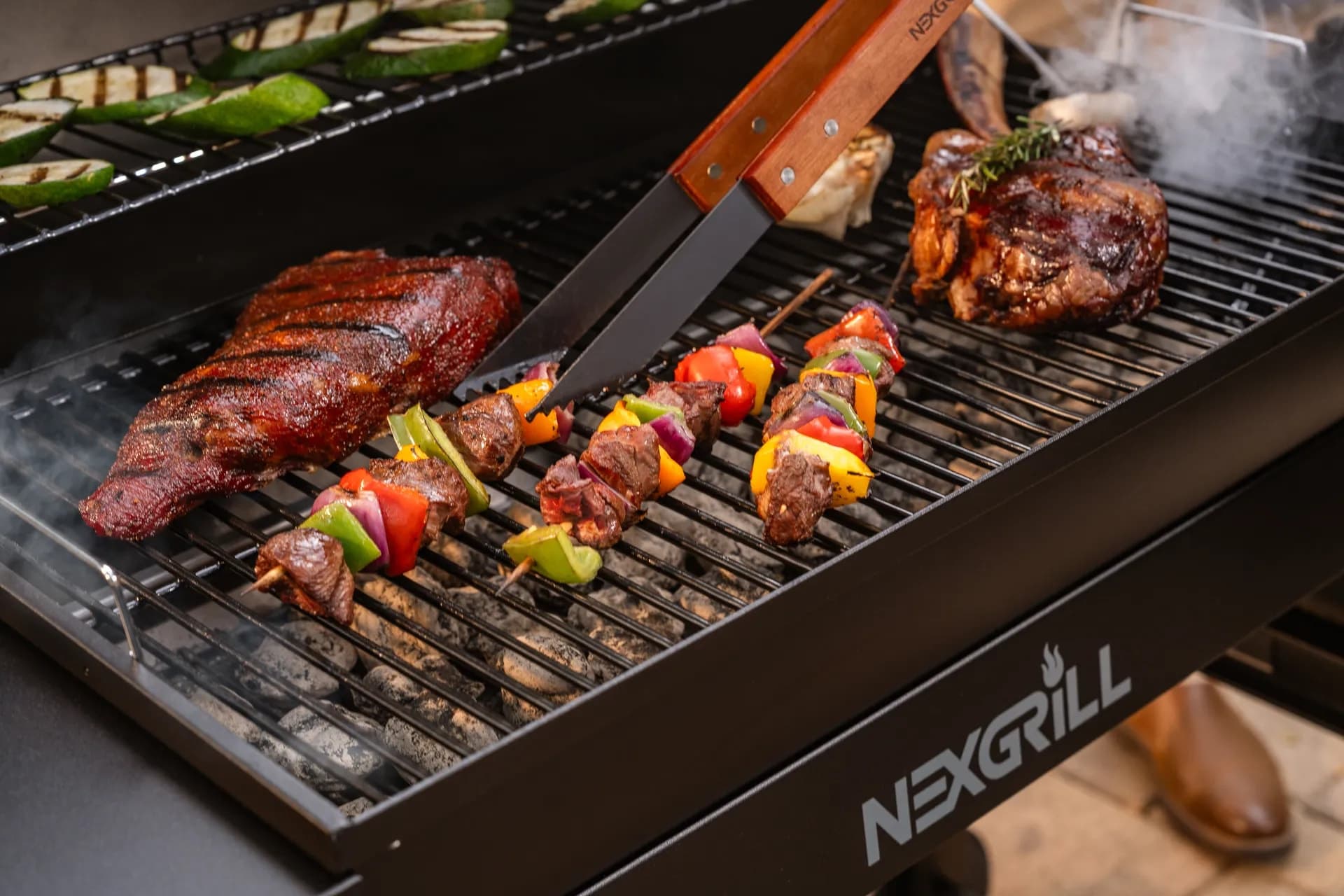
Grill temperature control begins with understanding the concept of heat zones. Dividing your grill into direct and indirect heat zones allows you to cook different foods simultaneously, optimizing flavor and texture. Direct heat is perfect for searing steaks, while indirect heat suits slow-cooking items like ribs.
| Zone Type | Ideal For | Temperature Range (°F) |
|---|---|---|
| Direct Heat | Searing, Grilling | 450-550 |
| Indirect Heat | Smoking, Roasting | 225-350 |
To create these zones on a gas grill, turn on burners only on one side for indirect cooking. On a charcoal grill, pile coals on one side. Using zones effectively enhances cooking control, ensuring meats are juicy and vegetables are perfectly roasted.
The Importance of Preheating
Preheating your grill is a crucial step in temperature control. It ensures even cooking and helps prevent food from sticking. For gas grills, preheat for 10-15 minutes; for charcoal, wait until coals are covered with a gray ash. Once preheated, use a grill thermometer to verify the temperature before placing food.
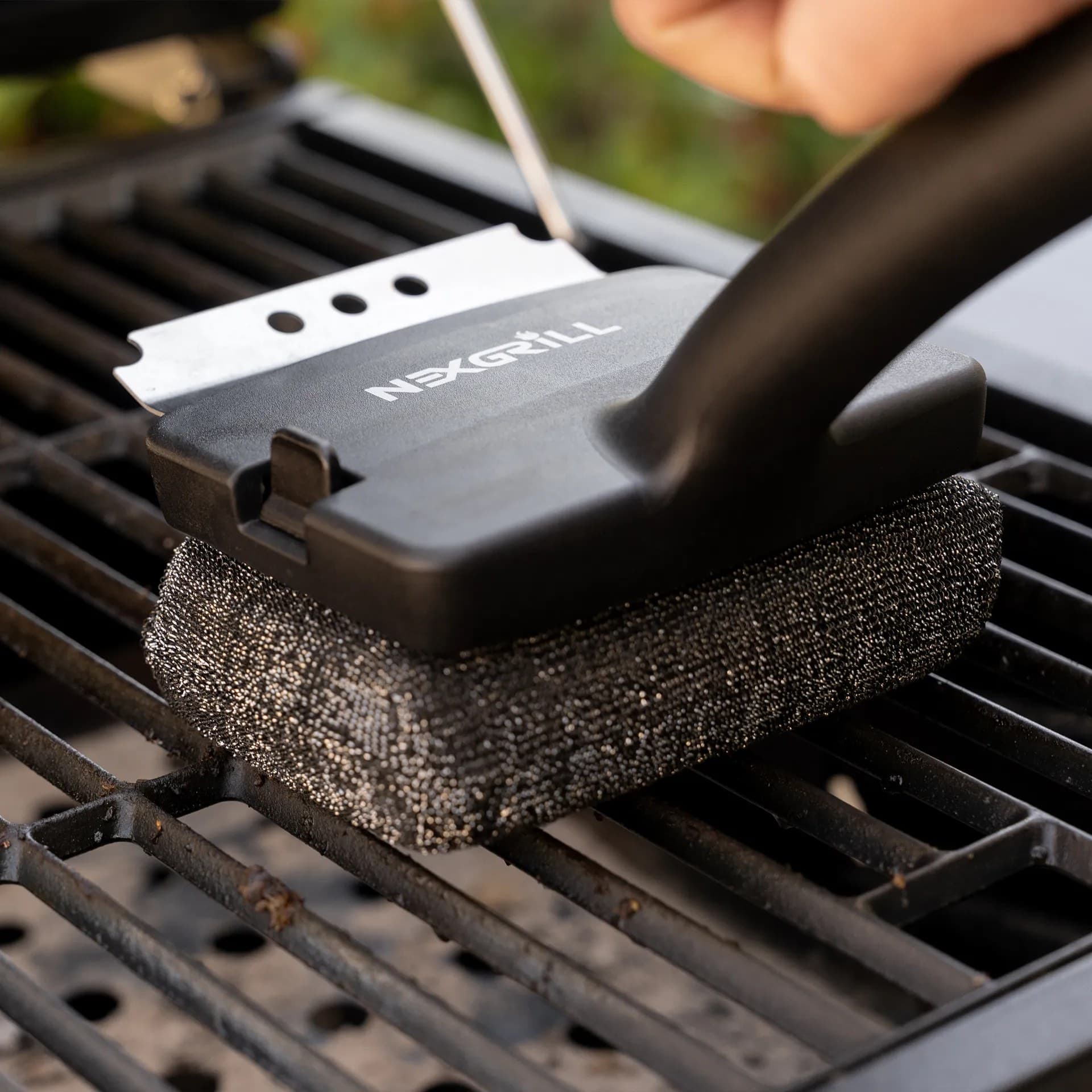
Tip: Always clean your grill grates before preheating to avoid flare-ups and ensure even heat distribution.
Tools for Temperature Management
Using the right tools can significantly improve temperature control on your grill. The most essential tool is a reliable grill thermometer. Instant-read thermometers provide quick readings, while dual-probe thermometers allow you to monitor both the grill and the food's internal temperature simultaneously.
- Instant-Read Thermometers: Quick readings for meat doneness.
- Dual-Probe Thermometers: Track grill and food temperature.
- Infrared Thermometers: Measure surface temperatures accurately.
Another helpful tool is a charcoal chimney starter, which helps achieve the desired heat level faster and more efficiently than lighter fluid. For gas grills, ensure your burners are clean and functioning correctly to maintain consistent heat levels.
Info: Regular maintenance of your grill, including checking gas lines and cleaning burners, can prevent uneven heating and improve efficiency.
By utilizing these tools and techniques, you'll gain better control over your grill's temperature, leading to more successful and enjoyable grilling experiences.
Try comparing two products side by side below to see which fits best:
Advanced Techniques for Temperature Control
Once you've weighed two options against each other, delve deeper into advanced temperature control techniques. One such method is the use of a water pan. Placing a water pan under the grill grate helps stabilize temperatures and adds moisture, preventing food from drying out during long cooks.
Two-Zone Cooking
Two-zone cooking is an advanced technique that allows for greater flexibility. By creating a hot zone and a cool zone, you can sear food on high heat and then move it to the cooler side to finish cooking. This method is perfect for thick cuts of meat like steaks or pork chops.
- Hot Zone: Directly over the heat source, ideal for searing.
- Cool Zone: Away from the heat, for gentle cooking.
This technique requires practice to master, but once perfected, it can significantly enhance the flavor and texture of grilled foods.
Reverse Searing
Reverse searing is another technique that leverages meticulous temperature control. Begin by cooking the meat slowly on an indirect heat zone until it reaches an internal temperature just below the desired doneness. Then, move it to the hot zone for a quick sear. This ensures a perfectly cooked interior with a flavorful crust.
| Step | Description |
|---|---|
| 1. Indirect Cook | Cook slowly over indirect heat to desired temperature minus 10°F. |
| 2. Sear | Move to direct heat for a quick sear on both sides. |
Choosing the Right Grill for Temperature Control
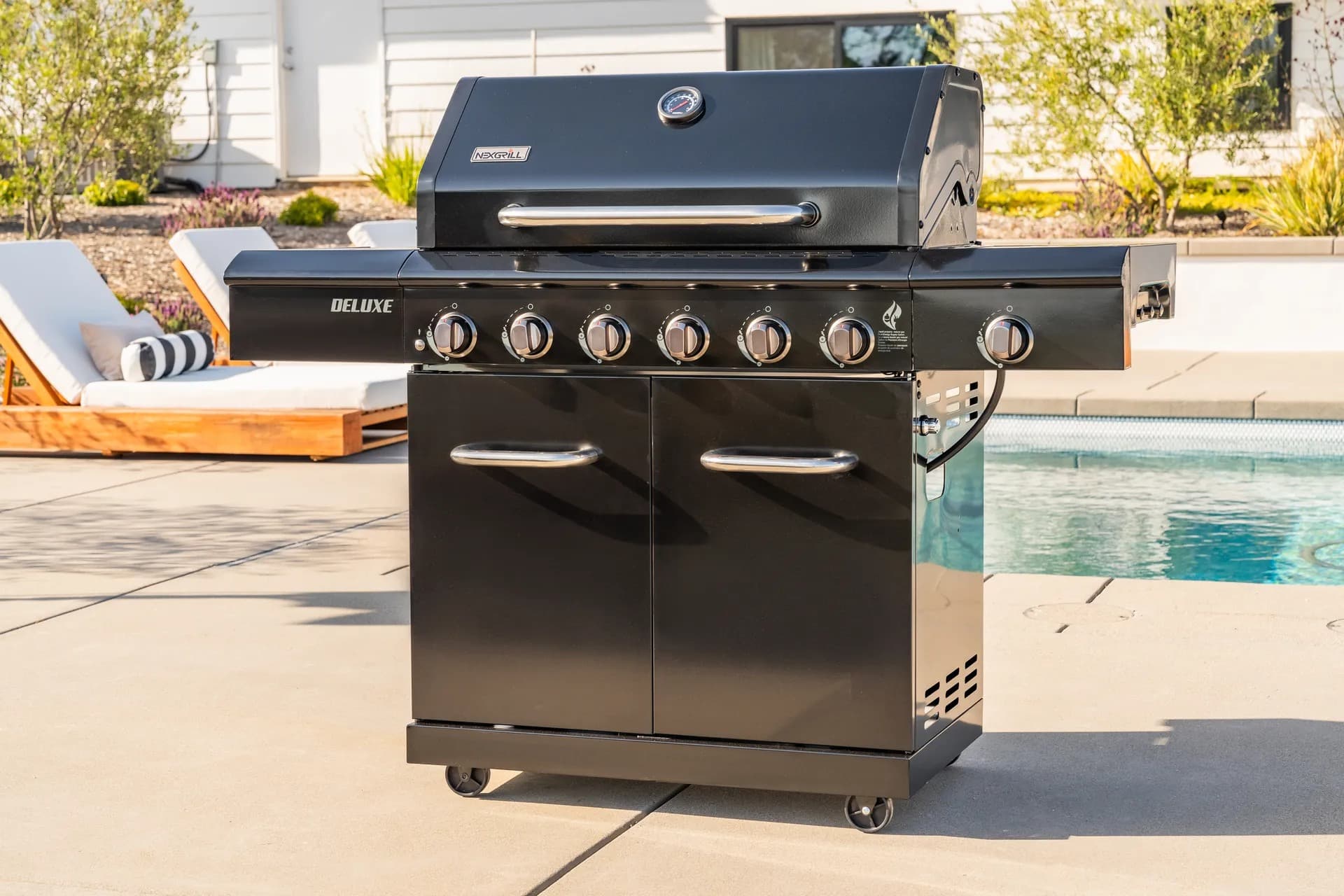
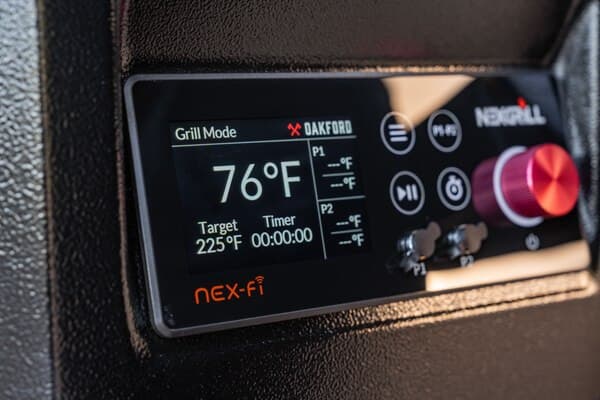
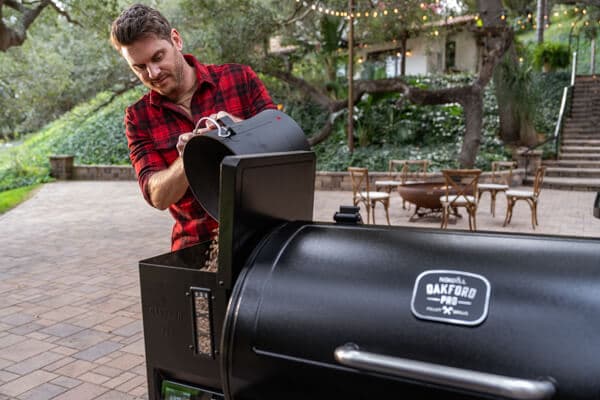
Selecting the right grill can enhance your ability to control temperature. Gas grills like the Nexgrill 4-Burner Propane Gas Grill offer precise burner control, while charcoal grills provide the traditional smoky flavor with adjustable vents for airflow control. Pellet grills, such as the Nexgrill Oakford Pro 875, offer digital temperature settings for consistent cooking.
Assess your cooking preferences to choose a grill that matches your desired level of control and flavor profile. Whether you prefer quick meals or slow-smoked dishes, the right grill can make all the difference.
Warning: Always monitor grill temperatures closely to avoid overcooking or undercooking your food.