Mastering the Art of Smoking Meats on Your Grill
Unlock the secrets to perfect smoked meats with Nexgrill
In This Article
Choosing the Right Wood
Preparing Your Grill
Advanced Techniques
Understanding the Basics of Smoking Meats
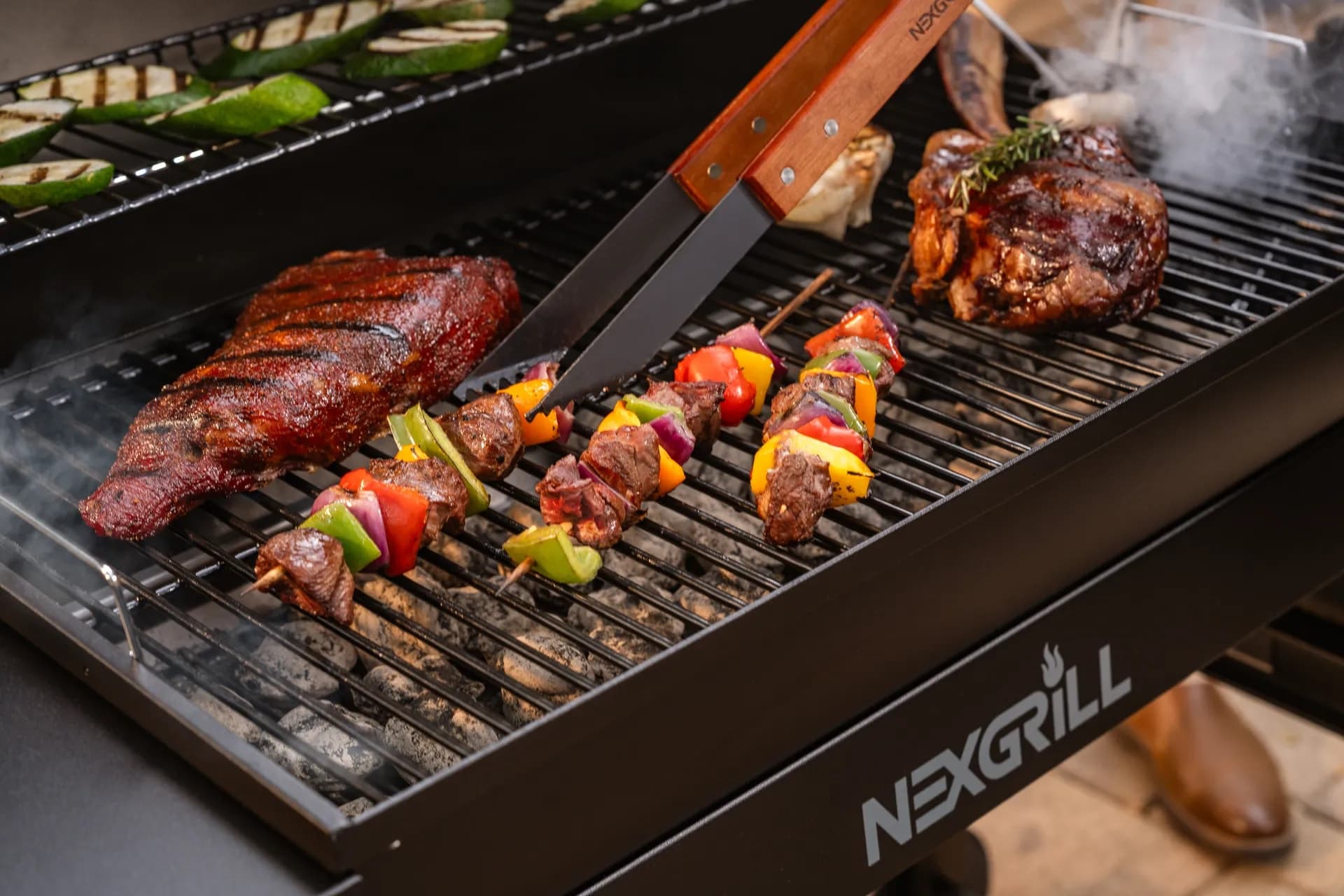
Smoking meats is an age-old culinary technique that infuses food with rich, smoky flavors while tenderizing it to perfection. Unlike grilling, which relies on high, direct heat, smoking uses low, indirect heat and wood smoke over a longer period. This method is ideal for larger cuts of meat such as ribs, brisket, and pork shoulder, allowing the collagen to break down and the flavors to deepen.
Choosing the Right Wood
The type of wood you use can dramatically affect the flavor of your smoked meats. Common choices include hickory, mesquite, apple, and cherry. Hickory provides a strong, bacon-like flavor, while fruitwoods like apple and cherry offer a milder, sweeter smoke. Mesquite burns hot and fast, ideal for shorter smoking sessions.
Tip: Experiment with different wood combinations to find your preferred flavor profile.
Preparing Your Grill for Smoking
To transform your grill into a smoker, you'll need to set up a two-zone fire. Place charcoal and wood chips on one side of the grill, creating a high-heat zone, and leave the other side empty for indirect cooking. This setup allows the meat to cook slowly, absorbing the smoky flavor.
- Arrange charcoal and wood chips on one side.
- Place a drip pan underneath the meat on the empty side.
- Maintain a temperature of 225°F to 250°F.
Controlling the temperature is crucial. Use a grill thermometer to monitor heat levels and adjust the vents to regulate airflow. The top vent controls smoke release, while the bottom vent affects the intensity of the fire.
Preparing the Meat
Select cuts of meat that are well-marbled, as the fat renders beautifully during the smoking process. Before smoking, season the meat with a dry rub or marinade to enhance its flavor. Allow the meat to come to room temperature before placing it on the grill to ensure even cooking.
| Meat Type | Recommended Wood | Smoking Time |
|---|---|---|
| Brisket | Hickory | 10-14 hours |
| Pork Shoulder | Apple | 8-10 hours |
| Ribs | Cherry | 5-7 hours |
Monitoring the Smoking Process
Patience is key when smoking meats. Regularly check the internal temperature of the meat with a probe thermometer. For most smoked meats, an internal temperature of 195°F to 205°F is ideal for tender results. Avoid opening the grill lid too frequently, as this can cause temperature fluctuations.
Once the meat reaches the desired temperature, let it rest for at least 30 minutes before slicing. This allows the juices to redistribute, resulting in more flavorful and moist meat.
Advanced Smoking Techniques for Flawless Results
As you become more comfortable with basic smoking techniques, you can experiment with advanced methods to further enhance the flavor and texture of your smoked meats. These techniques can transform your grilling experience and elevate your culinary skills.
Using a Water Pan
Incorporating a water pan into your smoking setup helps regulate temperature and adds moisture to the cooking environment. Place a pan filled with water directly over the heat source. The water absorbs heat and releases steam, which helps maintain a consistent temperature and keeps the meat moist.
Tip: Add aromatics like herbs or citrus to the water pan for an extra layer of flavor.
The Reverse Sear Method
The reverse sear method is a popular technique to achieve a perfect crust and a juicy interior. Smoke the meat at a low temperature until it reaches an internal temperature that is 10°F below your target. Then, finish the meat with a high-heat sear to develop a flavorful crust.
- Smoke until 10°F below the desired doneness.
- Increase grill temperature for a quick sear on both sides.
- Let the meat rest before serving.
Enhancing Flavor with Brining
Brining is an excellent way to infuse meat with flavor and moisture before smoking. Prepare a brine solution with water, salt, sugar, and spices, and submerge the meat for several hours or overnight. This process helps the meat retain moisture and enhances its flavor profile during smoking.
For an added twist, incorporate different spices or sweeteners, such as honey or maple syrup, to customize the flavor to your liking.
Troubleshooting Common Smoking Issues
Even experienced grillers encounter challenges when smoking meats. Common issues include temperature spikes, excessive smoke, or uneven cooking. To troubleshoot, ensure consistent airflow by adjusting vents and avoid overloading the grill with wood chips.
| Issue | Solution |
|---|---|
| Temperature Fluctuations | Adjust vents and add or remove fuel. |
| Excessive Smoke | Use fewer wood chips and ensure proper airflow. |
| Dry Meat | Use a water pan and ensure proper brining. |
Once you've mastered these techniques, you'll be well-equipped to tackle any smoking challenge and produce delicious, succulent meats every time. With practice and patience, the art of smoking meats on your grill can become a rewarding and flavorful endeavor.