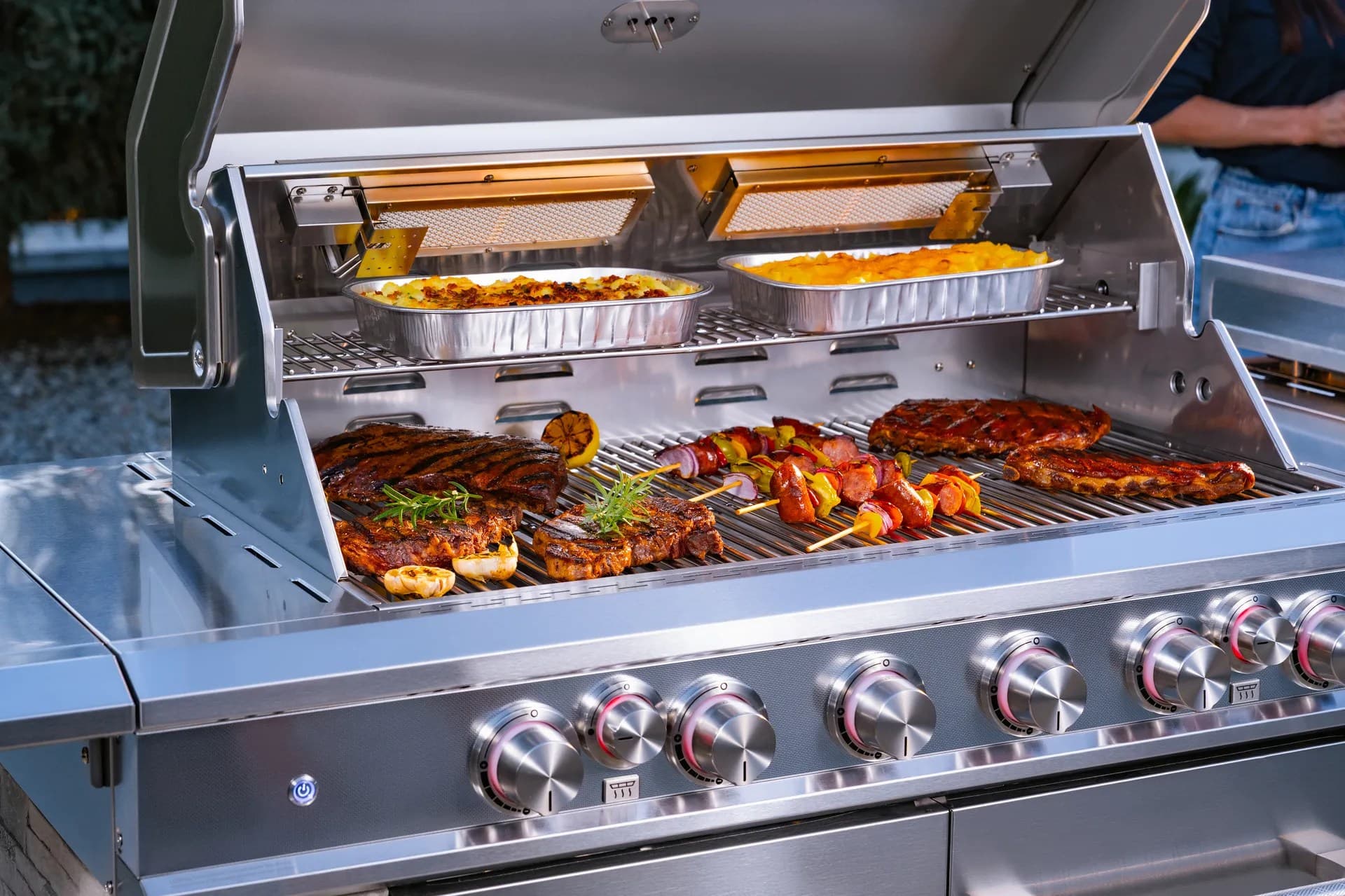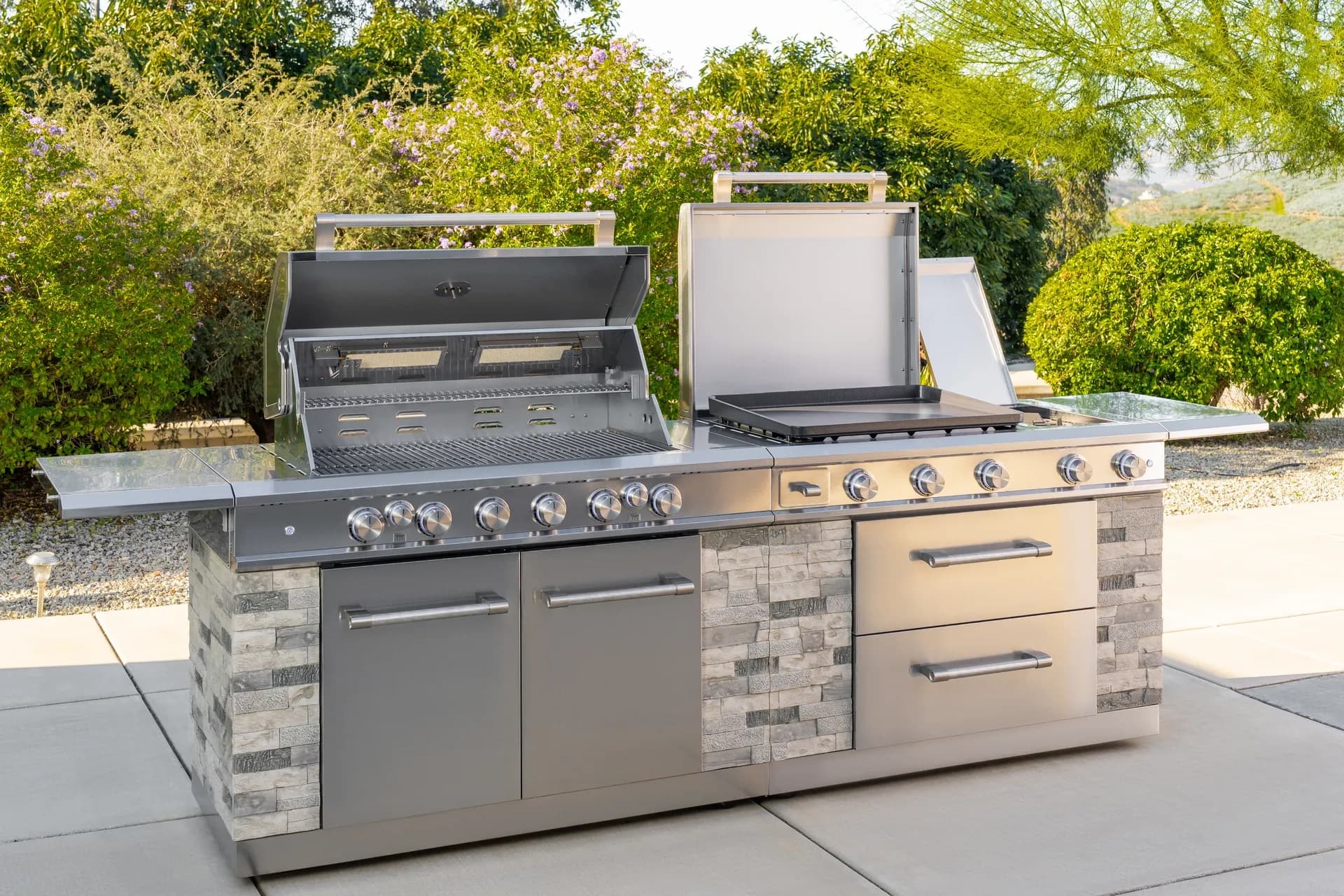
From sizzling breakfasts to smash burgers and teppanyaki-style dinners, the Daytona Pro 5 Burner NitroGuard™ Griddle delivers powerful heat, fast cooking, and a durable cooking surface built for every backyard cookout. Watch how easy outdoor cooking can be.
Here's what sets us apart from the competition
We position ourselves as delivering high-end outdoor cooking features and performance without premium-brand pricing, emphasizing “Quality Grills. Unbelievable Value.”
We offer gas grills, pellet grills, griddles, smokers, pizza ovens, portable/tabletop grills, electric grills, accessories, and replacement parts — allowing customers to stay within one ecosystem for all outdoor cooking needs.
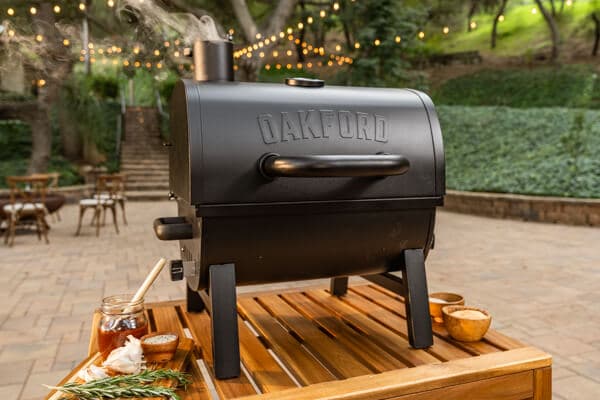
We differentiate ourselves through smart grilling products like the Oakford smart pellet grill, including app-connected cooking controls and modern outdoor cooking technology.
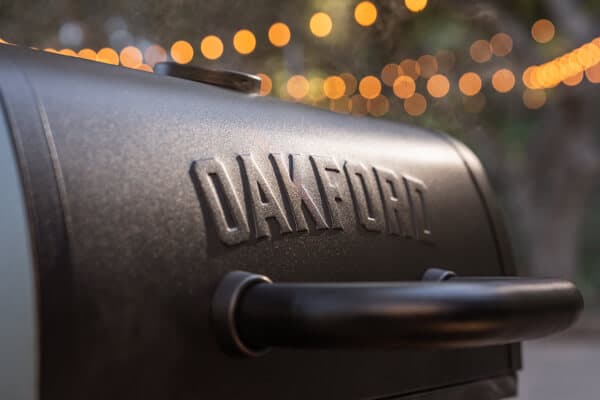
Expert tips, buying guides, comparisons, and inspiration for choosing and getting the most out of your grill.
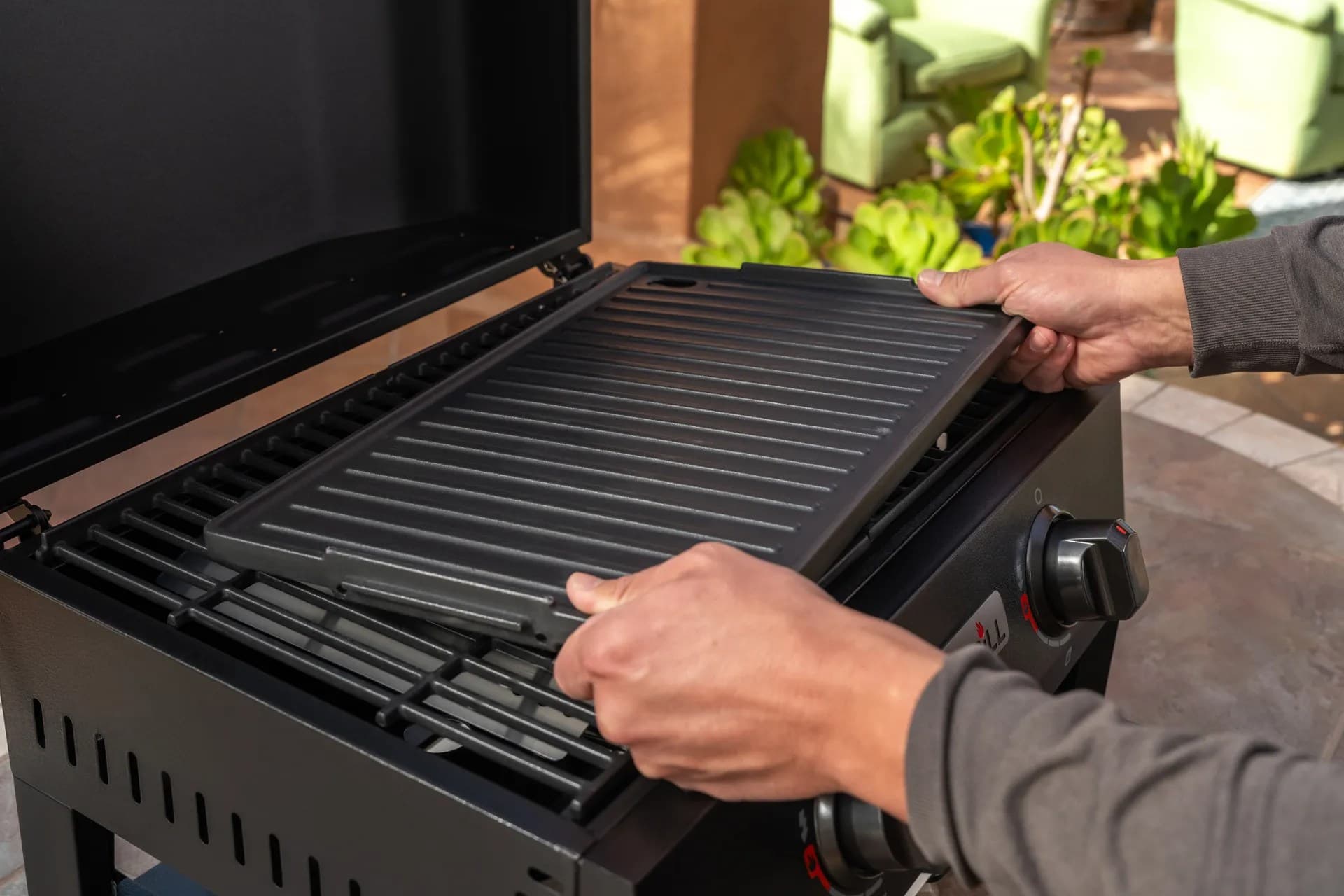
Practical guides for cleaning, maintenance, common grill issues, and performance optimization.
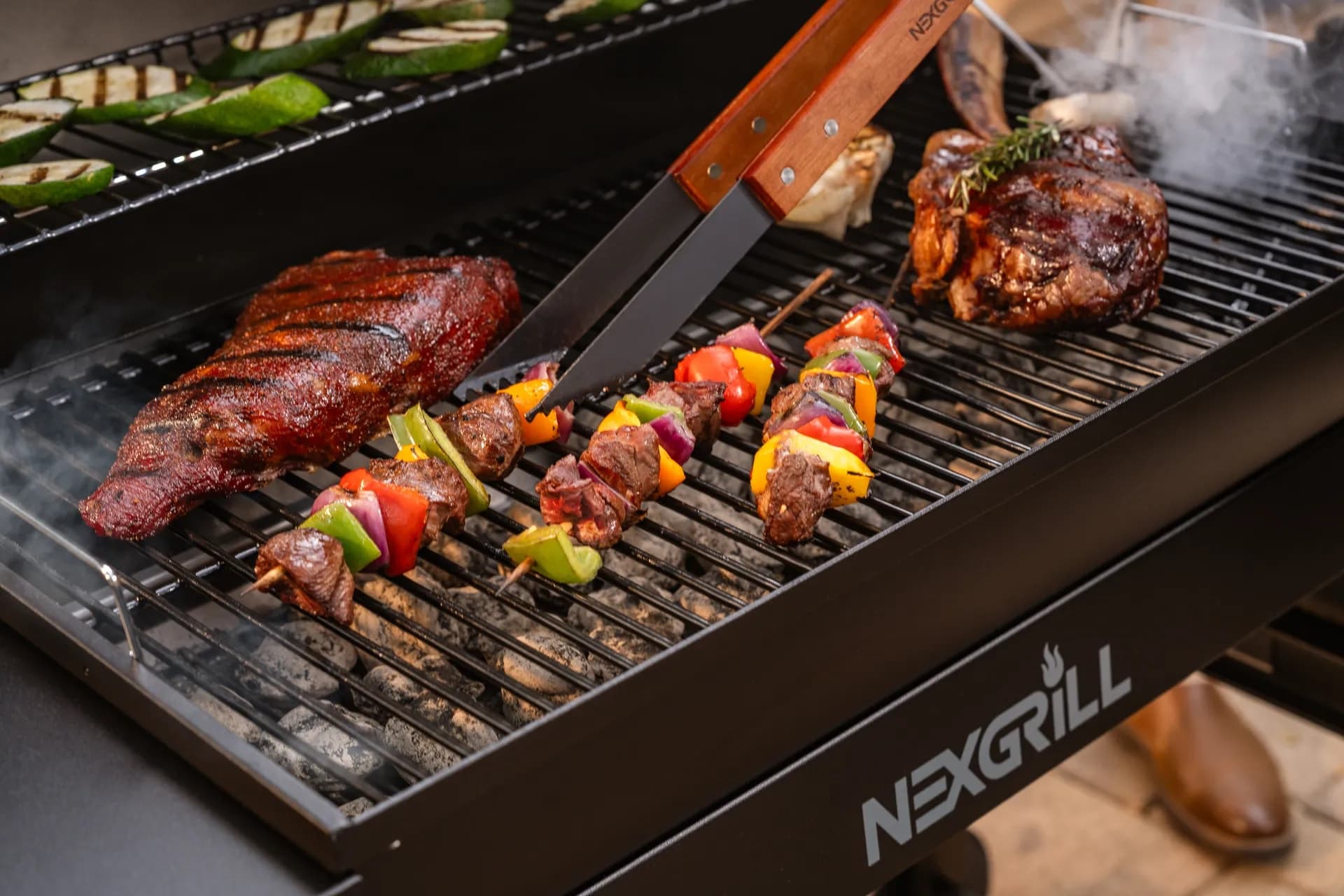
Step-by-step grilling recipes, cooking techniques, and meal ideas for every occasion and skill level.

Backyard entertaining ideas, seasonal grilling inspiration, and stories that celebrate outdoor cooking culture.
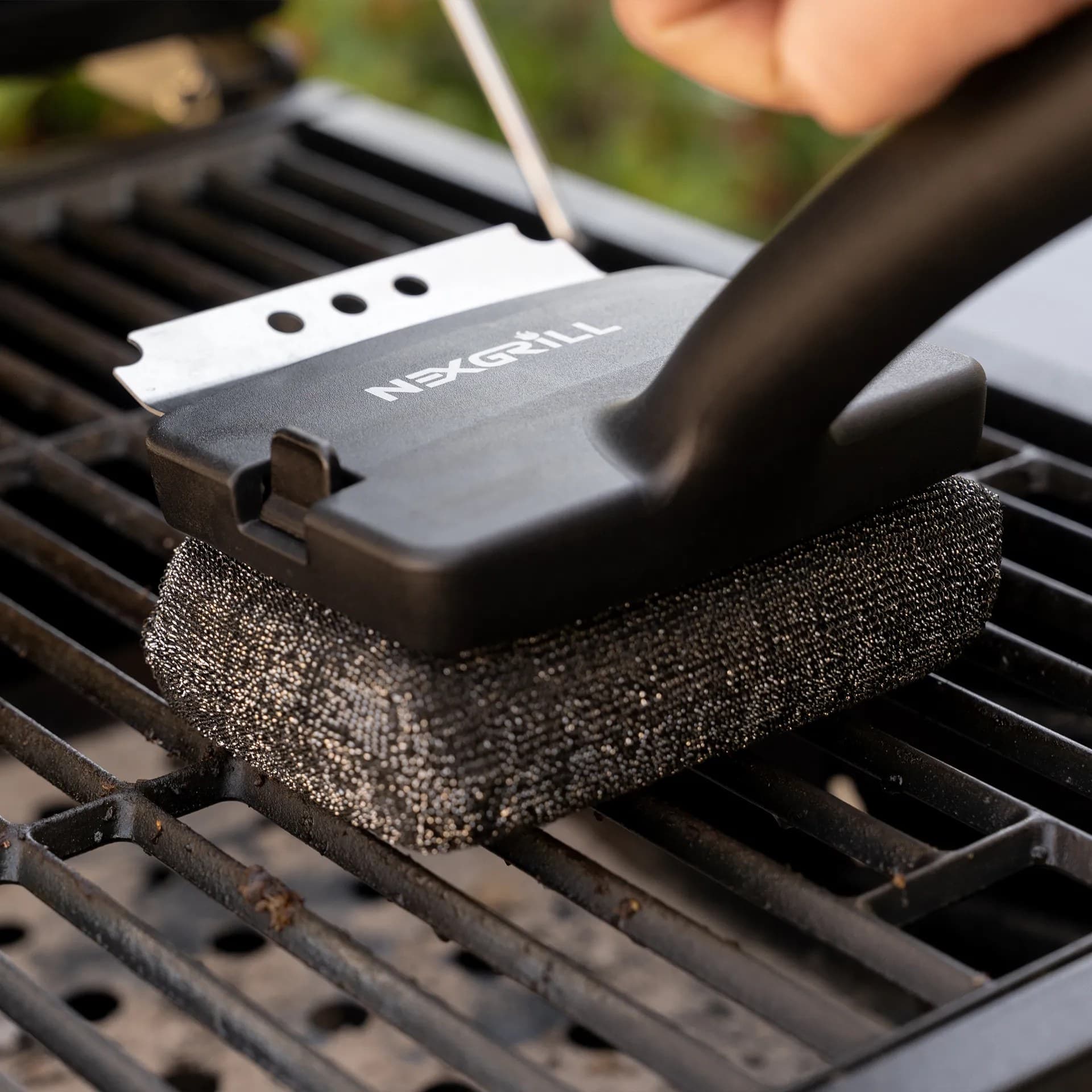
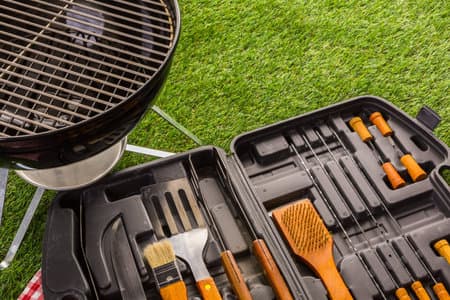
Helpful articles covering grilling tools, cookware, maintenance gear, and must-have accessories for outdoor cooking.
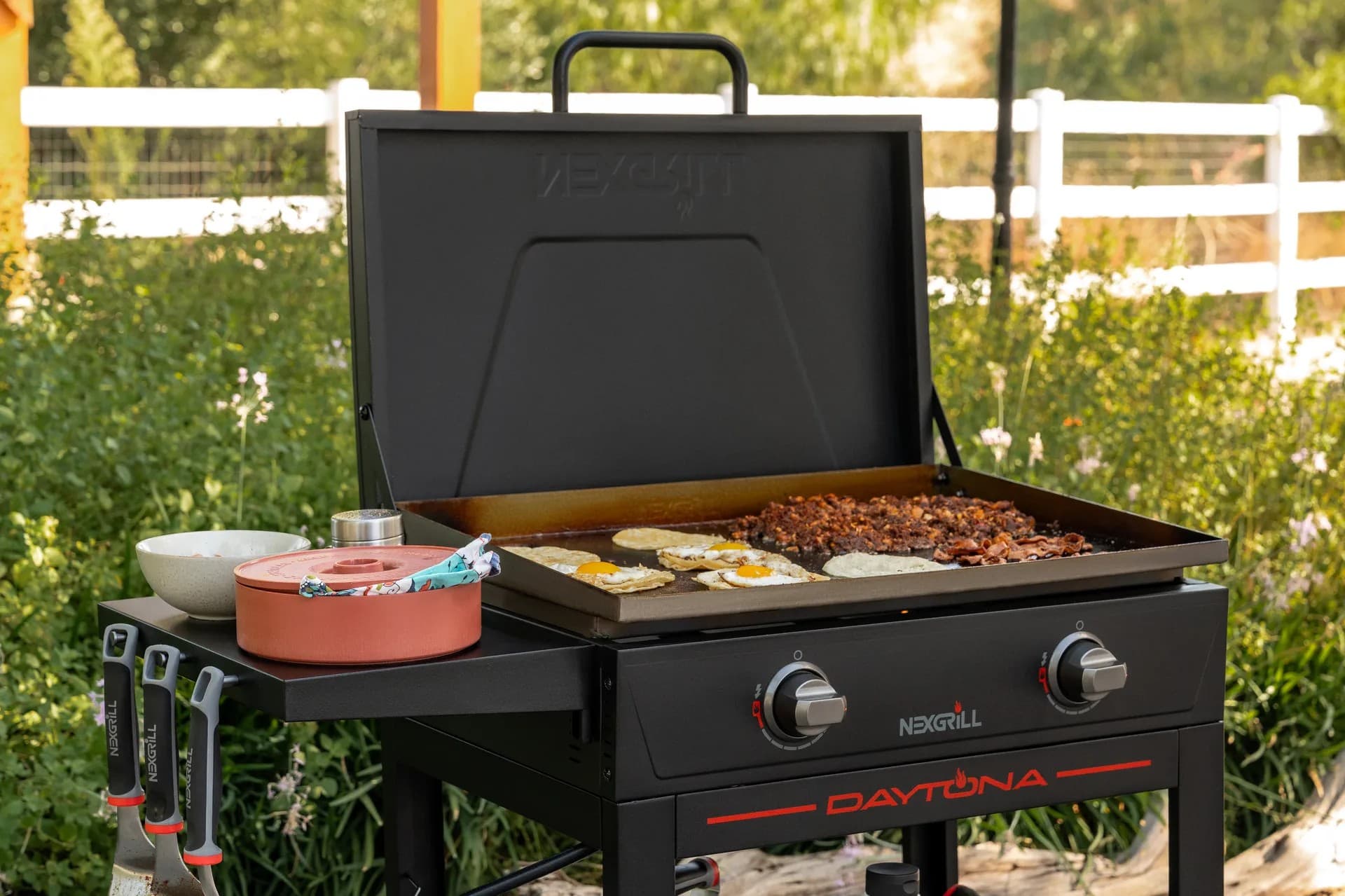
Find griddle recipes, cooking techniques, cleaning tips, and outdoor meal ideas designed for Nexgrill griddles.
Find answers to common questions
Gas grills provide instant heat and precise temperature control, making them easier to use. Charcoal grills offer a smoky flavor and high heat for searing but require more time to heat up and manage.
Pellet grills combine the convenience of gas with the flavor of wood, allowing for smoking, baking, and grilling. Traditional gas grills, however, are quicker to start and often easier to clean.
Charcoal grills typically reach higher temperatures quicker than gas grills, making them better for searing meat. However, high-quality gas grills can also provide adequate heat for effective searing.
Nexgrill offers models designed specifically for gas, charcoal, and pellets, allowing users to choose based on their cooking style and flavor preferences. Each type is built to optimize the characteristics of its respective fuel.
Choosing between gas and charcoal grills depends on your cooking preferences and lifestyle. If you value convenience and quick cooking, a gas grill may suit you better; if you prefer the taste and experience of traditional grilling, a charcoal grill would be ideal.
In This Article
Precision Cooking
Remote Monitoring
Versatile Cooking Modes
Smart grilling has moved well beyond novelty status. The latest wave of connected grills is designed for people who want tighter control over temperature, less guesswork during long cooks, and a better fit with the way modern households actually cook: a quick weeknight dinner, a weekend gathering, or a low-and-slow brisket running in the background while the rest of the meal comes together. That shift matters because outdoor cooking is no longer only about standing beside the grate and reacting by instinct. It is increasingly about planning, monitoring, and adjusting with the same kind of confidence people expect from other kitchen appliances.
For Nexgrill readers, the appeal is practical as much as it is high-tech. Smart grilling helps bridge the gap between beginner-friendly convenience and the kind of precision that experienced grillers appreciate. A connected temperature system can reduce flare-up anxiety, a digital probe can make it easier to hit a target doneness, and app-based alerts can let you stay inside with guests instead of hovering over the fire. In that sense, smart grills are not just about data. They are about making outdoor cooking feel more manageable, more repeatable, and more social.
Smart grilling is most valuable when it solves a real cooking problem: temperature drift, timing, or the need to step away without losing control.
Nexgrill’s brand perspective fits naturally here. The company’s outdoor cooking philosophy centers on being approachable, dependable, and built for gathering people together, and those qualities line up with what modern buyers want from connected equipment. People do not only want a grill that sounds advanced; they want one that makes dinner smoother, more enjoyable, and easier to share. When that balance is done right, smart grilling feels less like a gadget and more like an upgrade to the whole outdoor routine.
The best smart grills are defined by the features that make cooking decisions easier in real time. The most important is temperature visibility. Instead of opening the lid repeatedly and losing heat, connected systems can show you the grill’s internal conditions and the food’s progress through a companion app or built-in display. That matters for steaks, chicken, ribs, and even vegetables, because the difference between great and overcooked often comes down to a few degrees and a few minutes.
Another useful feature is multi-probe monitoring. This is especially helpful for households that cook more than one protein at a time. One probe can track brisket while another checks chicken thighs or pork chops, so you can remove each item at the right moment instead of guessing. Many buyers also value programmable alerts, because they turn the grill into something closer to a cooking assistant. You can receive a notification when the pit temperature drops, when food reaches a target range, or when it is time to flip, rest, or wrap.
Smart controls are also changing how people use different cooking modes. On a weekday, the grill may be used for straightforward direct heat. On a longer weekend cook, the same system may support smoking, roasting, or baking by helping maintain a more stable environment. That versatility is one of the strongest arguments for a connected model, because it expands what a grill can do without adding a lot of complexity for the user.
| Feature | Why It Matters | Best For |
|---|---|---|
| App connectivity | Lets you monitor and adjust without staying beside the grill | Busy families and entertainers |
| Food probes | Tracks internal temperature for more accurate doneness | Steak, poultry, and smoke cooks |
| Preset cook programs | Simplifies repeatable results for common foods | Newer grill users |
| Stable heat management | Helps hold steady temperatures during long cooks | Low-and-slow barbecue |
Well-placed temperature zones or probes are often more useful than chasing the biggest feature list.
When people search for smart grills, they usually want a short list of models that actually feel modern in daily use. A good smart grill should match the way you cook, not just add a screen or a phone connection. For example, a pellet smoker with app-based temperature control is ideal for long brisket sessions, while a smart propane grill is better for households that value speed, searing, and simpler weekday cooking. The right choice depends on the experience you want to have, not just the brand name on the lid.
Among the broader smart-grill landscape, Weber’s smart grilling ecosystem stands out for connected temperature management and integrated probe support, which makes it a familiar option for buyers already leaning toward a gas-grill format. For users who want serious outdoor-kitchen capability, premium built-in systems from brands like Alfresco show how smart controls can support more ambitious cooking environments. Meanwhile, connected pellet grills have become popular for cooks who want smoke flavor and digital precision in the same package. Those categories give shoppers a useful framework: decide whether you want fast gas convenience, wood-fired flavor, or built-in kitchen integration, then compare the smart layer on top of that foundation.
A practical short list for modern buyers would include a smart Weber gas grill setup for convenience-focused grilling, a connected pellet grill for smoke and roast performance, and a premium built-in smart grill system for outdoor kitchens that are meant to function like an extension of the indoor cooking space. Reviews and buying guides consistently point buyers toward these distinct use cases rather than one-size-fits-all thinking, which is exactly the right approach for a purchase that can range widely in price and complexity.
Do not pick a smart grill only because it has the most sensors. Pick the one that matches your fuel preference, patio setup, and the foods you cook most often.
The most useful way to choose a smart grill is to start with your cooking style, then work backward to the technology. If you mostly make burgers, chicken, vegetables, and quick family meals, a smart gas grill is usually the most convenient fit because it heats quickly and keeps weeknight cooking simple. If you enjoy brisket, ribs, or overnight cooks, a smart pellet model may be the better match because digital control is especially valuable when you need stable heat over many hours. If your goal is to build a high-end outdoor kitchen, built-in smart units deserve attention because they can blend into a more permanent cooking layout.
Budget matters, but in smart grilling it is worth thinking in terms of total value rather than sticker price alone. A lower-cost model may look appealing until you realize it lacks enough probe support, has limited app features, or does not give you a clear view of cooking progress. On the other hand, a premium grill may be unnecessary if you only need dependable backyard grilling a few times per month. The best purchase is the one that gives you the control you will actually use.
A simple decision framework can help:
Also consider your learning style. Some people want a system that does a lot of the thinking for them, while others want more manual control with smart monitoring layered on top. A good smart grill supports both by offering useful data without making the cooking process feel technical or intimidating. That balance is consistent with Nexgrill’s approachable brand voice and its focus on bringing more people to the table.
The biggest mistake new smart-grill owners make is trusting the technology without learning the basics of heat management. Even with probes and app alerts, you still need to preheat properly, understand direct versus indirect zones, and know when to let food rest. The smart features should support that process, not replace it. Before your first real cook, spend time pairing the grill, testing the probe readings, and checking how quickly the grill reaches and holds temperature. That small setup session can prevent a lot of frustration later.
It also helps to cook a few repeatable meals first. Try chicken breasts, salmon, or pork chops before jumping into an all-day brisket. Those recipes reveal how the grill responds to shorter heating cycles, how the app behaves when you move around the yard, and how accurate the included probes feel compared with your own reference thermometer. Smart grilling gets easier when you build a personal baseline.
Keep a small notebook or phone note with your favorite temperatures, timing, and probe placement habits. Smart grilling improves fastest when you learn from your own results.
Finally, maintain your connection points, sensors, and cooking surfaces with the same care you would give any outdoor appliance. Clean grease and residue regularly, protect the unit from weather, and inspect probe cables for wear. Smart grills are at their best when the hardware stays dependable and the software stays easy to use. Try comparing two products side by side below to see which fits best:
Once you have compared two options side by side, the next question is how the grill fits into the rest of your outdoor setup. A smart grill can be the centerpiece of a compact patio station, or it can serve as one module in a full outdoor kitchen with storage, prep space, refrigeration, and lighting. The key is to think of the grill as part of a workflow. Where will you prep food, where will you stage hot trays, and where will you stand while monitoring the app? Good outdoor-kitchen design makes the grill easier to use, and smart features become more effective when the surrounding space supports them.
For homeowners in the United States, this matters because weather, patio size, and entertaining style vary a lot. In a smaller backyard, a smart grill with a modest footprint may be the best fit if you can place it near a prep cart and keep the cooking area uncluttered. In a larger outdoor kitchen, a connected grill can sit next to a side burner or prep counter, creating a true multi-zone cooking environment. That setup lets you use the smart grill for temperature-sensitive proteins while other components handle sauces, sides, and finishing work. The goal is not to own more hardware; it is to reduce friction between steps.
When planning integration, pay attention to connectivity as well. If you want to monitor temperatures from indoors, make sure the grill location gives the device a stable wireless signal. Outdoor kitchens built with stone, metal, or enclosed cabinetry can sometimes affect reception. It is also smart to place the grill where you can still see and hear it directly when needed, even if the app is running in the background. A connected grill should extend your attention, not make you feel detached from the cook.
If your outdoor kitchen is permanent, plan the grill location around signal strength, ventilation, landing space, and safe access to tools and fuel.
Smart grills require the same core cleaning habits as traditional grills, plus a little extra attention to the electronics. Grease management still matters most. Clean grates after each use, empty drip trays on a regular schedule, and clear grease buildup from areas near burners or heat deflectors. That routine protects flavor, improves heat consistency, and reduces the chance of flare-ups.
The smart components need care too. Keep temperature probes clean and store them carefully so the tips do not bend or the cables do not fray. Avoid harsh scrubbing on sensor surfaces, and follow the manufacturer’s guidance for cleaning around displays, knobs, and control panels. If the grill uses Wi-Fi or Bluetooth features, keep firmware and app updates current so you do not miss improvements to connectivity or alerts. Software updates are part of modern appliance ownership, and they can matter just as much as physical upkeep.
Weather protection is another major factor. Outdoor cooking equipment in the United States can face intense sun, rain, humidity, pollen, and seasonal temperature swings. A fitted cover, dry storage for probes, and simple seasonal checks help preserve both the mechanics and the electronics. If you store the grill for part of the year, disconnect removable probes, inspect cords, and confirm the control interface is dry before you bring it back into service. Those steps are basic, but they go a long way toward keeping a connected grill responsive and reliable.
| Maintenance task | Smart-grill benefit | How often |
|---|---|---|
| Clean grates and drip tray | Protects flavor and limits flare-ups | After most cooks |
| Inspect probes and cables | Keeps temperature readings accurate | Weekly if used often |
| Update app or firmware | Improves connectivity and feature reliability | When updates are available |
| Use a grill cover | Reduces weather exposure to electronics and steel | Every time the grill is idle outdoors |
Accessories make smart grilling more useful because they fill in the gaps between monitoring and execution. A reliable instant-read thermometer is still valuable for spot checks, even if your grill includes probes. Heat-resistant gloves, long-handled tongs, a good grill brush, and a sturdy tray for resting food all make the cooking process easier. For connected systems, probe clips, replacement probes, and weather-safe storage cases can be especially helpful because they protect the tools that keep the smart features working well.
For cooks who like to expand beyond traditional grilling, add-ons such as a pizza stone, cast-iron griddle insert, or rotisserie attachment can turn one grill into a more versatile outdoor appliance. This is where smart features become especially useful: once you know the grill is stable, you can use the accessory to broaden the menu without constantly worrying about temperature drift. For example, a griddle insert may be better for breakfast sandwiches and vegetables, while a rotisserie setup can handle chickens that need slower, even heat.
Do not overload the grill with accessories before learning the basics. Start with the tools that support temperature control and cleanup, then add specialty items as your cooking style evolves.
| Category | Best Smart Feature | Typical User | Trade-Off |
|---|---|---|---|
| Smart gas grill | Fast ignition and app-based temperature management | Weeknight cooks and families | Less smoke flavor than pellet options |
| Smart pellet grill | Low-and-slow digital control | Barbecue enthusiasts | Longer startup and more fuel-management attention |
| Built-in smart grill | Outdoor-kitchen integration and permanent placement | Homeowners designing a full outdoor space | Higher upfront commitment and installation planning |
If you cook mostly for convenience, a smart gas grill is usually the best fit because it delivers speed without sacrificing control. If your priority is smoke and long-session precision, a smart pellet grill is more compelling. If you want the grill to look and function like a built-in kitchen appliance, the integrated route makes more sense, especially when the rest of the outdoor layout is already designed around entertaining. This is where review pages and buying guides are helpful: they do not just name features, they show how the features align with actual use cases. Tom’s Guide, Weber’s smart product ecosystem, and premium outdoor-kitchen resources from specialized dealers all frame the category around those distinctions, which makes it easier to shop with intent rather than impulse .
Smart grills are changing outdoor cooking in a way that feels genuinely useful, not just trendy. They make it easier to hold steady temperatures, monitor food without constant lifting and peeking, and match the grill to the way modern households actually prepare meals. For some buyers, that means fewer ruined dinners and more confidence. For others, it means more ambitious cooking, better timing, and a stronger sense that the backyard can function as a true extension of the kitchen.
The strongest smart-grill purchase is the one that fits the rhythm of your life: quick family meals, weekend barbecue projects, or a permanent outdoor kitchen built for hosting. When you choose carefully, maintain the equipment properly, and use the technology as a guide rather than a crutch, the result is a more relaxed and more precise way to cook outside. That is the real promise of the category, and it is why smart grilling keeps finding a bigger place in modern homes.
Here's what sets us apart
We position ourselves as delivering high-end outdoor cooking features and performance without premium-brand pricing, emphasizing “Quality Grills. Unbelievable Value.”
We offer gas grills, pellet grills, griddles, smokers, pizza ovens, portable/tabletop grills, electric grills, accessories, and replacement parts — allowing customers to stay within one ecosystem for all outdoor cooking needs.
We differentiate ourselves through smart grilling products like the Oakford smart pellet grill, including app-connected cooking controls and modern outdoor cooking technology.
Don't just take our word for it
Keep reading
From our catalog