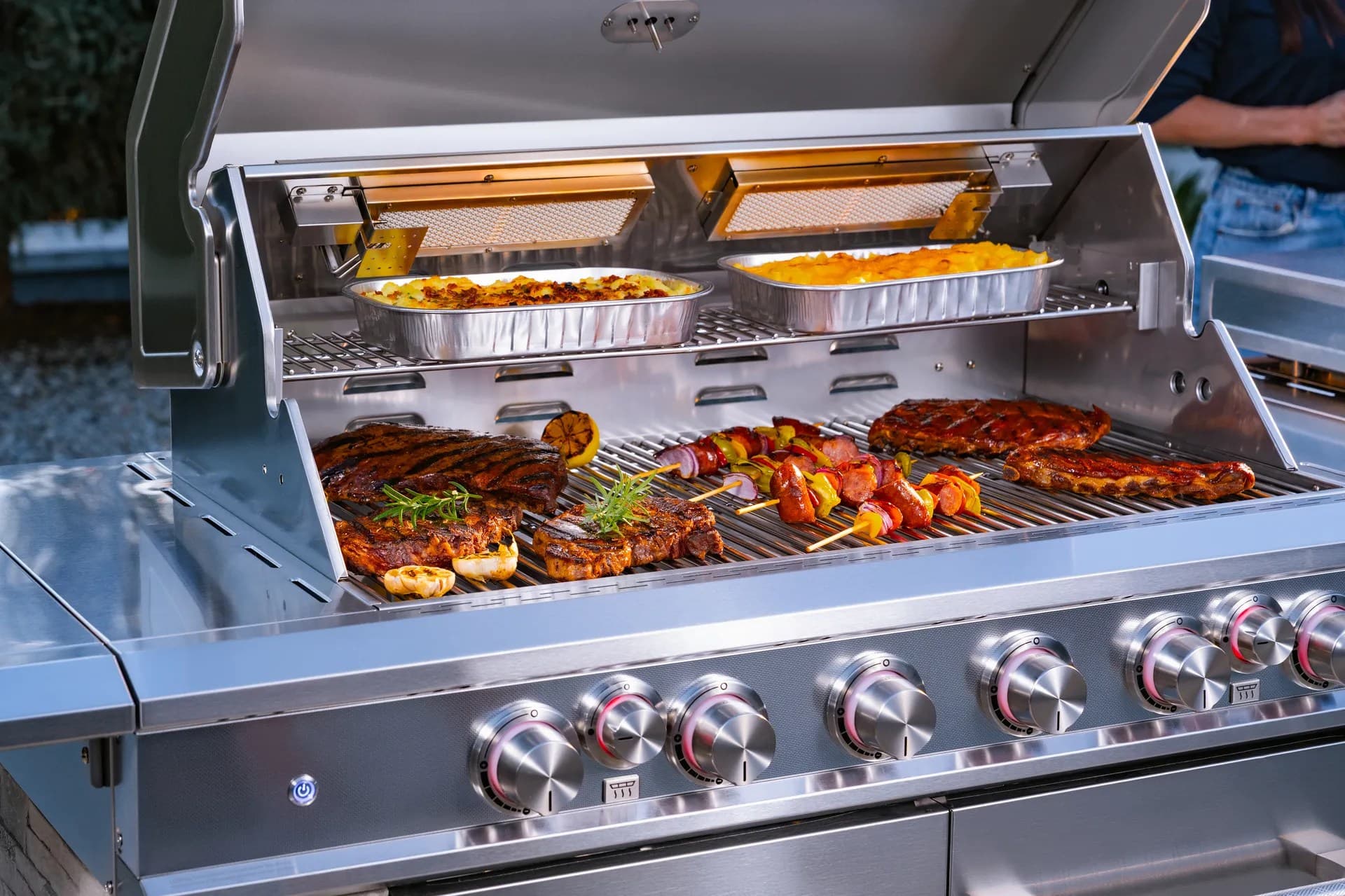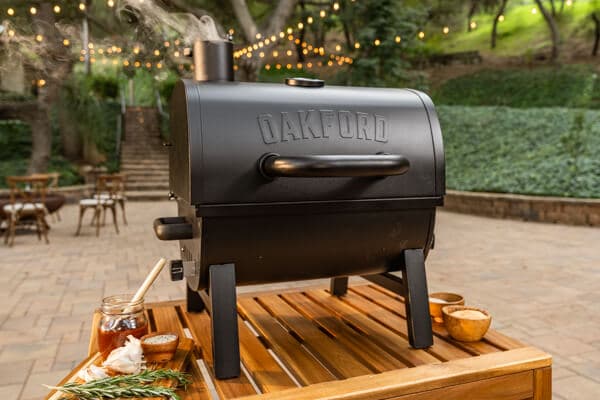
Your comprehensive resource for selecting the perfect smart grill to elevate your outdoor cooking experience.
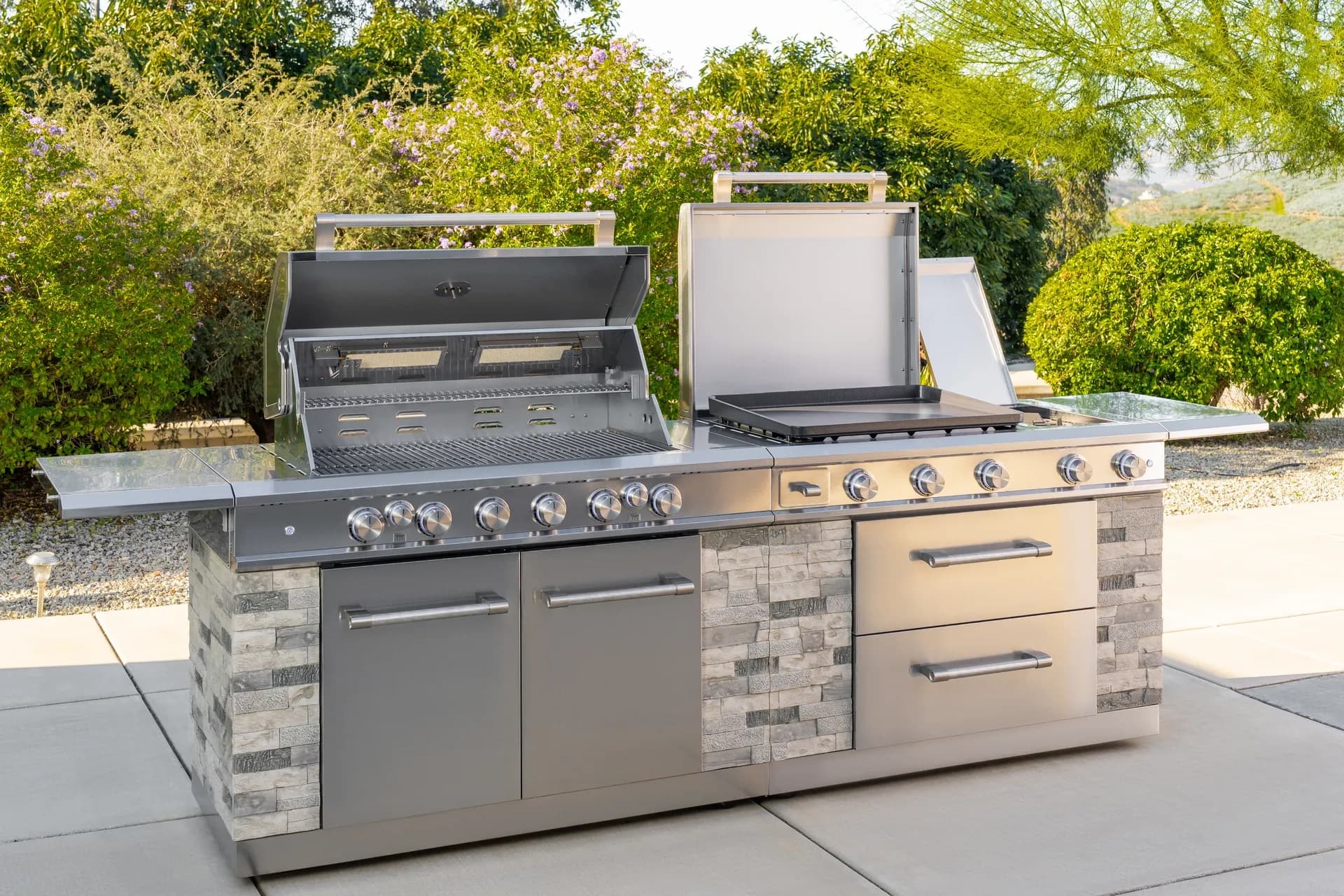
From sizzling breakfasts to smash burgers and teppanyaki-style dinners, the Daytona Pro 5 Burner NitroGuard™ Griddle delivers powerful heat, fast cooking, and a durable cooking surface built for every backyard cookout. Watch how easy outdoor cooking can be.
Here's what sets us apart from the competition
We position ourselves as delivering high-end outdoor cooking features and performance without premium-brand pricing, emphasizing “Quality Grills. Unbelievable Value.”
We offer gas grills, pellet grills, griddles, smokers, pizza ovens, portable/tabletop grills, electric grills, accessories, and replacement parts — allowing customers to stay within one ecosystem for all outdoor cooking needs.
We differentiate ourselves through smart grilling products like the Oakford smart pellet grill, including app-connected cooking controls and modern outdoor cooking technology.
Expert tips, buying guides, comparisons, and inspiration for choosing and getting the most out of your grill.
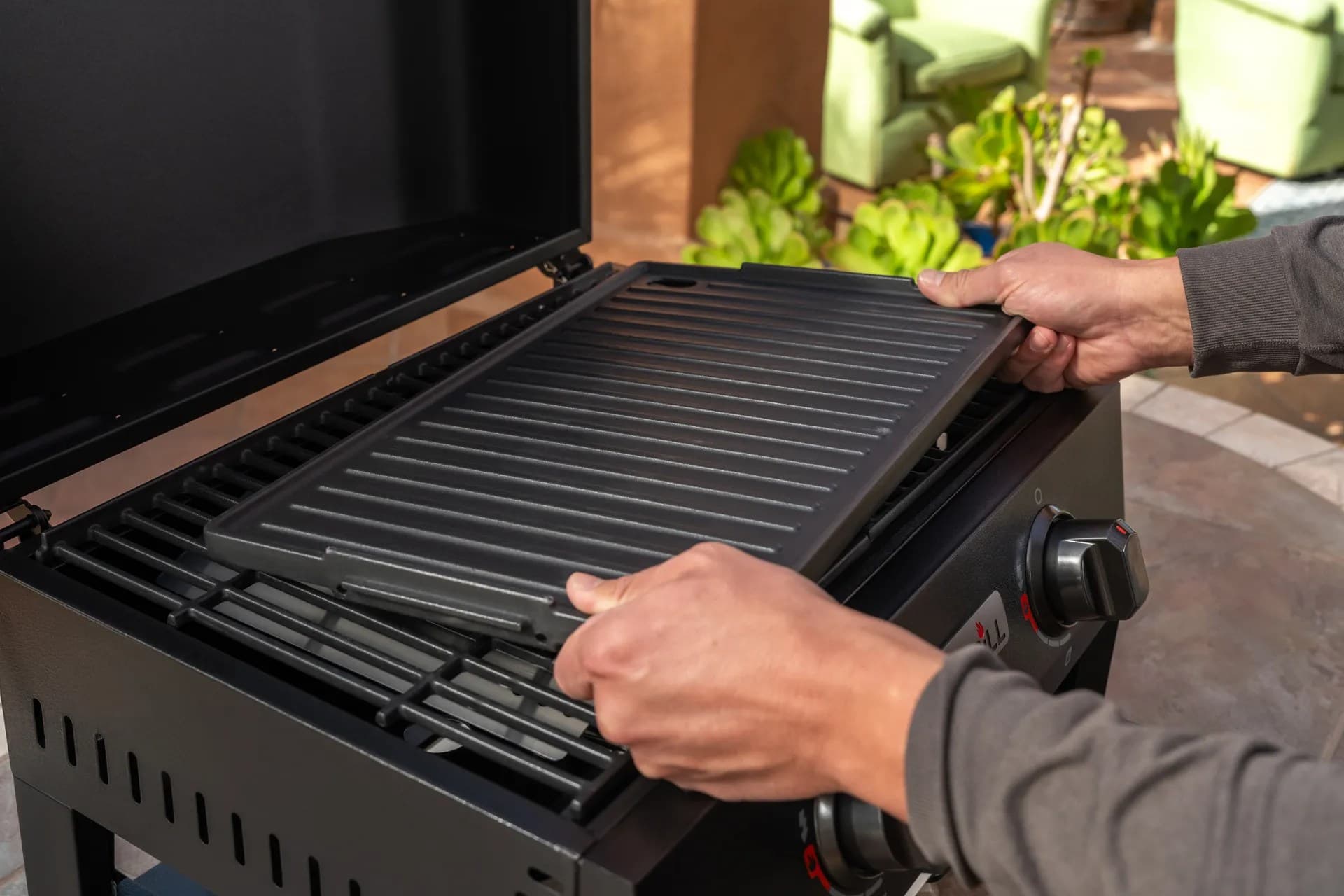
Practical guides for cleaning, maintenance, common grill issues, and performance optimization.
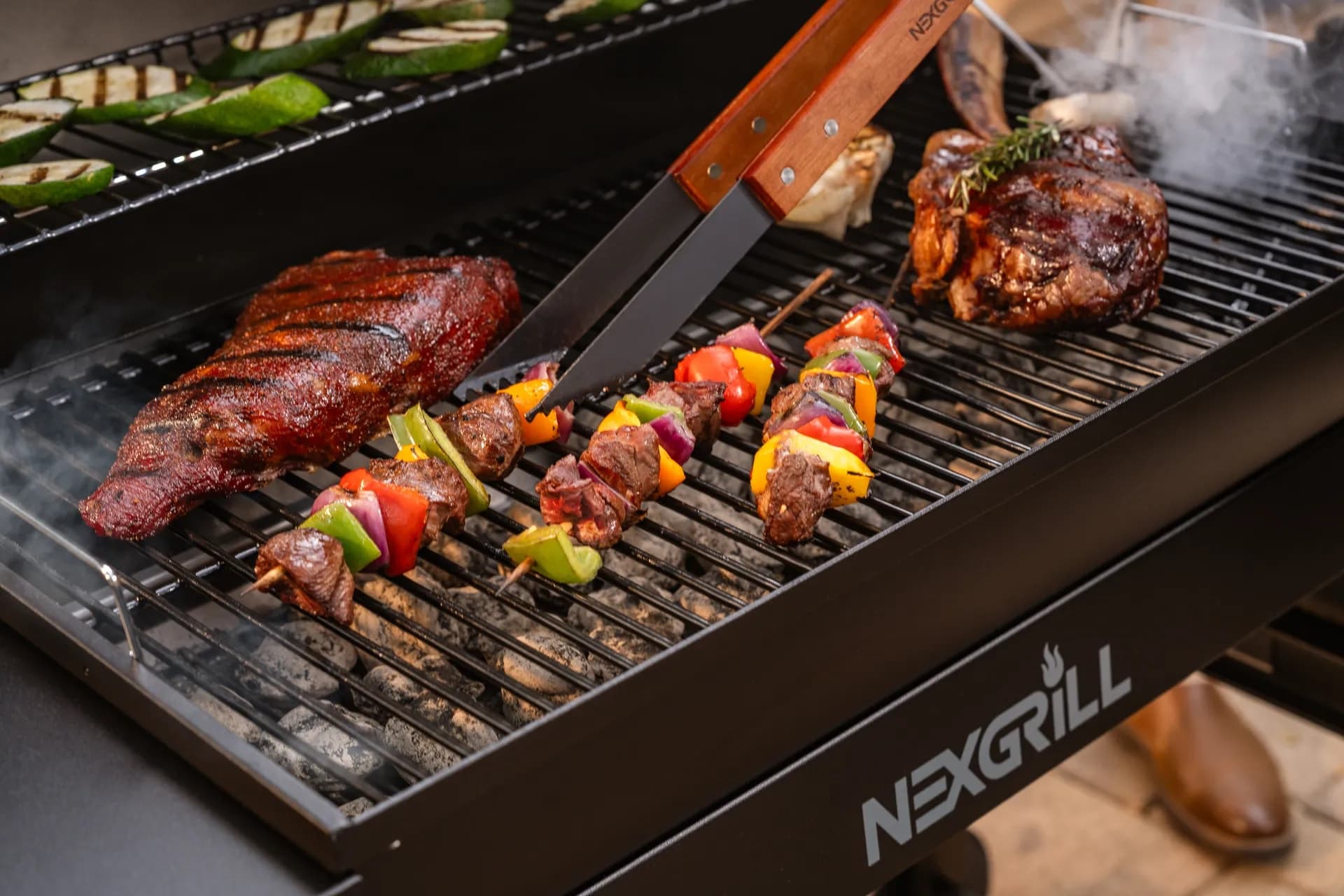
Step-by-step grilling recipes, cooking techniques, and meal ideas for every occasion and skill level.

Backyard entertaining ideas, seasonal grilling inspiration, and stories that celebrate outdoor cooking culture.
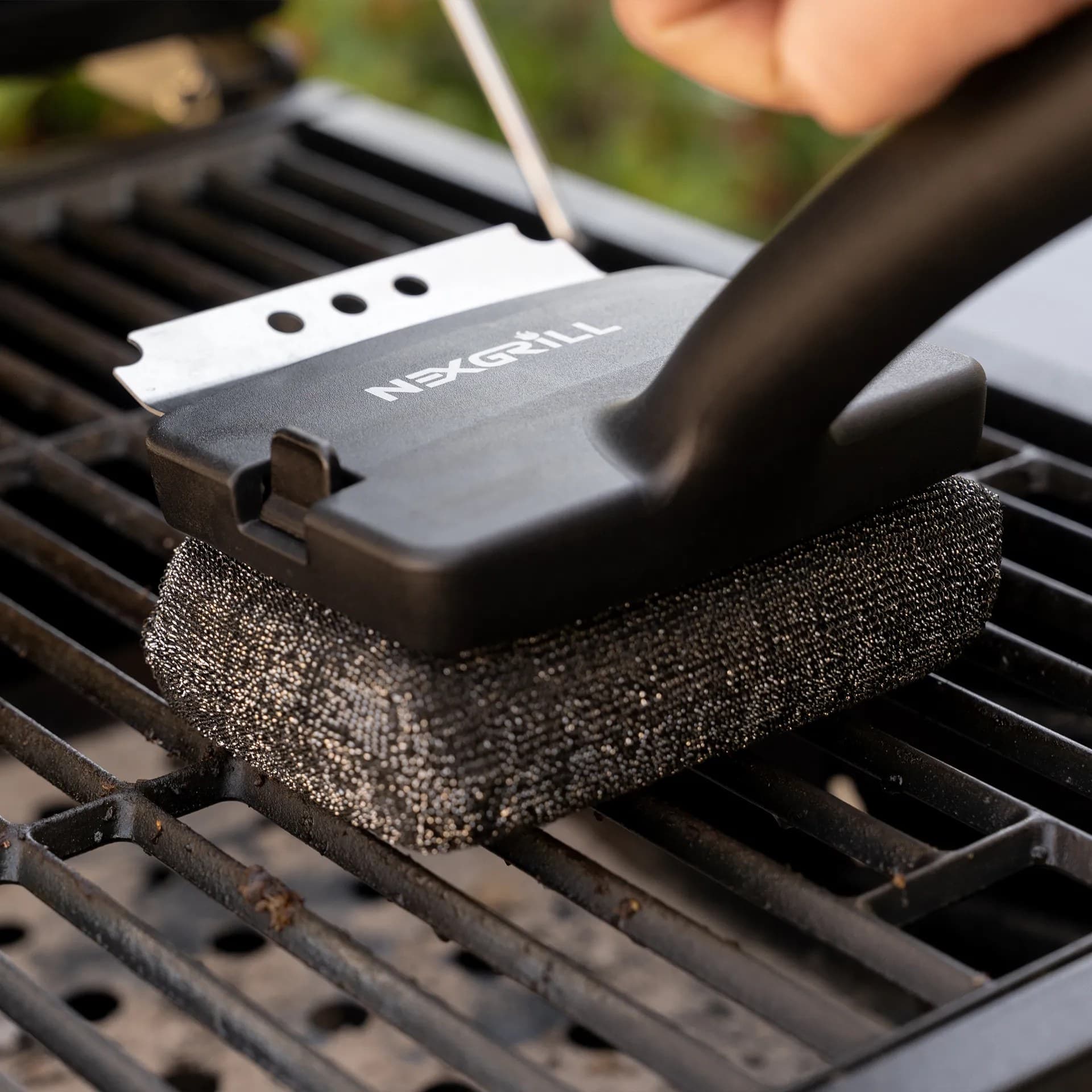
Helpful articles covering grilling tools, cookware, maintenance gear, and must-have accessories for outdoor cooking.
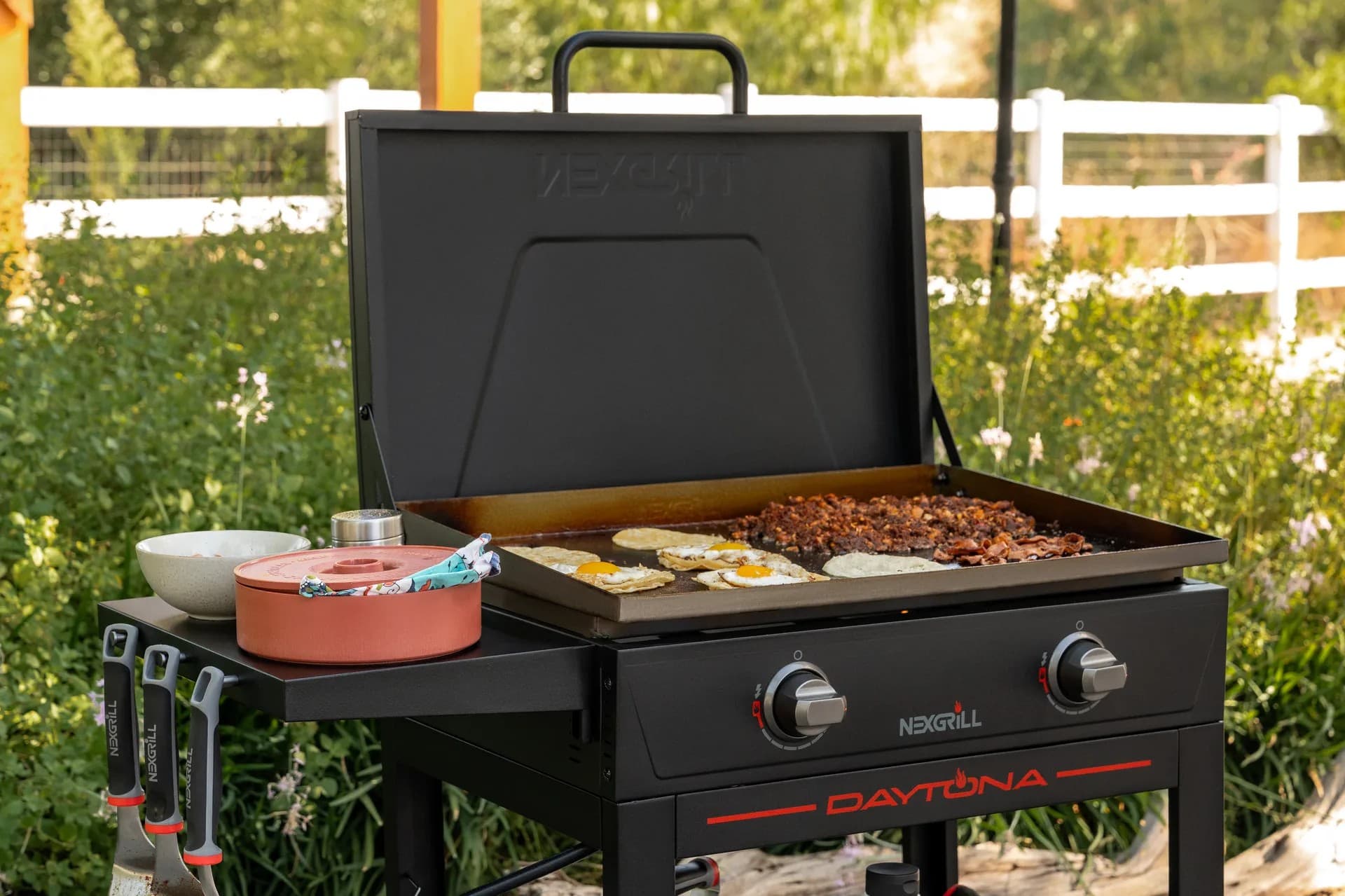
Find griddle recipes, cooking techniques, cleaning tips, and outdoor meal ideas designed for Nexgrill griddles.
Find answers to common questions
Gas grills provide instant heat and precise temperature control, making them easier to use. Charcoal grills offer a smoky flavor and high heat for searing but require more time to heat up and manage.
Pellet grills combine the convenience of gas with the flavor of wood, allowing for smoking, baking, and grilling. Traditional gas grills, however, are quicker to start and often easier to clean.
Charcoal grills typically reach higher temperatures quicker than gas grills, making them better for searing meat. However, high-quality gas grills can also provide adequate heat for effective searing.
Nexgrill offers models designed specifically for gas, charcoal, and pellets, allowing users to choose based on their cooking style and flavor preferences. Each type is built to optimize the characteristics of its respective fuel.
Choosing between gas and charcoal grills depends on your cooking preferences and lifestyle. If you value convenience and quick cooking, a gas grill may suit you better; if you prefer the taste and experience of traditional grilling, a charcoal grill would be ideal.
In This Article
Connectivity Options
Grill Types
Budget Considerations
A smart grill is not just a grill with an app attached. At its best, it is a cooking system that helps you monitor food, hold steadier temperatures, and spend less time standing over the lid. For many backyard cooks, that changes the entire rhythm of the cookout. Instead of repeatedly opening the lid, guessing at heat, and reacting late to flare-ups or temperature drift, you can use connected tools to see what is happening and make decisions earlier. That matters whether you are smoking ribs for six hours, searing steaks for a family dinner, or trying to manage a mixed menu of vegetables, chicken, and burgers at the same time.
Nexgrill’s brand philosophy has always centered on making outdoor cooking more welcoming and practical for real households, not just seasoned pitmasters. That perspective fits smart grilling well. The right connected grill should feel approachable to a first-time buyer while still offering enough control for someone who already knows their way around indirect heat, probe placement, and temperature zones. The real buying question is not whether a grill is smart in the abstract. It is whether the smart features help you cook better, more comfortably, and with fewer surprises.
Smart grilling works best when the technology supports your cooking style. If the app is confusing, the probes are unreliable, or the connectivity is weak, the experience quickly stops feeling smart.
Smart grilling is mainly about reducing guesswork, not adding complexity.
The modern smart-grill-buying-guide question usually starts with one of three needs. Some shoppers want remote monitoring so they can stay inside while dinner cooks. Others want accurate food probes and alerting so they can target doneness more confidently. A third group wants automation features that help smooth out the temperature curve during longer cooks. In practice, the best model is the one that matches your cooking frequency, the types of food you make most often, and how much time you want to spend actively managing the fire.
Connectivity is the first specification that deserves serious attention. Wi-Fi and Bluetooth both let a grill communicate with your phone, but they solve different problems. Bluetooth is usually more local and straightforward. It is a good fit when you are staying near the grill and want quick on-device pairing with a simpler setup. Wi-Fi is more useful when you want a wider home-range connection and the freedom to check temperatures from deeper inside the house, the garage, or even from another part of the property.
For many buyers, the best choice depends on how they actually grill. If you usually cook burgers on a weeknight and keep the grill just a few feet from the patio door, Bluetooth can be enough. If you do long brisket sessions, overnight smokes, or multi-hour roasts, Wi-Fi offers more flexibility because you are less likely to lose sight of the cook when you step away. That said, neither connection type replaces good grill placement. Thick walls, weak signals, and cluttered outdoor layouts can still affect performance, so home network strength matters more than many shoppers realize.
| Connectivity type | Best use case | Main trade-off |
|---|---|---|
| Bluetooth | Short-range monitoring near the patio | Less useful when you move farther away |
| Wi-Fi | Longer cooks and remote checks from inside the home | Depends on stable home network coverage |
If your outdoor kitchen sits far from the house, test signal reach before buying. A premium app is much less useful when the connection is inconsistent.
In practical terms, Wi-Fi is the better pick for households that treat the grill like a long-form cooking station. Bluetooth is often sufficient for compact patios, balcony-style layouts where grilling is permitted, or buyers who want simple app support without depending on a full network handoff. A smart grill that includes both gives you the most flexibility, because you can rely on the method that fits the moment instead of forcing every cook into a single connectivity model.
Smart technology shows up differently across fuel types, and that is where many shoppers make the wrong assumptions. A smart gas grill usually emphasizes fast ignition, responsive heat adjustment, and probe-based monitoring. A smart charcoal grill focuses more on adding visibility and control to a fuel source that is naturally more hands-on. A smart pellet grill leans hardest into automation, because pellet systems are already designed to feed fuel and regulate temperature more precisely over time.
For example, pellet grills are often the most intuitive place to start if you want long-duration cooking support. They are well suited for low-and-slow barbecue, roasting, and set-it-and-monitor-style cooking. Gas smart grills are often the most versatile for weeknight use, because they heat quickly and adapt well to direct grilling, searing, and mixed menus. Charcoal smart grills appeal to buyers who want deeper flavor and still want assistance managing temperature trends and meat doneness without relying entirely on instinct.
| Smart grill type | Strength | Best for |
|---|---|---|
| Gas | Quick heat and broad meal flexibility | Families, weeknight cooking, frequent use |
| Charcoal | Traditional flavor with upgraded monitoring | Flavor-focused cooks and slow-fire enthusiasts |
| Pellet | Excellent temperature stability over long cooks | Smoking, roasting, and all-day barbecue sessions |
When comparing fuel types, ask yourself how often you want to intervene. If you enjoy adjusting vents and shaping fire, a smart charcoal setup can preserve that hands-on feel while making the process less stressful. If you want convenience with a broad cooking range, gas is the most familiar path. If you want the grill to shoulder more of the temperature management burden, pellet is usually the strongest match. The right fuel type should reflect your style, not just the feature list on the box.
The most useful smart-grill features are the ones that improve decision-making during the cook. Temperature probes are a good starting point, but probe quality matters more than quantity. A grill that reads food temperatures consistently and clearly is more valuable than one that advertises a large number of sensors but delivers cluttered readings. Look for an app interface that makes it easy to see grill temperature, food temperature, and alert history without digging through multiple menus.
Another important feature is temperature history or trend visibility. That gives you a better sense of whether the grill is stabilizing, drifting, or reacting to lid openings and weather changes. For longer cooks, that kind of feedback is often more helpful than a simple current-temperature number. A responsive app can also reduce the temptation to keep checking the lid, which helps maintain steadier cooking conditions.
The best smart grill feels like a helpful assistant, not a second job. If setup, pairing, and everyday use are easy, you will actually use the features consistently.
You should also look at the physical cooking platform, not only the electronics. Consider how much primary grilling space you need, whether there is room for a warming rack or side shelf, and how the grill handles indirect heat. A smart system cannot compensate for cramped cooking space if you regularly host larger groups. Similarly, a robust app will not save a grill that struggles with heat consistency or awkward cleanup after greasy cooks.
Smart grill prices in the United States vary widely because the category spans compact entry-level units, midrange connected grills, and feature-rich models with multiple probes, larger cooking surfaces, and stronger construction. Rather than shopping by the lowest possible price, think in terms of value over the first few seasons of ownership. A grill that offers dependable connectivity, easier cleanup, and stronger materials can be worth more than a cheaper model that frustrates you every weekend.
A practical budget framework is to start with your cooking frequency. Occasional weekend grillers may not need the most advanced platform, especially if the goal is occasional burgers, chicken, and vegetables. If you cook several times a week, entertain often, or smoke larger cuts, the value proposition shifts toward better probes, steadier control, and more durable components. Many shoppers discover that the extra spend is justified not because of novelty, but because it reduces waste, undercooked food, and repeated replacement costs.
| Buyer profile | Budget approach | Priority |
|---|---|---|
| First-time smart grill buyer | Focus on entry-level connectivity and dependable basics | Ease of use |
| Frequent weeknight griller | Spend more for reliable probes and faster heat recovery | Convenience |
| Long-cook barbecue enthusiast | Invest in stronger connectivity and temperature stability | Control and consistency |
When setting a budget, remember that accessories can affect total ownership cost. Extra probes, covers, cleaning tools, pellet fuel, or smoke wood can add meaningful expense over time. The best value choice is the one that gives you the core features you will actually use, not just the longest list of specs. In many cases, a simpler smart grill with solid reliability is a better buy than a flashy model that overcomplicates the experience.
The strongest smart grill options in 2026 are defined by practical control, not gimmicks. Recent expert roundups from BBQGuys and Tom’s Guide continue to emphasize feature balance, app usability, and cooking consistency rather than raw spec sheets. Those reviews are useful because they reflect how connected grills perform in real kitchens and backyards, where a simplified interface and reliable alerts matter more than a long feature menu. In that spirit, look for models that combine stable temperature management with clear remote monitoring and a cooking format you will use often.
A notable trend is the push toward smarter gas platforms that make everyday grilling easier without forcing the user to become a software expert. Another is the growing interest in connected charcoal systems, which appeals to buyers who want traditional fire cooking with more control and visibility. Pellet models remain a favorite for long cooks because they naturally align with probe-driven monitoring and steady heat management. If you are shopping in 2026, the best candidates are usually those that reduce friction at setup, use, and cleanup, while still delivering the flavor profile you want.
Recent expert coverage highlights a simple truth: the best smart grill is the one that makes real cooking easier, not the one with the most app screens.
A smart-grill-buying-guide decision should also consider how the grill fits into your outdoor layout. For example, if your cooking station is on a small patio with a prep table beside it, a compact connected gas unit may be ideal. If your setup includes a larger deck space and you smoke weekend brisket, a pellet grill is likely the better long-term investment. For cooks who want a more traditional fire experience, connected charcoal options are the most interesting development because they preserve the ritual while reducing uncertainty. Public review coverage from Tom’s Guide has also pointed to the appeal of smart features that genuinely support everyday use, rather than adding novelty for novelty’s sake.
The smartest way to buy a smart grill is to start with your cooking habits and work backward to the features. Decide whether you need Wi-Fi, Bluetooth, or both. Choose a fuel type that matches how you cook most often. Then compare probes, app design, temperature stability, and cleanup details before you compare price tags. That sequence keeps you focused on what will matter after the box is opened and the first cook begins.
If you are still narrowing your choices, try comparing two options side by side below to see which fits best:
Once you've weighed two options against each other, the next step is understanding what the technology is actually doing for you. Smart grill systems combine connected hardware, temperature sensors, app software, and alert logic so you can track a cook with less guesswork. The most useful systems do not just display numbers. They help you interpret what those numbers mean in the middle of a live cook, which is where the real value appears. That is especially important on long sessions, where small temperature swings, changing weather, and repeated lid openings can affect the final result.
The clearest way to think about smart grill technology is as a decision aid. It can tell you when a brisket is stalling, when a chicken breast is approaching safe temperature, or when a gas grill is recovering after a lid lift. But it still depends on the basics: good placement, proper probe insertion, and a grill with stable heat behavior. That is why connected features should be evaluated alongside the cooking platform itself. A smart system cannot improve a weak grill design, but it can help a good grill become much easier to use.
Smart features work best when the grill underneath them is already well built. App support is useful, but heat consistency and durable construction still matter first.
The market in 2026 is especially interesting because brands are making connected cooking easier for everyday users, not only advanced barbecue hobbyists. Recent buying guides and reviews from BBQGuys and Tom's Guide point toward grills that blend dependable hardware with software that is simple enough for real home cooks to adopt quickly. That makes the category more approachable than it used to be, which is good news for buyers who want better results without turning grilling into a technical hobby.
Connectivity is often the deciding factor, and it is worth separating convenience from capability. Wi-Fi is valuable because it allows monitoring from farther away through your home network, which is useful if you want to check temperatures while preparing sides indoors or stepping away from the patio. Bluetooth is typically simpler and more local, making it a good choice for buyers who stay close to the grill and prefer a fast, direct connection with less setup complexity. Neither option is inherently superior in every case; the better choice depends on how you actually cook.
For smaller outdoor setups, Bluetooth can be enough because the cook is usually within range and able to respond quickly. For larger backyards, deck kitchens, or all-day smoking sessions, Wi-Fi becomes more attractive because it reduces the need to hover near the grill. Hybrid connectivity is even better when it is available, because it gives you flexibility if your home network is busy or the grill is positioned in a signal-challenging spot. In the real world, the connection that works consistently in your yard is the one that matters.
If your grill sits close to the back door and you mostly cook quick meals, Bluetooth may be the simpler, lower-friction answer. If your setup is part of a larger outdoor entertaining area, Wi-Fi offers the kind of freedom that makes a smart grill feel truly smart. It is also worth checking where the grill will live year-round. Thick exterior walls, metal siding, and poor router placement can weaken signal quality, so the best connectivity type is the one that matches your physical environment rather than the one with the most marketing appeal.
Smart grills come in different fuel formats, and each one changes the cooking experience in a meaningful way. Gas smart grills are the easiest fit for buyers who want quick ignition, flexible heat zones, and repeatable weeknight performance. Charcoal smart grills are for cooks who want the depth of charcoal flavor but appreciate help with temperature and probe monitoring. Pellet smart grills are often the most naturally aligned with connected features because the fuel system itself is designed to feed and regulate heat with consistency.
For many households, gas is still the most practical all-purpose choice. It heats fast, adapts well to mixed meals, and keeps cleanup relatively straightforward. Charcoal remains appealing for flavor-first cooks who enjoy the process of building a fire and shaping smoke, while pellet grills are ideal for longer cooks where low-and-slow stability matters. The right pick depends less on what is technically most advanced and more on what kind of outdoor cooking you want to do most often.
If you want a grill that behaves like an outdoor kitchen appliance, gas is the most intuitive path. If you want deeper smoke character and do not mind a more hands-on routine, charcoal is the better emotional fit. If you want the grill to manage the temperature curve while you focus on sides, timing, and entertaining, pellet is usually the strongest smart-grill choice. Think about your last five cooks, not your idealized one-time barbecue plan, because that usually reveals the right fuel type faster than any spec comparison.
The best smart grill features are the ones you will actually notice during a cook. Temperature probes are important, but the display and alert system around them matters just as much. A good interface should make it obvious what the grill is doing, what the food is doing, and what you need to do next. If you have to dig through menus or decode confusing icons, the technology has already lost some of its value.
Look for probe accuracy, stable app connectivity, visible temperature trends, and alerts that are easy to customize. A well-designed app can prevent overcooking by notifying you before the food passes your target range. It can also help you understand how your grill behaves after a lid opening or weather change. Those small advantages add up, especially if you cook the same proteins repeatedly and want to improve your timing.
A smart grill should make the cook calmer, not more complicated. Ease of use is a feature, not an afterthought.
Budgeting for a smart grill is not only about the purchase price. It is also about how much value the grill delivers over time through better control, fewer mistakes, and more enjoyable cooking sessions. A lower-priced option can make sense if you grill occasionally and want basic monitoring. A more expensive model can be the smarter buy if you cook often enough that the convenience and consistency pay off in real use.
To make the budget decision easier, compare the cost of the grill against the features you will use every week. If you will rarely leave the grill unattended, advanced remote monitoring may not be worth stretching for. If you regularly smoke meats or host gatherings, higher-end probe systems and steadier temperature control may be well worth the added spend. Also remember that accessories, fuel, and covers can influence the total cost of ownership in the United States.
The top smart grills in 2026 are the ones that balance feature quality with everyday usability. Expert roundups from Tom's Guide and buying guides from BBQGuys continue to favor models that make temperature monitoring intuitive and dependable. That generally means clear app design, strong probe support, and a cooking platform that works well across common backyard meals.
One useful trend is the growing interest in better-integrated smart add-ons, including probe systems and upgraded connected modules that improve older grills without forcing a full replacement. Another is the emergence of Wi-Fi-enabled charcoal options, which is a strong sign that traditional grilling is becoming more connected without losing its character. For buyers in 2026, the best options are the ones that reduce attention fatigue and make it easier to cook confidently from start to finish.
Expert reviewers keep circling back to the same point: the best smart grill is the one you enjoy using every weekend, not the one with the longest feature sheet.
A smart grill is worth buying when it improves the way you actually cook. Focus on connectivity, fuel type, probe quality, app usability, and the physical layout of your outdoor space. That combination will tell you more than a spec list alone. If the grill fits your habits, it will feel helpful every time you fire it up.
For the most confident purchase, compare two models side by side, then judge them by how they fit your space, your meals, and your level of experience.
Here's what sets us apart
We position ourselves as delivering high-end outdoor cooking features and performance without premium-brand pricing, emphasizing “Quality Grills. Unbelievable Value.”
We offer gas grills, pellet grills, griddles, smokers, pizza ovens, portable/tabletop grills, electric grills, accessories, and replacement parts — allowing customers to stay within one ecosystem for all outdoor cooking needs.
We differentiate ourselves through smart grilling products like the Oakford smart pellet grill, including app-connected cooking controls and modern outdoor cooking technology.
Don't just take our word for it
Keep reading
From our catalog