A comprehensive guide to top smart grills, their features, and how to choose the right one for your grilling needs.
From sizzling breakfasts to smash burgers and teppanyaki-style dinners, the Daytona Pro 5 Burner NitroGuard™ Griddle delivers powerful heat, fast cooking, and a durable cooking surface built for every backyard cookout. Watch how easy outdoor cooking can be.
Here's what sets us apart from the competition
We position ourselves as delivering high-end outdoor cooking features and performance without premium-brand pricing, emphasizing “Quality Grills. Unbelievable Value.”
We offer gas grills, pellet grills, griddles, smokers, pizza ovens, portable/tabletop grills, electric grills, accessories, and replacement parts — allowing customers to stay within one ecosystem for all outdoor cooking needs.
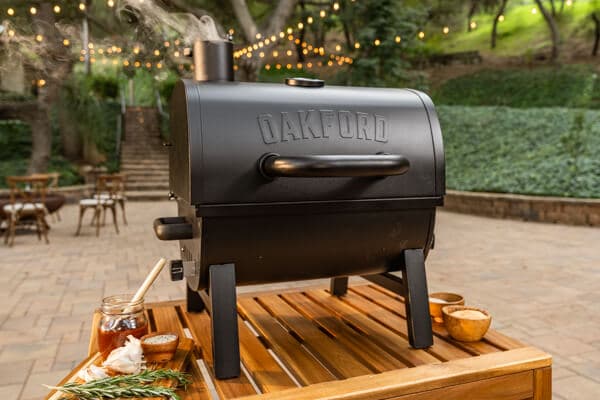
We differentiate ourselves through smart grilling products like the Oakford smart pellet grill, including app-connected cooking controls and modern outdoor cooking technology.
Expert tips, buying guides, comparisons, and inspiration for choosing and getting the most out of your grill.
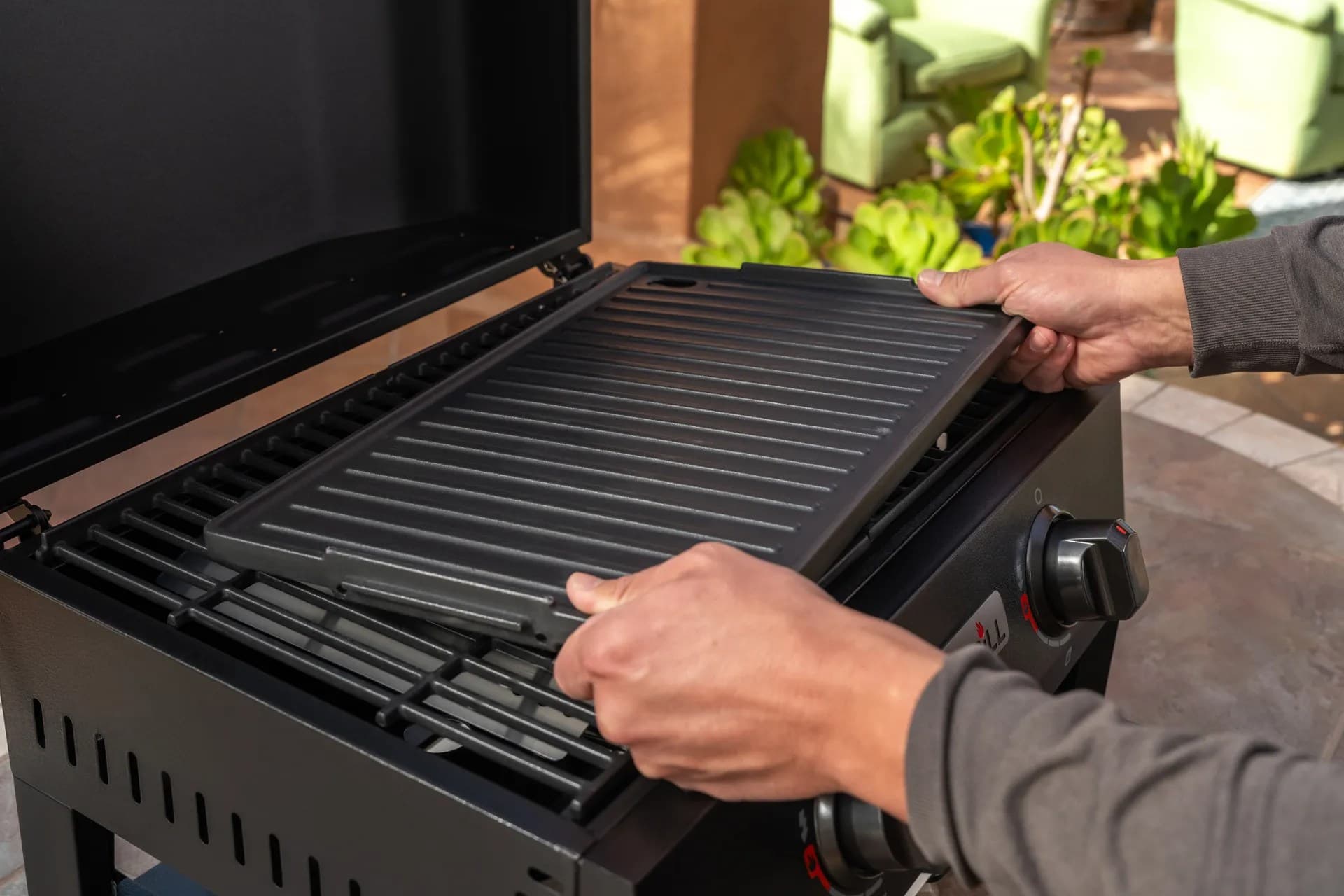
Practical guides for cleaning, maintenance, common grill issues, and performance optimization.
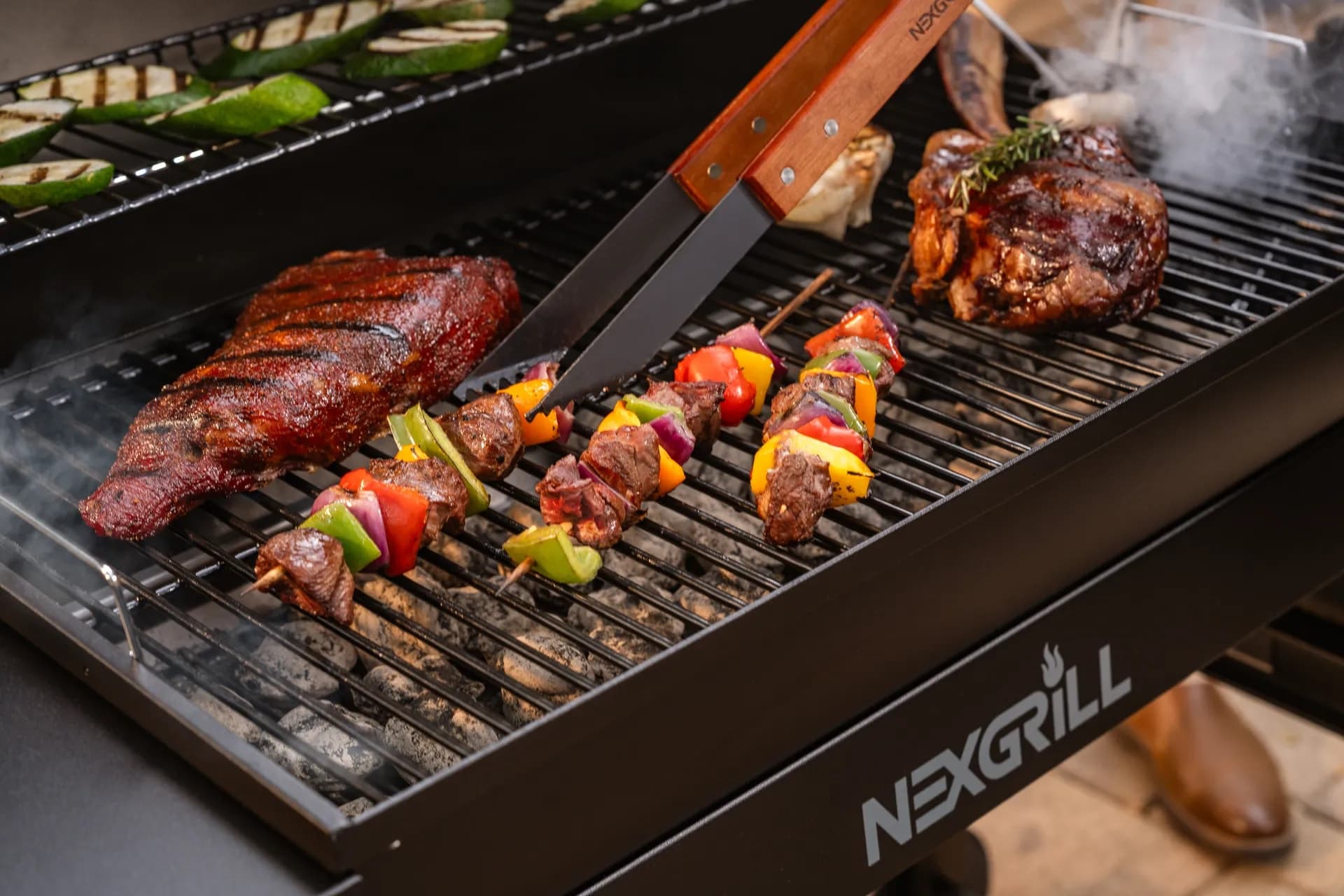
Step-by-step grilling recipes, cooking techniques, and meal ideas for every occasion and skill level.

Backyard entertaining ideas, seasonal grilling inspiration, and stories that celebrate outdoor cooking culture.
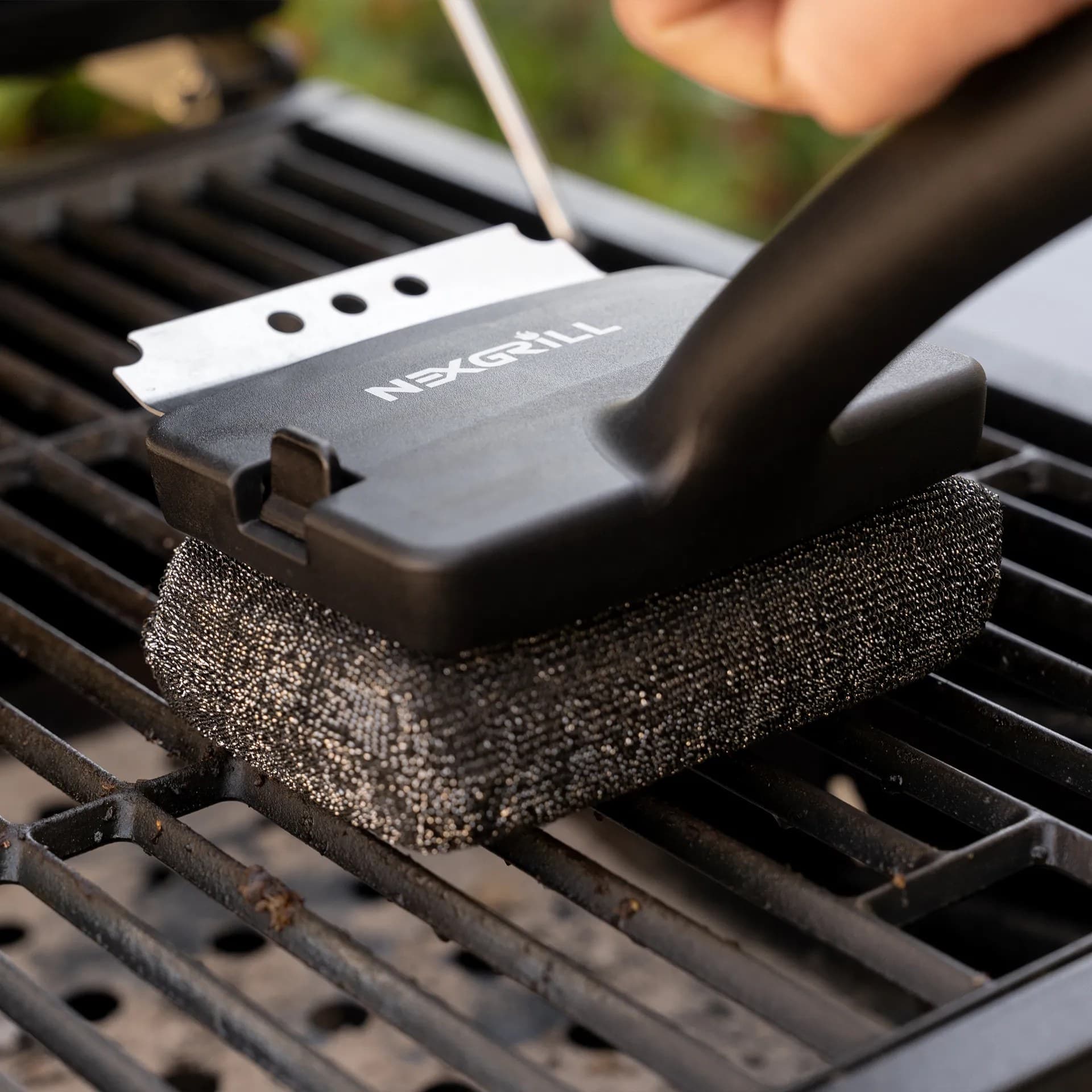
Helpful articles covering grilling tools, cookware, maintenance gear, and must-have accessories for outdoor cooking.
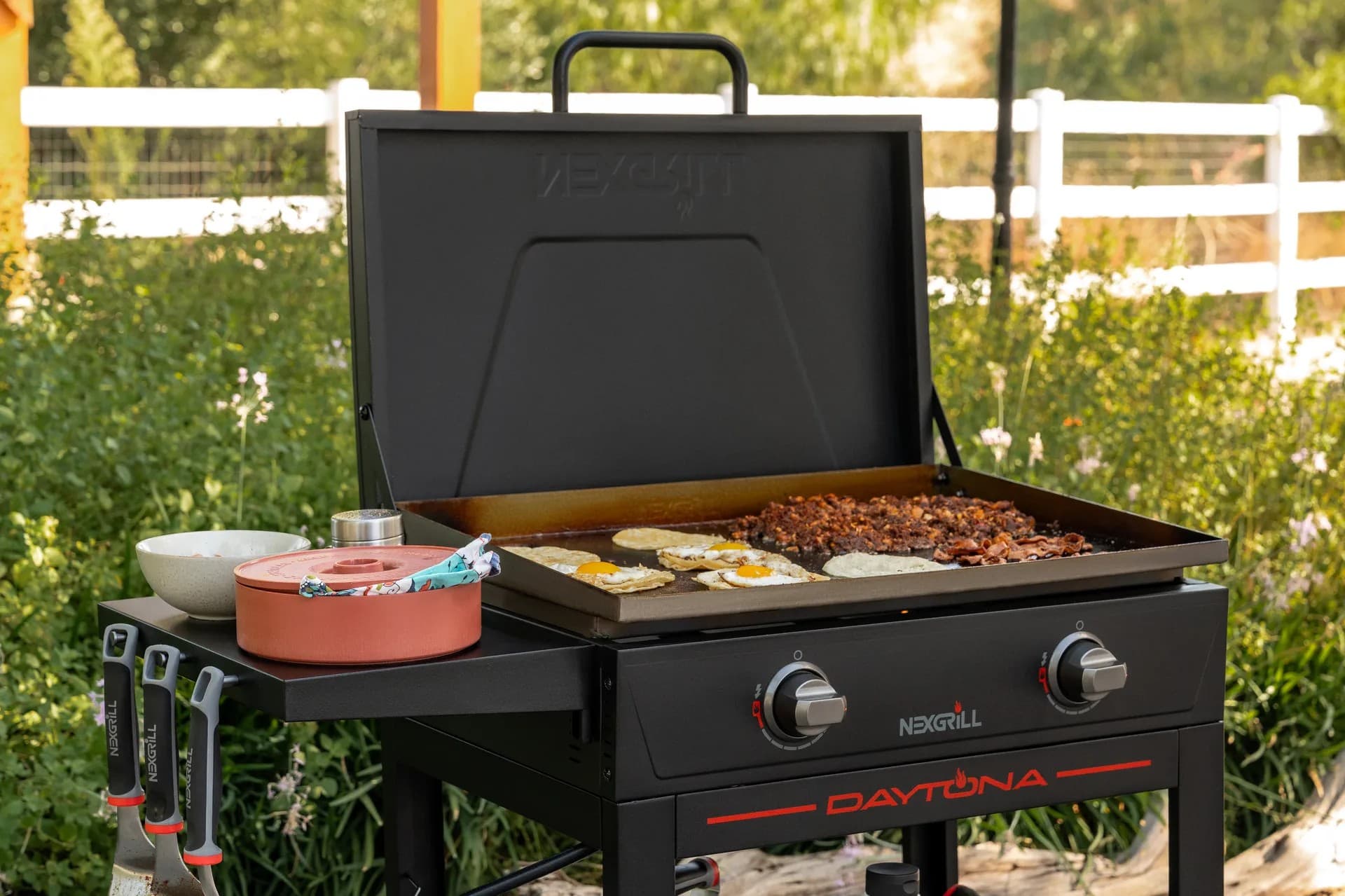
Find griddle recipes, cooking techniques, cleaning tips, and outdoor meal ideas designed for Nexgrill griddles.
Find answers to common questions
Gas grills provide instant heat and precise temperature control, making them easier to use. Charcoal grills offer a smoky flavor and high heat for searing but require more time to heat up and manage.
Pellet grills combine the convenience of gas with the flavor of wood, allowing for smoking, baking, and grilling. Traditional gas grills, however, are quicker to start and often easier to clean.
Charcoal grills typically reach higher temperatures quicker than gas grills, making them better for searing meat. However, high-quality gas grills can also provide adequate heat for effective searing.
Nexgrill offers models designed specifically for gas, charcoal, and pellets, allowing users to choose based on their cooking style and flavor preferences. Each type is built to optimize the characteristics of its respective fuel.
Choosing between gas and charcoal grills depends on your cooking preferences and lifestyle. If you value convenience and quick cooking, a gas grill may suit you better; if you prefer the taste and experience of traditional grilling, a charcoal grill would be ideal.
In This Article
Weber Genesis EX-325S
Traeger Ironwood XL
Kamado Joe Konnected Joe
Smart grills earned their place by solving a very practical problem: backyard cooks want better control without standing over the fire all evening. In 2023, the best smart grill was not simply the model with the longest list of app features. It was the one that combined stable heat management, reliable connectivity, intuitive controls, and a cooking system that matched the way you actually cook at home. For some buyers that meant gas-fired speed and convenience. For others it meant the flavor and low-and-slow flexibility of pellet cooking or the ritual of charcoal with modern automation layered on top. The smartest choice, in other words, depends on the cooking style you want to improve.
Nexgrill’s brand philosophy helps explain why this category resonates so strongly with home cooks: grilling is meant to be accessible, welcoming, and useful for real gatherings, not just for experts. Nexgrill describes its position as a diverse line of outdoor appliances built around belonging and shared meals, and that practical, people-first idea fits smart grilling well. A smart grill should reduce friction, not add complexity. It should make weeknight chicken thighs, Sunday brisket, or a crowd-sized dinner more manageable by giving you better visibility into temperature and timing while still keeping the experience relaxed and approachable. That is especially important for U.S. buyers who may grill in varied conditions, from humid summers to cooler shoulder seasons, where having a system that helps maintain consistency can make a noticeable difference.
The three standouts highlighted in this guide represent three different approaches to that promise. The Weber Genesis EX-325S is a gas grill built around precise, connected control. The Traeger Ironwood XL leans into pellet versatility and the kind of set-and-monitor workflow many busy cooks want for smoking, roasting, and baking. The Kamado Joe Konnected Joe brings Wi-Fi connectivity to a ceramic cooker, which appeals to charcoal enthusiasts who want more automation without abandoning traditional fire cooking. Those are not interchangeable products, and that is exactly why comparing them carefully matters.
Gas convenience, pellet versatility, or ceramic charcoal tradition with modern control.
If you are shopping for the best smart grill, start by asking how you cook most often, not by asking which unit has the flashiest display. A family that wants fast burgers on weeknights will value a different feature mix than someone who runs long smoking sessions for ribs and pork shoulder. A smart grill can absolutely improve both experiences, but only if the hardware and software fit the job. That is why the models below should be viewed as different answers to the same question: how much control do you want, and what kind of food do you want the grill to help you make better?
The best smart grills of 2023 are the ones that pair dependable cooking equipment with digital assistance that feels useful in real life. Instead of treating smart features as a novelty, these models use connectivity, probes, and app-based guidance to solve different cooking challenges. Below is a practical way to think about the top three choices in this category and what each one does especially well.
| Model | Primary strength | Best use case |
|---|---|---|
| Weber Genesis EX-325S | Responsive gas heat with smart temperature monitoring | Fast weeknight grilling and precise direct cooking |
| Traeger Ironwood XL | Pellet-driven versatility with app-guided control | Low-and-slow smoking, roasting, and hands-off meal prep |
| Kamado Joe Konnected Joe | Ceramic heat retention with Wi-Fi-enabled automation | Charcoal flavor with modern convenience and tight heat control |
The Weber Genesis EX-325S is the best fit if your priority is quick preheat, straightforward cleanup, and a familiar gas-grill rhythm. Smart functionality is most valuable here when you want to monitor food more closely than a basic grill would allow. For a U.S. homeowner who cooks dinner after work, that can mean pulling off a well-timed steak or chicken breast without repeated lid lifting. It is the right kind of smart for cooks who want confidence and pace, not a learning curve.
The Traeger Ironwood XL is the strongest choice when your goal is to broaden what your grill can do. Pellet grills are especially useful for cooks who want smoke flavor, set temperatures, and long sessions that do not require constant attention. That makes it a natural pick for weekend brisket, turkey, or even baked dishes when you want a grill that behaves more like an outdoor oven with wood-fired character. The smart side of the experience matters because it helps you track temperature and manage the cook without hovering outside for hours.
The Kamado Joe Konnected Joe is the most interesting option for charcoal traditionalists because it does not ask you to choose between fire-cooking heritage and modern convenience. A ceramic cooker naturally excels at heat retention, and smart controls can make it easier to hold a steady temperature for extended periods. That combination matters for cooks who care deeply about charcoal flavor but also want fewer guesswork moments. If you enjoy the ritual of fire management but would like more consistency, this is the most compelling hybrid direction among the three.
Smart grill buyers should compare the whole workflow, not just the screen. Preheat time, probe quality, app stability, and how the grill behaves at both high and low temperatures all matter more than one headline feature.
Choosing the right smart grill starts with your cooking habits, then moves to your tolerance for setup, cleanup, and ongoing attention. Many shoppers make the mistake of assuming the most feature-rich model is automatically best. In practice, the best smart grill is the one that saves you time in the moments you actually care about. If you mostly grill burgers, vegetables, and quick proteins, then a smart gas model may deliver the most value. If you love long smoking sessions, a pellet grill may be more practical. If charcoal flavor is non-negotiable, a connected ceramic cooker is usually the smarter long-term fit.
A useful way to choose is to think through four questions. First, how often do you grill? Frequent users benefit most from reliable app support and durable build quality because those features will be tested week after week. Second, what do you cook? A grill that can handle steaks and vegetables perfectly may not be the one you want for brisket or ribs. Third, how much space do you have? Smart grills can be large, and their footprint affects both storage and usability. Fourth, how hands-on do you want to be? Some cooks love monitoring every step, while others want a setup that can run with minimal intervention.
For a household of two to four that mainly cooks weeknight meals, a connected gas grill like the Weber Genesis EX-325S is often the cleanest solution. It gets to work quickly, supports varied proteins and vegetables, and fits a schedule where dinner needs to be ready in under an hour. For a family that hosts regularly or likes to smoke in bulk, the Traeger Ironwood XL makes more sense because it is built around longer cooking sessions and can handle larger menu planning. For the enthusiast who judges a grill by how well it handles charcoal heat, the Kamado Joe Konnected Joe is the most satisfying option because it respects the cooking style while removing some of the constant manual babysitting.
Tip: if you are new to smart grilling, prioritize a clear app interface and at least one dependable probe over extra accessories. Good visibility into food temperature is often more valuable than novelty add-ons.
The final choice should also reflect how much you enjoy learning a new system. Some buyers want a grill that feels intuitive on day one. Others are excited by tuning settings, experimenting with temperature curves, and using connected tools to improve consistency. Either approach can lead to great results, but the best smart grill is the one whose control style matches your patience and cooking goals. Try comparing two products side by side below to see which fits best:
Once you've weighed two options against each other, the next step is understanding what the smart features actually do for you at the grill. In the best smart grills, the technology is not there to impress visitors; it is there to make temperature management, timing, and multi-stage cooking less stressful. The most useful features tend to fall into a few categories: app connectivity, built-in or included temperature probes, guided cooking programs, and alerts that help you avoid overcooking or unnecessary lid lifting.
App connectivity is valuable when it is stable and easy to use. A good app lets you monitor internal food temperature, adjust grill settings where supported, and check progress from inside the house. That is especially helpful for longer cooks such as pork butt, brisket, or ribs, where tiny temperature changes over several hours can matter. For gas grilling, app-based monitoring is most useful when you are juggling multiple dishes and want to reduce trips outside. For pellet or ceramic cooking, the app can feel even more important because those grills are often used for recipes that benefit from steady, extended heat.
Temperature probes are another feature worth caring about more than the average buyer does. A single decent probe can help with steaks, chicken, and roasts, but multiple probes are better if you cook different cuts at once or want to monitor both meat and ambient grill temperature. Probes do not replace good technique, yet they do reduce guesswork. If the grill tells you the meat is within a few degrees of target, you can plan your resting time better and avoid pulling food too late. For beginners, this is one of the fastest ways to improve results without changing the entire cooking process.
Reliable connectivity and accurate temperature feedback usually beat flashy extras.
Guided cooking programs can be helpful, but they are only as good as the grill's core performance. The best versions recommend target temperatures, alert you when to flip or rest, and organize the cook so it feels easier to manage. Still, experienced grillers usually use these programs as a starting point rather than a rigid script. That is a healthy way to think about smart cooking: the grill should guide your decisions, not take away your judgment. If you already know how you like a steak seared or how you like bark to form on a brisket, use the smart features to reinforce that outcome rather than override it.
Another important feature is how well the grill handles the transition from startup to steady-state cooking. A smart grill that takes too long to stabilize or struggles to hold target temperature can be frustrating even if the app is polished. This is one reason the fuel type matters so much. Gas grills excel at speed and responsiveness. Pellet grills excel at maintaining a set temperature across longer sessions. Ceramic charcoal grills excel at heat retention and high-temperature flexibility. The smart layer should enhance those strengths, not compensate for weak fundamentals.
Comparing smart grill models side by side is easier if you focus on the cooking experience instead of the spec sheet alone. The question is not simply which grill has Wi-Fi. The question is which grill helps you cook the foods you love with the least friction and the most confidence. That is why the three standout models differ so much: each one solves a different version of the same outdoor cooking problem.
| Model | Smart advantage | Trade-off to consider | Best for |
|---|---|---|---|
| Weber Genesis EX-325S | Fast monitoring for everyday grilling | Less suited to very long smoke sessions | Busy households, weeknight cooking |
| Traeger Ironwood XL | Set-and-monitor pellet versatility | Pellet cooking can be slower to heat than gas | Smoking, roasting, and mixed menu cooking |
| Kamado Joe Konnected Joe | Charcoal automation with ceramic retention | Learning curve is higher than basic gas grilling | Charcoal lovers wanting more control |
If you are cooking for convenience first, the Weber is the most straightforward option. It suits homeowners who want to grill after work without turning the process into a project. If you want the broadest menu flexibility, the Traeger stands out because pellet cooking handles smoke, roasting, baking, and reheating in a way that invites experimentation. If you want traditional flavor and the most tactile cooking experience, the Kamado Joe makes sense because it gives you charcoal depth with added monitoring support. That said, the Kamado format is most rewarding for buyers who appreciate learning fire behavior and airflow, not those who want the simplest path possible.
Cost of ownership also matters. With a gas grill, propane use is generally familiar and easy to plan around. Pellet grills require ongoing pellet purchases, which can add up depending on how often you cook low and slow. Ceramic cookers can be durable and highly capable, but they often reward careful handling and a willingness to learn their temperature dynamics. The best smart grill choice is therefore not just about the purchase price; it is about the way fuel, maintenance, and frequency of use fit your household budget over time.
Warning: do not choose a smart grill only because it can be controlled from your phone. If the grill does not match your preferred cooking style, the app will not make it the right fit.
Smart grills need the same basics as any quality outdoor cooker, plus a little extra care for the digital components. The good news is that maintenance is usually straightforward if you stay consistent. Clean grates after each use, remove grease before it hardens, and keep sensors, probes, and control surfaces free from buildup. On a gas grill, that means checking burners and ignition components regularly. On a pellet grill, it means paying attention to ash management and keeping pellets dry. On a ceramic cooker, it means protecting seals and handling the dome and fire components carefully.
A practical care routine starts with cooling properly. After cooking, let the grill go through its shutdown or cool-down process rather than rushing to clean it while components are still extremely hot. Once it is safe, brush cooking grates, empty grease or ash where applicable, and wipe exterior surfaces with a soft cloth. If your grill uses a removable temperature probe, clean it according to the manufacturer’s instructions so residue does not affect future readings. Smart features are only as trustworthy as the hardware supporting them, so keeping sensors and probes clean helps preserve accurate data.
Weather protection matters too, especially in the United States where grills may sit through intense sun, rain, or seasonal temperature swings. A fitted cover, dry storage for pellets, and a protected area for app-connected accessories can go a long way toward keeping the system dependable. Electronics should not be treated like an afterthought. Even when the grill body is built for outdoor life, the control module, display, and connected components benefit from a little extra protection from moisture and grime.
Tip: keep a short maintenance log if you grill often. Noting when you cleaned grates, checked probes, or refilled pellets makes it easier to spot performance changes before they become problems.
Before each season, test the full system rather than just turning the grill on. Confirm that the app connects, probes register properly, heating cycles look normal, and the grill reaches the temperatures you expect. This kind of pre-season check is especially valuable for smart grills because it catches small issues before they interrupt a cook. With regular care, a smart grill remains what it should be: a tool that makes outdoor cooking calmer, more predictable, and more fun.
Here's what sets us apart
We position ourselves as delivering high-end outdoor cooking features and performance without premium-brand pricing, emphasizing “Quality Grills. Unbelievable Value.”
We offer gas grills, pellet grills, griddles, smokers, pizza ovens, portable/tabletop grills, electric grills, accessories, and replacement parts — allowing customers to stay within one ecosystem for all outdoor cooking needs.
We differentiate ourselves through smart grilling products like the Oakford smart pellet grill, including app-connected cooking controls and modern outdoor cooking technology.
Don't just take our word for it
Keep reading
From our catalog