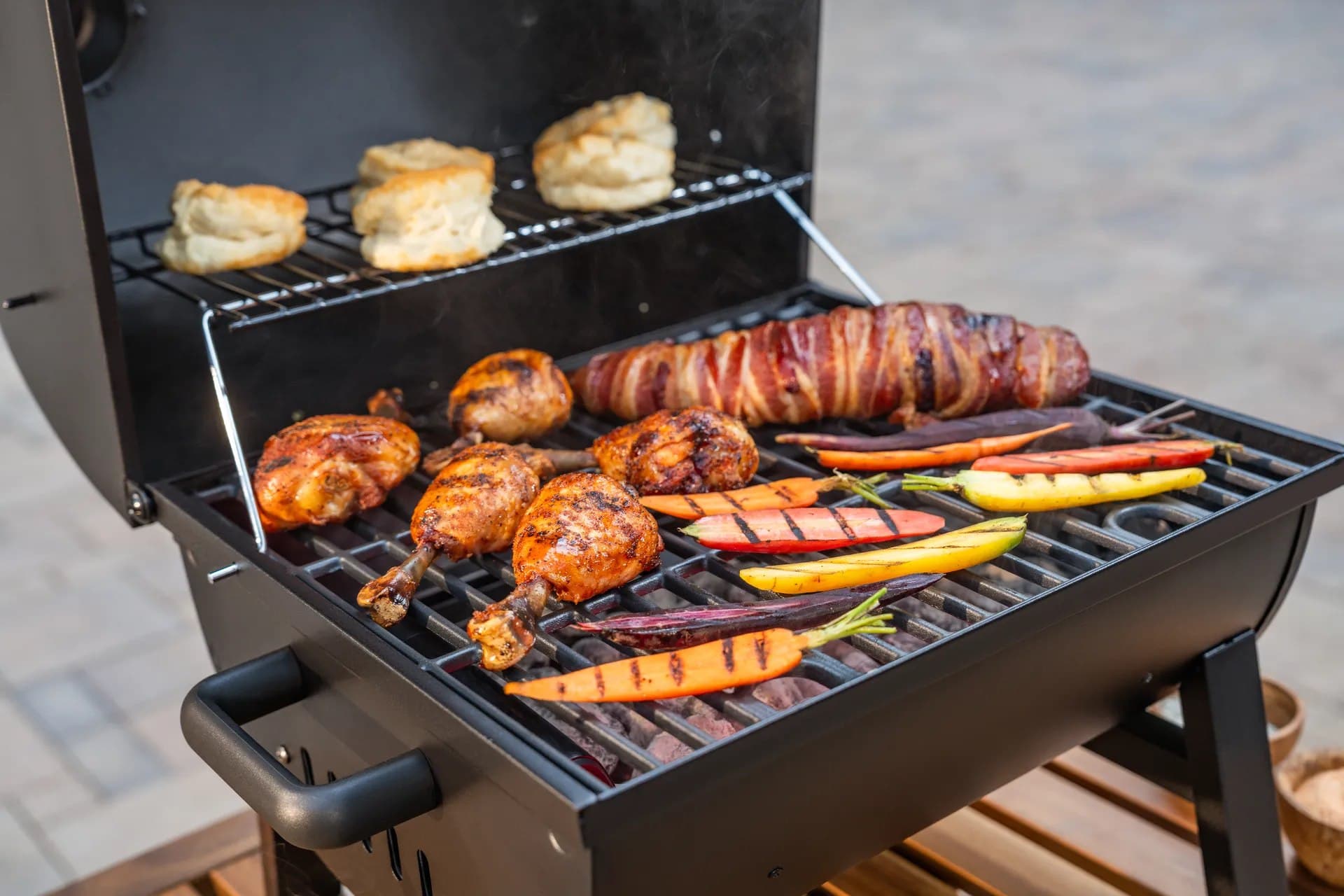
Enhance Your Grilling Experience with Fresh, Seasonal Vegetables
Here's what sets us apart from the competition
We position ourselves as delivering high-end outdoor cooking features and performance without premium-brand pricing, emphasizing “Quality Grills. Unbelievable Value.”
We offer gas grills, pellet grills, griddles, smokers, pizza ovens, portable/tabletop grills, electric grills, accessories, and replacement parts — allowing customers to stay within one ecosystem for all outdoor cooking needs.
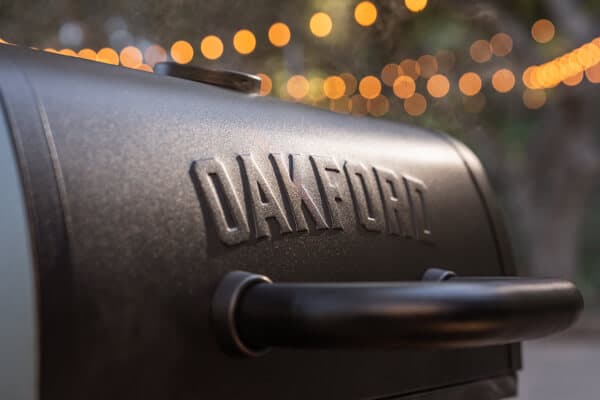
We differentiate ourselves through smart grilling products like the Oakford smart pellet grill, including app-connected cooking controls and modern outdoor cooking technology.
Expert tips, buying guides, comparisons, and inspiration for choosing and getting the most out of your grill.
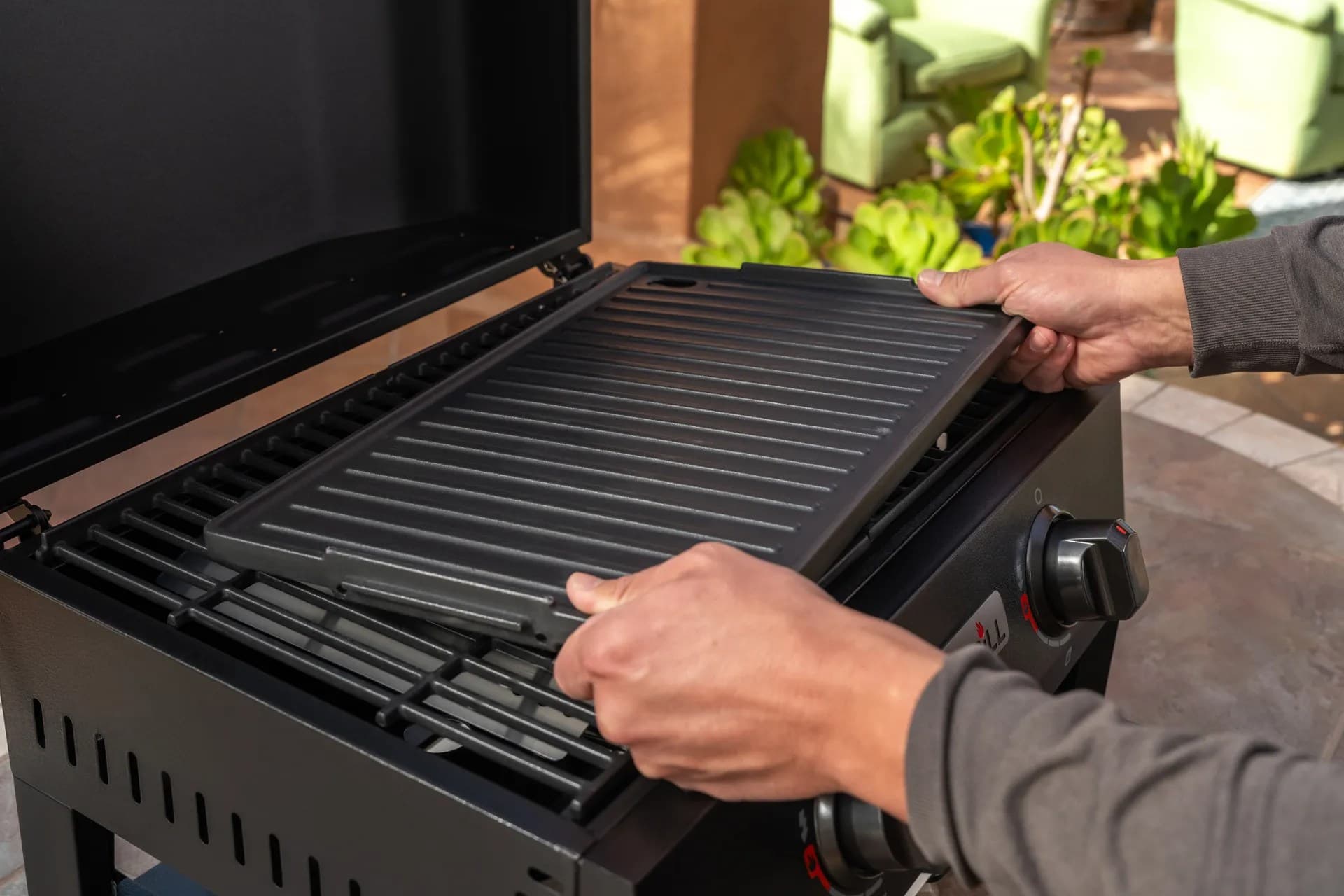
Practical guides for cleaning, maintenance, common grill issues, and performance optimization.
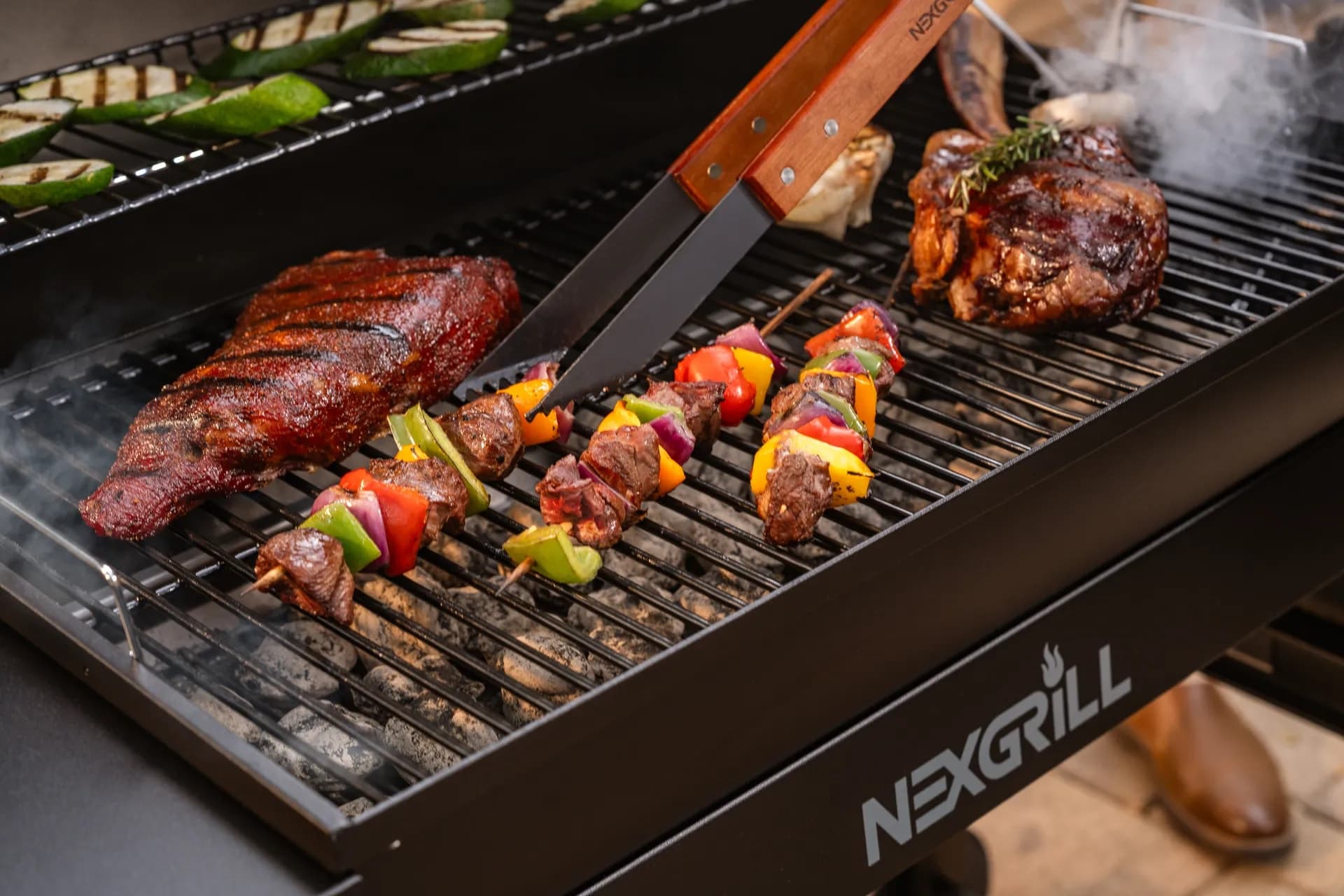
Step-by-step grilling recipes, cooking techniques, and meal ideas for every occasion and skill level.
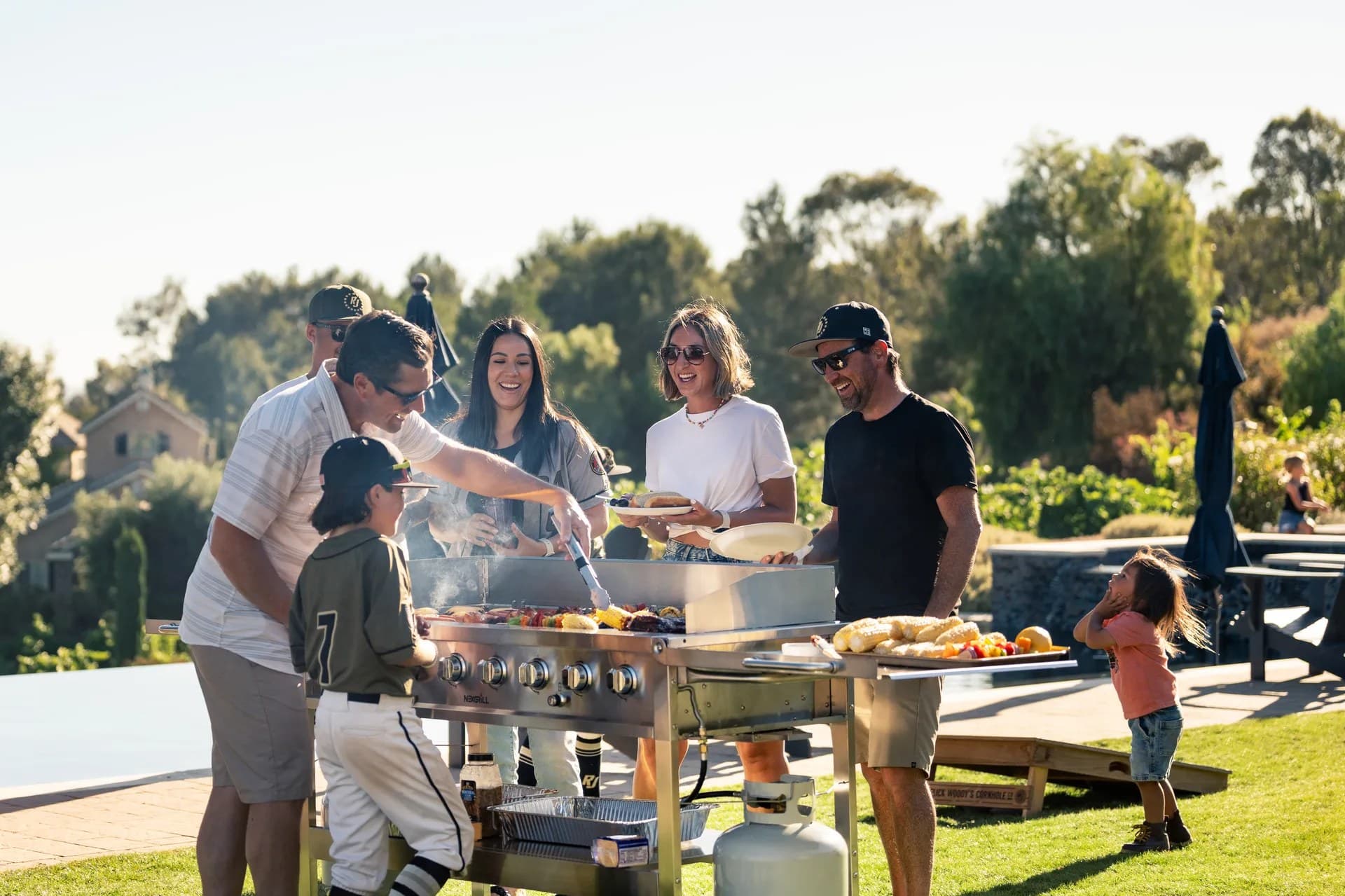
Backyard entertaining ideas, seasonal grilling inspiration, and stories that celebrate outdoor cooking culture.
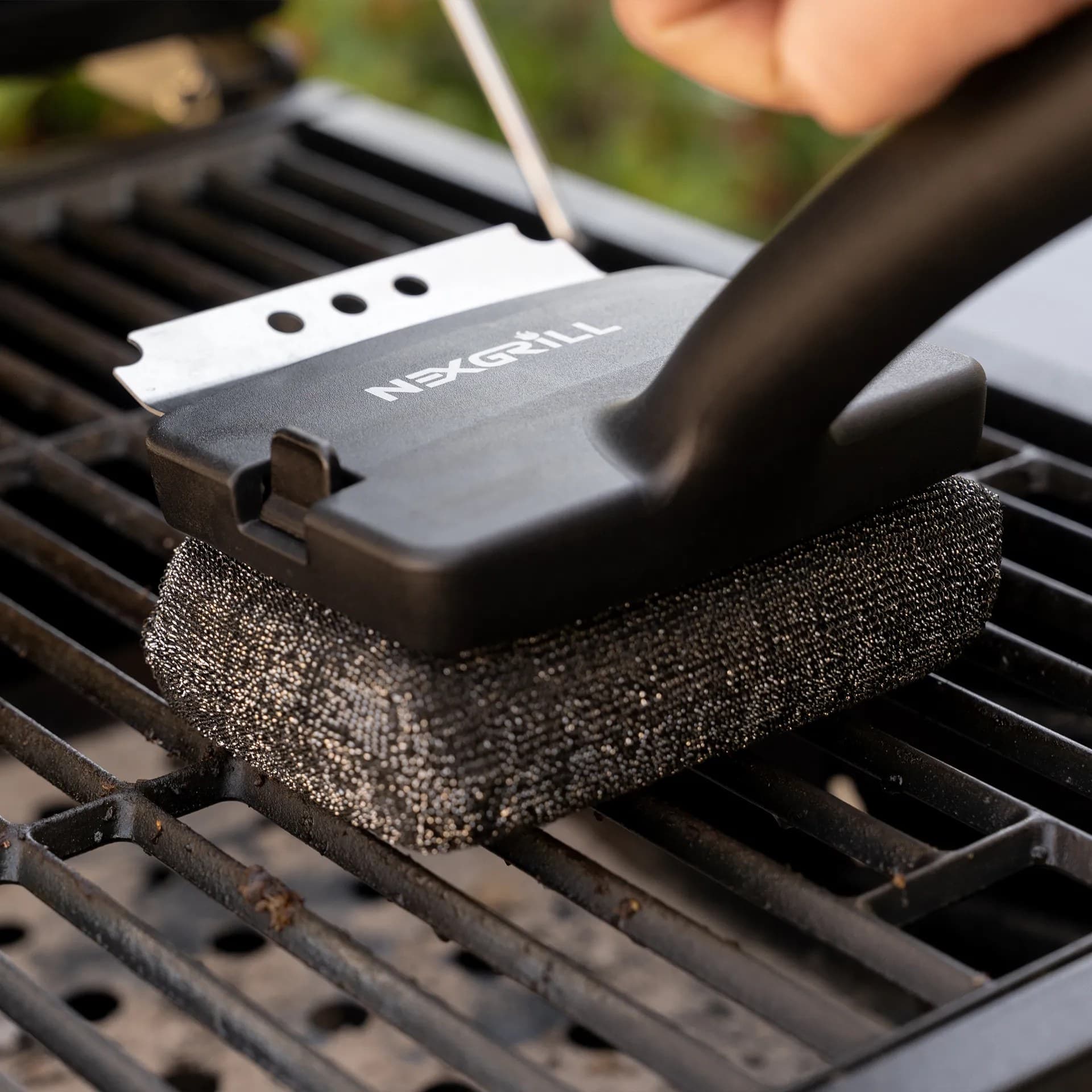
Helpful articles covering grilling tools, cookware, maintenance gear, and must-have accessories for outdoor cooking.
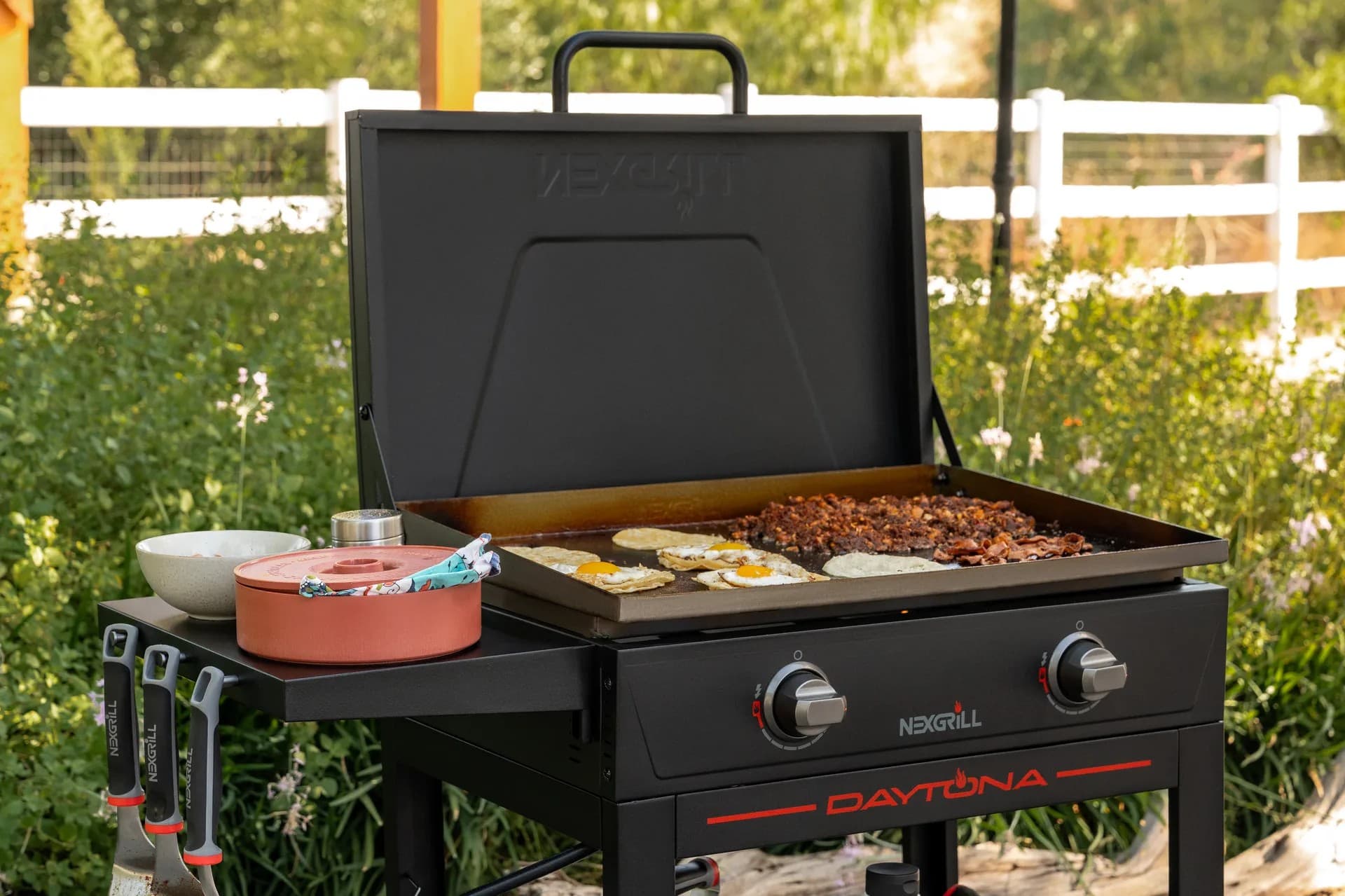
Find griddle recipes, cooking techniques, cleaning tips, and outdoor meal ideas designed for Nexgrill griddles.
Find answers to common questions
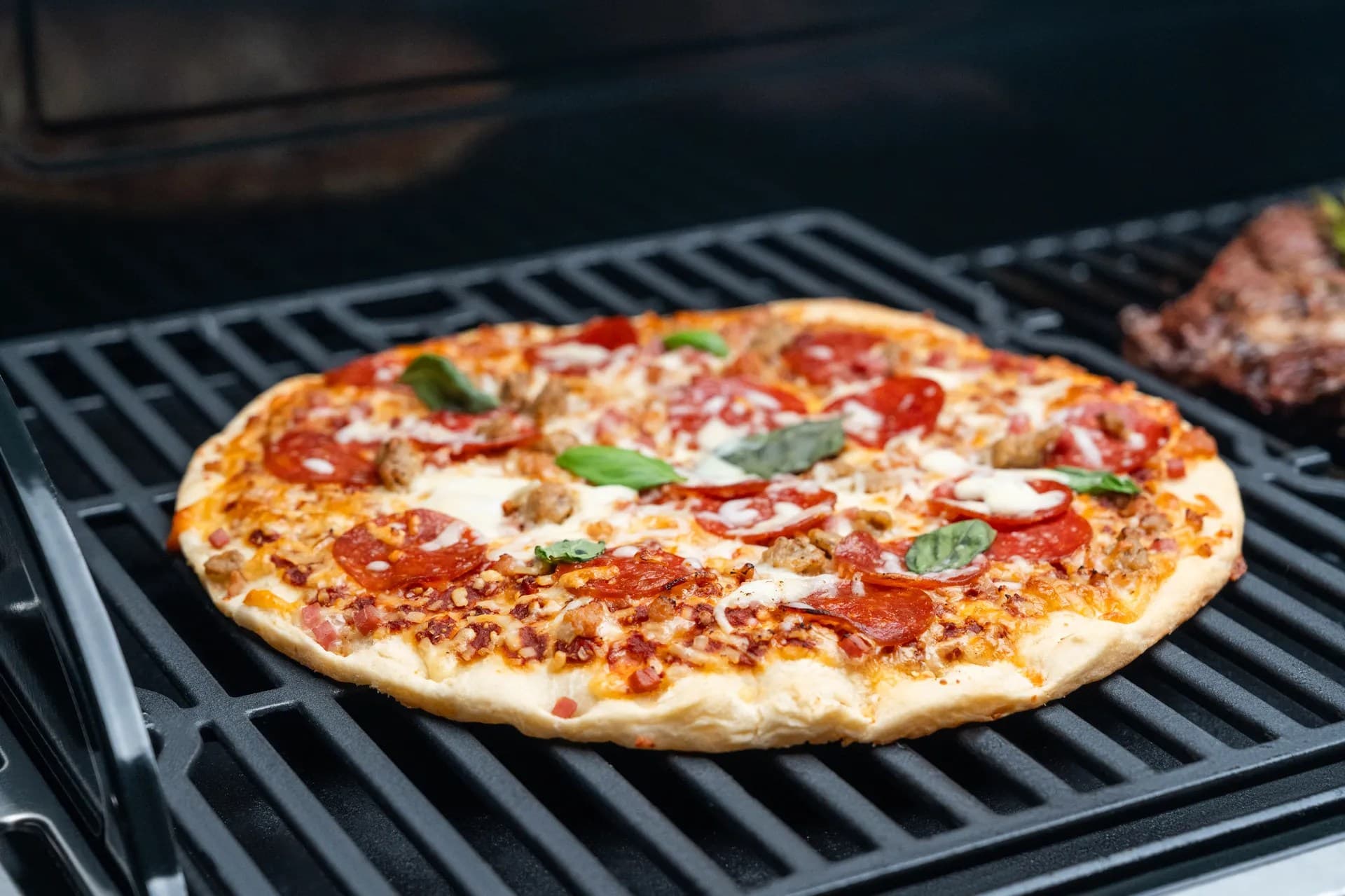
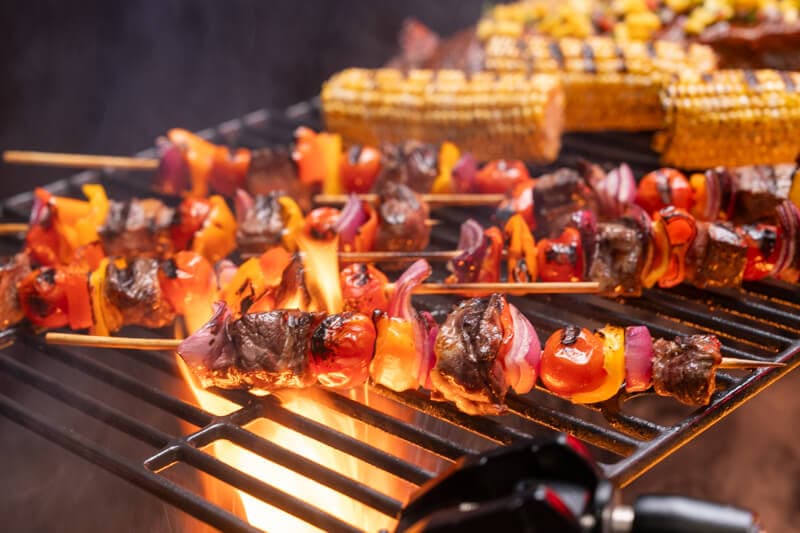
Nexgrill equipment is suitable for a variety of recipes including meats, vegetables, and even pizzas. Popular options include marinated steaks, grilled vegetables, and shrimp skewers.
To enhance the flavor of grilled vegetables, consider marinating them in olive oil, herbs, and spices before grilling. Alternatively, you can season them with salt and pepper during grilling for a more straightforward approach.
To achieve perfect grill marks, preheat your grill to a high temperature and ensure that the food is dry before placing it on the grill. Avoid moving the food too early, as it needs to sear properly to form those classic grill marks.
Using a meat thermometer is the most accurate way to ensure your grilled meat is at the desired temperature. For instance, chicken should reach an internal temperature of 165°F while medium-rare beef is typically at 135°F.
To clean your Nexgrill after cooking, allow it to cool and then use a grill brush to remove any residue from the grates. You can also wipe down the exterior with a damp cloth and mild soap to keep it looking its best.
In This Article
Spring Delights
Summer Staples
Autumn Harvest
Seasonal grilling vegetable pairings are one of the easiest ways to make outdoor cooking feel fresh without making dinner complicated. When vegetables are picked at the right point in the year, they tend to need less help from the grill: less heavy seasoning, less masking with sauce, and less fuss with technique. Instead, the grill adds what vegetables often need most - a little caramelization, a touch of smoke, and enough heat to deepen their natural flavor. That is why the best grilled vegetable meals are usually built around timing, not just a grocery list. A spring asparagus spear, a July zucchini, a September beet, and a January carrot all want different treatment, even if they all end up on the same grate.
This article takes a seasonal approach on purpose. Rather than treating vegetables as one generic side dish, it looks at how to pair produce with the weather, the texture of the vegetable, and the kind of meal you want to build around it. That makes it useful for both the casual griller looking for an easy weeknight side and the more experienced cook who wants to plan a whole menu around what is actually in season. It also fits naturally with the way Nexgrill thinks about gathering: practical, welcoming, and centered on food that brings people to the table. Nexgrill’s brand voice emphasizes togetherness and approachable cooking, and seasonal vegetables are a perfect match for that spirit because they invite everyone to cook with what is available now, not what is most overcomplicated.
A simple framework for building better vegetable plates all year long.
The practical payoff is bigger than flavor. Seasonal vegetables can help you keep your grill menu varied, reduce waste, and avoid the fatigue that comes from grilling the same corn-and-zucchini combination every weekend. They also create natural pairings for proteins and starches. Spring vegetables lean bright and grassy, summer vegetables shine beside grilled chicken, fish, or flatbreads, autumn vegetables bring sweetness that works with pork or mushroom-forward menus, and winter vegetables give you hearty, satisfying sides that can stand up to richer mains. If you are cooking for a mixed crowd, that variety matters because it makes the meal feel intentional rather than improvised.
Tip: think of grilled vegetables as a menu-building tool, not an afterthought. Pairing them by season helps you choose the right cut, the right heat, and the right finishing flavor.
The sections below are organized so you can jump straight to the season you are cooking in, but the real value comes from comparing the patterns. Tender spring vegetables need fast heat and bright acids. Summer vegetables often do best with generous surface area and quick grilling. Autumn vegetables benefit from a little more patience so their sugars can concentrate. Winter root vegetables often need a head start or a little moisture management so they cook through without burning the outside. That is the rhythm this guide follows, with pairings and practical recipe ideas designed to make each season easier to cook.
Spring vegetables are at their best when they still taste lively. Asparagus, artichokes, fennel, sugar snap peas, spring onions, and baby radishes all have a freshness that can disappear if they are overcooked, so spring grilling is really about preserving character while adding just enough char to make the flavors pop. The best approach is usually quick, high heat, and minimal handling. That keeps asparagus snappy instead of limp and fennel crisp at the edges while staying juicy in the center. A spring menu is also where simple finishing ingredients matter most: lemon, olive oil, fresh herbs, and a light sprinkle of flaky salt can do more than a heavy sauce ever could.
One of the strongest spring pairings is asparagus with lemon zest, shaved Parmesan, and grilled sourdough. The asparagus gives the plate its green, grassy backbone, while the bread adds crunch and a little smoke. If you want a more substantial side, pair asparagus with artichoke hearts and spring onions. Artichokes bring a nutty, almost meaty texture that feels satisfying on the grill, especially when brushed with oil and cooked until the edges darken. Fennel is another underrated spring vegetable because its natural sweetness shows up when it is cut into thick wedges and grilled cut-side down. Pair fennel with oranges or a citrus vinaigrette after grilling, and it becomes a bright bridge to seafood or roast chicken.
| Spring vegetable | Best grill cut | Ideal pairing | Why it works |
|---|---|---|---|
| Asparagus | Whole spears | Lemon, Parmesan, grilled bread | Quick heat keeps it tender with crisp edges |
| Artichokes | Halved or quartered hearts | Garlic aioli, herbs, white fish | Nutty flavor deepens with browning |
| Fennel | Thick wedges | Orange, dill, olive oil | Grill sweetness balances its anise note |
For a simple spring platter, brush asparagus and fennel with olive oil, grill over medium-high heat until lightly marked, then finish with herbs like dill, parsley, or chives. If you are working with artichokes, steaming them briefly before grilling is worth the extra step because it shortens the grill time and keeps the leaves from scorching before the centers become tender. Spring vegetables are also great for mixed platters because they cook well at similar temperatures, so you can place them together on a tray and serve them family-style. That makes the meal feel generous and relaxed, which is very much in keeping with the idea that grilling should invite people in rather than intimidate them.
Summer is the season when vegetable grilling becomes almost effortless, because many of the best candidates are naturally sturdy, colorful, and forgiving. Zucchini, bell peppers, tomatoes, eggplant, corn, mushrooms, and onions all respond well to heat, and they offer enough sweetness to handle stronger seasonings. The key difference in summer is that vegetables can be cut larger and still cook relatively quickly, which makes them ideal for weeknight dinners, backyard gatherings, and menu boards built around bright Mediterranean or Latin-inspired flavors. Summer vegetables also hold up well beside more assertive foods, so you can use them to balance smoky meats, grilled seafood, or creamy cheeses.
Zucchini and bell peppers are probably the easiest starting point. Slice zucchini lengthwise into planks so it does not fall through the grates, and cut peppers into flat pieces that expose more surface area to the flame. Those shapes let you get real char without turning the vegetables mushy. Tomatoes, especially firm plum tomatoes or large heirloom slices, can be grilled briefly until they soften but do not collapse. They pair beautifully with basil, burrata, or toasted breadcrumbs. Corn is another summer staple, but it behaves differently: grill it in the husk for a gentle steam-and-smoke effect, or shuck it first for more direct caramelization. Either way, it pairs well with cotija, lime, and chili powder if you want something that feels more street-food inspired.
Tip: summer vegetables taste best when you stop short of softening them too much. Aim for visible grill marks, not complete collapse.
A standout summer pairing is zucchini with cherry tomatoes and red onion over grilled polenta or crusty bread. The zucchini gives body, the tomatoes add acidity, and the onion adds a sweet edge that ties the whole plate together. Another useful pairing is bell peppers with mushrooms and halloumi. The saltiness of the cheese works especially well with the natural sweetness that develops in summer vegetables on the grill. If you want a lighter option, try tomatoes and corn with fresh herbs, olive oil, and a splash of vinegar. That combination can sit beside grilled fish, tacos, or even a simple bowl of rice and beans. The point is not to make vegetables feel secondary; it is to let them become the centerpiece of a summer meal.
For grilling technique, summer vegetables are where many home cooks overthink the fire. Medium-high heat is usually enough. Oil the vegetables, season them before they hit the grill, and rotate only once or twice if possible. A grill basket can help with smaller items like mushrooms, cherry tomatoes, or sliced onions, while larger pieces can go directly on the grate. If your goal is a mixed vegetable platter, cook the firmer vegetables first, then add the softer ones near the end. That sequencing keeps everything from arriving overdone at the same time and gives the platter a better range of textures.
Autumn grilling is where vegetables start to feel more substantial. As the weather cools, produce like carrots, beets, squash, sweet potatoes, cauliflower, Brussels sprouts, and onions develops a richer, more concentrated flavor. These vegetables often have more natural sugar and denser structure than spring or summer produce, which means they reward slightly longer cooking and a little more attention to heat management. A good fall vegetable menu usually leans into sweetness, earthiness, and texture. Think maple-glazed carrots, charred squash wedges, or halved Brussels sprouts that crisp on the outside while staying tender inside.
The strongest autumn pairings are often the ones that combine sweetness with something sharp or savory. Carrots pair well with tahini, cumin, or a cider vinegar glaze. Beets are excellent with goat cheese, walnuts, or dill once they come off the grill. Butternut squash and acorn squash benefit from a little brown sugar, chili flakes, or sage, especially when grilled in thick slices so they do not fall apart. Brussels sprouts can be skewered or cooked in a basket, then finished with bacon bits, balsamic, or toasted hazelnuts. These pairings matter because autumn vegetables can become one-note if they are only salted and served plain. The right finishing ingredient gives them dimension.
| Autumn vegetable | Best grill treatment | Suggested pairing | Flavor result |
|---|---|---|---|
| Carrots | Halved lengthwise | Cider glaze, cumin, herbs | Sweet, earthy, lightly smoky |
| Beets | Par-cooked slices or wedges | Goat cheese, walnuts, dill | Deep, sweet, and balanced |
| Brussels sprouts | Halved in a basket or skewered | Balsamic, bacon, hazelnuts | Crisp edges with savory depth |
A practical autumn plate might include grilled carrots, squash, and Brussels sprouts with a yogurt-based sauce or mustard vinaigrette. That combination works because it gives you contrast in color, texture, and flavor: sweetness from the carrots, richness from the squash, and a slightly bitter edge from the sprouts. For more rustic meals, pair grilled beets with onions and mushrooms and serve them over farro or lentils. The grill adds a bit of smoke, but the grains make the dish feel complete enough to anchor a dinner, not just accompany one. Autumn vegetables also respond especially well to cast-iron accessories or a flat griddle surface because dense pieces benefit from even contact and steady heat.
If you are cooking for guests, autumn vegetables are a good opportunity to show range without adding complexity. A single tray of root vegetables can feel thoughtful and abundant, especially if you finish them with a bright herb sauce or a spoonful of ricotta. The goal is to keep the vegetables from feeling heavy, even though the season naturally moves toward richer food. That balance is what makes autumn grilling satisfying: it delivers comfort without flattening flavor.
Winter grilling is often underrated, but it can be one of the most rewarding ways to cook vegetables because root vegetables and hardy brassicas actually shine when the weather turns cold. Carrots, parsnips, sweet potatoes, rutabaga, turnips, onions, cabbage, and cauliflower all bring enough structure to handle the grill, and their flavor becomes deeper and more satisfying when the edges brown. Winter grilling is less about speed and more about controlling moisture and managing thickness. These vegetables usually need to be cut evenly, par-cooked when dense, or paired with oil and heat that are steady rather than aggressive.
Carrots and parsnips are the easiest winter vegetables to start with because they are naturally sweet and become even more appealing after grilling. Cut them lengthwise so they expose more surface area, then grill until the outside is caramelized and the inside is tender. Sweet potatoes are excellent on the grill too, but they perform best when sliced into long planks or thick rounds and brushed generously with oil. Cauliflower can be cut into steaks or thick florets and then grilled or finished under a lid to help it cook through. Cabbage wedges are another strong winter option because the outer leaves char while the center stays juicy. That makes cabbage a surprisingly good match for mustard sauces, apple slaw, or even a smoky yogurt drizzle.
Warning: winter vegetables are dense enough to burn on the outside before they soften inside. Keep the pieces even and consider par-cooking the hardest roots first.
One useful winter pairing is sweet potatoes with red onion and rosemary, served alongside grilled chicken or a grain bowl. Another is cauliflower steaks with tahini and lemon, which brings brightness to a vegetable that can otherwise feel heavy in cold-weather cooking. For something more robust, try grilled cabbage with caraway or mustard seeds and serve it with sausages or bean stew. These are not delicate vegetables, and that is exactly why they fit winter so well. They can stand up to bolder seasonings and more rustic meal structures.
A winter grill session also benefits from a little planning around equipment and timing. Because the weather can cool the grate faster, preheating matters more than it does in summer. Keep a close eye on moisture, and do not be afraid to use a grill lid to finish thicker vegetables. If you are cooking a mixed platter, start with the densest roots and finish with cabbage or cauliflower florets. That sequence ensures everything lands on the table at the right texture. Winter vegetables are proof that grilling does not have to slow down when the temperature drops; it just becomes a little more deliberate.
The biggest mistake people make with grilled vegetables is treating them all the same. In practice, good vegetable grilling depends on size, water content, and density. Thin vegetables like asparagus and snap peas need fast heat and brief contact. Soft summer vegetables like zucchini and tomatoes need enough oil to prevent sticking, but not so much that they steam. Dense vegetables like beets, sweet potatoes, and carrots often benefit from par-cooking or cutting into smaller, even pieces. Once you start cooking with that framework, your results improve quickly because you are matching the vegetable to the method instead of forcing one method onto everything.
| Vegetable type | Best heat approach | Helpful prep |
|---|---|---|
| Tender spring greens | High, quick heat | Light oil, minimal cutting |
| Summer produce | Medium-high, direct heat | Cut wide, season simply |
| Autumn harvest vegetables | Medium, controlled heat | Thicker cuts, glaze after grilling |
| Winter roots and brassicas | Medium, lid-assisted finish | Par-cook or slice evenly |
Oil is helpful, but use it with restraint. You want a thin coating that promotes browning, not a slick surface that creates flare-ups. Salt should usually go on just before grilling or immediately after, depending on the vegetable. Delicate vegetables can lose moisture if salted too early, while firmer vegetables often benefit from a small head start. Acidic finishes like lemon, vinegar, and citrus zest should generally wait until the vegetables come off the grill so they stay bright instead of dulling in the heat. And if you are layering flavor, think in terms of contrast: sweet vegetables with sharp vinegar, bitter vegetables with creamy sauce, smoky vegetables with fresh herbs, and dense roots with something crunchy.
Tip: if you are grilling a mixed vegetable platter, cook by density rather than by color. Start with the vegetables that take the longest and finish with the most delicate pieces.
The best grilled vegetable meals also leave room for texture after the grill. Crumbled cheese, toasted nuts, fresh herbs, and simple vinaigrettes all make the vegetables feel complete. That final layer is what turns a tray of vegetables into a dish people remember. It is also a good fit for Nexgrill’s inclusive, community-centered approach to cooking: easy to share, easy to adapt, and easy to make your own.
Seasonal grilling vegetable pairings make outdoor cooking feel more connected to the time of year and more rewarding on the plate. Spring brings tender greens and bright finishes, summer offers colorful vegetables that thrive over open flame, autumn gives you sweet and earthy harvest options, and winter proves that even root vegetables can become something memorable when they meet the grill. When you choose vegetables by season, you are not just following produce availability - you are setting yourself up for better texture, stronger flavor, and easier meal planning.
The real advantage is flexibility. Once you understand how each season behaves, you can build entire meals around the vegetables that are freshest, most affordable, and most satisfying to cook. That means less guesswork and more confidence at the grill. Whether you are making a quick weeknight side or a full vegetable platter for friends, the seasonal approach helps you cook with more intention and less waste. Try comparing two products side by side below to see which fits best:
Seasonal grilling vegetable pairings are one of the best ways to make vegetables feel like the main event instead of a side note. The grill brings out sweetness, adds light smoke, and gives produce a texture that oven roasting alone cannot always match. When vegetables are chosen with the season in mind, the result is more flavorful and easier to cook because each ingredient is already working with the weather, not against it. In spring, vegetables are tender and quick-cooking. In summer, they are colorful and juicy. In autumn, they turn earthy and sweet. In winter, they become hearty enough to stand up to deeper char and slower cooking. That seasonal rhythm gives you a simple way to build better plates all year long.
For Nexgrill readers, this approach fits naturally with the brand’s welcoming, food-first mindset. The brand’s message around gathering and approachable cooking encourages meals that bring people together without making the cook overcomplicate dinner. Seasonal vegetables support that perfectly because they are affordable, adaptable, and easy to share family-style. A tray of grilled spring asparagus, summer peppers, autumn squash, or winter carrots can anchor a meal for two or a backyard gathering for ten. And because the flavor changes with the season, you are less likely to fall into the same repetitive combination every weekend.
One framework for building better grilled vegetable menus throughout the year.
The most useful way to think about grilled vegetables is by texture and water content. Tender spring produce needs speed. Summer vegetables need space and enough heat to caramelize without collapsing. Autumn vegetables need enough time to concentrate their sugars. Winter roots need balance so they soften through the center. Once you understand that, the rest becomes much easier. You are no longer guessing at timing; you are matching the vegetable to a cooking pattern. That is especially helpful when you are serving multiple dishes at once and want everything to finish together.
Info: The best seasonal platters usually pair one crisp vegetable, one sweet vegetable, and one savory or acidic finish. That contrast keeps the plate interesting from the first bite to the last.
Spring grilling works best when the vegetables taste clean and bright. Asparagus is the classic starting point, but spring has more to offer than the obvious favorites. Artichokes, fennel, spring onions, baby carrots, and even radishes can all shine on the grill if they are cut and cooked with care. The goal is not to bury their flavor under heavy seasoning. Instead, the grill should sharpen the natural taste and add just enough caramelization to make the vegetables feel special. This makes spring one of the easiest seasons for cooks who want a lighter meal with very little effort.
Asparagus is ideal because it cooks quickly and benefits from direct heat. Brush it with oil, season it lightly, and pull it from the grill while it still has some snap. For a more substantial pairing, set asparagus alongside grilled spring onions and a drizzle of lemon vinaigrette. The onion’s sweetness deepens as it cooks, while the asparagus keeps the plate bright. Artichokes are a little more labor-intensive, but they reward the effort. Steam them partially before grilling, then place them cut-side down to develop a nutty, browned surface. Fennel is another excellent spring vegetable because its subtle licorice note softens and sweetens over the flame, especially when paired with citrus or fresh dill.
| Spring vegetable | Best cut | Best pairing | Grill result |
|---|---|---|---|
| Asparagus | Whole spears | Lemon, herbs, grilled bread | Tender with light char |
| Artichokes | Halved hearts or quarters | Garlic, aioli, white fish | Nutty, browned edges |
| Fennel | Thick wedges | Orange, olive oil, dill | Sweet and aromatic |
A practical spring plate can be built around two techniques: quick direct grilling and a light finishing sauce. For example, grill asparagus and fennel together, then top them with a lemon-herb oil and a pinch of toasted seeds. You could also make grilled artichoke hearts with a garlic yogurt dip and serve them beside salmon or chicken. The vegetables themselves stay simple, but the meal still feels complete because each element adds a different note: bitterness, sweetness, acidity, and crunch. That balance is what makes spring vegetables so satisfying on the grill.
Summer is the easiest season for vegetable grilling because the produce is abundant, colorful, and naturally suited to high heat. Zucchini, bell peppers, tomatoes, eggplant, onions, and corn all respond beautifully to the grill when they are cut in ways that maximize surface contact. The trick is to let the ingredients stay recognizable while giving them enough char to create contrast. Summer vegetables can handle bolder flavors too, which means you can move between Mediterranean, Southwestern, and backyard cookout profiles without changing your core technique.
Zucchini is a standout because it cooks quickly and pairs with almost anything. Slice it lengthwise into long planks so the surface can brown before the interior turns soft. Bell peppers work best when cut into large panels that can blister without falling apart. Tomatoes should be firm enough to hold shape, and a few minutes on the grill is usually enough to intensify their sweetness. Corn can go straight onto the grate if you want more char, or it can stay in the husk for a gentler smoke-steam effect. Each of these vegetables has a different texture, but they can all share the same platter if you stagger the timing correctly.
A useful summer pairing is zucchini with red onion and cherry tomatoes over a grain salad or grilled flatbread. The zucchini adds body, the onion provides sweetness, and the tomatoes bring the acidity needed to keep the plate lively. Bell peppers pair well with mushrooms and a salty cheese like halloumi or feta. Corn with lime, chili, and herbs can stand on its own or sit beside grilled shrimp or chicken. Summer vegetables are often at their best when the finishing step is simple: olive oil, fresh herbs, and maybe a splash of vinegar or citrus. That keeps the produce recognizable and makes the meal feel bright rather than heavy.
Tip: for summer vegetables, cut pieces wide enough to stay on the grate. Bigger cuts are easier to flip and produce better browning.
Autumn vegetables are heartier, sweeter, and better suited to longer grill times than spring and summer produce. Carrots, beets, butternut squash, sweet potatoes, cauliflower, Brussels sprouts, and onions all become especially appealing once the air cools. Their natural sugars concentrate as they cook, which means the grill can create a deep roasted flavor without needing much extra help. This is the season when your vegetable pairing choices can feel more substantial and more meal-like, especially if you serve the vegetables with grains, cheese, nuts, or a sharp vinaigrette.
Carrots work particularly well when cut lengthwise into thick planks, which gives them enough surface area to brown while keeping the center tender. Beets are best when they are par-cooked first, because that shortens grill time and prevents the outside from drying out before the middle softens. Butternut squash and sweet potatoes need similar attention; both are dense enough to benefit from even cuts and steady medium heat. Brussels sprouts can be halved and cooked in a basket or threaded onto skewers, which helps you manage them without losing pieces through the grate. These vegetables are rich enough to stand beside roasted meats, grains, or a simple herb sauce.
| Autumn vegetable | Prep strategy | Good pairing | Benefit |
|---|---|---|---|
| Carrots | Lengthwise planks | Cider glaze, cumin, herbs | Sweet, smoky depth |
| Beets | Par-cooked wedges | Goat cheese, walnuts, dill | Earthy with brightness |
| Brussels sprouts | Halved, basket-ready | Balsamic, bacon, hazelnuts | Crisp and savory |
A good autumn platter might combine carrots, beets, and Brussels sprouts with a mustard vinaigrette and crumbled cheese. The sweetness from the roots, the earthiness from the beets, and the slight bitterness from the sprouts make the plate feel layered. For a more rustic approach, serve grilled squash with sage butter or rosemary oil alongside pork or mushrooms. Autumn grilling works especially well when you lean into contrast: sweet and acidic, rich and herbal, crisp and tender. That contrast keeps the meal from becoming too heavy while still giving you the comfort people often want when the air starts to cool.
Winter grilling rewards patience. The vegetable choices are denser, the weather is colder, and the cooking times tend to be longer, but the flavor payoff is excellent. Carrots, parsnips, rutabaga, turnips, sweet potatoes, cabbage, and cauliflower all handle the grill well if they are cut evenly and cooked with enough attention to avoid burning the outside before the center softens. Winter vegetables are often overlooked because they seem too sturdy for grilling, but that sturdiness is exactly what makes them useful. They hold shape, absorb seasoning, and can build a meal that feels satisfying in cold weather.
Carrots and parsnips are natural winter starters because they both caramelize beautifully. Slice them into long pieces so they get enough contact with the grates, then finish with herbs or a maple-mustard glaze. Sweet potatoes can be grilled in thick rounds or planks and pair nicely with rosemary, chili, or lime. Cauliflower is excellent when cut into steaks or large florets, especially if you finish it with tahini, lemon, or a spice rub. Cabbage wedges are another excellent choice; their outer leaves char while the inner layers soften, creating a mix of textures that works with sharp sauces and savory mains.
Warning: dense winter vegetables can burn on the outside if the grill is too hot. Moderate heat and even cutting matter more here than quick cooking.
A simple winter pairing is grilled sweet potatoes with red onion and rosemary, served beside a grain bowl or roasted poultry. Another strong option is cauliflower steaks with tahini and citrus, which keeps the plate from feeling too heavy. Cabbage with mustard seeds or caraway can become a memorable side for sausages or bean dishes. Winter vegetables are also where lid control matters most, because the enclosed heat helps the dense centers cook through. If you are planning a mixed winter platter, start with the hardest roots first and finish with cauliflower or cabbage so everything lands at the right texture.
Grilled vegetables improve dramatically when you stop thinking of them as one category. The right method depends on density, moisture, and the finish you want. Tender vegetables need fast heat. Juicy vegetables need enough space to brown instead of steam. Dense vegetables need either smaller cuts or a little head start. That is the core principle behind reliable vegetable grilling, and it is the same whether you are cooking for a quick dinner or a large gathering. It also explains why mixed platters often go wrong: if everything is added to the grill at once, the soft vegetables are overcooked before the dense ones are done.
| Vegetable group | Best grilling approach | What to avoid |
|---|---|---|
| Tender spring vegetables | High heat, brief contact | Overhandling and long cooking |
| Summer vegetables | Medium-high heat, broad cuts | Thin slices that fall through grates |
| Autumn harvest vegetables | Medium heat, patient browning | Skipping a finishing sauce |
| Winter root vegetables | Even cuts, lid-assisted finish | Too much direct flame early on |
Oil should be used as a thin coating, not a soak. A light layer helps create browning and reduces sticking without encouraging flare-ups. Salt is best applied thoughtfully; delicate vegetables can be salted right before grilling or after, while denser vegetables may take seasoning earlier. Acidic finishes usually work best off the grill, because lemon juice, vinegar, and citrus zest keep the flavors bright. Fresh herbs, toasted seeds, soft cheeses, and crunchy toppings are also valuable because they give grilled vegetables an additional layer of texture after the heat is done.
Tip: for mixed platters, sort vegetables by cook time first, then by flavor. That keeps the timing clean and makes the final plate more balanced.
If you want a reliable rule of thumb, start with the vegetables that are most dense or thick, then move to the more delicate pieces. Keep a tray ready so cooked vegetables can rest off the heat while the rest finish. This keeps you from chasing doneness and gives every piece a better chance to keep its texture. A well-grilled vegetable should have visible char, but it should still taste like itself.
Seasonal grilling vegetable pairings make grilling more intuitive, more flavorful, and more rewarding. Instead of treating vegetables as a filler side dish, this approach turns them into the backbone of the meal. Spring delivers freshness, summer brings color and ease, autumn offers sweetness and depth, and winter proves that hearty produce can still taste lively on the grill. When you match the season to the vegetable, you get better texture, better flavor, and a smoother cooking process.
For home cooks, that means fewer missed guesses and more confidence when planning a menu. You can build around what is fresh, what is available, and what your grill handles best. That is especially helpful when you are cooking for family or friends and want a meal that feels generous without becoming complicated. Seasonal vegetables also support the Nexgrill idea that everyone has a seat at the table: the dishes are flexible, affordable, and easy to adapt to different tastes. Try comparing two products side by side below to see which fits best:
Here's what sets us apart
We position ourselves as delivering high-end outdoor cooking features and performance without premium-brand pricing, emphasizing “Quality Grills. Unbelievable Value.”
We offer gas grills, pellet grills, griddles, smokers, pizza ovens, portable/tabletop grills, electric grills, accessories, and replacement parts — allowing customers to stay within one ecosystem for all outdoor cooking needs.
We differentiate ourselves through smart grilling products like the Oakford smart pellet grill, including app-connected cooking controls and modern outdoor cooking technology.
Don't just take our word for it
Keep reading
From our catalog