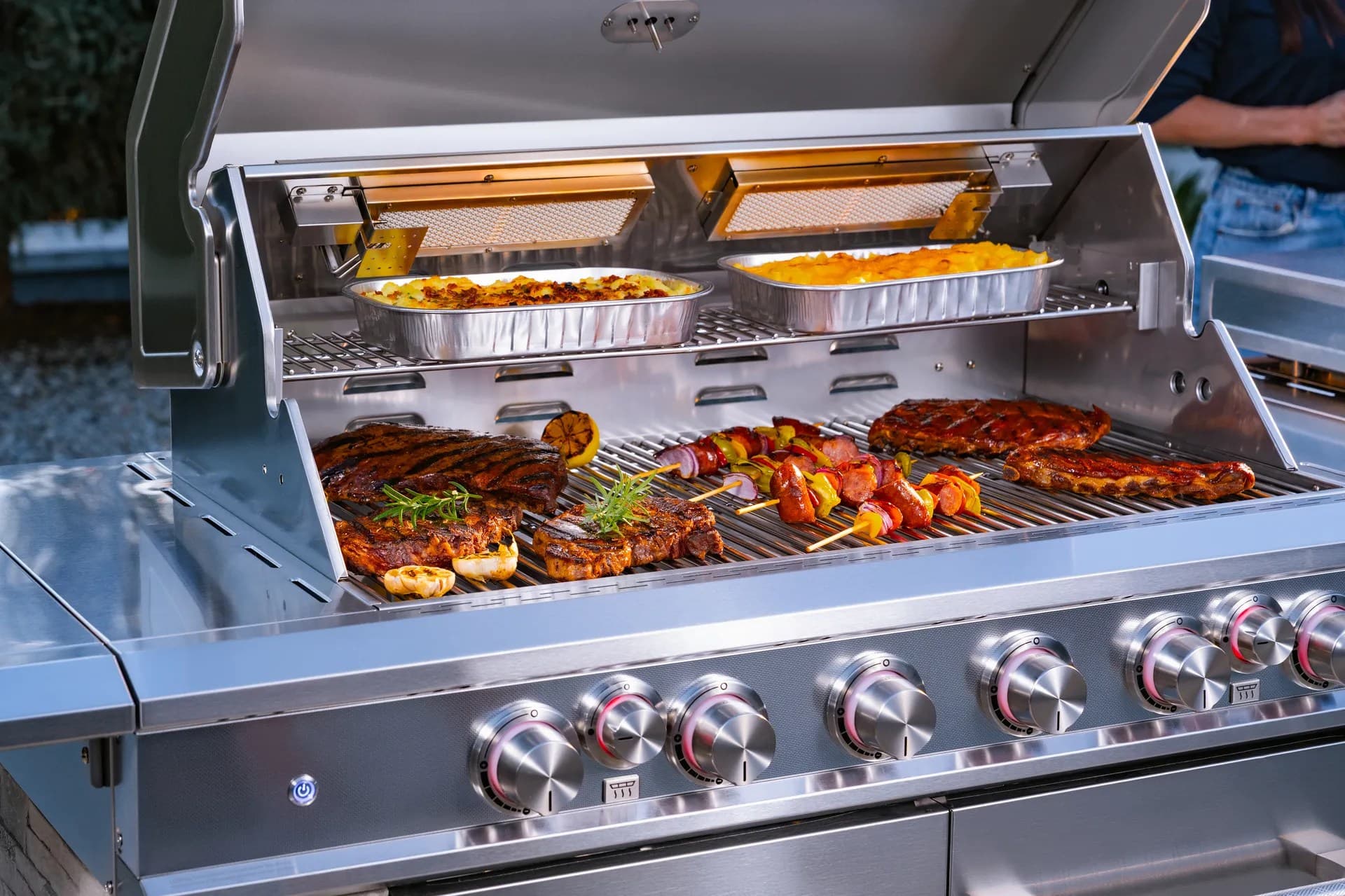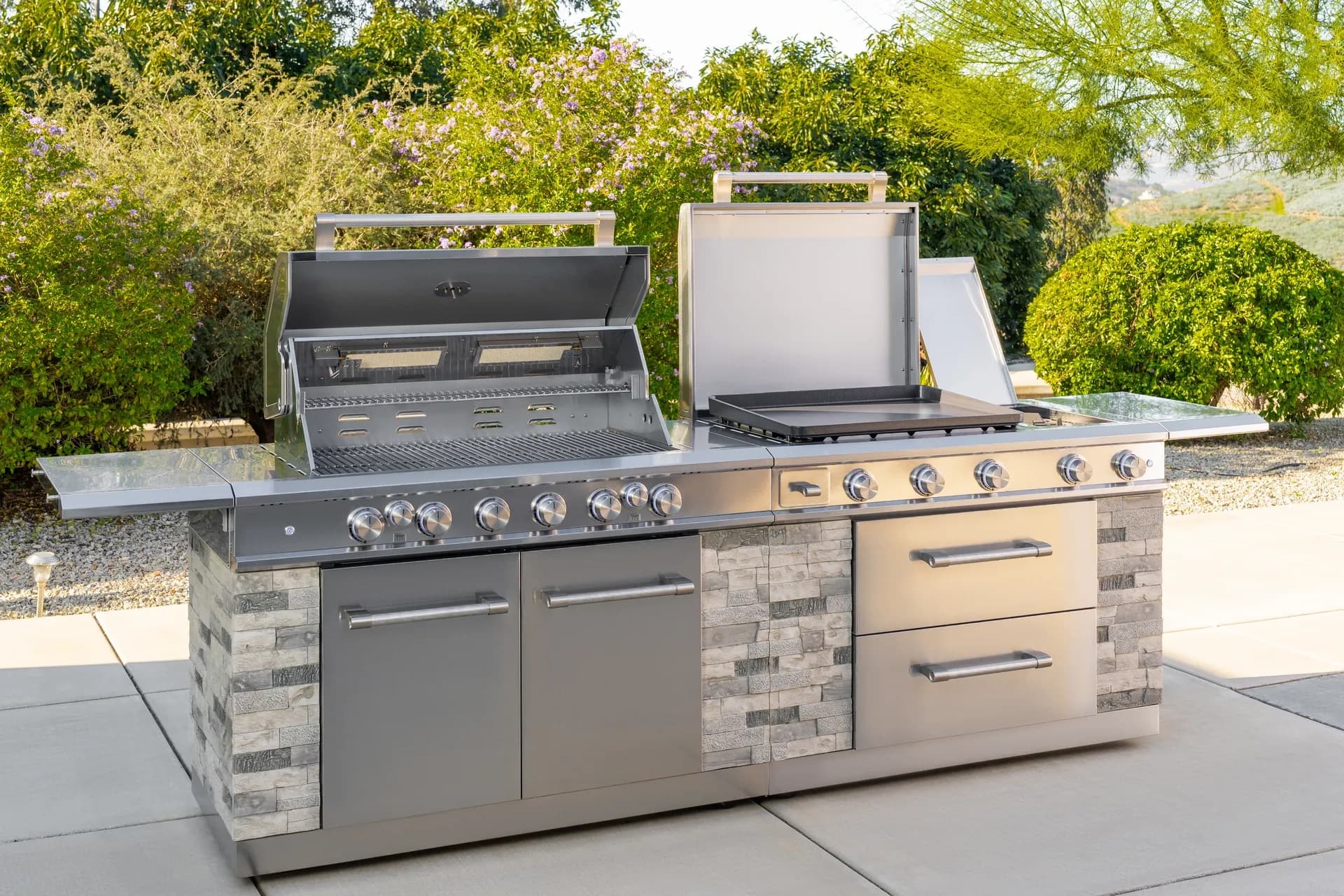
From sizzling breakfasts to smash burgers and teppanyaki-style dinners, the Daytona Pro 5 Burner NitroGuard™ Griddle delivers powerful heat, fast cooking, and a durable cooking surface built for every backyard cookout. Watch how easy outdoor cooking can be.
Here's what sets us apart from the competition
We position ourselves as delivering high-end outdoor cooking features and performance without premium-brand pricing, emphasizing “Quality Grills. Unbelievable Value.”
We offer gas grills, pellet grills, griddles, smokers, pizza ovens, portable/tabletop grills, electric grills, accessories, and replacement parts — allowing customers to stay within one ecosystem for all outdoor cooking needs.
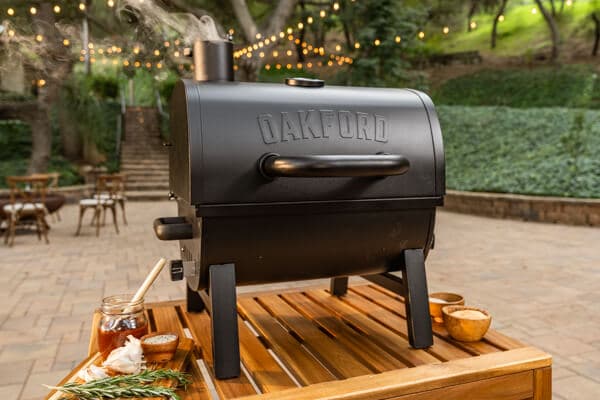
We differentiate ourselves through smart grilling products like the Oakford smart pellet grill, including app-connected cooking controls and modern outdoor cooking technology.
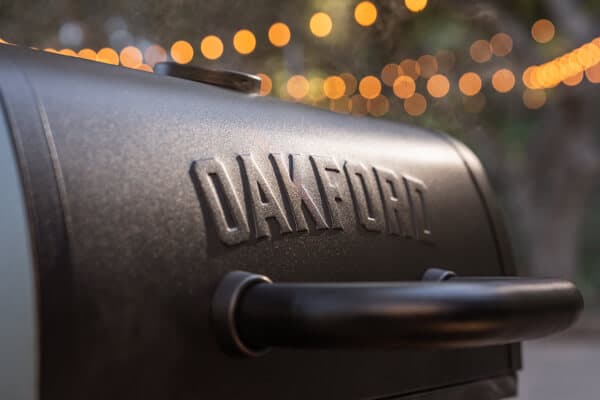
Expert tips, buying guides, comparisons, and inspiration for choosing and getting the most out of your grill.
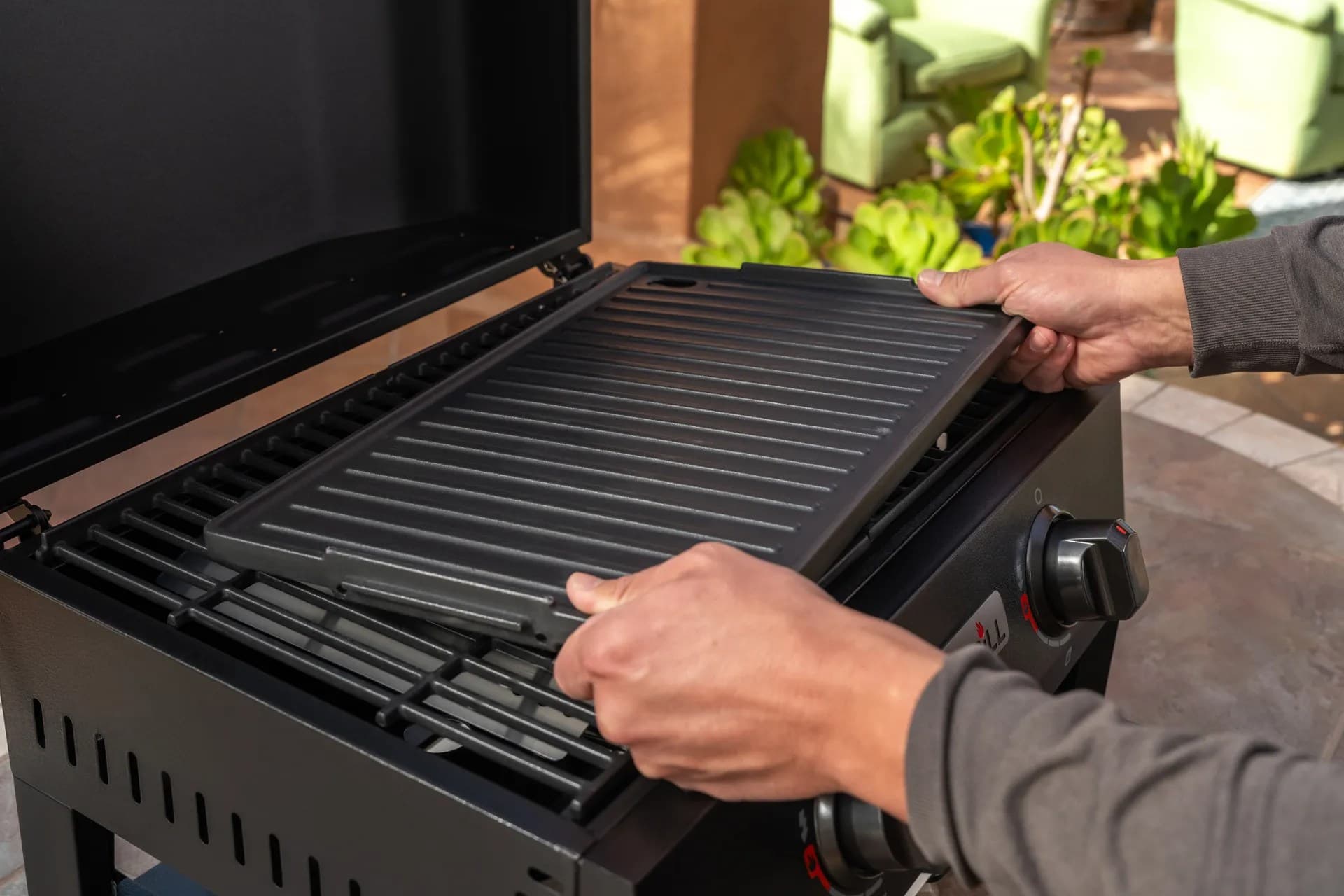
Practical guides for cleaning, maintenance, common grill issues, and performance optimization.
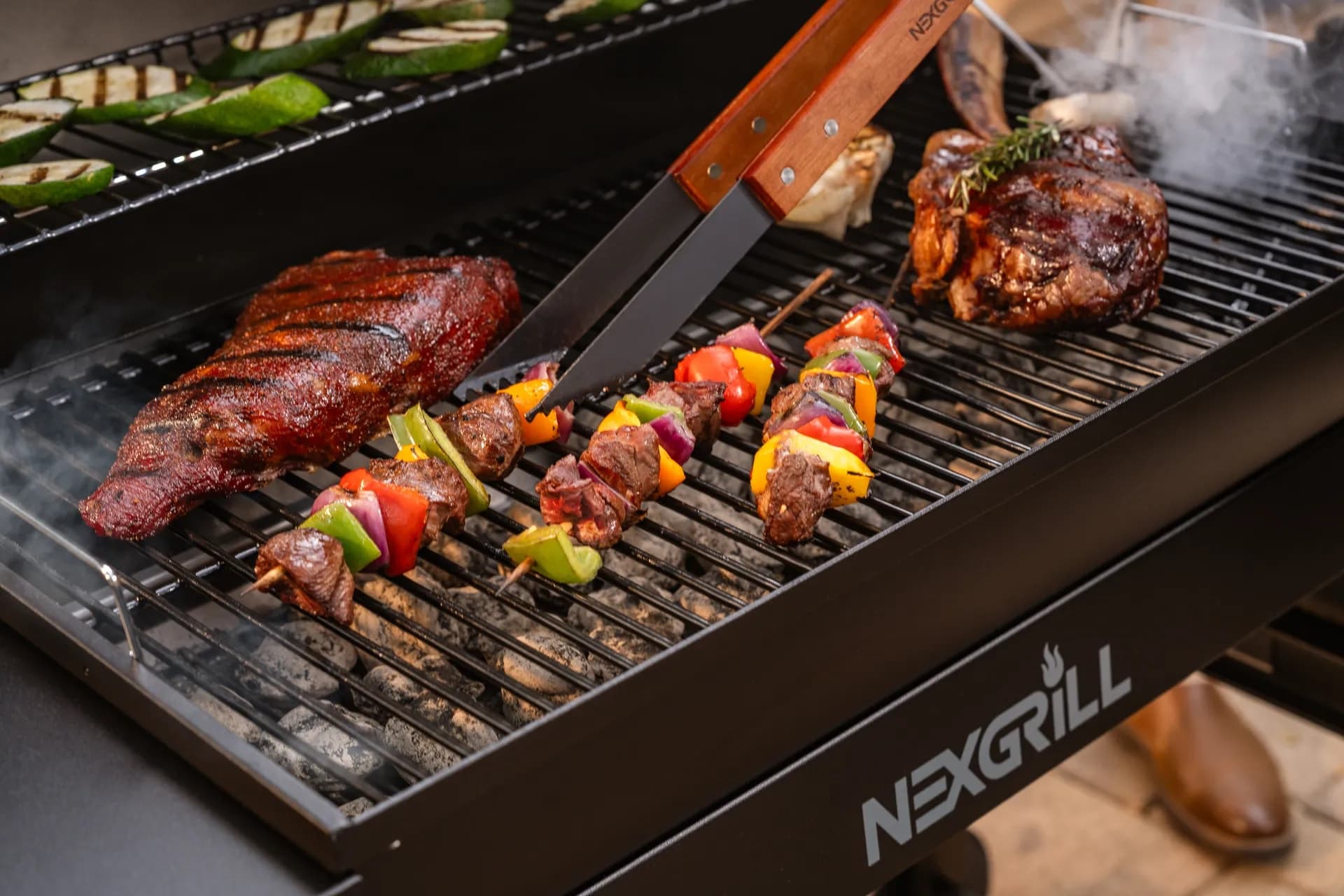
Step-by-step grilling recipes, cooking techniques, and meal ideas for every occasion and skill level.

Backyard entertaining ideas, seasonal grilling inspiration, and stories that celebrate outdoor cooking culture.
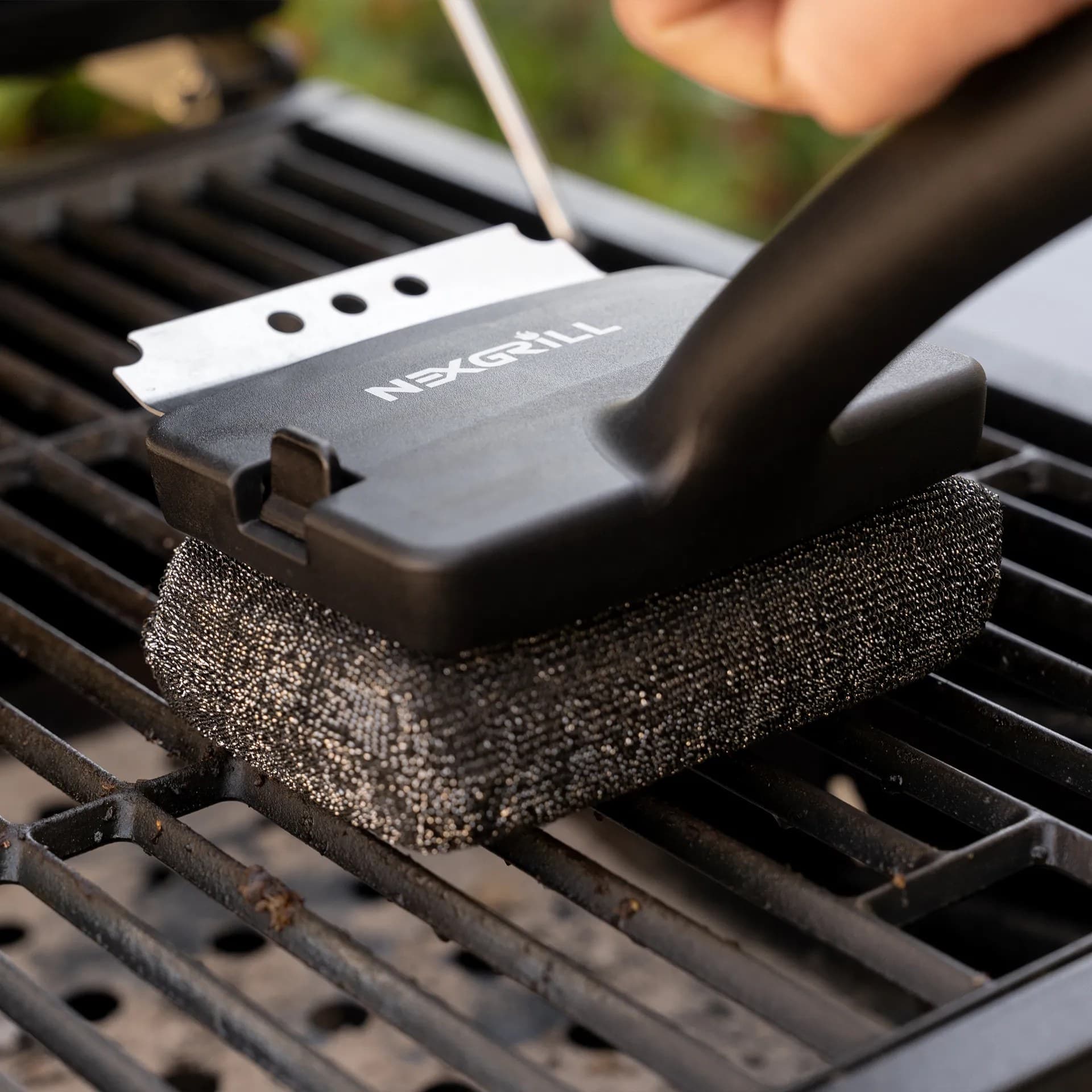
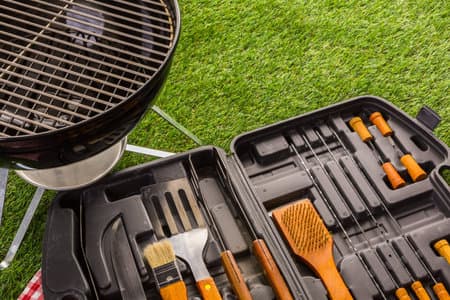
Helpful articles covering grilling tools, cookware, maintenance gear, and must-have accessories for outdoor cooking.
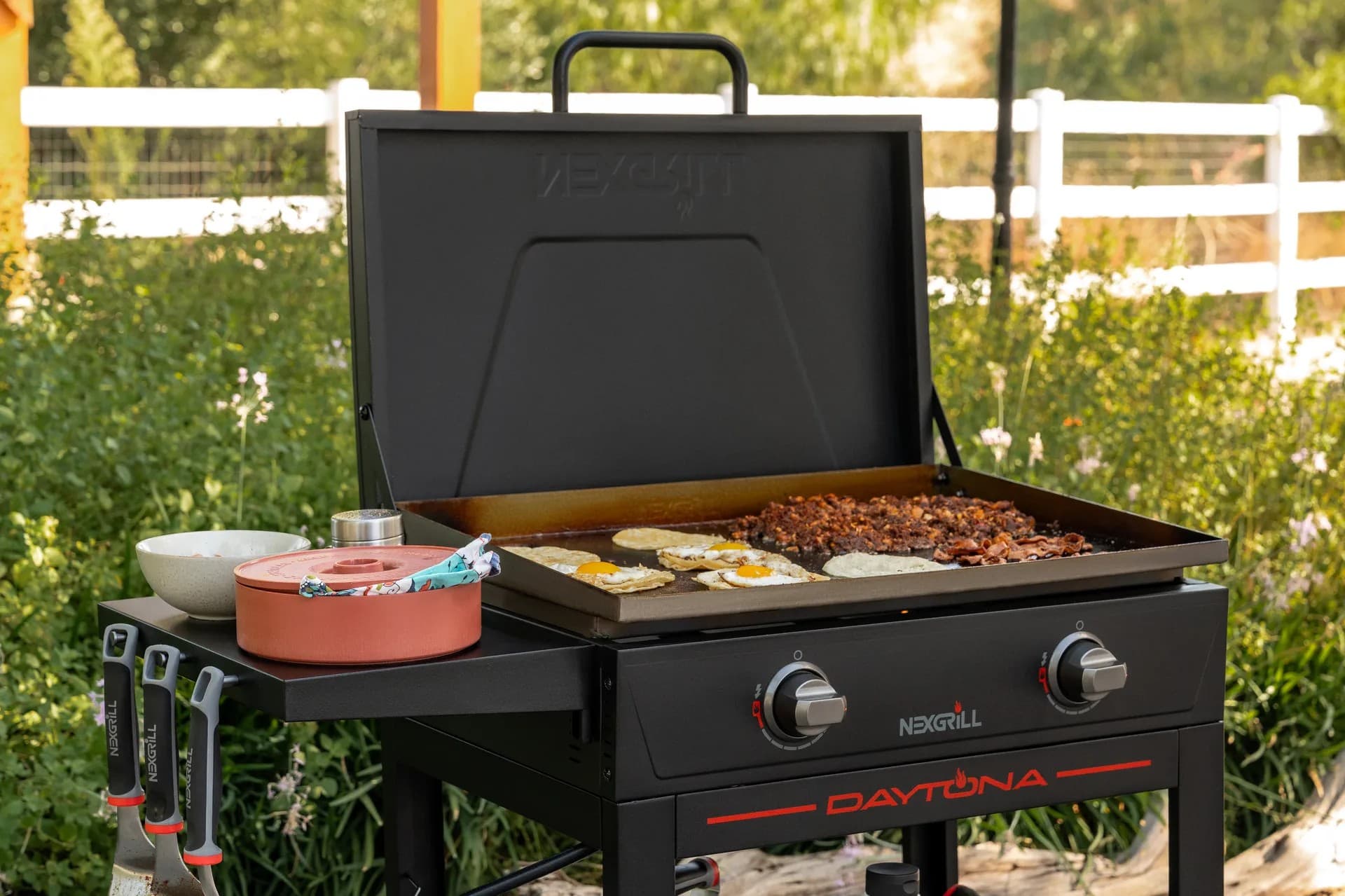
Find griddle recipes, cooking techniques, cleaning tips, and outdoor meal ideas designed for Nexgrill griddles.
Find answers to common questions
Gas grills provide instant heat and precise temperature control, making them easier to use. Charcoal grills offer a smoky flavor and high heat for searing but require more time to heat up and manage.
Pellet grills combine the convenience of gas with the flavor of wood, allowing for smoking, baking, and grilling. Traditional gas grills, however, are quicker to start and often easier to clean.
Charcoal grills typically reach higher temperatures quicker than gas grills, making them better for searing meat. However, high-quality gas grills can also provide adequate heat for effective searing.
Nexgrill offers models designed specifically for gas, charcoal, and pellets, allowing users to choose based on their cooking style and flavor preferences. Each type is built to optimize the characteristics of its respective fuel.
Choosing between gas and charcoal grills depends on your cooking preferences and lifestyle. If you value convenience and quick cooking, a gas grill may suit you better; if you prefer the taste and experience of traditional grilling, a charcoal grill would be ideal.
In This Article
Heat and Flavor
Versatility
Cost and Maintenance
When it comes to outdoor cooking, both pizza ovens and grills offer unique culinary experiences. Understanding the cooking techniques these appliances employ is crucial to choosing the right one for your needs. Pizza ovens use radiant heat to achieve high temperatures, allowing for rapid cooking and a crispy crust that is often sought after in traditional pizzas. Grills, on the other hand, provide direct heat, which is ideal for grilling a variety of foods, from meats to vegetables.
The choice between a pizza oven and a grill can depend on what you intend to cook most frequently. A pizza oven might be preferable if you're looking to replicate authentic Neapolitan pizzas at home. Conversely, a grill offers versatility, allowing you to switch between grilling, smoking, and even baking with the right accessories.
One of the key differences lies in heat distribution and control. Pizza ovens are designed to retain and evenly distribute heat, reaching temperatures as high as 900°F. This allows for quick cooking, typically taking only a few minutes to bake a pizza. Grills, depending on their type (gas, charcoal, or pellet), offer variable heat settings that can be adjusted easily, making them suitable for a range of cooking methods.
Tip: Use a grill thermometer to ensure the perfect cooking temperature, especially when smoking meats.
The cooking surface is another factor to consider. Pizza ovens typically have a stone or ceramic cooking surface, which absorbs moisture from the dough, creating a desirable crispness. Grills, with their grates, provide the iconic grill marks and allow fat to drip away from the food, enhancing flavor without excessive grease.
If you plan to entertain large groups, consider the capacity of each appliance. A larger grill can accommodate more food at once, making it perfect for gatherings. Pizza ovens may require cooking in batches but excel in speed, allowing for quick turnover of dishes.
The type of fuel used in pizza ovens and grills significantly affects the cooking process and flavor profile. Wood-fired pizza ovens impart a smoky flavor that is highly prized in gourmet pizzas. Grills can use charcoal, gas, or pellets, each offering distinct flavors. Charcoal grills provide a rich, smoky taste, while gas grills offer convenience and control without compromising too much on flavor.
| Feature | Pizza Oven | Grill |
|---|---|---|
| Cooking Temperature | Up to 900°F | 200°F to 600°F |
| Cooking Time | 2-5 minutes | Varies by food |
| Fuel Type | Wood, Gas | Charcoal, Gas, Pellet |
| Flavor | Smoky, Crisp | Varied (smoky, rich) |
The choice may also be influenced by your preference for fuel type and the flavors you wish to achieve. Both appliances offer unique advantages, making them valuable additions to any outdoor cooking setup. Try comparing two products side by side below to see which fits best:
When deciding between a pizza oven and a grill, cost and maintenance are important factors. Pizza ovens can be a significant investment, often requiring a dedicated space in your backyard. However, their build quality often justifies the cost, given their efficiency and the culinary experiences they offer. Grills, on the other hand, range widely in price, allowing you to choose one that fits your budget, from affordable charcoal models to high-end charcoal grills.
Maintenance for pizza ovens generally involves cleaning the stone surface and ensuring the chimney is clear of soot. Grills require a bit more upkeep, such as cleaning the grates, ensuring burners are free of debris, and checking for gas leaks in propane models. For a more detailed understanding, you might explore the pros and cons of gas grills.
Both pizza ovens and grills offer versatility, though in different ways. Pizza ovens excel in baking and can be used for breads and desserts, while grills are ideal for a wide variety of foods, including steaks, vegetables, and even pizza with the right accessories. Some grills come with additional features like side burners or smokers, expanding your cooking possibilities even further.
Tip: Use a pizza stone on your grill to bake pizzas with a crispy crust.
Space and aesthetics also play a role in the decision-making process. Pizza ovens can be a focal point in your outdoor kitchen, often adding an element of sophistication and charm. Grills, meanwhile, are more portable and can be easily moved or stored when not in use.
Consider the layout of your outdoor space and how each appliance will fit into your cooking area. A built-in pizza oven may require more planning and construction, while a grill can be more flexible, adapting to different outdoor settings.
Lastly, consider the environmental impact of each cooking method. Wood-fired pizza ovens and charcoal grills produce more smoke and emissions compared to gas grills. If sustainability is a priority, a gas grill may be the better choice as it burns cleaner and is more energy-efficient.
| Consideration | Pizza Oven | Grill |
|---|---|---|
| Initial Cost | Medium to High | Low to High |
| Maintenance | Low (stone cleaning) | Medium (grate cleaning) |
| Environmental Impact | Moderate | Low (gas) |
Once you've weighed two options against each other, here's what else matters: the environmental and aesthetic considerations, along with the alignment to your cooking needs and space availability, will help you decide which appliance will best enhance your outdoor cooking experience.
Here's what sets us apart
We position ourselves as delivering high-end outdoor cooking features and performance without premium-brand pricing, emphasizing “Quality Grills. Unbelievable Value.”
We offer gas grills, pellet grills, griddles, smokers, pizza ovens, portable/tabletop grills, electric grills, accessories, and replacement parts — allowing customers to stay within one ecosystem for all outdoor cooking needs.
We differentiate ourselves through smart grilling products like the Oakford smart pellet grill, including app-connected cooking controls and modern outdoor cooking technology.
Don't just take our word for it
Keep reading
From our catalog