Enhance Your Grilling Experience with Flavorful Marinades
Here's what sets us apart from the competition
We position ourselves as delivering high-end outdoor cooking features and performance without premium-brand pricing, emphasizing “Quality Grills. Unbelievable Value.”
We offer gas grills, pellet grills, griddles, smokers, pizza ovens, portable/tabletop grills, electric grills, accessories, and replacement parts — allowing customers to stay within one ecosystem for all outdoor cooking needs.
We differentiate ourselves through smart grilling products like the Oakford smart pellet grill, including app-connected cooking controls and modern outdoor cooking technology.
Expert tips, buying guides, comparisons, and inspiration for choosing and getting the most out of your grill.
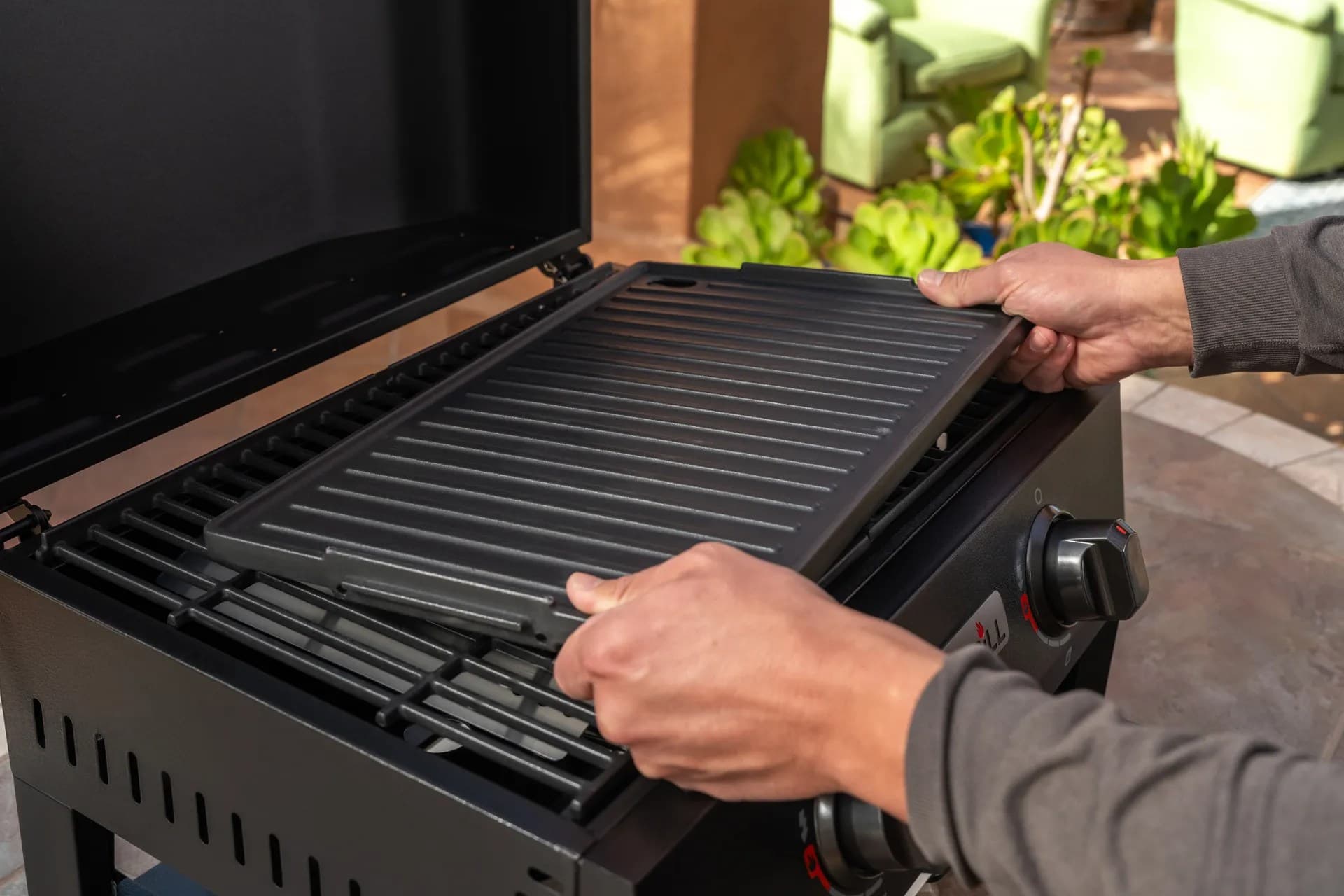
Practical guides for cleaning, maintenance, common grill issues, and performance optimization.
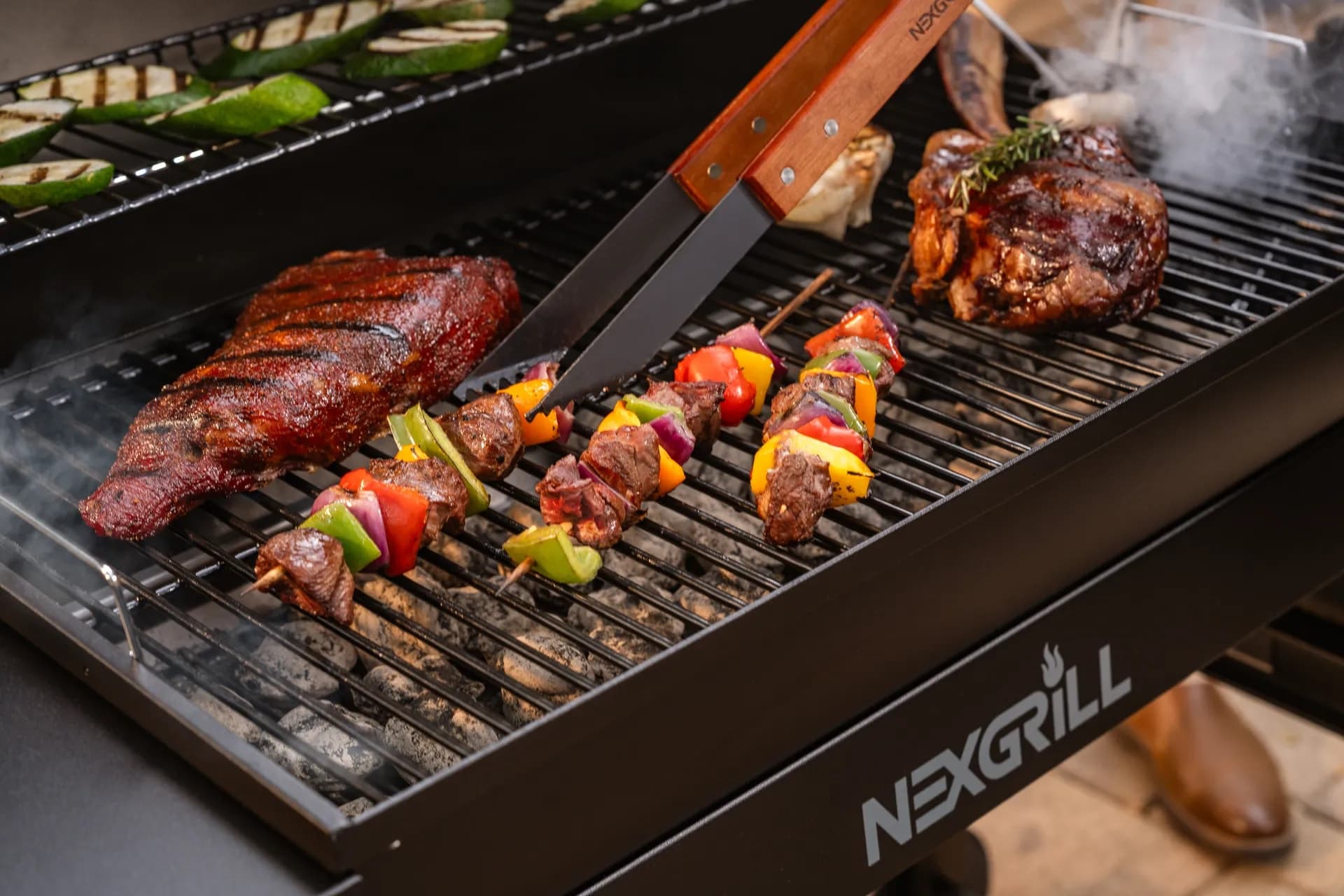
Step-by-step grilling recipes, cooking techniques, and meal ideas for every occasion and skill level.
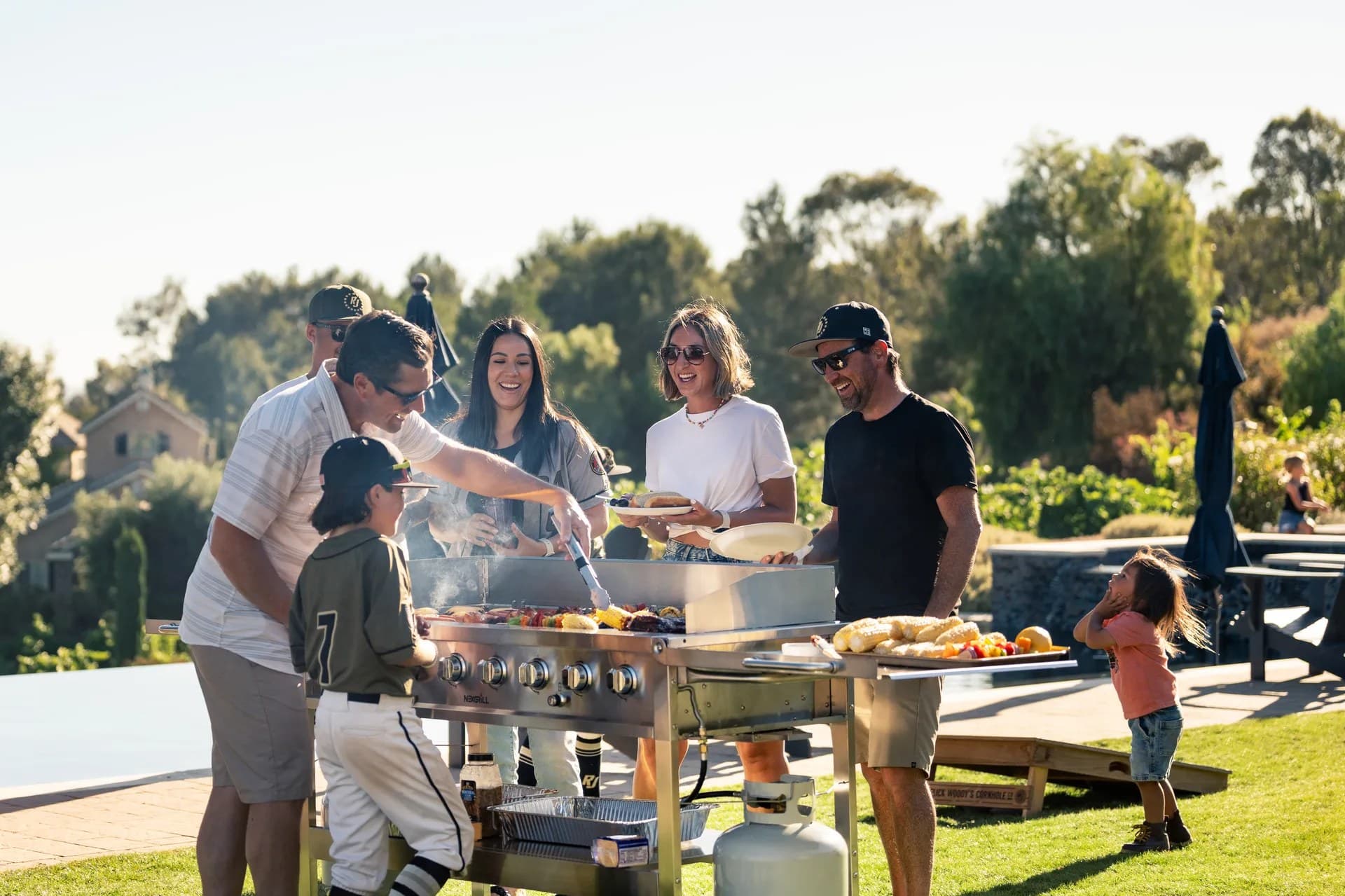
Backyard entertaining ideas, seasonal grilling inspiration, and stories that celebrate outdoor cooking culture.
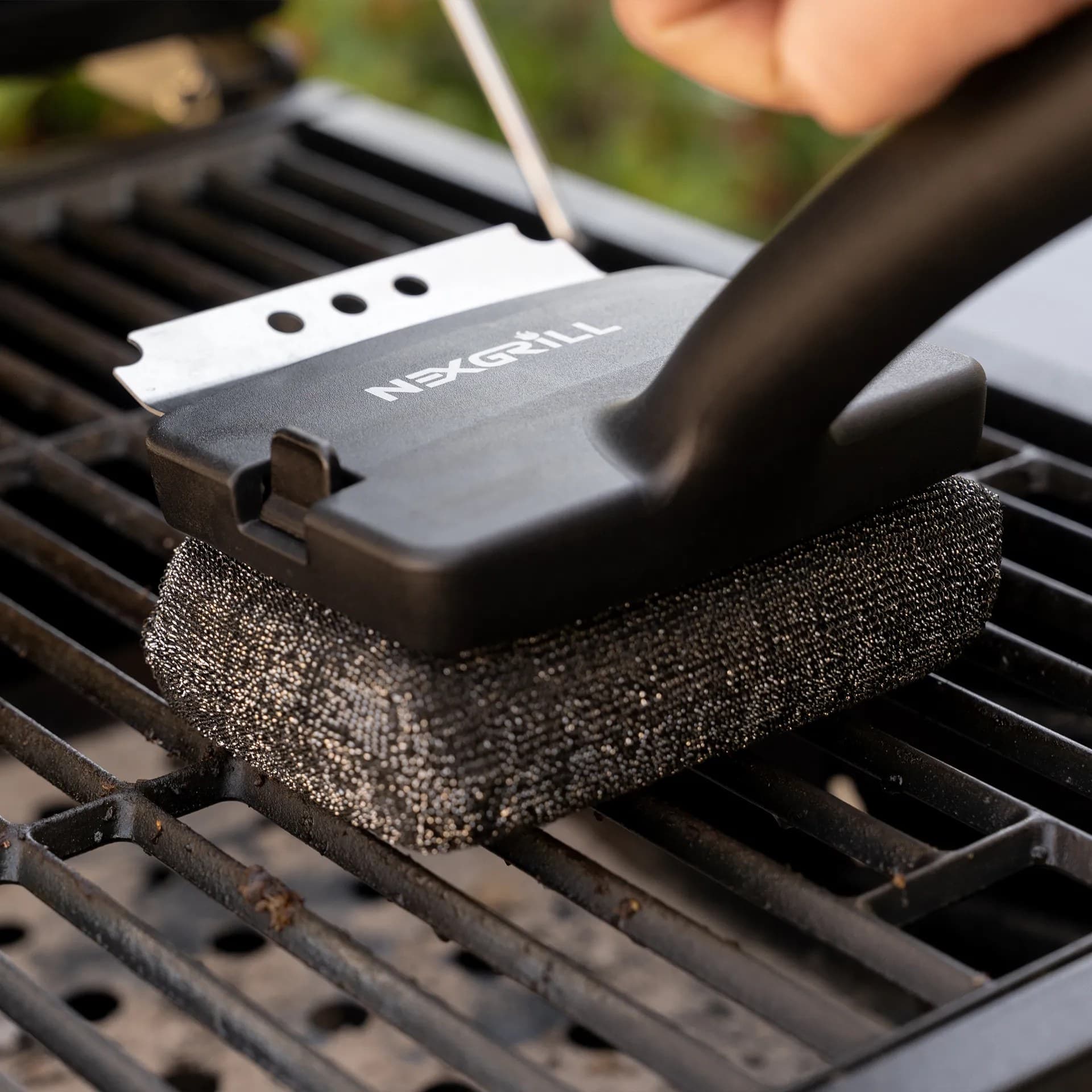
Helpful articles covering grilling tools, cookware, maintenance gear, and must-have accessories for outdoor cooking.
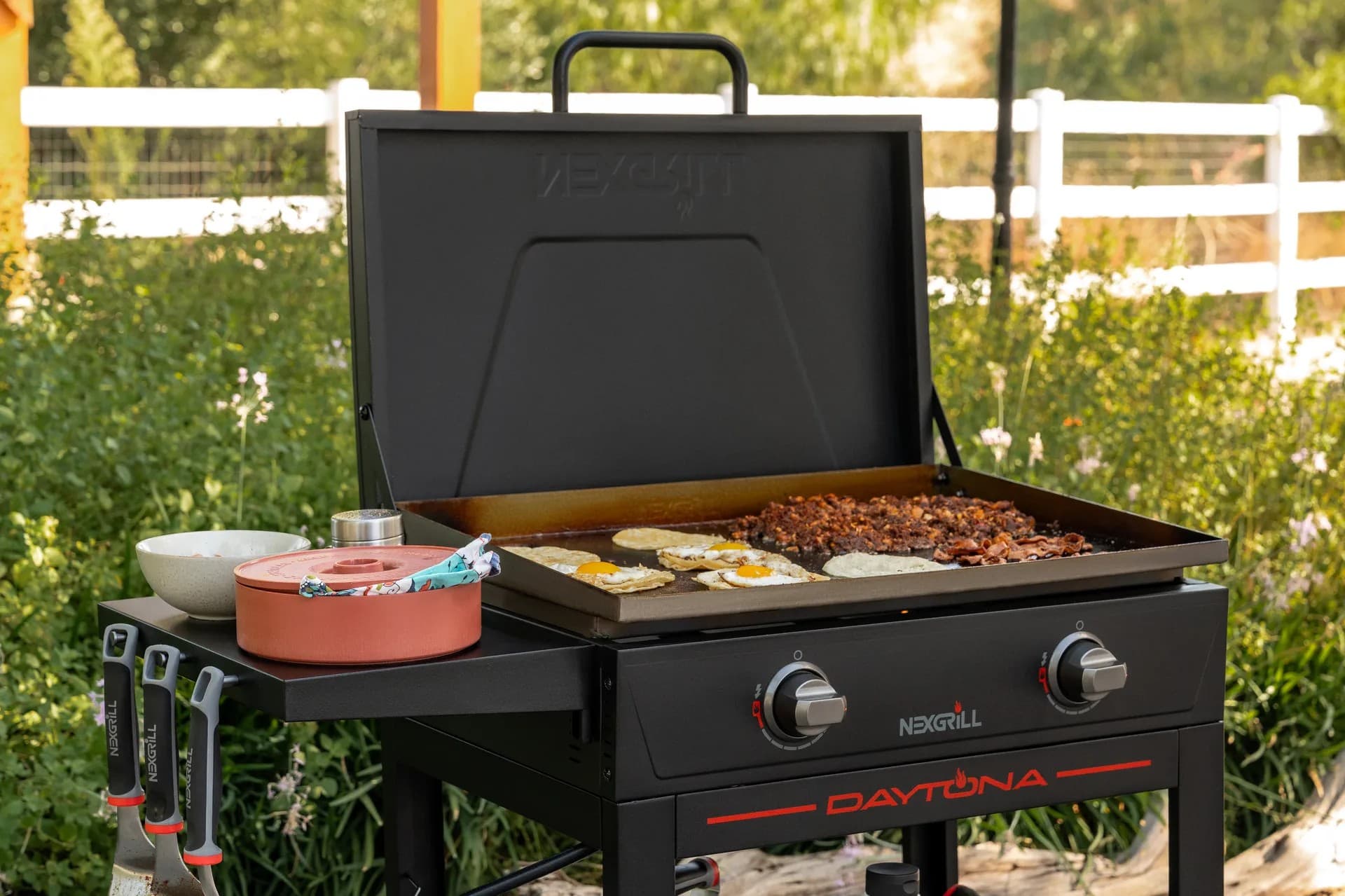
Find griddle recipes, cooking techniques, cleaning tips, and outdoor meal ideas designed for Nexgrill griddles.
Find answers to common questions
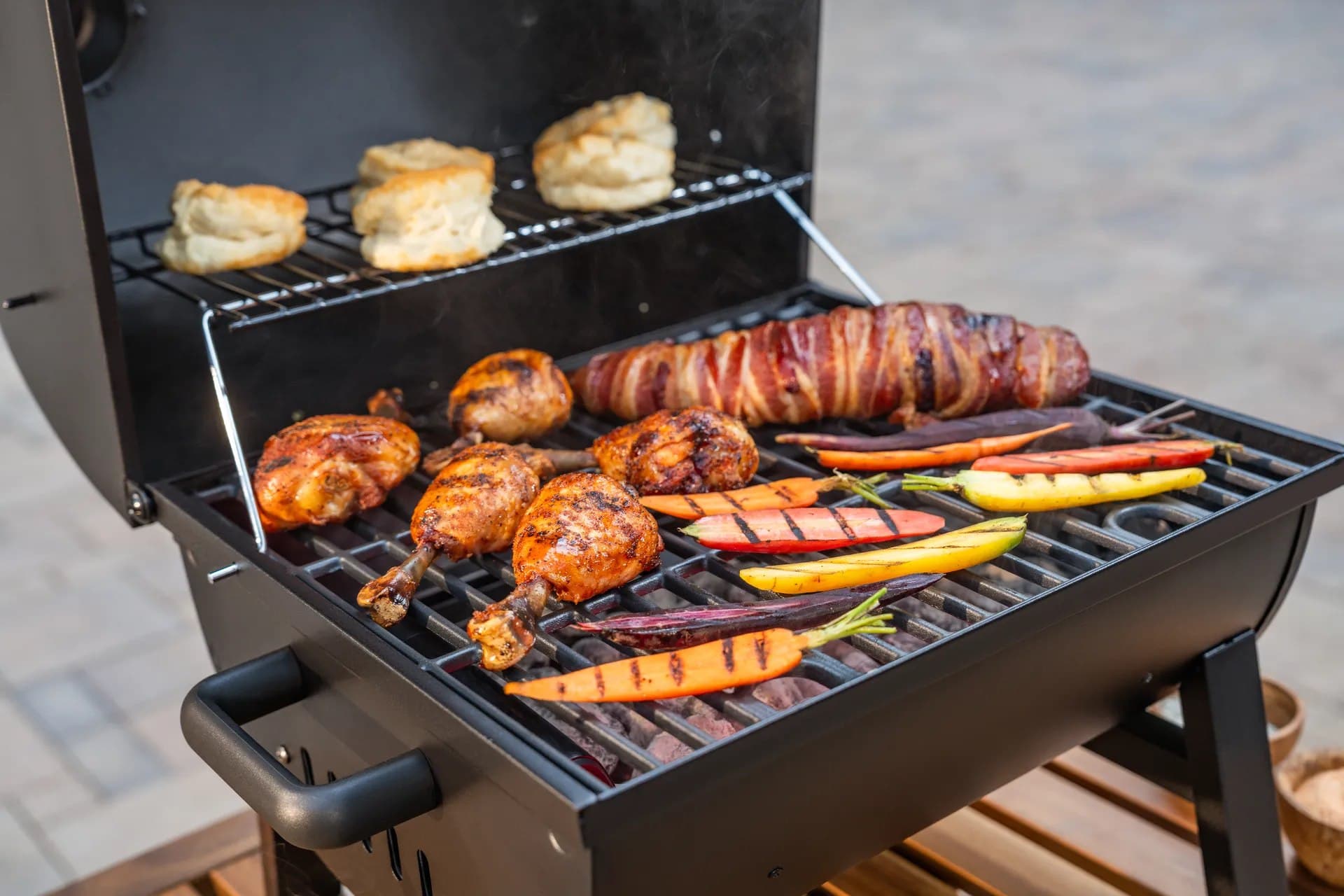
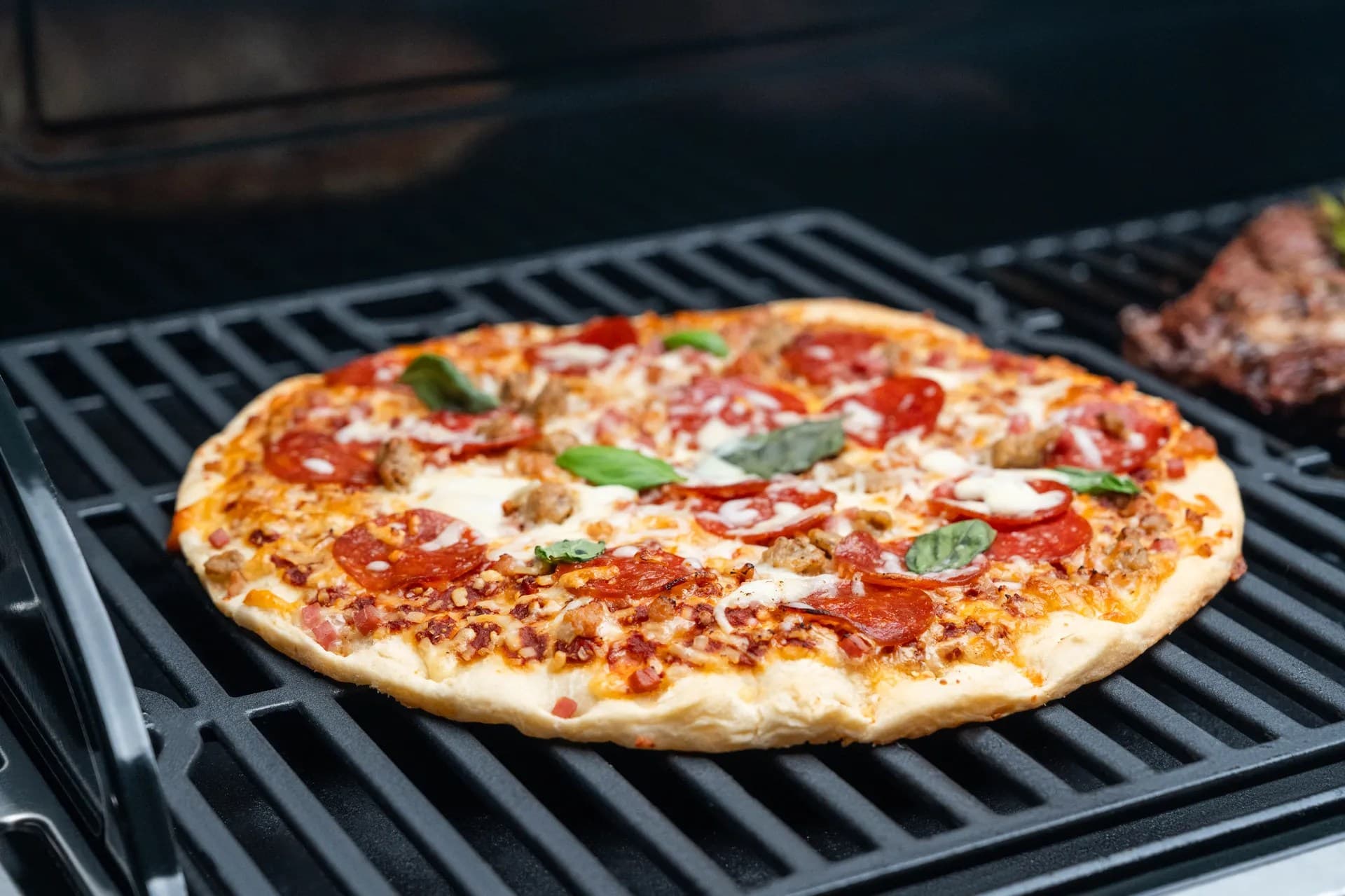
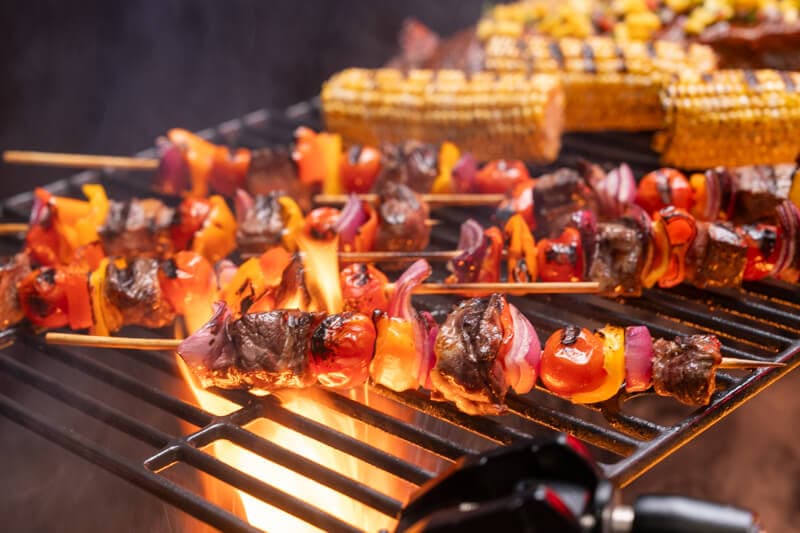
Nexgrill equipment is suitable for a variety of recipes including meats, vegetables, and even pizzas. Popular options include marinated steaks, grilled vegetables, and shrimp skewers.
To enhance the flavor of grilled vegetables, consider marinating them in olive oil, herbs, and spices before grilling. Alternatively, you can season them with salt and pepper during grilling for a more straightforward approach.
To achieve perfect grill marks, preheat your grill to a high temperature and ensure that the food is dry before placing it on the grill. Avoid moving the food too early, as it needs to sear properly to form those classic grill marks.
Using a meat thermometer is the most accurate way to ensure your grilled meat is at the desired temperature. For instance, chicken should reach an internal temperature of 165°F while medium-rare beef is typically at 135°F.
To clean your Nexgrill after cooking, allow it to cool and then use a grill brush to remove any residue from the grates. You can also wipe down the exterior with a damp cloth and mild soap to keep it looking its best.
In This Article
Citrus Herb Marinade
Spicy Chipotle Marinade
Sweet and Tangy Teriyaki Marinade
A good marinade does more than add flavor to grilled meats. It helps build a layered taste profile, supports browning on the grill, and can make tougher cuts feel more forgiving when cooked over live heat. The best marinade ideas for grilled meats are not just about what tastes good in the bowl; they are about how that flavor behaves once it hits a hot grate. A citrus marinade will brighten chicken or pork and lift heavier seasoning notes. A soy-based marinade can deepen savory flavor and give steaks or kebabs a glossy finish. A chile-forward blend can create bold contrast on rich meats like beef short ribs or lamb. When you approach marinating this way, you start to choose recipes based on the meat, the cooking method, and the mood of the meal rather than just grabbing whatever is already in the pantry.
For Nexgrill readers, this is especially useful because backyard grilling often means cooking for different preferences at the same table. Some guests want something bright and herby, others want heat, and others want sweet-savory flavor with a caramelized edge. Marinades help you bridge those tastes without making the menu complicated. A smart marinade also supports the wider grilling experience: it can help you prep earlier in the day, reduce last-minute stress, and give you more control once the meat is on the grill. Essential BBQ Grilling Tips for Beginners can enhance these efforts further.
Most marinades balance oil, acid, and seasoning for flavor and texture
This guide focuses on practical marinade ideas for grilled meats with enough detail to help both confident home grillers and newer cooks. You will find classic flavor combinations, safe handling advice, and clear timing guidance so you can plan a meal that tastes intentional rather than rushed. The goal is not to flood the meat with liquid. It is to use the right ingredients in the right proportions so each cut comes off the grill with flavor that feels balanced, not muddy or overpowering.
Marinades play three main roles in grilling: they season the surface, they can help tenderize certain cuts, and they support better browning through the sugars, acids, and aromatics in the mixture. Not every marinade accomplishes all three equally, and that is where many home cooks get tripped up. A very acidic marinade can make thin proteins taste sharp or even slightly cured if left too long. A heavily oily marinade can coat the meat beautifully but fail to deliver enough flavor penetration if it lacks salt or aromatics. A well-built marinade takes the cut and cooking style into account before the recipe even begins.
For grilling, the surface matters most. Marinades mainly affect the outer layer of the meat, which is exactly where the grill does its best work. That means the best recipes emphasize ingredients that bloom under heat: garlic, onion, black pepper, herbs, soy, ginger, chile, mustard, citrus zest, and mild sweeteners like honey or brown sugar. On the grill, these ingredients don’t just sit in the background. They interact with direct heat, smoke, and browning to form a more complete flavor experience. That is why a simple marinade can taste much bigger once the meat is seared.
The cut you choose also matters. Chicken thighs, pork chops, flank steak, skirt steak, and lamb chops all respond well to marinades because they benefit from bold seasoning and often cook relatively quickly. Leaner cuts like chicken breast or pork tenderloin can also benefit, but they need a gentler hand and shorter marinating time. On the other hand, cuts already rich in fat and flavor do not need an aggressive tenderizing approach; they need a marinade that complements them without masking them.
Think of marinades as flavor architecture. The right recipe supports the meat instead of covering it up.
Most strong marinades are built from a few functional parts. Oil carries fat-soluble flavors and helps the meat brown more evenly. Acid, such as lemon juice, vinegar, yogurt, or pineapple juice, adds brightness and can soften the texture of some proteins if used carefully. Salt is essential because it seasons the meat and helps the flavor taste present all the way through. Aromatics like garlic, ginger, scallions, shallots, pepper, herbs, and spices create the signature flavor. A touch of sweetness can help the marinade caramelize on the grill and balance acid or heat.
A practical marinade formula for grilled meats often starts with about three parts oil to one part acid, then adds salt, aromatics, and any sweet or spicy elements. That ratio is not a law, but it is a dependable starting point. Citrus herb blends often lean lighter and brighter, while soy-based marinades may use less oil because soy sauce contributes both salt and body. Chile-based blends can include more spices and less acidity so the heat reads as smoky and savory instead of sour. The formula should fit the meat: chicken welcomes herbs and citrus; beef can handle more assertive umami and smoke; pork sits comfortably between sweet, salty, and tangy profiles.
| Component | Why it matters | Good examples |
|---|---|---|
| Oil | Carries flavor and supports browning | Olive oil, avocado oil |
| Acid | Adds brightness and can gently tenderize | Lemon juice, vinegar, yogurt |
| Salt | Improves seasoning and depth | Soy sauce, kosher salt, miso |
| Aromatics | Provide the main flavor identity | Garlic, ginger, onion, herbs |
| Sweetener | Balances acidity and aids caramelization | Honey, brown sugar, maple syrup |
Food safety should shape your marinating workflow from the beginning. Raw meat and the marinade that touches it both need careful handling because the same liquid that adds flavor can also carry bacteria if it is reused carelessly. Always marinate meat in the refrigerator, not on the counter, and use a nonreactive container such as glass, stainless steel, or a food-safe zip-top bag. If you are planning a longer soak, keep the meat fully chilled the entire time and place it on a tray in case of leaks. This is especially important when prepping multiple proteins for a cookout because cross-contact can happen quickly in a busy kitchen.
If you want to brush marinade onto the meat while it cooks, reserve a separate portion before the raw meat goes in. Never use the same bowl or brush that held raw marinade unless it has been boiled first. That is one of the easiest ways to avoid contamination without making the process more complicated. It also helps to label your containers when you are preparing several recipes at once. A citrus marinade for chicken, a soy-ginger marinade for beef, and a herb-heavy marinade for pork can look surprisingly similar after a few hours in the fridge.
If a marinade touched raw meat, treat it as unsafe until it has been boiled vigorously for at least a few minutes or discarded.
The best classic marinades earn their place because they are versatile, reliable, and easy to adapt. These are not complicated restaurant-style formulas. They are backyard-friendly blends that work well with common grilled meats and can be scaled up for family dinners or weekend gatherings.
This marinade is ideal for chicken, turkey cutlets, pork tenderloin, or even bone-in chicken pieces. Combine olive oil, lemon juice, orange zest, minced garlic, chopped parsley, thyme, black pepper, and a pinch of kosher salt. The orange adds a little roundness so the lemon does not dominate, while thyme and parsley keep the profile fresh and clean. This recipe works especially well for warmer-weather grilling because it tastes bright without being heavy.
Chipotle, garlic, cumin, lime juice, oil, and a touch of honey create a smoky, bold marinade for beef, chicken thighs, or pork ribs. The chipotle brings heat and smoke, while lime prevents the flavor from feeling flat. If you want a deeper red color and a more savory finish, add a small spoonful of tomato paste. This is the kind of marinade that holds its own against char and pairs well with grilled onions or peppers.
A good teriyaki-style marinade combines soy sauce, brown sugar, ginger, garlic, rice vinegar, and sesame oil. For grilled meats, this works beautifully on chicken thighs, flank steak, skirt steak, and pork chops. It creates a glossy finish and a savory-sweet balance that most guests immediately recognize. If you want more complexity, add grated pear or a small amount of pineapple juice. Keep the sugar moderate so the surface caramelizes rather than burns.
For the best results, coat the meat evenly and give the marinade time to do its work without overstaying its welcome. A thin cut needs less time than a thick roast or a dense steak. Before grilling, let excess marinade drip off so the meat sears instead of steaming. If the recipe contains a lot of sugar, pat the surface lightly with paper towels to reduce flare-ups. That does not mean wiping the marinade away; it simply helps the grill do what it does best.
Piercing meat aggressively is usually unnecessary and can actually lead to moisture loss. Instead, use a bag or shallow dish and turn the meat once or twice so the marinade stays in contact with the surface. For poultry, marinating in a resealable bag often gives the best coverage with the least waste. For larger cuts, a shallow glass dish is easier to manage if you want to inspect the meat during the process. As a practical rule, the marinade should make the meat taste seasoned, not soaked.
| Meat | Typical marinating time | Best approach |
|---|---|---|
| Chicken pieces | 2 to 8 hours | Bright, moderate-acid marinades |
| Chicken breast | 30 minutes to 4 hours | Gentle seasoning, avoid overly acidic blends |
| Pork chops or tenderloin | 1 to 6 hours | Sweet-tangy or herb-forward blends |
| Flank or skirt steak | 30 minutes to 4 hours | Soy, citrus, chile, or garlic-based marinades |
| Lamb chops | 2 to 8 hours | Herbs, garlic, lemon, and mustard |
One common mistake is assuming a longer soak always means better flavor. In reality, too much time in an aggressive acidic marinade can make the texture mushy or chalky, especially on lean meats. Another mistake is forgetting to season the marinade itself. If the mixture tastes flat before it touches the meat, it will usually taste flat afterward too. A third mistake is using too much liquid. Meat does not need to swim to become flavorful; it needs a balanced coating and enough contact time for the surface to absorb seasoning.
Many cooks also forget to think ahead to the grill. A sugar-heavy marinade can burn if the grates are too hot, while a watery marinade may never develop the browning you want. For best results, move the meat to a moderately hot grill, let the first side sear, then turn only when the surface naturally releases. That timing helps preserve the marinade’s flavor while improving color and texture. Keep your goals simple: better seasoning, better browning, and a cleaner cooking process.
The strongest marinade ideas for grilled meats are the ones that fit both the cut and the occasion. A citrus herb blend can make a weeknight chicken dinner feel fresh and lively. A chipotle marinade can turn a simple steak or pork chop into something smoky and memorable. A teriyaki-style marinade can bring crowd-pleasing sweetness and savory depth to almost any grill night. Once you understand how marinades work, you can build better flavor with less guesswork and more confidence.
If you are planning a mixed grill menu, marinate proteins separately, use safe handling practices, and choose flavor profiles that complement the rest of the meal. That is the easiest way to make your grilling more consistent and more enjoyable. Try comparing two products side by side below to see which fits best:
Once you have the classic flavor profiles down, you can start using marinades as a more precise grilling tool. Advanced marinades are not necessarily harder; they are just more intentional. They usually focus on balance, layering, and how the ingredients behave under heat. That means thinking beyond simple acid-and-oil combinations and considering salt content, aromatic depth, and the natural sweetness or bitterness of the meat itself. In practice, this is where grilled meals start to feel more restaurant-like without becoming complicated.
A more advanced approach also means matching the marinade to the final texture you want. For example, a short marination with bright herbs can keep chicken tasting fresh and clean, while a soy-ginger blend can give beef a deeper savory edge that stands up to char. The real difference is not the number of ingredients. It is how purposefully each ingredient is chosen. If you are using a marinade with a strong flavor backbone, you can often keep the ingredient list shorter and still get a distinctive result. That is often a better strategy than adding too many competing elements.
This version works especially well for lamb, chicken thighs, and pork tenderloin. Blend olive oil, lemon juice, minced garlic, oregano, rosemary, a little Dijon mustard, black pepper, and salt. The mustard helps emulsify the marinade and gives it a subtle tang that clings to the meat. Rosemary is powerful, so use it thoughtfully. The goal is to create a savory herbal profile that tastes bright rather than resinous. This marinade is a strong option when you want grilled meat to feel rustic, clean, and aromatic.
This marinade is a smart fit for flank steak, skirt steak, chicken thighs, and pork chops. Combine soy sauce, grated ginger, garlic, rice vinegar, sesame oil, brown sugar, and a small splash of mirin or orange juice. The ginger keeps the flavor lively, while the soy sauce provides salt and umami. Brown sugar helps the exterior caramelize, but it should stay in the background rather than dominate. If you want a little heat, add a pinch of red pepper flakes or a spoonful of chili paste. This marinade is especially effective when you want bold flavor with a glossy finish. This marinade is especially effective when you want bold flavor with a glossy finish.
This recipe is ideal for beef, pork, chicken thighs, or even mushrooms if you are building a mixed grill. Use olive oil, smoked paprika, fresh garlic, onion powder, black pepper, apple cider vinegar, and a touch of honey. Smoked paprika gives the marinade a deep color and a rounded smoky flavor that feels right at home beside char marks. Apple cider vinegar keeps the flavor from feeling heavy and helps the marinade read as lively rather than flat. If you want a more robust version, add a spoonful of tomato paste for body.
Fresh herbs and spices do a lot of the heavy lifting in a marinade, especially when the ingredient list is short. Parsley, cilantro, basil, thyme, rosemary, oregano, dill, mint, coriander, cumin, and black pepper each bring different personalities to the grill. Fresh herbs work best when they are chopped finely or blended into the marinade so their oils are released. Whole leaves tend to sit on the surface without contributing enough flavor. Spices, on the other hand, should be chosen with restraint so they support the meat rather than overwhelm it.
For grilled meats, a useful rule is to decide whether you want the herb to read as fresh, woody, earthy, or bright. Parsley and cilantro lean fresh and lively. Rosemary and thyme feel more savory and woodsy. Oregano and marjoram bring a Mediterranean warmth. Cumin and coriander add earthiness. Once you know the role of each ingredient, you can build a marinade that feels deliberate. That skill matters even more when cooking over a hot grill because heat intensifies both the strengths and the mistakes in the seasoning.
Use fresh herbs to define the top note of a marinade, then let salt, acid, and oil support the rest of the flavor.
A marinade becomes memorable when its flavor balance is right. Sweetness softens sharp edges and helps browning. Sour notes wake up the palate and keep richer meats from tasting dull. Salt anchors the whole mixture and makes the flavor stick. Umami gives the marinade depth, which is why ingredients like soy sauce, miso, Worcestershire sauce, tomato paste, and fish sauce show up in so many successful recipes. None of these elements should dominate on their own unless you intentionally want a bold, specialized profile.
If a marinade tastes too sharp, add sweetness or fat. If it tastes too sweet, add acid, salt, or more herbs. If it tastes flat, it probably needs salt or umami rather than another splash of oil. This is one of the most useful skills for home grilling because it keeps you from overcomplicating the recipe. With a little practice, you can adjust a marinade like a sauce: taste, balance, and retest until it makes sense before it touches the meat.
The method you use to marinate matters almost as much as the recipe itself. A shallow dish is convenient for steaks or pork chops because it lets you flip the meat and see the coverage. A resealable bag is efficient for chicken pieces or smaller cuts because it minimizes wasted marinade and helps the liquid contact the entire surface. For large batches, a covered food-safe container can keep multiple portions organized without crowding the refrigerator. Whatever you use, the key is even contact and cold storage.
Some grillers also use tools to deepen flavor or speed up the process. A marinade injector is one option for larger cuts when you want the seasoning inside the meat rather than just on the surface. A vacuum-sealed bag can also improve contact by removing air and helping the marinade wrap tightly around the protein. Those tools are not necessary for everyday cooking, but they can be helpful when you want more control over timing or flavor intensity.
Vacuum-sealed bags can help marinades cling closely to the meat and can be especially handy for bulky cuts or tightly scheduled meal prep. Because the air is removed, the marinade sits in direct contact with the surface more consistently. This can be useful for chicken thighs, pork tenderloin, or smaller steak portions. You still need to refrigerate the bag and avoid overly acidic formulas that may become harsh if left too long. The tool improves contact, not safety or flavor judgment.
An injector is useful when you want flavor inside thicker meats such as whole chickens, pork roasts, or large beef cuts. It works best with thin, smooth marinades that can pass through the needle without clogging. Strain out coarse herbs or garlic pieces before filling the injector. Inject in several spots and distribute the liquid evenly so the interior flavor does not pool in one area. This technique can be especially helpful for family gatherings where you want each slice to taste seasoned all the way through.
Marinades are not just for meats. They can also add character to vegetables and seafood, which makes them especially useful when you are building a mixed grill menu. Vegetables generally need less time than meats because they absorb flavor quickly and can become soft if left too long. Seafood is even more delicate. Shrimp, salmon, and firm white fish benefit from short marinating windows and lighter seasoning. A lemon-garlic oil blend, a herb vinaigrette, or a mild soy-ginger mixture can work well here, but the timing matters a great deal.
For vegetables such as zucchini, mushrooms, bell peppers, or eggplant, a marinade with oil, acid, garlic, herbs, and a little salt can improve both taste and browning. The key is to let excess marinade drain before grilling so the vegetables char rather than steam. Seafood should be patted dry more carefully because surface moisture can interfere with searing. When done well, a mixed platter of marinated vegetables and meats can make the grill feel more varied and generous without demanding a separate cooking system.
Cross-contamination risk increases when you are working with multiple proteins, especially in a busy prep area. Use one cutting board for raw meat and a separate one for vegetables or ready-to-eat ingredients. Wash hands, knives, and counters thoroughly after handling raw protein. If you are preparing marinade in advance, portion out what you need for basting before adding raw meat. This small habit reduces risk without slowing you down. It also keeps your final sauce cleaner and more flexible if you want to finish the dish with a fresh glaze.
Never reuse raw marinade directly as a serving sauce. Reserve a clean portion first, or boil the marinade before using it later.
If you want to store leftover marinade that never touched raw meat, keep it in a sealed container in the refrigerator and use it within a short window so the flavors stay fresh. If the marinade did touch raw protein, it should not be used as-is. You can save it only if you bring it to a full boil and maintain that heat long enough to make it safe for later use, and even then it is often best reserved as a glaze rather than a table sauce. When in doubt, discard it. The cost of a fresh batch is much lower than the risk of an avoidable contamination issue.
For planning purposes, it can help to mix marinades in small batches instead of making a large container and hoping it fits every protein on the menu. Smaller batches keep flavors clearer and reduce waste. They also let you customize for different guests: one mild herb marinade for chicken, one bolder soy-ginger blend for beef, and one smoky paprika mix for pork. That flexibility makes backyard grilling feel more thoughtful without adding a lot of extra work.
The real secret to great marinade ideas for grilled meats is understanding that flavor, timing, and technique all work together. When you balance acid, salt, fat, sweetness, and aromatics, you create marinades that taste deliberate on the plate and on the grill. When you respect safe handling, choose the right marinating window, and use the right tools, you protect both flavor and food quality. And when you move beyond one-size-fits-all recipes, you start building marinades that match the meat, the meal, and the moment.
Whether you are preparing a citrus herb chicken dinner, a spicy chipotle steak night, or a sweet-savory teriyaki cookout, a little planning goes a long way. Try comparing two products side by side below to see which fits best:
Here's what sets us apart
We position ourselves as delivering high-end outdoor cooking features and performance without premium-brand pricing, emphasizing “Quality Grills. Unbelievable Value.”
We offer gas grills, pellet grills, griddles, smokers, pizza ovens, portable/tabletop grills, electric grills, accessories, and replacement parts — allowing customers to stay within one ecosystem for all outdoor cooking needs.
We differentiate ourselves through smart grilling products like the Oakford smart pellet grill, including app-connected cooking controls and modern outdoor cooking technology.
Don't just take our word for it
Keep reading
From our catalog