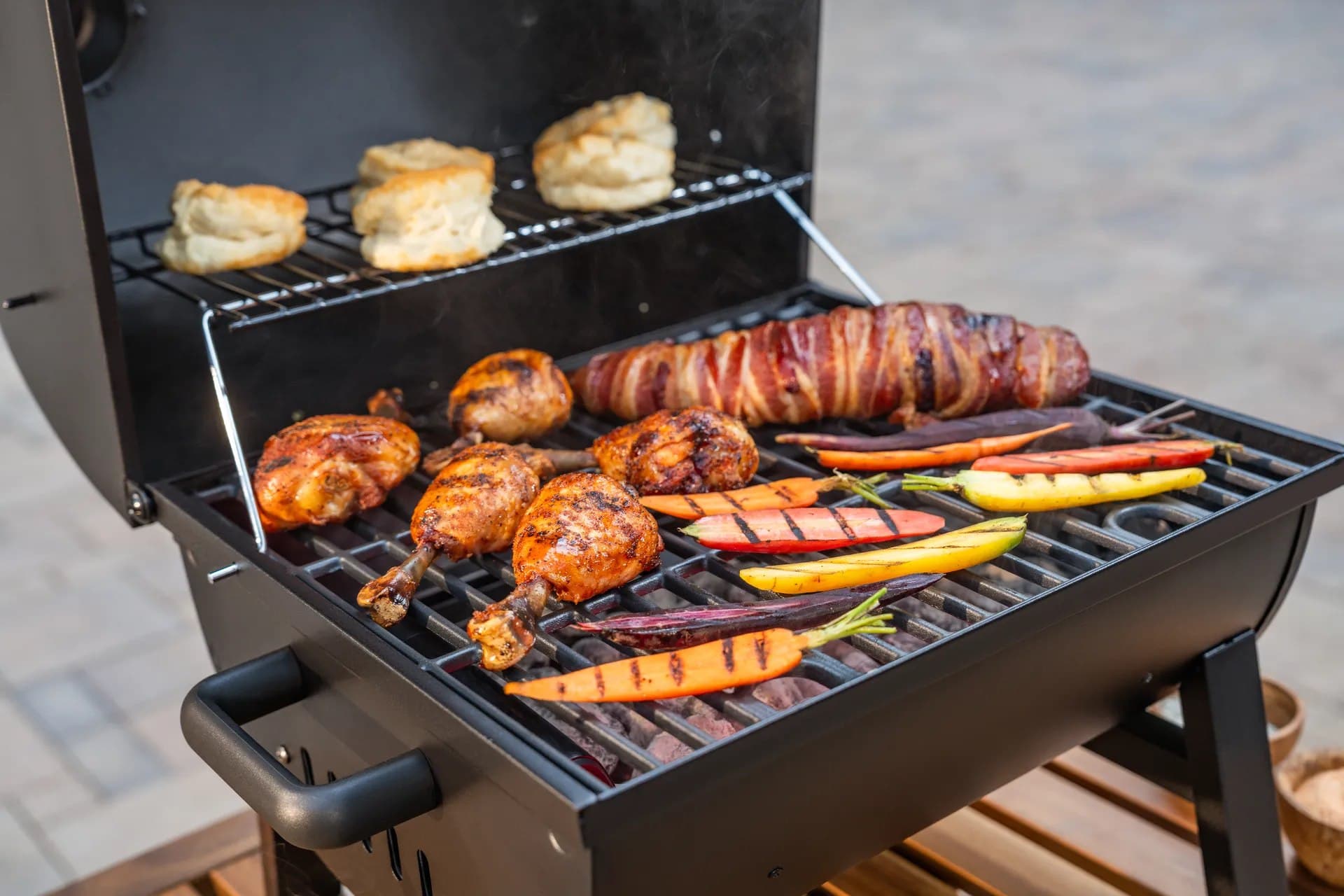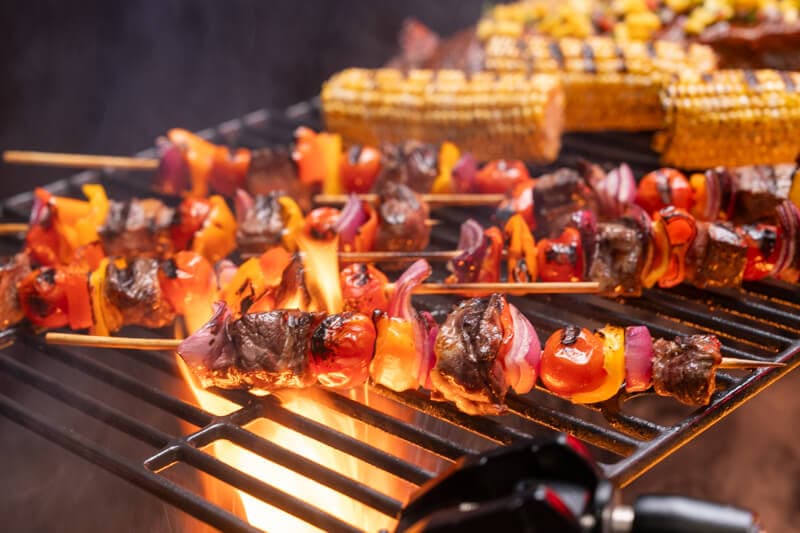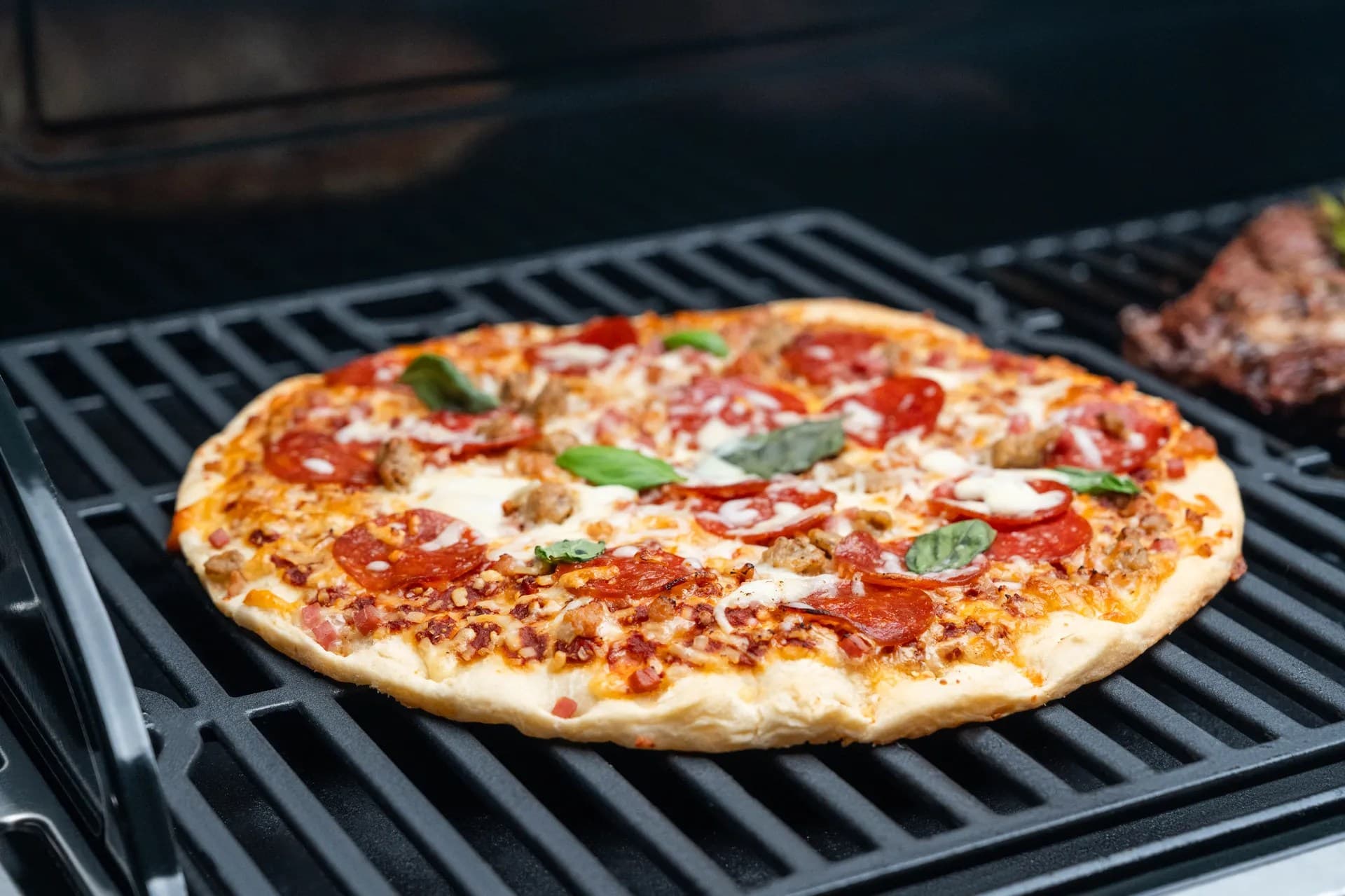
Discover a variety of make-ahead dishes to simplify your next barbecue and impress your guests.
Here's what sets us apart from the competition
We position ourselves as delivering high-end outdoor cooking features and performance without premium-brand pricing, emphasizing “Quality Grills. Unbelievable Value.”
We offer gas grills, pellet grills, griddles, smokers, pizza ovens, portable/tabletop grills, electric grills, accessories, and replacement parts — allowing customers to stay within one ecosystem for all outdoor cooking needs.
We differentiate ourselves through smart grilling products like the Oakford smart pellet grill, including app-connected cooking controls and modern outdoor cooking technology.
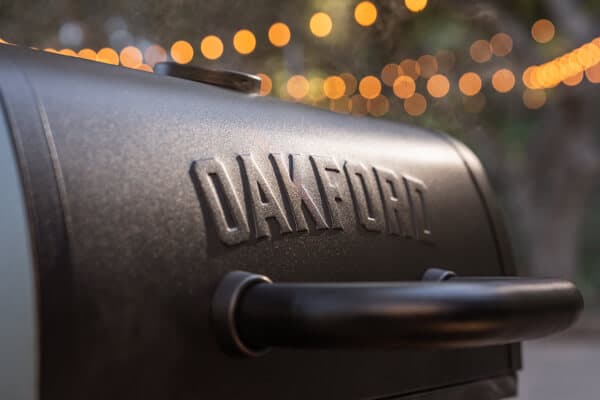
Expert tips, buying guides, comparisons, and inspiration for choosing and getting the most out of your grill.
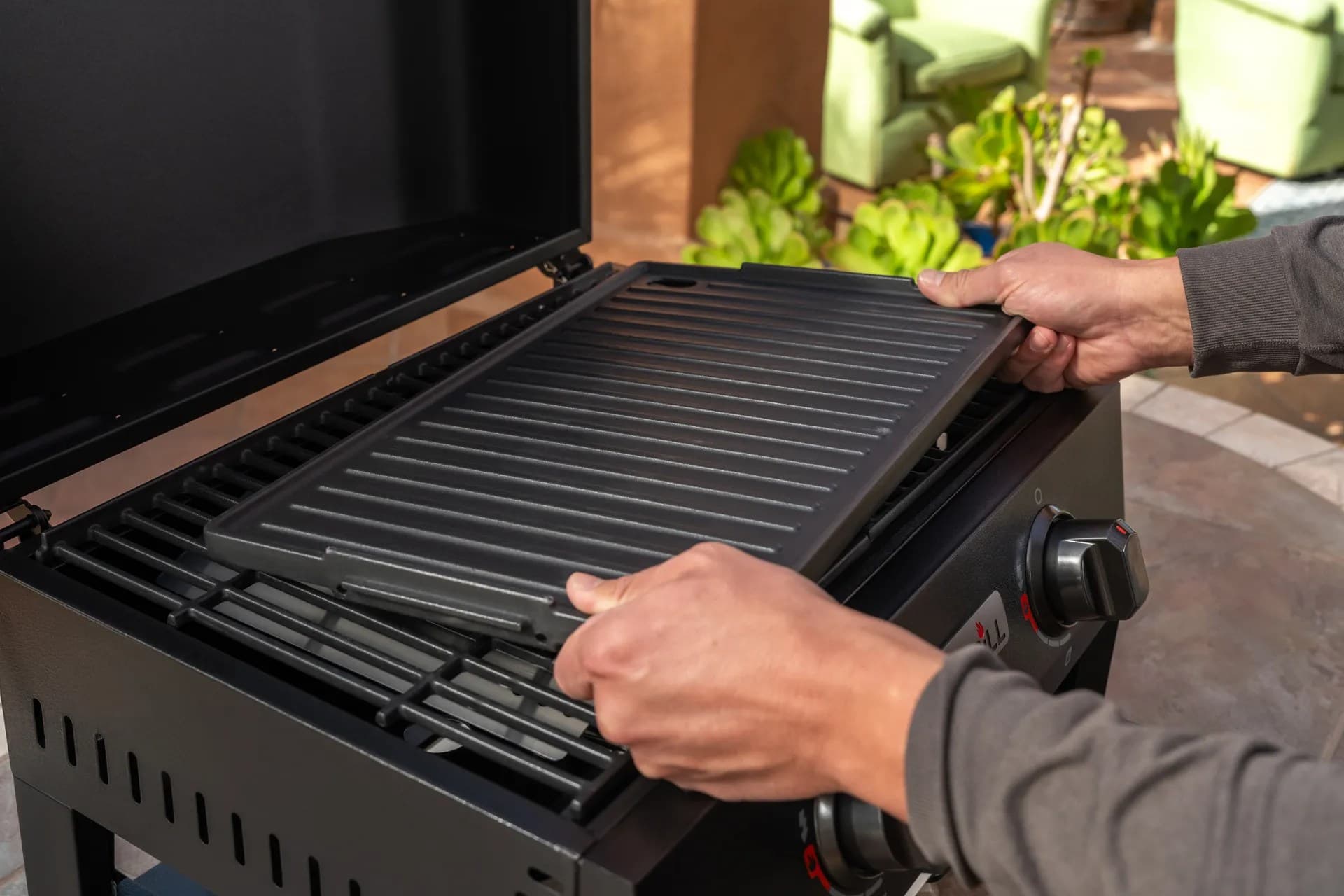
Practical guides for cleaning, maintenance, common grill issues, and performance optimization.
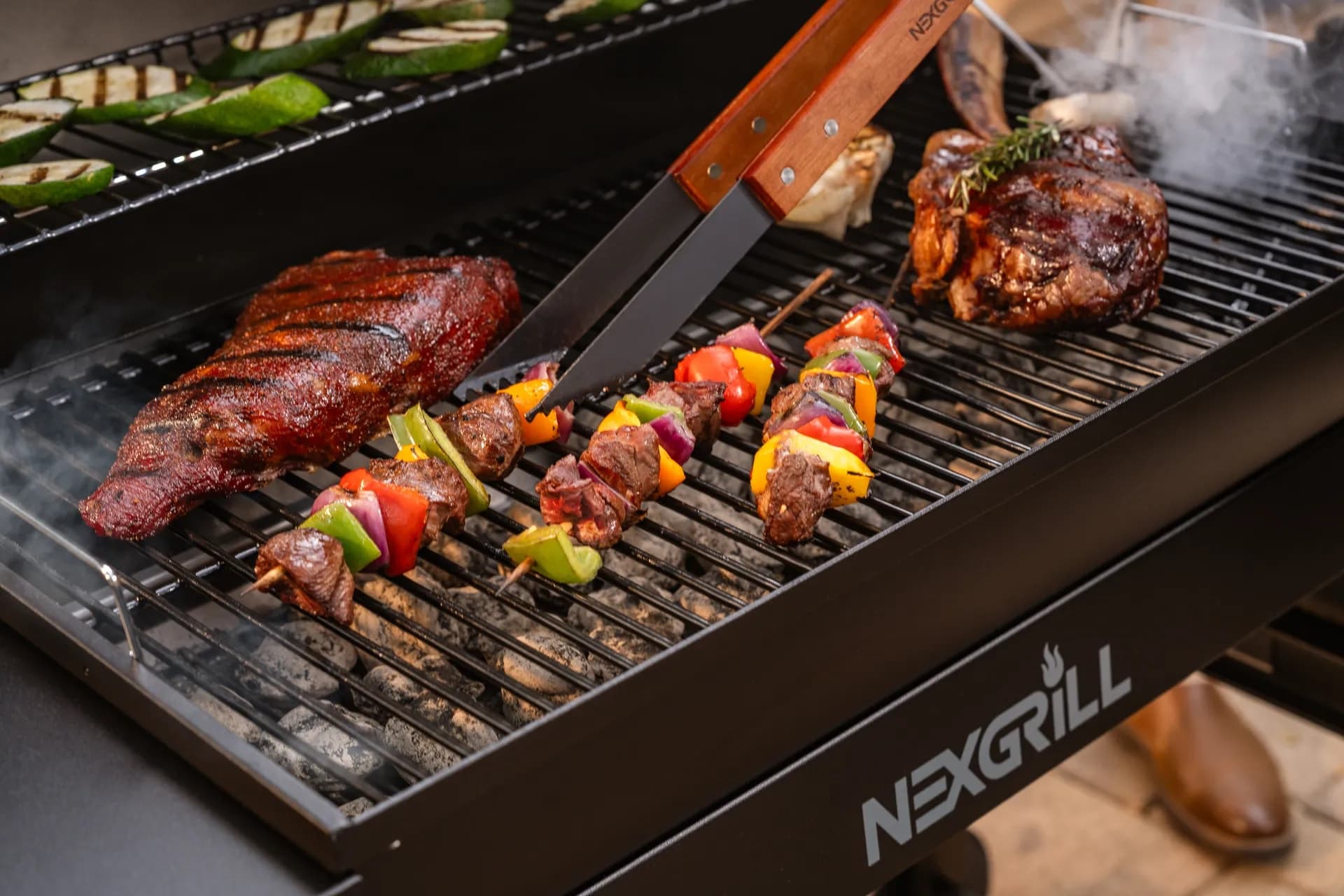
Step-by-step grilling recipes, cooking techniques, and meal ideas for every occasion and skill level.
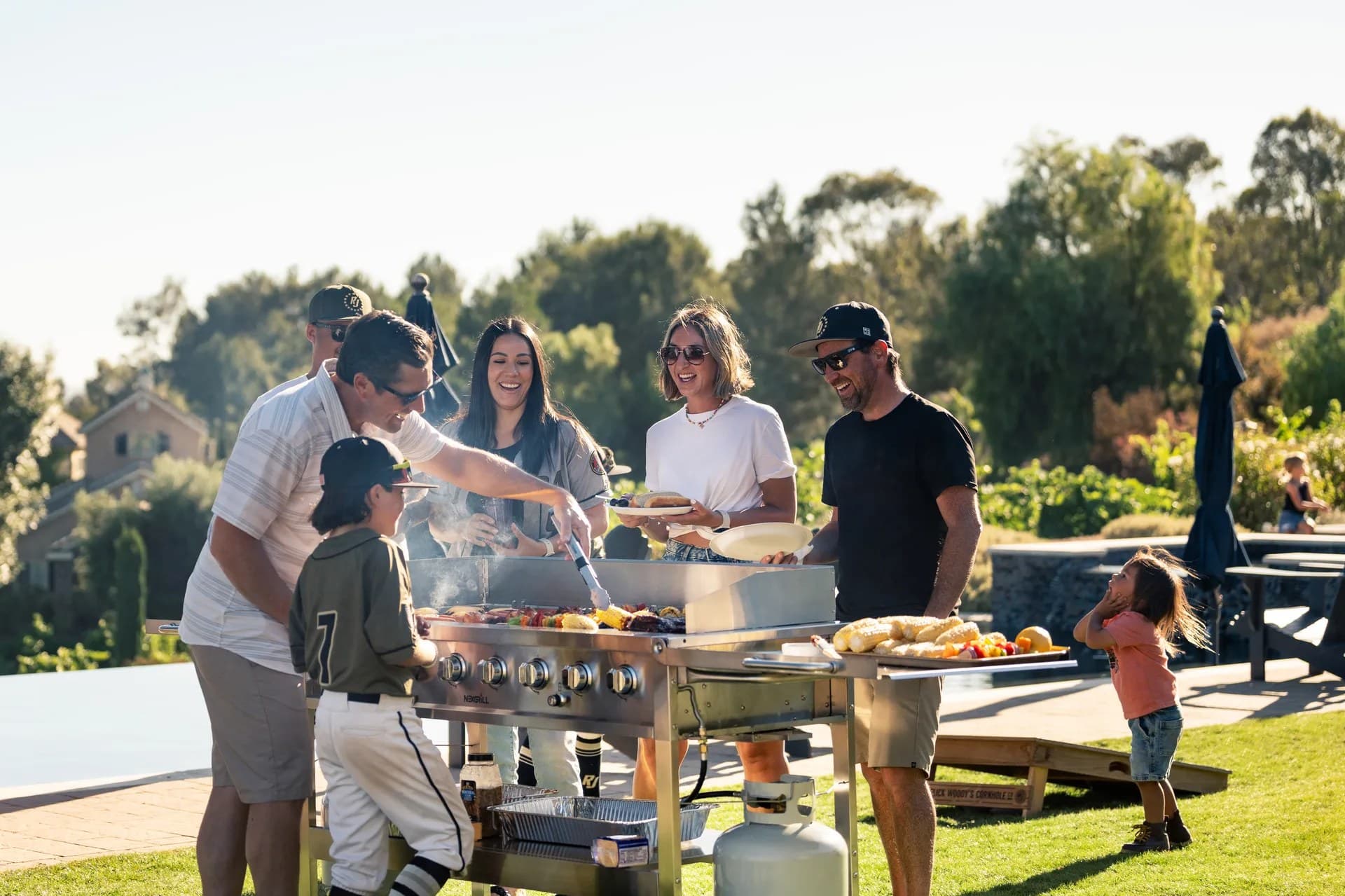
Backyard entertaining ideas, seasonal grilling inspiration, and stories that celebrate outdoor cooking culture.
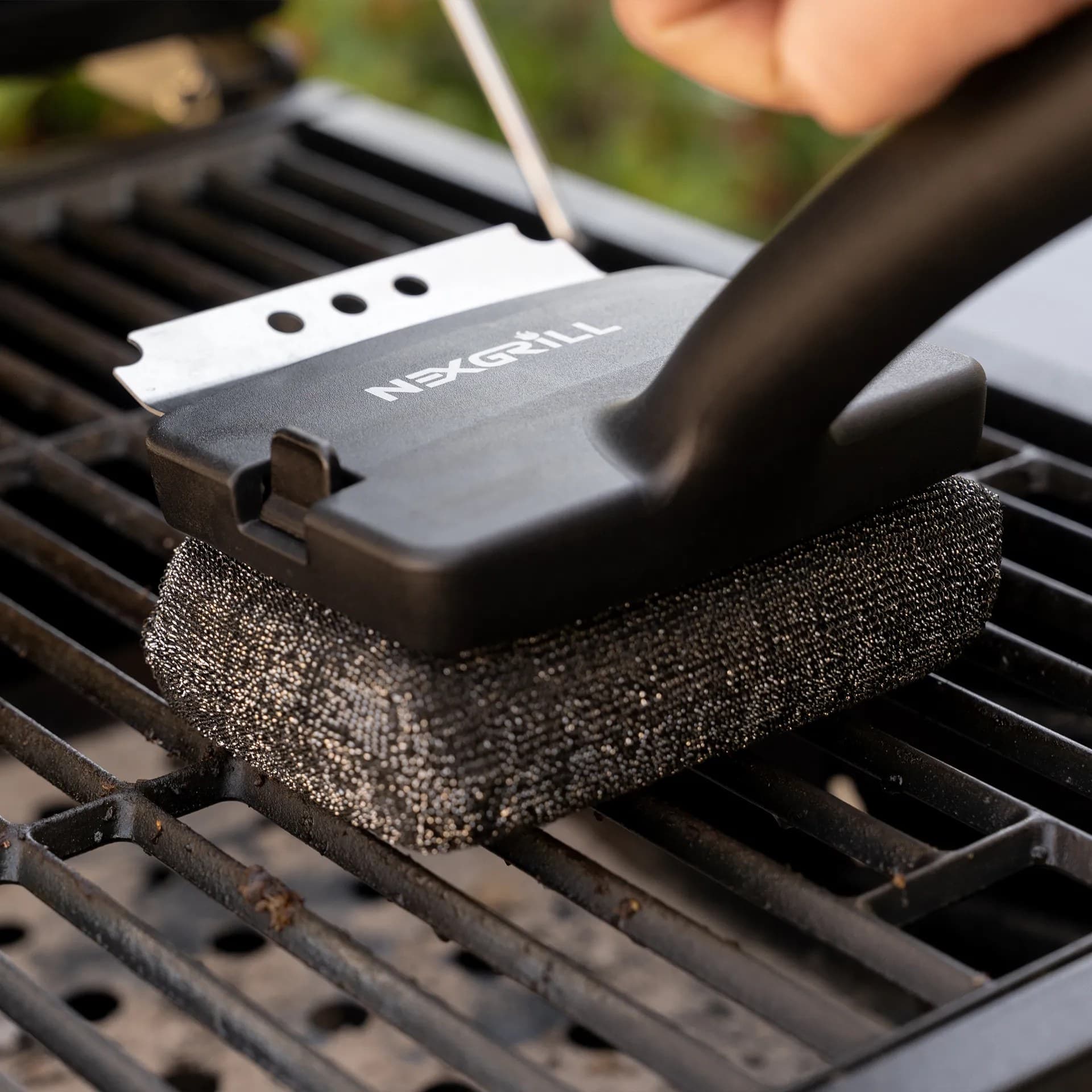
Helpful articles covering grilling tools, cookware, maintenance gear, and must-have accessories for outdoor cooking.
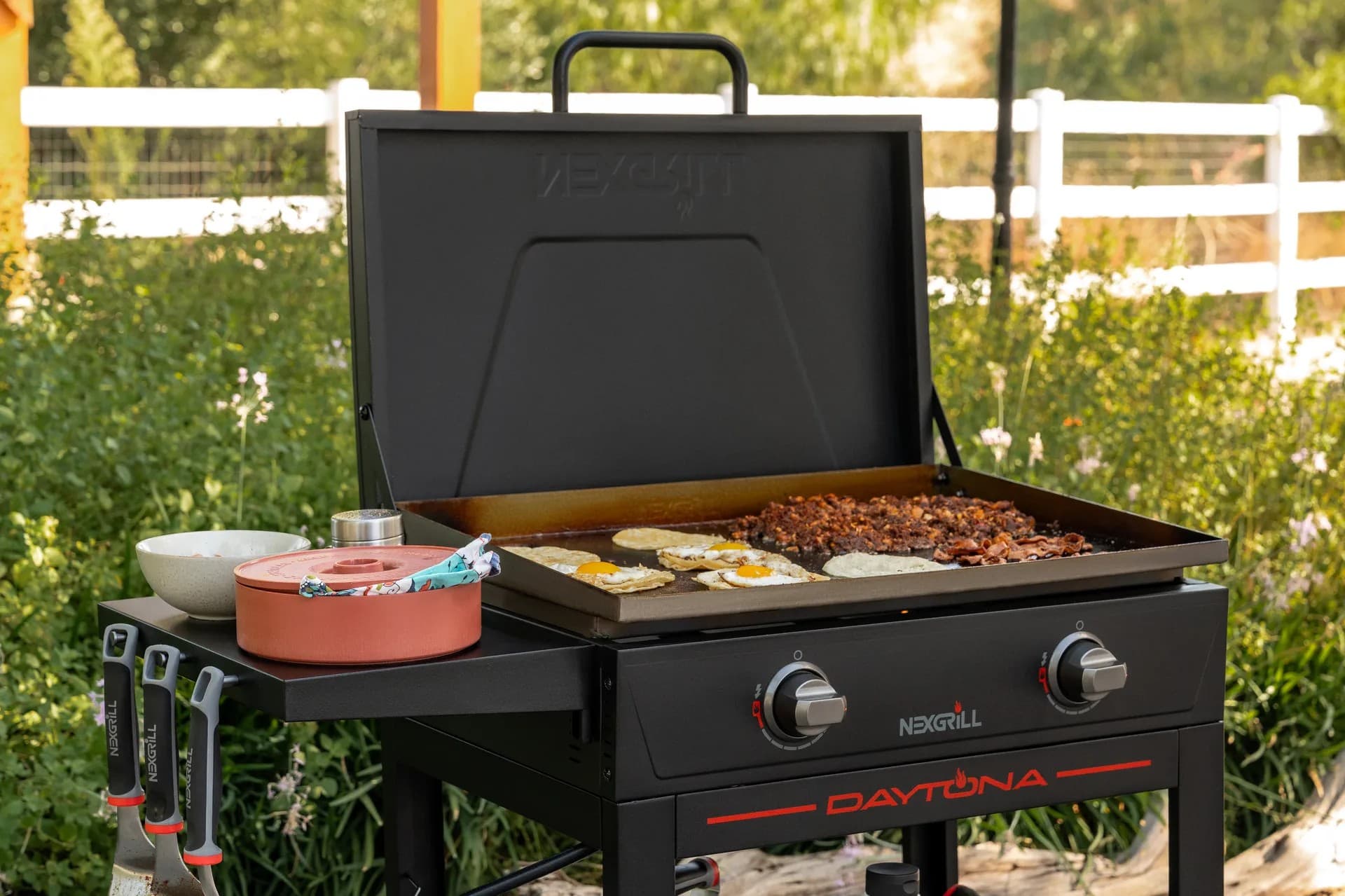
Find griddle recipes, cooking techniques, cleaning tips, and outdoor meal ideas designed for Nexgrill griddles.
Find answers to common questions
Nexgrill equipment is suitable for a variety of recipes including meats, vegetables, and even pizzas. Popular options include marinated steaks, grilled vegetables, and shrimp skewers.
To enhance the flavor of grilled vegetables, consider marinating them in olive oil, herbs, and spices before grilling. Alternatively, you can season them with salt and pepper during grilling for a more straightforward approach.
To achieve perfect grill marks, preheat your grill to a high temperature and ensure that the food is dry before placing it on the grill. Avoid moving the food too early, as it needs to sear properly to form those classic grill marks.
Using a meat thermometer is the most accurate way to ensure your grilled meat is at the desired temperature. For instance, chicken should reach an internal temperature of 165°F while medium-rare beef is typically at 135°F.
To clean your Nexgrill after cooking, allow it to cool and then use a grill brush to remove any residue from the grates. You can also wipe down the exterior with a damp cloth and mild soap to keep it looking its best.
In This Article
Time-Saving Recipes
Flavorful Options
Stress-Free Grilling
The easiest barbecue to enjoy is usually the one that is planned before anyone walks out to the patio. Make-ahead recipes shift the pressure off the cook and back onto the calendar, which means the day of the barbecue becomes about firing up the grill, finishing a few fresh items, and spending more time with guests. That matters because barbecue is rarely just a meal. It is a pacing problem, a timing problem, and a serving problem all at once. When the salad is already chilled, the dessert is already set, and the marinade has already done its work, the grill becomes the center of the gathering instead of the source of stress.
For Nexgrill readers, the make-ahead approach fits naturally with the way real backyard cooking happens in the United States. Some gatherings are casual weeknight cookouts with a few neighbors. Others are birthday parties, holiday weekends, or Labor Day spreads where the crowd changes by the hour. In those situations, recipes that improve after resting in the refrigerator can be a real advantage. They also help you stretch one cooking session into a fuller menu, which is useful if you are balancing a main dish on the grill with side dishes in the kitchen and beverages in the cooler.
A strong make-ahead menu does more than save time. It keeps flavors stable, reduces last-minute chopping, and helps you serve food at the right temperature instead of rushing every component at once.
A helpful way to think about barbecue prep is in layers. Some dishes need only assembly in advance, like bean salads or slaws. Others benefit from overnight marinating, such as chicken thighs, pork shoulder, or vegetable skewers. A third group can be fully cooked the day before and gently reheated, including smoked baked beans, cornbread casserole, or fruit crisps. The best menus use all three layers so you are not doing everything on the same clock.
The recipes below are chosen to work together as a barbecue system rather than as isolated dishes. They include bright salads, sturdy sides, main dishes with practical storage guidance, desserts that hold texture well, and drinks that can be chilled in advance. The goal is not to create a fancy, overcomplicated spread. It is to make entertaining feel calm, organized, and generous.
Salads and sides are the easiest place to start because they often taste better after a short rest. A vinegar-based coleslaw, cucumber salad, pasta salad, or bean salad can absorb seasoning for several hours without losing appeal. That makes them ideal for a barbecue menu that needs to be built ahead of time. The key is choosing ingredients that stay crisp or flavorful after chilling. For example, cabbage holds up far better than delicate lettuce, while chickpeas, black beans, corn, and roasted vegetables can keep their texture and seasoning overnight.
A practical side dish formula is simple: combine something crunchy, something tender, something acidic, and something rich. A cabbage-and-carrot slaw with apple cider vinegar, a little sugar, and a mustard-based dressing will stay bright and work well next to smoked meats or grilled chicken. A pasta salad with chopped olives, cherry tomatoes, cucumbers, and feta can be made in the morning and finished with herbs just before serving. A black bean salad with corn, red onion, lime juice, and cilantro offers a fresh counterpoint to heavier mains and can be served cold or at cool room temperature.
| Side dish | Make-ahead window | Best storage method | Serving note |
|---|---|---|---|
| Vinegar coleslaw | 1 day ahead | Covered bowl in refrigerator | Toss again before serving |
| Pasta salad | 1 day ahead | Airtight container | Add fresh herbs at the end |
| Bean salad | 2 days ahead | Sealed container | Let it rest before serving |
One useful crowd-pleaser is a tangy potato salad made with Yukon gold potatoes, chopped celery, dill pickle, and a lighter yogurt-based dressing. It is more flexible than a mayonnaise-heavy version because it handles a longer chill time and still tastes clean beside smoky barbecue. Another smart option is grilled corn salad prepared in advance with charred kernels, cotija or feta, lime, and scallions. Even if the corn is grilled ahead, the final mix stays lively when you add the cheese and herbs just before serving.
For the most reliable texture, dress leafy ingredients lightly and keep crunchy garnishes separate until the last minute. That small adjustment makes a side dish look fresher and taste better.
Main dishes are where make-ahead planning pays off the most, because the flavor often improves with time. A marinade does not just add seasoning; it gives salt, acid, fat, and aromatics time to work into the food before it hits the grill. Chicken thighs, flank steak, pork tenderloin, shrimp, and tofu all benefit from advance seasoning. Even when you are grilling the protein fresh, having it already measured, trimmed, and marinated reduces the day-of workload considerably.
For chicken, a lemon-garlic, yogurt-herb, or soy-ginger marinade can be mixed the night before. For pork, a brown sugar, Dijon, and apple cider vinegar blend creates a sweet-savory profile that works especially well for chops or tenderloin. Beef benefits from bolder marinades with Worcestershire, garlic, black pepper, and a bit of oil. Vegetables are not left out either: zucchini, mushrooms, bell peppers, and cauliflower can be tossed in oil, salt, and spice a few hours ahead and stored in a sealed container until grilling time.
Some barbecue hosts also pre-cook components to lower the final rush. For example, ribs can be par-cooked in the oven the day before and finished on the grill for color and glaze. Pulled pork can be fully cooked ahead, chilled, and reheated in a covered pan with a little reserved juice. Chicken can be cooked partway in advance and then finished over the grill to develop a better exterior. This approach is especially useful for large gatherings where timing a dozen plates at once is unrealistic. The day-of work becomes glazing, finishing, and serving rather than starting from zero.
Keep marinades in nonreactive containers and always refrigerate raw proteins. If a marinade was used with raw meat, do not reuse it as a sauce unless it has been boiled thoroughly.
A simple prep schedule helps. The day before, portion the meat, mix the marinade, and store everything in the refrigerator. In the morning, if needed, transfer sides from mixing bowls into serving containers and chill desserts. An hour before guests arrive, remove what needs time to lose the fridge chill, then start the grill. That sequence keeps the menu calm and predictable while still leaving room for flexibility if traffic, weather, or guests arrive late.
Desserts are one of the best places to save effort because many barbecue-friendly sweets are actually improved by a little rest. Fruit desserts, chilled custards, bar cookies, and no-bake treats are all easy to prepare in advance and portion later. They also solve the common barbecue problem of needing a dessert that feels substantial without requiring more grill space or last-minute oven juggling.
A peach or berry crisp can be assembled ahead and baked earlier in the day, then served warm or at room temperature. Brownies hold well for a picnic-style barbecue and can be cut into neat squares once fully cooled. Lemon bars, cheesecake bars, and cookie bars are also strong choices because they travel well and do not need delicate plating. If you want a lighter ending, a fruit salad with mint and citrus juice can be prepared a few hours before serving, though very soft fruit should be added near the end so the texture stays appealing.
One especially smart barbecue dessert is a sheet-pan berry crumble or a make-ahead parfait. The crumble gives you a baked option that feels nostalgic and seasonal. The parfait gives you visual appeal with less work, especially if you layer yogurt, berries, granola, and a drizzle of honey in small cups. Both can be fully prepped before guests arrive, which is exactly what a make-ahead menu should do. You want desserts that feel intentional without asking for attention during the busiest part of the cookout.
Drinks are often overlooked in barbecue planning, but they are among the easiest items to prepare in advance. A well-thought-out beverage station can reduce traffic in the kitchen and make guests feel taken care of. For a family barbecue, that could mean a cooler with sparkling water, iced tea, lemonade, and a fruit-forward mocktail. For a more adult gathering, it could mean batched cocktails, beer, and a nonalcoholic option so everyone has a choice.
Make-ahead lemonade can be mixed the day before with fresh lemon juice, water, and a simple syrup, then stored in a pitcher or dispenser. Iced tea can be brewed ahead and chilled without losing quality. Citrus-infused water with cucumber, orange, or mint can be assembled in large containers several hours before the barbecue. If you are serving cocktails, a batched sangria, margarita base, or bourbon punch can be measured in advance and kept cold until pour time. The important part is not the recipe alone but the setup: use labeled pitchers, extra ice, and clearly separate nonalcoholic and alcoholic options so serving stays easy.
Pre-chill serving vessels whenever possible. A cold pitcher or dispenser helps drinks stay refreshing longer, especially in warm United States summer weather.
Success with make-ahead barbecue comes down to organization more than cooking skill. Start by separating the menu into what can be fully finished ahead, what needs only partial prep, and what must be cooked fresh. Then build a timeline around those categories. Label containers by dish name and serving time, and keep sauces, garnishes, and crunchy toppings in smaller containers so you can add them at the end without hunting through the refrigerator.
Food safety should guide the schedule too. Refrigerate perishable dishes promptly, keep cold foods cold, and do not leave mayonnaise-based salads or cooked meats sitting out too long in summer heat. If you are transporting food to a park, beach, or neighborhood gathering, use insulated coolers with ice packs and separate raw items from cooked items. The best make-ahead barbecue is the one that feels effortless to guests because the host handled the details earlier in the week.
Try comparing two products side by side below to see which fits best:
A barbecue feels more relaxed when the most time-consuming parts are already handled. That is the real value of make-ahead recipes: they let you keep the spirit of the cookout while removing the scramble. Instead of chopping vegetables while guests are arriving or wondering whether dessert will set in time, you can build a menu that is ready to assemble, reheat, or finish at the grill. In practice, that means a smoother pacing of the entire event. The grill still gets its moment, but it no longer has to do every job at once.
A smart make-ahead barbecue menu usually starts two or three days before the event with a few steady tasks. You can mix dressings, trim vegetables, marinate proteins, and bake desserts that improve overnight. By barbecue day, the work shifts toward finishing touches and timing, not pressure. That change matters for hosts who are cooking in a backyard, on a patio, or at a public cookout where space is limited and timing is unpredictable. It also helps if you are cooking for a mixed group with different tastes, because make-ahead prep makes it easier to offer a range of dishes without doubling the labor.
The best make-ahead dishes are not just convenient. They are stable, flavorful, and easy to finish without stealing your attention from the grill.
Salads and sides work especially well for make-ahead cooking because many of them improve after resting. A bean salad, for instance, gets better as the dressing settles into the beans and vegetables. A potato salad can be mixed in advance and held in the refrigerator until the last moment. A pasta salad can be made with sturdy ingredients like rotini, cherry tomatoes, cucumbers, olives, and cheese so it stays appealing after chilling. These dishes are useful because they can be served cold or close to room temperature, which takes pressure off your serving schedule.
One approachable route is to build sides around ingredients that do not wilt quickly. Cabbage, carrots, corn, chickpeas, potatoes, and pasta are all reliable foundations. A vinegar slaw delivers brightness next to smoked or grilled meats, while a creamy potato salad brings comfort to the table. For something with more color, try a chopped salad built around romaine or kale only if you plan to dress it lightly and keep the components separate until serving. If you want the lowest-risk option, go with salads that are mostly vegetables and legumes rather than delicate greens.
A good example is a corn-and-black-bean salad with red bell pepper, cilantro, red onion, lime juice, olive oil, salt, and a touch of cumin. It can be assembled the day before, stored in a covered bowl, and brightened with extra lime just before serving. Another strong choice is a cucumber-dill salad with yogurt dressing. That version should be chilled thoroughly and served cold so the cucumbers stay crisp. The point is not to overcomplicate side dishes, but to choose recipes that tolerate advance prep without losing the textures people expect at a barbecue.
| Side dish type | Why it works ahead | Best texture protection | Serving temperature |
|---|---|---|---|
| Bean-based salad | Absorbs dressing well | Keep herbs fresh until the end | Chilled or cool room temp |
| Potato salad | Holds texture after chilling | Do not overmix | Cold |
| Cabbage slaw | Stays crisp longer than lettuce | Add dressing early, garnish late | Chilled |
If a side dish needs crunch, keep toppings such as nuts, seeds, fried onions, or fresh herbs in a separate container until serving time.
Main dishes are the part of the menu where advance planning can dramatically improve both flavor and calm. Marinating overnight is the simplest example. Chicken, pork, beef, seafood, and plant-based proteins all benefit when seasoning has time to penetrate and balance. A citrus-and-herb marinade brightens chicken, a soy-ginger mixture brings savory depth to shrimp, and a garlic-pepper rub with oil helps steaks build a flavorful crust once they reach the grill. If you are cooking for a large group, dividing proteins into separate containers or bags ahead of time also makes portioning simpler on the day of the event.
Pre-cooking can be useful as well, but it should be used strategically. Chicken can be partially baked or smoked ahead of time and then finished over live heat for texture. Ribs can be tenderized in advance and glazed on the grill later. Pulled pork can be fully cooked, chilled, and reheated with a little cooking liquid. The advantage of these methods is not only time savings but also improved control over serving order. When guests arrive in waves, you can heat and finish what you need rather than trying to coordinate every piece from raw at the same moment.
Vegetarian mains deserve the same planning. Marinated portobello mushrooms, tofu skewers, or grilled halloumi can be prepared earlier in the day and stored in shallow containers. These dishes are especially useful when your guest list includes people who do not eat meat, because they let you offer something substantial without making an extra rush decision. For a barbecue menu that feels complete, think in terms of balance: one smoky protein, one lighter protein or plant-based main, and one sauce or glaze that can be added at the end for variety.
If you are making an advance sauce for brushing or serving, keep it separate from any marinade that touched raw food. That separation protects both flavor and food safety.
Desserts are one of the easiest ways to make the menu feel complete without adding stress. Barbecue desserts do not need to be elaborate to be memorable. What they need is reliability. Fruit crisps, bars, chilled pies, and no-bake cheesecakes all hold up well when prepared in advance. They also free up the oven and grill, which is valuable when every hot surface in the house is already committed to the main meal.
A berry crisp can be assembled earlier in the day and baked before guests arrive, then held at room temperature until serving. Lemon bars, brownies, and blondies can be cut after cooling and kept in an airtight container. If you want a dessert that feels especially fresh, make fruit skewers or a mixed fruit platter with a yogurt dip and refrigerate both separately. Another good option is a trifle or parfait layered with cake or cookies, whipped cream, and fruit. Those desserts look impressive, but they are simple once assembled and they fit the make-ahead spirit very well.
Storage matters for sweets too. Most baked desserts should be fully cooled before sealing so condensation does not soften them. Cream-based desserts should be kept cold until shortly before serving. Fruit-based dishes should be checked for excess juice so the final presentation does not become watery. With a little planning, dessert becomes one of the easiest parts of the barbecue rather than the most rushed.
Drinks may seem secondary, but they are one of the best make-ahead categories because guests always appreciate a cold, easy option. Iced tea, lemonade, fruit punch, sparkling water pitchers, and batched mocktails can all be made ahead and stored in the refrigerator. For adult gatherings, batched cocktails can also be mixed in advance as long as you keep ice, citrus slices, and carbonated mixers separate until serving. That way the beverage stays lively instead of diluted or flat.
A simple approach is to offer one sweet drink, one unsweetened drink, and one sparkling or fruit-forward option. For example, unsweetened tea, classic lemonade, and cucumber-lime water cover a lot of ground. If the barbecue menu is smoky or spicy, a lightly sweet iced tea or fruit punch can help balance the meal. If it leans lighter, a sparkling citrus drink may feel more refreshing. The beverage station is also a good place to reduce extra work by using pitchers, dispensers, and clearly labeled cups so guests can serve themselves.
Plan for more ice than you think you need. Warm weather, repeated pouring, and outdoor service can melt through a cooler faster than expected.
The smoothest make-ahead barbecues are built on a few repeatable habits. First, write the menu in categories: what can be fully made ahead, what can be partially prepped, and what must be cooked fresh. That simple sorting makes timing much easier. Second, use containers that stack well and label them clearly. A bowl of slaw, a container of chopped herbs, and a pitcher of lemonade all need different handling, and labels prevent confusion when the refrigerator starts to fill up.
Third, think about texture after storage. Foods with lots of crunch may need an extra garnish later. Foods with dairy may need stricter temperature control. Foods with acid, like vinegar or citrus, may actually benefit from resting overnight. Finally, keep the grill schedule realistic. If you know the main dish needs a finishing glaze or a short sear, build that into your timeline instead of expecting to do it in a rush. The whole point of make-ahead cooking is to create breathing room, not another layer of complexity.
A well-planned barbecue lets you host with confidence and stay present with your guests. With salads and sides prepped ahead, main dishes marinated or partially cooked, desserts already set, and beverages chilled, the event feels organized from the first plate to the last.
Here's what sets us apart
We position ourselves as delivering high-end outdoor cooking features and performance without premium-brand pricing, emphasizing “Quality Grills. Unbelievable Value.”
We offer gas grills, pellet grills, griddles, smokers, pizza ovens, portable/tabletop grills, electric grills, accessories, and replacement parts — allowing customers to stay within one ecosystem for all outdoor cooking needs.
We differentiate ourselves through smart grilling products like the Oakford smart pellet grill, including app-connected cooking controls and modern outdoor cooking technology.
Don't just take our word for it
Keep reading
From our catalog