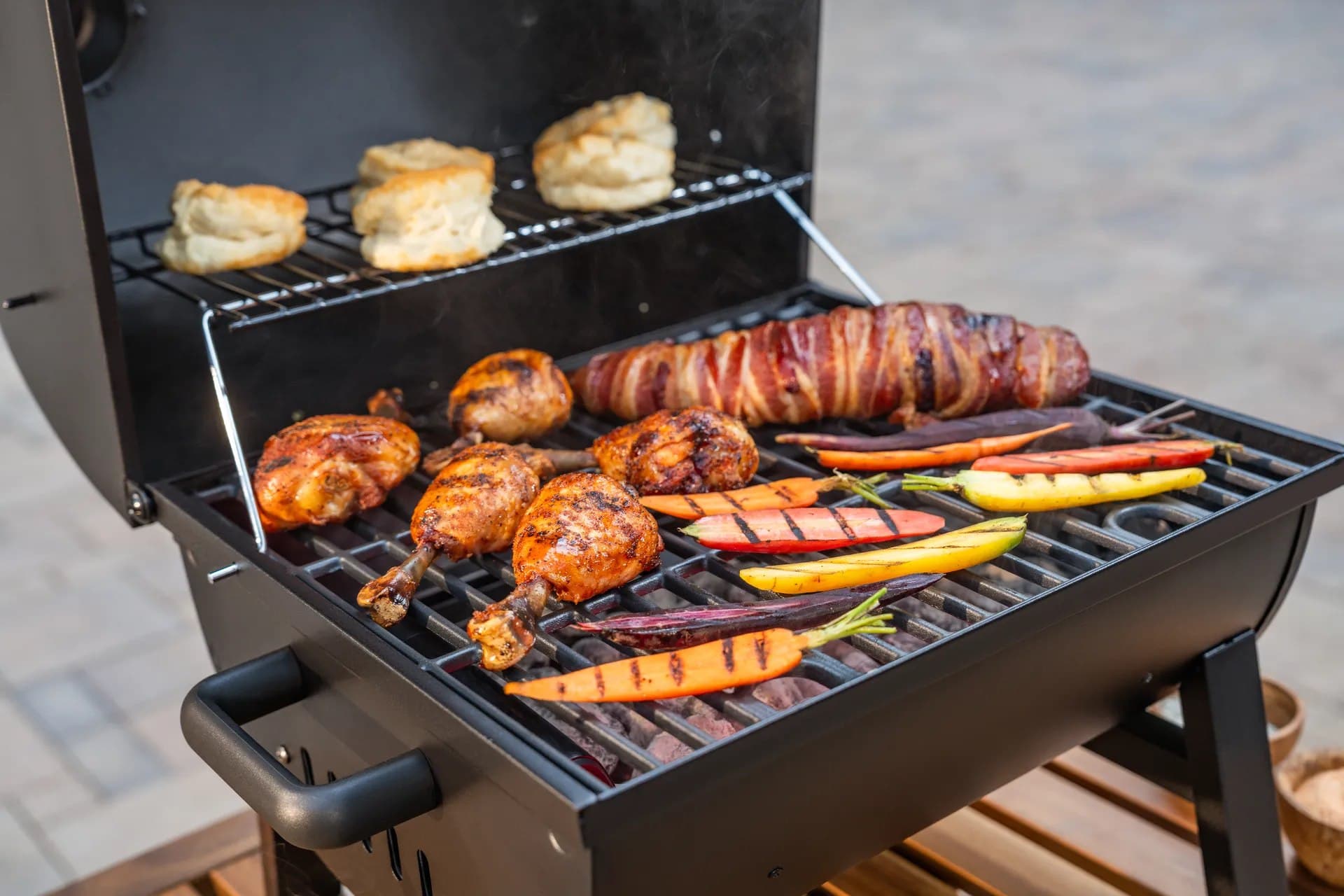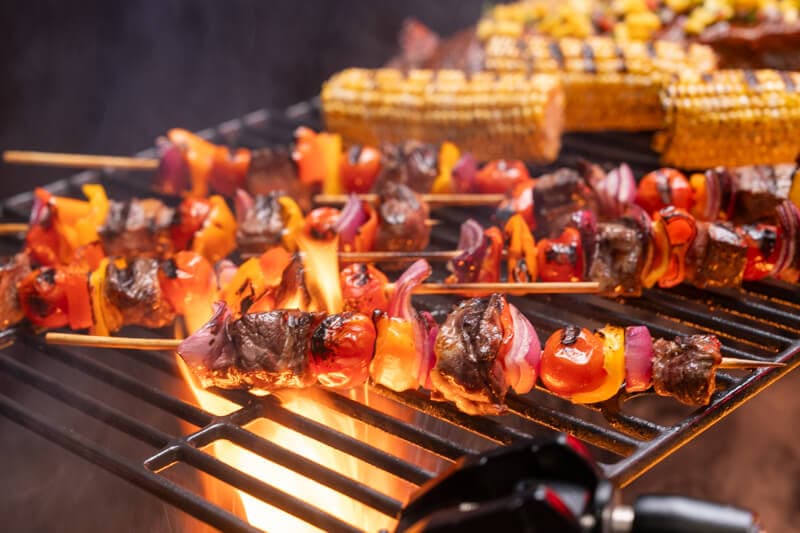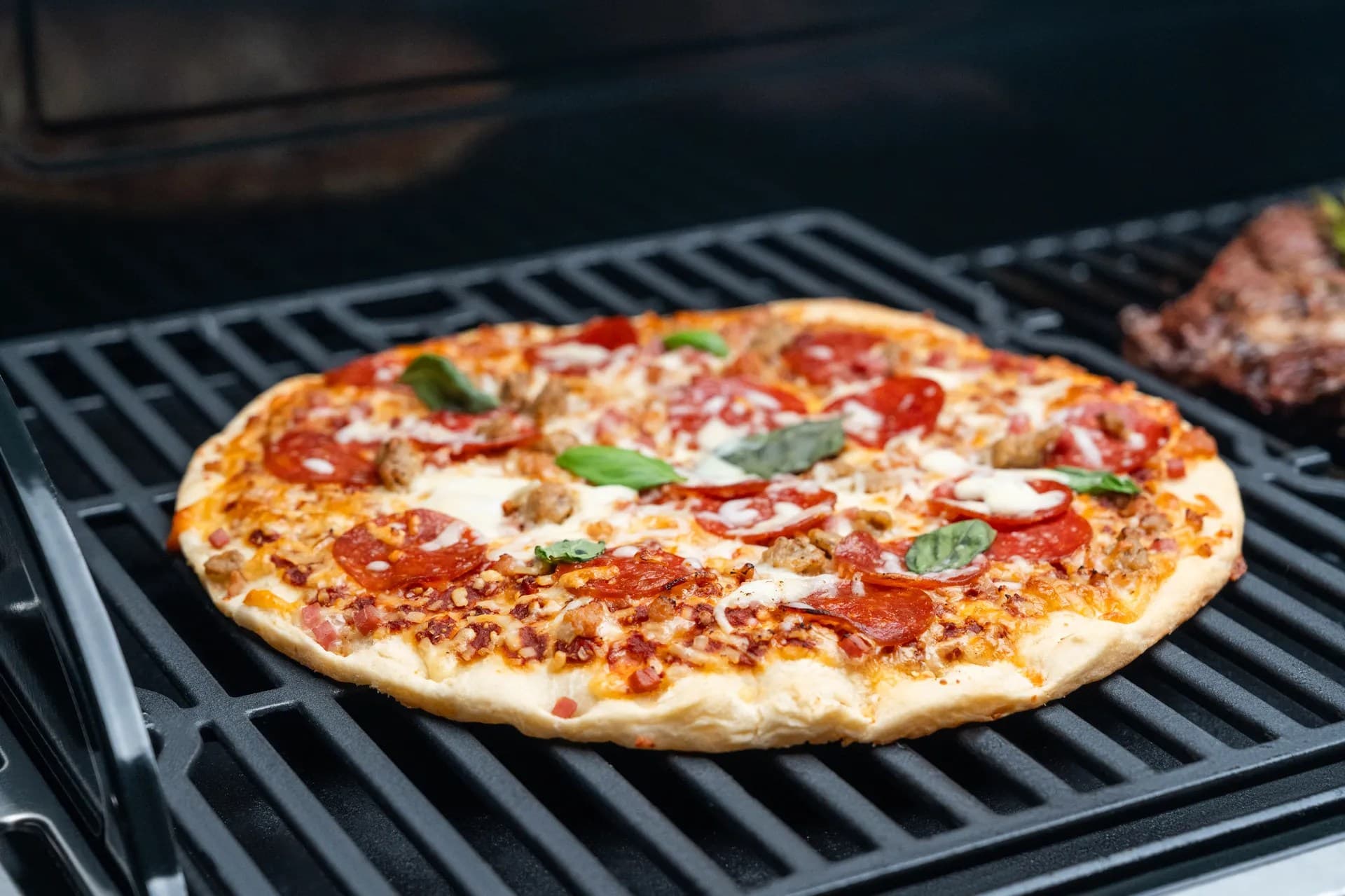
Explore a diverse selection of grilling recipes to elevate your summer cookouts.
Here's what sets us apart from the competition
We position ourselves as delivering high-end outdoor cooking features and performance without premium-brand pricing, emphasizing “Quality Grills. Unbelievable Value.”
We offer gas grills, pellet grills, griddles, smokers, pizza ovens, portable/tabletop grills, electric grills, accessories, and replacement parts — allowing customers to stay within one ecosystem for all outdoor cooking needs.
We differentiate ourselves through smart grilling products like the Oakford smart pellet grill, including app-connected cooking controls and modern outdoor cooking technology.
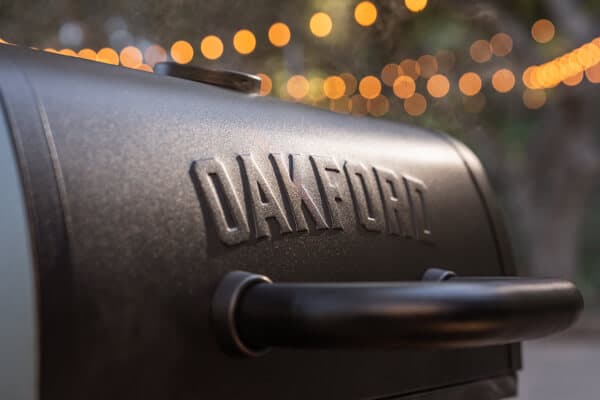
Expert tips, buying guides, comparisons, and inspiration for choosing and getting the most out of your grill.
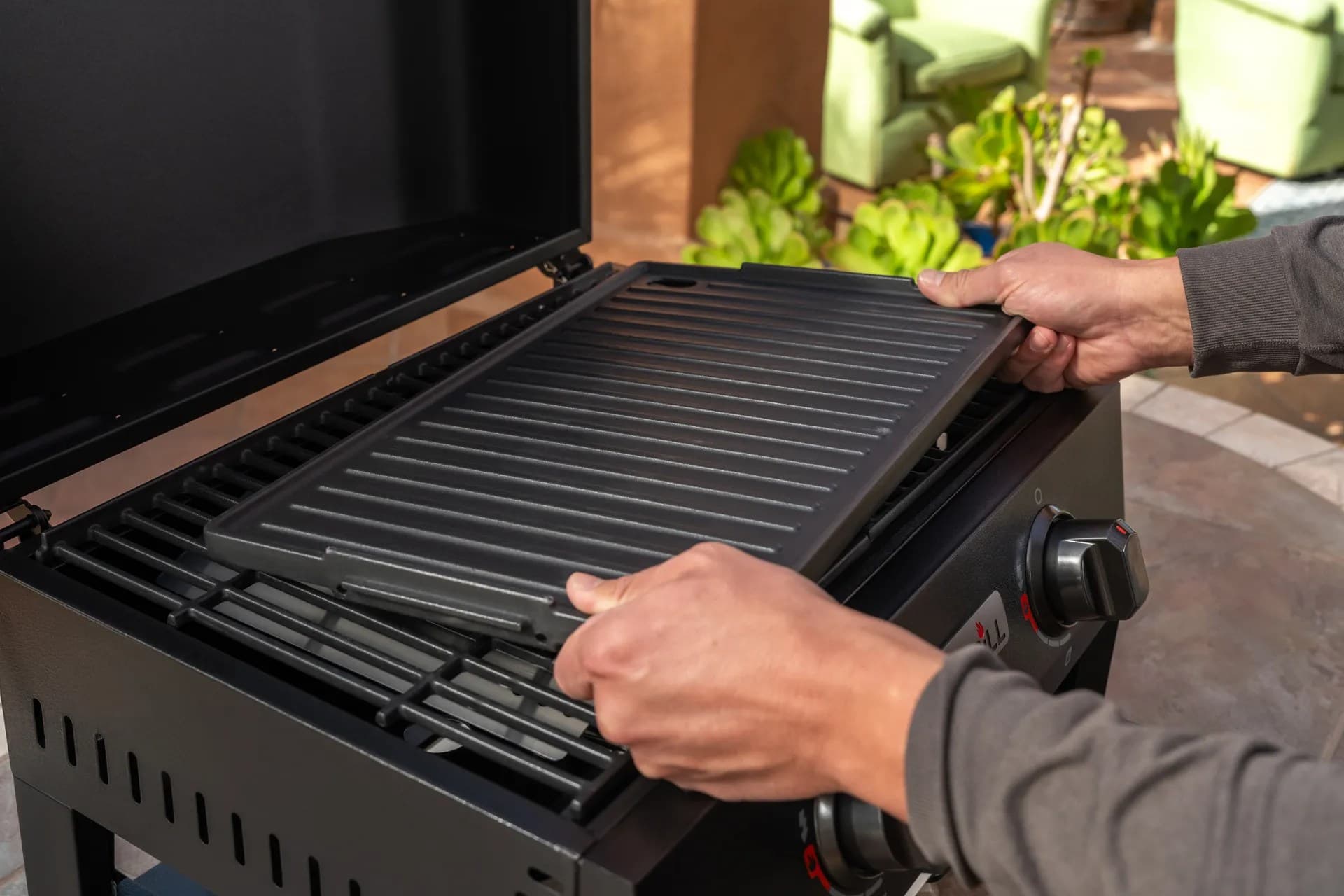
Practical guides for cleaning, maintenance, common grill issues, and performance optimization.
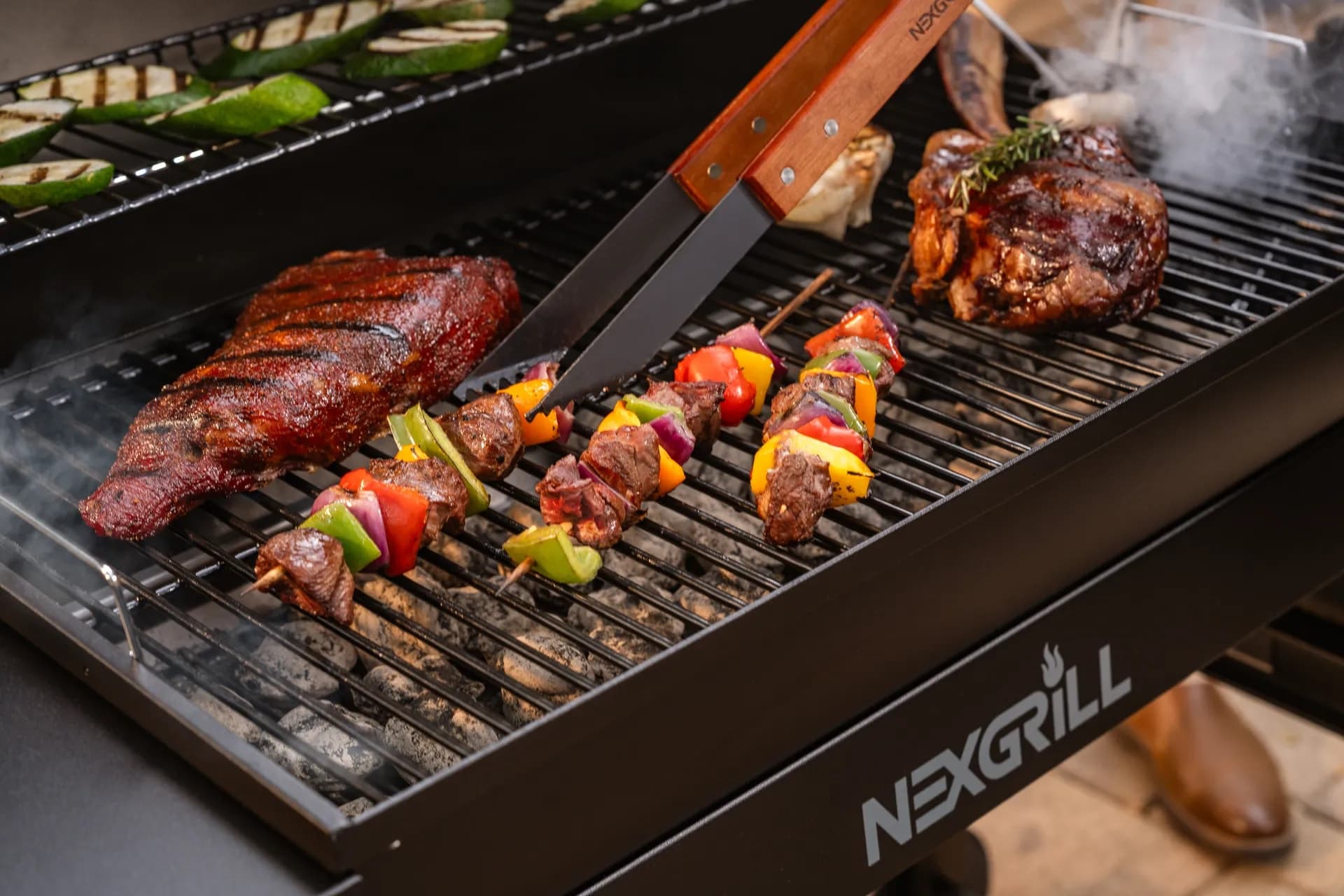
Step-by-step grilling recipes, cooking techniques, and meal ideas for every occasion and skill level.
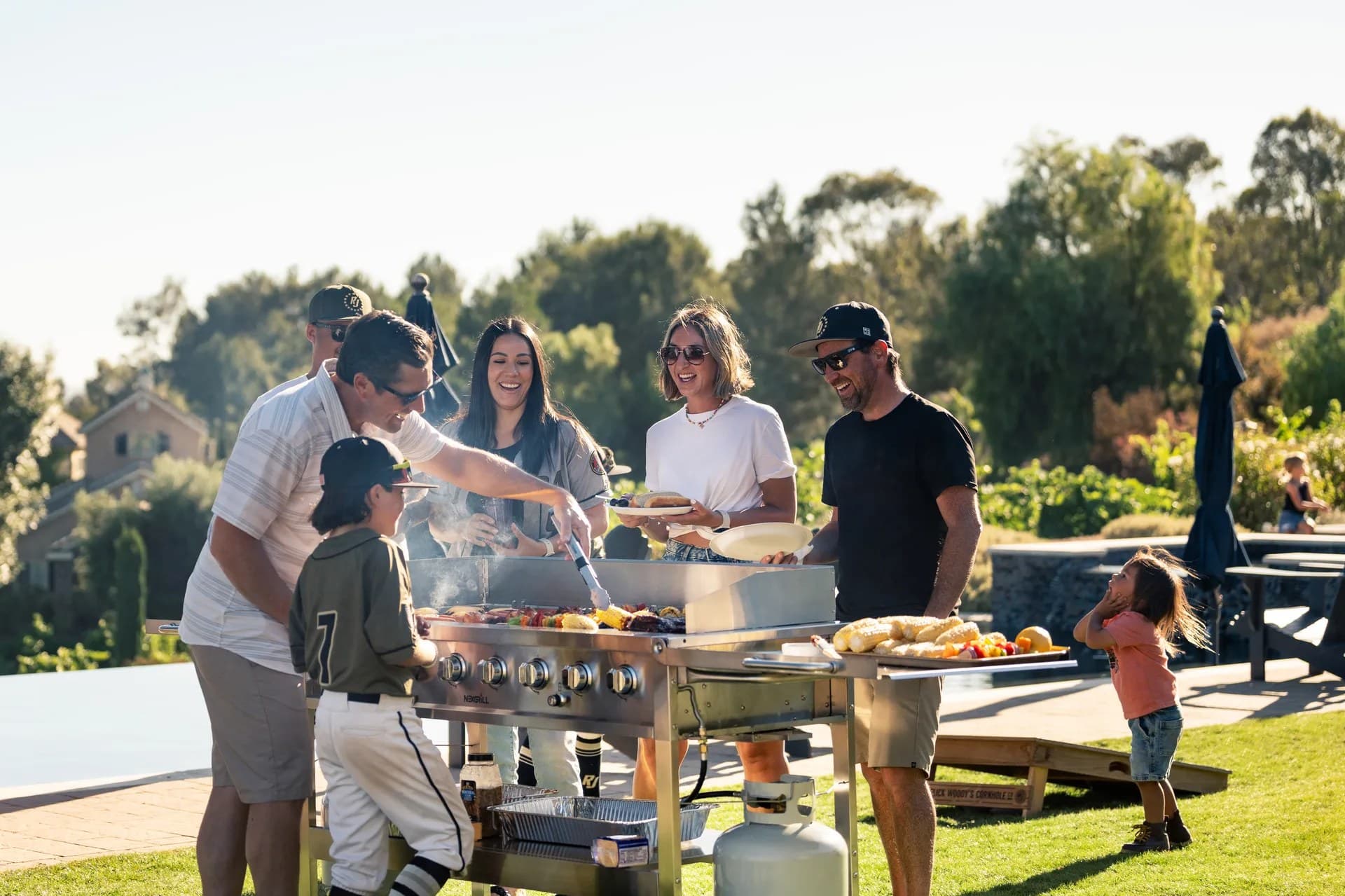
Backyard entertaining ideas, seasonal grilling inspiration, and stories that celebrate outdoor cooking culture.
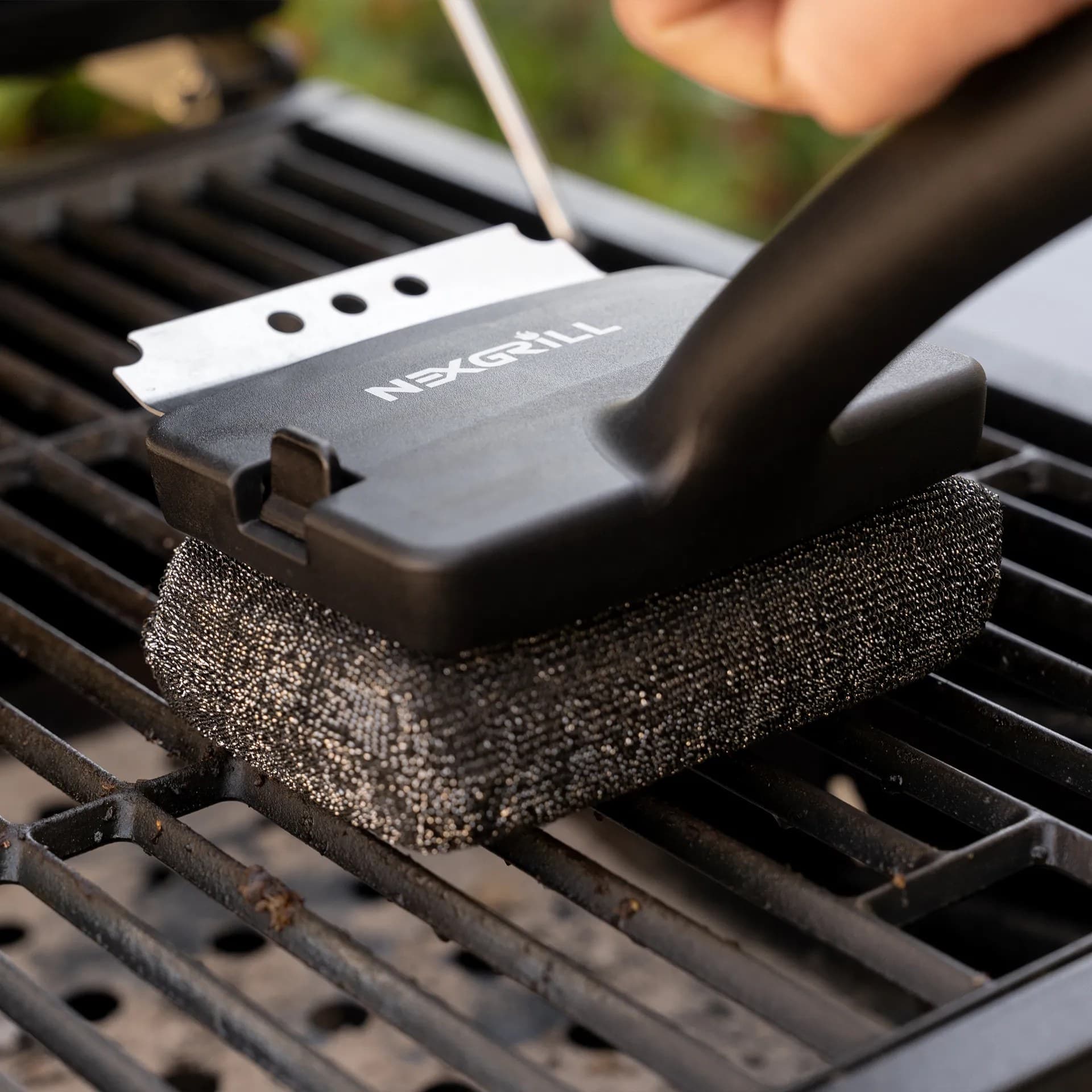
Helpful articles covering grilling tools, cookware, maintenance gear, and must-have accessories for outdoor cooking.
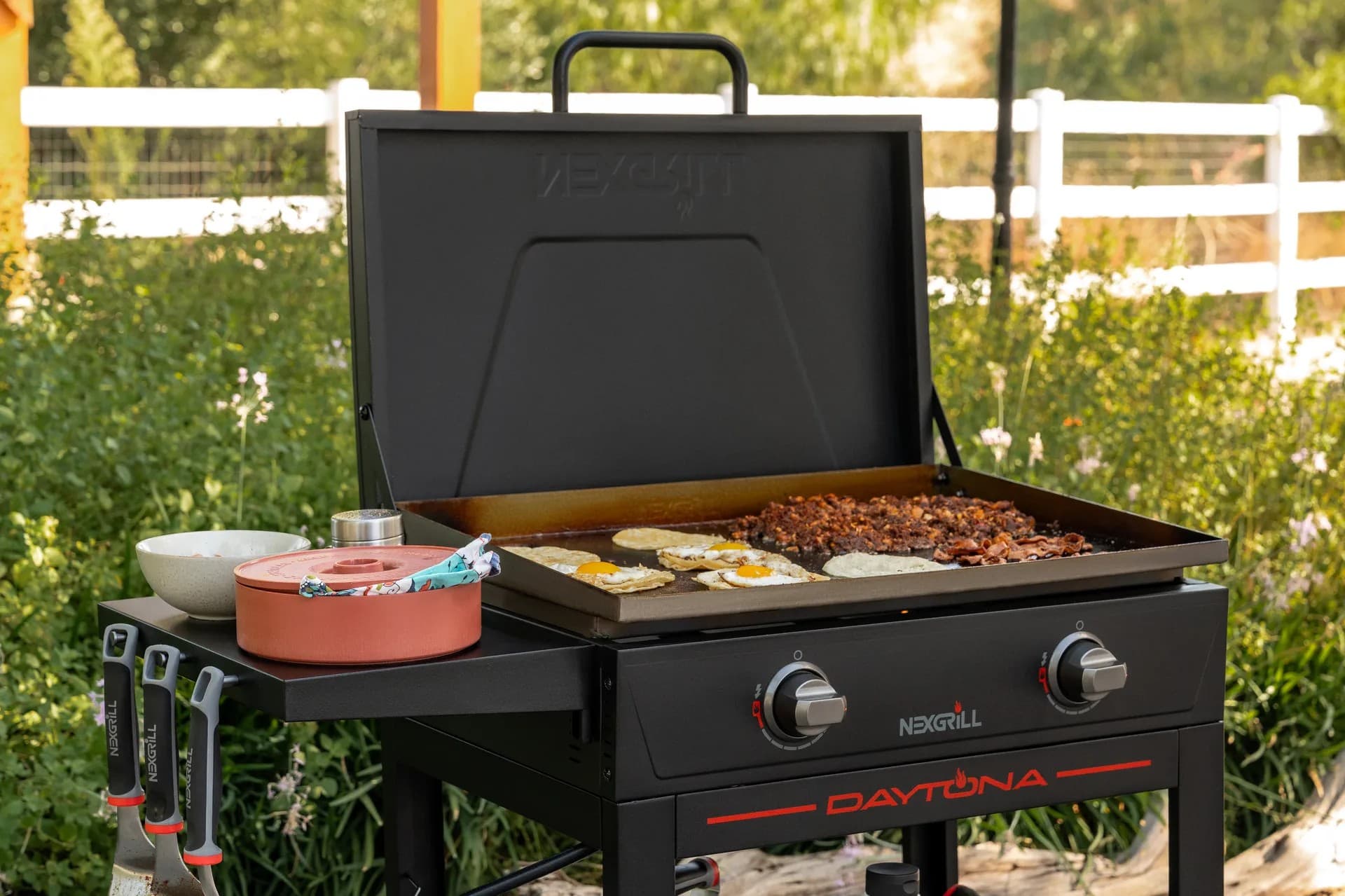
Find griddle recipes, cooking techniques, cleaning tips, and outdoor meal ideas designed for Nexgrill griddles.
Find answers to common questions
Nexgrill equipment is suitable for a variety of recipes including meats, vegetables, and even pizzas. Popular options include marinated steaks, grilled vegetables, and shrimp skewers.
To enhance the flavor of grilled vegetables, consider marinating them in olive oil, herbs, and spices before grilling. Alternatively, you can season them with salt and pepper during grilling for a more straightforward approach.
To achieve perfect grill marks, preheat your grill to a high temperature and ensure that the food is dry before placing it on the grill. Avoid moving the food too early, as it needs to sear properly to form those classic grill marks.
Using a meat thermometer is the most accurate way to ensure your grilled meat is at the desired temperature. For instance, chicken should reach an internal temperature of 165°F while medium-rare beef is typically at 135°F.
To clean your Nexgrill after cooking, allow it to cool and then use a grill brush to remove any residue from the grates. You can also wipe down the exterior with a damp cloth and mild soap to keep it looking its best.
In This Article
Grilled Chicken Thighs
Grilled Street Corn (Elote-Style)
BBQ Pineapple Shrimp Skewers
Summer grilling works best when the menu feels relaxed, colorful, and built for sharing. That is the spirit behind these grill recipe ideas for summer: dishes that hold up to a warm evening, invite people to linger outside, and reward you with layers of char, smoke, and bright seasonal flavor. Nexgrill’s brand perspective is rooted in togetherness and approachable outdoor cooking, and that matters here because a great summer cookout is rarely about a single perfect entrée. It is about a rhythm of grilled mains, quick vegetable sides, fruit desserts, and a table full of different tastes that still feel cohesive. Nexgrill’s own recipe-focused brand guidance emphasizes food as a story, with ingredients and presentation working together to create something worth sharing, not just serving.
The most successful summer menus are usually the ones that do a few simple things very well. They use high heat when a dish needs a crisp exterior, moderate heat when a cut of meat needs to stay juicy, and a short finishing glaze or herb sauce to bring the whole plate together. They also avoid trying to make every item taste the same. A sticky citrus chicken thigh, smoky elote-style corn, and pineapple shrimp skewers can all come off the same grill, but each one should offer a different texture and flavor profile. That mix is what makes a summer cookout feel complete rather than repetitive.
recipe families that define a strong summer grill menu: savory mains, vegetable sides, and sweet finishers
When you plan a summer grilling spread, think in terms of timing and texture. Quick-cooking foods such as shrimp, peaches, zucchini, and corn benefit from a hot, preheated grate and a watchful eye. Heartier foods such as chicken thighs, pork chops, or bone-in pieces can handle longer cooking over indirect heat before being finished over the flame. The grill becomes less of a single-purpose appliance and more of a flexible outdoor kitchen station. That is especially useful on busy weekends when you want to cook dinner, side dishes, and dessert without moving back and forth between the stovetop and the patio.
You will get the best results if you choose recipes that are practical for your audience. A casual family dinner may call for recipes you can cook in batches and serve straight from the platter. A larger backyard gathering may do better with skewers, platter-style vegetables, and recipes that stay delicious as they sit for a few minutes. The summer season gives you access to produce that already tastes like it belongs on the grill: sweet corn, stone fruit, zucchini, peppers, pineapple, and tomatoes. Used well, those ingredients can turn a straightforward menu into something memorable without requiring complicated technique.
Technique matters because summer ingredients can go from ideal to overdone very quickly. The single biggest improvement most home grillers can make is to create zones of heat. One side of the grill should run hotter for searing and quick color, while the other should stay cooler for gentler cooking. This lets you sear chicken thighs, soften corn, or char shrimp lightly without burning the sugar in glazes or marinade. If your grill has multiple burners, use one or two burners at medium-high and leave another section off. If you are cooking over charcoal, push more coals to one side and leave a cooler landing zone on the other. That setup gives you more control and more forgiveness, which is important when cooking for guests.
Preheating is the next essential step. A properly hot grate helps prevent sticking and creates those clean grill marks that make summer food look as good as it tastes. For chicken thighs, preheating also helps render surface fat and begin browning the skin or exterior seasoning right away. For vegetables and fruit, a hot grate helps moisture evaporate faster, so the food caramelizes instead of steaming. If you are grilling delicate items like pineapple rings or shrimp skewers, oil the food lightly rather than soaking the grate in oil; that gives better control and reduces flare-up risk.
Tip: For mixed menus, put the longest-cooking items on first and use the cooler zone as a holding area. That keeps your dinner flowing without overcooking the faster items.
Another technique that improves summer recipes is strategic flipping. Many home cooks flip too early and too often. Let chicken thighs release naturally before turning them; if they resist, they probably need another minute. For corn, rotate every couple of minutes so you get even blistering instead of one burnt side and three pale ones. For shrimp, think of grilling more like a quick kiss of heat than a long cook. Shrimp are done when they curl into a loose C shape and turn opaque. If they curl into tight little rings, they likely spent too long on the fire. These subtle cues matter far more than a fixed timer because grill output, weather, and ingredient thickness can vary.
Use resting time deliberately. Chicken thighs benefit from a brief rest after grilling so juices settle back into the meat. Even grilled vegetables can taste better after a minute or two off the grate because the surface moisture redistributes and the seasoning has time to cling. In practice, that means you should build your menu in reverse order: decide what needs the most active attention, then coordinate the remaining items around it. Summer grilling feels easier once you stop treating every item as if it must hit the table at the exact same second.
Marinades and rubs are where summer grilling becomes personalized. A good rub adds a dry layer of seasoning that browns beautifully on the grill, while a marinade can add both flavor and moisture depending on the ingredients. For grilled chicken thighs, a citrus-garlic marinade with olive oil, lime zest, lemon juice, minced garlic, cumin, and a touch of honey gives you brightness plus a little caramelization. Chicken thighs are especially forgiving, which makes them ideal for cooks who want deep flavor without worrying too much about drying out the meat. Because thighs have more fat than breasts, they tolerate stronger seasoning and slightly longer cooking over medium heat.
Dry rubs are a better match for foods that you want to sear cleanly. A balanced rub for pork, steak, or even cauliflower might include kosher salt, black pepper, smoked paprika, garlic powder, onion powder, and a small amount of brown sugar. The sugar helps browning, but use it carefully in hot weather because too much can burn. For summer cookouts, the smartest rubs are usually restrained and flexible. They should amplify the food rather than bury it. One practical method is to season 30 to 45 minutes before grilling, letting the salt draw surface moisture into the spice mixture before it hits the heat.
Warning: Sugary glazes and rubs can scorch quickly over direct flame. Apply thick sauces in the final minutes only, or brush them on after the food has already developed color.
For shrimp, marinades should be short and punchy. Acidic marinades work quickly, but if shrimp sit too long in citrus or vinegar they can become mealy. A 15- to 20-minute soak is plenty if you are using lime juice, garlic, chili flakes, and olive oil. That is enough time to perfume the seafood without compromising texture. Pineapple shrimp skewers also benefit from sweet heat: a little honey, soy sauce, lime, and chili paste creates a glaze that caramelizes around the edges while leaving the shrimp tender. If you want a more savory direction, you can swap honey for a small amount of grated ginger and sesame oil.
One useful rule for summer menus is to keep at least one sauce or finishing element uncooked. A fresh chimichurri, herb yogurt, lime crema, or herb oil can wake up food that came off the grill with a lot of char. This matters because grilled food often tastes richer than it looks once plated. A bright finishing sauce restores balance and keeps the meal from feeling heavy. It also gives you a way to reuse the same core recipe in different ways, since the same grilled chicken or vegetables can feel newly composed just by changing the topping.
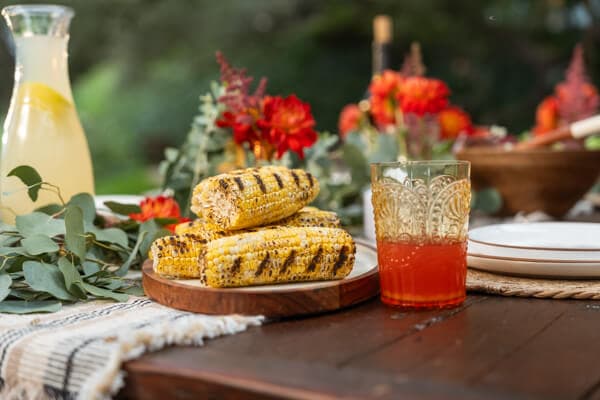
Vegetables and fruits are where summer grilling becomes unexpectedly versatile. Grilled street corn, especially elote-style, is one of the strongest examples because it transforms a simple ear of corn into a rich, tangy, smoky side dish. The trick is to grill the corn until it has deep golden spots, then finish it with mayo, cotija, lime juice, and chili powder while it is still hot enough for the toppings to cling. That combination gives you creaminess, acid, salt, and heat in every bite. If you want to keep the dish slightly lighter, you can brush the corn with yogurt or a blend of yogurt and mayo, then finish with cilantro and lime zest.
Zucchini, bell peppers, mushrooms, and onions also do very well over high heat. Cut them so the pieces are large enough to stay on the grate, then oil them lightly and season with salt after grilling to avoid drawing out too much moisture too early. For a more structured side, make vegetable skewers with alternating peppers, onions, and zucchini chunks. This creates a colorful platter that is easy to serve for a crowd. Portobello caps are another smart choice because they can be grilled like a main course and work well with balsamic glaze, garlic, or herb butter. Because vegetables cook so quickly, they reward attention and simple preparation rather than complicated marinades.
Fruit deserves a place on the grill too. Pineapple is the most familiar option, but peaches, nectarines, and watermelon can also be striking when grilled carefully. Heat concentrates sweetness, and the grill brings out the fruit’s natural sugars in a way that raw fruit cannot match. For peaches, halve and pit them, then grill the cut side first until lightly caramelized. Serve them with yogurt, honey, or a sprinkle of crushed pistachios. For watermelon, use thick wedges and grill only long enough to create char lines; the result is a juicier, more savory starter that pairs well with feta and mint. Grilled fruit works especially well at summer gatherings because it can serve as both a side and a dessert component.
Dessert is one of the easiest ways to make a summer cookout feel complete, and the grill is better at sweets than many people realize. When you use the grill for dessert, you get caramelization, smoke, and a little drama without turning on the oven. The most reliable grilling desserts use fruit, cake, or pastry that can handle heat without falling apart. Grilled peaches with vanilla ice cream are a classic for a reason: they are simple, attractive, and easy to time. If you want a more layered dessert, grill pound cake slices lightly, then top them with macerated berries and whipped cream. The slight crispness from the grill gives the cake a toasted edge that reads as intentional rather than basic.
Pineapple also shines in dessert form. Brush thick rings with a little brown sugar, cinnamon, and melted butter or coconut oil, then grill until the sugars bubble and the edges deepen in color. Served with coconut whipped cream or a scoop of vanilla frozen custard, the fruit becomes a full dessert instead of just a garnish. You can also grill bananas, either split lengthwise or kept in the peel until softened, then finish them with dark chocolate, toasted nuts, or a drizzle of caramel. These desserts are especially helpful for hosts because they require very little active attention once the main course has finished cooking.
Tip: If you are grilling dessert after savory dishes, scrape the grate well and oil it lightly before adding fruit or cake. That prevents savory residue from overpowering the sweet finish.
The best grilled desserts are not overly sweet. Summer already brings ripe fruit, warm air, and a full meal, so dessert should feel refreshing and balanced rather than dense. A squeeze of citrus, a pinch of salt, or a fresh herb garnish such as mint can make the final course feel brighter. Think of dessert as the final note in the menu, not an afterthought. If the main dishes are smoky and rich, the dessert should lean fruit-forward and lightly chilled. If the meal has been lighter, a warm grilled dessert can provide satisfying contrast.
Safety keeps summer grilling enjoyable instead of stressful. Start by setting up your grill in a stable, open area away from overhanging branches, siding, and anything that could catch heat. Make sure long-handled tools, a thermometer, and a clean platter are ready before you begin. Once food starts cooking, you do not want to be running back and forth through the kitchen. Keep raw and cooked foods separated, especially when handling chicken thighs and shrimp in the same session. A dedicated tray for raw food and a different tray for finished food reduces the chance of cross-contamination.
Flare-ups are more likely in summer because marinades, fat, and high heat often meet in the same space. If flames rise unexpectedly, move the food to a cooler zone rather than dousing it with liquid. A spray bottle can help tame small flare-ups on a charcoal grill, but it should never replace basic fire awareness. Keep children and pets at a safe distance, and never leave the grill unattended while it is lit. For propane users, check that the tank connection is secure before lighting. For charcoal cooking, use starter methods that are designed for grilling rather than pouring lighter fluid over hot coals.
Clean-up is part of safety too. Grease buildup can affect flavor and increase the chance of unwanted flare-ups during the next cook. Once the grill has cooled, remove debris, empty drip trays if your model includes them, and brush the grates while they are still slightly warm if possible. If you are grilling several times a week during the summer, a short post-cook cleanup is easier than a major scrub later. Good habits like these protect both the food and the grill, making the season more enjoyable from the first cookout to the last.
Try comparing two products side by side below to see which fits best:
Once you have a summer menu in mind, the easiest way to make it work for a real crowd is to build it around distinct eating preferences rather than trying to please everyone with one generic dish. This is where grill recipe ideas for summer become especially practical. A strong cookout menu can include something rich and savory, something bright and vegetarian, and something quick or sweet that gives people a reason to linger. That balance matters because summer gatherings often include a mix of guests: the person who wants a hearty plate of chicken, the guest who only wants vegetables and fruit, and the one who is happiest snacking on small bites until dessert arrives. Nexgrill’s brand messaging emphasizes inclusivity and shared meals, and that idea fits the most successful cookout menus well: different appetites, one table.
For a savory centerpiece, grilled chicken thighs are one of the smartest summer recipes you can make. They are budget-friendly, forgiving on the grill, and easy to scale for a family dinner or a larger gathering. A simple version starts with bone-in, skin-on thighs seasoned with salt, pepper, paprika, garlic powder, and a little lemon zest. Grill them over medium heat until they are browned and cooked through, then brush with a glaze made from honey, lime juice, and a splash of apple cider vinegar during the final minutes. The result is sticky without being cloying, and the acid keeps the glaze from feeling too heavy in hot weather. If you want a deeper savory note, add a spoonful of Dijon mustard or a few drops of soy sauce to the glaze. Serve the thighs with grilled onions or a fresh herb salad and you have a complete summer main that does not require much more effort.
For a vegetarian-friendly anchor, grilled portobello caps or thick slabs of marinated halloumi can carry the plate with very little fuss. Portobellos absorb flavors well and develop a satisfying, meaty texture when grilled over moderate heat. Brush them with olive oil, balsamic vinegar, garlic, and thyme before cooking, then finish with cracked pepper and a squeeze of lemon. Halloumi gives you salt and structure, and it works especially well in warm grain bowls or alongside grilled vegetables. If you want a plant-forward menu that still feels substantial, combine those ingredients with corn, zucchini, and a bright sauce like chimichurri or herb yogurt. The key is to give vegetarian dishes enough contrast in texture so they feel satisfying rather than like a side note.
Seafood adds speed and variety to a summer grill menu, which is why shrimp skewers deserve a place in the rotation. Shrimp cook quickly, so they are excellent when you need a second protein without extending the whole dinner. For BBQ pineapple shrimp skewers, marinate peeled shrimp briefly in olive oil, lime juice, garlic, a touch of brown sugar, and chili flakes, then thread them with pineapple chunks. Grill over direct heat just until the shrimp turn opaque and the pineapple edges darken. You get sweetness, smoke, and a little heat in one bite. These skewers are perfect for a party because they feel festive and travel well from grill to platter. For guests who like bolder flavor, add a brush of chipotle-lime butter right at the end.
Street corn rounds out the palate nicely because it is familiar, interactive, and easy to eat with the hands. Elote-style corn is at its best when the kernels are deeply marked by the grill and the toppings are applied while the corn is still warm. The creamy coating of mayo or crema, salty cotija, lime, and chili powder makes the dish feel indulgent even though the ingredient list is short. If you are serving a crowd, you can also cut the cobs into halves or smaller sections after grilling so people can pick them up more easily. That makes the recipe more flexible for a buffet setup.
Info: A balanced summer menu usually works better than an all-meat spread. Include one rich item, one bright side, one quick protein, and one sweet finish so guests can build the plate they want.
Pairings matter because summer grilling should feel cohesive, not crowded. The most effective side dishes usually reinforce the main flavors instead of competing with them. If your main dish is sticky grilled chicken thighs, pair it with something crisp and acidic such as a cucumber salad, tomato salad, or slaw with lime vinaigrette. That keeps the plate from becoming too rich. If you are serving pineapple shrimp skewers, a coconut rice dish or a light herbed couscous can soften the sweet heat and make the meal feel more complete. Grilled street corn works beautifully with anything smoky or spicy, but it also plays well against cooler, cleaner flavors like avocado, watermelon, or a simple bean salad.
Beverages deserve the same level of thought. A bright citrus iced tea, sparkling water with mint, or a lightly sweet lemonade can refresh the palate between bites of grilled food. If you want to keep the drinks more food-focused, match the beverage sweetness to the meal’s intensity. Rich glazed chicken can stand up to a slightly sweeter drink, while chili-lime shrimp often tastes better alongside something crisp and dry. For family gatherings, a large pitcher of unsweetened tea with lemon slices is one of the most practical choices because it works across a full menu and does not dominate the food.
When you serve multiple grilled recipes at once, think about temperature contrast too. A warm grilled dish can become more interesting when it sits next to a cool side or chilled fruit. That is one reason summer menus feel so satisfying: they naturally invite contrast. Warm corn beside a cool tomato salad. Hot shrimp next to chilled avocado slices. Caramelized grilled peaches beside a cold vanilla yogurt topping. These pairings do more than fill a plate; they make the meal feel curated without becoming complicated.
A well-kept grill performs more predictably, and summer is the season when that consistency pays off most. Grease and food residue can interfere with heat distribution and make even a strong recipe harder to execute. After each use, clear the grates while they are still warm enough to release residue easily, then empty or inspect drip trays and scrape away buildup around the burners or heat source. If your grill includes a lid, keeping the interior cleaner reduces the chance that old residue drips back onto fresh food during the next cook.
For gas grills, check that burner ports remain clear so flames stay even. Uneven flames can create hot and cool spots that complicate recipes like grilled chicken thighs or vegetables, where consistent heat matters. For charcoal setups, clean ash and debris after the grill has cooled so airflow remains open for the next session. Airflow is a major part of temperature control, especially when you are trying to manage a mix of delicate and hearty foods. A basic maintenance routine may not feel glamorous, but it directly improves the results of the recipes you worked to perfect.
Tip: Cover the grill after it cools fully, and keep the cooking surfaces dry before storage. Moisture is one of the fastest ways to shorten a grill’s usable life during humid summer months.
If you are cooking often, schedule a deeper clean every few weekends rather than waiting until the end of the season. That means removing grates, brushing the interior, cleaning flavorizer components if present, and wiping the exterior so grease does not bake on layer after layer. This matters even more if your summer menu includes marinades, sauces, or sugary glazes, because those ingredients leave residues that can affect flavor and flare-ups later. Good maintenance is not separate from good cooking; it is part of it.
Summer weather is not always calm, and the best grillers adapt instead of insisting on perfect conditions. High heat can make your grill run hotter than expected, especially on sunny afternoons or in sheltered patio areas. Wind can change flame behavior, shorten preheat times in odd ways, or make charcoal burn unevenly. Humidity can also affect how quickly surfaces dry and brown. The practical solution is to watch the food, not just the clock. If it is a hot and breezy day, stay closer to the grill and rely on visual cues such as browning, blistering, and opacity.
On especially hot days, move ingredients out to the grill only when you are ready to cook, and consider shorter marinating times so acidic ingredients do not overwork delicate foods. On cooler or cloudy evenings, allow a little more preheat time and expect a slight change in cooking speed. If a storm is approaching, postpone the cook rather than trying to power through; summer grilling should be relaxed, not risky. The most reliable plan is to keep your menu flexible. Recipes like chicken thighs, corn, and skewers can be adjusted easily if the weather changes because they do not depend on exact oven-like conditions.
Another seasonal adjustment is timing your meal around the freshest produce. Early summer offers tender corn, greens, strawberries, and herbs, while late summer brings peaches, tomatoes, peppers, and heavier stone fruit. Let the season tell you which sides and finishes to use. A grilled tomato salad with basil and toasted bread makes more sense in peak tomato season than in early June. The more your menu follows the produce, the less effort you need to make the grill do everything.
Summer grilling is easy to adapt for different eating styles when you think in components rather than fixed dishes. For guests who eat gluten-free, many grilled mains and sides already fit naturally, but sauces, buns, and spice blends should be checked carefully. Grilled chicken thighs with a citrus marinade, street corn with simple toppings, and shrimp skewers are all strong gluten-free options if you keep seasoning straightforward. For dairy-free diners, you can swap cotija or crema for avocado, herb oil, or a dairy-free cashew sauce on the corn. For vegetarian or plant-based guests, grilled mushrooms, cauliflower steaks, corn, and fruit salads create a plate that feels intentional rather than improvised.
For lower-carb menus, emphasize proteins and vegetables while scaling back sugary glazes or bread-based sides. A chili-lime chicken thigh with grilled asparagus and a tomato-cucumber salad can be satisfying without feeling restrictive. If you are cooking for mixed preferences, build a base menu that can be customized at serving time. Offer sauces separately, keep toppings in small bowls, and let guests finish their plates the way they like. That approach reflects the inclusive spirit of Nexgrill’s brand, where the table is meant to welcome different appetites without making anyone feel like an afterthought.
The best summer grilling menus are simple in structure but thoughtful in composition. Start with a dependable protein such as chicken thighs or shrimp, add a bright vegetable like elote-style corn, and finish with fruit or another light dessert from the grill. Use heat zones, smart timing, and restrained seasoning to keep everything tasting fresh instead of heavy. Just as important, design the meal around the people coming to the table. Summer cookouts are strongest when they make room for different tastes, different dietary needs, and different levels of appetite. That is when the grill becomes more than a cooking tool; it becomes the center of the gathering.
If you want your cookouts to feel less like routine and more like a seasonal ritual, lean into variety. Rotate a few signature recipes, pair them with compatible sides and drinks, and keep your grill maintained so every cook starts from a strong baseline. That combination gives you consistency without boredom, which is exactly what makes summer grilling such a lasting tradition.
Here's what sets us apart
We position ourselves as delivering high-end outdoor cooking features and performance without premium-brand pricing, emphasizing “Quality Grills. Unbelievable Value.”
We offer gas grills, pellet grills, griddles, smokers, pizza ovens, portable/tabletop grills, electric grills, accessories, and replacement parts — allowing customers to stay within one ecosystem for all outdoor cooking needs.
We differentiate ourselves through smart grilling products like the Oakford smart pellet grill, including app-connected cooking controls and modern outdoor cooking technology.
Don't just take our word for it
Keep reading
From our catalog