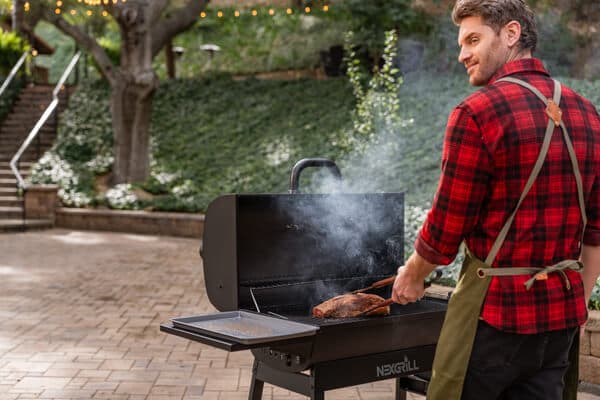
Unlock the secrets to perfect searing with expert techniques and tips.

Here's what sets us apart from the competition
We position ourselves as delivering high-end outdoor cooking features and performance without premium-brand pricing, emphasizing “Quality Grills. Unbelievable Value.”
We offer gas grills, pellet grills, griddles, smokers, pizza ovens, portable/tabletop grills, electric grills, accessories, and replacement parts — allowing customers to stay within one ecosystem for all outdoor cooking needs.
We differentiate ourselves through smart grilling products like the Oakford smart pellet grill, including app-connected cooking controls and modern outdoor cooking technology.
Expert tips, buying guides, comparisons, and inspiration for choosing and getting the most out of your grill.
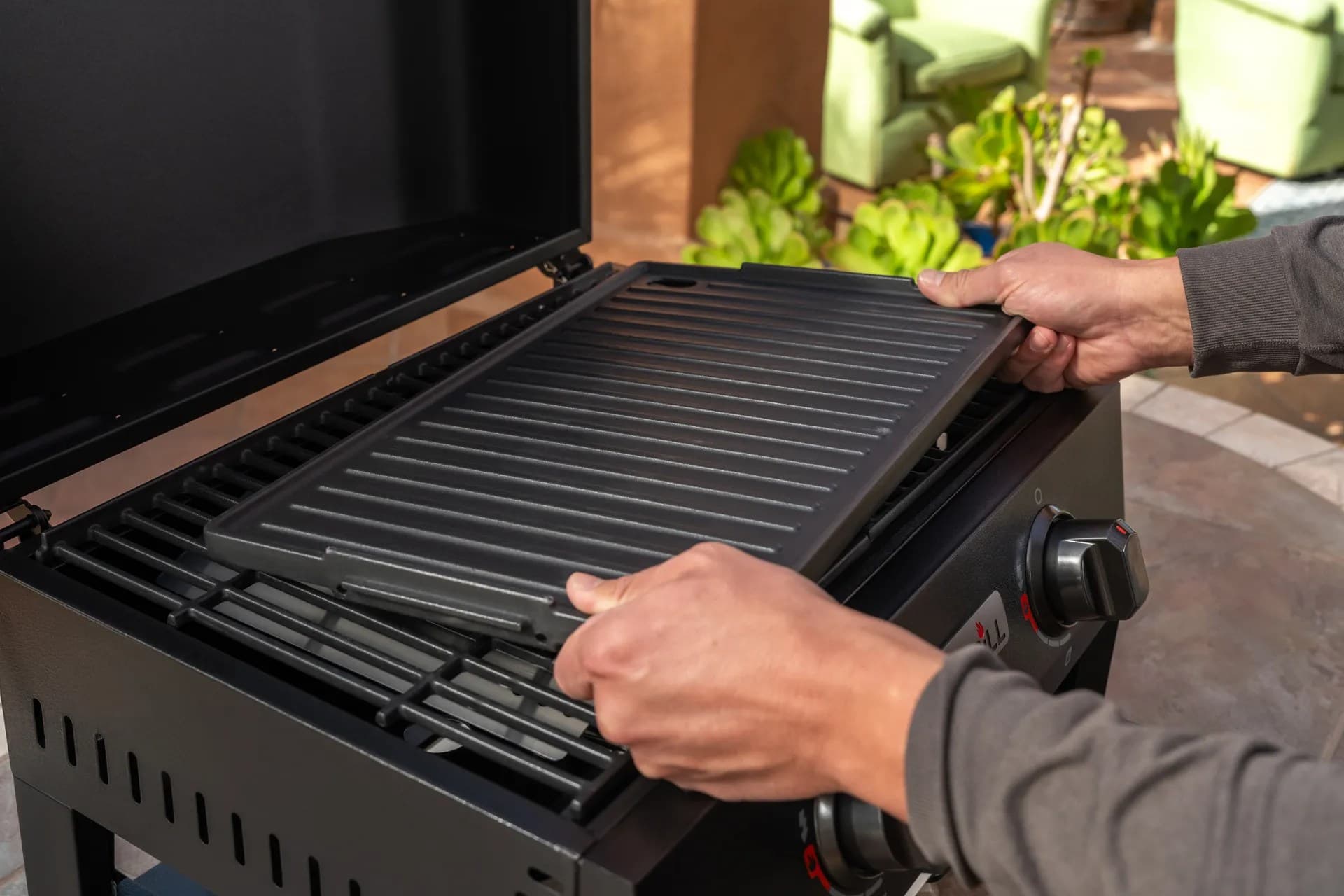
Practical guides for cleaning, maintenance, common grill issues, and performance optimization.
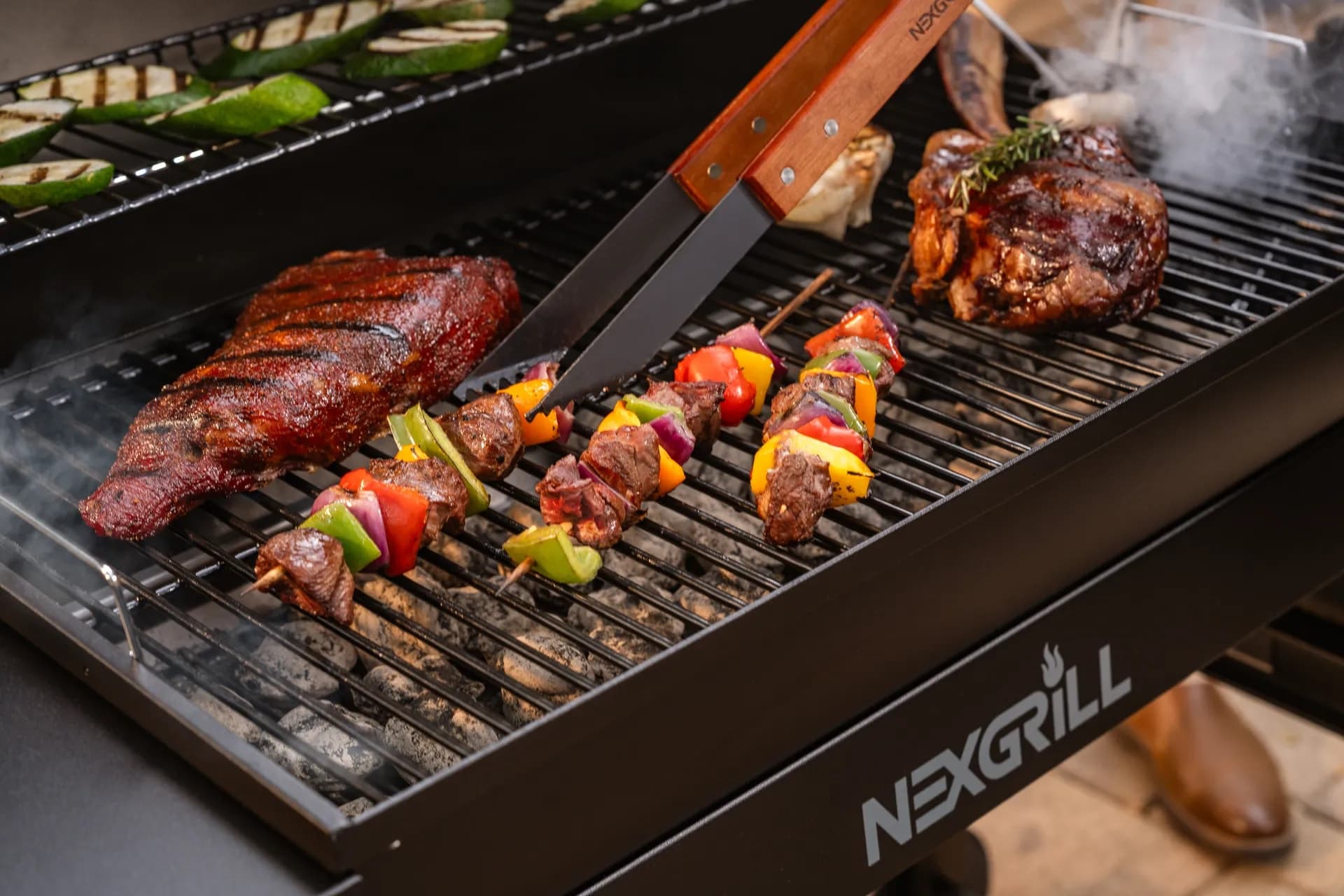
Step-by-step grilling recipes, cooking techniques, and meal ideas for every occasion and skill level.

Backyard entertaining ideas, seasonal grilling inspiration, and stories that celebrate outdoor cooking culture.
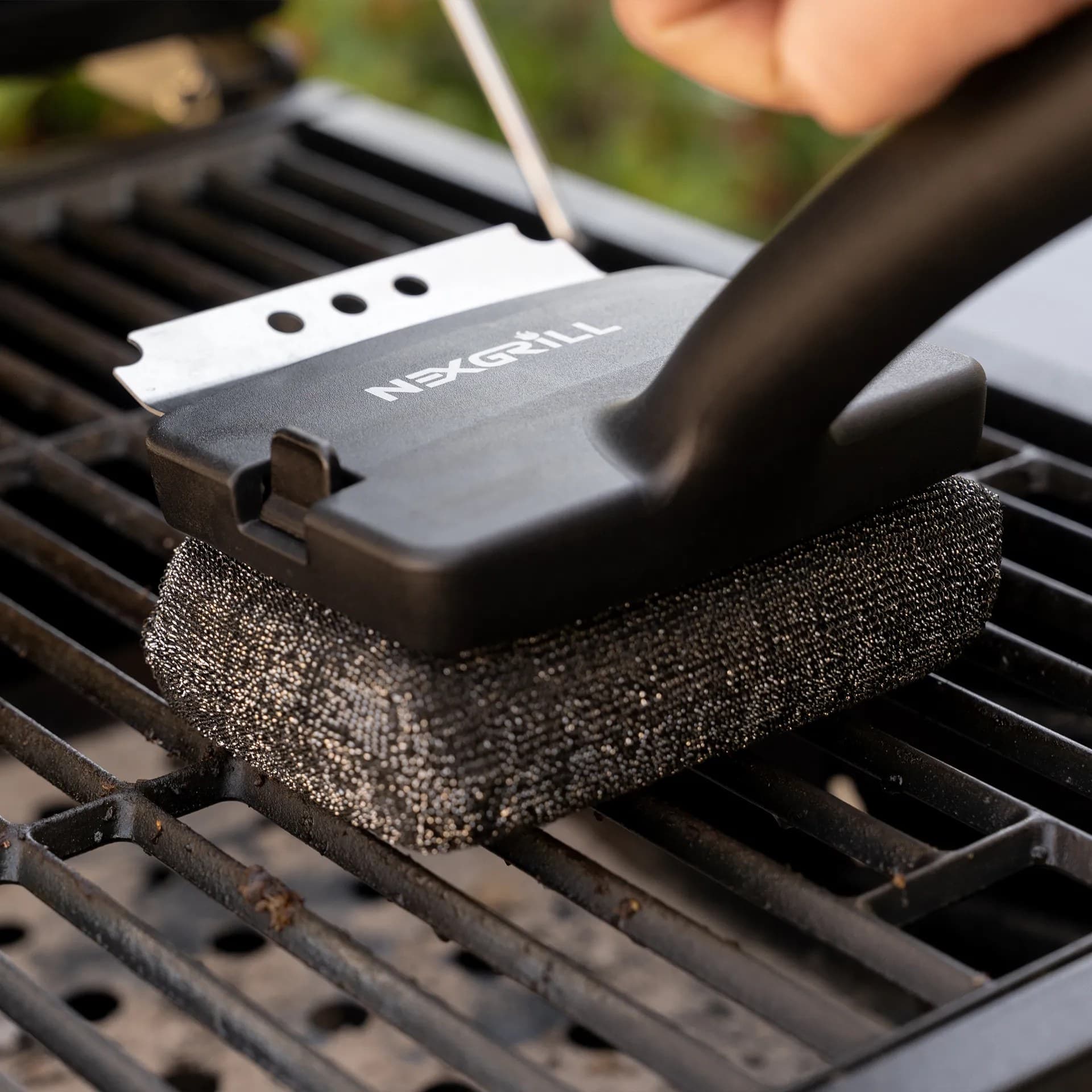
Helpful articles covering grilling tools, cookware, maintenance gear, and must-have accessories for outdoor cooking.
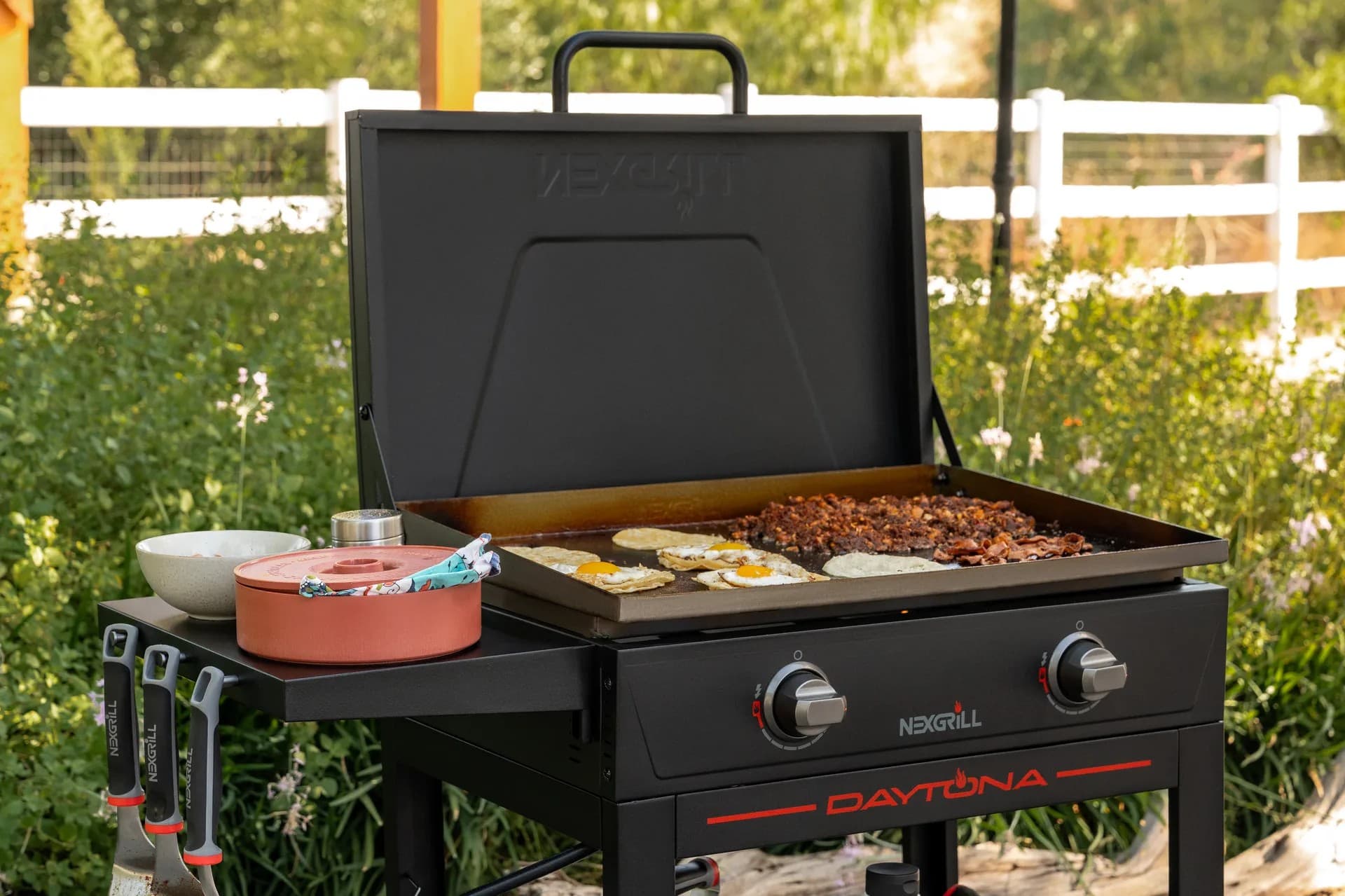
Find griddle recipes, cooking techniques, cleaning tips, and outdoor meal ideas designed for Nexgrill griddles.
Find answers to common questions
Nexgrill offers a variety of grills including gas, charcoal, and pellet grills, catering to different cooking preferences and styles.
Nexgrill is headquartered in California and serves a global market, primarily through retail partnerships such as Home Depot.
Yes, replacement parts are available for various Nexgrill products, and you can find them on the Nexgrill website or through authorized retail partners.
You can reach out to Nexgrill for support through their contact page on the website, where you will find options for phone and email inquiries.
Nexgrill products come with specific warranty terms, which can vary by product; it is recommended to check the warranty details on the product page or in the user manual.
In This Article
Perfect Searing Tips
Advanced Searing Techniques
Best Tools for Searing
Searing meat is a cooking technique that involves browning the surface of the meat at high temperatures. This not only gives the meat a delicious crust but also enhances its flavor. The science behind searing involves the Maillard reaction, a chemical process that occurs between amino acids and reducing sugars, giving browned foods their distinctive flavor.
Understanding the science of searing can help you achieve the perfect crust without overcooking the meat. This process begins at temperatures above 285°F (140°C). It’s crucial to ensure your grill is hot enough before you start searing.
Tip: Use a grill thermometer to ensure your grill reaches at least 450°F before placing the meat.
Not all cuts of meat are ideal for searing. The best cuts are usually those with a good amount of marbling, such as ribeye, filet mignon, or New York strip. These cuts benefit from high-heat cooking methods and develop a flavorful crust while remaining juicy inside.
Before searing, ensure the meat is at room temperature. Cold meat can lower the grill's temperature, resulting in uneven cooking.
Proper seasoning is essential for a good sear. Generously season the meat with salt and pepper. You can also use dry rubs or marinades for extra flavor, but ensure to pat the meat dry before it hits the grill to avoid steaming.
Use a high smoke point oil, such as canola or grapeseed oil, to coat the meat lightly. This helps achieve a golden-brown crust without burning.
| Oil Type | Smoke Point (°F) |
|---|---|
| Canola Oil | 400°F |
| Grapeseed Oil | 420°F |
Achieving the perfect sear requires patience and precision. Place the meat on the grill and let it cook undisturbed for 2-3 minutes to develop a crust. Avoid pressing down on the meat as this can cause juices to escape, leading to dryness.
Once the first side has developed a crust, flip the meat using tongs. Cook the opposite side for another 2-3 minutes. For thicker cuts, you may need additional time. Consider using a meat thermometer to check internal temperatures-medium-rare is around 130°F (54°C).
Tip: Allow the meat to rest for about 5 minutes after grilling to let the juices redistribute.
Searing can sometimes lead to common issues such as sticking to the grill or uneven cooking. To prevent sticking, ensure your grill grates are clean and well-oiled before adding the meat. If your meat cooks unevenly, check that your grill is heating evenly; repositioning the meat can help distribute heat more uniformly.
Controlling flare-ups is another aspect to consider. These are caused by fat dripping onto the flames. Keep a spray bottle of water handy to manage small flare-ups without dousing the fire.
Try comparing two products side by side below to see which fits best:
Once you've weighed two options against each other, here's what else matters for searing meat to perfection. Advanced searing techniques can elevate the flavor profile of your grilled meats. Reverse searing is one such technique where the meat is slowly cooked at low heat and then seared at high temperatures. This method ensures even cooking and a perfect crust.
Another technique is using cast iron pans on the grill. These provide a uniform searing surface and can be preheated to high temperatures, offering consistent searing results.
Resting the meat post-searing is crucial. It allows the juices to redistribute, preventing them from spilling out once the meat is cut. The resting time varies depending on the cut and thickness but generally ranges from 5 to 10 minutes.
For presentation, slice the meat against the grain. This not only enhances tenderness but also improves the visual appeal of the dish.
Different meats require tailored searing techniques. For instance, searing steak differs from searing chicken or pork. Chicken breasts are best seared using a combination of direct and indirect heat to ensure they cook through without burning the surface. Pork chops benefit from brining before searing to enhance flavor and moisture.
| Meat Type | Ideal Internal Temp |
|---|---|
| Beef (Medium-Rare) | 130°F |
| Chicken | 165°F |
| Pork | 145°F |
Investing in the right tools can significantly enhance your searing capabilities. A good quality meat thermometer is essential for monitoring internal temperatures. Grill brushes are necessary for cleaning grates between sears, and a set of long-handled tongs helps in flipping meat without piercing it.
Grill mats and cast iron pans are also recommended for maintaining a clean grill and achieving a uniform sear.
Warning: Always handle hot equipment with care and use protective gear to avoid burns.
Outdoor conditions can affect grilling outcomes. Wind and ambient temperature can alter cooking times. It's essential to adapt and adjust grill settings accordingly. Ensure your grill is placed in a sheltered area where it is less exposed to wind.
For those new to outdoor grilling, starting with simple recipes and gradually moving to more complex searing techniques can build confidence and skill over time.
Here's what sets us apart
We position ourselves as delivering high-end outdoor cooking features and performance without premium-brand pricing, emphasizing “Quality Grills. Unbelievable Value.”
We offer gas grills, pellet grills, griddles, smokers, pizza ovens, portable/tabletop grills, electric grills, accessories, and replacement parts — allowing customers to stay within one ecosystem for all outdoor cooking needs.
We differentiate ourselves through smart grilling products like the Oakford smart pellet grill, including app-connected cooking controls and modern outdoor cooking technology.
Don't just take our word for it
Keep reading
From our catalog