Nexgrill
Lifestyle

Lifestyle Articles

News, advice and articles about Lifestyle

Latest Lifestyle Articles

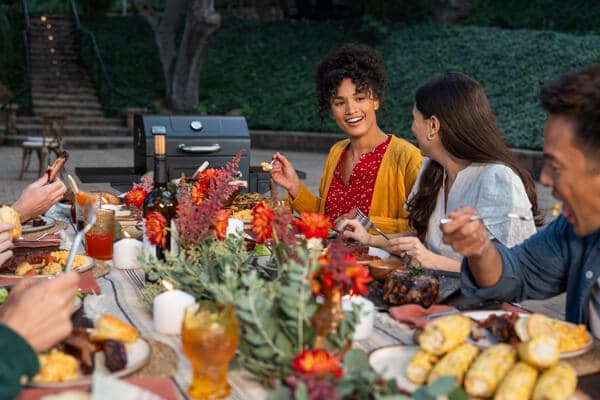
Friends and family enjoying outdoor backyard grilling and dining around a Nexgrill barbecue grillLifestyle

Four Essential Safety Precautions for Outdoor Cooking

Introduction to Outdoor Cooking Safety Outdoor cooking should feel relaxed, social, and easy to enjoy, but it also asks you to manage heat, open flame, raw food, and weather at the same time. That combination is exactly why the safest cooks are usually the most prepared ones. The question behind this article is simple: what are four important safety precautions you should follow when cooking outdoors? The practical answer is that you need to pay attention to fire control, food handling, equipment condition, and the setup around your cooking area. Those four habits do not slow the cookout down; they make it smoother, more predictable, and far less likely to turn into a scramble. Nexgrill’s brand voice centers on gathering people around good food without turning the experience into something formal or intimidating. That matters here, because outdoor cooking safety should be approachable enough for a first-time griller and specific enough for someone who already cooks every weekend. The goal is not to add fear. It is to help you build a routine so safety becomes part of the rhythm: check the equipment, prep the food properly, keep the fire area under control, and be ready if something goes wrong. Nexgrill’s brand materials emphasize warmth, belonging, and dependable outdoor experiences, and that same mindset fits outdoor safety well: a safe cookout is one where everyone can stay focused on the meal and the moment, not on preventable hazards. 4 core precautions matter most: fire, food, equipment, and environment A helpful way to think about outdoor cooking safety is to break it into decisions you can control before the first burger hits the grate. If you are grilling on a small patio, the distance from siding, umbrellas, and low tree branches matters. If you are cooking for a neighborhood get-together, cross-contamination and cooler storage become just as important as the flame itself. If you are using a gas grill, the condition of the hose, valves, and ignition system should be checked before every season and after long storage. If you are cooking over charcoal, airflow and ash cleanup affect both heat control and fire safety. Each precaution affects the next one, which is why strong habits create a safer chain of events. Fire Safety Precautions Fire safety is the first precaution because outdoor cooking combines intense heat with grease, fuel, and open-air conditions that can spread flames faster than expected. Start by placing the grill or cooker on a stable, level surface away from deck railings, garage doors, dry grass, and anything flammable. The National Fire Protection Association’s wildfire preparedness guidance stresses the importance of keeping combustible material away from heat sources and being aware of surrounding conditions when fire is involved. That principle applies directly to backyard grilling, where a windy afternoon or a pile of dry leaves can turn a normal session into a problem quickly. For gas grilling, inspect the fuel connection before ignition. If you smell gas before lighting, stop and investigate instead of trying to “burn it off.” Make sure burners light evenly, because delayed ignition can create a flare of gas before the flame catches. For charcoal cooking, use only designated starters and never accelerate the fire with lighter fluid after coals are already partially lit. A clean fire area makes it easier to control the flame and spot trouble early. Consumer Reports’ grilling safety guidance also reinforces the basics: keep the grill outdoors, never leave it unattended, and maintain a safe buffer from structures and overhangs. Warning: A grill placed too close to a home, fence, or overhanging branch can become hazardous even if the fire itself seems controlled. A practical example: imagine you are searing chicken on a windy evening and a burst of flare-up ignites grease near the side burner. If the grill is positioned beside patio cushions or a hanging umbrella, that small flare can become a larger problem. The safer move is to keep the area clear before cooking starts, not after the flame rises. Fire safety also means keeping a means of suppression nearby. A fire extinguisher suitable for cooking-area use should be within reach, and you should know how to shut off the fuel source fast. That is not an extreme measure; it is standard preparation for anyone who cooks with heat outdoors. It is especially important for households that entertain often, because extra people means more movement around the cooking space and a greater chance of accidental bumps, spills, or dropped tools. Food Handling Guidelines The second precaution is food handling, because even a perfectly controlled fire does not make unsafe food safe. Outdoor cooking often involves longer prep times, travel coolers, shared serving utensils, and multiple dishes moving between indoor and outdoor spaces. The CDC’s food safety guidance emphasizes keeping raw meats separate from ready-to-eat foods, chilling perishables promptly, and washing hands and surfaces to reduce the risk of foodborne illness. Those steps are especially important outdoors, where counters may be limited and people naturally pass food around more casually. The biggest mistake in backyard cooking is often not the grill itself but the workflow. Raw chicken may be carried out in the same tray used for cooked vegetables. A single tongs set may touch raw steak, then move to finished food. Potato salad may sit in the sun while the grill heats. These are ordinary cookout habits, but they are also the habits that create avoidable risk. The fix is to set up separate zones: one for raw prep, one for cooked service, and one for cold items. If you are cooking for a group, label serving utensils in your head before the food comes off the heat so you do not mix them by accident. A simple way to keep it straight is to use one cutting board for raw protein and another for produce and serving prep. Temperature control matters beyond the grill surface. Keep cold foods cold until the last possible moment, and return leftovers to refrigeration quickly after the meal. That guidance helps whether you are serving marinated kabobs, burgers, seafood, or sliced fruit. If you are transporting food to a park or tailgate, use insulated containers and keep raw meat sealed on the bottom so any leaks do not drip onto ready-to-eat items. In practical terms, safe outdoor cooking means planning the path of the food before the first plate is loaded. The cookout feels effortless to guests when the host has already created a safe sequence behind the scenes. Info: Safe food handling outdoors is not just about cleanliness. It is about keeping raw and cooked foods physically separated from start to finish. Equipment Maintenance Tips The third precaution is equipment maintenance, because outdoor cooking gear works harder than indoor appliances. Heat, weather, grease, and storage all affect performance. A grill that looks fine from a distance may still have clogged burners, cracked hoses, loose fittings, or buildup that changes how it cooks and how safely it ignites. Equipment maintenance is not about perfection; it is about catching the small issues before they become expensive or dangerous. For gas grills, check the hose, regulator, and burner ports on a routine basis. If burners are uneven, delayed ignition becomes more likely and hot spots can make cooking less predictable. Keep the firebox and grease management areas clean so grease does not accumulate where flame or heat can reach it. For charcoal setups, empty old ash after the grill has cooled completely, because ash can hold heat much longer than people expect. For griddles and accessories, season and clean the cooking surface according to the manufacturer’s instructions so residue does not compromise either food quality or safety. A seasonal maintenance habit works well for most households. Before the first serious cookout of the year, inspect the grill from top to bottom, wipe down surfaces, check ignitions, and replace worn tools or deteriorated hoses. During the season, clean up grease and food residue after each use. Before storage, protect the unit from rain and dust with a fitted cover where appropriate. That routine does more than extend product life. It also helps you notice changes in performance, such as flames that flicker differently or knobs that no longer adjust smoothly. Those are the moments when maintenance becomes safety. Tip: The safest grill is usually the one that gets a quick inspection before each use and a deeper cleaning on a regular schedule. If you want a simple standard to follow, think in layers: clean after use, inspect before use, and repair or replace when something is damaged. That approach keeps you from ignoring small defects because the grill still “mostly works.” Outdoor cooking rewards consistency, and consistent equipment care is one of the easiest ways to support that consistency. Try comparing two products side by side below to see which fits best:

Aug 14, 202613 min read
Read more
Friends and family enjoying outdoor backyard grilling and dining around a Nexgrill barbecue grillLifestyle

Creative Holiday Barbecue Ideas for Every Occasion

Elevate Your Holiday Barbecues with Nexgrill The holiday season is not just about familiar traditions and cozy gatherings; it's also an opportunity to explore new tastes and create memorable experiences. Barbecuing during the holidays offers a unique twist to conventional festivities, allowing you to blend the comforting aromas of grilled delicacies with the warmth of family and friends. With a Nexgrill at your disposal, you can transform your backyard into a culinary stage worthy of the season's celebrations. Why Choose Barbecuing for Holidays? Barbecuing during the holidays brings together the joys of outdoor cooking with the festive spirit. It's a time when comfort food meets creativity, providing an opportunity to impress guests with unique dishes. The open flame of a grill allows for experimentation with flavors and the chance to showcase culinary skills in a relaxed setting. Moreover, it fosters an inclusive atmosphere where everyone can participate, from preparing the grill to sharing recipes. Tip: Use seasonal ingredients to enhance the flavor and appeal of your barbecue menu. Setting the Scene: Holiday Themes Choosing a theme for your holiday barbecue can add an exciting dimension to your gathering. Whether it's a winter wonderland with cozy blankets and hot cider or a tropical escape with tiki torches and fruity cocktails, a well-planned theme can enhance the overall ambiance. Use decorations, music, and lighting to complement your chosen theme, creating a cohesive and inviting environment for your guests. Theme Elements Winter Wonderland Cozy blankets, hot cider, fairy lights Tropical Escape Tiki torches, fruity cocktails, Hawaiian music Crafting the Perfect Holiday Barbecue Menu A successful holiday barbecue menu should reflect the tastes and preferences of your guests while offering something for everyone. Start with classic barbecue staples and incorporate holiday flavors and seasonal ingredients. Think grilled turkey with cranberry glaze, maple-glazed pork ribs, or a medley of roasted winter vegetables. Don't shy away from adding gourmet touches like truffle oil or artisanal cheeses to elevate the dining experience. For a twist, consider offering a build-your-own burger bar with a variety of toppings and condiments. This interactive approach encourages creativity and ensures that each guest can customize their meal to their liking. If you're seeking more quick grill recipes to make prep easier, you'll find plenty of ideas out there. Tip: Prepare a selection of homemade sauces and marinades to cater to different palates.

Jul 13, 20264 min read
Read more
Friends and family enjoying outdoor backyard grilling and dining around a Nexgrill barbecue grillLifestyle

Mastering BBQ with Your Pizza Oven

Understanding the Potential of Pizza Ovens for BBQ Pizza ovens are traditionally designed to achieve extremely high temperatures, optimal for cooking pizzas in mere minutes. However, their design also makes them highly suitable for various BBQ methods, offering unique benefits such as enhanced flavor and faster cooking times. By understanding the mechanics of a pizza oven, you can unlock its potential for BBQ, allowing you to explore a range of culinary possibilities beyond just pizza. Why Use a Pizza Oven for BBQ? The intense, even heat distribution in a pizza oven ensures that meats are cooked thoroughly and evenly, often resulting in a crispy exterior while maintaining juiciness inside. This feature is particularly beneficial for grilling and roasting meats, where consistent heat is essential. Furthermore, the stone floor of the oven provides an authentic charred flavor, similar to traditional BBQ grills. Tip: Preheat your pizza oven for at least 30 minutes before cooking meat to ensure even heat distribution. Setting Up Your Pizza Oven for BBQ To use your pizza oven for BBQ, start by ensuring it reaches the correct temperature, usually around 500°F to 700°F, depending on the type of meat you're cooking. Using wood or charcoal can add smoky flavors similar to traditional BBQ. Place the fuel towards the back or side of the oven to create an indirect cooking zone. Meat Temperature (°F) Cooking Time Chicken 165 20-30 mins Steak 145 12-15 mins Pork 160 25-30 mins A good practice is to use a meat thermometer to ensure the internal temperatures meet safety standards. The high heat of the pizza oven can cook meats quickly, so keeping a close eye is crucial to avoid overcooking. Essential BBQ Techniques Using a Pizza Oven Using a pizza oven for BBQ requires some adaptation of traditional techniques. Here’s how you can do it effectively: Direct Grilling Direct grilling in a pizza oven is ideal for smaller cuts of meat, such as steaks or kebabs. The key is to sear the meat on the oven floor, using the high heat to create a perfect crust. This method is quick and ensures meats are juicy inside. Info: Direct grilling is best for meats less than 2 inches thick to ensure even cooking. Indirect Grilling For larger cuts, such as whole chickens or roasts, indirect grilling is more suitable. By placing the meat away from the direct flame, you create an oven-like environment that cooks the meat evenly without burning it. Use a grill rack or a roasting pan to achieve the best results. Try comparing two products side by side below to see which fits best:

Jul 12, 20264 min read
Read more
Friends and family enjoying outdoor backyard grilling and dining around a Nexgrill barbecue grillLifestyle

Choosing the Best Wood Chips for Smoking

Understanding Wood Chips for Smoking When it comes to enhancing the flavor of grilled foods, wood chips play a crucial role. These small pieces of wood are used to create smoke, adding a distinct aroma and taste to your meats, vegetables, and even cheeses. The type of wood chip you choose can significantly affect the flavor profile of your grilled dishes, making it essential to understand the different varieties and how they complement various foods. Types of Wood Chips There are a variety of wood chips available, each offering unique flavors. Common options include hickory, mesquite, applewood, cherry, and oak. Hickory is known for its strong, bacon-like flavor, ideal for pork and ribs. Mesquite offers a bold, earthy taste suitable for beef. Applewood and cherry provide a sweet, fruity smoke perfect for poultry and fish, while oak is a versatile choice that complements most dishes. Experiment with different combinations and amounts of wood chips to find the perfect flavor profile for your preferences. Tip: Mix different wood chips to create a custom flavor blend for your dishes. Why Wood Chip Size Matters The size of wood chips can affect the duration and intensity of the smoke. Smaller chips ignite quickly and produce fast bursts of smoke, ideal for shorter grilling sessions. Larger chunks take longer to ignite but provide a steadier and longer-lasting smoke, perfect for smoking meats over extended periods. The size and type of wood chips you use can truly change your grilling experience, so understanding these aspects is key to mastering basic grilling techniques . Wood Type Flavor Best For Hickory Strong, smoky Pork, ribs Mesquite Bold, earthy Beef Applewood Sweet, fruity Poultry, fish Cherry Mild, sweet Poultry, pork Oak Medium, versatile Various meats How to Use Wood Chips Effectively Using wood chips effectively involves more than just placing them on the grill. Start by soaking your wood chips in water for about 30 minutes before grilling. This helps them smolder and produce smoke rather than burn quickly. Place the soaked chips in a smoker box or wrap them in aluminum foil with holes poked on top to let the smoke escape. Position the box or foil pouch directly on the heat source for optimal smoke production. Remember, the key to successful smoking is patience and practice. Warning: Avoid over-smoking your food, as it can lead to a bitter taste. A little smoke goes a long way. Experiment with different combinations and amounts of wood chips to find the perfect flavor profile for your preferences. Remember, the key to successful smoking is patience and practice.

Jul 12, 20264 min read
Read more
Friends and family enjoying outdoor backyard grilling and dining around a Nexgrill barbecue grillLifestyle

Safe Grilling for Kids: Ensuring Fun and Safety

Creating a Safe Grilling Environment for Kids Grilling with family can be an enjoyable and bonding activity, especially when done safely with kids around. Ensuring a secure environment is the first step to a successful family cookout. Start by selecting a location that is away from foot traffic and play areas. This minimizes the risk of accidental bumps or burns. It's also essential to establish a safety zone around the grill, typically a three-foot radius, where only adults are allowed. Consider using a grill mat to prevent slips and falls, and always have a fire extinguisher nearby in case of emergencies. Regularly check your grill for stability to ensure it doesn't tip over easily. If you're using a gas grill, inspect the hoses for leaks and replace any damaged parts immediately. Tip: Involve your kids in setting up the safety zone to teach them about grilling safety. Engaging Kids in Safe Grilling Practices Involving children in grilling can be educational and fun. Assign age-appropriate tasks such as marinating meat, arranging vegetables, or setting the table. These activities engage them without exposing them to direct heat. Teach them about the different grilling tools and their uses while emphasizing safety measures. Use this opportunity to educate kids about the importance of washing hands before and after handling raw food. Demonstrating how to use a meat thermometer can also be a fun science lesson about cooking temperatures and food safety. Task Age Group Marinating and seasoning 5-10 years Setting the table 5-12 years Using a meat thermometer 10-15 years Involving kids in these processes not only keeps them engaged but also instills a sense of responsibility and understanding of safe cooking practices. Choosing Kid-Friendly Grill Recipes Selecting recipes that are both safe and enjoyable for kids is key. Opt for dishes that require minimal supervision and have simple steps. Grilled vegetable skewers, chicken tenders, and foil pack meals are excellent choices that kids can help prepare. They are simple, quick to cook, and offer a hands-on experience that children find exciting. For dessert, consider grilled fruit like pineapple or peaches, which can be prepared with minimal effort and supervision. These options provide a sweet and healthy end to your grilling session.

Jul 12, 20264 min read
Read more
Friends and family enjoying outdoor backyard grilling and dining around a Nexgrill barbecue grillLifestyle

Unlocking the Full Flavor Potential of Your Gas Grill

Understanding Flavor Profiles Flavor is the essence of grilling, transforming simple ingredients into culinary masterpieces. To get more flavor from a gas grill, it’s essential first to understand the basic elements that contribute to taste: sweet, sour, salty, bitter, and umami. Each of these elements can be accentuated through specific grilling techniques, seasonings, and cooking methods. Start by identifying the natural flavors in your ingredients. For instance, meats have inherent umami flavors that can be intensified through the Maillard reaction, which is the browning that occurs when proteins are exposed to high heat. Vegetables, on the other hand, can offer a sweet caramelization when grilled, enhancing their natural sugars. Utilizing Marinades and Rubs Marinades and rubs are essential tools for any grilling enthusiast looking to enhance flavor. Marinades, which consist of a mixture of acids, oils, and seasonings, work by tenderizing and infusing meats with flavor. For example, a marinade with citrus juice or vinegar can break down proteins, allowing flavors to penetrate more deeply. Rubs, on the other hand, are dry mixes of spices and herbs that create a crust on the meat, locking in moisture and adding a robust layer of flavor. Consider using a spice rub with paprika, garlic powder, and brown sugar for a sweet and spicy kick. The following table provides examples of popular marinades and rubs: Type Ingredients Best For Citrus Marinade Lemon, Lime, Olive Oil, Garlic Chicken, Fish Spice Rub Paprika, Cumin, Brown Sugar Beef, Pork Mastering Smoking Techniques Adding a smoky aroma to your grilled dishes can significantly enhance flavor depth. While traditional smoking requires a charcoal grill, gas grill users can also achieve this effect with a few simple techniques. Consider using wood chips or planks. Soak wood chips in water for 30 minutes, then place them in a smoker box or wrap them in aluminum foil with holes punched in the top. Placing these directly on the burners will create smoke that infuses the food. Popular wood choices include hickory for a strong, bacon-like flavor, mesquite for a bold taste, and applewood for a sweet, fruity aroma. Experiment with different combinations to find the perfect match for your meats and vegetables. Tip: Control the intensity of smoke by adjusting the quantity of wood chips used. Perfecting Heat Control Achieving the right flavor balance often comes down to mastering heat control. Gas grills offer the convenience of precise temperature adjustment, allowing for a variety of cooking techniques. Use direct heat for searing and obtaining those coveted grill marks, while indirect heat is perfect for cooking larger cuts slowly, ensuring they remain juicy and flavorful. Understanding when to use each method is crucial. For instance, start cooking thick steaks over high direct heat to sear and caramelize the surface, then move them to indirect heat to finish cooking without burning the exterior. 450°F - 500°F Ideal searing temperature for steaks.

Jul 11, 20265 min read
Read more
Friends and family enjoying outdoor backyard grilling and dining around a Nexgrill barbecue grillLifestyle

Mastering Grilling Meat Temperatures: A Comprehensive Guide

Understanding the Importance of Meat Temperatures Grilling is as much an art as it is a science. Achieving the perfect doneness of meat requires not only skill but also an understanding of the right temperatures . Cooking meat to the correct internal temperature ensures it's safe to eat while preserving its flavor and texture. Whether you're grilling a juicy steak or a tender chicken breast, knowing the ideal temperature is key to culinary success. According to the USDA, different types of meat have specific safe minimum internal temperatures to kill harmful bacteria. For instance, poultry should reach an internal temperature of 165°F, while ground beef requires 160°F. These guidelines are crucial for preventing foodborne illnesses and ensuring a delightful eating experience. Tip: Always use a reliable meat thermometer to check the temperature of your meats. Instant-read thermometers provide quick results, ensuring your grilling is on point. The Science of Grilling: How Heat Affects Meat Heat transforms meat by causing proteins to denature, fats to melt, and sugars to caramelize. This chemical reaction enhances flavors and textures, resulting in the savory, complex tastes we associate with grilled foods. The Maillard reaction, responsible for the browning of meat, occurs at temperatures above 300°F. Understanding these processes helps grillers control and optimize the flavor profiles of their dishes. Grilling at too high a temperature can lead to overcooked exteriors and undercooked interiors, especially with thick cuts. Conversely, grilling at too low a temperature might not provide the desired sear. Balancing these elements is critical for achieving the perfect grill. Temperature Guidelines for Different Meats Meat Type Safe Minimum Temperature (°F) Recommended Temperature for Flavor Poultry (whole) 165°F 170°F for moistness Beef, pork, lamb (steaks, roasts, chops) 145°F 130°F for medium-rare Ground meats (beef, pork, lamb) 160°F Cook thoroughly for safety These temperatures serve as a guide to ensure safety and enhance the taste of your grilled dishes. Adjustments might be necessary based on personal preferences and the specific characteristics of the meat.

Jul 11, 20264 min read
Read more
Friends and family enjoying outdoor backyard grilling and dining around a Nexgrill barbecue grillLifestyle

Mastering Grill Temperatures: Your Ultimate Chart Guide

Understanding Grilling Temperatures Grilling is both an art and a science, and mastering the right temperatures is crucial for achieving the perfect cook. Whether you're searing a steak to perfection or slow-cooking ribs until they're tender, understanding temperature control can make all the difference. Let's explore the nuances of grilling temperatures and why they matter. Why Temperature Matters Cooking at the right temperature ensures that food is cooked evenly and safely. High temperatures are ideal for searing and achieving a crispy exterior, while lower temperatures are perfect for slow-cooking and smoking. Knowing the right temperatures helps in preserving the flavor and texture of the food, ensuring a delightful dining experience. Food Type Recommended Temperature (°F) Cooking Method Steak 450-500 Searing Chicken 350-375 Grilling Ribs 225-250 Smoking Tip: Use a reliable meat thermometer to ensure accuracy when grilling. Adjusting for Different Grills Different grills have varying heat distributions. Gas grills tend to heat up quickly and maintain consistent temperatures, while charcoal grills require more attention to airflow and coal placement. Pellet grills offer precise temperature control, making them excellent for smoking. Common Grilling Temperature Mistakes One common mistake is not preheating the grill properly, which can lead to uneven cooking. Another is overcrowding the grill, which can drop the temperature and prolong cooking time. Understanding these pitfalls can help in achieving better results . Warning: Avoid opening the grill lid too often as it can cause temperature fluctuations. Try comparing two products side by side below to see which fits best:

Jul 11, 20263 min read
Read more
Friends and family enjoying outdoor backyard grilling and dining around a Nexgrill barbecue grillLifestyle

Mastering BBQ Basics: Your Ultimate Guide to Grilling Success

Understanding the Fundamentals of BBQ Barbecue, often abbreviated as BBQ, is more than just a cooking method; it's an art form that brings people together. To get started, it's crucial to understand the basic components: the grill, fuel, and food preparation techniques. At its core, BBQ is about slow cooking meat at low temperatures using indirect heat and smoke. This method infuses the food with unique flavors that are emblematic of this culinary tradition. Grilling, a form of BBQ, typically involves cooking food over direct heat at higher temperatures. The choice between charcoal, gas, or pellet grills will affect the flavor profile and cooking style. Each type offers distinct advantages, such as the smoky flavor from charcoal or the convenience of gas grills. Understanding these differences can help you choose the best grill for your needs. Tip: Start with a simple grill setup to master basic techniques before venturing into more complex BBQ styles. The essence of BBQ lies in the preparation. Marinating and seasoning your meat beforehand can enhance its flavor and tenderness. Consider using dry rubs for a robust flavor or marinades for a more subtle infusion. Both methods require time to let the flavors soak into the meat, so patience is key. Choosing the Right Equipment for Your BBQ Selecting the right BBQ equipment is crucial for achieving the best results. While there are many options available, understanding your needs and budget will help narrow down the choices. Whether you prefer the traditional taste of a charcoal grill or the modern convenience of a gas or electric grill, each option offers unique benefits. BBQ is a method that requires the right tools and knowledge for mastery. Grill Type Advantages Considerations Charcoal Grill Offers authentic smoky flavor, ideal for traditional BBQ. Requires more time and skill to manage temperature. Gas Grill Convenient and easy to control heat, quicker setup. May lack the deep smoky flavor of charcoal. Pellet Grill Combines convenience with rich flavors, versatile cooking options. Higher initial cost, requires electricity. Once you've decided on the grill type, consider additional accessories like grill thermometers, chimney starters, and quality utensils. These tools can enhance your grilling experience and ensure precise cooking results.

Jul 11, 20264 min read
Read more
Friends and family enjoying outdoor backyard grilling and dining around a Nexgrill barbecue grillLifestyle

Mastering Grilling Techniques: A Beginner's Guide

Understanding the Basics of Grilling Grilling is an art that combines technique, skill, and a passion for flavor. For beginners, understanding the basics is the first step towards mastering this culinary craft. The essence of grilling lies in harnessing the power of direct heat to cook food quickly and efficiently, imparting a distinctive char and smoky flavor. Whether you're using a gas, charcoal , or pellet grill, knowing the fundamental principles will help you achieve the best results. When starting, it's essential to familiarize yourself with the different parts of your grill. Most grills come with a lid, cooking grates, burners, and a drip pan. Understanding the function of each component can enhance your grilling experience. For instance, the lid plays a crucial role in controlling temperature, while the cooking grates provide the surface for your food to cook upon. Tip: Always start with a clean grill. Residual food and grease can affect the taste of your dishes and may cause flare-ups. Choosing the Right Fuel Type Selecting the appropriate fuel type is a critical decision for any beginner griller. The three main types of fuel are gas, charcoal, and pellets. Charcoal grills deliver a rich, smoky flavor that many barbecue enthusiasts love, albeit with a bit more effort in preparation and cleanup. Pellet grills provide a balance between flavor and convenience, using wood pellets as fuel to offer a unique taste profile. Each type of fuel has its pros and cons, and the best choice depends on your personal preferences and grilling goals. Fuel Type Pros Cons Gas Quick, easy to control Less smoky flavor Charcoal Rich flavor Longer prep time Pellet Flavorful, versatile More complex setup Essential Grilling Techniques for Beginners Mastering essential grilling techniques is key to becoming a confident griller. Start with controlling temperature and heat zones. Most grills allow for the creation of direct and indirect heat zones, giving you flexibility in cooking different types of food. Direct heat is perfect for quick-cooking items like burgers and steaks, while indirect heat is ideal for slower cooking, such as whole chickens or ribs. Another crucial technique is the use of marinades and rubs. These can enhance the flavor profile of your dishes significantly. Marinades work by tenderizing meats and adding layers of flavor, while rubs provide a crusty outer layer that complements the natural taste of the meat. Tip: Let your meat rest after grilling. This allows the juices to redistribute, resulting in a juicier and more flavorful dish. Learning to use a meat thermometer can also elevate your grilling skills. Ensuring that your meat reaches the right internal temperature is crucial for both safety and taste. Different meats have varying temperature requirements, so having a reliable thermometer is a must-have tool for any beginner. Finally, practice patience. Grilling is as much about timing as it is about technique. Rushing the process can lead to unevenly cooked foods or unwanted flare-ups. Instead, embrace the process and enjoy the art of grilling. Safety Tips for Beginners Safety is paramount when grilling. Always grill in a well-ventilated area, away from flammable materials. Ensure that your grill is stable and set on a flat surface to prevent accidents. Keep a fire extinguisher or a water spray bottle nearby to manage any unexpected flare-ups. Regular maintenance of your grill is also important. Checking for gas leaks, cleaning grease traps, and ensuring that all components are in good working condition can prevent potential hazards.

Jul 11, 20265 min read
Read more
Friends and family enjoying outdoor backyard grilling and dining around a Nexgrill barbecue grillLifestyle

Essential Grilling Safety Tips for Every Backyard Chef

Understanding the Importance of Grilling Safety Grilling is not just a cooking method; it's a cultural experience that brings family and friends together. However, safety should always be the top priority. Understanding the risks and how to mitigate them can prevent accidents and ensure everyone enjoys the meal without incident. Common Grilling Hazards Grills, whether gas or charcoal, can pose several risks including fires, burns, and carbon monoxide poisoning. Recognizing these hazards is the first step in preventing them. For instance, improperly maintained grills can leak gas, while charcoal grills can produce dangerous levels of carbon monoxide if used in enclosed spaces. Essential Safety Equipment Having the right safety equipment on hand can make a significant difference. This includes fire extinguishers, heat-resistant gloves, and long-handled utensils. Each of these items plays a crucial role in managing potential emergencies effectively. Tip: Always keep a fire extinguisher near the grill and ensure it is rated for grease fires. Preparing Your Grilling Area Location is key when setting up your grill. Always place your grill outdoors and at least 10 feet away from any structures, including your house, garage, or wooden decks. This distance helps prevent accidental fires from spreading to your home. Setting Up a Safe Grilling Zone Create a designated grilling zone that is clear of overhanging branches, decorations, and any other flammable materials. Establish a perimeter that children and pets cannot cross to prevent accidents. Item Distance from Grill House 10 feet Trees 10 feet Flammable Decor 15 feet Weather Considerations Always check the weather before planning your grilling session. High winds can increase the risk of fire by spreading flames and embers. In addition, never grill indoors or in a garage, as this increases the risk of carbon monoxide buildup. Warning: Never leave your grill unattended, especially during high wind conditions.

Jul 10, 20264 min read
Read more
Friends and family enjoying outdoor backyard grilling and dining around a Nexgrill barbecue grillLifestyle

Essential Fire Pit Safety Tips for Outdoor Enjoyment

Understanding Fire Pit Safety Basics Fire pits are a wonderful addition to any backyard, providing warmth, ambiance, and a gathering place for friends and family. However, safety must be a priority when enjoying these features. Understanding the basics of fire pit safety can help prevent accidents and ensure a pleasant experience for everyone involved. Before lighting your fire pit, it’s crucial to select an appropriate location. Ideally, the fire pit should be placed on a non-flammable surface, such as stone or concrete, and situated at least 10 feet away from any structures or flammable materials such as trees, fences, or furniture. This distance helps reduce the risk of fire spreading in case of unexpected sparks or wind gusts. Another essential safety measure is the use of a spark screen. This tool is invaluable in containing flying embers that could ignite nearby flammable materials. Additionally, having a fire extinguisher or a bucket of sand nearby can make a critical difference in the event of an emergency. Choosing the Right Fuel and Lighting Techniques The type of fuel used in your fire pit can significantly impact safety. Wood is a common choice, but it is important to use seasoned, dry hardwoods like oak or hickory that produce less smoke and fewer sparks. Avoid using softwoods like pine, which can pop and throw dangerous embers. Additionally, never use accelerants such as gasoline or lighter fluid, as these can cause uncontrollable flames. Proper lighting techniques are also crucial. Begin by placing small twigs and kindling at the bottom, creating a small teepee structure. Light the kindling with long matches or a lighter, gradually adding larger pieces of wood as the fire grows. This method helps maintain control over the fire’s size and intensity. Tip: Always check local regulations and fire bans before lighting your fire pit to ensure compliance with community safety standards. Monitoring and Maintaining Your Fire Pit Once your fire is lit, it requires constant monitoring. Never leave a fire pit unattended, and ensure that children and pets are kept at a safe distance. Using long-handled tools can help manage the fire effectively while keeping a safe distance from the flames. Regular maintenance of your fire pit is also essential for safety. Clean out ashes and debris regularly to promote proper airflow and reduce smoke. Inspect your fire pit for any signs of damage or wear, such as cracks or rust, which could compromise safety. Safety Measure Description Spark Screen Prevents embers from escaping and igniting nearby materials. Fire Extinguisher Ready for emergencies to extinguish any unexpected fires. Non-Flammable Surface Reduces the risk of fire spreading from fallen embers. Info: Regularly inspect your fire pit for damage to ensure it remains safe for use. Try comparing different fire pit models and safety features to see which options best suit your outdoor space and safety needs.

Jul 9, 20265 min read
Read more

Browse by Category

Grills

Grills

Expert tips, buying guides, comparisons, and inspiration for choosing and getting the most out of your grill.

Troubleshooting

Troubleshooting

Practical guides for cleaning, maintenance, common grill issues, and performance optimization.

Recipes

Recipes

Step-by-step grilling recipes, cooking techniques, and meal ideas for every occasion and skill level.

Lifestyle

Lifestyle

Backyard entertaining ideas, seasonal grilling inspiration, and stories that celebrate outdoor cooking culture.

Accessories

Accessories

Helpful articles covering grilling tools, cookware, maintenance gear, and must-have accessories for outdoor cooking.

Griddles

Griddles

Find griddle recipes, cooking techniques, cleaning tips, and outdoor meal ideas designed for Nexgrill griddles.

Why Choose Us

Premium grilling experience at accessible pricing

We position ourselves as delivering high-end outdoor cooking features and performance without premium-brand pricing, emphasizing “Quality Grills. Unbelievable Value.”

Wide range of outdoor cooking products for every use case

We offer gas grills, pellet grills, griddles, smokers, pizza ovens, portable/tabletop grills, electric grills, accessories, and replacement parts — allowing customers to stay within one ecosystem for all outdoor cooking needs.

Innovation-focused outdoor cooking with smart technology

We differentiate ourselves through smart grilling products like the Oakford smart pellet grill, including app-connected cooking controls and modern outdoor cooking technology.

What Our Clients Say

Hear from businesses we have helped succeed

“I’ve been using the Nexgrill Daytona 4-Burner Gas Griddle for a while now, and I’ve been really happy with it. First off, it’s super sturdy and feels really well-made, like it’s going to last me a long time. The cooking space is awesome—plenty of room for making big meals. So far I’ve cooked pancakes, burgers, bacon and some veggies. The 4 burners make it easy to control the heat in different areas. I love that I can keep one side hotter for searing and leave the other side cooler for things that don’t need as much heat. Plus, it heats evenly, which I was really glad to see. The shelves underneath and on its sides are a nice bonus. I’ve used them to keep things like plates, tools, and ingredients handy while I’m cooking, it’s very convenient. Cleaning it is super simple too. Once it cools down, I just wipe off the cooking surface and let the grease funnel into the trap. It’s quick and easy, and honestly, it barely looks like I even used it. If I had to nitpick, the grease trap can fill up kind of quickly during bigger cooking sessions, but as long as you keep an eye on it, it’s not a big deal. Overall, this griddle has been great. It’s sturdy, easy to use, and makes cooking outside a lot of fun. If you’re into grilling or want something versatile, I think this is a solid choice. Originally posted on influenster.com”

M
martind23_2941
Sturdy, easy to use, and perfect for cooking big m

“took about 2-3 hrs for complete assembly. took about 15-20 minutes to fully heat to 700. used a pan liner and a drip cup liner due to previous issues with those rusting away. this is about the 3-4 grill i have assembled. dont try to do it alone or ask the wife for help with the firebox its awkward. always check the directions 2-3 times before tightening down and dont over tighten the screws. hopeing for 5 years of grilling on this but i havent checked the warrenty yet.”

DT
Dave the Griller
finally got around to building this.bought in 2025

“We just bought this guy and I recommend always buy it assembled, we just use the grill 2 times and really works good; is perfect size and the side burn is very useful plus the caddy attach for spices; the material quality is in medium rate; no too cheap no too expensive I'll be glad if it works for minimum 5 years. Nexgrill could improve with the way, and cleaners to not damage the grates and the burners. I protect the removable pan with heavy duty aluminum foil, when the grease drop I only change the foil. Well I am enjoying my new Nexgrill !!! P.s. always clean the grill after use it....ALWAYS :-)”

KA
Karl A
Nice Grill

“Thank you to Influencer and Nexgrill for sending this to me for free, in exchange for my honest opinion. My 17 year old son put this together for me. It was easy but time consuming, it took about 2 hours. This is great for families, because you can cook a good amount of food in a short time. We did tacos, but it’s also great for breakfast, pancakes, eggs, breakfast burritos. It’s easy to clean if you have the right tools, you’ll need a scraper and metal spatula. Overall I would recommend this flat grill, it’s a great addition to our household. Originally posted on influenster.com”

K
KellyL
Quick and easy cooking

“My old Nexgrill is 25 years old and still looking and performing well! This new one is going on our back patio to partner with the old one in our courtyard. Obviously quality products to last that long. I hope the new one does as well. The only concern I have is that the sides are painted metal rather than stainless like the old one. I hope it doesn’t rust over time. But, We are very happy grillers!”

JS
Judy S
New grill to partner with my old one

“Bought grill 3 years ago stainless grates rusted out had to order new ones to replace Yes, I recommend this product.”

G
GaryS329
Stainless

“I’ve always been a smoker, fryer kind of guy. But recently with my new job keeping me super busy I’ve been cooking on my father in-laws 2 burner grill and it takes so long to cook ribs and chicken. I love just lighting the burners and cooking so I decided to upgrade by buying my own and I got this 5 burner with side burner for veggies , took me maybe 20 minutes to get all the dinner done tonight after I seasoned the grill with an onion. Love it so far, I hope it lasts a long time! It’s beautiful!”

JB
Jason B
Love it so far! My first propane grill I’ve ever bought myself!

“I love your grills. This is a replacement grill for a fully stainless steel one (was suppose to be). We originally bought it for our daughter's new townhouse, but her patio was not "ready" for it. We have kept it for 5 years now. My husband passed, I sold the house and move it, in the original box, with me and just put it together. The”

LG
Lisa G
Replacement

“Purchased a 5 burner with side burner grill probably 7-8 years ago. You can only replace things for so long. Opted on a smaller 4 burner grill this time. Hoping to get lots of use for many years to come.”

BS
Brian S
2nd grill with out

“Easy grill to use & grills well. Last grill lasted a little over 6 years. Had to replace burners twice (just worn out - lots of use). Here is old grill & new grill.”

RE
Russell E
2nd Nexgrill

“I had either recieved or bought a grill from either webber or Charbroil. Both had lasted roughly 5 years each before rusting out. For the price point and the way this grill feels I think this one should last longer. Looks awsome new so hopes are high.”

VA
Victor A
3rd grill so far...

“I’m just setting up my second 5 burner nexgrill!!! My first one was purchased in 2015!! I live in New England and the grill lived outside for 7 1/2 years!! That is an impressive lifespan for a grill in my area! I’ll be a loyal Nexgrill customer for life. Thanks very much. Yes, I recommend this product.”

L
Litch
Robust grill with Longevity to boot

“This grill is good for an economy grill. My 10 year old assembled most of it. I knew that I was getting a budget grill and didn't expect a Cadillac. I bought it mainly because the burners have flame on the left and right, instead of one row on the top. I checked the temperature gauge vs my digital and it runs 50° high, didn't expect it to be right on. The burner tents are higher in the front, making it hotter in the front. I have snips so I'll cut the front to set level. I seasoned the grill with bacon, it leaked from the screw to the drip pan, which was tight. The corners are sharp. I had corner protectors for my smoker and put some on the Nexgrill, hoping to get more life from the cover. Overall it's pretty good for the price.”


DK
Daniel K
Easy to assemble
4.7/ 5
·13 reviews