Mastering the Best Grilling Techniques for Steak
Elevate your steak grilling game with expert tips and techniques.
In This Article
Select the Right Cut
Master Heat Management
Enhance Flavor Profiles
Understanding Steak Cuts for Grilling
Choosing the right cut of steak is the first step in mastering grilling techniques. Different cuts offer varying textures, flavors, and levels of tenderness, each requiring specific grilling methods to bring out their best qualities. Let's explore some popular steak cuts ideal for grilling:
- Ribeye: Known for its rich marbling and flavor, the ribeye is a favorite among grill enthusiasts. Best for high-heat searing.
- Filet Mignon: This tender cut offers a mild flavor. It benefits from gentle grilling to maintain its delicate texture.
- New York Strip: A balance of tenderness and flavor, this cut is versatile and works well with various grilling techniques.
- Porterhouse: Combining the tenderloin and strip steak, the porterhouse is perfect for those who enjoy variety in one cut.
Tip: Choose steaks with good marbling for enhanced flavor and juiciness during grilling.
Preparing Your Grill for Steak
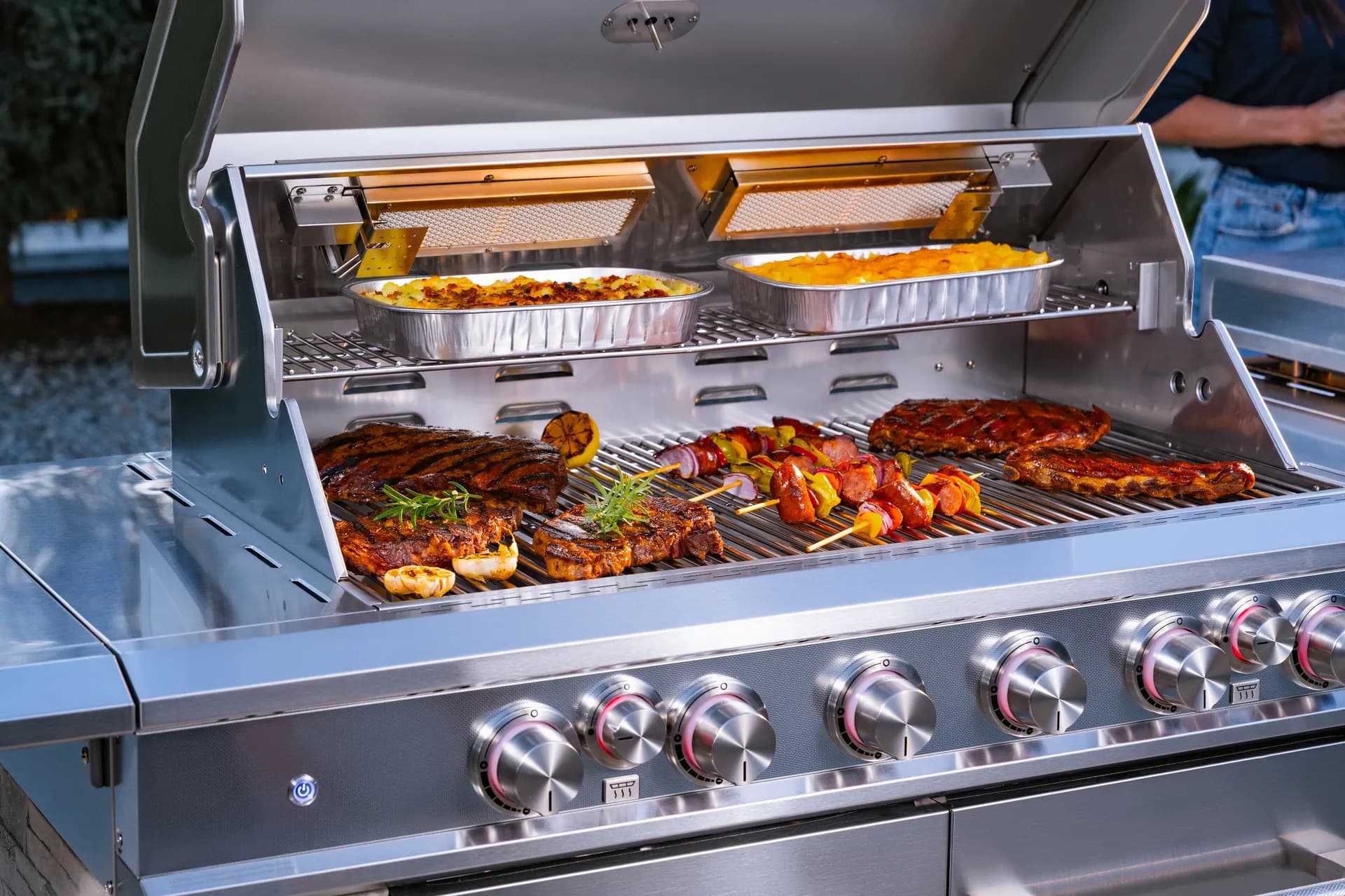
Preparation is key to achieving the perfect steak. Whether you're using a gas or charcoal grill, setting up your grill correctly ensures even cooking and optimal flavor development. Here's a step-by-step guide:
- Preheat the Grill: Ensure your grill reaches at least 450°F for proper searing.
- Oil the Grates: Use a high smoke point oil to prevent sticking and create perfect grill marks.
- Direct vs. Indirect Heat: Set up a two-zone fire with direct heat for searing and indirect heat for finishing.
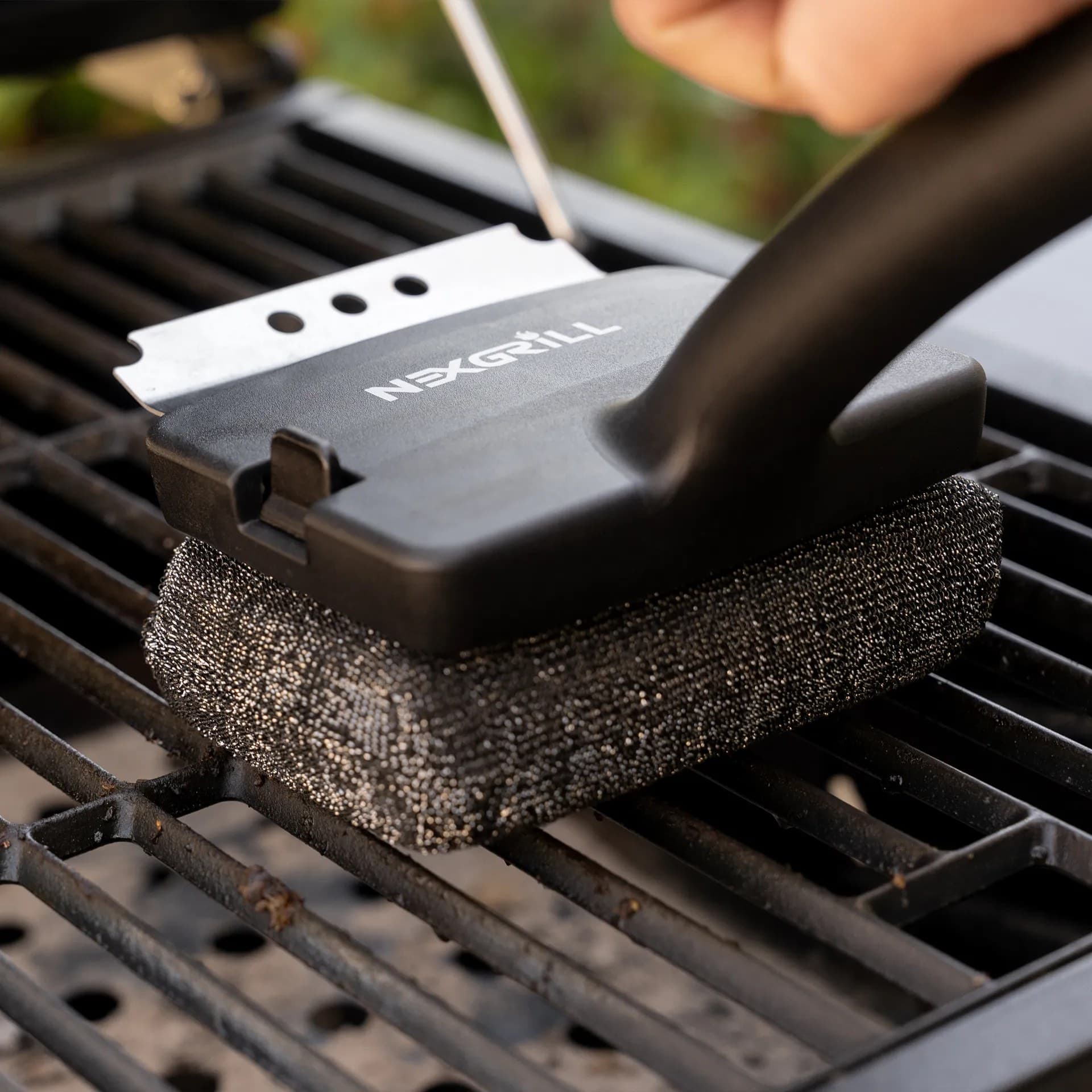
- Clean the Grates: Use a grill brush to remove any residue from previous grilling sessions.
Info: A two-zone fire allows you to sear the steak at high heat and finish cooking slowly, preventing overcooking.
Optimal Grilling Techniques for Steak
Mastering the art of grilling steak involves understanding the nuances of time and temperature. Here are some techniques to ensure a perfectly grilled steak:
- Reverse Searing: Start by cooking the steak over indirect heat, then finish with a high-heat sear for the perfect crust.
- Direct Grilling: Perfect for thinner cuts, this method involves cooking directly over high heat for a shorter period.
- Temperature Control: Use a meat thermometer to achieve your desired doneness (e.g., 130°F for medium rare).
- Resting the Meat: Allow the steak to rest for 5-10 minutes after grilling to redistribute juices.
Warning: Avoid cutting into the steak immediately after grilling to maintain juiciness.
| Steak Doneness | Internal Temperature | Characteristics |
|---|---|---|
| Rare | 120-125°F | Cool red center |
| Medium Rare | 130-135°F | Warm red center |
| Medium | 140-145°F | Warm pink center |
| Medium Well | 150-155°F | Slightly pink center |
| Well Done | 160°F and above | No pink center |
Ideal internal temperature for medium rare steak
Try comparing two grilling techniques side by side below to see which fits best:
Enhancing Flavor in Grilled Steak
Once you've weighed two options against each other, here's what else matters. Adding flavor to your steak can be achieved through various methods, each enhancing the natural taste of the meat:
- Marinades: Use acidic ingredients like lemon juice or vinegar to tenderize and infuse flavor.
- Dry Rubs: A blend of spices that adds a crust and intense flavor profile.
- Basting: Apply butter or oil during grilling to enhance richness and moisture.
- Aromatics: Incorporate herbs and garlic for a fragrant finish.
Tip: Experiment with different flavor profiles to find your perfect combination.
Common Mistakes to Avoid When Grilling Steak
Grilling steak can be a rewarding experience, but avoiding common pitfalls is essential for success:
- Overhandling the Steak: Constant flipping can cause uneven cooking. Aim to flip only once.
- Skipping the Resting Period: Resting allows juices to redistribute, enhancing flavor and texture.
- Using the Wrong Temperature: Ensure your grill is sufficiently hot to achieve a good sear. Ensure your grill is sufficiently hot to achieve a good sear.
- Underseasoning: Don't be afraid to use salt generously to amplify the steak's natural flavors.
Warning: Never press down on steaks while grilling to avoid losing juices.
Choosing the Right Tools for Grilling Steak
The right tools can make a significant difference in the grilling process, improving efficiency and results:
- Grill Thermometer: Essential for checking internal temperatures accurately.
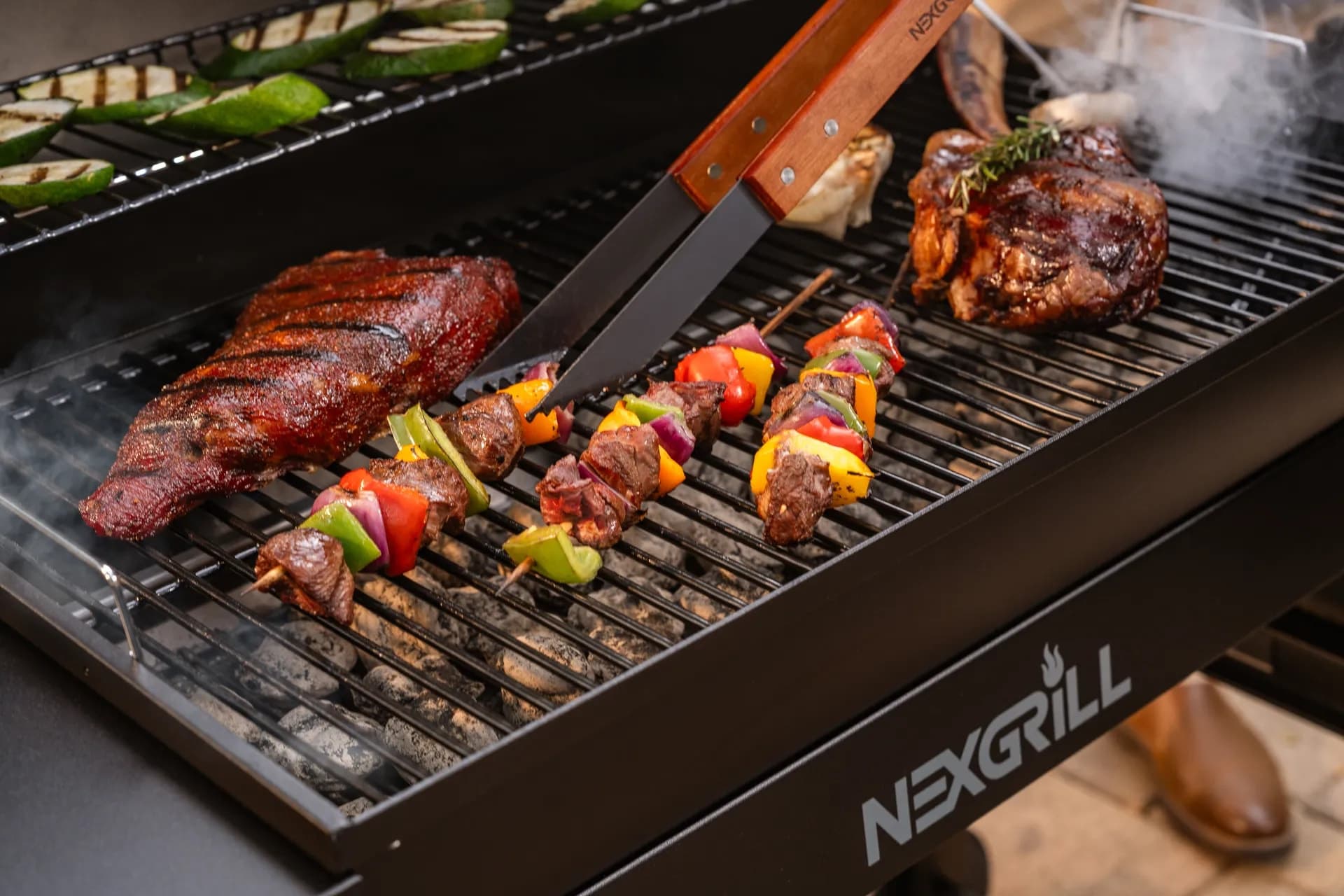
- Tongs: Use sturdy tongs to handle steaks without piercing the meat.
- Grill Brush: Keeping grates clean is crucial for maintaining flavor and preventing sticking.
- Meat Injector: Perfect for adding flavors directly into the steak.
Info: Invest in quality tools to elevate your grilling experience.
| Tool | Purpose | Recommendation |
|---|---|---|
| Grill Thermometer | Monitor steak temperature | Digital models provide quick readings |
| Tongs | Flip and handle steaks | Long-handled tongs for safety |
| Grill Brush | Clean grill grates | Brass bristles for durability |
Conclusion
Grilling steak to perfection is an art that combines the right techniques, tools, and flavors. By understanding the unique qualities of each steak cut, preparing your grill, and mastering essential techniques, you can elevate your grilling experience. Explore different flavor options and avoid common mistakes to achieve steakhouse-quality results at home. Whether you're a novice or an experienced griller, these insights will help you become a steak grilling maestro.