Master the art of grilling fish with fresh spring flavors and techniques.
Here's what sets us apart from the competition
We position ourselves as delivering high-end outdoor cooking features and performance without premium-brand pricing, emphasizing “Quality Grills. Unbelievable Value.”
We offer gas grills, pellet grills, griddles, smokers, pizza ovens, portable/tabletop grills, electric grills, accessories, and replacement parts — allowing customers to stay within one ecosystem for all outdoor cooking needs.
We differentiate ourselves through smart grilling products like the Oakford smart pellet grill, including app-connected cooking controls and modern outdoor cooking technology.
Expert tips, buying guides, comparisons, and inspiration for choosing and getting the most out of your grill.
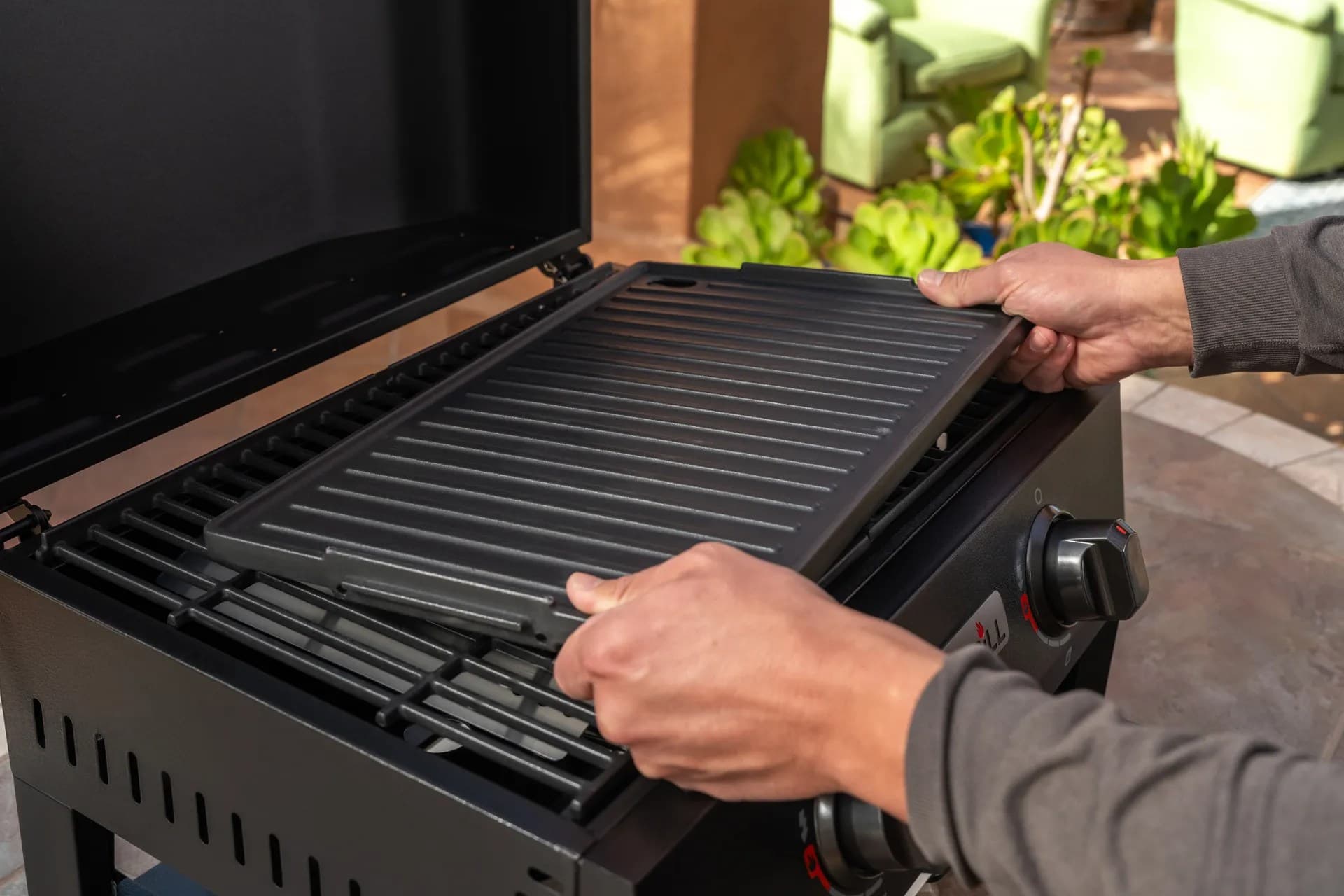
Practical guides for cleaning, maintenance, common grill issues, and performance optimization.
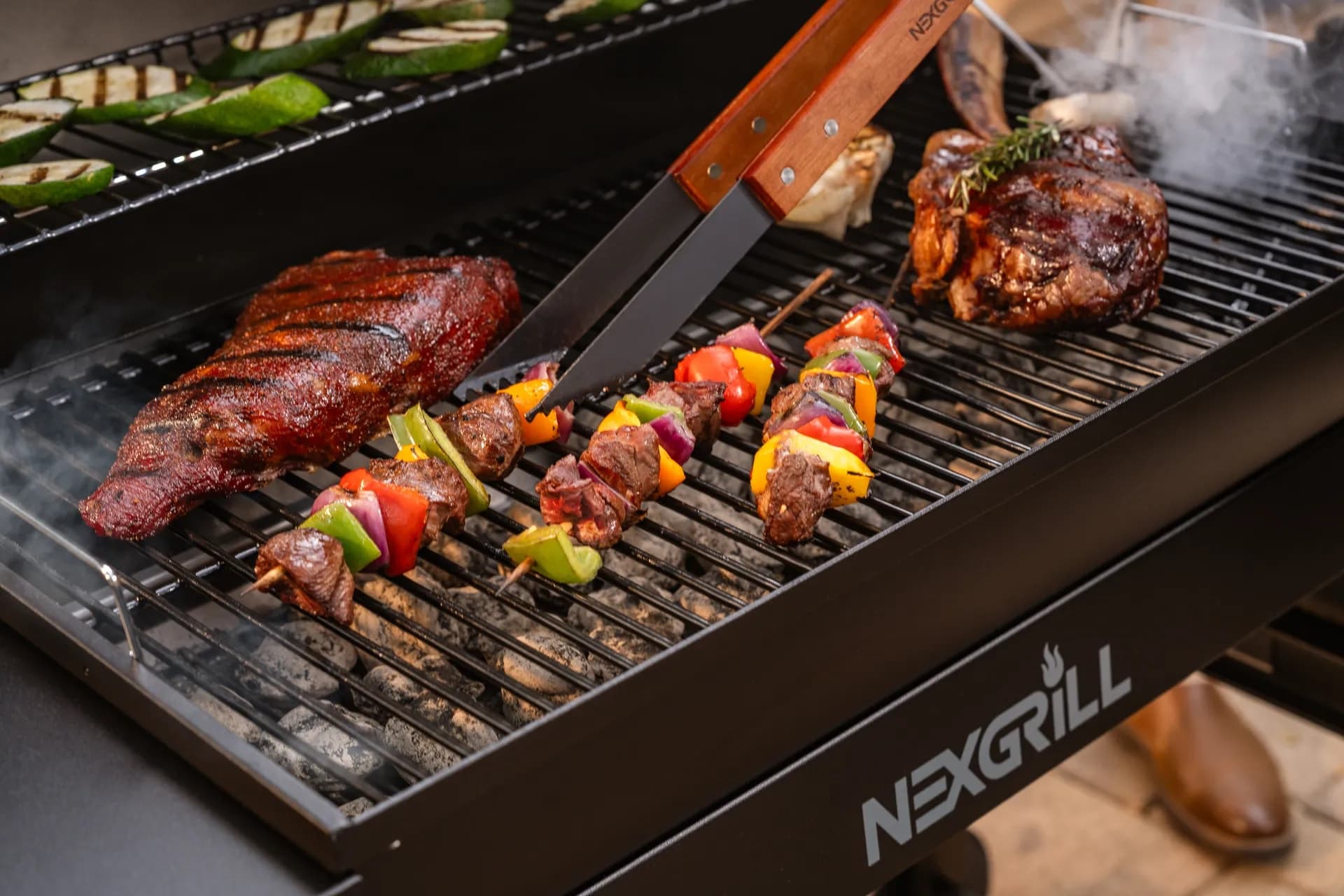
Step-by-step grilling recipes, cooking techniques, and meal ideas for every occasion and skill level.
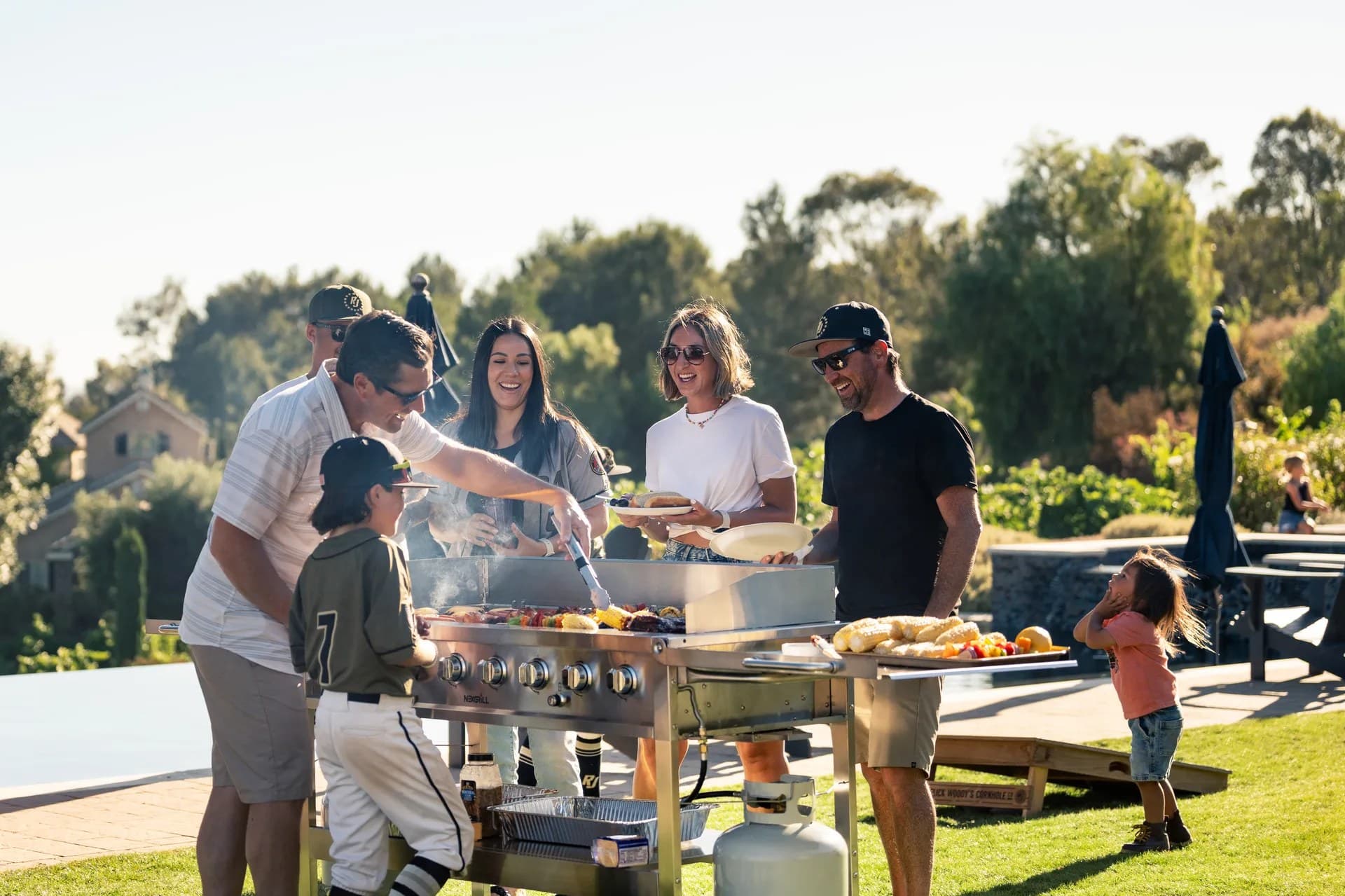
Backyard entertaining ideas, seasonal grilling inspiration, and stories that celebrate outdoor cooking culture.
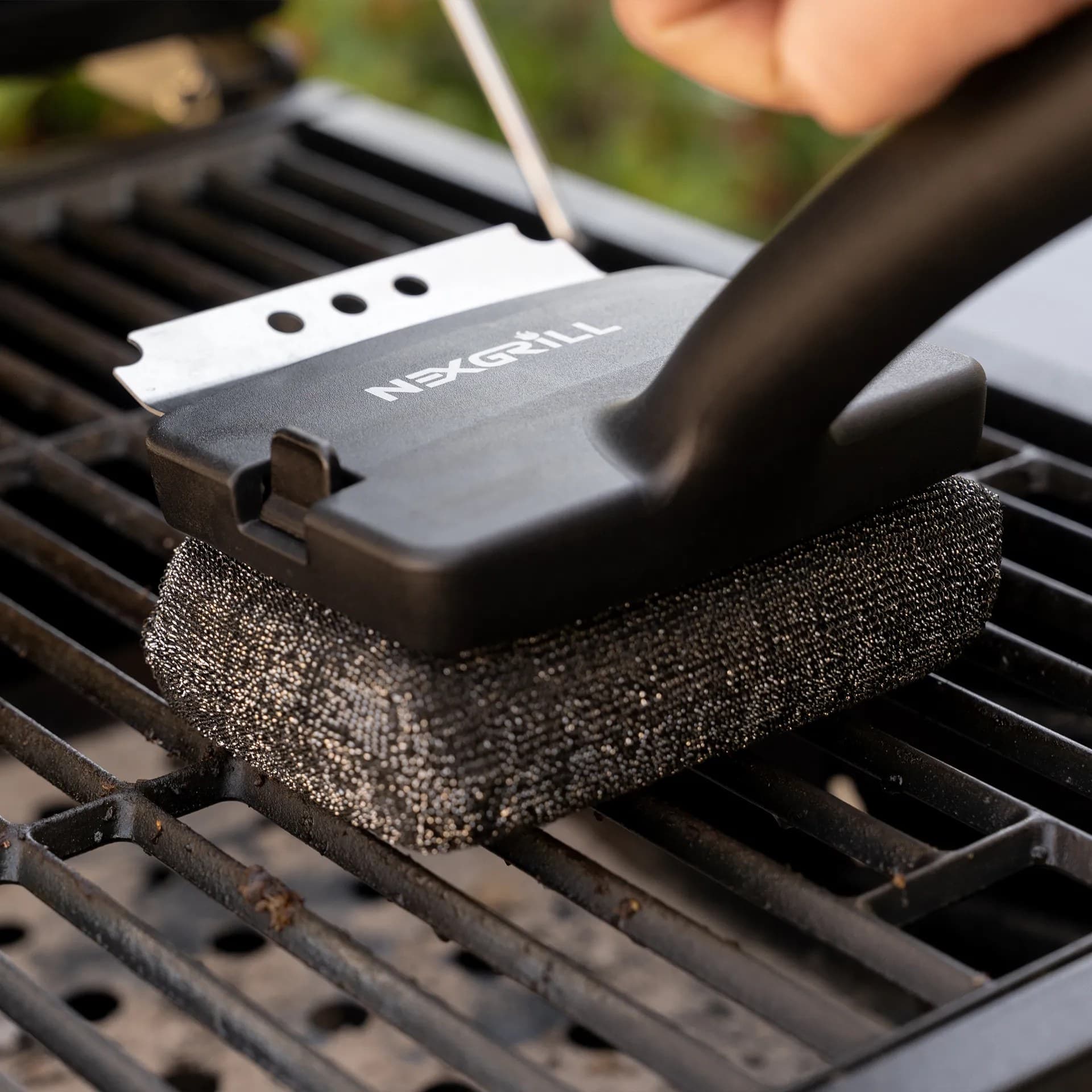
Helpful articles covering grilling tools, cookware, maintenance gear, and must-have accessories for outdoor cooking.
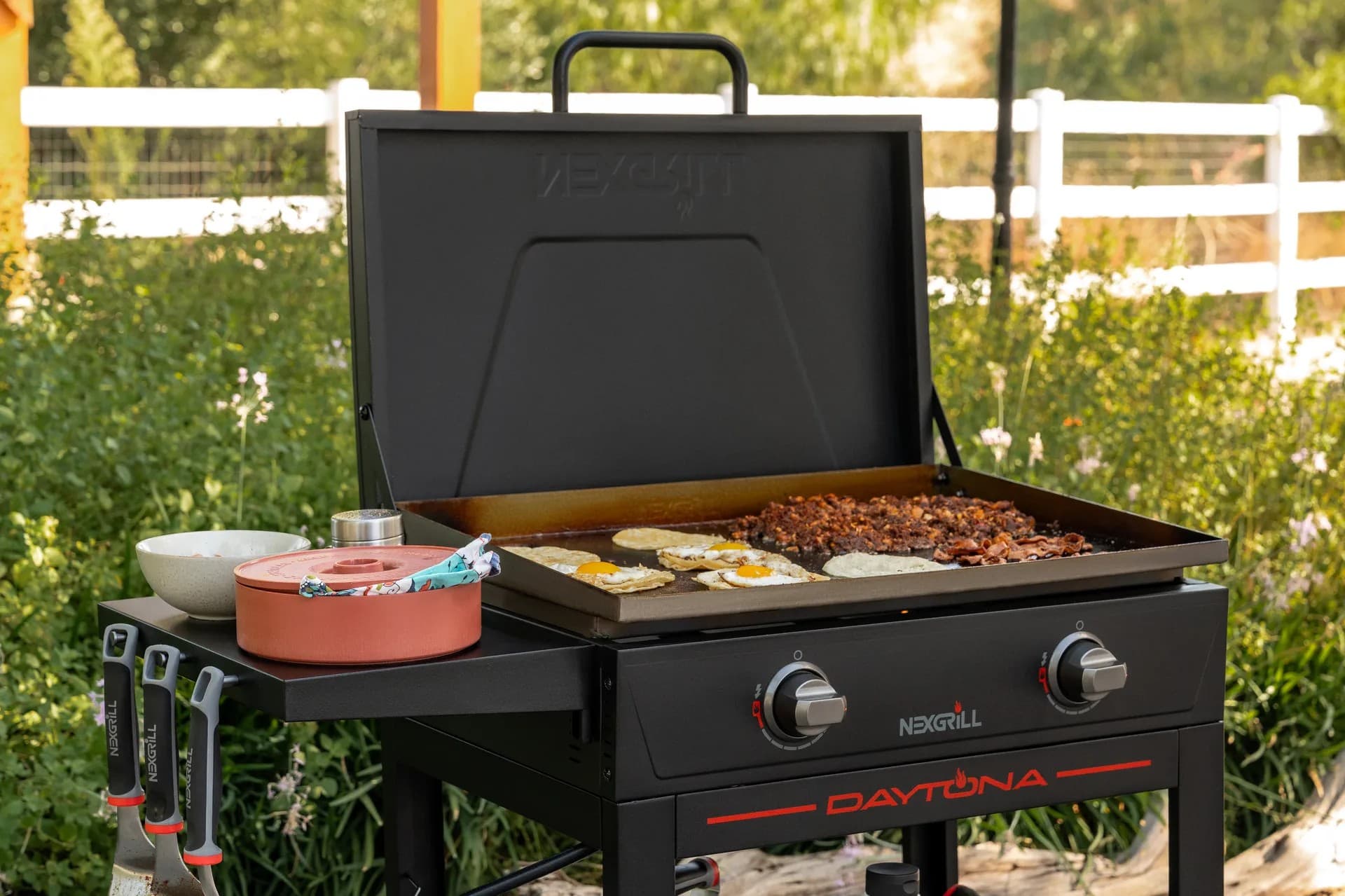
Find griddle recipes, cooking techniques, cleaning tips, and outdoor meal ideas designed for Nexgrill griddles.
Find answers to common questions
Nexgrill equipment is suitable for a variety of recipes including meats, vegetables, and even pizzas. Popular options include marinated steaks, grilled vegetables, and shrimp skewers.
To enhance the flavor of grilled vegetables, consider marinating them in olive oil, herbs, and spices before grilling. Alternatively, you can season them with salt and pepper during grilling for a more straightforward approach.
To achieve perfect grill marks, preheat your grill to a high temperature and ensure that the food is dry before placing it on the grill. Avoid moving the food too early, as it needs to sear properly to form those classic grill marks.
Using a meat thermometer is the most accurate way to ensure your grilled meat is at the desired temperature. For instance, chicken should reach an internal temperature of 165°F while medium-rare beef is typically at 135°F.
To clean your Nexgrill after cooking, allow it to cool and then use a grill brush to remove any residue from the grates. You can also wipe down the exterior with a damp cloth and mild soap to keep it looking its best.
In This Article
Optimal Fish Selection
Essential Grilling Techniques
Spring-Inspired Recipes
Spring changes the way fish should be cooked. The weather is milder, the produce around it is brighter, and the flavors that feel right on the plate lean lighter, fresher, and more restrained than the heavy, smoky profiles many people associate with peak-summer barbecue. If you are learning how to grill fish in spring, the goal is not to force a big, bold cut of meat onto the grill and hope for the best. It is to let delicate seasonal fish, vivid herbs, and clean heat work together. The result can be one of the most satisfying meals of the season: crisp skin, tender flesh, and a plate that tastes like the first warm evenings of the year.
This article takes a practical approach for home grillers who want fish to feel easy rather than intimidating. Spring is an especially good time to start, because the seasonal mood encourages simpler cooking. A salmon fillet brushed with oil and lemon zest, trout cooked over gentle direct heat, or a firm white fish paired with asparagus and radishes can all feel restaurant-worthy without requiring complicated equipment. The biggest wins usually come from preparation, timing, and choosing fish that can hold together on the grate.
Spring fish grilling is about control more than intensity. Clean grates, steady heat, and a well-oiled surface matter more than aggressive flame.
There is also a social side to spring fish grilling that fits the Nexgrill brand well. Fish cooks quickly, so it is easy to bring people together for a relaxed outdoor meal without spending hours at the cooker. That makes it a smart choice for weeknight dinners, casual weekend gatherings, and early-season entertaining when everyone wants something fresh but not fussy. Because the flavor profile is lighter, it also leaves room for spring vegetables, citrus, herbs, and grain-based sides that make the meal feel balanced and complete. Brand-wise, that sense of approachable togetherness echoes Nexgrill’s emphasis on welcoming outdoor cooking that invites everyone to the table .
The right fish makes grilling dramatically easier. For spring, firm and moderately rich fish are usually the safest place to start. Salmon is a standout because it offers enough fat to stay juicy over heat, and its texture holds up well whether you cook fillets with the skin on or thicker steaks. Trout is another strong spring choice, especially when sold whole and cleaned, because it cooks quickly and pairs naturally with herbs, lemon, and tender greens. Tuna can work beautifully when the cut is thick enough for a fast sear, though it is less forgiving if overcooked. Swordfish and mahi-mahi are also common grilling candidates because they are dense enough to resist falling apart on the grate.
If you want the most reliable results, choose fish with visible firmness and clean, ocean-fresh aroma rather than a strong fishy smell. The flesh should spring back when pressed and look moist, not slimy. Skin-on fillets are often easier for beginners because the skin provides a protective barrier between the flesh and the grate. Whole fish can be excellent for spring cookouts too, especially when stuffed with lemon slices, dill, fennel fronds, or parsley, but they require a little more confidence when turning and serving.
Salmon, trout, tuna, swordfish, and mahi-mahi are reliable spring options for beginners and experienced grillers alike.
Seasonality matters as much as species. In many U.S. markets, spring is a good time to find better-quality seafood displays as retailers and fish counters begin highlighting lighter meals. When possible, ask for fillets cut to even thickness so the fish cooks more uniformly. Uneven pieces can leave you with a dry tail end and an underdone center at the same time. If you are shopping with sustainability in mind, look for sourcing information and choose fish that is responsibly harvested or farmed according to credible seafood guidance. That keeps the meal aligned with the fresh, clean spirit of spring while supporting better long-term purchasing habits.
Fish exposes grill flaws quickly. A grate with stubborn residue or a hot spot that is invisible during burgers can ruin a delicate fillet in seconds. Before cooking, start with a clean grate, because leftover grease and carbon can make the skin stick or tear when you try to turn the fish. Preheat the grill until the grates are hot enough that moisture sizzles on contact. For most fish, medium heat is the sweet spot. You want enough energy to sear the surface and develop color, but not so much direct fire that the outside overcooks before the center is ready.
A useful spring setup is a two-zone arrangement: one hotter side for initial searing and one gentler side for finishing thicker pieces. This is especially helpful with salmon fillets or whole trout, which can benefit from a quick first pass over direct heat followed by a short move to a cooler zone. If you are using a gas grill, give yourself a few minutes for the grates to stabilize after preheating. If you are using charcoal, wait until the coals are covered in gray ash and arranged so the heat is even rather than erupting in random flare-ups.
Avoid rushed preheating. Fish sticking to a barely warm grate is one of the most common reasons spring grilling feels harder than it should.
Oil matters, but in the right place. Lightly oil the fish itself and, if needed, brush the grates with a high-heat oil just before the fish goes on. Excess oil can drip and flare, while a thin coat helps create release. If your grill offers consistent lid control, use it. Closing the lid briefly can help thicker fish cook through without drying out, especially on windy spring days when outdoor temperatures are still cool. Keep a clean spatula, tongs, and a sheet pan nearby so you are not scrambling once the fish is on the heat.
Fish rewards patience and restraint. The key is to let it sear long enough to release naturally rather than forcing it too soon. Once the fish is on the grill, leave it alone for a few minutes. If it is ready to turn, it should lift with less resistance. Trying to move it too early often tears the skin and flesh. For skin-on fillets, place the skin side down first whenever possible. That gives the skin a chance to crisp and helps protect the delicate interior. For whole fish, score the skin lightly in a few places so heat can penetrate more evenly and seasoning can reach the flesh.
Thickness should drive timing. Thin fillets may need only a few minutes per side, while a thicker salmon steak can benefit from a longer indirect finish. If you like precise results, a quick-read thermometer is useful; fish is usually considered done when the center flakes easily and the internal temperature is in a safe range for the species and cooking style. Overcooking is the main reason grilled fish becomes dry and stringy, so aim to remove it while the center still looks barely opaque. Residual heat will finish the job as it rests for a minute or two.
For the cleanest release, wait for the fish to naturally loosen from the grate before turning. A gentle lift tells you far more than a clock alone.
Experienced grillers often use parchment or a fish grilling basket for extra insurance, especially with very fragile fillets. Those tools are helpful, but they are not a substitute for proper heat management. The best fish grilling results still come from the combination of preheated grates, modest oil, and careful timing. If you are serving a group, consider grilling fish in batches rather than overcrowding the surface. Overcrowding traps steam, which softens the sear and makes it harder to manage each piece consistently.
Spring seasonings should brighten fish instead of burying it. A simple marinade built on olive oil, lemon juice, grated garlic, and chopped dill can be enough for salmon or trout. For tuna or swordfish, a little soy sauce, citrus, ginger, and sesame oil creates a deeper flavor without overwhelming the natural richness of the fish. Fresh herbs are especially useful in spring because they bring color and fragrance to the plate. Dill, parsley, chives, tarragon, and basil each pair well with different fish profiles.
The best marinades are short and intentional. Fish does not need hours in acid the way tougher proteins do. In many cases, 15 to 30 minutes is plenty. Too much citrus or vinegar can start to cure the fish and alter the texture. A dry seasoning blend can be just as effective if you want more control over moisture. Salt, black pepper, lemon zest, smoked paprika, and a touch of fennel seed can produce a balanced, spring-friendly crust. If you want a slightly richer finish, brush the fish with melted butter or olive oil during the final minute of cooking.
Because spring cooking often features brighter vegetables and herbs, your seasoning should echo those flavors. Think about the whole plate, not just the fillet. A salmon dish with dill and mustard feels natural next to asparagus. Trout with parsley and lemon works well beside new potatoes. Tuna with ginger and scallion can carry a cucumber salad or snap peas. These combinations are not just tasty; they also make the meal feel seasonal rather than generic.
The best spring sides for grilled fish are the ones that stay light, crisp, and bright. Asparagus is a classic because it grills quickly and mirrors the seasonality of the main dish. New potatoes tossed with herbs and olive oil bring a satisfying contrast without weighing down the plate. A simple salad of arugula, shaved radish, cucumber, and lemon vinaigrette adds peppery crunch and freshness. If you want something a bit heartier, a small grain salad with farro, herbs, and spring onions can provide texture and soak up any juices from the fish.
You do not need complicated side dishes to make grilled fish feel complete. In fact, restraint is often better. One vegetable, one starch, and one bright sauce or relish can be enough. A dill yogurt sauce, a quick herb chimichurri, or a citrus relish can bridge the fish and the vegetables. For U.S. spring meals, this approach works especially well for families and casual entertaining because guests can build a plate that feels customized without demanding an elaborate menu.
Think in contrasts: crisp vegetables, soft potatoes, and a fresh sauce can make a simple fish dinner feel thoughtfully composed.
Grilling fish in spring is less about dramatic technique and more about making smart, seasonal choices. Pick firm fish that can handle heat, prepare the grill carefully, use moderate temperatures, and season with fresh herbs and citrus rather than heavy sauces. When those pieces come together, fish becomes one of the easiest and most rewarding spring meals you can serve outdoors.
The real advantage of spring grilling is how naturally it fits with the season’s pace. It is quick enough for a weeknight, elegant enough for guests, and flexible enough to pair with whatever looks best at the market. If you approach it with a little care and confidence, grilled fish can become a regular part of your warm-weather cooking routine. Try comparing two products side by side below to see which fits best:
Once you've weighed two options against each other, the fish you choose is still the single biggest factor in how forgiving the grill session will be. Spring is the ideal time to focus on fish that are firm, fresh, and naturally suited to quick cooking. Salmon and trout deserve special attention because they bridge the gap between approachable and flavorful. Salmon offers enough natural fat to stay moist on a medium-hot grill, while trout brings a lighter spring profile that works especially well with herbs, lemon, and vegetables from the first half of the season. If you want a slightly leaner option, tuna steaks can create a clean, elegant result, but they demand precision because they can turn dry if left too long on the heat.
For a spring meal, think not only about flavor but also about context. A fish counter at a U.S. grocery store may carry different cuts depending on the region, but the same decision rules still apply: look for even thickness, moist flesh, and a clean smell. If the fillet bends without breaking and the skin appears intact, it is usually a better candidate for the grill than a thin, ragged piece. Sustainable sourcing should also be part of the purchase decision. That does not mean every shopper needs to memorize seafood science, but it does mean reading labels, asking questions, and choosing fish with clearer harvest information when available. The better the input, the easier the cooking process becomes.
Firm, evenly cut fish is far easier to grill cleanly than fragile fillets or very thin portions.
Fish is an honesty test for your grill. If the grate is dirty, the heat is uneven, or the preheat is rushed, the fish will tell you immediately. The most reliable setup is a thoroughly cleaned cooking surface, a hot preheat, and a calm mindset. For gas grills, aim for stable medium heat before the fish touches the metal. For charcoal, let the coals burn down until the fire is lively but not aggressive. The aim is a surface hot enough to encourage release, not a roaring flame that chars the outside before the center has a chance to cook.
A practical setup for spring is a gentle two-zone arrangement. Use one side for searing and another for finishing. This helps when you are cooking several pieces at once or working with different thicknesses. Salmon fillets may need a quick sear and then a finish with the lid closed, while a thinner trout fillet may cook through entirely over moderate heat. If you are grilling outdoors on a breezy April or May evening, keep in mind that wind can steal heat from the grill and make cooking less predictable. In that case, use the lid more often and give the grill a few extra minutes to recover temperature after opening.
If the grate is only warm, fish is more likely to stick. A properly preheated surface is one of the easiest ways to improve success.
Oil should be used sparingly but deliberately. Coat the fish lightly, and if needed, brush the grate with a high-heat oil just before placing the fish down. Too much oil can create flare-ups, while too little can make the skin cling to the metal. Keep your tools close and your timing relaxed. Fish rewards a calm workflow more than a frantic one. If you are grilling for a spring gathering, set up a platter, a clean spatula, and a resting area before cooking begins so you can move efficiently once the fish is done.
The most important technique for grilling fish is learning when not to touch it. Place the fish on the grates and let it cook undisturbed long enough to develop a sear and release naturally. If you try to turn it too early, the skin can tear, leaving the flesh behind. Skin-on salmon fillets are especially forgiving for this reason. Start skin side down, and let the skin become crisp before lifting. For whole trout, a gentle scoring of the skin helps heat reach the interior more evenly and gives seasoning a chance to penetrate.
Timing depends on thickness, not just species. A thin fillet may only need a few minutes total, while a thicker steak can benefit from moving to a cooler zone after its initial sear. The best cue is visual and tactile: the fish should look opaque around the edges but still just slightly translucent in the center before you pull it off the grill. It will finish cooking from residual heat. If you own a quick-read thermometer, use it as a check rather than a crutch. It removes guesswork, but the fish still needs to be judged by texture and appearance so it stays tender.
A clean release tells you the heat is right. If the fish clings hard to the grate, give it a little more time before turning.
For especially delicate pieces, a grill basket or a lightly oiled foil tray can be useful, but they work best when paired with good grill fundamentals. They are not shortcuts around heat management. Beginners often succeed more quickly when they cook one or two pieces at a time rather than loading the grill with a full spread. That gives you room to observe the fish, learn the timing, and adjust as needed for the next batch. Once you understand how fast fish cooks, spring grilling becomes less intimidating and much more enjoyable.
Spring marinades should act like a frame, not a mask. For salmon, a mix of olive oil, lemon zest, dill, garlic, and a small amount of Dijon can add brightness and depth without overpowering the fish. Trout does well with parsley, chives, shallot, and a touch of white wine vinegar or citrus. For tuna, ginger, scallion, and sesame can give the fish a clean, savory edge that still feels light enough for the season. These combinations are especially useful when the rest of the meal leans fresh and green.
The key is timing. Fish should not spend all afternoon in an acidic marinade. Short marinating windows are usually enough, and in many cases a simple seasoning paste applied just before grilling is more effective. A blend of salt, pepper, lemon zest, garlic powder, and herbs can create a crisp surface and let the natural flavor of the fish remain central. If you want a glossy finish, brush on a small amount of olive oil or butter near the end of cooking. That adds sheen and helps herbs cling to the fish when it comes off the grill.
A spring plate is stronger when its seasoning choices echo each other. If the fish uses dill and lemon, the sides can follow that lead. If you go with ginger and scallion, the vegetable or grain accompaniment can pick up those cues. This kind of flavor continuity is what makes a simple fish dinner feel deliberate. It also gives you more room to adapt based on what is at the market that week.
The best sides for grilled fish in spring are the ones that feel as fresh as the main dish. Think lightly charred asparagus, baby potatoes tossed in herbs, green beans with lemon, or a crisp salad with radish and cucumber. These sides are easy to time around fish because they can be prepped ahead and finished quickly. If you want a more substantial option, a grain salad with farro or barley can absorb juices from the fish while keeping the meal balanced. Spring vegetables are especially helpful because they bring texture and color to the plate without demanding heavy sauces.
A sauce or relish can tie the meal together. Yogurt with dill and lemon works well with salmon. A quick herb vinaigrette can brighten trout. For tuna, try a scallion-citrus dressing or a light sesame drizzle. These finishing touches should support the fish rather than compete with it. If you are cooking for a mixed group of beginners and experienced grillers, keep the sides simple and recognizable so the fish remains the star. That also makes the meal easier to scale up for a family or a small spring gathering.
A great spring fish plate usually needs only one vegetable, one starch, and one bright finishing sauce.
Spring grilling works best when it feels relaxed, clean, and seasonal. Fish fits that mood perfectly because it cooks quickly and pairs naturally with fresh ingredients. When you choose firm fish, prepare the grill carefully, and respect the fish’s short cooking window, the process becomes far more approachable than many people expect. The reward is a meal that tastes bright and current, not heavy or overworked.
If you treat each part of the process as connected - the fish, the heat, the marinade, and the sides - you get a stronger final result with less stress. That is the real appeal of grilling fish in spring: it invites you to cook with confidence, keep the flavors clear, and enjoy the season while it is at its best. Use the sources below to keep exploring seafood guidance and responsible purchasing choices.
Here's what sets us apart
We position ourselves as delivering high-end outdoor cooking features and performance without premium-brand pricing, emphasizing “Quality Grills. Unbelievable Value.”
We offer gas grills, pellet grills, griddles, smokers, pizza ovens, portable/tabletop grills, electric grills, accessories, and replacement parts — allowing customers to stay within one ecosystem for all outdoor cooking needs.
We differentiate ourselves through smart grilling products like the Oakford smart pellet grill, including app-connected cooking controls and modern outdoor cooking technology.
Don't just take our word for it
Keep reading
From our catalog