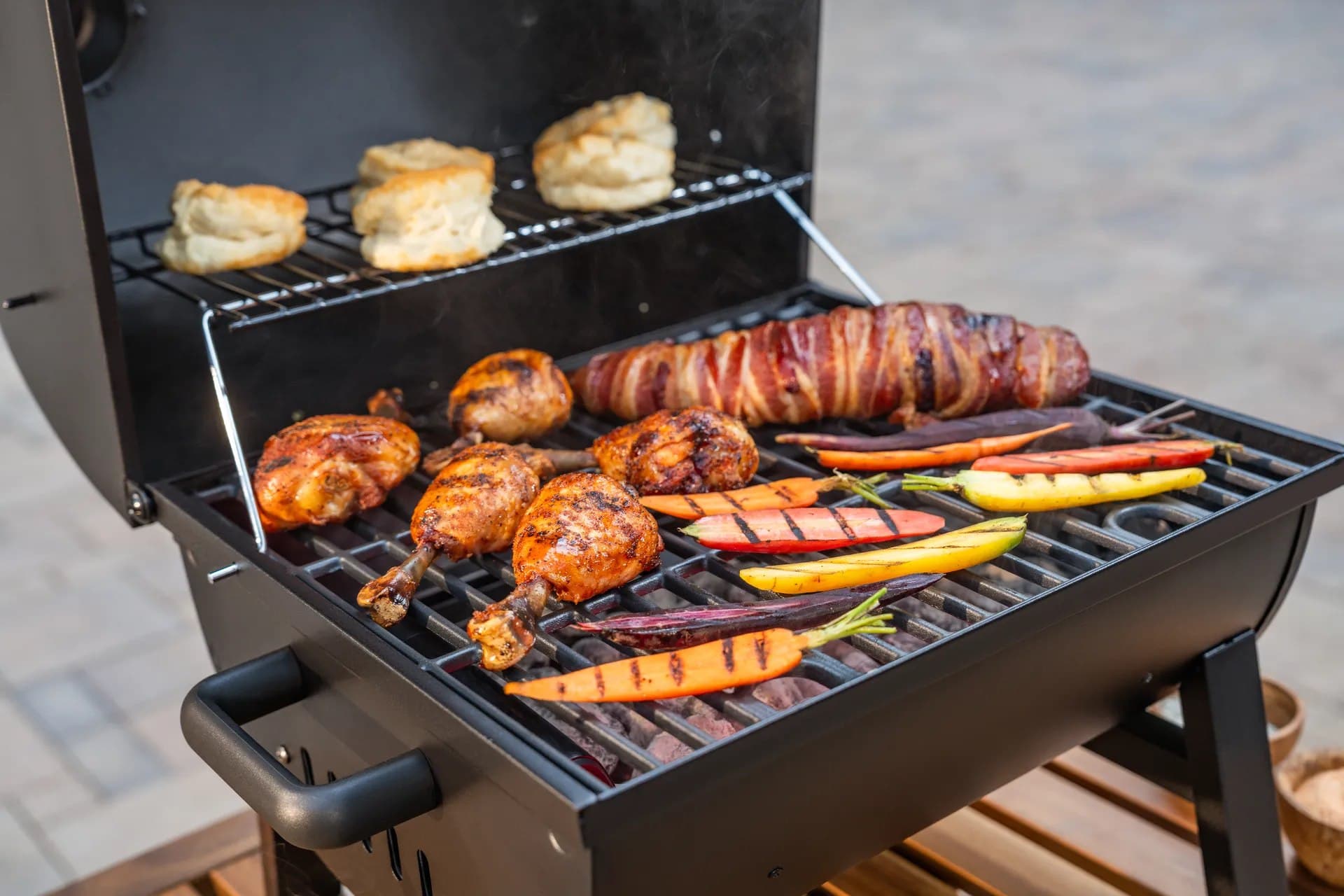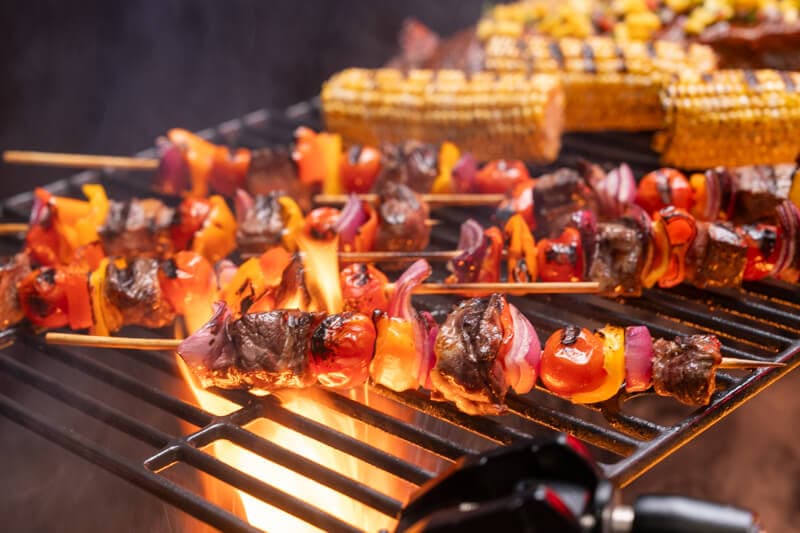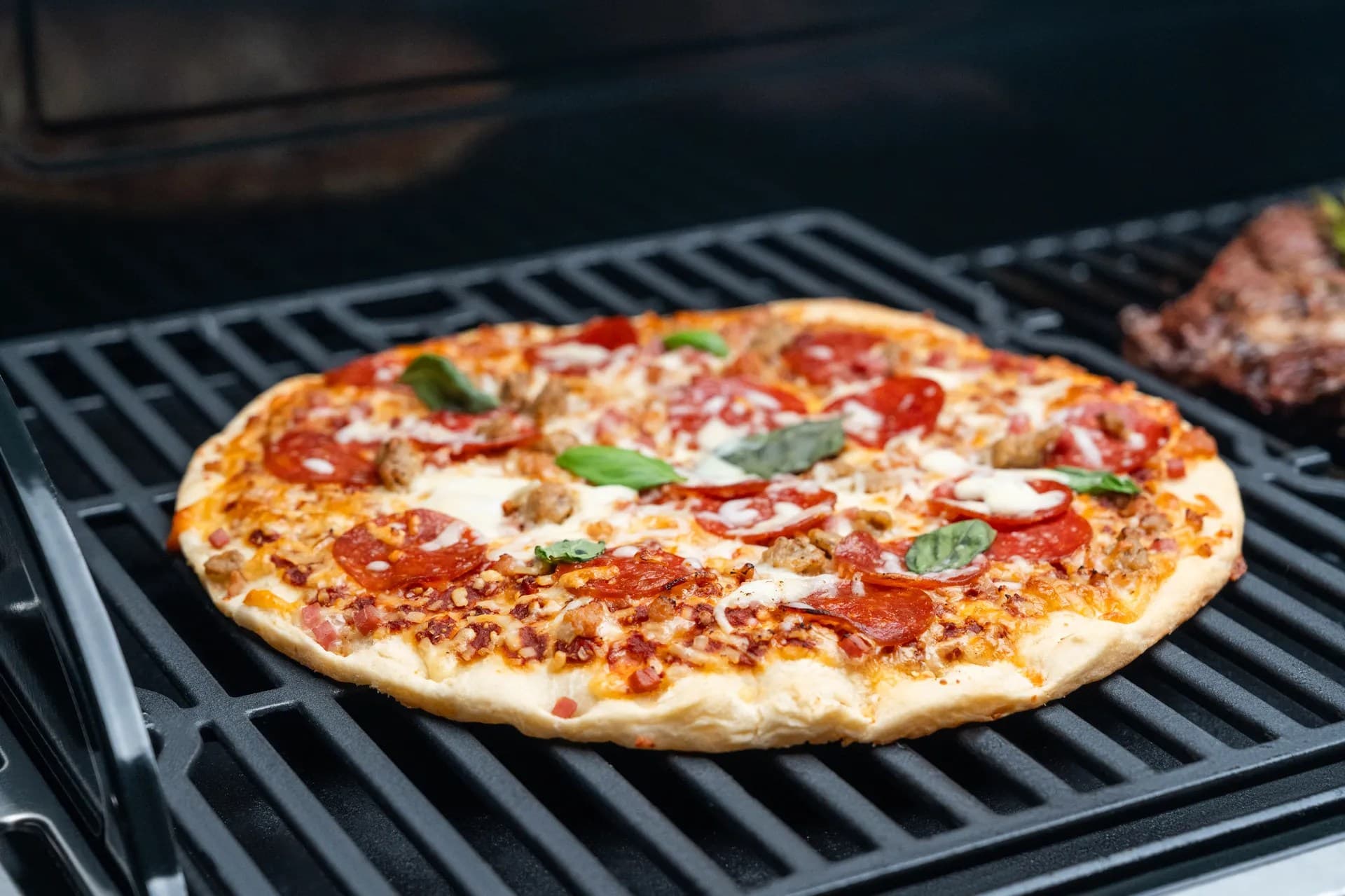
Master the art of grilling seasonal vegetables to enhance your spring meals.
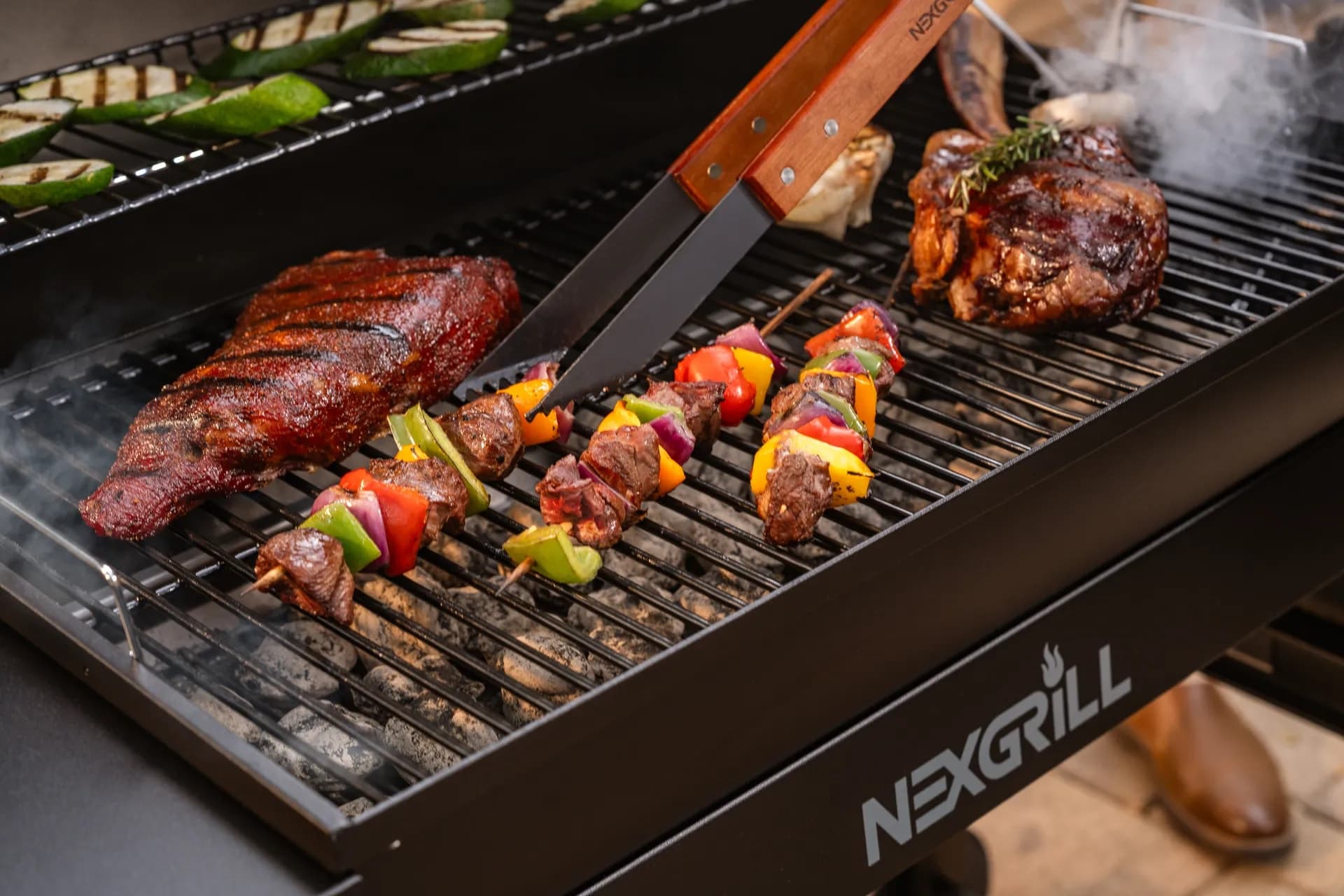
Here's what sets us apart from the competition
We position ourselves as delivering high-end outdoor cooking features and performance without premium-brand pricing, emphasizing “Quality Grills. Unbelievable Value.”
We offer gas grills, pellet grills, griddles, smokers, pizza ovens, portable/tabletop grills, electric grills, accessories, and replacement parts — allowing customers to stay within one ecosystem for all outdoor cooking needs.
We differentiate ourselves through smart grilling products like the Oakford smart pellet grill, including app-connected cooking controls and modern outdoor cooking technology.
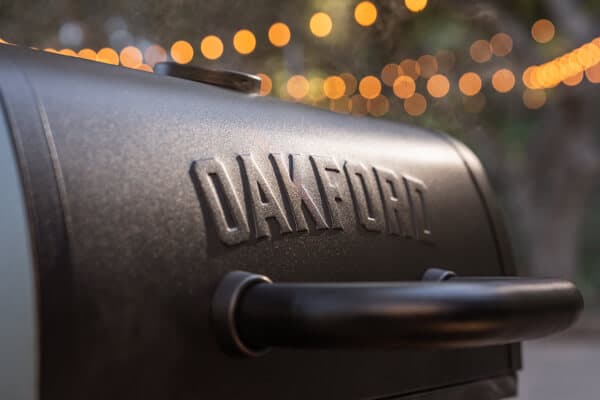
Expert tips, buying guides, comparisons, and inspiration for choosing and getting the most out of your grill.
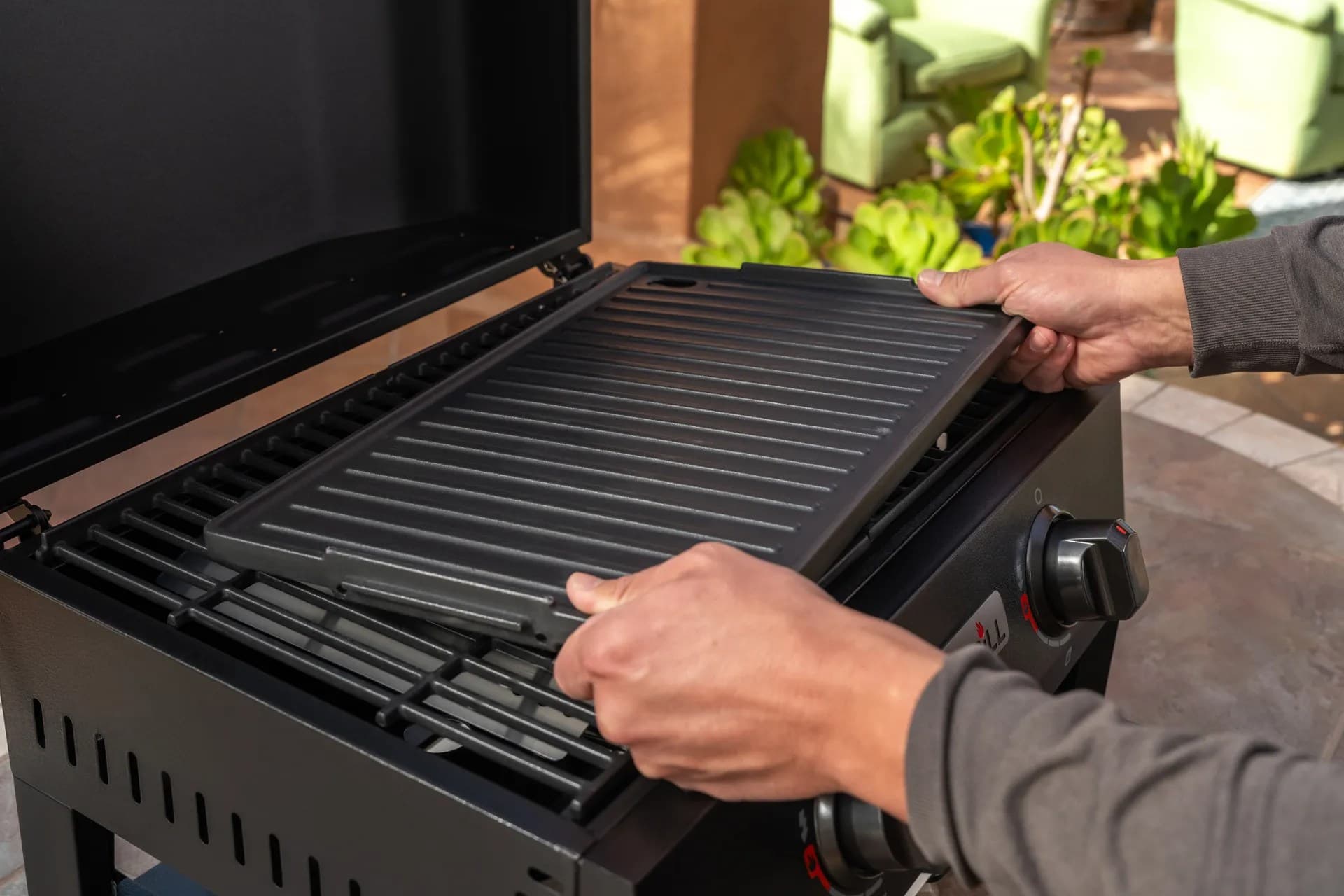
Practical guides for cleaning, maintenance, common grill issues, and performance optimization.
Step-by-step grilling recipes, cooking techniques, and meal ideas for every occasion and skill level.
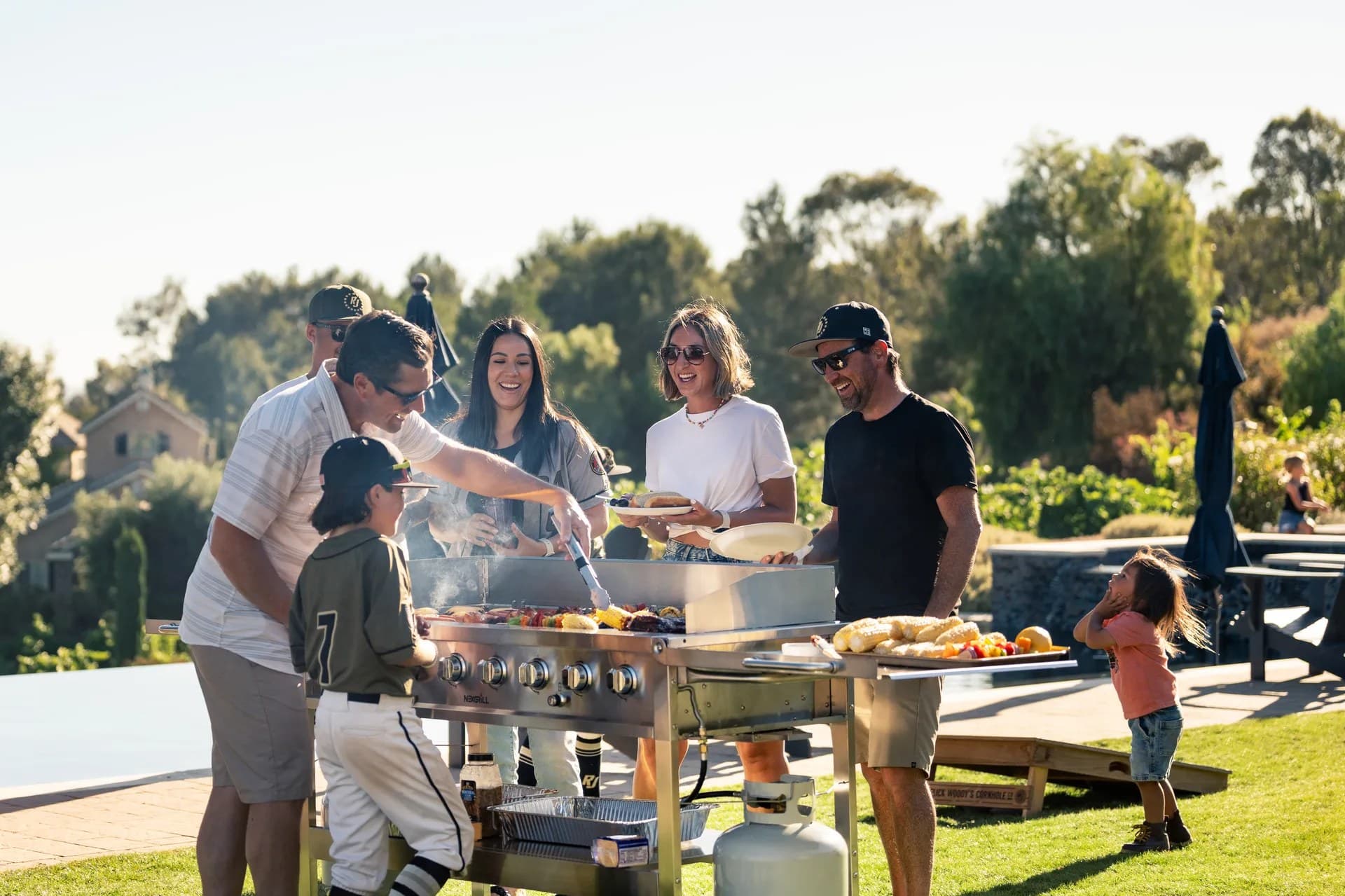
Backyard entertaining ideas, seasonal grilling inspiration, and stories that celebrate outdoor cooking culture.
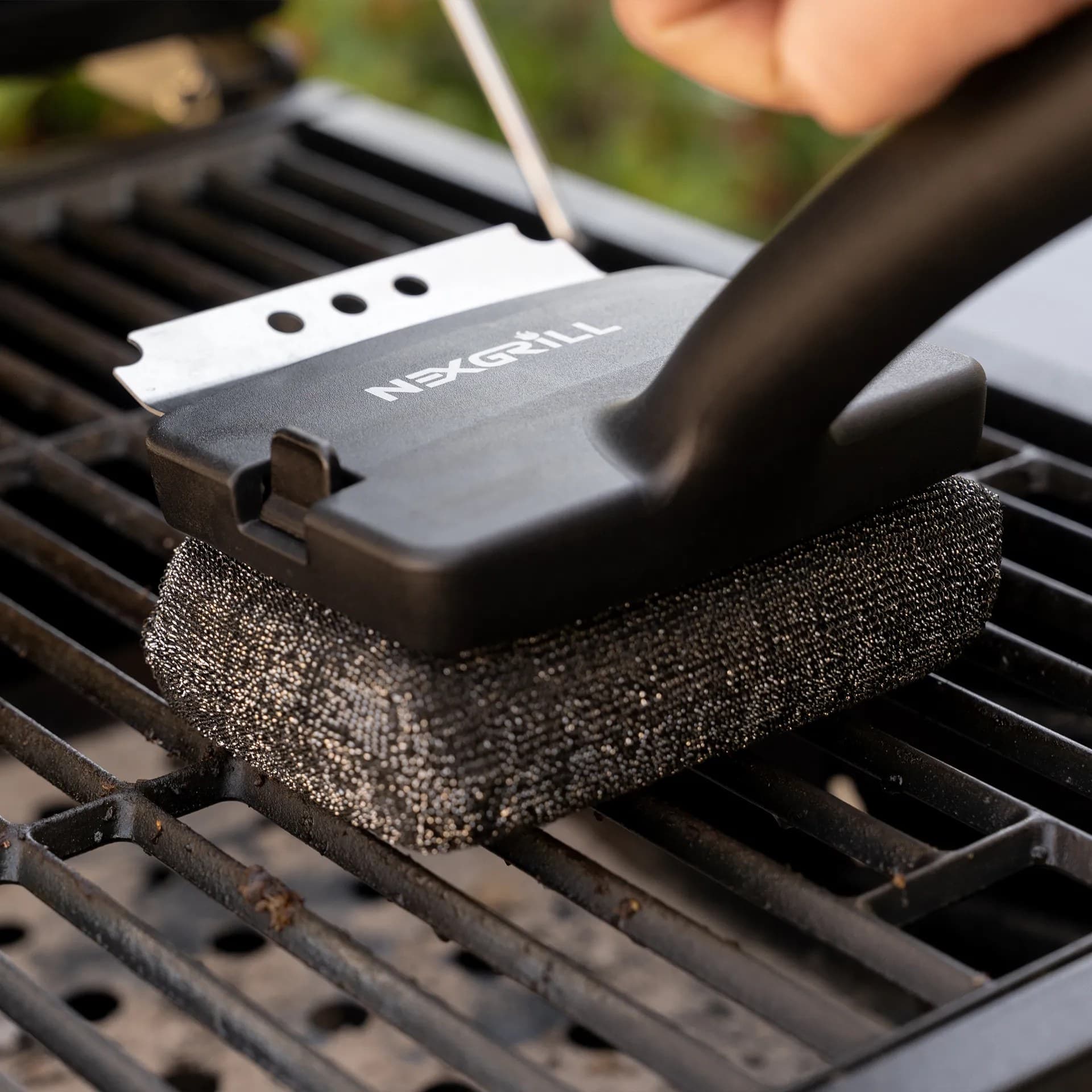
Helpful articles covering grilling tools, cookware, maintenance gear, and must-have accessories for outdoor cooking.
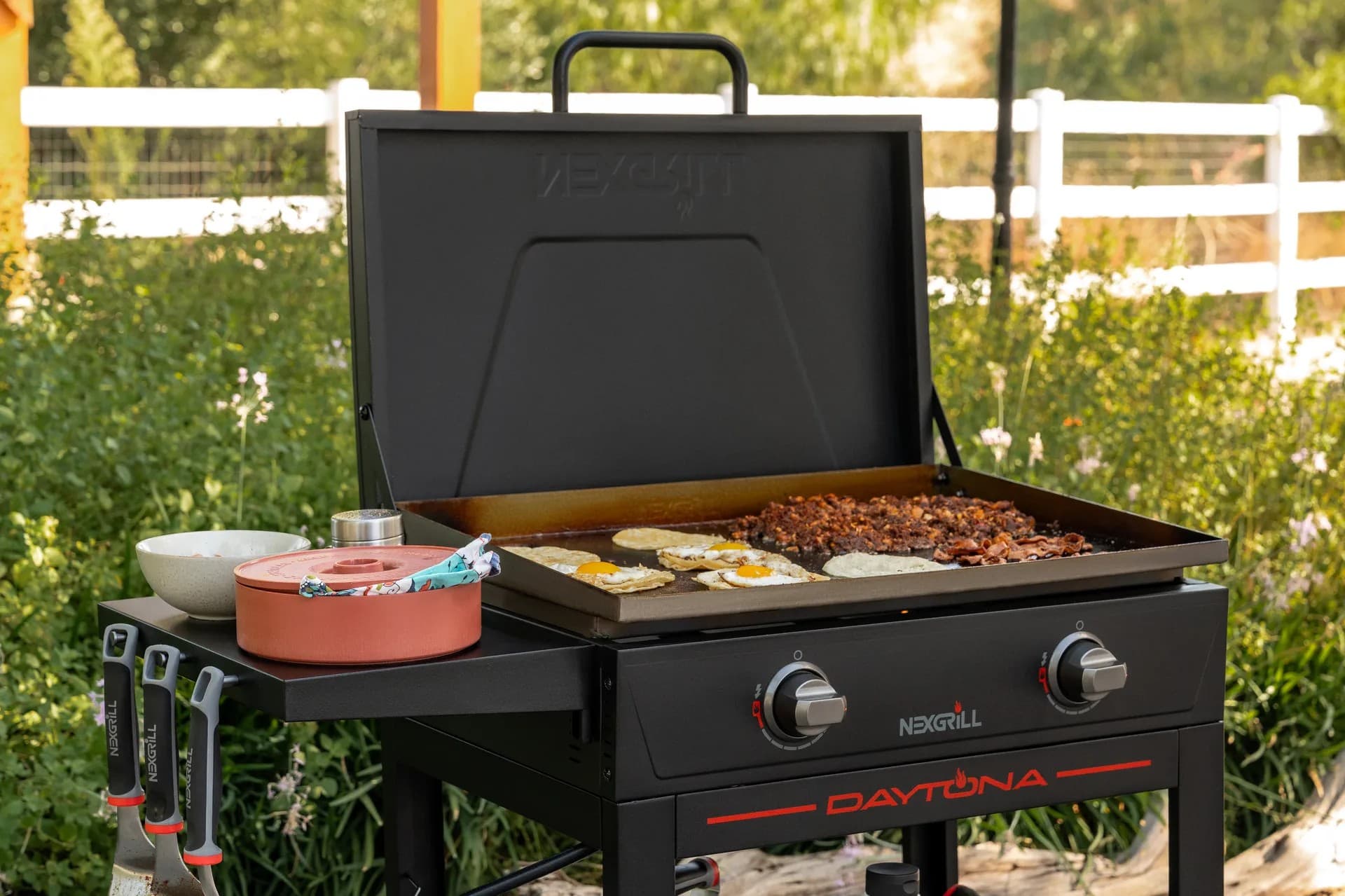
Find griddle recipes, cooking techniques, cleaning tips, and outdoor meal ideas designed for Nexgrill griddles.
Find answers to common questions
Nexgrill equipment is suitable for a variety of recipes including meats, vegetables, and even pizzas. Popular options include marinated steaks, grilled vegetables, and shrimp skewers.
To enhance the flavor of grilled vegetables, consider marinating them in olive oil, herbs, and spices before grilling. Alternatively, you can season them with salt and pepper during grilling for a more straightforward approach.
To achieve perfect grill marks, preheat your grill to a high temperature and ensure that the food is dry before placing it on the grill. Avoid moving the food too early, as it needs to sear properly to form those classic grill marks.
Using a meat thermometer is the most accurate way to ensure your grilled meat is at the desired temperature. For instance, chicken should reach an internal temperature of 165°F while medium-rare beef is typically at 135°F.
To clean your Nexgrill after cooking, allow it to cool and then use a grill brush to remove any residue from the grates. You can also wipe down the exterior with a damp cloth and mild soap to keep it looking its best.
In This Article
Seasonal Vegetables
Grilling Techniques
Flavor Enhancements
Spring is the season when vegetables begin to taste like themselves again. After a winter of heavier braises and roasted roots, grilling brings a brighter, cleaner kind of flavor that works especially well with the first crops of the year. Asparagus, spring onions, zucchini, radishes, mushrooms, and baby carrots all take on a lightly smoky edge that makes them feel more substantial without losing the freshness that defines spring cooking. That balance is exactly why grilling vegetables in spring is so appealing: the grill adds depth, but it does not overwhelm the natural sweetness, bitterness, and snap of the produce.
For home cooks, spring grilling also solves a practical problem. Early-season vegetables often cook quickly and benefit from high heat, which makes them a natural fit for weeknight meals, small backyard gatherings, and patio dinners that do not require a long kitchen prep session. A grill also helps you build a complete meal around vegetables instead of treating them only as a side. With the right approach, a tray of spring produce can become the centerpiece of a grain bowl, the filling for tacos, a base for salads, or a colorful platter that pairs with whatever else is already on the menu.
Spring vegetables usually need less time on the grill than summer produce, so timing matters more than heavy seasoning.
This guide focuses on the practical side of spring vegetable grilling: which produce holds up best over heat, how to prep it so it cooks evenly, when to use direct or indirect heat, and how to build flavor without masking what is in season. The goal is not to turn vegetables into an imitation of meat. It is to use fire in a way that improves texture, sharpens aroma, and creates contrast. A lightly charred asparagus spear, for example, should still taste green and grassy, not cooked to a limp or bitter finish. A properly grilled mushroom should stay juicy and develop deeper savoriness, not collapse into a dry, spongy piece of the grate.
Tip: Think in terms of texture first. Spring vegetables are at their best when the grill gives you char on the outside and tenderness inside, not full softness.
Nexgrill cooks tend to appreciate that vegetables give you a chance to use the grill with less pressure and more creativity. Unlike proteins that demand exact internal temperatures, vegetables reward you for watching color, surface moisture, and tenderness. That makes spring vegetable grilling especially useful for newer grillers who want to build confidence. It also gives experienced cooks room to experiment with spacing, heat control, and finishing sauces. If your grill has multiple burners, a griddle attachment, or a side area that can hold gentler heat, you can move produce around based on how fast each item is cooking instead of trying to force every vegetable through the same method.
One reason spring vegetables are such a smart grilling choice is that they are naturally varied. Some vegetables, such as asparagus or scallions, cook in just a few minutes. Others, such as carrots or thicker pieces of fennel, need a little more patience or a brief head start before they touch the hot grates. Learning how to handle both speeds at once is part of the craft of spring grilling, and it is where a simple, well-managed grill setup matters more than flashy extras.
Not every spring vegetable behaves the same way over live fire, so the first step is choosing produce that can handle heat without falling apart. The best choices are vegetables with enough structure to hold their shape and enough natural sugar to benefit from browning. Asparagus is the classic example because it softens quickly while still keeping a satisfying bite. Choose spears that are firm, bright, and relatively even in thickness so they cook at a similar pace. Spring onions and scallions also work beautifully because they become sweeter as their edges char, and they can be served whole for a dramatic presentation or chopped and folded into salads and bowls.
Radishes are one of the most underused spring vegetables on the grill. Raw radishes can taste sharp and peppery, but grilling mellows them into something closer to a tender, lightly sweet root vegetable. Cut them in half if they are medium-sized, or keep larger radishes in quarters so the exterior browns before the center overcooks. Baby carrots are another strong option, especially if they are slender and fresh. They do not need much more than oil and salt, but they often benefit from being blanched for a few minutes first if they are thicker than a finger.
Mushrooms deserve special attention because they behave more like sponges than typical vegetables. They release and reabsorb moisture, which gives them a savory, meaty quality when grilled correctly. Smaller cremini mushrooms can be skewered or placed in a grill basket, while portobello caps are best when they are large enough to sit flat on the grate. Zucchini and yellow squash are common spring-to-early-summer choices, and they grill well if sliced thick enough to avoid collapsing. Aim for planks or rounds that are sturdy rather than paper-thin; this helps them stay intact and develop visible grill marks.
| Vegetable | Best Cut | Why It Works on the Grill |
|---|---|---|
| Asparagus | Whole spears | Quick cooking, strong grill marks, spring flavor stays bright |
| Spring onions | Whole or halved lengthwise | Sweetens as it chars and stays easy to handle |
| Radishes | Halved or quartered | Grilling softens sharpness and adds gentle sweetness |
| Mushrooms | Whole caps or thick slices | Absorb smoke and become savory, juicy, and tender |
| Zucchini | Thick planks or rounds | Holds shape better with medium-high heat |
Info: If a vegetable is already delicate when raw, cut it larger than you think you need. Grilling shrinks and softens produce faster than most people expect.
When shopping, think beyond the obvious. Baby fennel, broccolini, kohlrabi slices, and even small heads of little gem lettuce can all work if handled properly. The deciding factor is whether the vegetable can survive enough heat to pick up color before it turns mushy. If you are cooking for a spring meal where presentation matters, look for vegetables with strong shape, clean edges, and minimal bruising. A well-chosen tray of produce will make the final platter look intentional rather than improvised.
Vegetable prep matters more than many people realize because the grill exposes every difference in thickness, moisture, and surface condition. Start by washing produce thoroughly and drying it well. Excess water creates steam, which slows browning and makes it harder to develop a crisp exterior. After washing, trim only what is necessary. For asparagus, that usually means snapping or cutting off the woody ends. For spring onions, remove damaged outer layers and keep as much of the bulb and tender green section as possible. For mushrooms, wipe away dirt with a damp cloth or paper towel instead of soaking them, which can make them waterlogged.
Cutting strategy should follow cooking speed. Faster vegetables can be left whole or cut in larger pieces, while denser vegetables need thoughtful sizing to avoid a raw center. If you are grilling carrots, cut them lengthwise into similar-sized batons so each piece cooks evenly. If you are grilling zucchini, thick rounds or long planks work better than thin slices because they are less likely to fall through the grates and more likely to hold their structure. For small items like mushrooms or cherry tomatoes, use a skewer, grill basket, or foil pan if you want more control and less risk of losing pieces to the fire.
A simple oil coating does more than prevent sticking. It helps seasoning adhere, supports browning, and reduces the chance of dehydrating the surface too quickly. Use just enough to give the vegetables a light sheen, not so much that they become greasy or flare up excessively. Salt can be added before grilling for hearty vegetables, but more delicate produce may benefit from salting right before it hits the grill or immediately after, depending on how much moisture you want to draw out. Pepper, crushed coriander, garlic powder, and citrus zest can all add dimension without overwhelming spring flavors.
Warning: Avoid overdressing vegetables before they go on the grill. Too much acidic marinade or too much oil can make them slippery, slow the browning process, and increase flare-up risk.
For mixed trays, group vegetables by density rather than by appearance. Put asparagus and scallions together, carrots and fennel together, and mushrooms in a separate section if they are especially moist. This helps you avoid removing one ingredient too early while waiting for another to finish. If a vegetable needs a head start, you can blanch it briefly, microwave it for a minute or two, or place it on a cooler zone first before moving it to stronger heat for color. Those small adjustments can make the difference between a platter that looks overcooked and one that looks balanced.
Direct heat is the default method for most spring vegetables because it creates the quick sear and visible grill marks that people expect. Place the vegetables over the hottest part of the grill and turn them only once or twice to avoid tearing. Asparagus, scallions, sliced zucchini, and mushrooms all do very well in direct heat when the grill is preheated and the grates are clean. The key is to watch for color rather than waiting for dramatic softness. By the time a spear is limp, it is usually past the ideal window.
Indirect heat becomes useful when you are working with thicker or more uneven vegetables. A whole baby cauliflower, larger fennel bulb wedges, or thick carrot batons may need gentle cooking first so the inside has time to soften. You can start these vegetables away from the flame, close the lid, and let them slowly develop tenderness before finishing them over direct heat. That two-stage approach gives you better control and is especially useful on a grill with multiple burners, where one side can stay cooler than the other.
| Method | Best For | Main Advantage |
|---|---|---|
| Direct heat | Asparagus, scallions, zucchini, mushrooms | Fast browning and pronounced char |
| Indirect heat | Carrots, fennel wedges, denser spring vegetables | More even internal cooking |
| Two-zone setup | Mixed vegetable platters | Lets you move produce as it finishes |
A two-zone setup is often the most forgiving method for mixed vegetables. One area of the grill gives you strong heat and color, while the other acts as a holding zone for vegetables that need more time. This is particularly valuable when cooking for a group because it lets you grill in batches without losing momentum. If you are using a flat-top or griddle surface, the principle is the same: keep one section hotter for fast browning and another slightly cooler for vegetables that are ready to come off but need to stay warm for service.
Spring vegetables do not need aggressive flavoring to taste good, but the right seasoning can make them feel more complete. Olive oil remains the most useful base because it carries herbs, helps the surface brown, and keeps vegetables from drying out. From there, the best approach is usually restraint. A combination of salt, black pepper, lemon zest, and a small amount of fresh herb goes a long way. Dill works well with asparagus and radishes, parsley keeps a platter bright, and thyme adds a subtle woodsy note to mushrooms and carrots.
Marinades should be short and light for spring produce. Unlike meat, vegetables do not need extended soaking. A quick toss in oil, vinegar, minced garlic, and herbs is usually enough. If you want sweetness, a small amount of honey can help, but use it carefully because sugary coatings can burn before the vegetables are tender. For more savory depth, try miso, soy sauce, or smoked paprika in moderation. These stronger ingredients can be useful for mushrooms or zucchini, but the goal should still be to support the vegetable rather than bury it.
Tip: Finish grilled spring vegetables with something bright after they leave the grill. Lemon juice, herb oil, or a splash of vinegar can restore freshness that high heat sometimes softens.
Seasoning timing affects results. Salt can be added before grilling to draw out a little moisture and intensify flavor, or after grilling if you want a cleaner surface and a fresher taste. Herbs that burn easily, such as basil, are usually better added after the vegetables come off the heat. Sturdier herbs like rosemary can be used in small amounts before grilling, especially if they are infused into oil. Garlic also needs caution because minced garlic can scorch quickly; garlic powder or finely grated garlic mixed into an oil-based dressing is often safer than raw chunks placed directly on the grill.
If you want a more complete flavor profile, think in layers. First comes oil, then salt, then a complementary herb or spice, and finally a post-grill accent such as citrus, cheese, nuts, or a drizzle of vinaigrette. That layering creates complexity without making the vegetables taste overly dressed. It also gives you flexibility when serving mixed platters, because one finishing touch can tie together several vegetables without forcing them all into the same flavor pattern.
Good grill marks are not just about appearance. They signal proper contact with a hot surface, which means caramelization is happening where the vegetable touches the grate. To get those marks, start with a preheated grill and avoid moving the vegetables too soon. Place them down, let them sear, and only turn once the surface releases naturally. If you try to lift them early, you tear the skin and lose the defined lines you were trying to create. For long vegetables like asparagus or zucchini planks, rotate them a quarter turn if you want a crosshatch pattern, but only after the first side has already set.
Texture is equally important. The best grilled spring vegetables still offer some bite, even when they are fully cooked. That means paying attention to thickness and pull timing. A spear of asparagus should bend slightly but not collapse. A mushroom should feel springy rather than dry. A carrot should pierce with gentle resistance, not mush. The most common mistake is using time alone instead of watching the food. Weather, grill temperature, vegetable size, and water content all affect the outcome, so a visual check is more reliable than a fixed minute count.
That combination is the target for nearly every spring vegetable on the grill.
If your vegetables are cooking unevenly, move them around the grill rather than raising the heat everywhere. A hotter zone can help finish one batch while another waits in a cooler area. You can also rest vegetables briefly after grilling. A short rest lets surface moisture settle and gives the seasoning time to distribute. This is especially helpful for mushrooms and zucchini, which can be a little fragile when they first come off the heat. Resting for just a minute or two can improve the final texture and make plating easier.
Grilled spring vegetables are most useful when they are treated as a building block rather than a one-note side. Asparagus and scallions can be layered over grain salads with farro, barley, or quinoa. Grilled radishes and carrots work well beside roasted chicken, salmon, or a simple omelet for a brunch-style plate. Zucchini and mushrooms can be tucked into flatbreads, pasta, or warm sandwiches with herbs and soft cheese. When the vegetables are paired with ingredients that add creaminess, acidity, or crunch, the meal feels composed instead of repetitive.
For a spring dinner, consider serving grilled vegetables with lemony rice, goat cheese, toasted nuts, or fresh herbs like mint and dill. The contrast between charred edges and bright finishing ingredients gives the dish a seasonal identity. If you are building a buffet or family-style platter, arrange vegetables by color and shape so the board feels abundant. A mix of green asparagus, pink radishes, golden carrots, and browned mushrooms makes the plate look more dynamic, which is especially useful when vegetables are the star of the table.
If you are planning a menu around the grill, try comparing two products side by side below to see which fits best:
Once you've weighed two options against each other, here's what else matters when the vegetables actually hit the grate. Even a well-planned spring vegetable spread can run into small problems, and the fixes are usually simple if you understand what the grill is telling you. The most common issue is sticking. This usually means the grill was not hot enough, the grates were not clean, or the vegetables were too wet when they went on. A hot, lightly oiled grate gives the surface a better chance to sear quickly, which naturally releases the food. If sticking is still a problem, allow the vegetable another thirty seconds before trying to turn it.
Another frequent issue is uneven cooking. This often happens when different vegetables are mixed without considering size or density. A thin asparagus spear and a thick carrot baton should not be expected to finish together. Grouping by thickness and using separate zones on the grill reduces the problem immediately. If you are using a basket, keep in mind that small vegetables may need a shake or toss partway through, while larger pieces should be turned individually. Overcrowding also makes vegetables steam instead of sear, which leaves them soft and pale. If the grill looks crowded, cook in batches; you will get better results and more usable texture.
Warning: Too much marinade is the fastest way to lose grill marks. Excess moisture on the surface creates steam and delays browning.
If vegetables taste bitter after grilling, the heat may have been too intense or the pieces may have been over-charred. That is especially noticeable with asparagus and radishes. A simple remedy is to finish with acid, fat, or a touch of sweetness. Lemon, olive oil, and flaky salt can smooth out bitterness without making the vegetables taste heavy. If the texture is too soft, reduce the time over direct heat next time or move denser items to indirect heat first. The point is not to avoid char entirely; it is to control it so that the edges are flavorful rather than burnt.
When the exterior looks done but the center is still undercooked, the vegetable likely needed a gentler start. That is common with spring carrots, fennel, and thicker onion wedges. In future cooks, give them a few minutes in a cooler zone before finishing over stronger heat. The most reliable adjustment is to think of grilling vegetables as a sequence, not a single phase. The grill can be used as both a cooker and a finishing station, and that flexibility is what makes it so useful for spring produce.
Vegetable grilling is much easier when the grill itself is in good condition. Clean grates make sticking less likely and help you develop better color. After the grill cools slightly, brush away charred residue and any sticky oil film. For spring vegetables, that matters because sugar and natural moisture from produce can leave behind a thin layer that affects the next cook. If you have a grill basket or griddle insert, wash and dry it thoroughly so it does not retain odors or buildup.
For gas grills, check burner ports periodically to make sure heat is being distributed evenly. Uneven heat can cause one side of your asparagus batch to scorch while the other side barely colors. Also inspect the ignition system and grease tray so the grill starts predictably and drains properly. If you are using charcoal, manage ash buildup carefully because it can block airflow and make temperature control harder than it should be. Good airflow is especially useful for vegetables because you often want a clean, steady heat rather than aggressive flare-ups.
| Maintenance Task | Why It Matters for Vegetables | When to Do It |
|---|---|---|
| Brush grates | Reduces sticking and improves browning | Before and after cooking |
| Check burner heat | Helps vegetables cook evenly | At the start of the season |
| Empty ash or grease | Prevents flare-ups and odor transfer | Regularly between cooks |
| Cover the grill | Keeps surfaces dry and ready for repeat use | After the grill is fully cool |
A well-maintained grill gives you more control over delicate seasonal food. It also makes spring cooking feel more spontaneous because you do not have to spend the first ten minutes fixing yesterday's residue. If you know your grill heats evenly and cleans easily, you are more likely to grill vegetables often, which is the best way to get better at timing and temperature management.
Spring does not feel the same everywhere in the United States, and the weather affects grilling more than many people expect. In cooler regions, a breezy patio can pull heat away from the grill, which means preheating takes longer and temperature dips happen faster when the lid is opened. In those conditions, closing the lid between turns helps preserve heat, and vegetables may need slightly more time than they would on a calm evening. In warmer areas, especially where spring moves quickly toward summer temperatures, the grill may run hotter than expected, so you should watch delicate vegetables carefully to avoid over-charing the exterior before the center softens.
Humidity also changes the outcome. In dry climates, vegetables can lose moisture quickly, so a light oil coating and a slightly shorter cook time help preserve tenderness. In humid climates, surfaces may stay damp longer, which delays browning. In that case, drying vegetables thoroughly before grilling becomes even more important. Rainy spring weather can also affect the way you plan a meal. If you are grilling in intermittent weather, use a two-zone setup so you can move food around without losing your entire cooking rhythm when a gust of wind or a burst of cooler air changes the fire behavior.
Info: In cooler spring weather, expect the grill to recover heat more slowly after the lid is lifted. Plan a little extra margin for denser vegetables.
Regional produce also matters. In some parts of the country, spring asparagus arrives before other local vegetables are ready, while in other areas farmers' market baskets may include early peppers, tender greens, or smaller root vegetables. The best technique is to use the same principles and adapt the timing to what is actually available. If the produce is young and tender, keep the cook brief. If it is more mature, use a two-step method with indirect heat first. That flexibility is what makes spring vegetable grilling rewarding across very different climates.
Safety matters with vegetables too, especially because oil, moisture, and open flame can interact in ways people underestimate. Keep your grill stable on level ground and position it away from overhanging branches, railings, or anything else that could catch heat. If you are using oil-coated vegetables, apply only a light layer so excess fat does not drip onto flames and create flare-ups. Long-handled tools help you stay clear of heat while turning food, and a clean work area reduces the chance of spills when moving trays from the kitchen to the grill.
Keep children and pets away from the cooking zone, and never leave the grill unattended while vegetables are on the grate. Vegetables may seem less risky than meat, but they can still fall through grates, drip oil, or ignite if they sit over a flare-up too long. If flames jump unexpectedly, move the food to a cooler section rather than dousing the grill with water. That keeps the cooking environment more controlled and helps preserve texture. If you are using skewers, especially wooden ones, soak them properly before use or choose metal skewers to reduce burning risk.
Tip: Keep a landing tray ready near the grill. Spring vegetables finish quickly, and having a safe place to rest them helps avoid overcooking while you finish the batch.
Grilling vegetables in spring is one of the easiest ways to make the season feel more vivid at the table. It turns fresh produce into something deeper and more satisfying without hiding the qualities that make spring vegetables worth cooking in the first place. When you choose the right vegetables, prep them carefully, and match the heat to their structure, the grill becomes a tool for bringing out sweetness, texture, and color all at once.
The most successful spring vegetable cooks tend to be the ones who keep things simple but attentive. They use oil lightly, watch for visual cues, and adjust for the size and density of each vegetable instead of treating every ingredient the same. They also think beyond the side dish and use grilled vegetables as part of a broader meal, whether that means building a salad, filling a sandwich, or arranging a bright family-style platter. With a little practice, your grill can become the place where spring produce tastes its most alive.
Here's what sets us apart
We position ourselves as delivering high-end outdoor cooking features and performance without premium-brand pricing, emphasizing “Quality Grills. Unbelievable Value.”
We offer gas grills, pellet grills, griddles, smokers, pizza ovens, portable/tabletop grills, electric grills, accessories, and replacement parts — allowing customers to stay within one ecosystem for all outdoor cooking needs.
We differentiate ourselves through smart grilling products like the Oakford smart pellet grill, including app-connected cooking controls and modern outdoor cooking technology.
Don't just take our word for it
Keep reading
From our catalog