A comprehensive guide to perfecting your seafood grilling skills.
Here's what sets us apart from the competition
We position ourselves as delivering high-end outdoor cooking features and performance without premium-brand pricing, emphasizing “Quality Grills. Unbelievable Value.”
We offer gas grills, pellet grills, griddles, smokers, pizza ovens, portable/tabletop grills, electric grills, accessories, and replacement parts — allowing customers to stay within one ecosystem for all outdoor cooking needs.
We differentiate ourselves through smart grilling products like the Oakford smart pellet grill, including app-connected cooking controls and modern outdoor cooking technology.
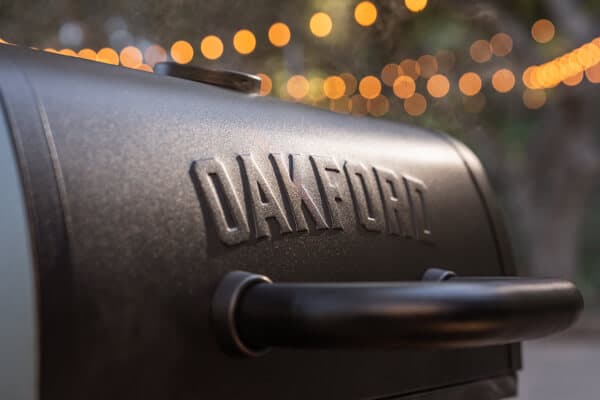
Expert tips, buying guides, comparisons, and inspiration for choosing and getting the most out of your grill.
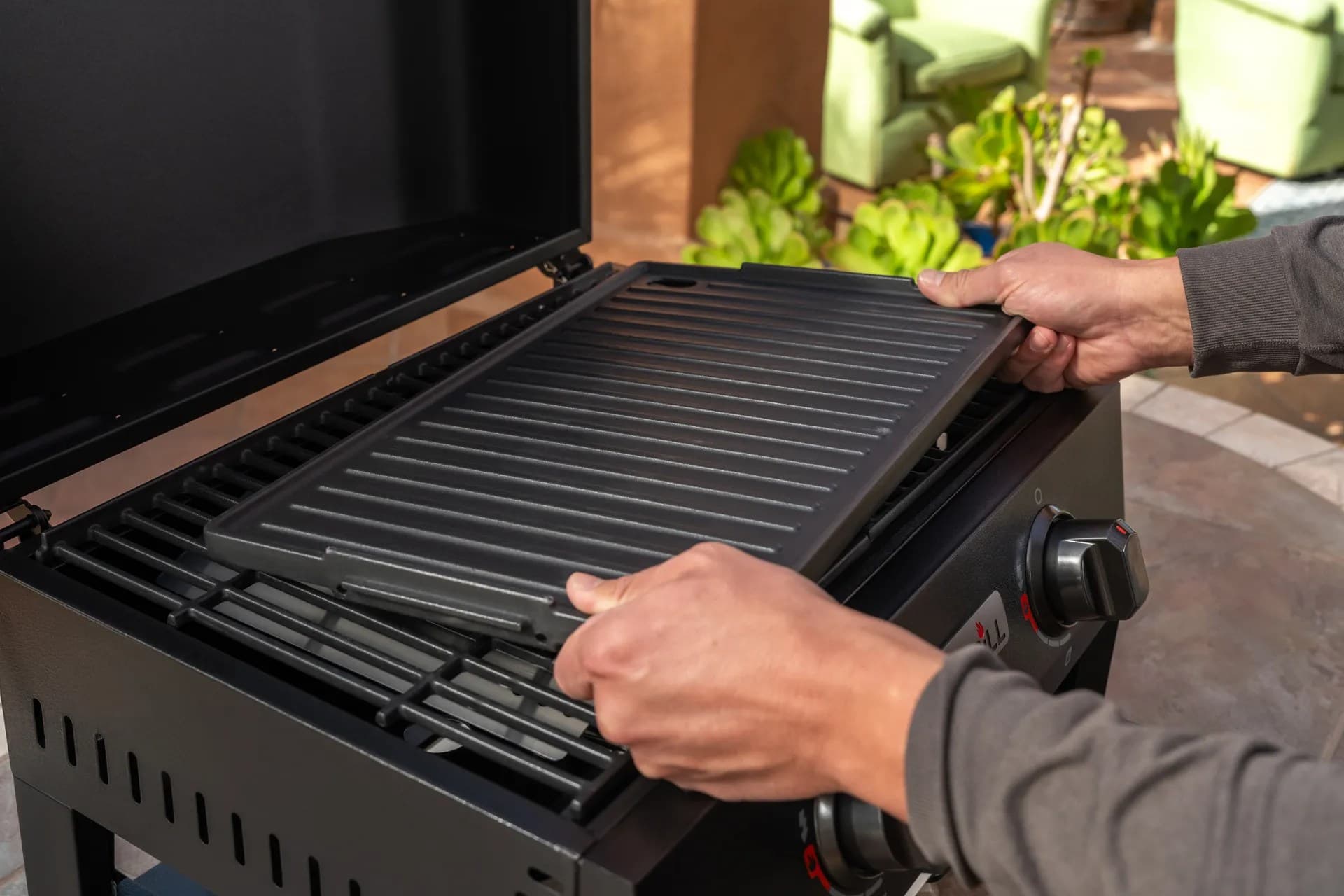
Practical guides for cleaning, maintenance, common grill issues, and performance optimization.
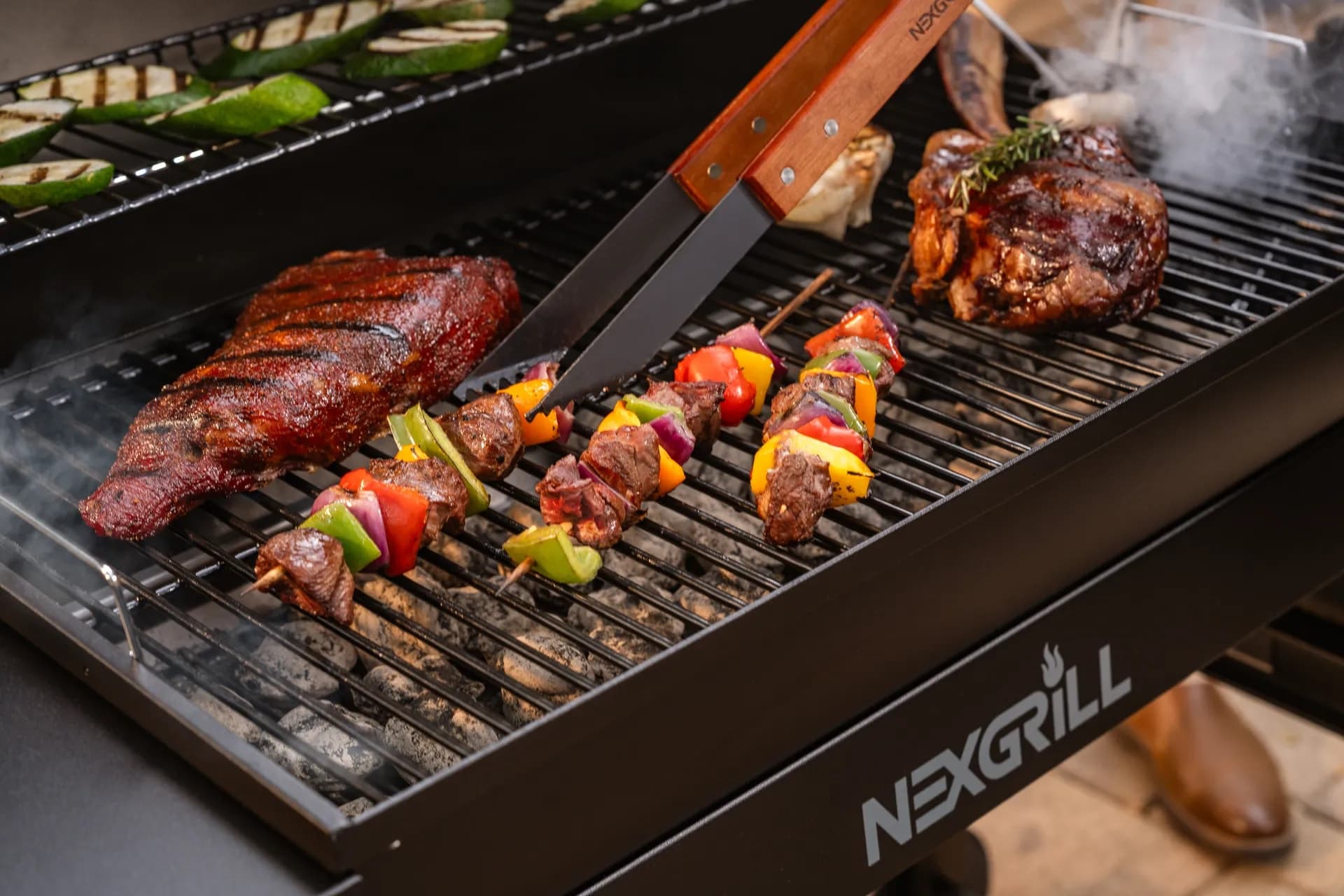
Step-by-step grilling recipes, cooking techniques, and meal ideas for every occasion and skill level.
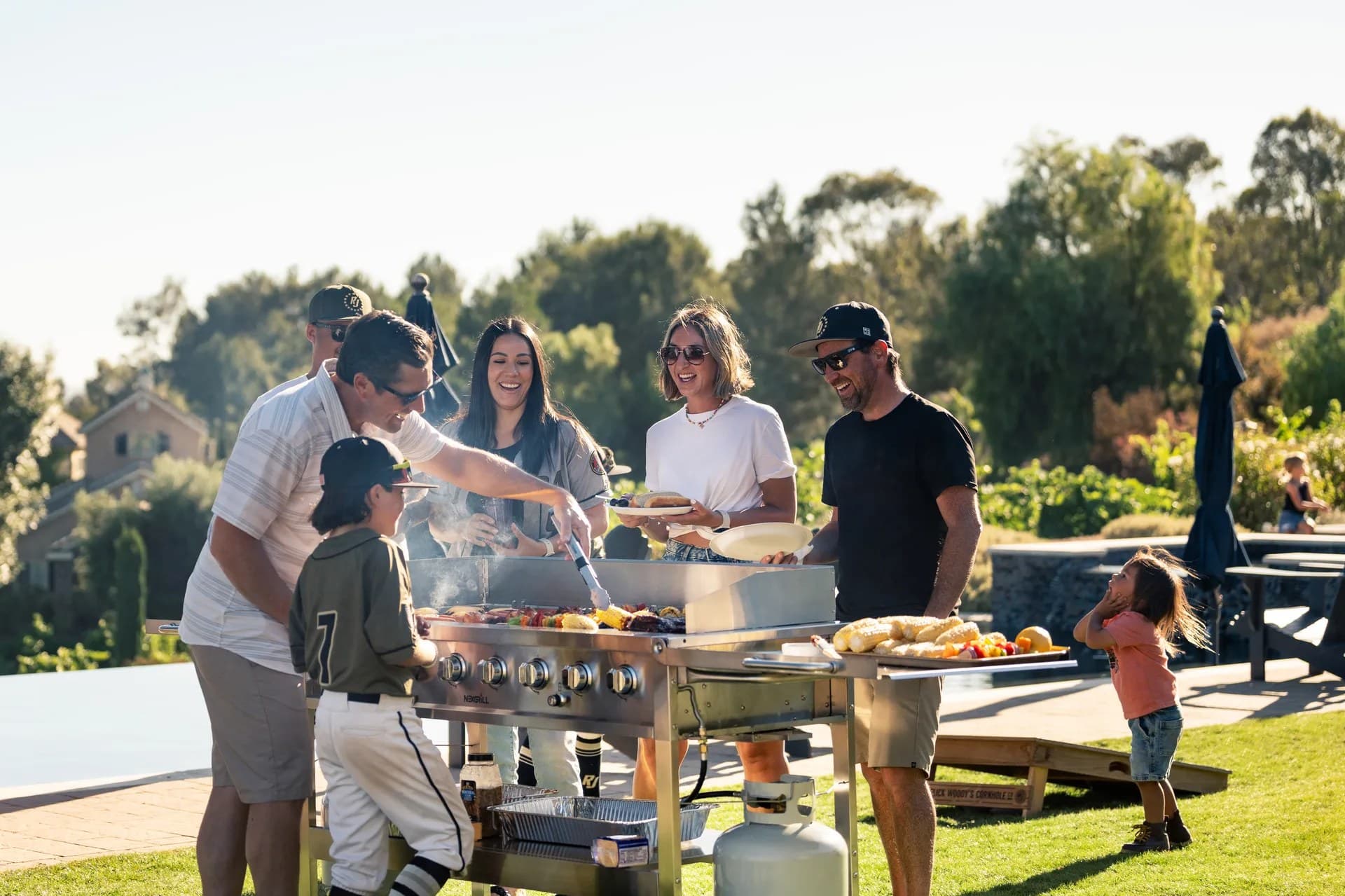
Backyard entertaining ideas, seasonal grilling inspiration, and stories that celebrate outdoor cooking culture.
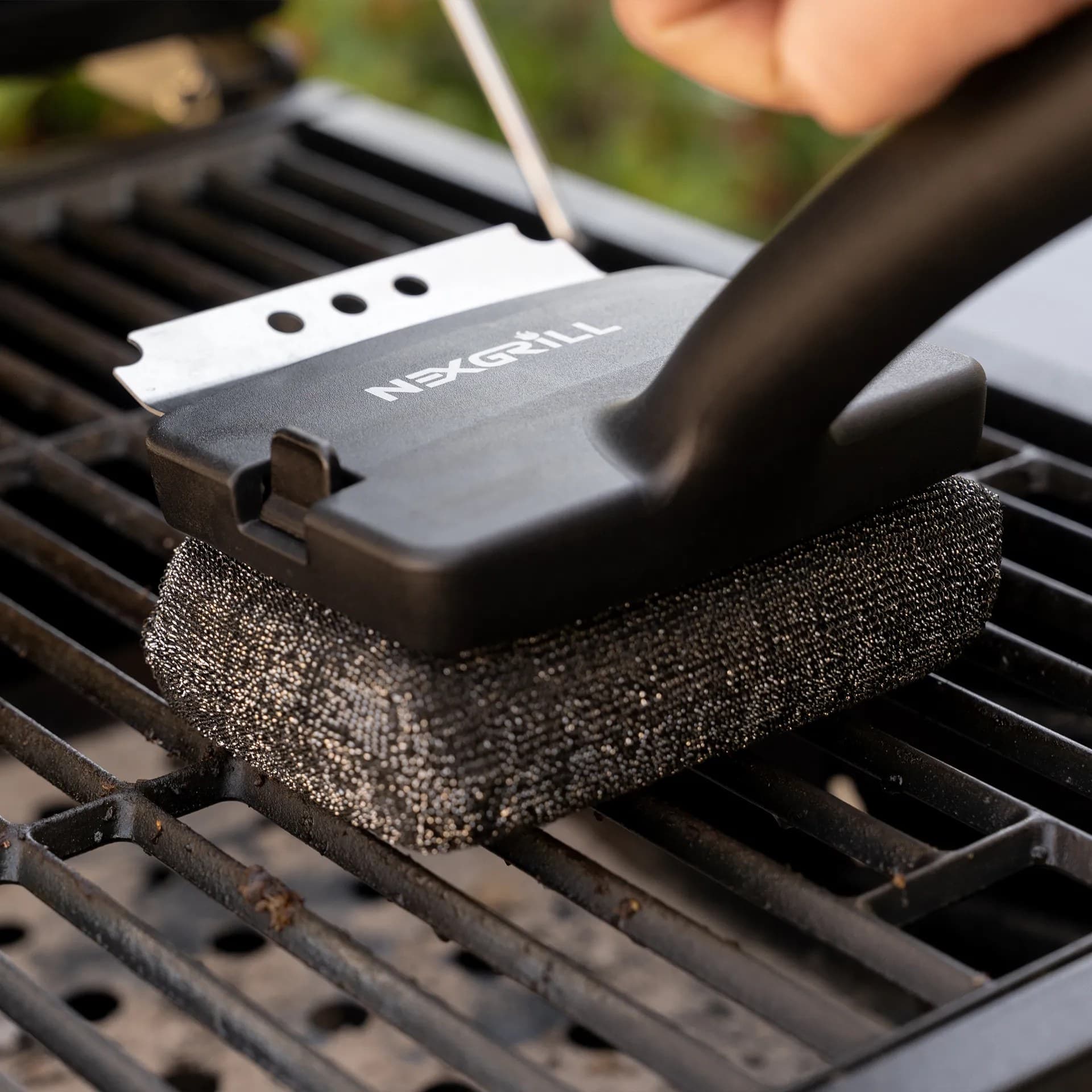
Helpful articles covering grilling tools, cookware, maintenance gear, and must-have accessories for outdoor cooking.
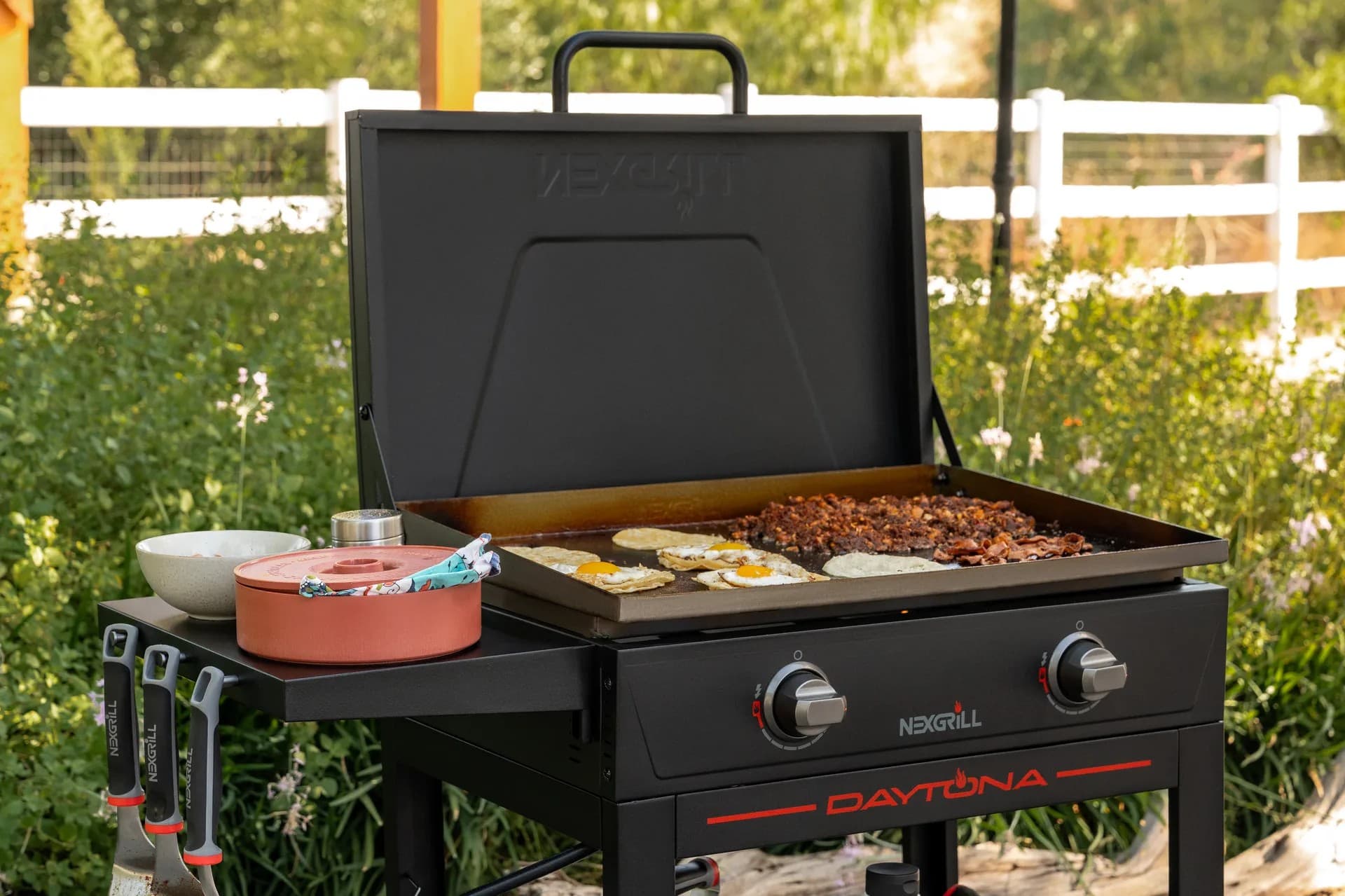
Find griddle recipes, cooking techniques, cleaning tips, and outdoor meal ideas designed for Nexgrill griddles.
Find answers to common questions
Nexgrill equipment is suitable for a variety of recipes including meats, vegetables, and even pizzas. Popular options include marinated steaks, grilled vegetables, and shrimp skewers.
To enhance the flavor of grilled vegetables, consider marinating them in olive oil, herbs, and spices before grilling. Alternatively, you can season them with salt and pepper during grilling for a more straightforward approach.
To achieve perfect grill marks, preheat your grill to a high temperature and ensure that the food is dry before placing it on the grill. Avoid moving the food too early, as it needs to sear properly to form those classic grill marks.
Using a meat thermometer is the most accurate way to ensure your grilled meat is at the desired temperature. For instance, chicken should reach an internal temperature of 165°F while medium-rare beef is typically at 135°F.
To clean your Nexgrill after cooking, allow it to cool and then use a grill brush to remove any residue from the grates. You can also wipe down the exterior with a damp cloth and mild soap to keep it looking its best.
In This Article
Essential Grilling Tools
Preparing Seafood for the Grill
Grilling Methods and Tips
Grilling seafood is one of those outdoor cooking skills that looks simple from a distance and becomes far more rewarding once you understand the details. Fish, shrimp, scallops, lobster tails, clams, and oysters each respond differently to heat, and that is exactly why seafood grilling is worth mastering. Unlike thicker cuts of meat, many seafood items cook quickly, release moisture fast, and can move from perfectly tender to dry or stuck in seconds. The goal is not just to add grill marks. It is to use controlled heat, smart prep, and the right tools so the seafood stays juicy, develops a clean smoky edge, and reaches the table with its natural flavor intact.
A good seafood grilling approach starts with understanding texture. Firm fish like salmon, swordfish, tuna, mahi-mahi, and halibut can usually handle direct grill grates more confidently than delicate fillets such as tilapia or flounder. Shellfish and crustaceans bring their own challenges because shrimp and scallops can overcook quickly, while lobster and clams need enough heat to open and finish without drying out. That is why seafood is often a better fit for a precise setup than for guesswork. When the fire is managed well, the reward is huge: a crisp exterior, moist center, and flavor that tastes fresher and more vivid than an indoor pan can often deliver.
Most seafood can be grilled in under 15 minutes, which makes timing and heat control the real keys to success.
This guide focuses on practical technique, not kitchen mythology. You will learn how to choose tools that reduce sticking, how to prep seafood so it cooks evenly, and how to adjust methods for fish, shellfish, and crustaceans. You will also see where common advice falls short. For example, a strong marinade can add flavor, but too much acid for too long can make seafood mushy. A hot grill is helpful, but blasting thin fillets over direct flames can turn the outside into a race against the inside. The best seafood grilling is deliberate, calm, and responsive to the food you are cooking.
For Nexgrill readers, that means thinking about seafood as a set of techniques rather than a single recipe category. The same grill can handle cedar-planked salmon, lemon-herb shrimp skewers, grilled scallops in a basket, or whole branzino laid across a clean grate if the setup is right. Keep the idea simple: seafood rewards preparation, and the difference between good and excellent is often only a few small decisions made before the grill is even lit.
Seafood grilling is far easier when the right tools are on hand. A clean, well-preheated grill matters, but accessories do a lot of the technical work that keeps delicate food intact. The most useful seafood tools are not flashy. They solve very specific problems: sticking, breakage, uneven exposure to heat, and overhandling. For that reason, a seafood grilling setup should be built around control first and convenience second.
| Tool | Why it matters | Best use |
|---|---|---|
| Fish spatula | Thin edge slides under fillets without tearing | Salmon, snapper, trout, halibut |
| Grill basket | Keeps small or fragile pieces from falling through grates | Shrimp, scallops, flaking fish |
| Cedar plank | Adds gentle smoke and buffers direct heat | Salmon, trout, white fish |
| Long tongs | Lets you turn seafood without crowding or piercing it | Shrimp, skewers, lobster tails |
| Instant-read thermometer | Removes guesswork on doneness | Any thick fish or shellfish |
Tip: If you are grilling a fish fillet with skin, start it skin-side down on a clean, oiled grate and avoid moving it early. Most sticking problems happen because the fish is turned too soon.
A fish basket or grill basket is especially useful when you want smaller cuts to hold together. Shrimp, scallops, and pieces of flaky white fish do better when they are contained, because containment reduces the need to flip each piece individually. Cedar planks are another smart option, not because they replace good heat management, but because they create a more forgiving cooking environment for fish that would otherwise be vulnerable to flare-ups or rough grate contact. Choose untreated planks designed for cooking, soak them if recommended by the manufacturer, and monitor them closely so they smolder gently rather than burn away.
Thermometer use is often underestimated in seafood cookery. Many people rely on color alone, but color can be misleading, especially with salmon or seared tuna. Internal temperature gives you a better decision point when the cut is thick. For thin fillets, a visual check combined with gentle pressure may work, but for center-cut salmon or lobster tails, a thermometer can save a dinner from going over. In practice, the best tool is the one that gives you confidence to pull seafood off the grill on time.
Preparation is where seafood grilling succeeds or fails. Before the food ever reaches the heat, the surface moisture, cut size, seasoning, and handling all influence the final result. Seafood should be patted dry whenever the technique calls for a seared exterior, because excess moisture creates steam and weakens browning. That matters for fish fillets, scallops, and shrimp in particular. If you want attractive grill marks and a better texture, start with a dry surface, a light coating of oil, and seasoning that supports the food instead of burying it.
Different seafood benefits from different prep styles. Salmon can handle a bold rub or glaze, especially if it has enough fat to stand up to heat. Leaner white fish often does better with a simpler approach: salt, pepper, citrus zest, herbs, and a little oil. Shrimp usually improves with a brief marinade or quick seasoning because it absorbs flavor fast and cooks so quickly that long marination is unnecessary. Shellfish like scallops need special care because they can carry surface moisture from packaging. Dry them well, season just before grilling, and give them enough space so they brown instead of steaming.
Warning: Acid-heavy marinades can break down seafood fast. Lemon juice, vinegar, and wine are useful, but long soaking times can soften delicate texture and make fillets harder to grill cleanly.
For whole fish, scoring the skin or flesh can help seasoning penetrate and allow heat to move more evenly through the thicker sections. Keep the cuts shallow so the fish does not fall apart, and stuff the cavity lightly with herbs, citrus slices, or aromatics if the species and size support it. For lobster tails, splitting the shell and loosening the meat slightly helps them cook more evenly and makes for cleaner presentation. For clams and oysters, scrubbing shells thoroughly and discarding any that do not close tightly is a necessary food-safety habit before they ever hit the grill.
A practical prep routine is simple: dry the seafood, oil the grates or the seafood lightly, season just before grilling, and set everything within reach. That workflow reduces the chance of overhandling and keeps the cooking process smooth. When seafood is prepped properly, the grill becomes a finishing tool rather than a rescue mission.
There is no single seafood grilling method that works for everything. The best approach depends on the type of seafood, its thickness, and how much protection it needs from direct heat. Direct grilling works well for firm fish steaks, shrimp, lobster tails, and oysters because these foods can tolerate quick exposure and benefit from char. Indirect grilling is often better for whole fish or thicker fillets, where slower heat helps the interior cook through before the outside overbrowns. Cedar plank grilling sits in the middle: it gives you smoke and gentle heat while keeping the fish lifted from direct grate contact.
For fish fillets, the main technique is restraint. Start on a well-oiled grill over medium-high heat, place the fish skin-side down if it has skin, and let it form a crust before you attempt to turn it. If the fillet resists, it is not ready. That small test prevents tearing. For shrimp, skewers or baskets make the work easier, and leaving the tails on can help with handling and presentation. Shrimp are done quickly, so keep a close eye on color and shape; they curl into a loose C when cooked through, while a tight O shape often signals overcooking.
Scallops are one of the clearest examples of why heat control matters. They need a dry surface and a hot grate or basket so they can brown fast without sitting long enough to toughen. A short sear on each side is usually enough. For lobster tails, grilling shell-side down first can protect the flesh while it cooks, and a finishing brush of butter or citrus oil can add flavor without overwhelming the sweet meat. Whole fish should be managed with patience: score, season, set over moderate heat, and let the grill do the work without constant flipping.
Preheat the grill fully, clean the grates, and oil both the seafood and cooking surface before anything touches the fire.
One helpful rule is to cook seafood just until it is done, not until it is “safe plus a little extra.” Seafood loses quality quickly when overcooked, especially lean fish and scallops. If you are not sure, move the food off the grill a little earlier and let carryover heat finish the job. That small shift in timing often produces the difference between tender and dry.
Try comparing two products side by side below to see which fits best:
The most common seafood grilling mistakes are usually small decisions made too early or too late. The first is skipping moisture control. Seafood that goes onto the grill wet is far more likely to stick and steam, which means less browning and a weaker final texture. Patting the food dry is not a cosmetic step; it changes how the surface reacts to heat. Another frequent mistake is over-oiling the seafood or the grill. You only need a thin film to help prevent sticking. Too much oil can encourage flare-ups, especially with fattier fish or skin-on cuts.
Another issue is using the wrong heat level. Seafood does not always want maximum flame. Very high direct heat can scorch the outside before the interior is done, which is a particular problem for thick fillets and shell-on shellfish. On the other hand, heat that is too low leaves fish pale and may cause it to dry out while it sits on the grate. The sweet spot is often medium-high for fillets and shrimp, with indirect zones for thicker cuts. If your grill offers multiple burners, create a hot zone for searing and a cooler zone for finishing. That gives you a way to recover when something is moving too fast.
Info: Keep a clean grill brush or scraper nearby so you can remove residue before each seafood round. A clean grate is one of the easiest ways to reduce tearing and sticking.
Overhandling is another classic mistake. Seafood should not be poked, pressed, or turned repeatedly. Every time you move it, you risk breaking the surface, losing juices, and interrupting the crust that is forming. Let the food release naturally. If a fish fillet sticks when you try to lift it, it likely needs another minute. Rushing the flip is one of the fastest ways to destroy a clean presentation. The same advice applies to scallops and shrimp in baskets: stir only enough to promote even cooking, not so much that the food loses contact with the heat.
Uneven sizing is worth mentioning too. If shrimp on one skewer are large and small, the smaller ones will overcook before the larger ones are done. If you are grilling mixed seafood, separate items by thickness and type, then assign each group its own timing. That keeps the weak link from ruining the entire batch. For whole fish, make sure the cavity is empty of excess moisture and that the fish is cooked on a surface that can support its shape. A collapsing fish is often a sign of poor prep, not bad luck.
Seasoning seafood is about accent, not camouflage. The best marinades and spice blends amplify the natural flavor of the seafood rather than burying it. Citrus, garlic, herbs, black pepper, paprika, chili flakes, and light oils are all common building blocks, but the proportions matter. Fish with a mild flavor needs restraint. A heavy spice crust can overwhelm delicate meat, while a bright herb mixture or a simple lemon-garlic oil can be enough to make the dish feel complete. Richer fish such as salmon can take stronger ingredients like brown sugar, mustard, miso, soy, or smoked spices because their texture and fat content can absorb and balance those flavors.
A marinade should have a job. If you want brightness, use citrus and herbs. If you want warmth, use paprika, cumin, or chili. If you want a savory finish, use soy, garlic, and a touch of honey. But do not assume more time equals more flavor. For shrimp and thin fillets, 15 to 30 minutes is often enough. Longer contact with acid can cause the exterior to soften too much. Dry rubs can be better for firmer seafood because they create a seasoned crust without adding liquid that interferes with browning.
Warning: Sweet glazes can burn quickly. If you are using honey, maple syrup, or a sugary sauce, wait until the last minute of grilling to brush it on.
Herb butter, citrus oil, and light finishing sauces are especially effective after the seafood comes off the grill. That timing preserves the flavor without exposing the sugars or herbs to too much flame. A finishing squeeze of lemon, a sprinkle of flaky salt, or a spoonful of salsa verde can make grilled seafood taste brighter without complicating the cooking process. If you want bolder flavor, build it in layers: season lightly before grilling, then finish with something fresh afterward.
For seafood lovers who want repeatable results, keep a few flavor profiles in rotation. Lemon and dill work beautifully with salmon and trout. Chili and lime suit shrimp and firm white fish. Garlic, parsley, and olive oil are a dependable all-purpose combination. Smoked paprika, cumin, and a touch of brown sugar can work when you want a slightly deeper profile without losing the seafood character. The right seasoning strategy should make the food taste more like itself, only better.
Seafood timing is best treated as a range, not a rigid rule. Thickness, starting temperature, grill heat, and whether the food is skin-on or shell-on all change the final cook time. Still, practical ranges help remove uncertainty. Fish fillets often grill in about 8 to 12 minutes total depending on thickness. Shrimp frequently finish in 4 to 6 minutes. Scallops usually take 4 to 5 minutes per side if they are large and dry. Lobster tails often need 8 to 12 minutes depending on size and split-shell preparation. Whole fish can take longer, sometimes 10 to 20 minutes or more, depending on weight and heat zone management.
| Seafood | Typical grill method | Approximate timing | Doneness cue |
|---|---|---|---|
| Salmon fillet | Direct heat or cedar plank | 8 to 12 minutes | Opaque and flakes easily |
| Shrimp | Skewers or grill basket | 4 to 6 minutes | Pink, curled, and firm |
| Scallops | Direct heat or basket | 4 to 5 minutes per side | Golden edges, opaque center |
| Lobster tails | Shell-side down, moderate heat | 8 to 12 minutes | Meat turns opaque and lifts easily |
| Whole fish | Indirect or mixed-zone cooking | 10 to 20 minutes+ | Flesh flakes at the spine and thickest point |
Use temperature as a guide when the cut is thick enough to measure reliably. For fish, many cooks aim for a range that leaves the flesh moist instead of driving it to dryness. For shellfish and crustaceans, opacity and texture are often easier to track than temperature alone. The important thing is consistency: cook the same type of seafood the same way a few times so you learn how your grill behaves. Weather, grill model, and food temperature all affect timing. A windy day or a cold piece of fish can extend your cook more than expected.
If you want to improve your seafood results quickly, start noting three variables every time: cut thickness, grill zone, and finish time. That small record turns guesswork into repeatable success, especially when you are cooking for guests and want every plate to land at the same moment. Once you've weighed two options against each other, here's what else matters when you are planning your next seafood cook.
Perfecting seafood on the grill is less about chasing complexity and more about respecting the food. A clean grate, proper drying, sensible seasoning, and attentive timing solve most of the problems that frustrate home cooks. Once you understand how your grill behaves, seafood becomes one of the fastest and most satisfying categories to cook outdoors. You can move from a simple weeknight salmon fillet to a mixed seafood platter with shrimp, scallops, and lobster tails without changing the core principle: control the heat and let the ingredients shine.
The best seafood grilling habits are repeatable ones. Start with firmer fish if you are building confidence. Use a basket or plank when the cut is delicate. Keep marinades short, use finishing sauces after grilling, and remember that seafood usually needs less time than you think. If something feels uncertain, rely on the signs the food gives you: color, flake, opacity, and gentle texture. Those cues are your best ally when timing matters.
For readers who want a dependable outdoor cooking experience, Nexgrill’s approach to grilling aligns well with the practical needs of seafood: reliable heat, accessible tools, and a setup that makes it easier to cook with confidence. Seafood rewards calm preparation and a steady hand, and that is exactly the kind of cooking that turns a good cookout into a memorable one.
Here's what sets us apart
We position ourselves as delivering high-end outdoor cooking features and performance without premium-brand pricing, emphasizing “Quality Grills. Unbelievable Value.”
We offer gas grills, pellet grills, griddles, smokers, pizza ovens, portable/tabletop grills, electric grills, accessories, and replacement parts — allowing customers to stay within one ecosystem for all outdoor cooking needs.
We differentiate ourselves through smart grilling products like the Oakford smart pellet grill, including app-connected cooking controls and modern outdoor cooking technology.
Don't just take our word for it
Keep reading
From our catalog