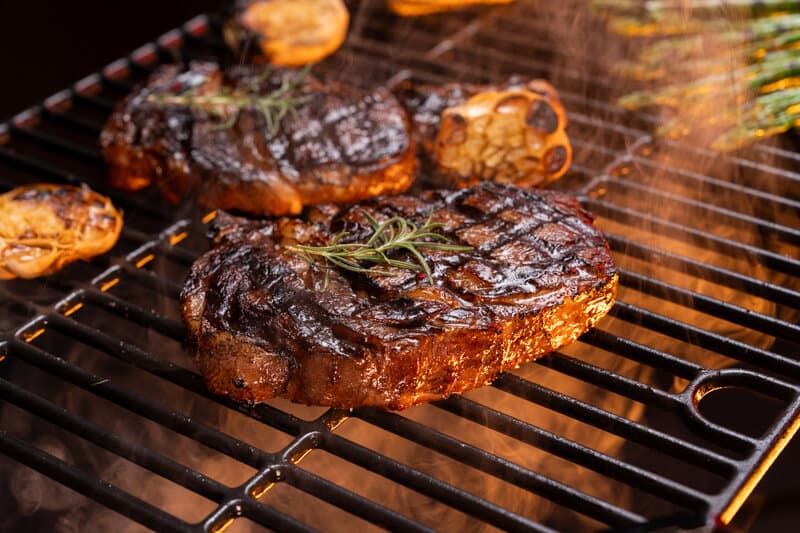
Master the art of grilling succulent steaks with expert tips and techniques tailored for spring.
Here's what sets us apart from the competition
We position ourselves as delivering high-end outdoor cooking features and performance without premium-brand pricing, emphasizing “Quality Grills. Unbelievable Value.”
We offer gas grills, pellet grills, griddles, smokers, pizza ovens, portable/tabletop grills, electric grills, accessories, and replacement parts — allowing customers to stay within one ecosystem for all outdoor cooking needs.
We differentiate ourselves through smart grilling products like the Oakford smart pellet grill, including app-connected cooking controls and modern outdoor cooking technology.

Expert tips, buying guides, comparisons, and inspiration for choosing and getting the most out of your grill.
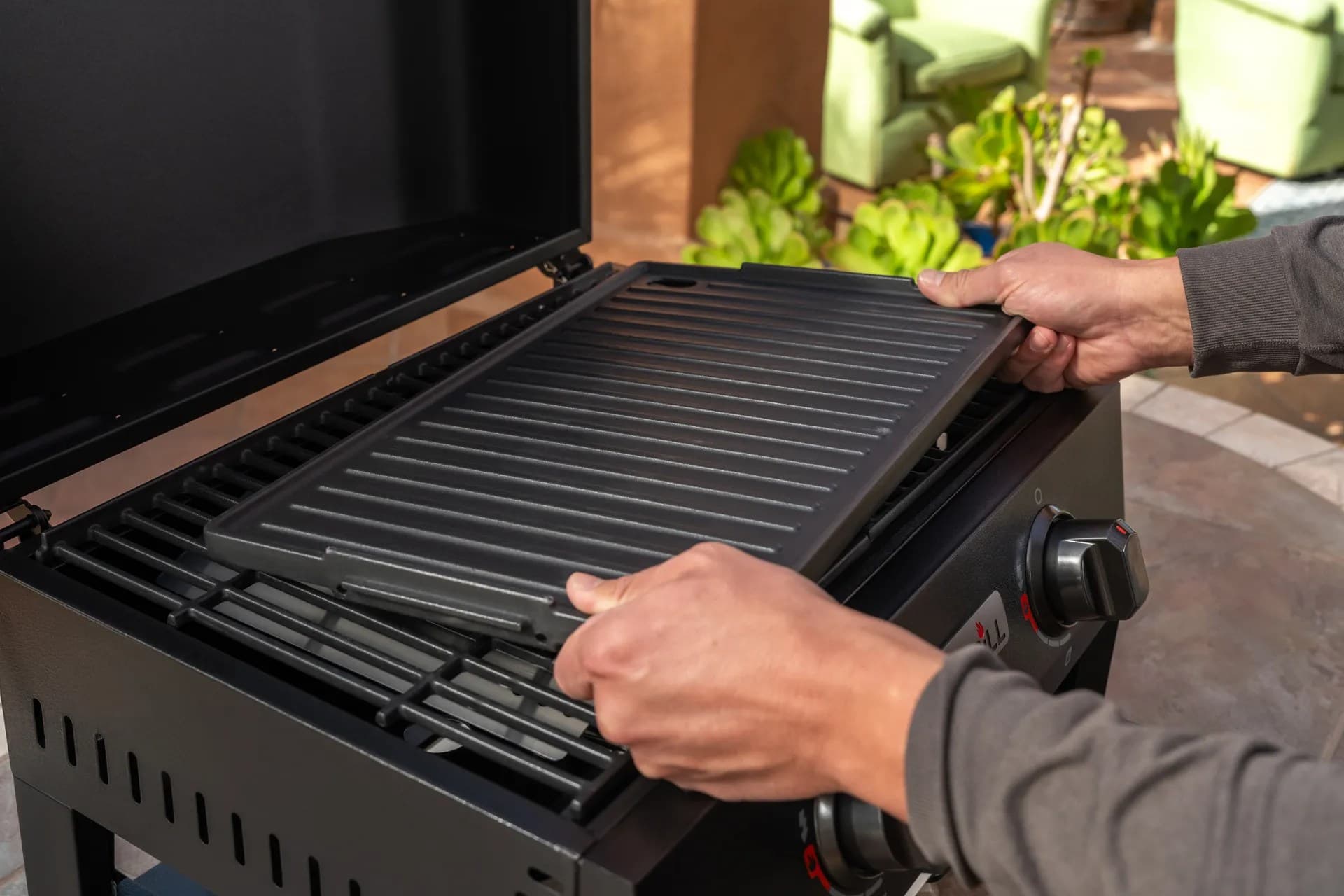
Practical guides for cleaning, maintenance, common grill issues, and performance optimization.
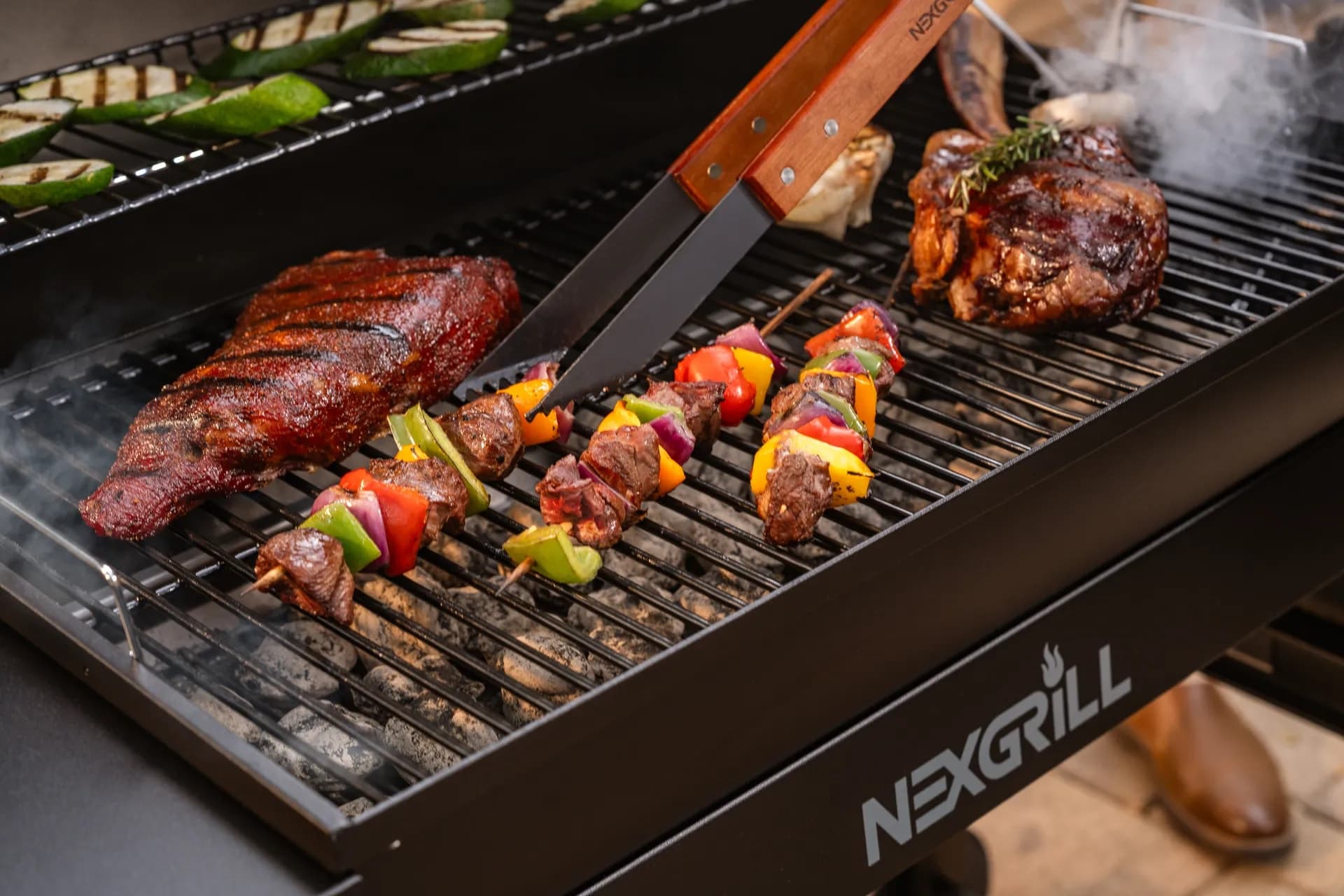
Step-by-step grilling recipes, cooking techniques, and meal ideas for every occasion and skill level.
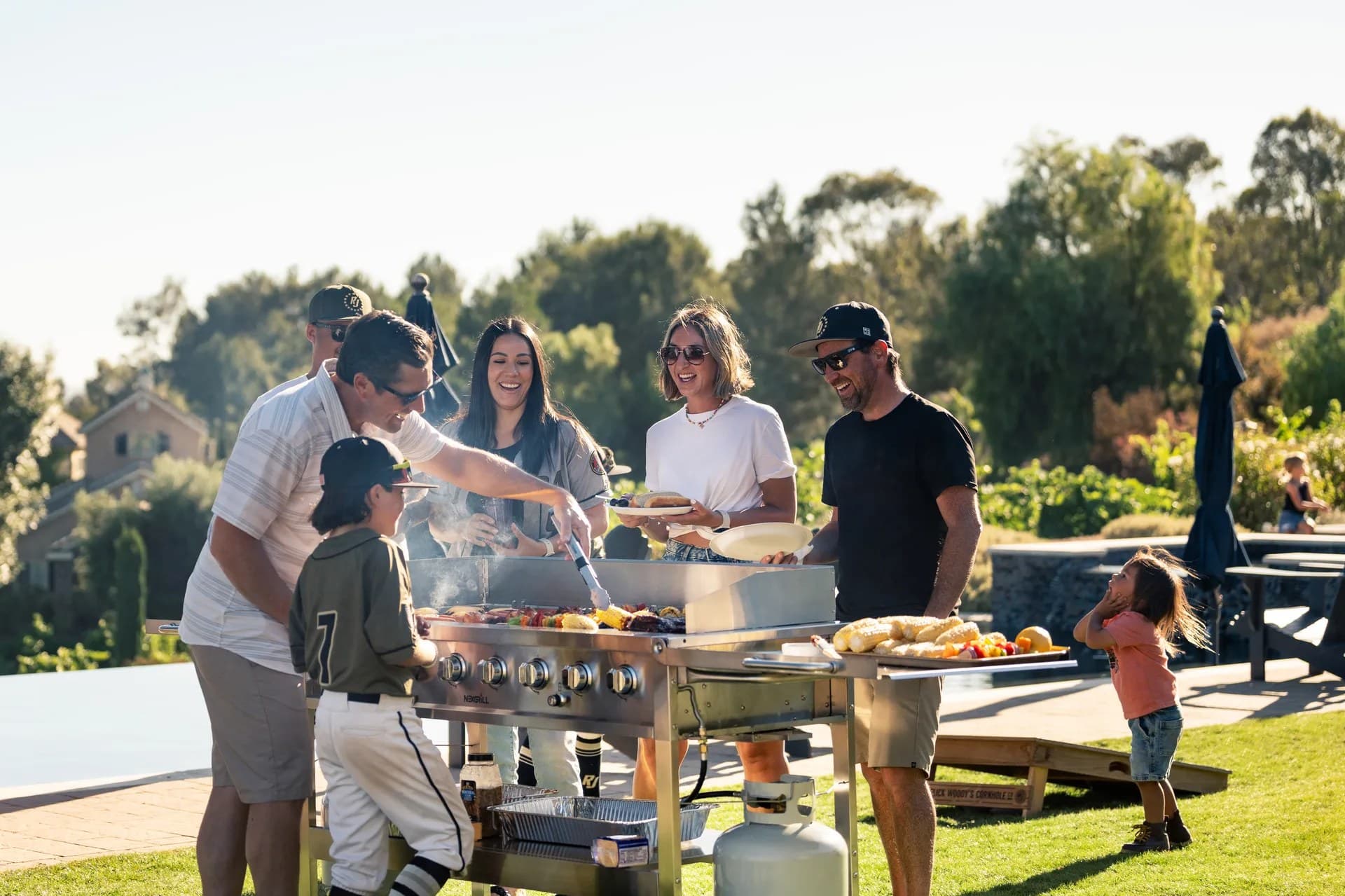
Backyard entertaining ideas, seasonal grilling inspiration, and stories that celebrate outdoor cooking culture.
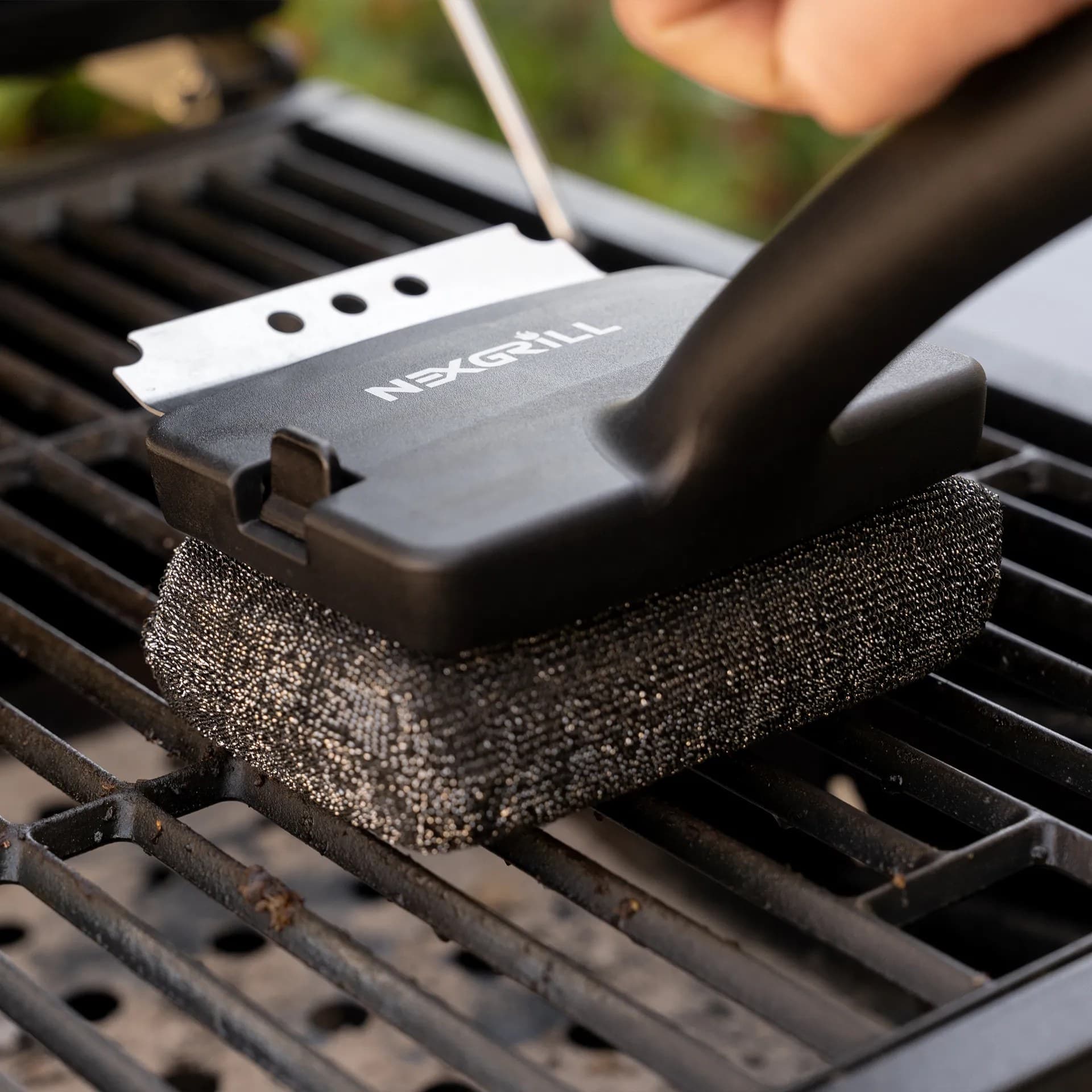
Helpful articles covering grilling tools, cookware, maintenance gear, and must-have accessories for outdoor cooking.
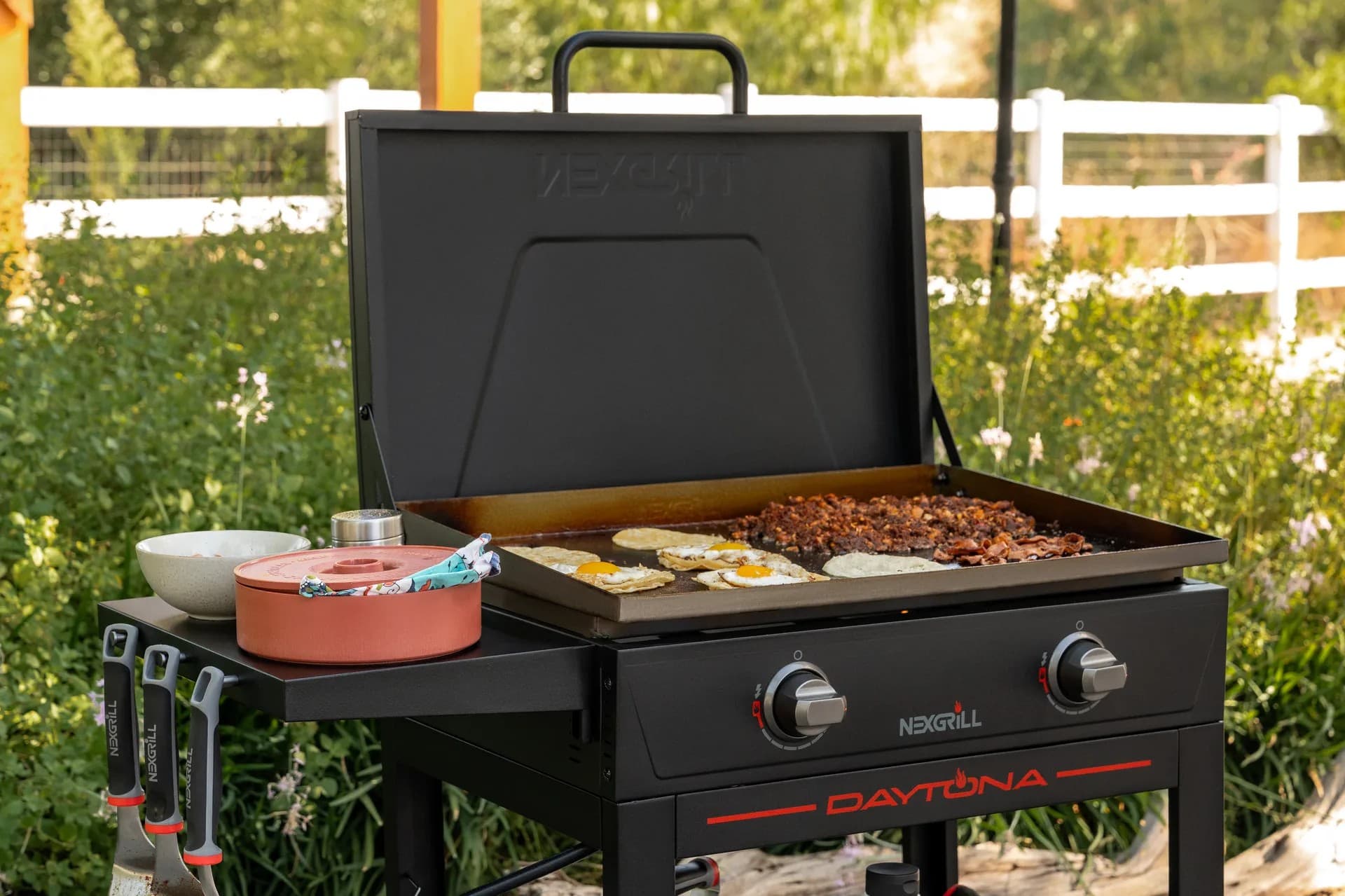
Find griddle recipes, cooking techniques, cleaning tips, and outdoor meal ideas designed for Nexgrill griddles.
Find answers to common questions
Nexgrill equipment is suitable for a variety of recipes including meats, vegetables, and even pizzas. Popular options include marinated steaks, grilled vegetables, and shrimp skewers.
To enhance the flavor of grilled vegetables, consider marinating them in olive oil, herbs, and spices before grilling. Alternatively, you can season them with salt and pepper during grilling for a more straightforward approach.
To achieve perfect grill marks, preheat your grill to a high temperature and ensure that the food is dry before placing it on the grill. Avoid moving the food too early, as it needs to sear properly to form those classic grill marks.
Using a meat thermometer is the most accurate way to ensure your grilled meat is at the desired temperature. For instance, chicken should reach an internal temperature of 165°F while medium-rare beef is typically at 135°F.
To clean your Nexgrill after cooking, allow it to cool and then use a grill brush to remove any residue from the grates. You can also wipe down the exterior with a damp cloth and mild soap to keep it looking its best.
In This Article
Optimal Steak Cuts
Seasoning Secrets
Grilling Techniques
Spring changes the way steak should be grilled. The air is cooler, the sun is less punishing, and the first weekend cookouts after winter tend to feel more relaxed and deliberate. That matters, because steak rewards attention to detail. A well-chosen cut, a clean and properly heated grill, and a calm approach to timing can turn an ordinary dinner into the kind of meal people remember. Nexgrill’s brand philosophy leans into that same spirit of gathering: outdoor cooking should feel approachable, welcoming, and worth sharing, not intimidating or overly technical .
If you are grilling in spring, you are also working with variable conditions. A breezy afternoon, a suddenly cooler evening, or a grill that sat unused through winter can all affect the outcome. That is why the most successful steak cooks do not rely on instinct alone. They think through the whole process, from cut selection to the final slice. This guide is built for that kind of cook: the person who wants restaurant-quality results but also wants practical steps that work on a Tuesday night or during a backyard gathering with friends.
Spring is ideal for steak grilling because moderate weather makes it easier to manage heat, but you still need to account for wind and a grill that may need a post-winter reset.
The best spring steak dinner usually starts with a simple plan. Pick a cut that matches your grill style, season it with enough salt to enhance the meat rather than hide it, and preheat the grill until the grates are ready to sear. That process sounds basic, but it is exactly where many home cooks lose the thread. In practice, perfect steak is less about a secret trick and more about a chain of small decisions that all support each other.
Not every steak behaves the same on the grill, and spring cooking is a good time to choose a cut based on both flavor and ease. Ribeye brings rich marbling and forgiving texture, strip steak offers a firmer bite with strong beef flavor, and tenderloin is prized for softness but can taste milder if under-seasoned. For a slightly more budget-conscious option, sirloin can perform very well when it is not overcooked. The goal is not to find the “best” steak in the abstract, but the cut that fits the evening you are planning.
| Cut | Best trait | Spring grilling note |
|---|---|---|
| Ribeye | High marbling and rich flavor | Handles slight timing mistakes better than lean cuts |
| Strip steak | Balanced beef flavor and tenderness | Excellent for direct grilling and fast searing |
| Tenderloin | Very tender texture | Best when closely monitored to avoid overcooking |
| Sirloin | Strong value and solid flavor | Great for weeknight grilling when sliced against the grain |
Spring is also a smart season for trying steaks that pair well with bright, seasonal sides. A ribeye with herb potatoes, a strip steak with asparagus, or sirloin with a fresh salad can feel lighter than the heavier winter meals many people leave behind. Food Network’s steak guidance emphasizes basic doneness control and direct heat technique, while Weber’s grilling advice reinforces the value of proper preheating and resting, both of which matter even more when the weather is shifting between cool and warm during the same cookout .
If your grill is breezy or the lid loses heat quickly, choose a cut with some marbling rather than a very lean steak. Marbling gives you a little more margin for error.
Steak seasoning in spring should be confident but not complicated. Salt is the foundation because it helps the meat brown better and brings the beef flavor forward. Black pepper adds bite, while a small amount of garlic powder or crushed dried herbs can support the crust without covering the meat’s natural flavor. If you prefer a marinade, keep it focused: oil for contact, an acid in moderation, and aromatics for complexity. Too much acid, too long, and the texture can turn mushy rather than tender.
A dry brine is often the most useful spring technique. Season the steak with salt at least 40 minutes ahead of time, or even the night before if you have the refrigerator space and a plan to grill later. That gives the seasoning time to penetrate and helps the surface dry out, which supports a stronger sear. For a quick same-day cook, even 15 minutes of salt on the surface is better than seasoning only after the steak is already on the fire.
| Seasoning method | How it works | Best use case |
|---|---|---|
| Dry brine | Salt draws moisture, then reabsorbs for deeper seasoning | Best flavor and browning for most grilled steaks |
| Simple rub | Salt, pepper, and a few spices form a crust | Quick spring dinners and beginner-friendly grilling |
| Short marinade | Oil and aromatics lightly flavor the surface | Lean cuts that need a little extra help |
Spring ingredients can make the seasoning feel seasonal without making the steak taste busy. Think minced chives, parsley, lemon zest, or a light rosemary-garlic paste. Those flavors are especially effective when paired with sides that are still fresh and crisp. The important thing is restraint. Steak needs room to taste like steak, and the seasoning should sharpen that identity, not replace it.
Spring grilling starts before the flame does. If the grill spent the winter covered, unused, or partially stored away, give it a reset. Clean the grates, inspect the burners or charcoal bed, and check for grease buildup or debris from cold-weather storage. A clean grill heats more predictably and helps prevent flare-ups that can char the outside of a steak before the center is ready. This is not just maintenance; it is part of the cooking technique.
For gas grills, preheat with the lid closed so the grates have time to absorb heat. For charcoal, allow the coals to ash over before cooking so you are searing with steady heat instead of raw, smoky fire. In spring, wind can pull heat away faster than expected, so placement matters. If possible, set the grill where it is protected from a direct cross-breeze, and keep the lid open only when needed. Nexgrill’s broader brand message around dependable, practical outdoor cooking fits this season well: a little preparation makes the whole experience smoother and more inviting .
A properly preheated grate is one of the simplest ways to improve sear marks, reduce sticking, and build a better crust on spring steaks.
If you want a quick sanity check before cooking, place your hand a few inches above the grate only briefly; if the heat feels weak or uneven, give the grill more time. On a gas grill, you can also create a hot zone and a cooler zone by adjusting burners, which gives you a safer path if one side of the steak browns faster than the other. That flexibility is especially valuable in spring because outside temperatures can influence how quickly your cooking zone recovers after the lid is opened.
The best steak technique for spring is usually direct heat with a little structure. Start on the hottest area of the grill to build color, then move to a cooler zone if the exterior is perfect before the interior reaches your target doneness. For thicker cuts, this two-zone approach gives you more control than leaving the steak in one intense spot the whole time. You can also rotate the steak 45 degrees midway through the first side if you want crosshatch marks, but do not move it too early or it may stick.
Avoid pressing the steak with a spatula. It does not improve flavor; it only squeezes out juices. Likewise, flipping every few seconds is usually unnecessary. Let the steak develop a crust before turning, then use the thermometer to guide the final minutes. For a typical one-inch steak, a few minutes per side often gets you close, but the exact time depends on grill temperature, cut thickness, and how cold the meat was when it hit the grate. That is why visual cues and tools matter more than a strict clock.
Spring is a good time to lean into compound butter or simple herb finishing oils, but only after grilling. Adding butter too early can burn, especially if the grill is hot and the butter contains garlic or herbs. Instead, brush on a small amount after the steak comes off the heat so the fat melts into the crust and carries the aroma without scorching.
A thermometer is the most reliable tool for steak doneness, and it is especially useful in spring when outside conditions may make visual timing less dependable. Color alone can mislead you because steaks continue to cook after they leave the grill. The safest habit is to check the internal temperature before you think the steak is finished, then remove it a few degrees early so carryover cooking can complete the job.
| Doneness | Approximate pull temperature | What it looks like |
|---|---|---|
| Rare | 120-125°F | Very red center, soft texture |
| Medium-rare | 125-130°F | Warm red center, springy texture |
| Medium | 135-140°F | Pink center, firmer bite |
For most steak lovers, medium-rare is the sweet spot because it preserves juiciness while still delivering a strong grilled crust. That said, the right doneness is the one your household actually enjoys. The key is consistency. If you are cooking for a group, use similar thicknesses and note the temperature at which you pull each steak so you can repeat the result next time. Food Network and Weber both emphasize the value of temperature awareness and resting, because finishing steak well is as much about control as it is about heat .
Resting is not an optional pause; it is part of the cooking process. Once the steak leaves the grill, let it sit so the juices redistribute instead of rushing onto the cutting board. The exact rest time depends on thickness, but a brief rest is almost always better than immediate slicing. During this time, the internal temperature can rise a little, which is why you should pull the steak before it reaches the exact final doneness you want.
When you slice, cut against the grain to shorten the muscle fibers and make every bite feel more tender. This matters most on firmer cuts like strip steak or sirloin. A sharp knife helps keep the crust intact while making the cut clean enough to preserve the steak’s structure. If you are serving outdoors in the fresh spring air, consider slicing just before serving so the steak stays warm and the juices stay where they belong. Try comparing two products side by side below to see which fits best:
Once you have the steak technique in hand, the meal becomes more than a main course. Spring is the best season to build a plate around contrast: rich steak next to crisp greens, charred vegetables, creamy potatoes, or a bright herb sauce. Seasonal produce can keep the meal feeling balanced without making it feel overly elaborate. Think asparagus with lemon, baby potatoes with parsley and olive oil, or a simple salad with radish and cucumber for crunch. Those components help the steak feel lighter and more complete in the same way a good sauce finishes the meat rather than hides it.
For beverages, the easiest rule is to match intensity. A bold red wine works well with ribeye or strip steak, while a lighter red or a citrus-forward nonalcoholic spritz can work beautifully with sirloin or a steak served with herb-heavy sides. Cold beer also fits spring grilling well because it handles smoke and sear without overwhelming the plate. If you are hosting people with different preferences, offer one richer beverage and one brighter option so everyone has a natural pairing. The point is not to overcomplicate it; it is to make the steak dinner feel seasonal and complete.
| Steak style | Best spring side | Drink pairing idea |
|---|---|---|
| Ribeye | Herbed potatoes and asparagus | Cabernet Sauvignon or dark beer |
| Strip steak | Green salad with radish and citrus vinaigrette | Pinot noir or pale ale |
| Sirloin | Grilled vegetables with chimichurri | Light red wine or sparkling water with lemon |
Spring also gives you room to bring in bright marinades and sauces without drifting away from the steak itself. A parsley-garlic sauce, lemony herb butter, or shallot vinaigrette can echo the freshness of the season. Keep the flavors sharp, not heavy, and the steak will remain the anchor of the plate.
If your steak is sticking, the most common cause is that the grate was not hot enough or the steak was moved too soon. Let the crust form and the meat should release more naturally. If the outside is burning before the inside cooks through, your heat is too aggressive or the steak is too close to the flame. Move to a cooler zone and close the lid briefly to let the interior catch up. If the steak cooks unevenly, check whether one part of the grill is hotter than the other, which is common after winter storage or with burners that need cleaning.
A gray, dry steak usually means the temperature was too high for too long. Better crust starts with high heat, but the finish should be controlled.
Another common issue in spring is unpredictable weather. A sudden breeze can make a gas grill seem less powerful or cause charcoal to lose heat faster than expected. If that happens, do not keep lifting the lid unnecessarily. Let the grill recover. For a crowded cookout, organize your tools, thermometer, platter, and resting area before the first steak hits the grate. That small bit of setup prevents the kind of last-minute scrambling that leads to overcooked meat.
The right accessories make spring steak grilling easier and more precise. A dependable instant-read thermometer is probably the single most useful tool because it removes guesswork. Long-handled tongs help you flip without piercing the meat, which preserves juices. A grill brush or scraper matters before cooking, especially if the grill spent time covered during winter. Heat-resistant gloves are helpful when you are moving steaks between hot and cooler zones or adjusting grates.
Use a two-zone setup whenever possible: one hot side for searing and one gentler side for finishing thicker steaks without burning the crust.
For homeowners who cook outdoors often, a weather-ready cover can help protect the grill from spring rain and pollen when it is not in use. That is especially useful because spring can be one of the most unpredictable months for outdoor equipment. Nexgrill’s product mix also includes different cooking platforms and grill formats, which reflects a practical reality: the best accessory is often the one that makes your own cooking habits simpler and more repeatable, not the one with the most features on paper .
Not everyone has a backyard grill ready for spring, and that should not keep you from making a great steak. A cast-iron skillet on the stovetop can build an excellent crust, especially if you finish the steak in the oven. Broiling is another strong option because it delivers direct radiant heat similar to a top-down grill source. Both methods reward the same fundamentals: dry the steak surface, season well, and watch the internal temperature carefully. The key difference is control. Indoors, you may have less smoke and less room, but you gain a more stable cooking environment.
If you use cast iron, preheat it thoroughly so the surface is hot enough to sear quickly. If you broil, position the steak at the correct distance from the element so the crust develops without burning the exterior too fast. These alternatives are particularly useful on rainy spring days when the patio is not an option. They also let you keep practicing the same doneness habits you would use outdoors, which makes your grilling better over time.
Spring weather changes fast enough to affect results. Cooler air can slow preheating, while wind can strip away heat and make charcoal less stable. On especially cool evenings, allow extra time for the grill to come up to temperature, and keep the lid closed between checks. Moisture can also matter. If the grate is damp from rain or morning condensation, dry it before cooking so the steak sears instead of steaming.
This is also the season when seasonal ingredients shine. Spring herbs, baby greens, radishes, asparagus, and peas all bring freshness to the plate and help the meal feel lighter after colder months. Use them intentionally. A steak dinner in spring does not need more richness; it usually needs balance. If you account for weather, clean equipment, and fresher ingredients, the whole experience becomes easier and more satisfying.
Grilling perfect steaks in spring is really about stacking the odds in your favor. Choose a cut that suits your plan, season it with purpose, preheat and clean the grill, manage heat in zones, and let a thermometer guide the finish. Add spring sides that bring freshness to the plate, and adapt to the weather instead of fighting it. The result is not just a well-cooked steak, but a more relaxed and confident cooking rhythm that makes the whole meal feel better.
When you treat steak grilling as a sequence of smart decisions, the process becomes repeatable. That is the part worth keeping: a spring method you can use for a quiet family dinner, a patio gathering, or the first warm weekend of the season. For more grilling inspiration and product information, explore Nexgrill resources at the brand’s homepage and product collections.
Here's what sets us apart
We position ourselves as delivering high-end outdoor cooking features and performance without premium-brand pricing, emphasizing “Quality Grills. Unbelievable Value.”
We offer gas grills, pellet grills, griddles, smokers, pizza ovens, portable/tabletop grills, electric grills, accessories, and replacement parts — allowing customers to stay within one ecosystem for all outdoor cooking needs.
We differentiate ourselves through smart grilling products like the Oakford smart pellet grill, including app-connected cooking controls and modern outdoor cooking technology.
Don't just take our word for it
Keep reading
From our catalog