A comprehensive guide to successfully hosting a barbecue for large gatherings.
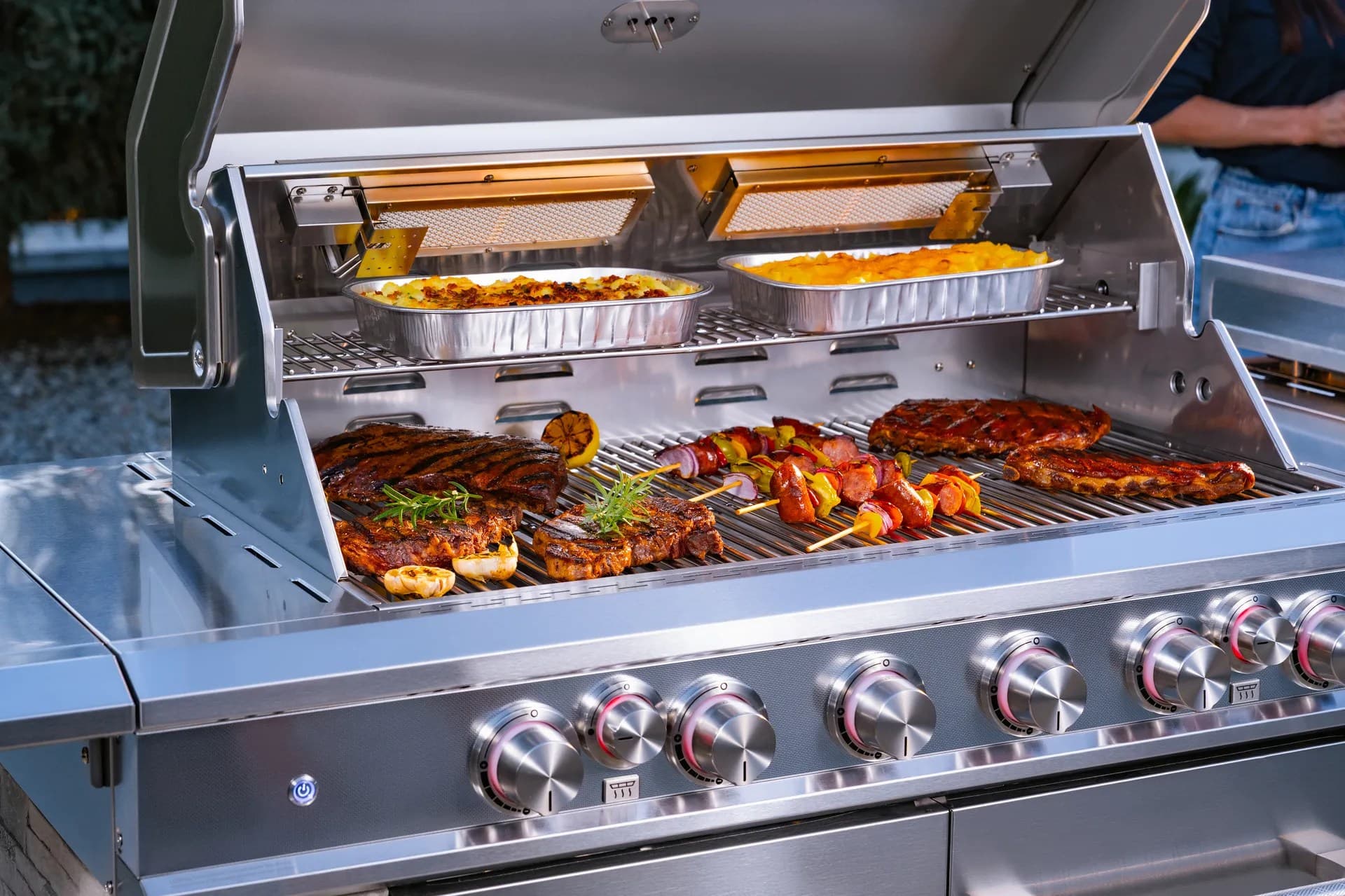
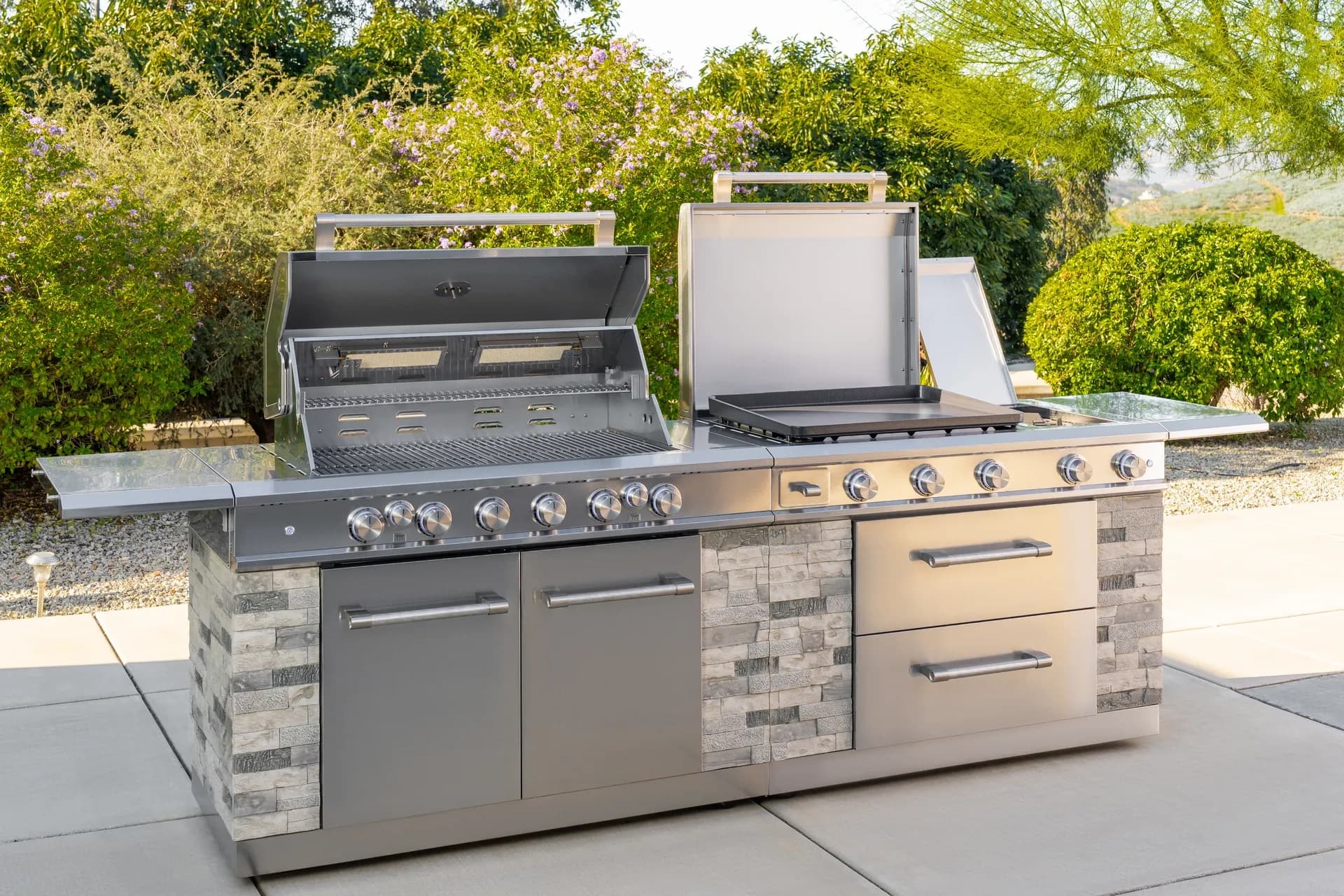
From sizzling breakfasts to smash burgers and teppanyaki-style dinners, the Daytona Pro 5 Burner NitroGuard™ Griddle delivers powerful heat, fast cooking, and a durable cooking surface built for every backyard cookout. Watch how easy outdoor cooking can be.
Here's what sets us apart from the competition
We position ourselves as delivering high-end outdoor cooking features and performance without premium-brand pricing, emphasizing “Quality Grills. Unbelievable Value.”
We offer gas grills, pellet grills, griddles, smokers, pizza ovens, portable/tabletop grills, electric grills, accessories, and replacement parts — allowing customers to stay within one ecosystem for all outdoor cooking needs.
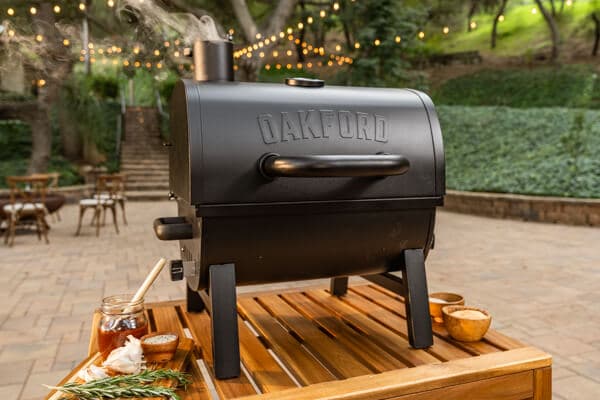
We differentiate ourselves through smart grilling products like the Oakford smart pellet grill, including app-connected cooking controls and modern outdoor cooking technology.
Expert tips, buying guides, comparisons, and inspiration for choosing and getting the most out of your grill.
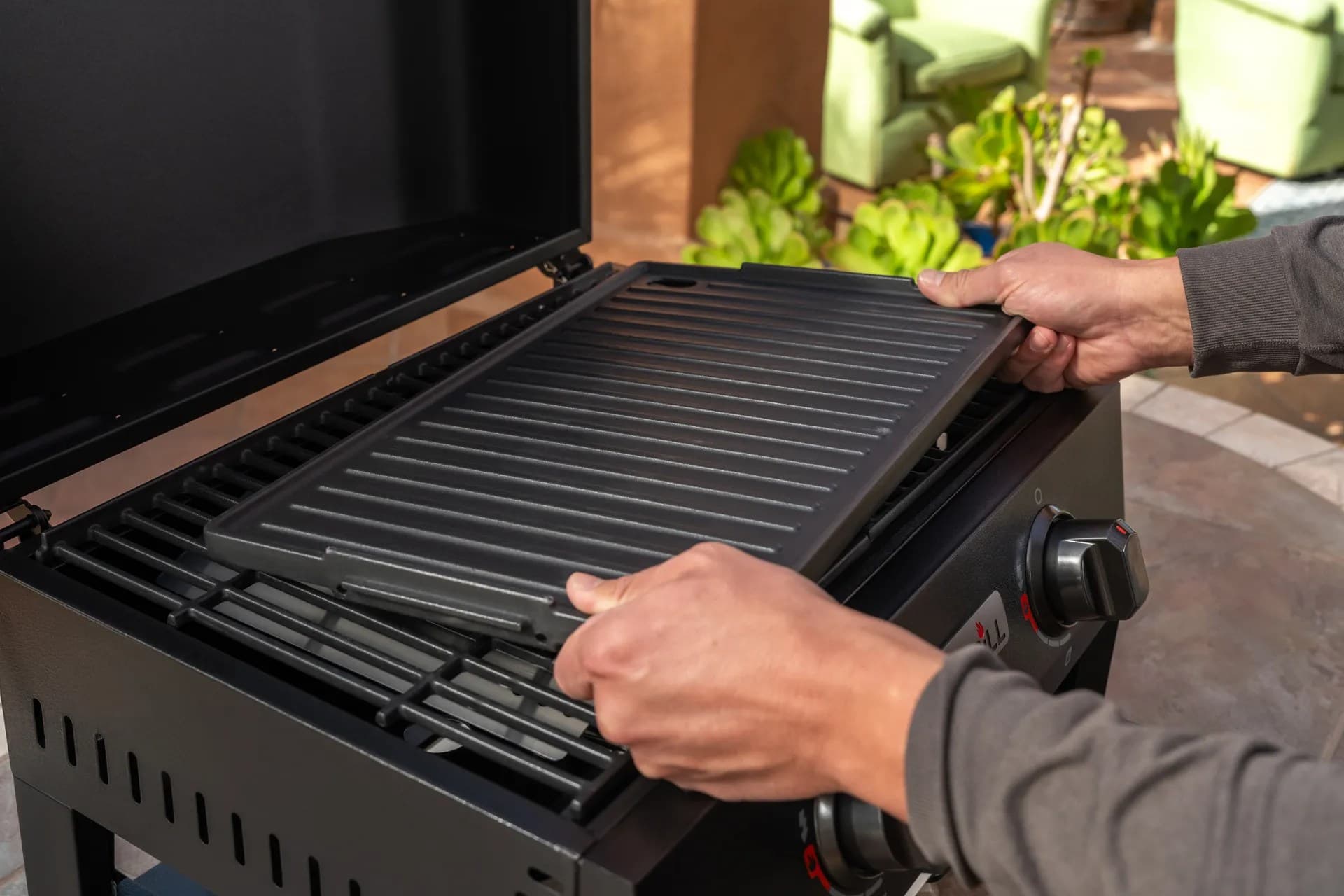
Practical guides for cleaning, maintenance, common grill issues, and performance optimization.
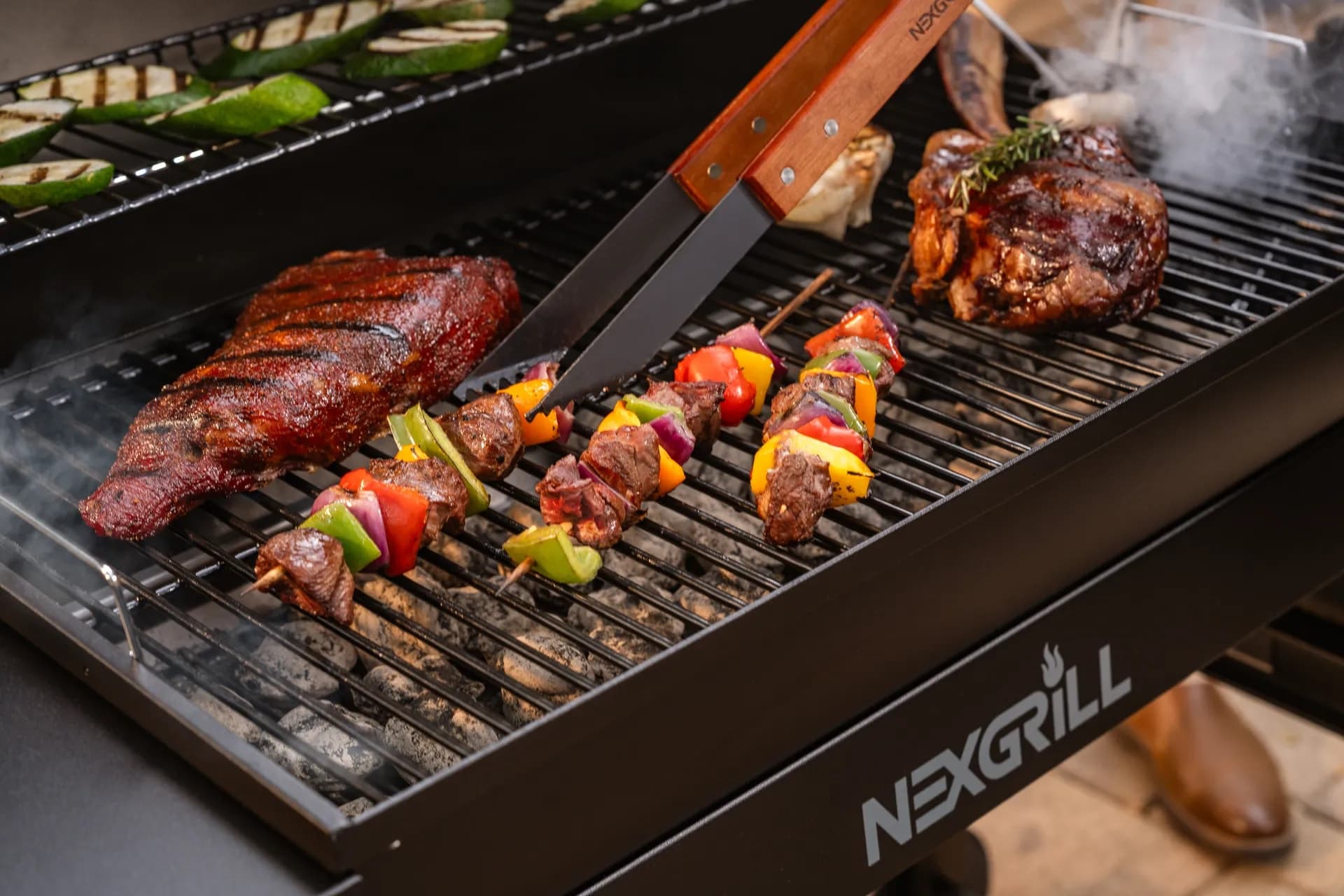
Step-by-step grilling recipes, cooking techniques, and meal ideas for every occasion and skill level.
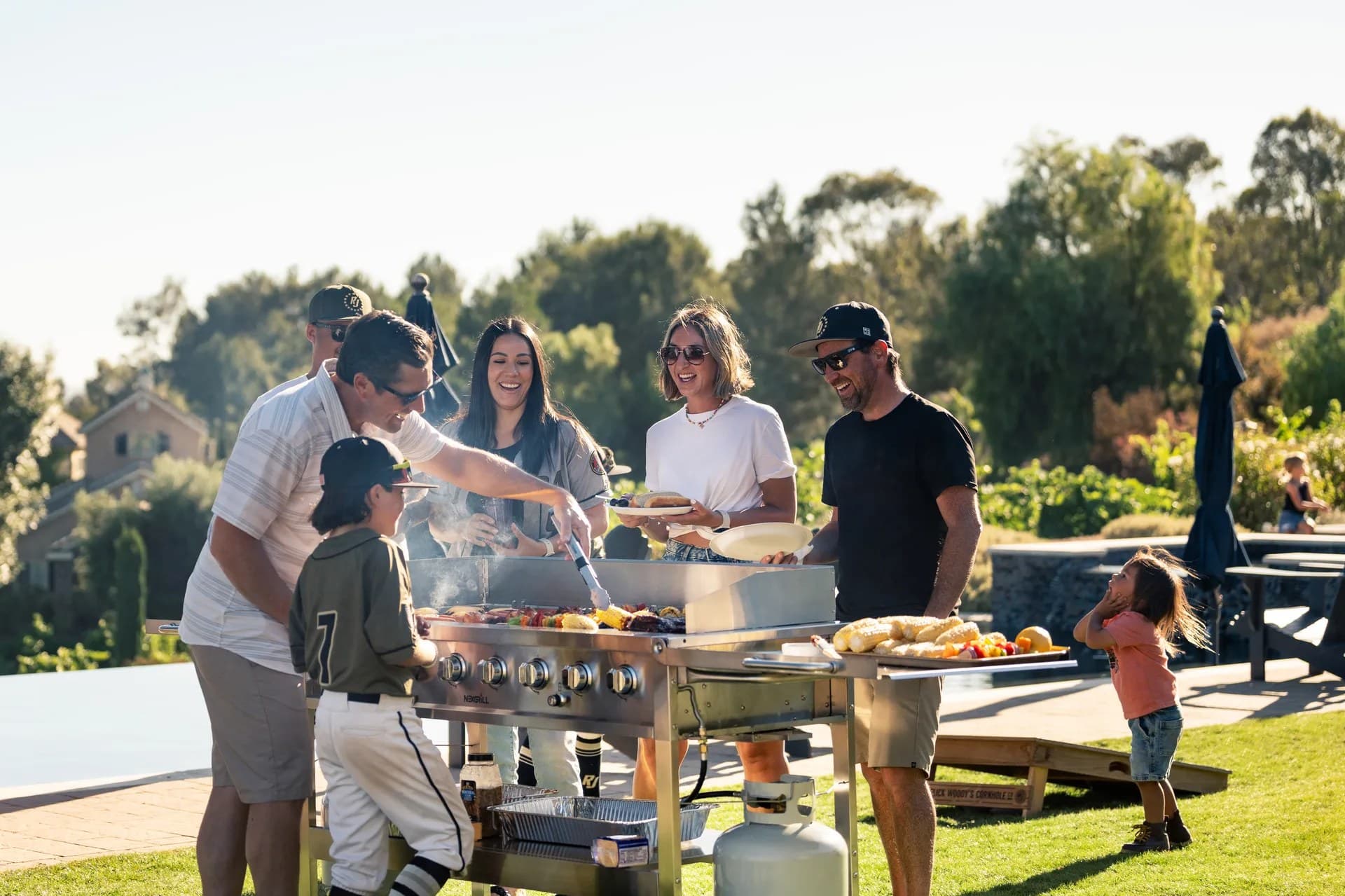
Backyard entertaining ideas, seasonal grilling inspiration, and stories that celebrate outdoor cooking culture.
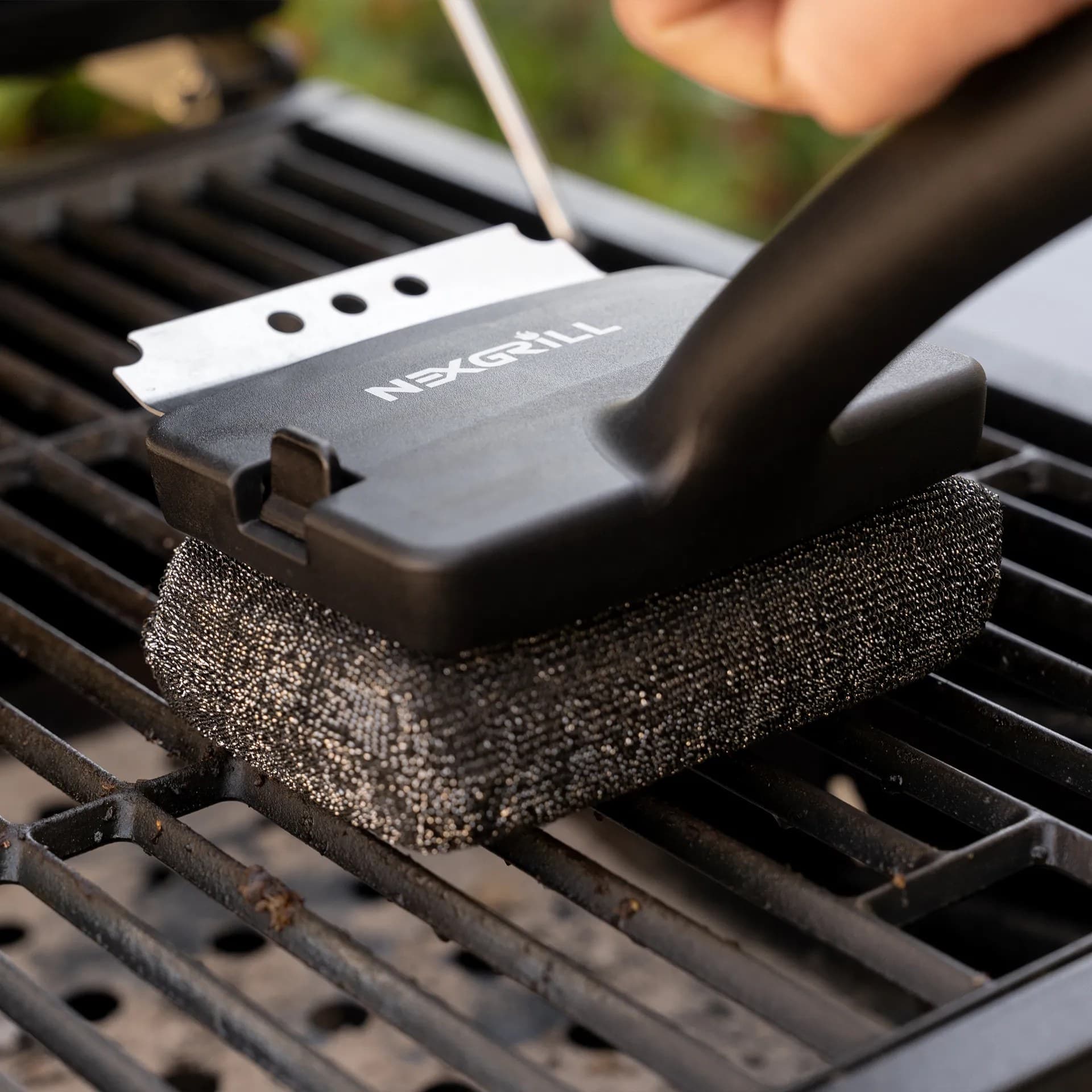
Helpful articles covering grilling tools, cookware, maintenance gear, and must-have accessories for outdoor cooking.
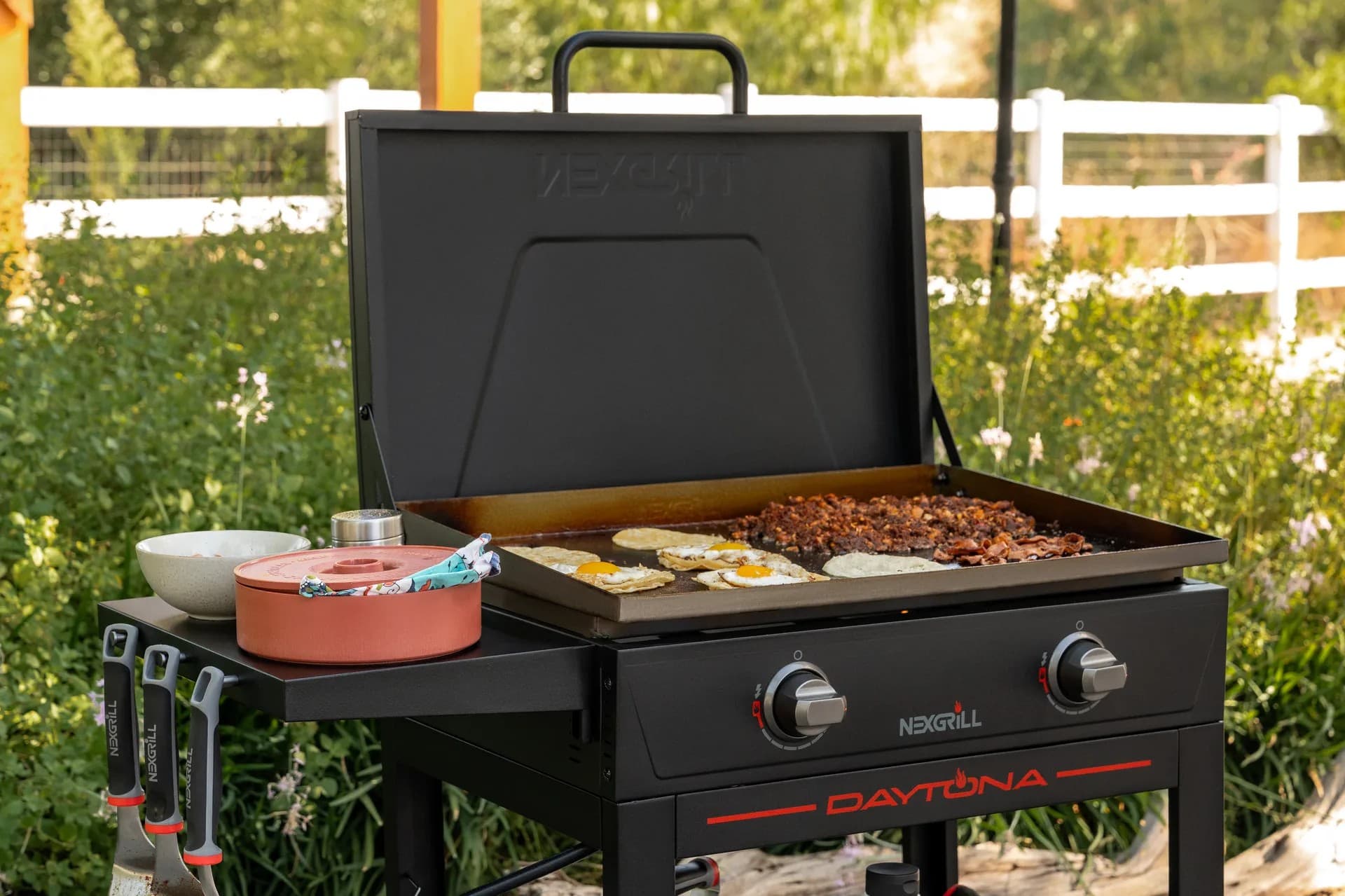
Find griddle recipes, cooking techniques, cleaning tips, and outdoor meal ideas designed for Nexgrill griddles.
Find answers to common questions
Gas grills provide instant heat and precise temperature control, making them easier to use. Charcoal grills offer a smoky flavor and high heat for searing but require more time to heat up and manage.
Pellet grills combine the convenience of gas with the flavor of wood, allowing for smoking, baking, and grilling. Traditional gas grills, however, are quicker to start and often easier to clean.
Charcoal grills typically reach higher temperatures quicker than gas grills, making them better for searing meat. However, high-quality gas grills can also provide adequate heat for effective searing.
Nexgrill offers models designed specifically for gas, charcoal, and pellets, allowing users to choose based on their cooking style and flavor preferences. Each type is built to optimize the characteristics of its respective fuel.
Choosing between gas and charcoal grills depends on your cooking preferences and lifestyle. If you value convenience and quick cooking, a gas grill may suit you better; if you prefer the taste and experience of traditional grilling, a charcoal grill would be ideal.
In This Article
Menu Planning
Portion Control
Grill Setup
Grilling for large groups is one of the most rewarding ways to host because it turns a meal into an event. A backyard cookout for a dozen relatives, a graduation party, or a neighborhood get-together has a different rhythm than a weeknight dinner. You are not just cooking food; you are managing timing, appetite, conversation, serving flow, and the simple reality that people arrive hungry and expect to eat together. That is where the fun meets the challenge. The best large-group grilling plans are not built around complicated recipes. They are built around a menu that is calm to execute, easy to scale, and forgiving when ten things seem to happen at once.
Nexgrill’s brand point of view fits this kind of hosting well because the table is meant to feel open and welcoming, not formal or intimidating. The brand’s own messaging centers on togetherness, accessibility, and the idea that everyone has a place at the fire, which is exactly the mindset that helps large gatherings succeed . When you approach a crowd like that, you stop trying to build a restaurant-style menu and start building a cookout system. The system includes fewer moving parts, clearer portions, smarter use of grill space, and backup steps that keep you steady if guests arrive early or your burners run hotter than expected.
For large groups, the biggest mistake is overcomplicating the menu. One well-executed protein, one backup protein, and sides that can tolerate staggered service will outperform an ambitious spread every time.
A large-group cookout also rewards people who think in layers. Some food should be ready before the first guest walks in. Some food should hold well while the next batch finishes. Some food should be assembled at the end so it stays bright and fresh. If you try to make everything peak at the same second, the grill becomes a bottleneck and the host loses control of the event. That is why planning for big groups starts long before the lid opens. It starts with a menu that reduces friction and a cooking plan that matches the size of your grill or the number of grills you can realistically run at one time.
This guide focuses on the practical side of that problem: what to serve, how much to buy, how to stage the grill area, and how to keep food safe and appealing once the line starts forming. The goal is not just to feed people. The goal is to host with confidence so the food, the conversation, and the pace of the gathering all work together.
The smartest large-group menu is usually the simplest one. Instead of offering six proteins and four side salads, narrow the menu to one main grill anchor and one supporting option. For example, burgers and chicken thighs work well because they cook at different rates but share a straightforward seasoning profile. Or you can build around bone-in chicken and grilled sausages, which both scale predictably and remain approachable for a wide mix of guests. This kind of menu keeps shopping manageable, shortens prep time, and makes it easier to batch-cook without getting lost in the details.
When planning for a crowd, think in terms of redundancy and flexibility. A protein should be familiar enough that most guests will eat it without hesitation, but versatile enough to carry different toppings or sauces. Chicken thighs, pulled pork, skirt steak, bratwurst, and veggie skewers all fit this model better than delicate cuts that need precise timing. Likewise, choose sides that can be made ahead and served at room temperature if necessary. Coleslaw, pasta salad, grilled corn, baked beans, and hearty green salads work because they do not collapse the moment service is delayed by fifteen minutes.
| Menu Element | Why It Works for Large Groups | Planning Note |
|---|---|---|
| Chicken thighs | Affordable, flavorful, and easier to hold than lean cuts | Marinate or dry brine ahead for better seasoning |
| Burgers | Fast cooking and easy to serve in batches | Use a consistent patty size for even doneness |
| Sausages | Forgiving on the grill and easy to keep warm | Choose pre-cooked or fully cooked styles when timing is tight |
| Corn and vegetables | Adds color and balance without much grill stress | Season simply and grill in bundles or baskets |
A useful rule for big gatherings is to avoid too many customizations at the grill itself. Toppings bars can be great, but the base menu should be standardized. If every burger needs a different temperature, bun, cheese, and sauce combination, service slows down and food quality becomes inconsistent. Instead, standardize the core and let guests personalize at the table. That makes the cooking line cleaner and the host less stressed.
A crowd-friendly menu should be easy to portion, easy to repeat, and easy to hold. The more you can batch identical items, the smoother service becomes.
Portion control is where many hosts either overspend or run short. The common starting point for a large barbecue is roughly 1.5 pounds of food per person, but that number works best when you interpret it intelligently rather than literally. It may include protein, sides, and the overall volume of the meal. In practice, adults with big appetites or a mostly meat-based menu may require more, while gatherings with many salads, bread, and appetizers may need less protein per person and more total variety. Think of the 1.5-pound guideline as a planning anchor that helps you buy enough without turning the event into a waste experiment.
The right way to portion depends on the guest profile. For a family cookout with kids, you may find that half the plate is filled with sides and the protein demand is lower than expected. For a tailgate-style crowd, the opposite may be true. Adults may return for seconds, especially if the first round was paced slowly. If you are hosting mixed ages, assume the strongest appetites will come from adult guests in the first serving window and plan accordingly. It is better to build in a modest surplus of the easiest-to-cook protein than to count on small appetites across the board.
A practical food-planning baseline per guest for a large barbecue
Because protein weights change during trimming and cooking, raw purchase weights often need a buffer. If you are serving bone-in chicken or ribs, you are buying for yield, not just raw weight. For boneless meats, you may still need extra if you expect seconds or if the menu has only one central protein. The cleanest way to think about this is to estimate based on finished servings. For example, if you expect 30 adults and want two meat options, you might plan 18 to 20 pounds of raw protein split between the two options, plus sides that can absorb hunger without creating waste. If the event is primarily centered on brisket, pulled pork, or ribs, you should allow for shrinkage and bones by buying more than the serving count alone suggests.
Portion control also extends to buns, condiments, and side dishes. A common mistake is buying enough meat but not enough buns or serving utensils. Another mistake is underestimating how many people will take a small portion of everything. Crowd menus work best when each major item is counted separately: how many buns, how many chicken portions, how many servings of corn, and how many portions of salad. If you write those numbers down before shopping, you reduce waste and avoid last-minute store runs.
One practical approach is to divide your crowd into a baseline serving count and a likely second-helping count. Baseline serving count covers everyone once. Second-helping count usually captures 20 to 30 percent of the crowd, depending on how long the party runs and how active the guests are. This is especially helpful when grilling for sports watch parties, birthdays, or reunion-style gatherings where food is part of the entertainment for several hours.
Grill setup can determine whether a crowd feels effortless or chaotic. High-volume cooking is much easier when you split the work across zones or equipment. A large-capacity smoker or a multi-burner grill can handle a substantial amount of food at once, but the real secret is assigning each piece of equipment a job. One grill may handle searing burgers, another may hold chicken at moderate heat, and a third may stay in reserve for vegetables or buns. This division of labor prevents the classic large-party problem where everything competes for the same hot surface at the same moment.
Nexgrill’s product range includes options that suit different crowd sizes and cooking styles, from the Oakford 875 Pro Pellet Smoker Grill for smoke-forward menu anchors to multi-burner gas grills like the 4-Burner Gas Grill with Side Burner in Black, which gives you more surface area and cooking flexibility for mixed menus. For flat-top style service, Daytona griddles can be especially helpful because they let you batch pancakes, burgers, vegetables, onions, and breakfast-for-dinner items with less item-by-item flipping. The right setup is not the biggest possible grill; it is the one that matches the menu and the number of servings you need to move through the line efficiently. Nexgrill’s broader outdoor cooking assortment reflects that flexible, host-friendly approach to real-world gatherings .
Do not let one grill do every job if the crowd is large. Separate searing, holding, and finishing zones to reduce delays and keep food quality consistent.
If you only have one grill, prep becomes even more important. Preheat thoroughly, oil the grates, and organize food by cook time before anyone arrives. Put the fastest items closest to your work area and keep slow-cooking items staged in trays. If possible, use a second heat source for sides or bun warming. A side burner, portable burner, or even the kitchen oven can save you from having too many items fighting for one grate. Large-group grilling is as much about logistics as flavor.
Think through landing zones as well. You need a clean tray for raw food, a separate tray for cooked food, and a resting space where proteins can sit without crowding. If the landing area is too small, you will create a bottleneck even if the grill itself is powerful. Keep tongs, gloves, foil, paper towels, and serving utensils within arm’s reach. The smoother the station, the easier it is to keep a crowd fed without sacrificing order.
Try comparing two products side by side below to see which fits best:
Once you have compared two options, the next question is how to make the whole event work smoothly from the first marinade to the last serving plate. Grilling for large groups is a planning exercise disguised as a cookout. The host who wins is usually not the one with the fanciest recipe; it is the one who understands timing, holding, and cleanup well enough to keep the line moving. That is why this topic deserves a practical, almost kitchen-manager approach. You want the gathering to feel relaxed to guests, but behind the scenes, the process should be organized enough that you are never guessing what comes next.
Nexgrill’s brand language emphasizes hospitality, belonging, and sharing food with a wide circle of people, which makes it a natural fit for big gatherings where the table is meant to feel inclusive and lively . That perspective matters because large-group grilling is not about perfection in isolation. It is about building a meal that can absorb real-world variables: a guest who arrives late, a flare-up right when the chicken is halfway done, or a side dish that needs to sit for ten minutes before service. The goal is to keep the event moving without making the food feel rushed.
A streamlined menu is the strongest tool you have when grilling for a crowd. Most hosts are tempted to showcase everything they can cook, but large-group service rewards focus. A good menu usually centers on one main protein family, one backup protein, and two or three sides that can handle delay. If your crowd is mixed and you want maximum appeal, a combination like chicken thighs, burgers, and grilled corn is often easier to manage than a menu with multiple steaks, delicate fish, and several specialty sides. It is not about lowering ambition; it is about choosing items that can survive the pace of large-scale serving.
For families or neighborhood gatherings in the United States, the most practical menu often reflects what people actually queue up for first: handheld items, familiar flavors, and sides that can be served buffet-style. Burgers, sausages, grilled chicken, and pulled pork sandwiches are all crowd-friendly because they can be plated quickly and adapt to different toppings. If you want one elevated element, add it as a side or sauce rather than making it the centerpiece. For example, a grilled peach salsa or chimichurri can give a simple menu a memorable finish without increasing grill complexity.
| Crowd Size | Practical Menu Shape | Why It Helps |
|---|---|---|
| 10 to 15 guests | One primary protein, two sides, one dessert | Keeps prep simple and service easy to time |
| 15 to 30 guests | Two proteins, three sides, condiments station | Supports seconds and mixed preferences |
| 30+ guests | Batch-friendly menu with a holding plan | Avoids bottlenecks at the grill and serving table |
Pick menu items that can be cooked in waves. If the second wave tastes just as good as the first, your service window gets much easier to manage.
The 1.5 pounds per person rule is a useful starting point, but the real art of portion control is adjusting it to the nature of the party. A buffet-style reunion with several sides may need less meat per person than a sports viewing party where the main event is really the food. If you are serving heavier cuts like brisket or pork shoulder, remember that bones, fat, and shrinkage affect yield. If you are serving boneless chicken or burgers, portioning is more straightforward, but you still need to account for seconds and late arrivals. It is better to buy slightly more of the easiest-to-serve item than to underbuy and scramble mid-party.
Here is a practical way to think about it: determine your guest count, subtract the children and very light eaters if appropriate, and then estimate the number of adults likely to take a full serving. From there, buy enough protein for one generous plate per person plus a cushion of roughly 20 percent for seconds, unexpected guests, or larger appetites. This is especially important when your event includes long gaps between the grill and the table because hunger rises quickly when guests smell smoke and hear the sizzle. Side dishes can absorb some of that demand, but the core protein still needs a margin.
A real-world example: for 25 adults at a backyard birthday party, you might plan around 38 to 42 pounds of total food across protein and sides if the barbecue is the main meal. That could mean two proteins totaling around 16 to 18 pounds raw, plus a generous amount of potatoes, salad, corn, buns, and dessert. If the crowd includes many children, you may reallocate some of that food into smaller portions and lighter sides. The point is to keep the table generous without turning the trash bin into the most expensive part of the event.
Underbuying is harder to recover from than overbuying. Extra grilled chicken or sausages can be repurposed; empty trays cannot.
High-volume cooking starts with how you divide labor across your equipment. If you have a multi-burner gas grill, assign zones before you light it. One side can be set hotter for searing, one side moderate for finishing, and a cooler zone for resting or moving cooked items away from direct heat. If you are working with a smoker, plan for it to hold the long-cook item while the main grill handles quick-service foods. Nexgrill’s product lineup includes the Oakford 875 Pro Pellet Smoker Grill for slower, smoke-forward cooking and large gas options like the 4-Burner Gas Grill with Side Burner in Black for more immediate searing and batch service, which makes that kind of division of labor realistic for home hosts.
If you are hosting a bigger gathering, a flat-top griddle can be even more efficient than traditional grill grates for some parts of the menu. The Daytona 4-Burner Propane Gas Griddle in Black, for example, is well suited to high-output service where you need to cook onions, breakfast items, burgers, and vegetables across a broad surface. Griddles are especially useful when the menu includes foods that would otherwise require multiple pans. That translates into less shuffling between indoor kitchen and outdoor station, and it keeps guests closer to the action rather than waiting for plates to assemble one by one.
Your physical setup matters just as much as the product choice. Put raw food in one direction, finished food in another, and serving ware in a separate clean zone. Make sure propane tanks, cords, and walkways are not in the path of guests carrying plates. If you are cooking for a crowd in a driveway, patio, or park shelter, the best setup usually has a clear cooking zone, a rest zone for hot pans, and a serving zone that people can approach without crossing behind the grill. That separation keeps the host safer and the service line calmer.
| Setup Element | Why It Matters | Practical Move |
|---|---|---|
| Hot zone | Handles searing and fast finishing | Use for burgers, steaks, and quick browning |
| Warm zone | Holds food without overcooking it | Move finished batches here while the next batch cooks |
| Clean landing tray | Prevents cross-contamination and confusion | Keep raw and cooked trays distinctly labeled or separated |
Pre-cooking is one of the most underrated tools in large-group grilling. If a side or a portion of the protein can be started earlier in the day without sacrificing quality, do it. Par-cooking chicken, roasting vegetables in advance, or fully cooking a smoky pork shoulder before guests arrive can dramatically reduce pressure on the grill during service. The secret is not to overdo it. Pre-cook the parts that benefit from it, then finish them on the grill to restore texture and color. That gives you the best of both worlds: speed and freshness.
Marinating and dry brining should be matched to the cut of meat and the time available. Chicken thighs, flank steak, and pork chops all benefit from seasoning time, but a big crowd schedule may not allow for a multi-day marinade. In that case, a simple salt-forward dry brine or an overnight herb rub can be more practical. For very large menus, keep your seasoning profile consistent across dishes so you can prep in bulk. A single marinade base used across chicken and vegetables, for example, can simplify shopping and reduce the number of containers you need to label and store.
Finish pre-cooked items on the grill whenever possible. A short final pass adds color, aroma, and the fresh-off-the-grill character guests expect.
Prepping components separately also helps with food safety. Keep raw proteins sealed and chilled until the last possible moment. Prepare sauces, toppings, and garnishes in advance so you are not slicing tomatoes or spooning condiments while managing live heat. If your crowd is large enough, assign a helper to perform what amounts to a pass-through role: refilling trays, moving cooked items to the holding area, and checking that serving utensils stay in place. That small division of labor can save the host from multitasking at the worst possible moment.
Cooking multiple meats at once is mostly a matter of respecting each item’s pace. The busiest mistake is putting everything on the grill at the same time and assuming timing will sort itself out. Instead, map the menu from longest cook to shortest cook. Start the items that can rest longest, then add faster-cooking foods later. For example, if you are serving sausages, bone-in chicken, and burgers, the chicken may need to go on first, the sausages next, and the burgers last so they are fresh when served. This sequence keeps the final plate balanced instead of forcing the earliest items to sit too long.
A large crowd also benefits from batch size discipline. Do not overload the cooking surface to the point that you lose airflow or create uneven heat. Smaller, repeatable batches are easier to monitor and produce better results. If you have enough grill space, dedicate each batch to one protein type rather than mixing items with very different cook times. If you do need to combine items, use a plan that groups similar thickness and moisture content together. Chicken thighs and sausages are easier to coordinate than shrimp and brisket, for example, because their cook windows are closer.
Avoid stacking all your proteins on the grate at once. Dense overcrowding steals heat, increases flare-up risk, and makes doneness much harder to control.
Temperature management is also more forgiving when you create staging areas. A hot side can finish searing or browning, while a cooler side protects food that is close to done. For smoke-heavy items, resist the urge to constantly open the lid. Every extra peek makes the grill work harder to recover heat, which matters more when you are cooking several items for a room full of people waiting outside. Use a thermometer, watch the color, and move items strategically rather than trying to micromanage every piece.
If the menu includes burgers and chicken together, cook the chicken first if it requires a longer cook time, then use the burger station in a final wave. That lets the burgers arrive hot and juicy instead of cooling while you wait for the larger cuts. The same logic applies to vegetables and bread. Since those items cook quickly, they should usually be the last step, not the first.
Serving is where a lot of well-cooked food loses momentum. The solution is to plan the service route before the first item comes off the grill. The cleanest approach is often a short resting period, followed by immediate transfer to a warmed holding tray or foil-lined pan. For large groups, you want food that stays attractive without becoming soggy or dry. That means covering proteins loosely, leaving room for steam to escape where appropriate, and keeping sauces separate until serving time. If you drench food too early, the texture declines quickly.
A buffet line works well for many U.S. gatherings because it allows guests to serve themselves while the host keeps cooking. But the buffet line needs to be engineered. Put plates first, then proteins, then sides, then condiments, then utensils. That order reduces backtracking. Keep refill pans in reserve so the line does not stall. If a tray empties, replace it quickly with a fresh one rather than scraping the last few pieces around in public view. Guests notice more than hosts think they do, especially when food is the centerpiece of the event.
| Serving Challenge | Best Fix | Why It Works |
|---|---|---|
| Food cooling too quickly | Use covered warm trays and staggered batches | Keeps texture and serving temperature closer to ideal |
| Guests crowding the grill | Create a separate serving path | Reduces interference with cooking workflow |
| Soggy buns or toppings | Store components separately until assembly | Preserves texture and freshness |
A good serving strategy also means accepting that some foods should be assembled to order. Burgers, sandwiches, and tacos are much better when the final build happens near service. Put the ingredients in stations instead of stacking them early. This gives guests choice and protects quality. If you are using a griddle or a large smoker, you can often hold components in the warmest part of the system while finishing others at the last moment, which helps keep the meal cohesive.
Large gatherings introduce more foot traffic, more hot surfaces, and more potential distractions, so safety needs to be built into the layout. Keep children and pets away from the immediate grill zone. Mark a no-crossing area around the cooking station if the crowd is active. Make sure fuel connections, electrical cords, and grease collection points are easy to inspect before and during service. When people are excited and moving around, the cook cannot afford to improvise around hazards that should have been handled earlier.
Fire safety matters even in casual outdoor settings. Keep a fire extinguisher nearby, manage flare-ups with a calm hand, and avoid transferring excess grease or oil to areas that can ignite. If you are cooking under a canopy or in a partially covered space, be especially mindful of ventilation and heat buildup. The setup should let smoke escape naturally. If the weather changes, do not crowd the grill just because the party continues. The food will still be there. The safest hosts are the ones who protect the flow rather than forcing it.
A safe cooking zone is an organized one. Clear walkways, stable surfaces, and a small set of trusted tools reduce mistakes when the pace speeds up.
Food safety should also stay front and center. Keep raw and cooked foods physically separated, use clean utensils for finished food, and chill perishable items until they are needed. If food has been sitting out too long, replace it rather than gambling on freshness. Large events are exactly where small lapses spread fastest because so many hands and plates are involved. A little structure prevents that problem from becoming visible to guests.
The real reward of grilling for large groups is not just the meal itself. It is the moment when the plan starts to disappear into the experience and guests simply enjoy being together. That only happens when the host has done enough thinking ahead to make the cooking feel natural. A simplified menu, realistic portions, a sensible grill layout, and a serving plan that protects quality all contribute to that sense of ease. When those pieces are in place, the gathering feels generous rather than stressful.
If you want a simple takeaway, remember this: big cookouts are won by systems, not improvisation. Decide what the grill must do before the first guest arrives, stage the food in manageable waves, and use the tools that fit the job. Nexgrill’s range of grills, griddles, and smokers supports that kind of real-world hosting, from low-and-slow options like the Oakford line to fast, high-output setups that are better suited to active serving lines . The result is food that arrives hot, organized, and ready to share.
Here's what sets us apart
We position ourselves as delivering high-end outdoor cooking features and performance without premium-brand pricing, emphasizing “Quality Grills. Unbelievable Value.”
We offer gas grills, pellet grills, griddles, smokers, pizza ovens, portable/tabletop grills, electric grills, accessories, and replacement parts — allowing customers to stay within one ecosystem for all outdoor cooking needs.
We differentiate ourselves through smart grilling products like the Oakford smart pellet grill, including app-connected cooking controls and modern outdoor cooking technology.
Don't just take our word for it
Keep reading
From our catalog