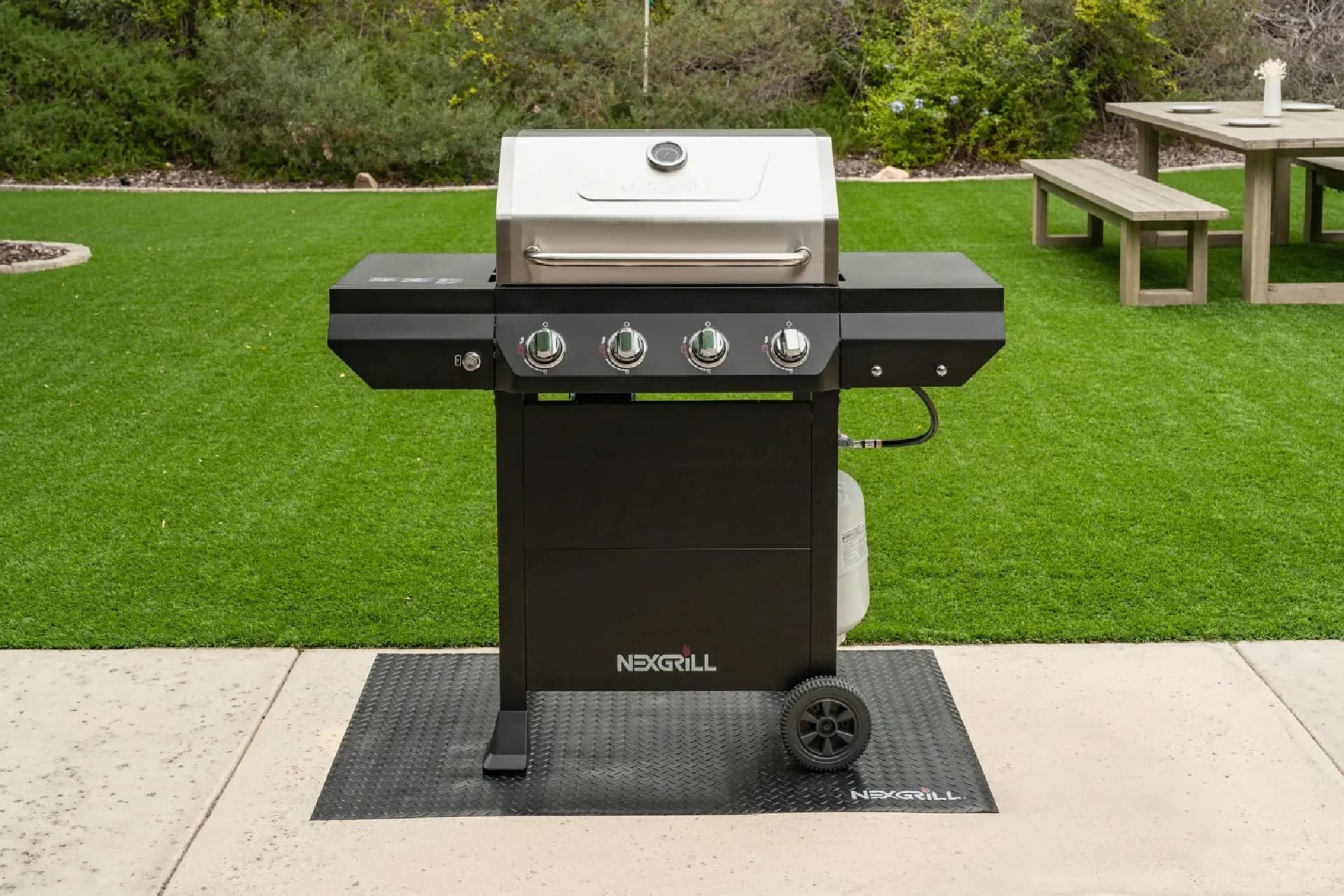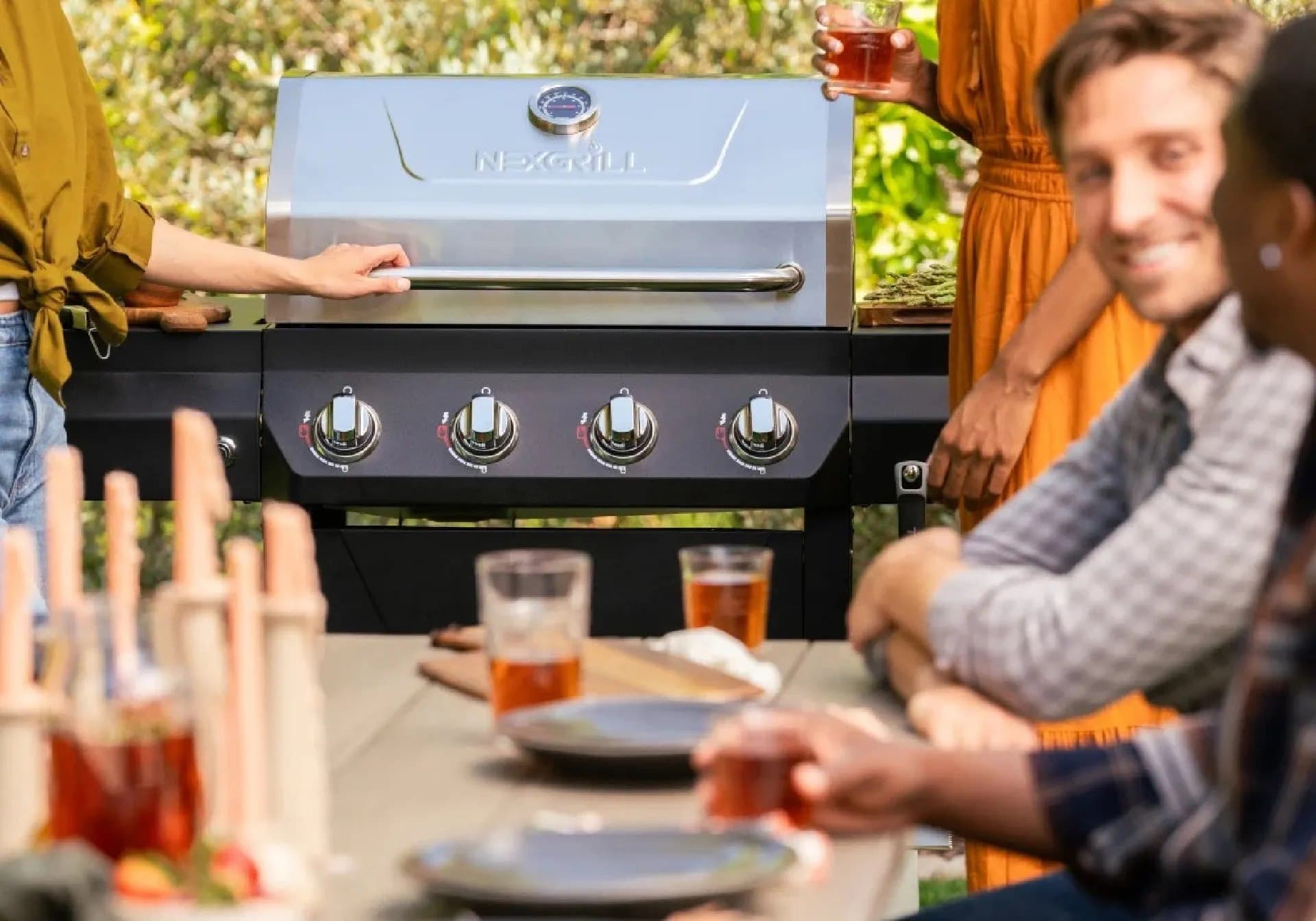
A comprehensive guide to selecting the perfect gas grill for your outdoor cooking needs.
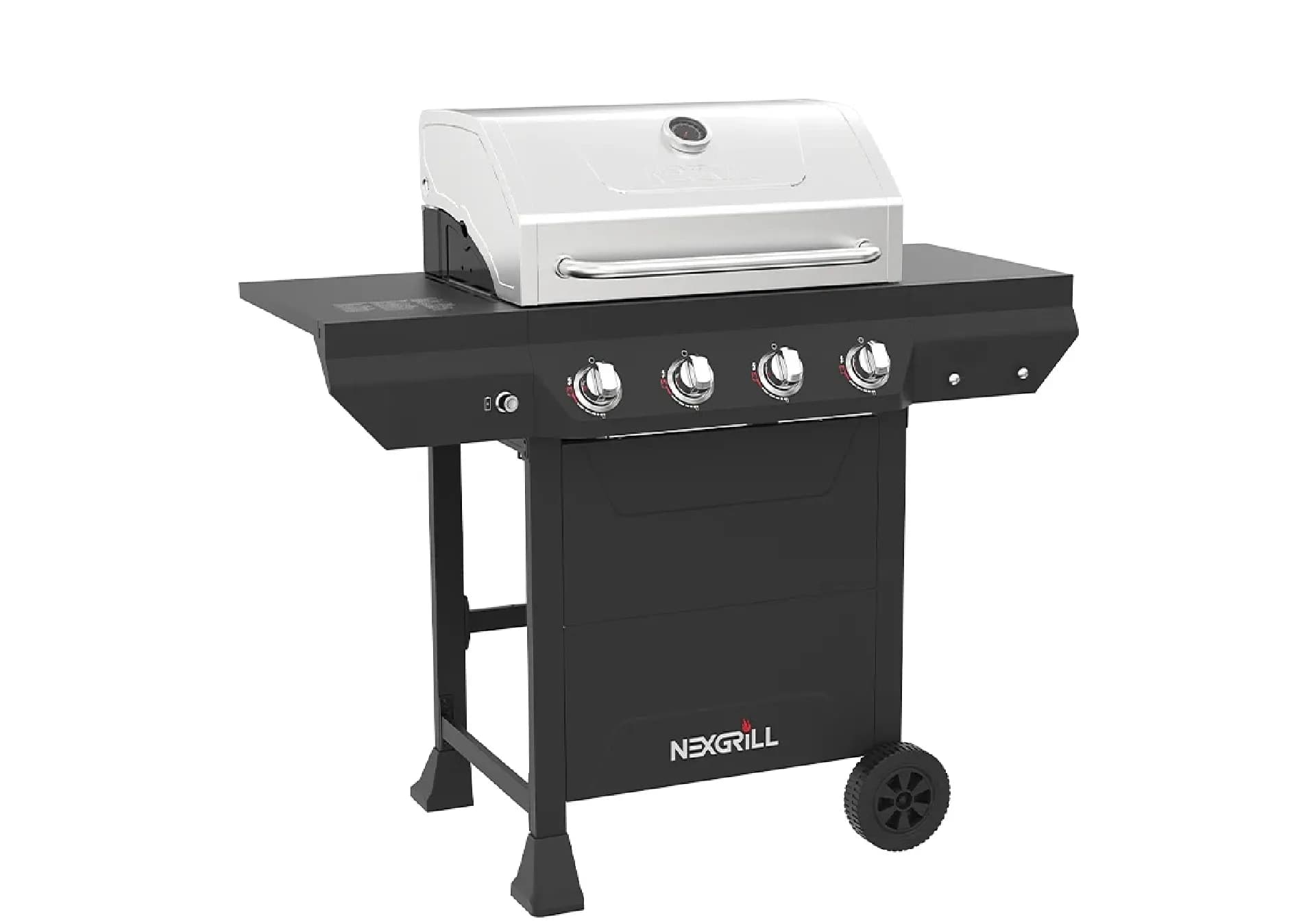
Here's what sets us apart from the competition
We position ourselves as delivering high-end outdoor cooking features and performance without premium-brand pricing, emphasizing “Quality Grills. Unbelievable Value.”
We offer gas grills, pellet grills, griddles, smokers, pizza ovens, portable/tabletop grills, electric grills, accessories, and replacement parts — allowing customers to stay within one ecosystem for all outdoor cooking needs.
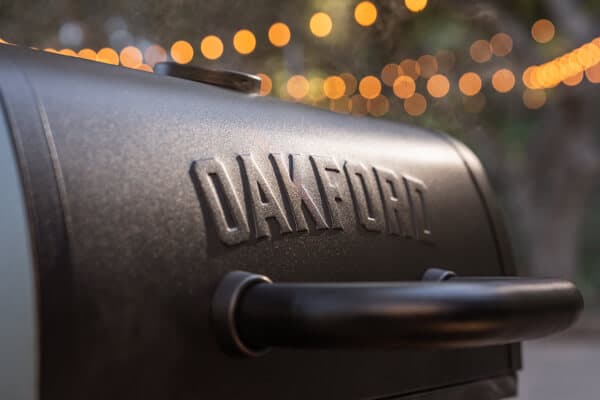
We differentiate ourselves through smart grilling products like the Oakford smart pellet grill, including app-connected cooking controls and modern outdoor cooking technology.
Expert tips, buying guides, comparisons, and inspiration for choosing and getting the most out of your grill.
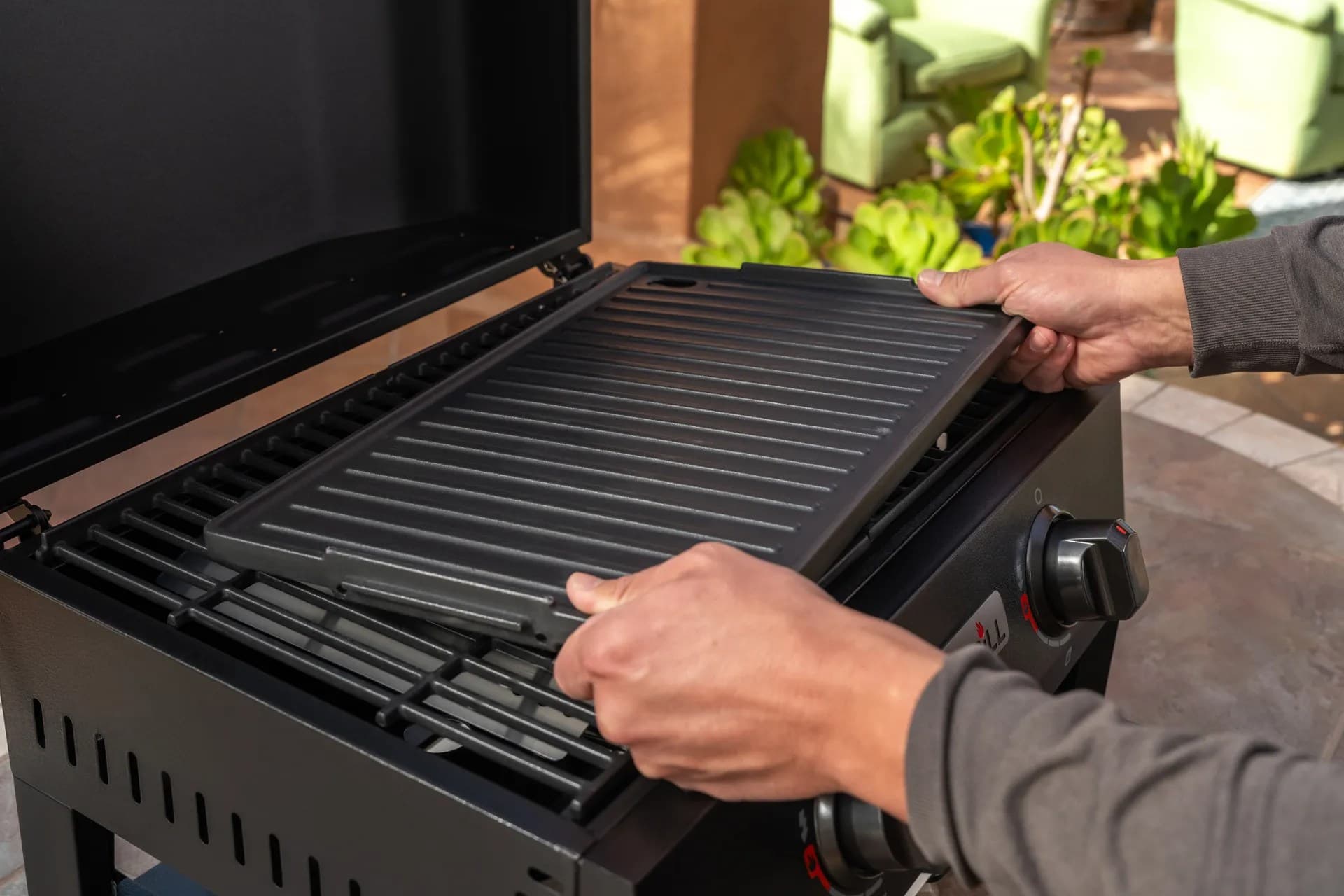
Practical guides for cleaning, maintenance, common grill issues, and performance optimization.
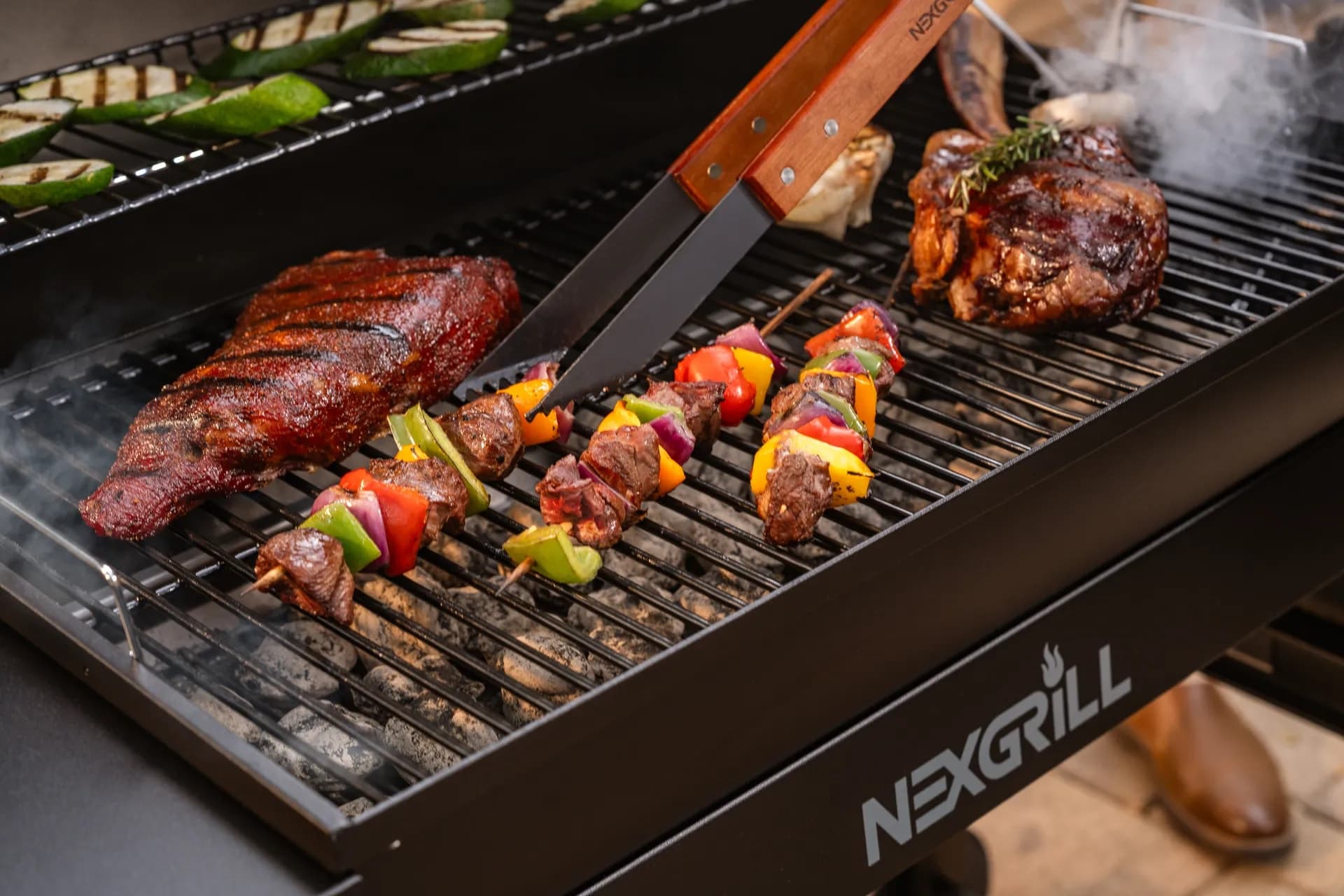
Step-by-step grilling recipes, cooking techniques, and meal ideas for every occasion and skill level.

Backyard entertaining ideas, seasonal grilling inspiration, and stories that celebrate outdoor cooking culture.
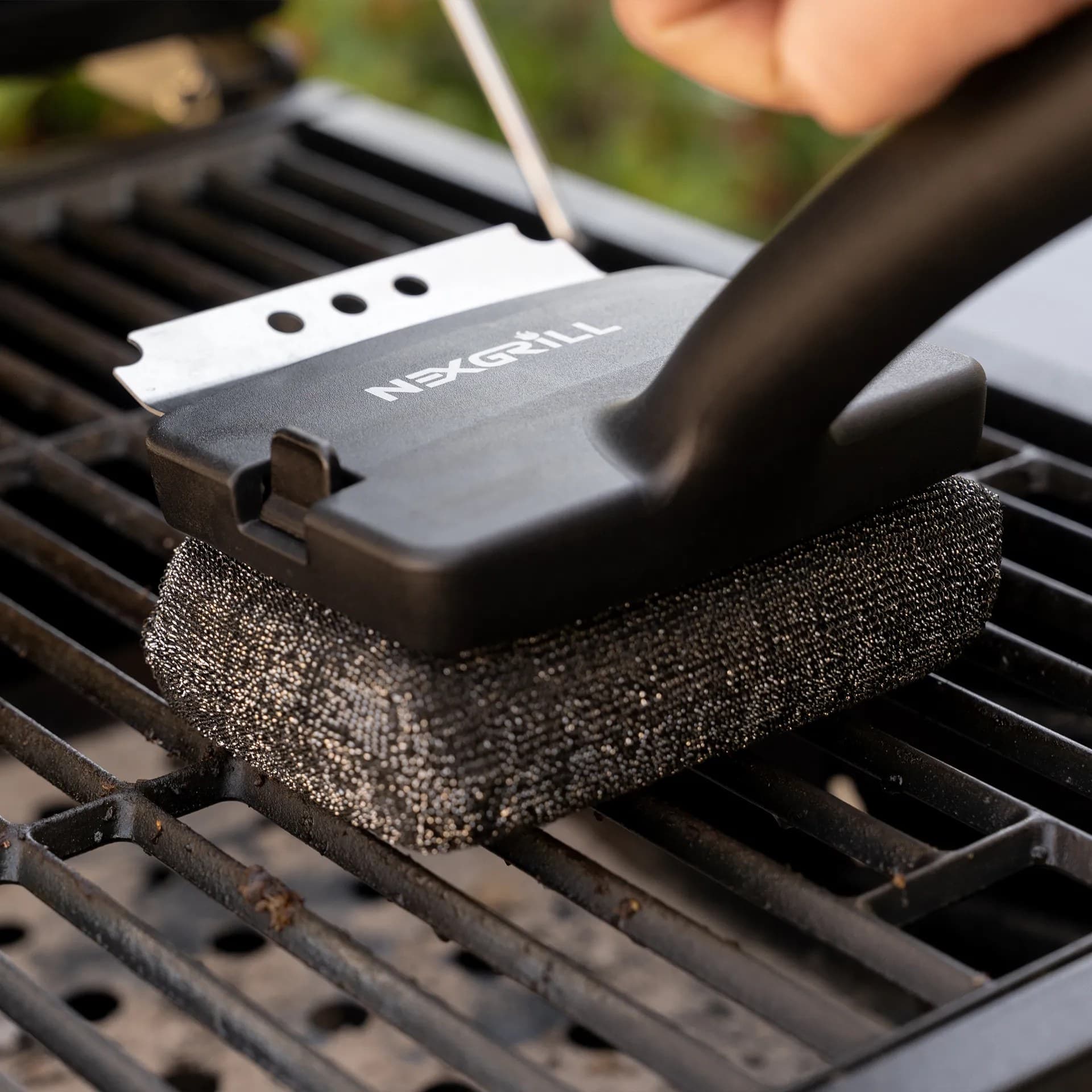
Helpful articles covering grilling tools, cookware, maintenance gear, and must-have accessories for outdoor cooking.
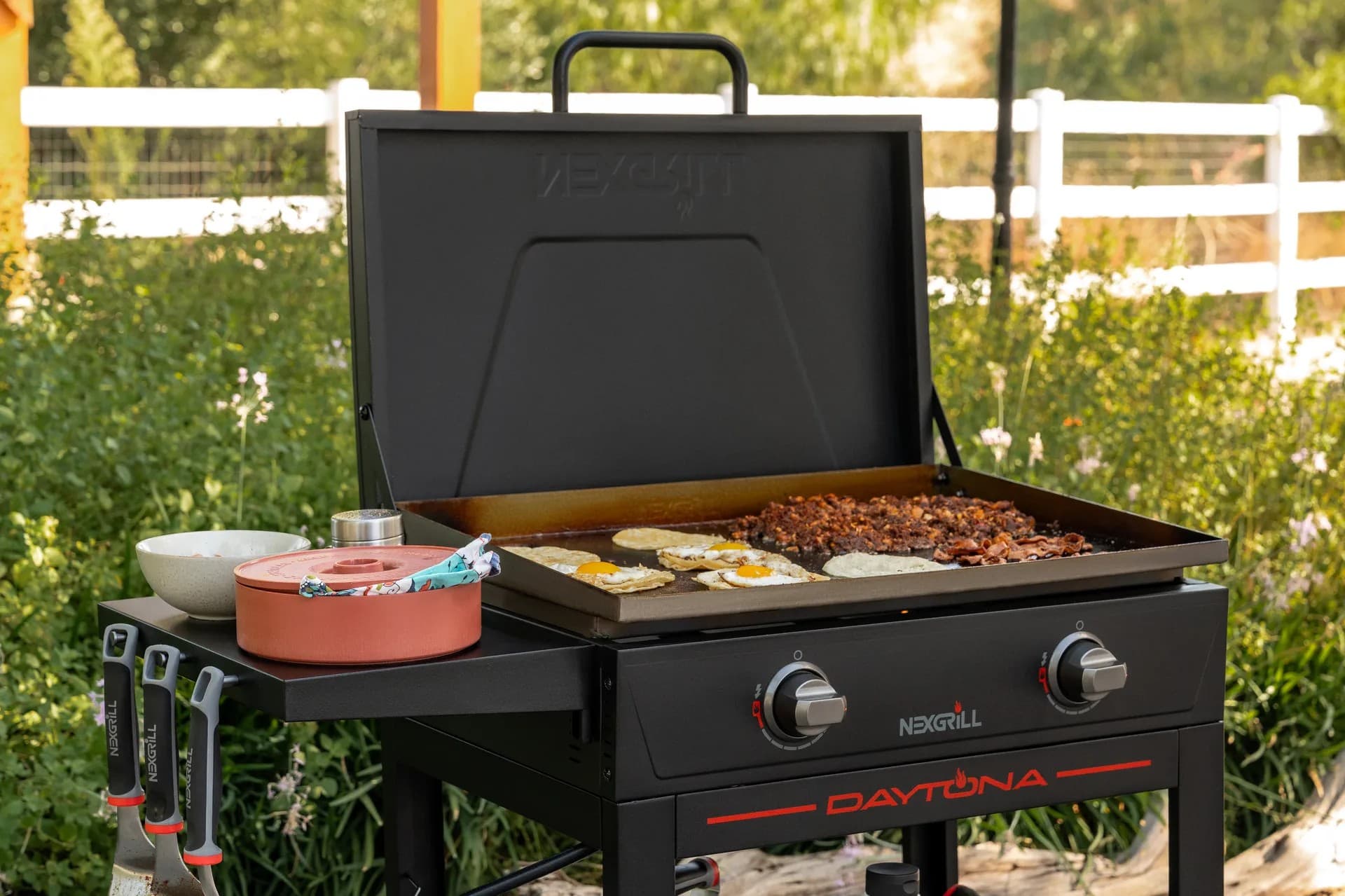
Find griddle recipes, cooking techniques, cleaning tips, and outdoor meal ideas designed for Nexgrill griddles.
Find answers to common questions
Nexgrill offers a variety of gas grills, including standard models, portable options, and premium designs with advanced features. Each is designed to cater to different grilling needs and preferences.
To clean your Nexgrill gas grill, regularly scrape down the grates, empty the grease tray, and wipe down exterior surfaces. Consult your model's manual for specific maintenance instructions and recommended cleaning products.
Nexgrill gas grills are designed to use either propane or natural gas, depending on the model. Ensure you read the specifications to determine the appropriate fuel type for your grill.
Many Nexgrill models can be converted from propane to natural gas with a conversion kit. Check the owner's manual for compatibility and details on the conversion process.
If your Nexgrill gas grill is not lighting, first check the fuel supply, ensure the gas lines are free of obstructions, and verify that the igniter is functioning. Consult the user manual for troubleshooting tips specific to your model.
In This Article
Cooking Area
Burner Configuration
Material Quality
Choosing a gas grill is less about chasing the biggest number on the box and more about matching the grill to the way you actually cook. A well-chosen model should fit your patio, your household size, and the kind of meals you make most often. Some people want fast weeknight burgers and vegetables without a lot of fuss. Others want the flexibility to sear steaks, hold chicken on a cooler zone, or cook for a crowd without shuffling food in and out of the kitchen. Those are different needs, and the right feature set should reflect that difference.
For Nexgrill shoppers, the best starting point is a practical one: think about how many people you feed, how often you grill, and whether you value speed, control, or versatility most. Nexgrill’s brand focus on accessible outdoor cooking is built around that idea of fitting different lifestyles rather than pushing one narrow definition of what a grill should be . That matters because the “best” gas grill for a new homeowner hosting occasional cookouts is not the same as the best grill for a seasoned griller who wants to manage multiple heat zones and cook a full meal outdoors.
A smart purchase starts with your cooking pattern, not the spec sheet. Use features to solve real problems: too little space, uneven heat, or limited control.
A grill that fits your routine will usually outperform a larger, flashier model in real life.
Cooking area is one of the first things buyers should evaluate because it affects how smoothly a meal comes together. A compact cooking surface may be fine for two people grilling salmon and asparagus, but it can feel cramped when you’re trying to cook burgers, buns, and vegetables at the same time. On the other hand, buying an oversized grill “just in case” can leave you with extra cost, more to clean, and a footprint that crowds the patio. The right cooking area is the one that lets you cook without having to constantly manage space.
For a household that grills one or two nights a week, a smaller two-burner layout is often enough if the meals are straightforward. For family dinners or casual weekend entertaining, a larger grate gives you room to create distinct cooking zones: one area for direct heat, one area for gentle warming, and a temporary rest zone for finished food. That kind of flexibility is worth more than extra square inches you never use. Home Depot’s gas grill buying guidance similarly emphasizes choosing a size that fits both the cooking task and the available space, rather than focusing on a single feature in isolation .
A useful way to think about cooking area is by meal scenario. If you regularly cook for three or four people, a mid-size grill can be enough for burgers and vegetables. If you host neighbors or extended family, the extra room helps you avoid batching food in multiple rounds, which can lead to overcooked first batches and under-served guests. More surface area also makes it easier to separate delicate foods from high-heat items, which improves timing and reduces stress.
| Cooking habit | What to prioritize | Why it matters |
|---|---|---|
| Quick meals for 1-2 people | Compact but efficient grate layout | Easier preheat, simpler cleanup, less wasted space |
| Family dinners for 3-5 people | Moderate cooking area with room for zones | Lets you cook proteins and sides at the same time |
| Frequent gatherings | Larger grate and prep space | Reduces batch cooking and keeps service moving |
If you are comparing models in the store or online, also look beyond nominal size and ask how the space is actually shaped. A wide but shallow grate may work well for smaller items but feel limiting for larger cuts or multiple trays. Side shelves and prep space don’t count as cooking area, but they influence how efficiently you use the surface because they keep platters, tongs, and sauces within reach.
Burner configuration is the feature that most directly affects how much control you have over the cook. A gas grill with multiple burners lets you create temperature zones, which is one of the biggest advantages of gas over simpler heat sources. Instead of heating the whole grill uniformly, you can run one burner high for searing and another lower for indirect cooking. That flexibility is what helps you cook thicker chicken breasts, steaks, chops, and vegetables at the same time without rushing the process.
For newer grillers, the main benefit of a straightforward two-burner setup is simplicity. It’s easier to learn temperature management, and you can still create a hot side and a cooler side. For more experienced grillers, three or four burners usually open up better workflow because you can manage a larger menu at once. If you often cook bone-in chicken, reverse-sear steaks, or several foods with different doneness targets, burner layout becomes more important than raw power alone. Consumer Reports notes that control and even heating should weigh heavily in a buyer’s decision, not just output numbers .
More burners are useful only if you plan to use the zones. A grill with four burners is not automatically better than a two-burner model for small households.
Another detail worth considering is ignition and control layout. Independent knobs for each burner make it easier to tune the grill during the cook, especially when outdoor wind or cold weather affects heat retention. Some grills also include a side burner, which can be useful if you want to keep sauce warm or finish a side dish outdoors. That feature is valuable for entertaining, but it should not replace a solid main burner setup. The primary cooking system is still the part you will rely on most.
Think about burner configuration in terms of decision-making during a meal. If your food needs to move from high heat to gentle heat, can you do that without rearranging everything? If you want to toast buns while finishing steaks, is there a cooler zone available? These are the practical questions that reveal whether a burner arrangement is truly useful. A good burner layout reduces stress and keeps you in control when the timing of different foods does not line up perfectly.
Material quality is where long-term value begins to show. A gas grill lives outdoors, deals with heat cycles, grease, moisture, and seasonal weather, so the materials used in the lid, firebox, burners, and cooking grates matter more than many first-time buyers expect. Stainless steel components are popular because they resist corrosion better than lower-grade finishes and generally hold up well when they are cleaned and covered properly. That does not mean every stainless part is identical, but it does mean construction quality deserves close attention.
A solid lid and firebox can improve heat retention, which helps the grill recover more quickly after you open it. Better heat retention also means more stable cooking temperatures and less fuel waste over time. Grates are another important material decision. Cast iron provides excellent heat retention and a strong sear, while stainless steel grates are often easier to maintain and better suited for buyers who want a practical balance of performance and cleanup. There is no single perfect answer; the right choice depends on how much maintenance you are willing to do and what kinds of food you cook most.
Build quality also shows up in the smaller components. Hinges, control knobs, grease trays, and burner tubes may seem secondary, but they affect everyday reliability. A grill that feels sturdy when opened and closed, with components that fit securely and cleanly, tends to offer a better ownership experience. That is especially important for households that grill often, because repeated use exposes weak points faster than occasional weekend cooking does.
Look for materials that support the way you cook. A tougher grill frame, corrosion-resistant parts, and well-fitted grates usually matter more than cosmetic trim.
Once the basics are covered, additional features can make the grill easier and more enjoyable to use. Side shelves, tool hooks, warming racks, built-in thermometers, and grease management systems are all examples of details that improve the day-to-day experience. The key is to see these features as helpers, not substitutes for good cooking design. A grill with a great side shelf but weak heat control still won’t be satisfying to use.
For example, a warming rack is useful when you are juggling multiple items and need a place to hold finished food without overcooking it. Side shelves matter when you are carrying raw ingredients from the kitchen and need a clean place to set them down. Grease management improves cleanup and can reduce flare-up problems caused by buildup. A reliable thermometer can be helpful for beginners learning how outdoor heat behaves, though experienced grillers often use their own probe tools for more precise control.
If you entertain regularly, features that support workflow may matter more than decorative touches. A side burner can keep sauces hot while the main grill handles proteins. An enclosed cabinet can help store propane or tools, depending on the design. Wheels that roll smoothly may seem minor, but they matter when you need to reposition the grill for storage or weather protection. The best extras are the ones that remove friction from your routine.
Budget should be treated as a trade-off discussion, not a race to the lowest price. The least expensive grill can seem attractive at checkout, but if it heats unevenly, rusts quickly, or lacks enough cooking space, the value drops fast. On the other hand, the most expensive model is not automatically the best fit if you won’t use its advanced features. A better approach is to decide which features are essential, which are nice to have, and which you can skip.
A sensible budget strategy for many U.S. buyers is to spend enough for durable core components first: a solid lid, reliable burners, stable grates, and a useful cooking area. After that, evaluate whether extras like a side burner, larger prep shelves, or premium finishes are worth the added cost. If you grill only a few times per month, you may not need the highest-end feature set. If you cook outdoors frequently, paying more for better materials can be justified by longer service life and fewer frustrations.
| Budget approach | Best feature focus | Typical trade-off |
|---|---|---|
| Entry-level buyer | Core cooking performance and basic durability | Fewer convenience features |
| Value-focused buyer | Balanced materials, burners, and layout | May skip premium finishes |
| Frequent griller | Durability, heat control, and workflow features | Higher upfront cost |
This is where value really matters. Nexgrill’s brand positioning emphasizes accessible pricing and practical feature sets, which is useful for shoppers who want a capable grill without paying for features that won’t improve everyday cooking . The right budget is the one that gives you dependable performance now and enough durability to avoid replacing the grill too soon.
When you ask what features to look for in a gas grill, the best answer is not a single specification. It is the combination of cooking area, burner configuration, material quality, and the extra details that support the way you cook. A grill should make your routine easier, not more complicated. If you choose the right size, the right heat control, and the right build materials, you’ll be more likely to enjoy the grill for the long term.
For most buyers, the smartest path is to compare two or three models side by side and decide which one matches your cooking habits, space, and budget most closely. Try comparing two products side by side below to see which fits best:
Once you've compared two gas grills side by side, the next step is deciding which differences actually matter in everyday use. That is where many shoppers get stuck. It is easy to focus on flashy features, but the smarter approach is to judge how each grill would behave on a real weeknight or during a weekend cookout. A good gas grill should fit your cooking style, your available space, and how much control you want during the cook.
The most useful way to evaluate a grill is to imagine the specific meals you make most often. If you usually cook for two or three people, you may care more about fast preheat time and manageable cleanup than about a massive cooking surface. If you host family gatherings, you will probably care more about zone flexibility, grate space, and a design that lets you keep food moving without crowding. Nexgrill’s approach to outdoor cooking reflects that range of needs, with products designed to balance value and practical performance for both casual and more experienced grillers .
The best feature set is the one that removes friction from your usual cook, not the one that looks best on paper.
Cooking area should be judged against the way you cook, not against a universal ideal. For a couple who grills steaks and vegetables once or twice a week, a compact but well-laid-out surface may be more satisfying than a larger grill that takes longer to heat and clean. For a family that often makes multiple dishes at once, an expanded cooking zone saves time because foods do not have to wait for each other. The real benefit of more space is not just capacity; it is organization.
One practical way to think about size is to separate “enough room to cook” from “room to manage a meal.” Some grills can fit the food, but not comfortably. That matters when you need a hot side for searing and a cooler side for finishing. It also matters when you are cooking items with different timing, such as chicken on one side and vegetables on the other. Better layout often makes a mid-sized grill feel larger than a poorly arranged bigger one.
| Household scenario | Ideal cooking area mindset | Why it works |
|---|---|---|
| Small household, simple meals | Compact and efficient | Fast preheat and easier cleanup |
| Family dinner routine | Moderate surface with zone options | Lets you cook mains and sides together |
| Weekend host | Larger surface with prep room nearby | Keeps batches and service moving |
Burner configuration affects how well you can control heat across the grill. Two burners are often enough for straightforward cooking, especially if you are learning how to manage direct and indirect heat. Three or more burners create more distinct temperature zones, which is useful if you frequently grill foods that need different heat levels at the same time. That extra control is one of the clearest signs of a more versatile grill.
The important question is not simply how many burners a grill has, but how those burners work together. Independent burner controls are valuable because they help you adjust one section without disturbing another. That gives you room to sear, hold, and finish in a single cooking session. If you like cooking thicker cuts, such as pork chops or bone-in chicken, that flexibility can be the difference between a rushed meal and a calm one.
A more complex burner layout helps only if you actually use multiple heat zones. Otherwise, simplicity can be the better value.
A side burner can be useful for sauce, stock, or side dishes, but it should be treated as a bonus rather than a core buying reason. What matters most is whether the main burners recover heat quickly after the lid is opened and whether the grill lets you maintain stable temperatures over time. Consumer Reports and major retailers both point buyers toward even heating and control as key factors in the purchase decision .
Material quality is the part of the purchase that usually pays off after the first season. Outdoor grills need to withstand heat, grease, cleaning, moisture, and weather. Durable metal components, well-fitted lids, and corrosion-resistant finishes help preserve performance and reduce the likelihood of premature wear. Stainless steel is popular because it can handle outdoor conditions well when maintained properly, and it often gives buyers a good balance between appearance and function.
Just as important as the body material are the small functional parts. Burners, knobs, igniters, grease trays, and grates all influence how the grill feels to use over time. If these pieces are flimsy or poorly aligned, the grill may become frustrating long before the exterior shows visible wear. That is why shoppers should inspect the full build rather than assuming one premium-looking surface means the entire unit is durable.
A durable grill is usually the result of many solid parts working together, not one shiny finish.
Additional features are where a grill starts to feel custom-fit to your habits. A warming rack gives you a place to hold food while the rest of the meal catches up. Side shelves make it easier to season, rest tools, or stage ingredients before they hit the grate. A built-in thermometer can help newer grillers stay oriented, while smoother wheels and better storage make the whole outdoor setup feel more organized.
The best extras support your workflow. For example, if you often grill steaks and vegetables together, prep space prevents the cook from becoming a juggling act. If you prefer sauces or finishing glazes, a side burner can keep them warm without cluttering the main cooking zone. If you use the grill frequently, grease management and easy-access cleanup parts can save real time after dinner. Those conveniences do not replace strong burners or good materials, but they do change how enjoyable the grill is to live with.
Budget is best approached as an exercise in deciding where value lives for you. A lower price may make sense if you grill occasionally and want something basic that gets the job done. A higher price may make sense if you need better build quality, more control, or a layout that supports frequent entertaining. The goal is not to buy the cheapest grill or the most expensive one; it is to buy the one whose features will be used often enough to justify the cost.
For many buyers, the strongest value comes from a grill that gets the fundamentals right: reliable burners, solid materials, and enough cooking space. Once those are covered, extras become a question of convenience. If you rarely use a side burner, it may not be worth paying for. If you grill all summer and host often, it may absolutely be worth the premium. That is the real cost conversation: what saves you time, stress, and replacement expense over the life of the grill?
| Buyer type | Best value focus | Trade-off to accept |
|---|---|---|
| Occasional griller | Simple reliability | Fewer advanced features |
| Value seeker | Balanced performance and durability | May skip premium trim |
| Frequent entertainer | Heat control and larger work area | Higher upfront spend |
The right gas grill is the one that balances cooking area, burner configuration, material quality, and useful extras in a way that matches your real routine. If you want a grill that feels easy to use, choose a size you can comfortably manage, burners that give you control, and materials that are built to last outdoors. That combination usually delivers the strongest long-term value.
Before you buy, compare the models you are considering against the meals you actually cook, the space you have available, and the amount you want to spend. If you want a dependable, practical path, compare two grills side by side below and use the differences to decide which one earns a place in your backyard.
Here's what sets us apart
We position ourselves as delivering high-end outdoor cooking features and performance without premium-brand pricing, emphasizing “Quality Grills. Unbelievable Value.”
We offer gas grills, pellet grills, griddles, smokers, pizza ovens, portable/tabletop grills, electric grills, accessories, and replacement parts — allowing customers to stay within one ecosystem for all outdoor cooking needs.
We differentiate ourselves through smart grilling products like the Oakford smart pellet grill, including app-connected cooking controls and modern outdoor cooking technology.
Don't just take our word for it
Keep reading
From our catalog