Essential tools and tips to simplify your grill maintenance routine.
Here's what sets us apart from the competition
We position ourselves as delivering high-end outdoor cooking features and performance without premium-brand pricing, emphasizing “Quality Grills. Unbelievable Value.”
We offer gas grills, pellet grills, griddles, smokers, pizza ovens, portable/tabletop grills, electric grills, accessories, and replacement parts — allowing customers to stay within one ecosystem for all outdoor cooking needs.
We differentiate ourselves through smart grilling products like the Oakford smart pellet grill, including app-connected cooking controls and modern outdoor cooking technology.

Expert tips, buying guides, comparisons, and inspiration for choosing and getting the most out of your grill.
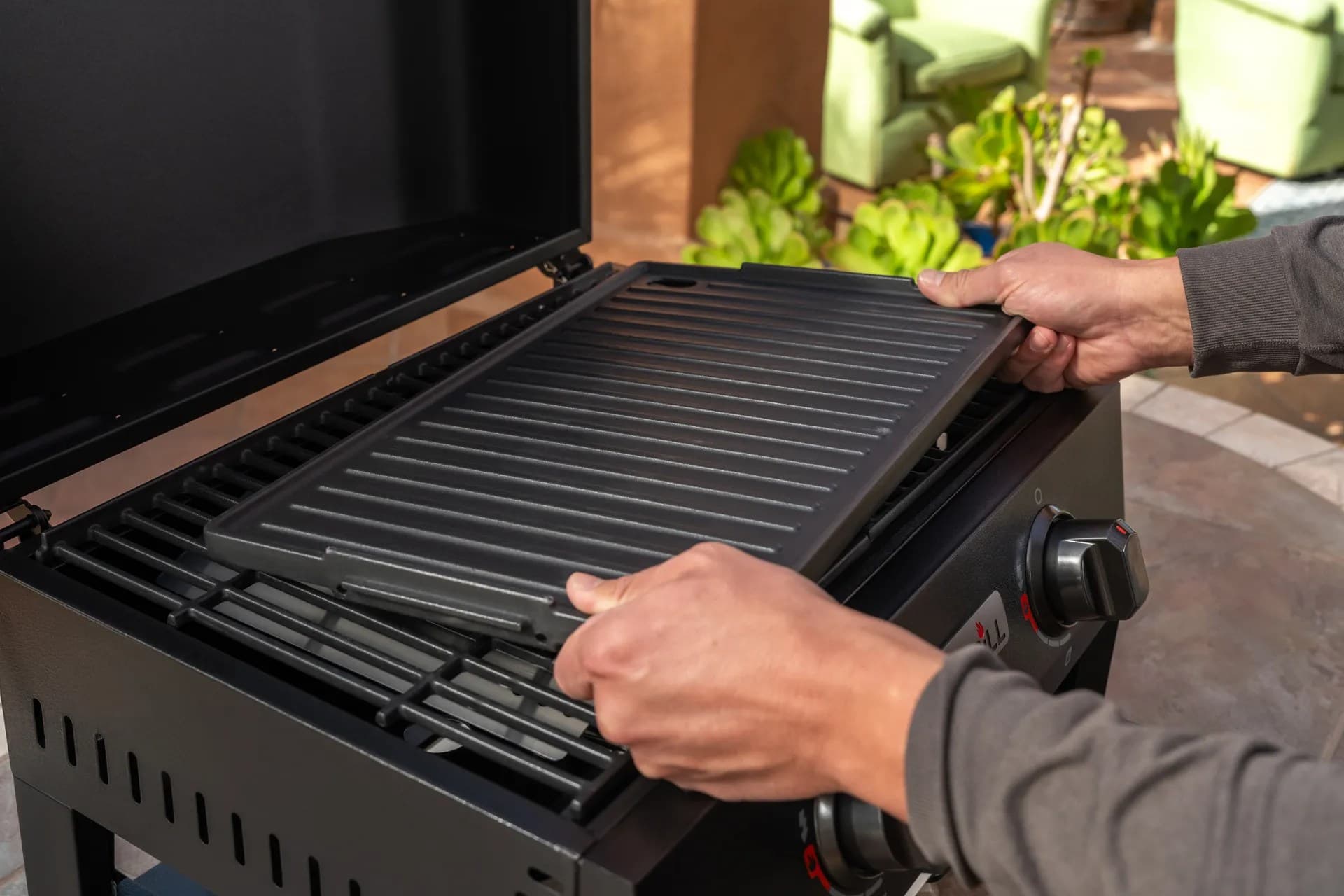
Practical guides for cleaning, maintenance, common grill issues, and performance optimization.
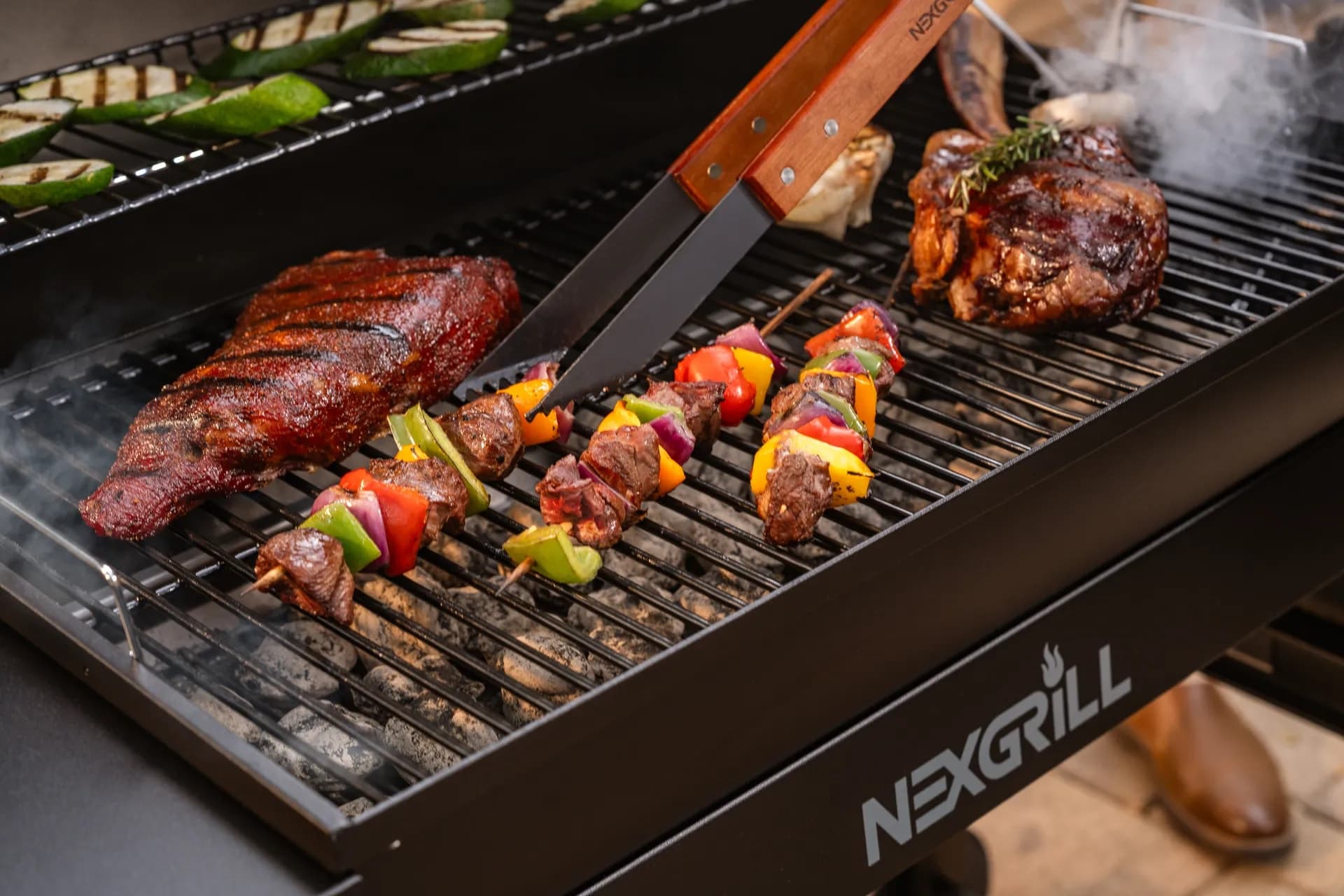
Step-by-step grilling recipes, cooking techniques, and meal ideas for every occasion and skill level.

Backyard entertaining ideas, seasonal grilling inspiration, and stories that celebrate outdoor cooking culture.
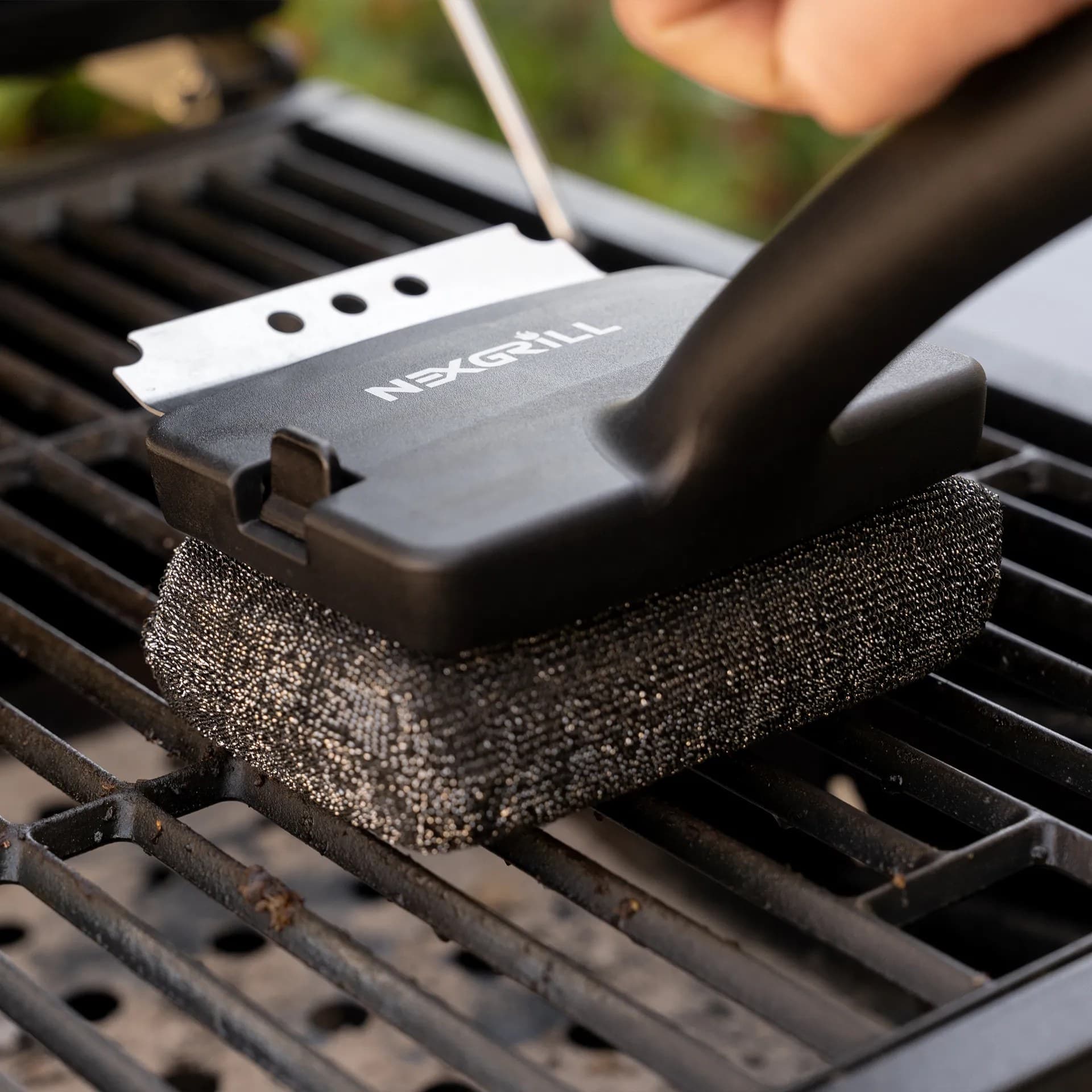
Helpful articles covering grilling tools, cookware, maintenance gear, and must-have accessories for outdoor cooking.
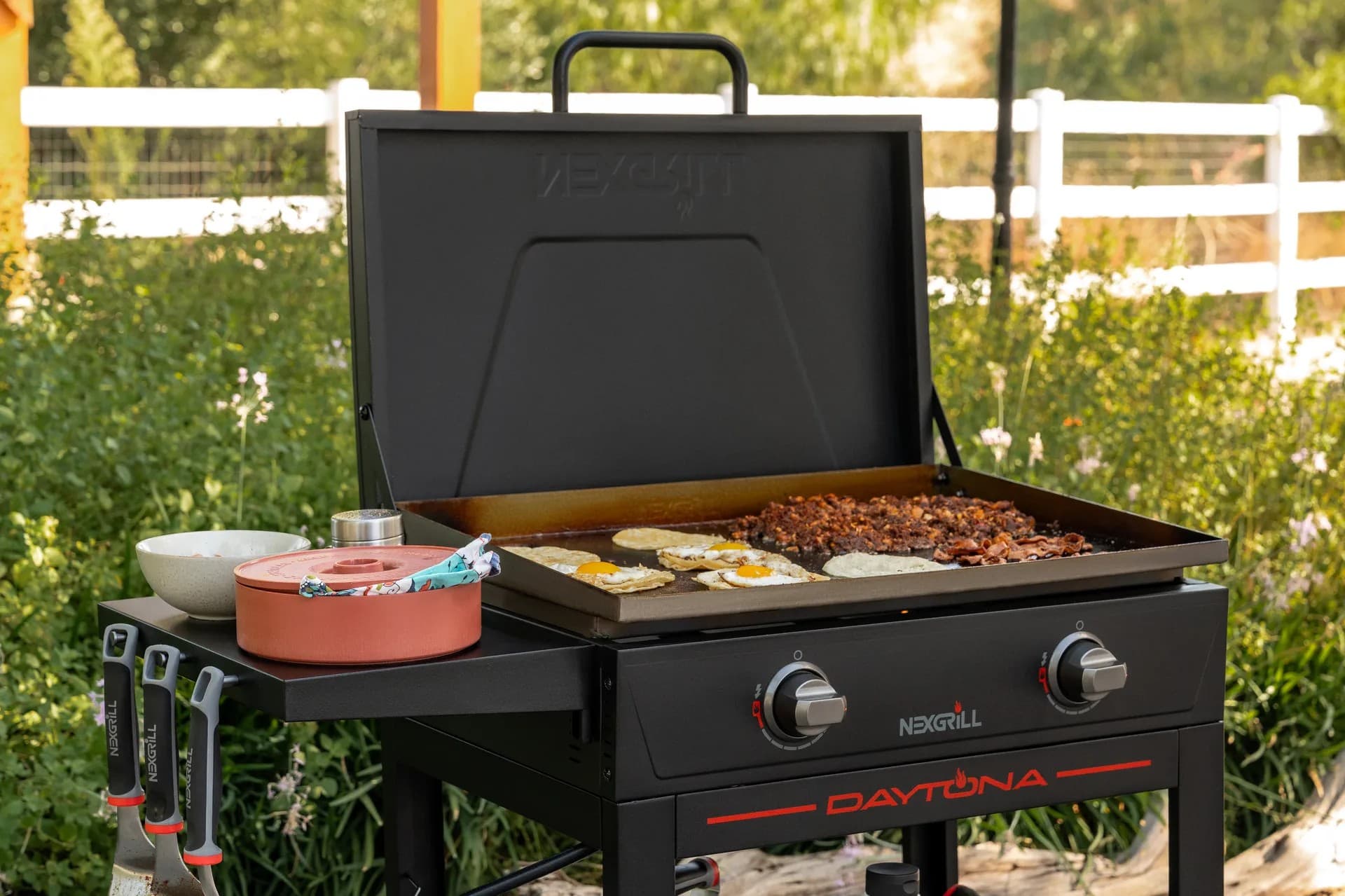
Find griddle recipes, cooking techniques, cleaning tips, and outdoor meal ideas designed for Nexgrill griddles.
Find answers to common questions
Nexgrill offers a variety of accessories including grill tools, covers, cooking utensils, and replacement parts designed to enhance your grilling experience.
Many Nexgrill accessories are widely compatible with various grill brands, but it is recommended to check the specifications for proper fit and functionality.
To maintain your Nexgrill accessories, regularly clean them with warm soapy water, avoid using abrasive materials that could scratch the surface, and store them in a dry place when not in use.
Yes, Nexgrill accessories can be purchased separately from the grills, allowing customers to customize their grilling setup as needed.
Instructions for using Nexgrill accessories are typically included in the packaging, and additional resources can be found on the Nexgrill website or in the product user manuals.
In This Article
Bristle-Free Grill Brushes
Grill Scrapers
Grill Cleaning Sprays and Wipes
The easiest grill to enjoy is the one that does not feel like a chore to clean after dinner. That is why grilling accessories for easy cleaning matter so much: they shorten the gap between a great meal and a grill that is ready for the next cookout. When cleanup is simple, people tend to use their grill more often, keep the cooking surface in better shape, and avoid the frustration that comes from seeing stuck-on residue build up over time. For many Nexgrill owners, that means choosing tools that are quick to grab, simple to store, and effective enough for everyday use without turning maintenance into a project.
Easy-clean accessories also help protect the way food tastes. Grease, carbonized sauce, and burnt food particles can create uneven hot spots and stale flavors if they are left on the grates too long. A practical cleanup routine is not about perfection; it is about staying ahead of buildup so that each cook starts from a cleaner surface. In real-world backyard use, that can be as simple as brushing grates after preheating, scraping a stubborn spot while the surface is still warm, and finishing with a wipe-down of high-contact areas like knobs, shelves, and lids. The right accessories make those steps feel natural instead of fussy.
A clean grill is not just easier to use; it also helps you spot issues sooner, like grease collection, worn grates, or weak ignition performance.
tools that do most of the work: a safe brush, a scraper, and a spray or wipe for finishing touches
This guide focuses on accessories that support a cleaner grill with less effort, not on deep restoration projects or seasonal teardown work. That makes it especially useful for households that grill often: weeknight burgers and chicken, Sunday breakfast on a griddle, or weekend gatherings where the same surface gets used for vegetables, seafood, and marinades. The goal is to create a repeatable system. If every use leaves the grill a little cleaner than before, the maintenance load stays manageable and the grill stays more inviting to use.
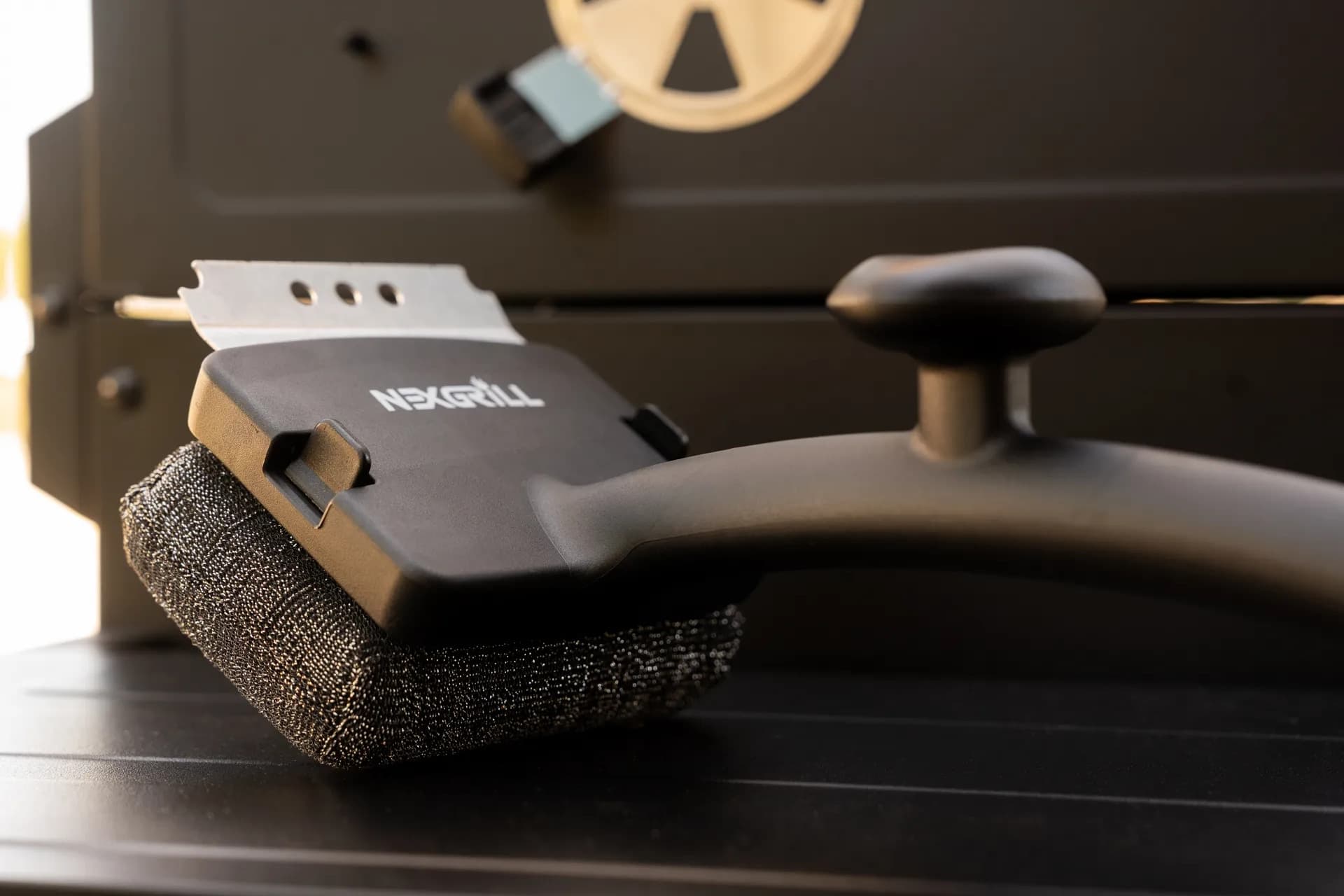
Bristle-free grill brushes are one of the most important easy-cleaning accessories because they address a common concern: avoiding loose metal bristles while still removing stuck-on food. Traditional wire brushes can work, but many grill owners now prefer bristle-free designs because they reduce the worry of stray bristles ending up on the cooking surface. For families cooking burgers, fish, vegetables, and flat-top favorites, that peace of mind matters as much as the cleaning itself. Nexgrill’s brand focus on approachable, dependable outdoor cooking fits naturally with tools that keep the process simple and user-friendly, especially for casual grillers who want straightforward maintenance without extra complication .
A good bristle-free brush typically relies on a coiled metal head, a scraper edge, or a textured cleaning surface that conforms to grate ridges. The best time to use it is after preheating the grill, when residue loosens and lifts more easily. A few passes across each grate can remove carbonized bits before they harden into a thicker layer. If your grill sees frequent use, this small habit is one of the most effective ways to reduce labor later. Instead of waiting until the grate is coated in old sauce and char, you can keep the surface in steady, usable condition.
The exact shape of the brush should match your cooking setup. For standard grate bars, a broad head helps cover more surface with each pass. For griddles or flatter surfaces, choose a brush with a flatter cleaning face that can move residue toward the edge where it is easier to wipe away. Handle length matters too. A longer handle keeps your hands away from heat and gives you more leverage for pressure without overreaching. In practical terms, that means less fatigue during cleanup and better control when working around corners or edges.
If a brush loses shape, feels flimsy, or leaves behind particles, replace it rather than pushing it longer than necessary.
One reason bristle-free brushes are so useful is that they support a cleaner routine without special skill. A beginner can use them immediately after learning where the grill runs hottest, while an experienced griller can rely on them as part of a faster post-cook workflow. They are also ideal for mixed cooking households where more than one person may handle cleanup. Simplicity lowers the barrier to doing the job right, which is exactly what makes these accessories so practical for everyday ownership.
A scraper becomes essential when brushing alone is not enough. Sauces with sugar, marinated proteins, and repeated high-heat cooks can leave residue that clings to the metal surface even after a brush pass. That is where a scraper shines: it applies focused pressure to lift stubborn buildup without requiring a lot of effort. For grillers who cook sticky foods such as teriyaki chicken, barbecue ribs, or glazed vegetables, a scraper can save time and keep the cooking surface from becoming uneven or sticky during the next cook.
The best scrapers are shaped to match the surfaces they clean. Flat edge scrapers work well on griddles and smooth plates, while notched designs can fit around grate bars. On a busy weekend, a scraper is especially helpful for the corners and areas just above the burners where residue tends to collect first. Think of it as the tool that handles the problem spots after the brush has done the broad cleanup. If the brush is the quick sweep, the scraper is the detail tool.
Using a scraper correctly is mostly about timing and pressure. The surface should be warm, not scorching hot, so the residue is softer but the tool can still work safely. Short, controlled strokes are usually better than aggressive force. Too much pressure can scratch some surfaces or push debris into hard-to-reach seams. A thoughtful pass across the grates, followed by a brush or cloth, is usually enough to restore a cleaner cooking area. This method is especially useful for grill owners who want reliable results without relying on chemicals for every cleanup.
Use a scraper as a precision tool: remove hardened buildup first, then finish with a brush or wipe so residue does not get redistributed.
Scrapers also help you build better cleanup habits. Because they make the tougher job feel manageable, they encourage more consistent care after each cook. That consistency matters more than occasional deep cleaning. A grill that gets scraped regularly is easier to preheat, easier to season with oil if needed, and less likely to develop layers of burnt-on buildup that interfere with airflow or create uneven cooking zones. In other words, a scraper is not just about cleanliness; it is about keeping the grill usable and predictable.
Sprays and wipes are the finishers in an easy-cleaning routine. Once the grates have been brushed and scraped, these products help remove oily film, loose soot, and fingerprints from surrounding surfaces. They are especially handy when you want the grill to look ready for guests, not just functionally clean. For busy households, they cut down on the time between cooking and cleanup because they require little setup and no mixing. You simply apply, wait if needed, and wipe away what is left.
Cleaning sprays are useful for larger surfaces such as lids, side shelves, and exterior panels, while wipes are ideal for quick touch-ups on knobs, handles, and prep areas. If your outdoor kitchen setup includes multiple surfaces, having both on hand can save time. You can use wipes for the parts you touch frequently and sprays for the broader surfaces that collect grease mist during cooking. That division of labor makes cleanup more efficient and prevents overusing one product in places where a different tool would work better.
For best results, always confirm that any cleaner is appropriate for the material you are treating. Painted finishes, stainless steel, porcelain-coated surfaces, and powder-coated accessories may each respond differently. Apply the product to a cloth when you are working on sensitive finishes, and avoid soaking seams, igniters, or control areas. The point is not to flood the grill with cleaner; it is to lift grime without leaving residue behind. In practical use, that means sprays and wipes are best treated as the final polish after the heavy lifting has already been done by the brush and scraper.
For exterior surfaces, a quick wipe after each cook often prevents the kind of buildup that turns into long weekend cleanup later.
These products are also a good fit for grill owners who cook in shared spaces, where a neat appearance matters as much as function. If the grill sits on a patio used for family meals or neighborhood gatherings, sprays and wipes make it easier to keep the area welcoming. That is part of the Nexgrill experience too: grilling is about sharing food and time together, so the tools you use should make that experience easier to enjoy rather than harder to manage .
The most effective easy-clean routine is not one big cleaning session. It is a series of small habits that keep buildup from getting ahead of you. Start by cleaning while the grill is still warm enough to loosen residue, but not so hot that it becomes uncomfortable or unsafe to handle. Use the brush first, the scraper second, and sprays or wipes last. That order helps remove food debris before you tackle surface film, which keeps the process efficient and avoids smearing grease around the cooking area.
It also helps to separate interior and exterior cleaning tasks. The cooking grates, drip areas, and flavorizer-style surfaces need different attention than lids, shelves, and knobs. If you treat them all the same, you may waste time or use the wrong product. For example, a scraper may be perfect for stuck residue on a flat cooking plate, but a microfiber wipe is better for exterior trim. Keeping a small cleaning kit near the grill encourages you to handle each surface appropriately without searching for supplies mid-task.
Another useful habit is to clean before residue has a chance to harden completely. A five-minute wipe after cooking often saves twenty minutes later. That is especially true after sugary marinades, sauce-heavy dishes, or breakfast foods that leave sticky starch behind. If you grill often, consider building a simple end-of-cook ritual: brush the grates, scrape the bad spots, empty loose debris when needed, and finish the exterior. It sounds basic, but these few steps can dramatically reduce the feeling that the grill is always due for a major cleanup.
The right accessories make cleanup feel less like maintenance and more like a natural part of cooking. That matters for beginners who want confidence and for experienced grillers who value speed and consistency. Try comparing two products side by side below to see which fits best:
Once you've weighed two cleaning tools against each other, the best choice usually comes down to the surfaces you cook on, how often you grill, and how much effort you want cleanup to take. The right accessory kit is not about collecting every possible gadget. It is about matching the tool to the task so the job is fast, safe, and repeatable. For a typical Nexgrill owner, that means choosing a bristle-free brush for everyday grate care, a scraper for the stubborn spots, and a spray or wipe for the surfaces guests actually see.
If you mainly grill burgers, chicken, and vegetables on a standard grate, prioritize a bristle-free brush with a sturdy handle and a head that covers several bars at once. If you cook sticky glazes, breakfast foods, or smash burgers on a flat-top, a scraper becomes more important than a brush because it can move softened residue efficiently across the surface. If your grill includes stainless steel panels or side shelves, cleaning sprays and wipes matter most for keeping fingerprints, grease mist, and smoke film from building up. The right accessory is the one you will actually use after each cook, not the one that looks most impressive in the drawer.
| Cleaning need | Best accessory | Why it works |
|---|---|---|
| Everyday grate cleanup | Bristle-free brush | Cleans loose residue quickly without loose wire bristles. |
| Sticky burnt-on residue | Grill scraper | Uses focused pressure to lift hardened buildup. |
| Exterior grease and film | Sprays and wipes | Quickly removes smudges, dust, and cooking residue from visible surfaces. |
| Mixed-surface grill stations | Full accessory kit | Lets you clean grates, flat surfaces, and exterior panels with the right tool for each step. |
For buyers who want the least complicated setup, a compact two-piece combination of a bristle-free brush and scraper is often enough. For families who grill multiple times a week, adding cleaning wipes or a spray can make the difference between a quick wipe and a larger weekend project. If you entertain often, a more complete kit is worth considering because it helps keep the cooking zone and the visible exterior consistently presentable. That matters when your grill is part of the patio experience and not just a hidden appliance.
Price is another practical factor, but it should be judged by use frequency rather than sticker shock alone. A slightly higher-quality brush or scraper that lasts longer and feels better in the hand may be more economical than replacing cheap tools every few months. Since Nexgrill’s product philosophy emphasizes accessible value and dependable performance, the same principle applies here: choose accessories that feel durable enough for regular use and simple enough that they do not slow you down .
The easiest way to clean a grill is to use the tools in the right order. Start by preheating the grill briefly so residue softens. Then turn the heat down or move to a safer working temperature before you begin cleaning. Use the bristle-free brush first to lift loose debris from the grates. Work in short passes along the bars, letting the tool do the work rather than forcing it. If the residue is still clinging in certain spots, switch to the scraper and target only those areas. This step-by-step approach keeps the process controlled and prevents needless wear on the surface.
For grill grates, the goal is to remove char and grease without stripping the surface down unnecessarily. After brushing and scraping, take a microfiber cloth or appropriate wipe and clean the nearby surfaces that catch drips, soot, and fingerprints. On flat-top surfaces, the process is slightly different: use the scraper to pull residue toward the grease channel, then wipe away the remaining film with a cleaner designed for the surface finish. If you use sprays, apply them lightly to the cloth rather than soaking the grill itself, especially near seams, knobs, and ignition areas. That keeps liquid where it belongs and reduces the chance of over-wetting sensitive components.
A useful home routine is to divide cleanup into two phases. Phase one happens right after cooking and focuses on residue removal while the grill is still warm. Phase two happens once the surface has cooled and covers the exterior and touch points. That split makes the task feel lighter, because you are not trying to do everything at once. It also helps the tools last longer because they are not being forced to handle every kind of grime at the same moment. In real use, this can turn a long, messy cleanup into a shorter, more predictable habit.
Do not use excessive force on coated or porcelain surfaces. Let the tool and the warmth of the grill loosen residue instead of scraping aggressively.
This method is easy to teach to anyone in the household, which is one reason it works so well. The same basic sequence can apply to a backyard gas grill, a griddle station, or a smaller cooktop. That consistency makes it easier to maintain good habits across different accessories and different kinds of cooks. Once the sequence becomes familiar, cleanup stops feeling like a separate task and starts feeling like the last step of cooking.
Cleaning tools need care too. A bristle-free brush lasts longer when it is shaken out after use, stored dry, and checked for bent or worn contact points. Scrapers stay useful when their edge is kept clean and free of hardened residue. Wipes and sprays are simpler, but they still perform better when caps are sealed tightly and products are stored away from extreme heat. If you want accessories that stay effective, treat them like part of the grill system instead of disposable extras.
The most practical maintenance habit is drying tools before storage. Moisture left on a metal scraper or brush head can lead to premature wear or an unpleasant feel the next time you use it. A simple rinse may be helpful for some tools, but avoid soaking wooden handles or leaving parts sitting in a sink. Keep them in a dry caddy, grill drawer, or hanging hook so they are visible and easy to grab. Tools that are easy to find are more likely to be used, which is what keeps the grill clean in the first place.
It is also smart to inspect your tools periodically. If the brush head is warped, the scraper edge has become uneven, or a wipe container is drying out, replace it before the next cook. Accessories that are past their prime can slow you down or make the job less effective. In many households, the best rule is simple: if a tool no longer cleans with one or two efficient passes, it is no longer saving time. Replacing it on schedule is often less frustrating than trying to squeeze extra life out of it.
Store cleaning tools near the grill but protected from the weather so they stay ready for quick use after every cook.
Accessory care also supports better grill care. A well-kept brush cleans faster, a sharp scraper removes residue with less effort, and fresh wipes deliver a cleaner finish. That efficiency adds up over a season of cooking. Instead of fighting the tools, you get a fast routine that encourages consistent maintenance, which is exactly what a busy home cook needs.
Environmentally conscious grill owners often want cleaning methods that reduce chemical use without sacrificing effectiveness. That does not mean giving up on cleanliness. It means choosing smarter habits and simpler ingredients where possible. Warm water, a reusable cloth, a bristle-free brush, and a sturdy scraper can handle a surprising amount of routine cleaning on their own, especially if residue is removed soon after cooking. The earlier you address buildup, the less product you need later.
For many households, a mild soap solution and a reusable microfiber cloth are enough for exterior surfaces once the grill has cooled. On the cooking surface, tools do most of the heavy lifting, so cleaner use can stay minimal. If you want a more natural option for tougher spots, a paste made from baking soda and a little water can help loosen film on non-food-contact exterior areas before wiping. The key is to test carefully and avoid applying any mixture to ignition areas, burners, or sensitive finishes unless the surface instructions clearly allow it.
Eco-friendly cleaning also means reducing waste. Reusable cloths, washable pads, and durable tools that do not need constant replacement are better for both your budget and the environment. That is one reason bristle-free brushes are such a strong choice: they are simple, durable, and less likely to shed components into the food area. A routine built around reusable tools and targeted cleaning steps can be both low-waste and highly effective.
The most sustainable grill cleaning routine is often the simplest one: clean early, use less product, and choose reusable tools that last.
For households that want convenience and lower impact, the best balance is usually a combination of mechanical cleaning and minimal product use. A brush and scraper do the real work, while a small amount of cleaner handles the finish. That approach keeps cleanup straightforward and helps you avoid overcomplicating a task that should support the enjoyment of grilling, not compete with it.
Simplifying grill maintenance starts with choosing the right accessories and using them in a consistent, low-effort routine. A bristle-free brush handles everyday debris, a scraper removes stubborn residue, and sprays or wipes finish the job on the surfaces that matter most. Together, they make cleanup faster, safer, and easier to repeat after every cook. That matters whether you grill once a week or several times a week, because consistency is what keeps the grill ready and enjoyable.
The best setup is the one that fits how you actually cook. If you focus on practical tools, store them where they are easy to reach, and clean before residue becomes a problem, grill maintenance stops feeling like a burden. It becomes a simple part of the rhythm of outdoor cooking. That is the real value of grilling accessories for easy cleaning: they help protect the cooking experience, save time, and keep every meal starting from a better surface.
Here's what sets us apart
We position ourselves as delivering high-end outdoor cooking features and performance without premium-brand pricing, emphasizing “Quality Grills. Unbelievable Value.”
We offer gas grills, pellet grills, griddles, smokers, pizza ovens, portable/tabletop grills, electric grills, accessories, and replacement parts — allowing customers to stay within one ecosystem for all outdoor cooking needs.
We differentiate ourselves through smart grilling products like the Oakford smart pellet grill, including app-connected cooking controls and modern outdoor cooking technology.
Don't just take our word for it
Keep reading
From our catalog