Discover the must-have tools to elevate your spring grilling sessions.
Here's what sets us apart from the competition
We position ourselves as delivering high-end outdoor cooking features and performance without premium-brand pricing, emphasizing “Quality Grills. Unbelievable Value.”
We offer gas grills, pellet grills, griddles, smokers, pizza ovens, portable/tabletop grills, electric grills, accessories, and replacement parts — allowing customers to stay within one ecosystem for all outdoor cooking needs.
We differentiate ourselves through smart grilling products like the Oakford smart pellet grill, including app-connected cooking controls and modern outdoor cooking technology.

Expert tips, buying guides, comparisons, and inspiration for choosing and getting the most out of your grill.

Practical guides for cleaning, maintenance, common grill issues, and performance optimization.

Step-by-step grilling recipes, cooking techniques, and meal ideas for every occasion and skill level.

Backyard entertaining ideas, seasonal grilling inspiration, and stories that celebrate outdoor cooking culture.

Helpful articles covering grilling tools, cookware, maintenance gear, and must-have accessories for outdoor cooking.

Find griddle recipes, cooking techniques, cleaning tips, and outdoor meal ideas designed for Nexgrill griddles.
Find answers to common questions
Nexgrill offers a variety of accessories including grill tools, covers, cooking utensils, and replacement parts designed to enhance your grilling experience.
Many Nexgrill accessories are widely compatible with various grill brands, but it is recommended to check the specifications for proper fit and functionality.
To maintain your Nexgrill accessories, regularly clean them with warm soapy water, avoid using abrasive materials that could scratch the surface, and store them in a dry place when not in use.
Yes, Nexgrill accessories can be purchased separately from the grills, allowing customers to customize their grilling setup as needed.
Instructions for using Nexgrill accessories are typically included in the packaging, and additional resources can be found on the Nexgrill website or in the product user manuals.
In This Article
Heavy-Duty Tongs
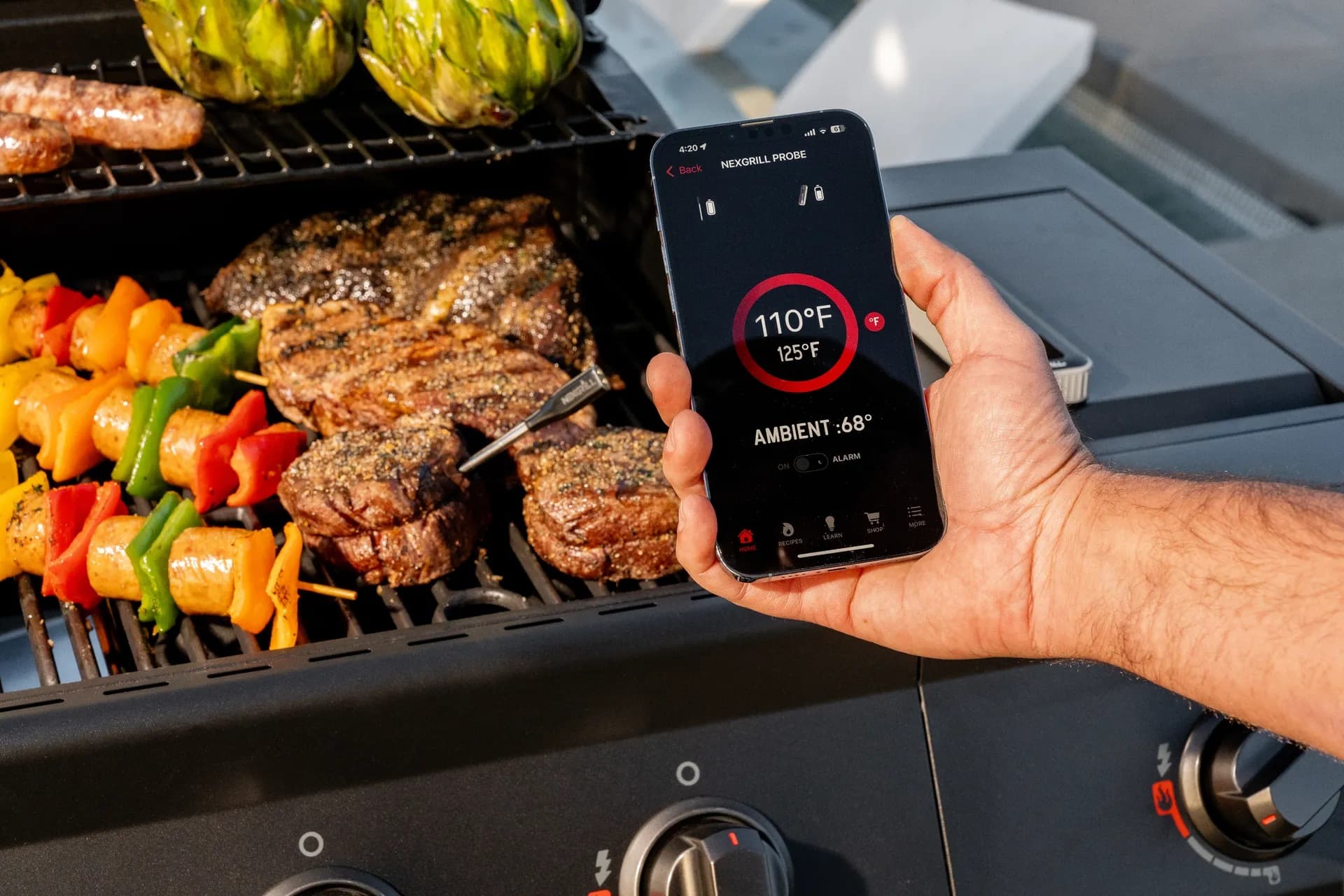
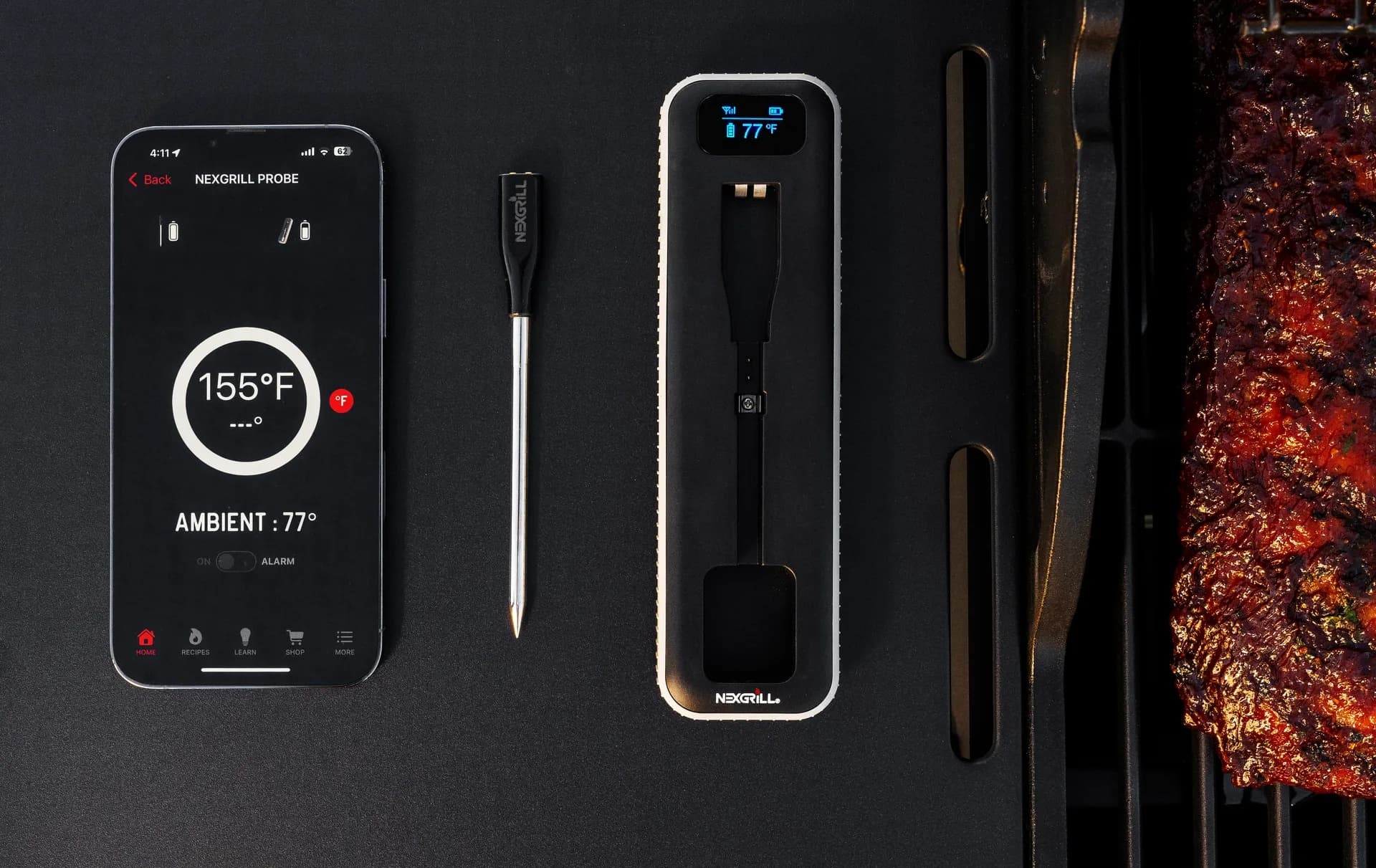
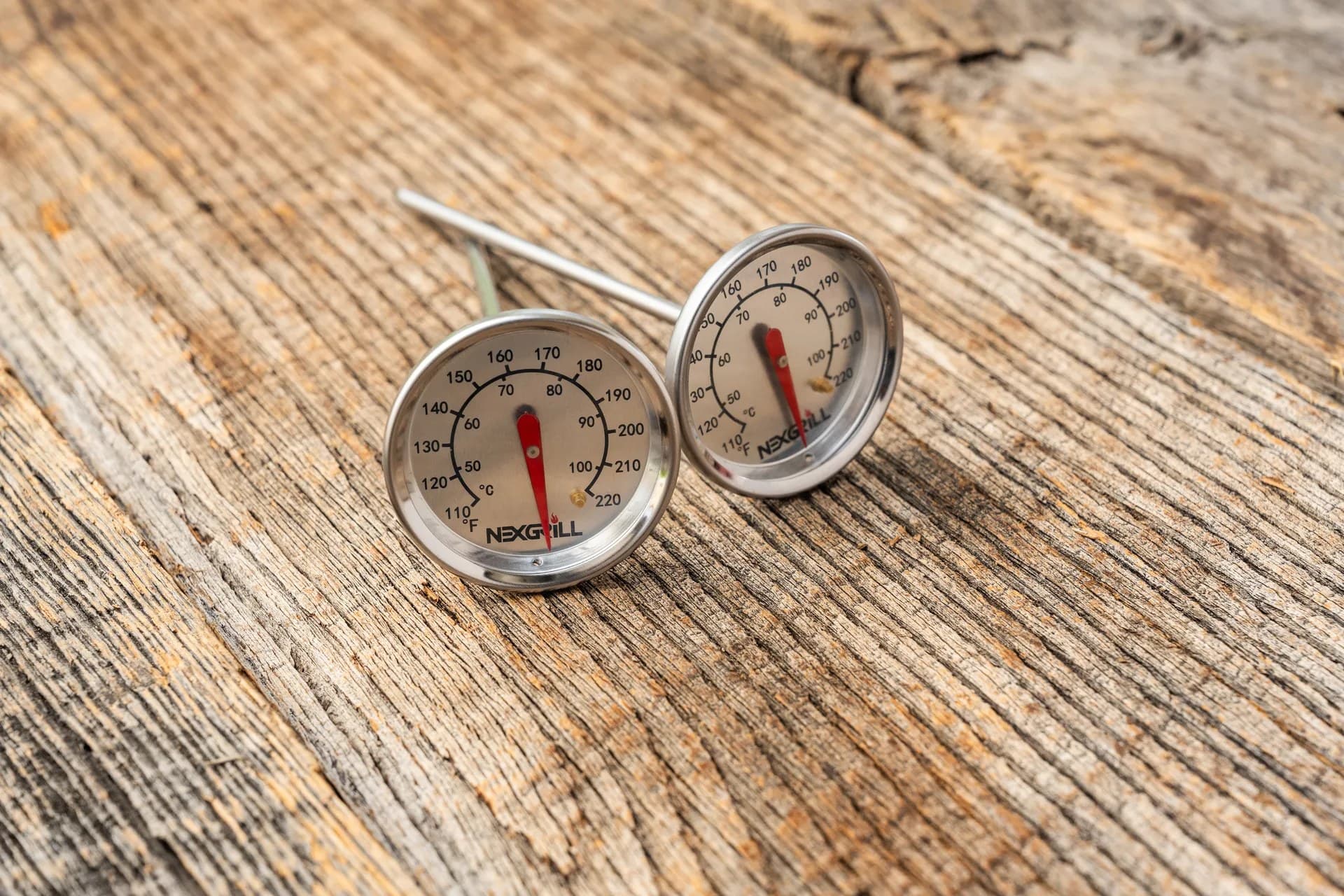
Instant-Read Meat Thermometer
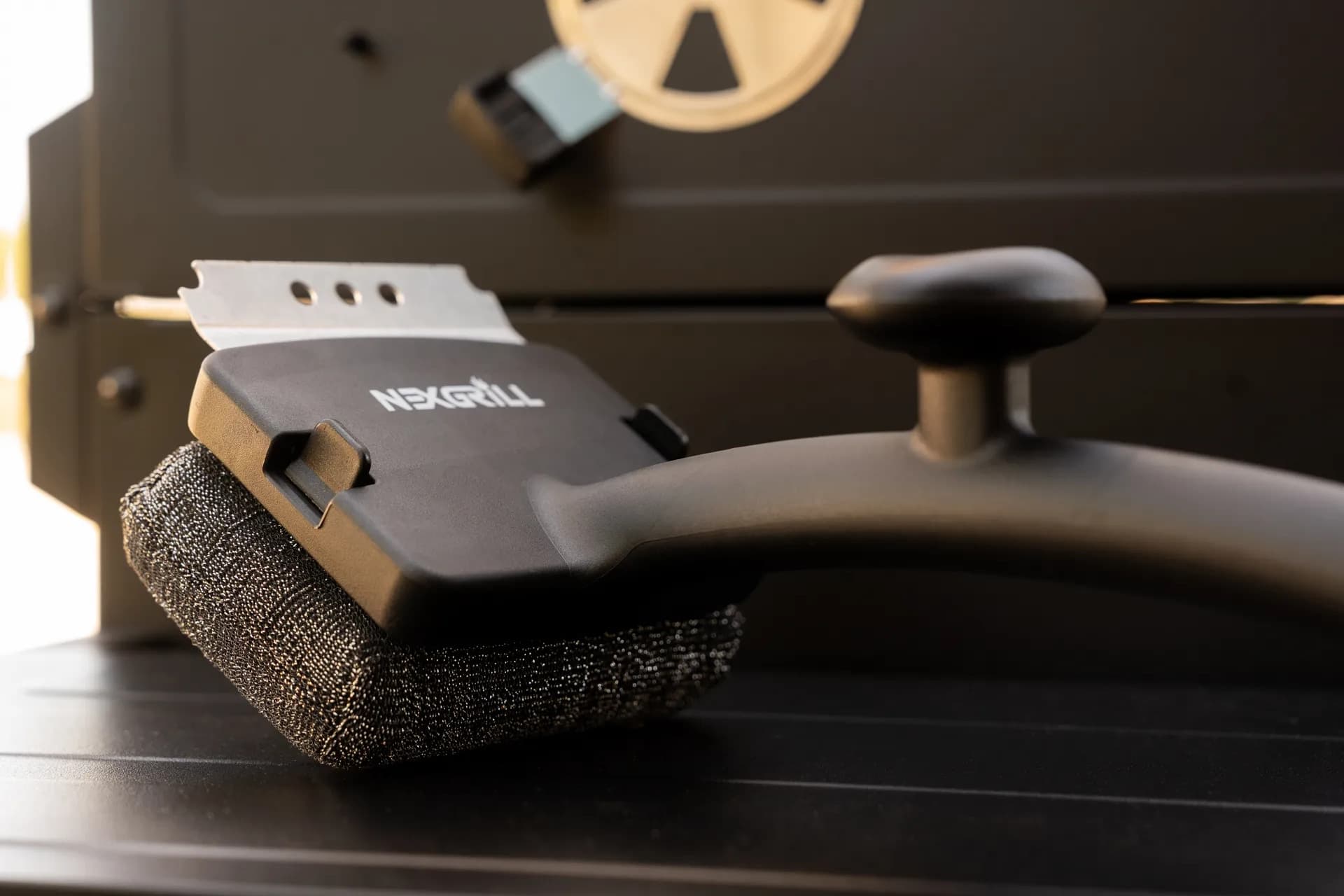
Grill Brush
Spring grilling changes the rhythm of outdoor cooking. The weather is warmer, the days are longer, and the first backyard meals of the season often involve a little more spontaneity than winter cookouts. That is exactly why the right tools matter. When you are cooking after a long off-season, a well-chosen set of grilling accessories helps you move confidently from prep to plate without fumbling for missing gear or overhandling hot food. Nexgrill’s brand philosophy centers on approachable outdoor cooking and shared meals, and that mindset fits spring perfectly: the goal is not to make grilling complicated, but to make it easier, safer, and more enjoyable for everyone at the table .
A spring grilling setup should support a few practical realities. First, the grill itself may need a quick seasonal reset after months of low use. Second, you are likely cooking a mix of foods, from delicate fish and vegetables to bone-in chicken and thicker steaks. Third, because spring gatherings often mix casual weeknight meals with weekend hosting, the tools you reach for should be versatile enough to move between both settings. Instead of treating accessories as an afterthought, think of them as the operating system of your outdoor kitchen: they shape how cleanly you flip, how accurately you cook, and how efficiently you clean up.
Core tools that make the biggest difference for spring grilling: tongs, a thermometer, and a brush.
The best spring grilling tools are not always the flashiest. They are the ones that reduce risk, prevent wasted food, and help you stay in control when the grill heats up. That means choosing sturdy tongs with a comfortable grip, an instant-read thermometer with a fast response time, and a grill brush that can clear residue before it affects flavor or airflow. If you build around those essentials first, you can add specialty tools later based on the way you cook.
Heavy-duty tongs are the tool you will use constantly, so they need to feel like an extension of your hand. Spring grilling often includes foods that need precise repositioning: asparagus spears that roll easily, shrimp that can overcook in seconds, and chicken pieces that should only be turned when the surface is ready. Lightweight tongs may look fine on the shelf, but if the hinge flexes too much or the tips cannot grip securely, you will spend more time chasing food around the grate than actually cooking it.
When evaluating tongs, look for length first. Longer tongs keep your hands farther from flare-ups and high heat, which is especially helpful when you are working over a hot gas grill or a crowded cooking surface. A locking mechanism is useful for storage, but the real test is whether the tongs open smoothly and close with enough tension to hold a slippery piece of salmon or a thick ear of corn. Silicone-grip handles can improve comfort, especially during longer cooks. Stainless steel construction is a strong choice for durability, and a scalloped edge helps you grab food without tearing it.
| Tong feature | Why it matters in spring | What to look for |
|---|---|---|
| Length | Keeps hands away from heat and flare-ups | A longer reach for safer flipping and turning |
| Grip strength | Helps manage delicate and heavy foods | Firm tips that close evenly |
| Handle comfort | Reduces fatigue during longer sessions | Heat-resistant, non-slip grip |
Tip: Keep one set of tongs reserved for raw food handling and a separate set for cooked food. That small habit helps reduce cross-contact and makes your workflow cleaner.
For spring entertaining, tongs also improve timing. You can quickly move vegetables to a cooler zone, rotate kebabs without piercing them, and lift bread off the grill before it burns. A good pair saves you from using forks or spatulas for jobs they were not designed to do. If your spring menu includes mixed items, tongs are the single most flexible tool you can own.
An instant-read meat thermometer is the best tool for turning guesswork into confidence. Spring grilling often features leaner cuts, quick-cooking proteins, and smaller portions, which means overcooking can happen fast. Visual cues help, but they are not enough on their own. A thermometer gives you a direct reading of internal temperature so you can pull food at the right moment rather than relying on timing alone.
This matters especially when spring brings more variety to the menu. Chicken thighs, pork chops, burgers, lamb, and seafood all cook differently, and each one has a different target temperature. A thermometer lets you manage that variety without cutting into the food and losing juices. It also makes your grill more forgiving when you are entertaining guests. Instead of hovering over the grill and second-guessing yourself, you can check quickly, close the lid, and keep the cooking environment stable.
Info: The best instant-read thermometers are not just accurate; they are fast. A quicker reading means less heat loss from opening the lid and less uncertainty when you are cooking multiple items at once.
For spring use, choose a thermometer that is easy to read in daylight. Bright outdoor conditions can make small displays hard to see, so a clear screen and simple controls matter. A foldable probe is convenient for storage and keeps the tool compact in your drawer or utensil caddy. If you often grill in the evening, a backlit display is helpful. It is also worth choosing a model that can handle a wide temperature range, because it may be useful not just for meats, but for reheating, warming, or checking foods prepared on a griddle or side burner.
The practical value of a thermometer shows up most clearly when you are grilling mixed proteins for a spring gathering. You may have chicken thighs finishing later than shrimp, or burgers on one side and vegetables on the other. A reliable thermometer helps you avoid undercooking the center while chasing color on the outside. It is one of the few tools that improves both safety and texture at the same time.
A grill brush is not glamorous, but it is one of the most important spring grilling tools because clean grates affect nearly everything else. Residue from the last cookout can hold onto odors, promote sticking, and create uneven contact between food and the cooking surface. As spring starts, a fresh brushing routine helps reset the grill after storage or winter use and prepares the grate for better searing.
Choose a brush that matches the type of grates on your grill. A firm stainless steel brush can be effective on rugged surfaces, but gentler options may be better for more delicate finishes. The handle should be long enough to protect your knuckles and let you brush in controlled strokes. Look for a brush head that covers enough surface area to clean efficiently without forcing you to overwork one spot. A well-designed brush should remove baked-on bits while keeping you steady and balanced near the heat.
| Brush choice | Best use | Buying note |
|---|---|---|
| Stainless steel brush | Stubborn residue on durable grates | Check that the bristles or scraper are well anchored |
| Brush with scraper | Heavy buildup after long storage | Useful for corners and grate edges |
| Non-bristle cleaning tool | Routine cleaning and peace of mind | A solid option for frequent maintenance |
Warning: Always inspect your brush before use. If the cleaning head is worn, loose, or shedding, replace it immediately rather than using a damaged tool on a hot grate.
Spring is the ideal time to make grate cleaning part of your routine before and after each cook. Brush while the grill is warm enough to loosen residue, then wipe or scrape as needed. This keeps cooking surfaces ready for the next session and helps maintain more even contact between the food and the grate. If your early-season meals include sticky marinades, glazed vegetables, or sugary sauces, that cleaning step matters even more because those ingredients can burn quickly.
Once the core trio is in place, a few additional tools can make spring grilling feel more organized and less improvised. A wide spatula is useful for fish fillets, burgers, and larger vegetables. A basting brush helps you apply oil or sauce in controlled layers instead of pouring directly over food. Heat-resistant gloves can be especially helpful on windy spring days when you need to adjust a lid, move cookware, or handle a hot tray. A grill caddy or utensil holder is also a smart addition if you often cook outdoors with limited table space.
Think about tools as part of your workflow. If you prefer quick weeknight meals, a compact setup with the essentials may be enough. If you host often, the addition of a scraper, gloves, a spatula, and a sauce brush helps you move through a meal more cleanly. The point is not to collect gear for its own sake. The point is to reduce friction so that grilling feels relaxed, even when the menu is ambitious.
The best spring grilling tools do more than sit in a drawer. They improve how safely you handle food, how precisely you cook it, and how easily you maintain your grill between uses. Heavy-duty tongs keep your hands protected and your food under control. An instant-read thermometer takes the uncertainty out of doneness. A solid grill brush helps keep the cooking surface ready for whatever spring brings next. Together, they create a more confident, more efficient grilling experience.
If you are refreshing your outdoor setup this season, start with these essentials and build outward based on the foods you cook most often. That practical approach fits the Nexgrill spirit of accessible, welcoming outdoor cooking: good tools should make it easier to gather people around the fire, not harder. Try comparing two products side by side below to see which fits best:
Once you have narrowed your shopping list, the smartest way to buy spring grilling tools is to match each item to the way you actually cook. A tool that looks premium on a product page is not automatically the right choice for a busy family patio, a compact balcony setup, or a weekend entertaining space. The best tools solve a specific problem: safer flipping, faster temperature checks, easier cleanup, or better organization around the grill. That practical lens matters because spring cooking tends to be more varied than mid-summer routine grilling. One weekend you may be making grilled asparagus and shrimp, the next you may be searing burgers for a crowd, and on a weeknight you may only need fast, accurate control for chicken thighs and vegetables.
A useful buying approach is to rank tools by frequency of use and impact. Tongs belong near the top because they are used constantly. Thermometers are next because they prevent overcooking and reduce food waste. Brushes matter because cleanliness affects every cook, especially after sugary sauces or marinades. Specialty items come after that. For example, if you regularly cook on a flat-top surface, a scraper or spatula may be more valuable than extra skewers. If you often entertain, heat-resistant gloves and a serving tray can be more useful than another decorative accessory. The point is to invest in tools that improve your process, not just your drawer space.
| Buyer profile | Best tool priorities | Why this works |
|---|---|---|
| Beginner griller | Tongs, instant-read thermometer, brush | Builds confidence and prevents basic mistakes |
| Frequent host | Long tongs, thermometer, gloves, spatula, scraper | Supports faster workflow and multiple foods |
| Weeknight cook | Compact tongs, fast thermometer, easy-clean brush | Keeps prep and cleanup efficient |
Info: If you are choosing only one upgrade this season, choose the thermometer first. It changes the result of every protein you cook, and it helps you cook with more certainty from the very first use.
Spring also invites more open-ended cooking. Instead of the same repeated burger-and-dog pattern, many home cooks shift toward chicken cutlets, salmon, steaks, vegetables, kebabs, and breakfast items on a griddle. That variety makes versatility especially important. Tongs should be strong enough for thick foods yet nimble enough for delicate ones. A thermometer should be quick enough for small items and reliable enough for thicker cuts. A brush should clean thoroughly without being awkward to maneuver around warming racks, grill edges, and corners. If a tool cannot handle multiple jobs, it may not be the best value even if it seems inexpensive.
Good tools last longer when they are cared for the same way you care for the grill itself. After a spring cookout, rinse or wipe down tongs to remove grease before it hardens. Dry them fully before storage so metal parts stay in better condition. For thermometers, keep the probe clean and avoid leaving the device exposed to direct heat or moisture for extended periods. If your thermometer is battery powered, store it in a dry place and replace batteries before the season gets busy so you are not stuck with a dead screen at dinner time.
Brushes need the most regular inspection. Clean them after use, shake off debris, and look for wear in the cleaning head. If the brush uses bristles, check for loose pieces before each session. Storage matters too: hanging tools or keeping them in a protected caddy helps avoid rust and makes it easier to grab the right item when the grill is hot. For homeowners who keep tools outdoors, weather protection is worth considering. Spring can bring damp mornings, afternoon rain, and temperature swings that are rough on exposed metal. A dry storage location and a grill cover can help preserve both the grill and the accessories that support it.
Tip: Make a quick end-of-cook reset part of your routine. Put tools back in the same order every time, wipe the handles, and store the thermometer where it will not get buried. That small ritual saves time on the next grilling night.
The safest grilling setup is one where the tools support controlled movement and reduce unnecessary exposure to heat. Keep your work area uncluttered so you are not reaching over hot grates for utensils. Use the right tool for the right job instead of improvising with forks or knives. If you need to turn food, use tongs or a spatula; if you need to check doneness, use a thermometer instead of cutting into the meat repeatedly. These habits improve both safety and quality.
It also helps to think about hand placement. Keep tong handles pointed away from direct heat when they are resting on a side shelf. When using a thermometer, insert the probe carefully and avoid touching bone unless the recipe or instruction calls for it, since that can affect the reading. When brushing grates, let the surface cool just enough to handle cleaning without forcing yourself to work in unsafe conditions. If you are cooking in windy spring weather, wear gloves that still allow grip and dexterity. And if children or guests are nearby, create a simple zone around the grill so the person cooking can move freely without surprise interruptions.
Warning: Never use a tool that feels unstable, overheated, or damaged. A loose hinge, cracked handle, or worn cleaning head can become a safety problem when the grill is hot and your attention is split.
Safety is also about confidence. When your tools are dependable, you naturally move with more control and less hesitation. That can mean fewer dropped items, fewer flare-up surprises, and less stress during a meal. In the Nexgrill spirit of welcoming outdoor cooking for both beginners and experienced grillers, the goal is to keep the process straightforward so everyone can focus on the food and the people around it .
When shopping for grilling accessories, quality should come before novelty. Well-made tools are easier to clean, more comfortable to use, and more likely to hold up through repeated spring and summer cooking. Nexgrill’s all-products collection is a useful starting point when you want to see a broader range of outdoor cooking gear in one place, especially if you are pairing accessories with a grill or griddle setup from the same brand family. The advantage of shopping through a brand ecosystem is that you can think in terms of how the pieces work together rather than buying each item in isolation.
For a practical shopping session, compare tool length, handle material, cleaning method, and storage needs. If you host on a patio with limited prep space, compact tools that hang neatly or fit in a caddy are worth prioritizing. If you cook larger cuts or use deeper grill boxes, longer tongs and a thermometer with a clear display will feel more useful than trendy extras. And if you are building your first outdoor toolkit, start simple: one strong pair of tongs, one accurate instant-read thermometer, and one dependable brush. That combination covers the majority of spring grilling tasks.
For product browsing and outdoor cooking inspiration, you can also review Nexgrill’s main site and product collections, which reflect the brand’s broader emphasis on approachable value and versatile outdoor meals . Use the selection process to focus on how each item will actually perform on your grill, not just how it appears in a catalog.
Spring recipes are the best way to test whether your tools truly fit your routine. Start with foods that reward precise handling: herb-marinated chicken thighs, grilled salmon with lemon, asparagus bundles, and smashed potatoes on a side tray or griddle. Tongs are ideal for rotating vegetables and lifting delicate fillets. A thermometer becomes especially valuable with chicken and thicker pork cuts, where doneness matters as much as color. A brush keeps the cooking surface ready for ingredients that can stick, especially when you move from savory proteins to sweet glazes or seasoned vegetables.
One of the easiest spring menus is a mixed grill plate: chicken on one zone, asparagus and zucchini on another, and halved lemons or bread on the edges for finishing. That setup tests your grip, your temperature control, and your cleanup routine all at once. Another strong option is a flat-top breakfast-for-dinner spread if you own a griddle: eggs, potatoes, onions, and turkey sausage benefit from accurate temperature management and easy-flip tools. These meals are practical because they reveal whether your accessories make the job simpler or create extra steps.
Tip: Build one spring meal around each key tool. Use tongs for turning vegetables, the thermometer for protein, and the brush immediately after cooking. Repeating that sequence helps the tools become part of a smoother habit.
Here's what sets us apart
We position ourselves as delivering high-end outdoor cooking features and performance without premium-brand pricing, emphasizing “Quality Grills. Unbelievable Value.”
We offer gas grills, pellet grills, griddles, smokers, pizza ovens, portable/tabletop grills, electric grills, accessories, and replacement parts — allowing customers to stay within one ecosystem for all outdoor cooking needs.
We differentiate ourselves through smart grilling products like the Oakford smart pellet grill, including app-connected cooking controls and modern outdoor cooking technology.
Don't just take our word for it
Keep reading
From our catalog