Discover innovative gadgets that elevate your outdoor cooking to the next level.
Here's what sets us apart from the competition
We position ourselves as delivering high-end outdoor cooking features and performance without premium-brand pricing, emphasizing “Quality Grills. Unbelievable Value.”
We offer gas grills, pellet grills, griddles, smokers, pizza ovens, portable/tabletop grills, electric grills, accessories, and replacement parts — allowing customers to stay within one ecosystem for all outdoor cooking needs.
We differentiate ourselves through smart grilling products like the Oakford smart pellet grill, including app-connected cooking controls and modern outdoor cooking technology.

Expert tips, buying guides, comparisons, and inspiration for choosing and getting the most out of your grill.

Practical guides for cleaning, maintenance, common grill issues, and performance optimization.

Step-by-step grilling recipes, cooking techniques, and meal ideas for every occasion and skill level.

Backyard entertaining ideas, seasonal grilling inspiration, and stories that celebrate outdoor cooking culture.

Helpful articles covering grilling tools, cookware, maintenance gear, and must-have accessories for outdoor cooking.

Find griddle recipes, cooking techniques, cleaning tips, and outdoor meal ideas designed for Nexgrill griddles.
Find answers to common questions
Nexgrill offers a variety of accessories including grill tools, covers, cooking utensils, and replacement parts designed to enhance your grilling experience.
Many Nexgrill accessories are widely compatible with various grill brands, but it is recommended to check the specifications for proper fit and functionality.
To maintain your Nexgrill accessories, regularly clean them with warm soapy water, avoid using abrasive materials that could scratch the surface, and store them in a dry place when not in use.
Yes, Nexgrill accessories can be purchased separately from the grills, allowing customers to customize their grilling setup as needed.
Instructions for using Nexgrill accessories are typically included in the packaging, and additional resources can be found on the Nexgrill website or in the product user manuals.
In This Article
Smart Meat Thermometers
Wireless Grill Probes
Smart Grilling Hubs
Smart grilling accessories are the layer of technology that sits between a basic outdoor cookout and a more controlled, repeatable grilling process. In 2026, that usually means tools that measure temperature, send alerts to your phone, help you manage multiple zones, or reduce the guesswork that often leads to overcooked chicken, uneven steaks, or a smoker that drifts too far from target. For Nexgrill customers, the appeal is practical: these tools are not about turning grilling into a screen-heavy hobby, but about giving you faster feedback so you can spend more time cooking confidently and less time opening the lid to check what is happening inside the grill.
The most useful smart accessories are not the flashiest ones. A reliable thermometer probe can improve results on a weeknight pork tenderloin as much as on a weekend brisket. A compact smart hub can make a mixed setup easier to manage when you are cooking burgers on one side and vegetables on another. For many home grillers, the goal is not automation for its own sake. It is consistency. That matters whether you are using a gas grill, a pellet smoker, a griddle, or a charcoal setup with a more hands-on style. Nexgrill’s brand focus on approachable, dependable outdoor cooking fits naturally with that mindset: useful tools should make grilling feel more inviting, not more complicated .
The best smart accessories solve a specific problem: food temperature, grill temperature, timing, or coordination across multiple items. If a gadget does not reduce uncertainty, it usually adds clutter.
There is also a noticeable shift in how people use these tools at home. Many households now grill for a few people during the week and larger groups on weekends, which means accessories need to be flexible enough for both casual and ambitious cooks. A wireless probe that is great for ribs should also be simple enough for salmon fillets. A smart hub should make sense whether you are cooking on a patio in a suburban home or setting up a portable grill for a tailgate. That flexibility is especially important for buyers who want one accessory to support several cooking styles instead of buying a separate gadget for every task.
In practical terms, smart grilling accessories fall into three broad categories. First are the measurement tools, such as remote thermometers and ambient probes, that help track food and grill conditions. Second are control and coordination tools, such as hubs and app-connected systems, that organize several readings at once. Third are support tools, such as charging docks, probe clips, and weather-resistant storage, that keep the whole setup usable over time. If you are building your first smart grilling kit, it helps to think in that order: measure first, coordinate second, and then add convenience features once you know what you actually use.
Try comparing two products side by side below to see which fits best:
The most important feature in any smart grilling tool is not the app or the display. It is accuracy. If a thermometer is off by several degrees, every alert becomes less trustworthy. That is why temperature sensing quality, probe placement, and response time matter more than a long feature list. For grilling, even a small difference can change the outcome: chicken breast that looks done too early can dry out quickly, while pork shoulder that is pulled before it is ready may feel tough and underdeveloped. A good smart accessory should help you cook to temperature rather than by appearance alone.
Another essential feature is range and signal stability. Many grilling sessions happen outdoors where Wi-Fi may be weak, patios may sit beyond the reach of a home router, and Bluetooth-only devices may behave differently depending on wall construction and distance. That makes connectivity a real buying consideration, not a marketing bullet point. If you often cook from inside the house while checking on a grill outside, look for a tool that alerts reliably across the spaces you actually use. If you move between the backyard, garage, and kitchen, signal consistency is more valuable than an extra novelty function.
A useful target for many quality probe systems when comparing temperature resolution, though real-world accuracy depends on placement and calibration.
Durability matters just as much. Smart grilling accessories live in a hard environment: heat, grease, smoke, moisture, and frequent handling. Probes need cable strain relief or sturdy wireless housings. Hubs need easy-to-clean surfaces and clear physical controls. Clip systems should hold securely to grates or grate bars without slipping when the lid closes. If a tool feels delicate in the hand, it may not be a good long-term fit for real backyard use. A good 2026 accessory should look modern, but it also needs to survive repeated exposure to the conditions that happen around a grill.
| Feature | Why it matters | What to look for |
|---|---|---|
| Accuracy | Directly affects cooking results | Clear readings, stable calibration, consistent probe performance |
| Connectivity | Keeps alerts dependable | Reliable Bluetooth, Wi-Fi, or hub-based connection in your setup |
| Probe count | Supports multi-item cooks | At least two probes if you cook different proteins together |
| Heat resistance | Protects the tool from failure | Hardware designed for grill temperatures and frequent lid cycles |
| App usability | Speeds up decision-making | Simple alarms, readable dashboards, easy setup |
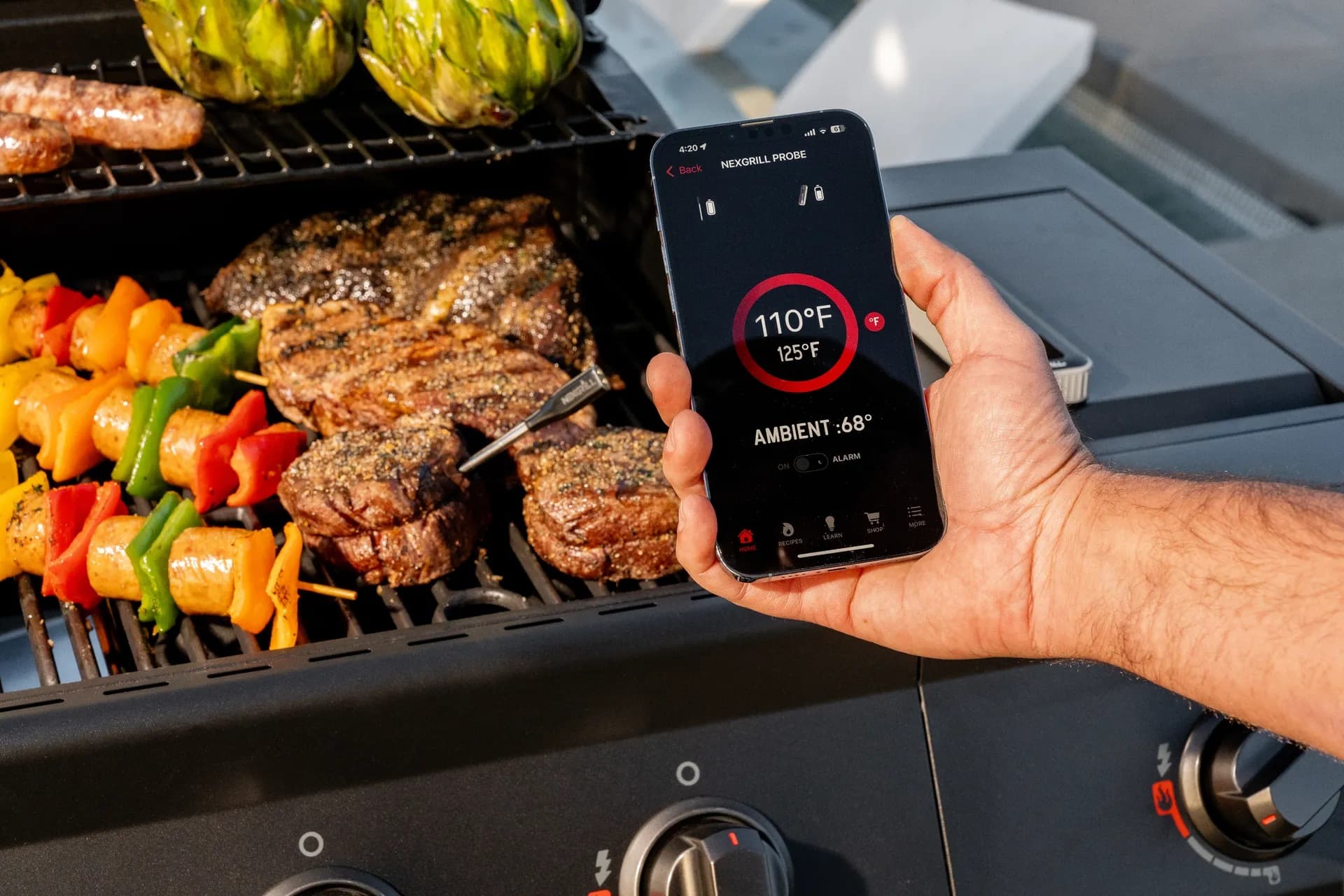
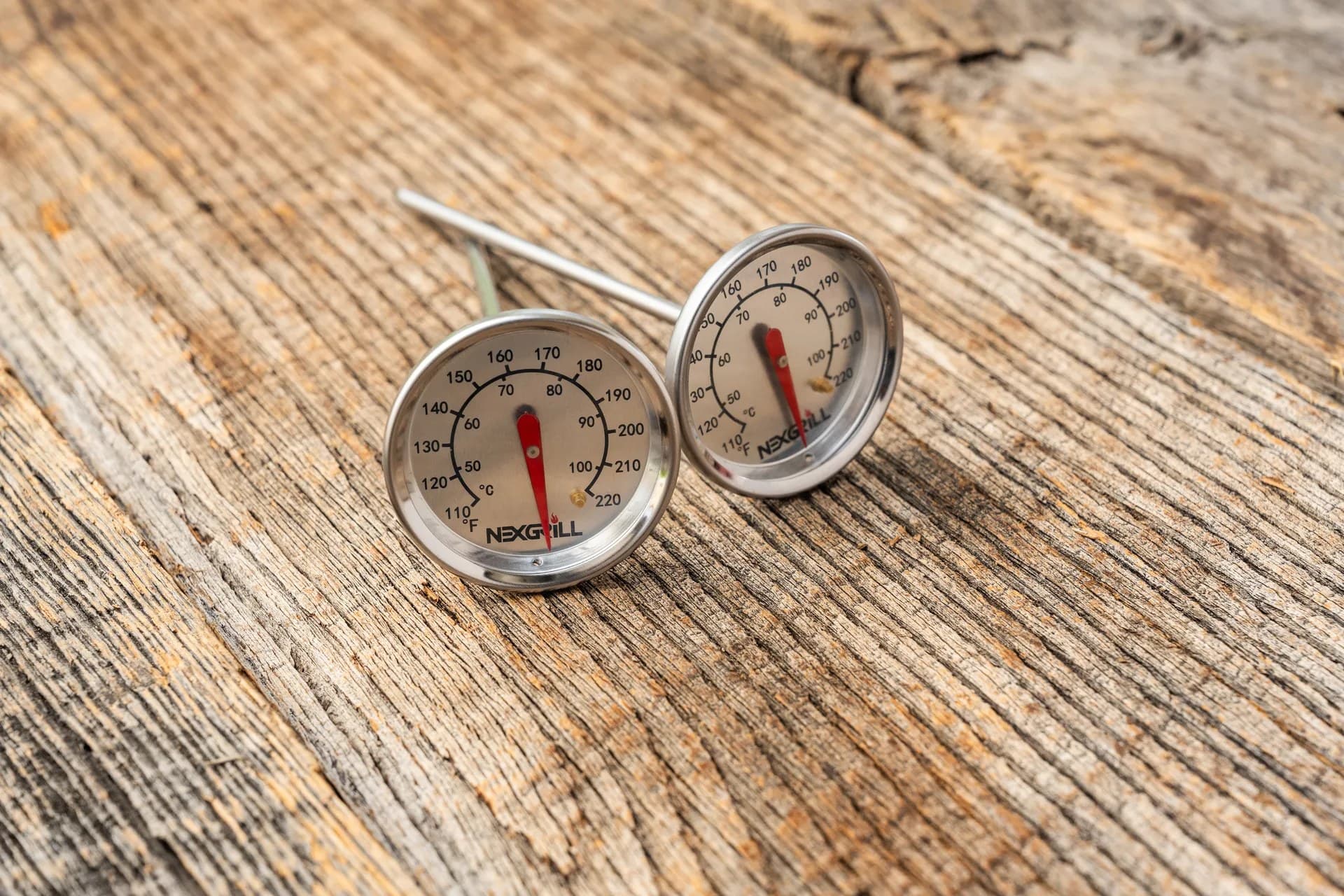
The leading smart accessories in 2026 are designed around one idea: help the griller make better decisions without hovering over the fire. Smart meat thermometers remain the category most people benefit from first because they directly answer the most important question in cooking: when is it done? These tools are particularly useful for thicker cuts like tri-tip, pork loin, whole chicken, and brisket, where surface color can be misleading. A thermometer with remote monitoring lets you set a target and move on to prep sides, manage guests, or simply avoid opening the lid every few minutes.
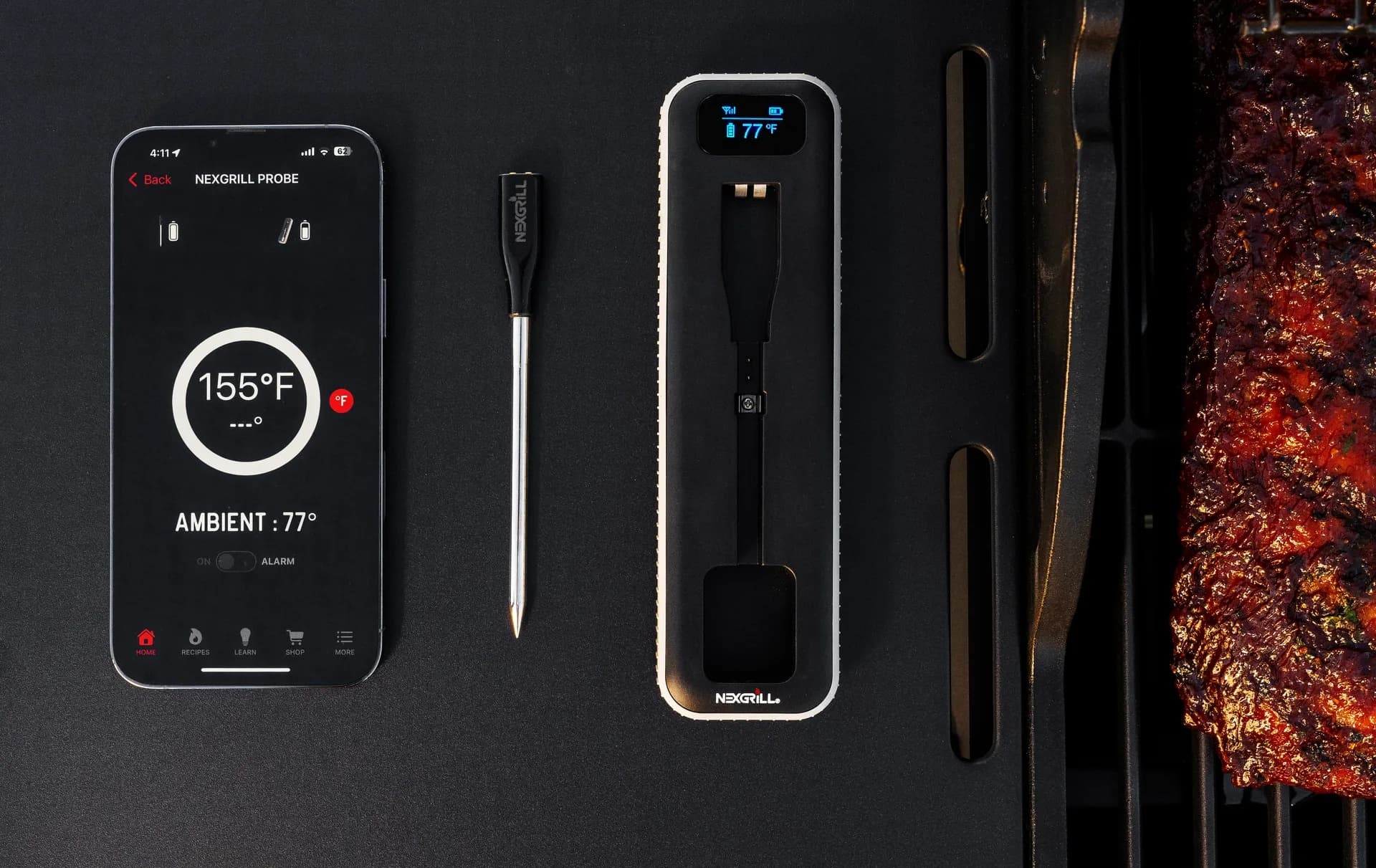
Wireless grill probes are another practical standout. These are especially useful when you want ambient temperature readings from the cooking chamber, not just the food. That distinction matters on pellet smokers, multi-zone gas grills, and charcoal setups where one side may run hotter than the other. A wireless ambient probe can reveal whether your indirect zone is actually holding steady or whether it is drifting enough to affect cooking time. For anyone who cooks wings, ribs, or roasts, that information is often more valuable than a flashy screen on the grill body.
Smart grilling hubs are the control layer that ties the system together. They are most useful when you are tracking several items at once: one probe in the brisket, one in the pork shoulder, and another monitoring the grill itself. Instead of juggling separate alerts, a hub can centralize the readings and reduce the chance of missing the moment when food needs to rest or be moved to a hotter zone. This is one of the strongest use cases for more experienced grillers, catering setups, or anyone who regularly cooks for a crowd.
Other accessories are gaining ground too. Clip-on probe holders help position sensors more safely. Magnetic dock stations keep charging and storage organized. Weather-resistant carrying cases are useful for portable kits that travel between home and outdoor events. These may not feel as exciting as a connected thermometer, but they often determine whether your gear is still easy to use six months later. If your grilling routine is frequent, the small conveniences matter because they reduce friction every time you cook.
A smart accessory set should match your cooking style. If you mostly grill quick weeknight dinners, a simple thermometer is often enough. If you smoke long cuts, add a wireless probe or hub.
Good setup is what separates a helpful accessory from a frustrating one. Start by charging every device fully before the first cook. Then pair the thermometer, probes, or hub in a quiet indoor environment before you move outside. That makes it easier to confirm the device is working, calibrate if needed, and understand the alert flow without smoke and heat in the way. In many cases, the first pairing is the most time-consuming part, so it is worth doing before the grill is hot and your food is already on the grate.
Probe placement is another area where setup matters. For meat temperature, the probe tip should be in the thickest part of the cut without touching bone, fat pockets, or the grill grate. For ambient readings, position the probe where it reflects the actual cooking zone, not directly over flare-prone spots or too close to a burner edge. If you are using multiple probes, label them in the app or mentally assign them to specific foods before the cook starts. That simple habit reduces confusion when alerts arrive at different times.
Tip: Test alerts before a big cook. A quick 10-minute check can reveal whether your phone notifications, ringer, or app permissions are set correctly.
A strong setup routine also includes a short pre-cook checklist. Make sure the grill is clean, the signal path is open enough for your device to communicate, and the power source for the accessory is ready if it uses a charging dock or battery pack. If you are cooking outdoors in cool or windy weather, account for slower temperature recovery after lid openings. Smart tools can tell you what is happening, but they cannot eliminate the physics of outdoor cooking. That is why they work best when paired with a steady cooking method and a cook who understands the grill’s behavior.
Once the cook is underway, use the alerts as decision points rather than as constant distractions. For example, when a thermometer reports that chicken is nearing its finish temperature, you can start checking for carryover cooking or side dish timing. When a smoker probe shows a dip after adding cold meat, you can decide whether to hold steady or adjust airflow. In other words, the smart accessory is there to guide your timing, not replace your judgment.
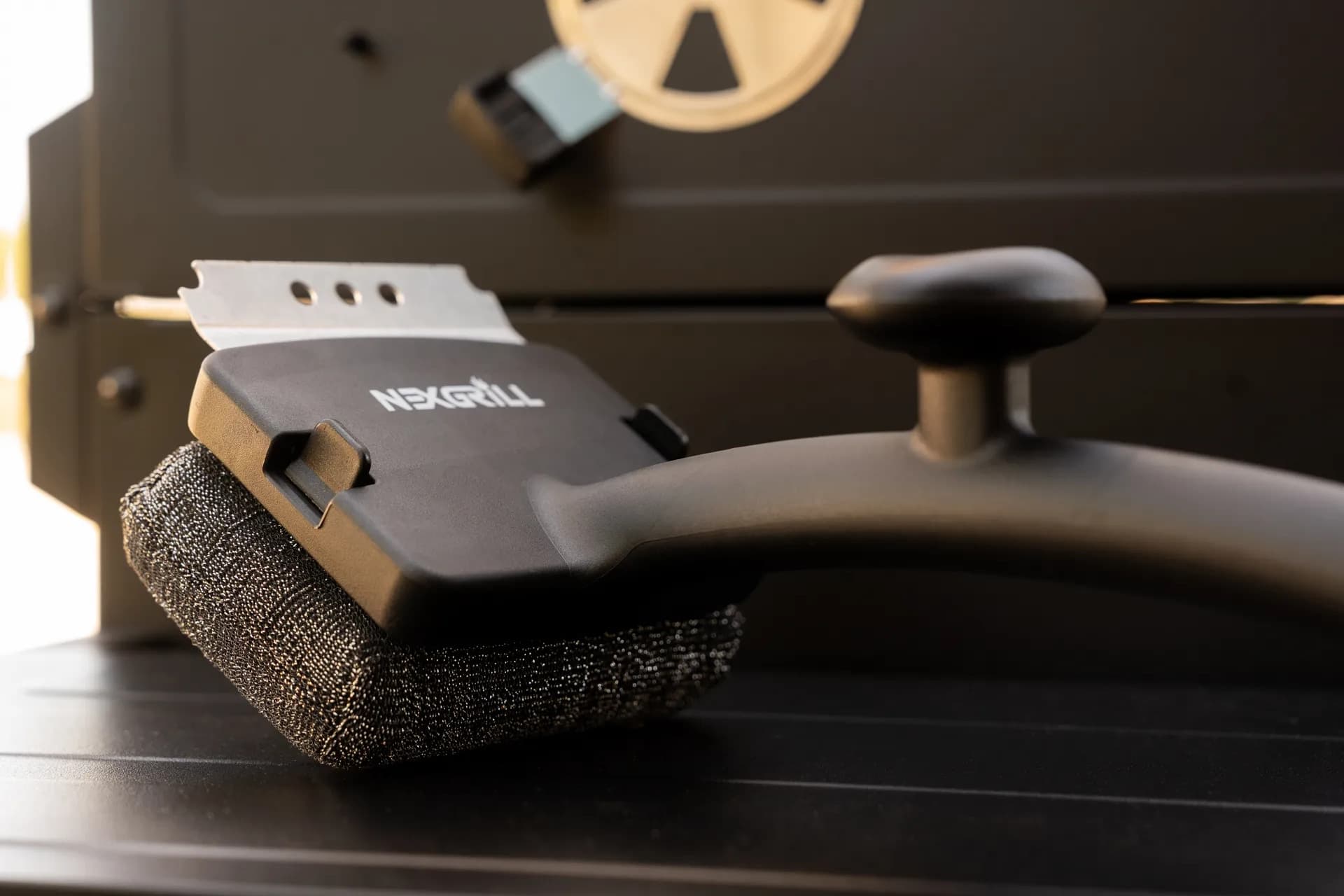
Maintenance is where many smart tools are either protected or slowly worn down. After each cook, wipe down probe bodies according to the manufacturer’s instructions and inspect the cable ends, contacts, or charging points for grease buildup. Probes that are stored dirty tend to become harder to clean later, and residue can interfere with charging or button response. If your accessories came with a case or dock, use it consistently rather than tossing devices into a drawer where cables can bend and connectors can get scratched.
For wireless accessories, battery health deserves regular attention. Avoid leaving devices fully discharged for long periods, and top them up before seasonal storage. If the accessory uses replaceable batteries, keep spares on hand so you are not forced to improvise during a cook. Software maintenance matters too: check for firmware or app updates when available, because manufacturers often refine alert behavior, connectivity stability, and interface clarity over time. That does not mean every update is dramatic, but small improvements can make the system noticeably easier to trust.
The simplest habit that most improves accessory lifespan and readiness for the next cook.
Storage conditions also affect longevity. Keep accessories away from direct sunlight, trapped moisture, and extreme heat when not in use. A garage shelf or indoor cabinet is usually better than leaving a charging base outdoors year-round. If you grill near salt air, moisture exposure becomes even more important, because corrosion can appear faster on connectors and housings. The cleaner and drier your storage routine, the longer your gear will stay dependable.
Finally, remember that smart accessories are still grilling tools. They should be treated like useful equipment, not fragile electronics that cannot handle real cooking. A good routine is simple: clean after use, recharge before storage, check accuracy occasionally, and keep the app or firmware current when needed. That modest upkeep is enough to keep most accessories ready for frequent backyard use and easier to trust during larger family meals or holiday cooks.
Once you've weighed two options against each other, the next step is deciding how smart tools fit into the way you already grill. The most successful setups are the ones that reduce interruption. If your routine is usually quick burgers, chicken thighs, and vegetables on a gas grill, you probably need one reliable meat thermometer and a simple ambient probe rather than a full multi-device system. If you cook larger cuts, entertain often, or run long smoking sessions, then a probe set and hub combination can save time and reduce stress because it keeps attention on the food instead of on the grill lid.
A practical way to build the habit is to connect the smart accessory to a repeated decision point in your cook. For example, use a remote thermometer on any protein that has a narrow ideal finish window, such as salmon, pork chops, or chicken breast. Use an ambient probe for longer cooks where the grill chamber temperature matters as much as the internal food temperature. Over time, this creates a useful rhythm: monitor early, trust the tool during the middle of the cook, and then use your own visual checks near the finish. That balance keeps the technology helpful without making you feel tethered to your phone.
For mixed cooking zones, smart tools are especially valuable. On a gas grill with one hotter side and one indirect side, an ambient probe helps you keep the cooler side stable for finishing thicker items. On a pellet smoker, it helps confirm that chamber temperature remains steady enough for ribs or pork shoulder. On a charcoal setup, it can reveal whether you need to adjust vents before the temperature drift becomes a problem. In all of these situations, the accessory is not changing how the fire behaves; it is showing you the change early enough to respond calmly.
A smart tool works best when it supports a repeatable habit. Pick one role for each device so the alerts do not compete with each other.
The other piece of routine integration is timing. Many cooks are tempted to treat alerts as urgent alarms, but a good system works better when you plan around them. If a thermometer tells you a roast is approaching target temperature, use that moment to finish sides, preheat a resting platter, or clear space for carryover cooking. The tool does not just tell you when to remove food. It helps you schedule the rest of the meal more intelligently. That is where smart accessories become less like gadgets and more like useful kitchen support outdoors.
In 2026, the most interesting smart grilling trend is not simply more connectivity. It is better context. Many devices now focus on giving you the right reading at the right moment, whether that means multiple probe support, smarter notifications, or cleaner dashboards that are easier to read from a phone or tablet. That shift matters because grilling is already a live environment. If a tool requires too much screen navigation, it becomes less useful, not more. The best products are moving toward faster interpretation rather than more complicated menus.
Another clear trend is broader compatibility across cooking styles. Many households do not rely on only one type of grill. They may use a gas grill for weeknight meals, a griddle for breakfast, and a smoker for weekend projects. Smart accessories that travel well across those setups are becoming more valuable than niche tools that work only in one narrow context. That is why modular systems and removable probes are attractive: they let the user invest once and adapt the same core tool to different meals.
Future-forward accessories are also emphasizing better battery efficiency, more durable housings, and clearer alerts for shared households. That last part matters more than it sounds. In a busy home, more than one person may check the app, react to the alert, or take food off the grill. A tool that shares status cleanly can reduce duplication and prevent someone from opening the lid just to confirm what the app already knows. The market is moving toward devices that fit real family use, not just hobbyist experiments.
Watch for feature overload. The most advanced product is not always the most practical if the screen is crowded or the setup is too time-consuming for everyday use.
A realistic way to think about future trends is to ask whether a feature saves time, increases confidence, or improves consistency. If the answer is no, it may be a novelty. A stronger trend is the move toward accessories that are easier to share and easier to store. Docking systems, simpler pairing steps, and clearer probe labeling all make a real difference during long cooks and family gatherings. Those are the sorts of improvements that busy home grillers actually feel, even if they are not flashy in a product photo.
When comparing accessories, the right choice depends less on the size of the screen and more on the way you cook. A single smart meat thermometer is usually the best first purchase for most people because it improves the outcome of the food itself. It is the most direct answer to the question, “Is it ready yet?” Wireless grill probes are the better second step if your concern is not just doneness but also how the grill environment behaves during the cook. Smart hubs are best for cooks who need to coordinate several probes, multiple proteins, or longer smoking sessions where oversight becomes more complex.
| Accessory Type | Best Use Case | Main Advantage | Trade-Off |
|---|---|---|---|
| Smart meat thermometer | Everyday grilling and precise finish temperatures | Improves food doneness accuracy | May not monitor grill chamber conditions on its own |
| Wireless grill probe | Smoking, indirect heat, and zone management | Tracks ambient conditions remotely | Less useful if you only cook short, direct-heat meals |
| Smart grilling hub | Multi-probe cooks and group meals | Centralizes several readings | More setup and more features than a simple thermometer |
For a Nexgrill customer deciding among these options, the rule of thumb is simple. If your biggest pain point is overcooked meat, start with a smart thermometer. If your biggest pain point is holding steady grill temperature over time, add an ambient probe. If your biggest pain point is managing multiple foods at once, move to a hub. That progression keeps spending tied to actual needs instead of speculative features. It also works well for households that want to upgrade gradually rather than replace everything at once.
The smartest way to get more from these tools is to use them with a plan. Before the cook starts, set your target temperatures, assign each probe a task, and decide what alert should trigger a response. That planning step is what turns live temperature data into useful action. During the cook, avoid constant app checking. Instead, use alerts to define checkpoints: one when the grill is stable, one when the food is nearing target, and one when it is time to rest. This reduces stress and makes the process feel smoother.
Another high-value habit is to learn each accessory’s response time. Some probes react quickly, while others lag enough that you need to anticipate the final few degrees. If you are cooking steak, that matters because carryover heat can finish the job quickly. If you are cooking thicker pork or poultry, it matters because the final minutes may need more attention than the app suggests. Knowing your tool’s behavior is just as important as knowing the recipe.
Tip: Reuse a simple checklist every cook. Charge, pair, label, place probes, and confirm notifications. The routine pays off fast.
It is also worth matching the accessory to the meal, not the other way around. For a fast dinner, a basic probe is enough. For ribs or brisket, use a wider monitoring setup. For a family brunch on a griddle, temperature tools may help less than they do on a smoker, so do not force a smart solution where visual timing already works well. The goal is to support better cooking judgment, not replace it.
Smart grilling accessories are widely available through online marketplaces, specialty grilling retailers, and brand sites that focus on outdoor cooking equipment. The best place to buy depends on what you value most: product selection, compatibility information, customer support, or bundle options. If you want to compare categories and browse a broader grilling assortment in one place, the Nexgrill All Products collection is a useful starting point because it keeps outdoor cooking gear organized by category and helps you think beyond a single accessory.
For buyers in the United States, shopping availability often comes down to whether you want fast shipping, easy returns, or the ability to compare specifications before purchase. Online product pages are especially helpful for smart accessories because they usually list probe count, app support, battery type, and device dimensions more clearly than a shelf tag can. If you already own a grill, make sure the accessory suits your cooking setup and your storage space. A portable accessory kit may be a better fit for tailgates and compact patios, while a larger hub system makes more sense for a fixed backyard setup.
For additional background on the brand, you can also review Nexgrill’s About Us page and homepage to understand how the company positions its outdoor cooking lineup around accessible value and practical use. That context can help if you are choosing between a basic add-on and a more complete smart cooking setup. The right purchase is usually the one that fits your actual cooking habits, not the most feature-packed option on the page.
Here's what sets us apart
We position ourselves as delivering high-end outdoor cooking features and performance without premium-brand pricing, emphasizing “Quality Grills. Unbelievable Value.”
We offer gas grills, pellet grills, griddles, smokers, pizza ovens, portable/tabletop grills, electric grills, accessories, and replacement parts — allowing customers to stay within one ecosystem for all outdoor cooking needs.
We differentiate ourselves through smart grilling products like the Oakford smart pellet grill, including app-connected cooking controls and modern outdoor cooking technology.
Don't just take our word for it
Keep reading
From our catalog