Equip yourself with the right tools to elevate your grilling experience.
Here's what sets us apart from the competition
We position ourselves as delivering high-end outdoor cooking features and performance without premium-brand pricing, emphasizing “Quality Grills. Unbelievable Value.”
We offer gas grills, pellet grills, griddles, smokers, pizza ovens, portable/tabletop grills, electric grills, accessories, and replacement parts — allowing customers to stay within one ecosystem for all outdoor cooking needs.
We differentiate ourselves through smart grilling products like the Oakford smart pellet grill, including app-connected cooking controls and modern outdoor cooking technology.
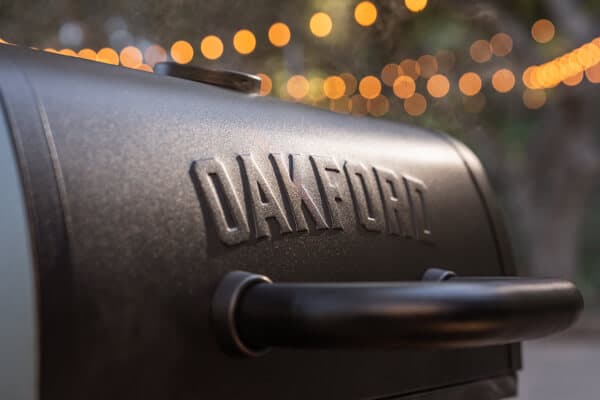
Expert tips, buying guides, comparisons, and inspiration for choosing and getting the most out of your grill.
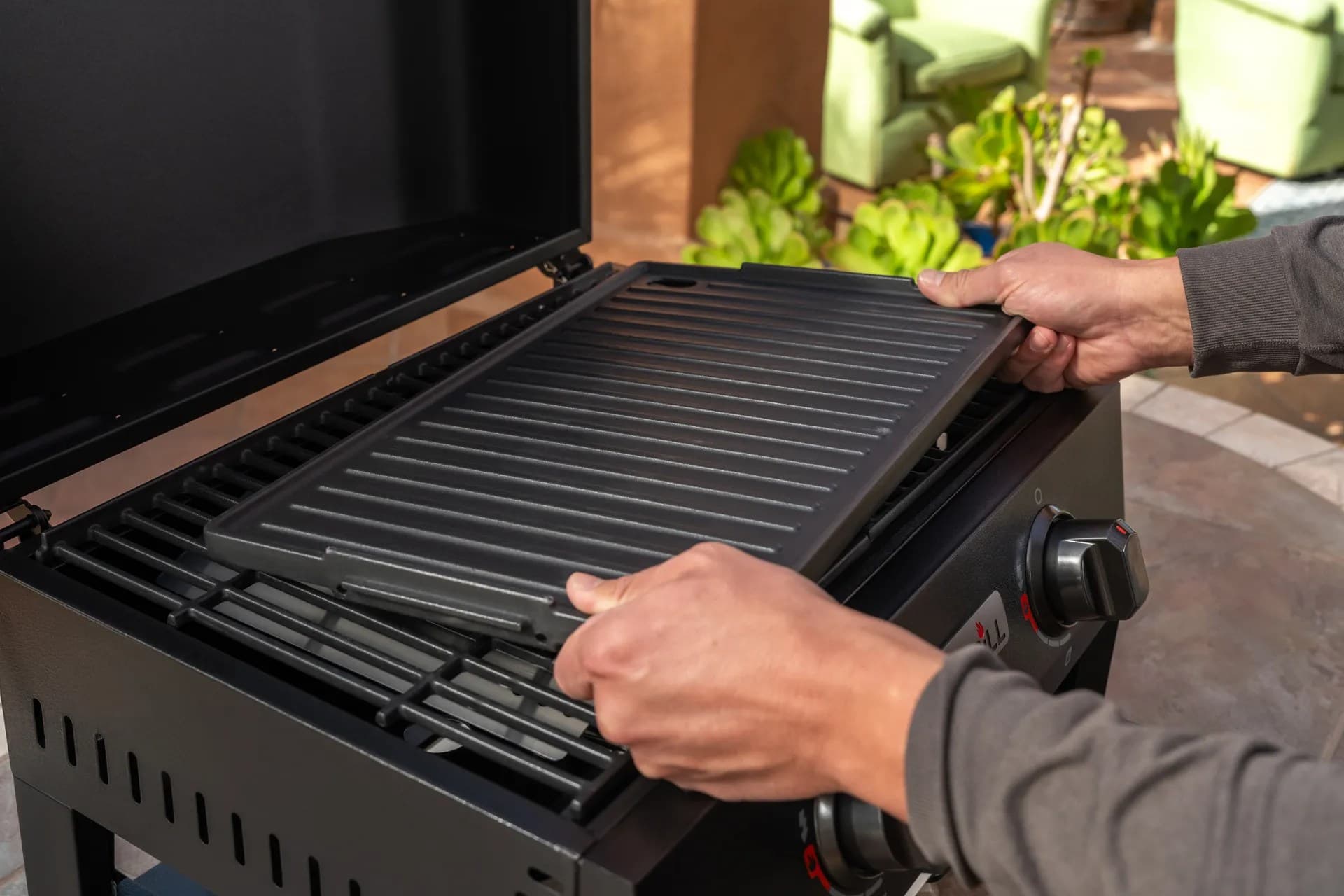
Practical guides for cleaning, maintenance, common grill issues, and performance optimization.
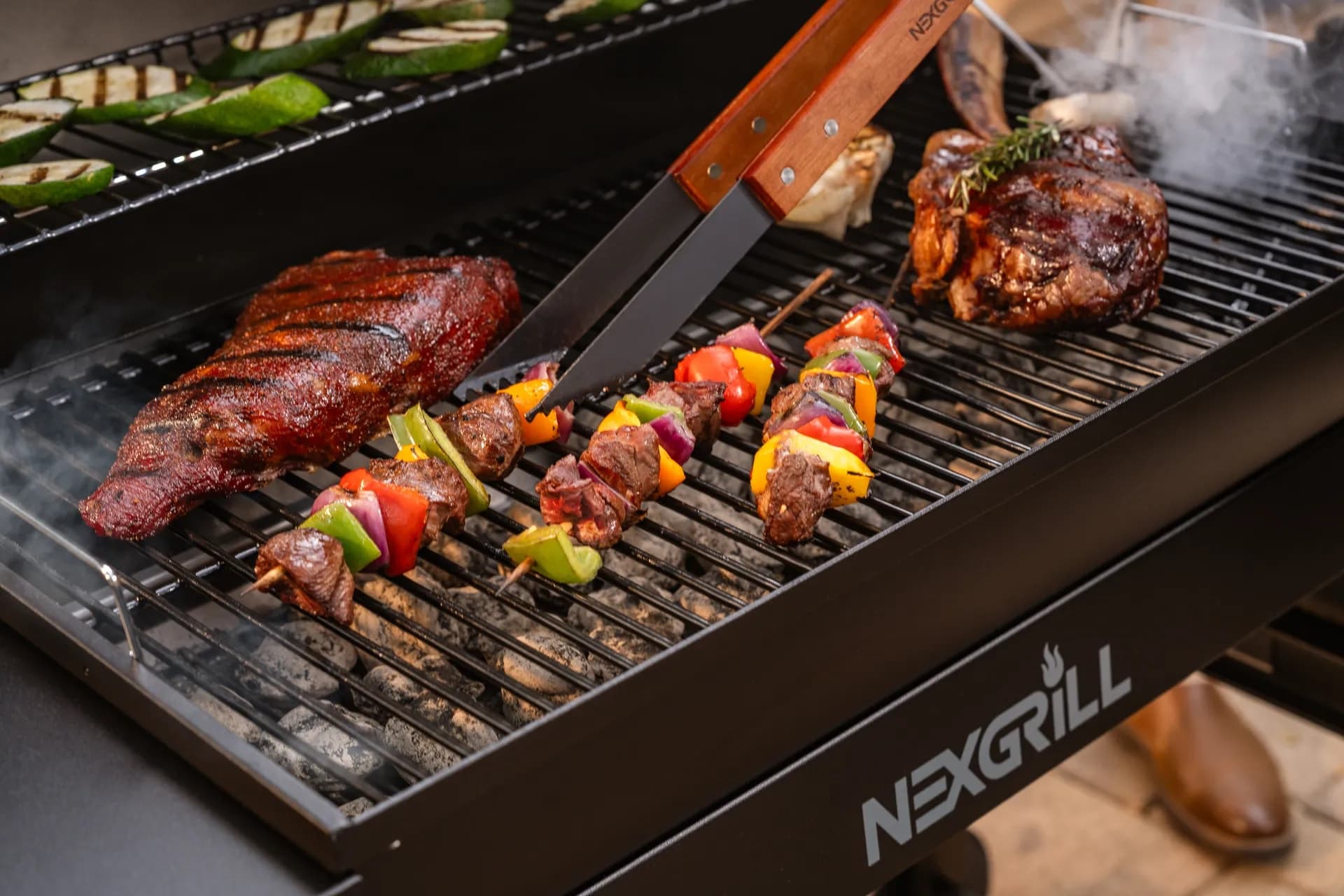
Step-by-step grilling recipes, cooking techniques, and meal ideas for every occasion and skill level.
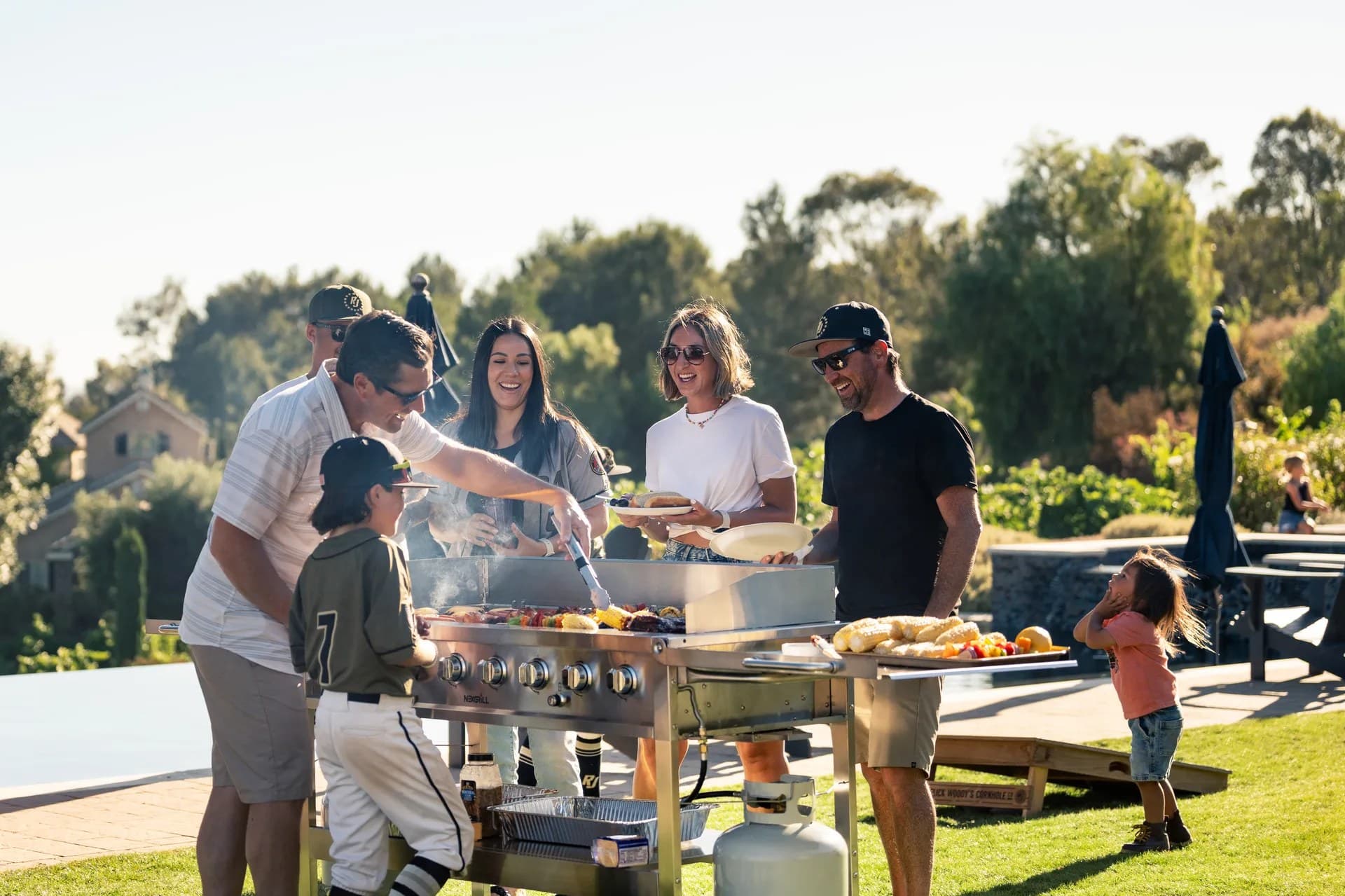
Backyard entertaining ideas, seasonal grilling inspiration, and stories that celebrate outdoor cooking culture.
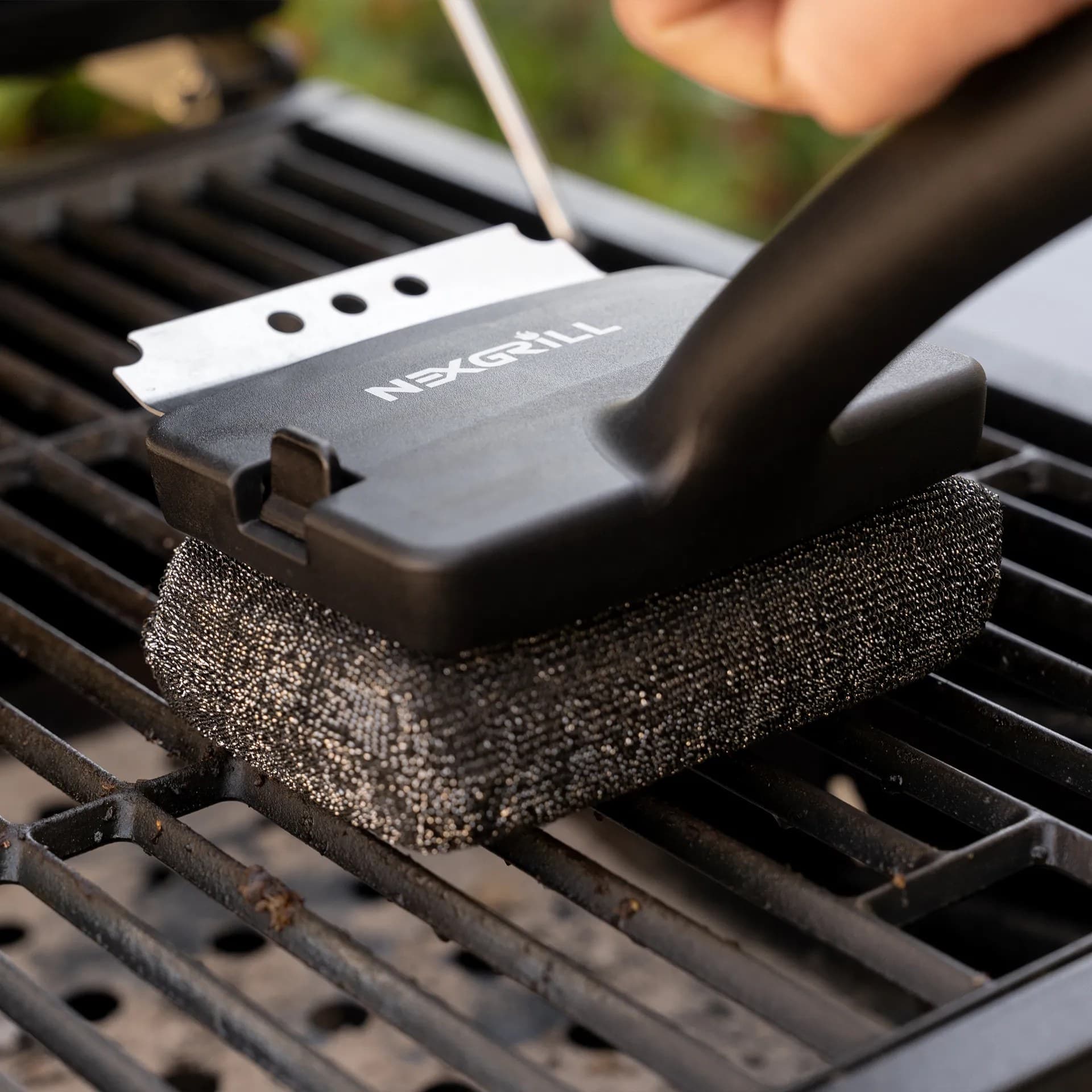
Helpful articles covering grilling tools, cookware, maintenance gear, and must-have accessories for outdoor cooking.
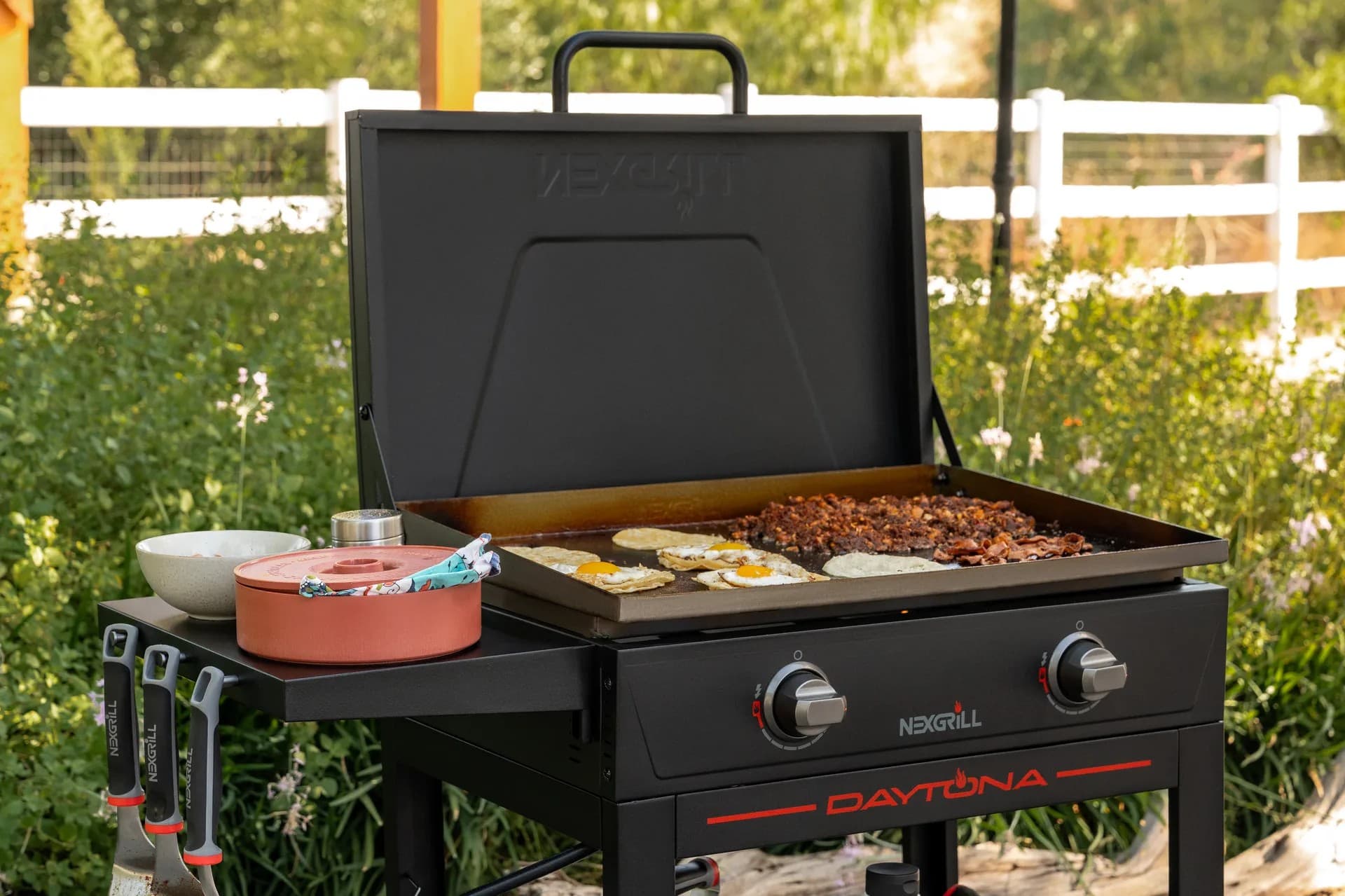
Find griddle recipes, cooking techniques, cleaning tips, and outdoor meal ideas designed for Nexgrill griddles.
Find answers to common questions
Nexgrill offers a variety of accessories including grill tools, covers, cooking utensils, and replacement parts designed to enhance your grilling experience.
Many Nexgrill accessories are widely compatible with various grill brands, but it is recommended to check the specifications for proper fit and functionality.
To maintain your Nexgrill accessories, regularly clean them with warm soapy water, avoid using abrasive materials that could scratch the surface, and store them in a dry place when not in use.
Yes, Nexgrill accessories can be purchased separately from the grills, allowing customers to customize their grilling setup as needed.
Instructions for using Nexgrill accessories are typically included in the packaging, and additional resources can be found on the Nexgrill website or in the product user manuals.
In This Article
Long-Handled Tongs
Sturdy Spatula
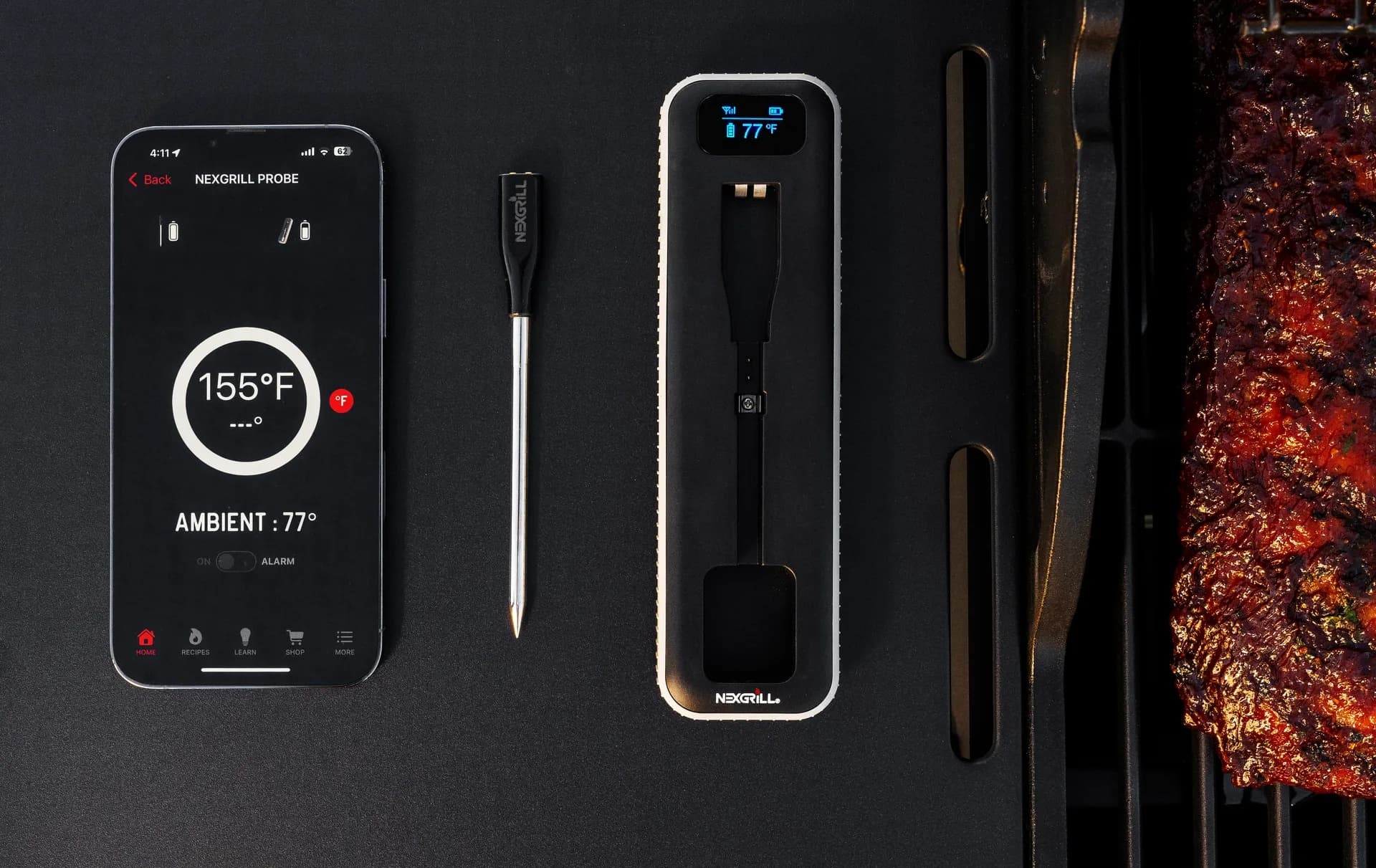
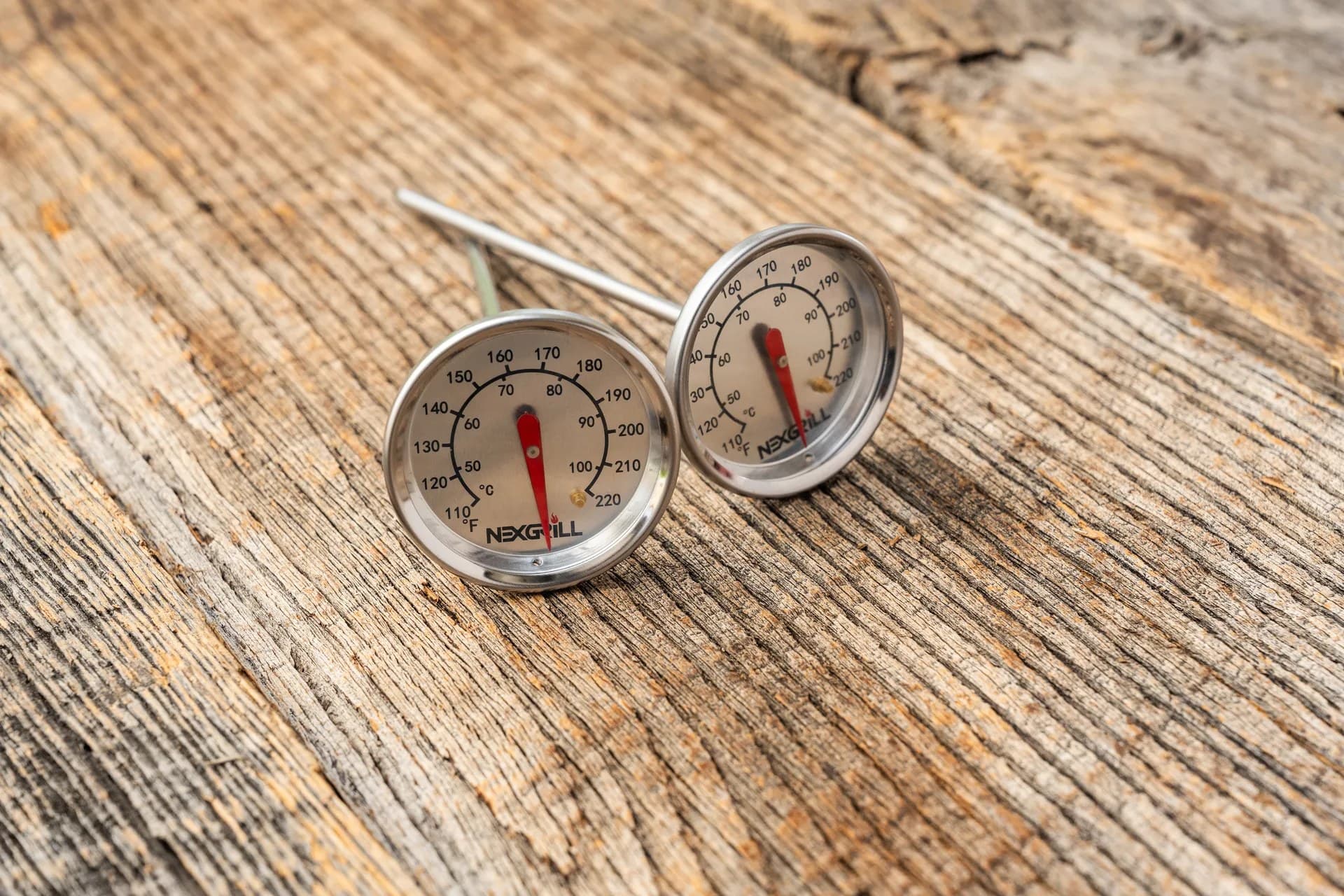
Instant-Read Meat Thermometer
Great BBQ is rarely about one dramatic piece of equipment. More often, it comes down to the small tools that let you manage heat, move food confidently, and keep control when the cook gets busy. The right set of tools does more than make grilling easier; it changes how you work at the grill. Long-handled tongs keep your hands farther from flare-ups, a sturdy spatula helps you move delicate foods without tearing them, and an instant-read thermometer removes the guesswork from doneness. Those three items alone can prevent the most common grilling mistakes: burned knuckles, broken fillets, and overcooked meat.
If you are just starting out, tools can feel secondary to the grill itself, but experienced cooks know better. A well-made set of grilling tools helps you cook with more precision, not just more convenience. That matters whether you are searing steaks on a weeknight, turning chicken thighs for a family dinner, or timing a rack of ribs for a backyard gathering. Good tools also make the process safer and cleaner, which is important when you are working with high heat, grease, smoke, and food that needs careful handling. In practice, the best grilling tools are the ones that disappear into the workflow: they feel balanced, respond quickly, and hold up to repeated use.
can solve most everyday BBQ handling and doneness problems
A useful way to think about grilling accessories is by task. Some tools move food. Some tools measure temperature. Some tools protect your hands and improve your setup. That distinction helps you buy with purpose instead of filling a drawer with gadgets you will barely use. For example, a beginner might think a fork is enough to flip burgers, but puncturing the meat lets juices escape. Tongs solve that problem immediately. Or a cook might rely on visual cues for chicken, only to end up with dry meat or undercooked pieces. An instant-read thermometer gives you a clearer answer in seconds. Small improvements like these build confidence fast, which is why a modest tool kit often delivers better results than an oversized one.
Tip: Start with tools that directly affect food handling and temperature control before buying specialty gadgets. That order usually delivers the best value.
Another reason quality matters is consistency. Tools that flex, slip, or feel awkward can interrupt the rhythm of grilling. If you are repeatedly struggling to grab burgers, lift vegetables, or check internal temperature, you are more likely to over-handle food and lose track of timing. Good tools reduce friction. They also support better habits, like resting meats after cooking or moving food to indirect heat when the exterior is browning too quickly. In other words, the tools do not cook for you, but they create the conditions for better decisions.
Every grilling setup should begin with a few essentials that work reliably under heat. Long-handled tongs are the most versatile tool in that set. Look for a pair with a strong spring or smooth locking mechanism, scalloped tips for grip, and enough length to keep your hands away from the grate. Tongs are ideal for turning chicken pieces, sausages, corn, vegetables, and thick cuts of meat. They are also the safest way to reposition items when flare-ups appear. A good pair should open and close easily with one hand, because you often need your other hand free for a lid, tray, or thermometer.
| Tool | Best Use | What to Look For |
|---|---|---|
| Long-handled tongs | Turning and repositioning food | Strong grip, heat-resistant handle, comfortable length |
| Sturdy spatula | Flipping burgers, fish, and sandwiches | Wide blade, firm edge, rigid spine |
| Instant-read thermometer | Checking doneness quickly | Fast response, readable display, durable probe |
A sturdy spatula is equally important, especially if you cook burgers, fish, or anything that breaks apart easily. The best grilling spatulas have a thin front edge for sliding under food and a rigid body that will not twist when you lift something heavy. For burgers, a wider blade helps support the full patty. For fish, a slim but strong blade works better because it can get underneath without shredding the skin or flesh. If you cook smash burgers or sandwiches on a griddle-style surface, a spatula with a solid handle and enough blade length becomes even more useful because you can control both pressure and angle more precisely.
Warning: A flimsy spatula can bend at the worst moment, especially under a heavy burger or a piece of fish just beginning to release from the grate.
The instant-read meat thermometer may be the most important accuracy tool in the entire kit. It tells you when to pull meat off the grill based on actual temperature, not guesswork. That is especially helpful for thicker proteins such as chicken breasts, pork chops, brisket point cuts, and roasts. A fast thermometer can save you from slicing into meat too early, which releases juices and lowers serving quality. It also helps you avoid overcooking, which is one of the most common reasons home-grilled food disappoints. If you only buy one tool to improve results immediately, this is the one that most often changes the outcome.
Beyond those three essentials, a practical grill kit often includes a basting brush, heat-resistant gloves, a grill brush or scraper, and a tray or platter for carrying food in stages. These are not glamorous purchases, but they support the cooking flow. A brush helps with sauce application during the final minutes of cooking, gloves help when moving hot grates or pans, and a dedicated tray keeps raw and cooked items separated. The point is not to gather every accessory available. The point is to build a kit that removes hesitation when the grill is hot and the food is moving quickly.
Once the essentials are covered, you can add accessories that improve comfort, organization, and control. Heat-resistant gloves are a smart next step for anyone who frequently handles hot pans, adjustable grates, or cast-iron cookware on the grill. They are especially helpful when you need to move something that cannot be safely gripped with tongs alone. A good pair should protect against brief contact with hot surfaces while still giving you enough dexterity to lift lids or adjust tools. They are not a substitute for caution, but they do add a layer of confidence when you are managing a full cook.
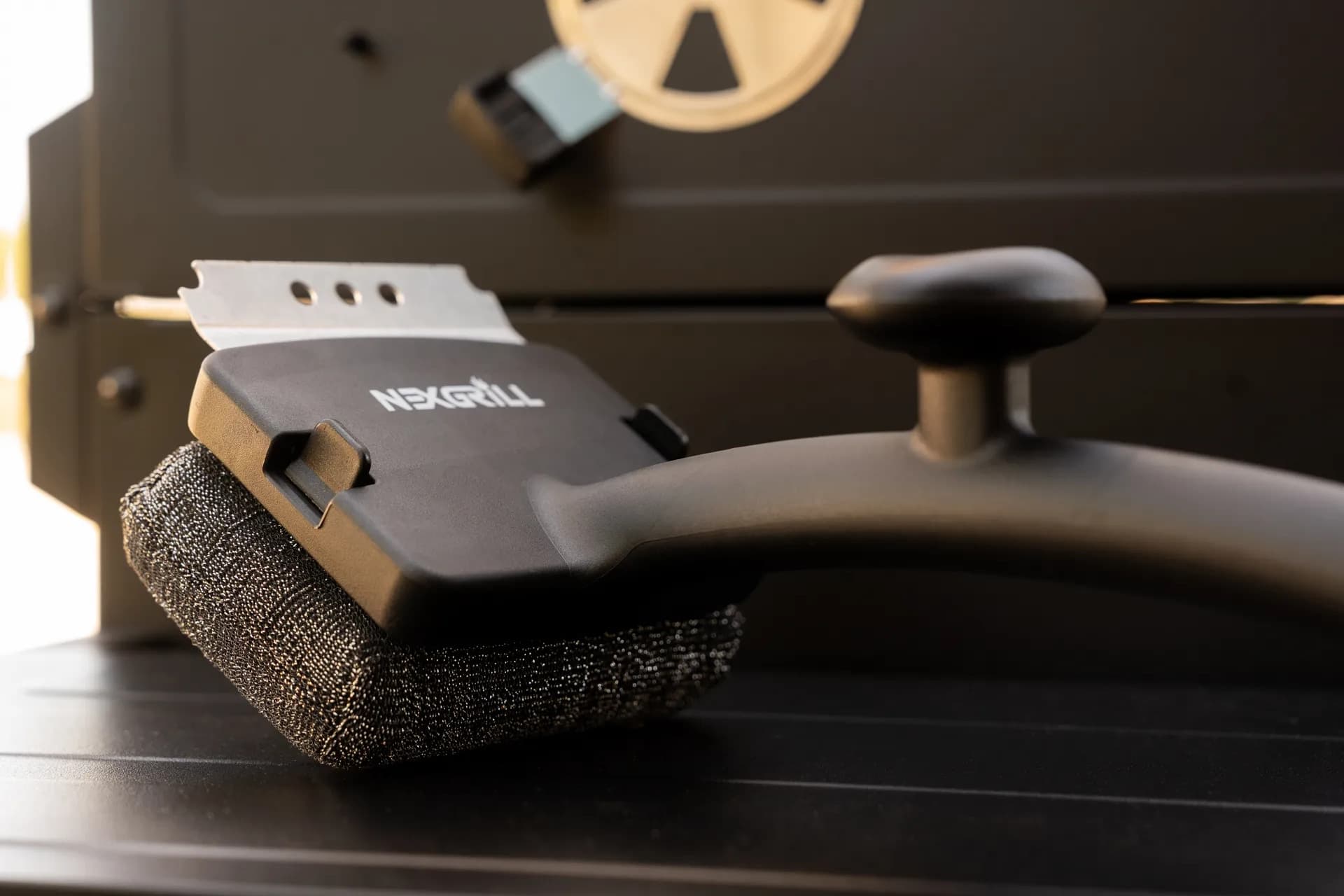
A reliable grill brush or grate scraper is another practical addition, though it is often underappreciated until buildup starts affecting food release. Clean grates help with searing, reduce sticking, and make it easier to create attractive grill marks. Choose a brush or scraper that matches your grate material and can handle repeated cleaning without fraying or bending. If you prefer to avoid brushes, a rigid scraper paired with a warm grate can work well for many cook setups. The main idea is to clean after the food comes off while residue is still easier to remove.
Trays, sheet pans, and shallow prep containers also earn their place around the grill. These are especially helpful for staging food before it goes on the heat. A tray for raw protein, a separate tray for cooked food, and a container for sauces or seasoning keeps the process organized and reduces cross-contamination. Serious grillers often underestimate how much smoother the session becomes when they are not hunting for a plate or paper towel with one hand while holding tongs in the other. Good organization is a quiet performance upgrade.
Tip: Build your grill station like a kitchen workflow. Keep heat tools, food trays, seasoning, and thermometer access in separate, predictable spots.
For cooks who like to manage multiple foods at once, tool selection should also reflect the types of meals you make most often. If you grill vegetables and seafood frequently, choose lighter, more precise tools. If you cook briskets, pork shoulders, or large cuts, focus on strong tongs, a dependable thermometer, and gloves that can handle hot cookware. If your typical session is burgers, hot dogs, and chicken thighs, then a simple three-tool core may be enough for years. The best accessory set is not the one with the most pieces; it is the one that fits your actual menu.
Good tools last longer when they are cleaned and stored properly. After each cook, wipe down metal surfaces, remove grease and food residue, and dry the tools fully before putting them away. Moisture is the enemy of many grilling accessories, especially if they are stored in a damp garage, on an open patio, or in a drawer near the grill where condensation can collect. Even stainless steel benefits from being kept clean and dry. Handles, hinges, and joints should be checked regularly because that is where wear usually shows up first.
Pay attention to the condition of the thermometer probe as well. A bent or dirty probe can affect your confidence and make readings harder to trust. Clean it according to the manufacturer’s instructions after each use, and keep the display portion protected from heat and splatter. For tongs and spatulas, inspect the pivot point or blade connection if there is one. If the tool starts wobbling, sticking, or losing spring tension, it may still work for light tasks but not for regular grilling. Replacing a worn tool before it fails is usually cheaper than dealing with a dropped steak or a burned hand.
help preserve safety, accuracy, and food quality over time
Storage matters too. Keeping tools in a dedicated bin, drawer, or hanging rack prevents nicks and makes them easier to grab when you are setting up for a cook. It also helps avoid the frustration of digging through a kitchen drawer while the grill is already hot. If you grill seasonally, inspect your tools before the start of the season so you are not discovering worn handles or a dead thermometer battery at the last minute. A short preseason check often saves a lot of inconvenience later.
Finally, remember that maintenance is not just about durability. It is about maintaining performance. A spatula that has been cleaned thoroughly slides better. Tongs that operate smoothly are easier to use. A thermometer with a fresh battery and clean probe gives faster, more trustworthy readings. In a grilling setup, reliability is part of the cooking process itself.
The most useful BBQ grilling tools are the ones that make your cooking safer, faster, and more accurate without getting in the way. Long-handled tongs, a sturdy spatula, and an instant-read thermometer form the backbone of a practical grill kit because they address the three biggest challenges at the grill: handling food, moving it cleanly, and knowing when it is ready. Once you have those basics in place, additional accessories can support your style, but they should be chosen deliberately rather than added out of habit.
For beginners, the benefit is confidence. For experienced grillers, the benefit is consistency. In both cases, quality tools reduce mistakes and make the cooking process feel smoother. That is what makes them worth the investment. If you are building or refining your setup, start with the items that directly affect how you cook, then add only the accessories that fit your routine. Try comparing two products side by side below to see which fits best:
Once you have compared your options, the next step is matching the tool to the way you actually grill. The best set for a first-time backyard cook is not the same as the best set for someone who regularly sears steaks, smokes ribs, or cooks seafood on a crowded grate. Start by looking at your most common meals, the size of your grill, and how much time you want to spend on prep and cleanup. A tool that feels slightly overbuilt for burgers may be exactly right for cast iron, while a lightweight utensil that works well for vegetables may struggle with heavier cuts.
A practical way to choose is to identify the one tool that solves your biggest frustration. If you keep overcooking chicken, prioritize a thermometer with a fast response time. If food tears when you flip it, buy a stronger spatula. If your hands get too close to the heat, upgrade to longer tongs or heat-resistant gloves. This approach keeps spending focused on real problems rather than novelty features. It also helps you avoid the common mistake of buying a full set before you know which items you actually use every time you grill.
Info: Tool choice should follow your cooking style first, not the size of the bundle or the number of pieces included.
Consider ergonomics as well. If you grill for long sessions, handle shape and balance matter more than many buyers expect. A tool that feels too heavy or awkward can make repetitive tasks tiring. That becomes noticeable when you are turning several batches of food, checking multiple steaks, or managing a long cook. For frequent use, comfortable grips, stable joints, and a design that reduces wrist strain are worth paying attention to. A good tool should feel intuitive enough that you stop noticing it after the first few uses.
When comparing core tools, focus on what each one contributes to cooking performance rather than simply how it looks. Tongs should have a secure grip and enough stiffness to move food without slipping. Spatulas should combine a thin edge for sliding under food with enough rigidity to support what you lift. Thermometers should be fast, readable, and durable enough to survive repeated use near heat and grease. Those are the features that matter most because they affect how you move through the actual cook.
| Tool Type | Primary Advantage | Typical Weak Point | Best For |
|---|---|---|---|
| Long-handled tongs | Safe control at the grate | Weak spring or poor grip | Steaks, chicken, vegetables, sausages |
| Sturdy spatula | Clean lifting without tearing | Flexible blade that bends under load | Burgers, fish, sandwiches, smash burgers |
| Instant-read thermometer | Fast doneness check | Slow response or hard-to-read display | Chicken, pork, roasts, mixed meat cooks |
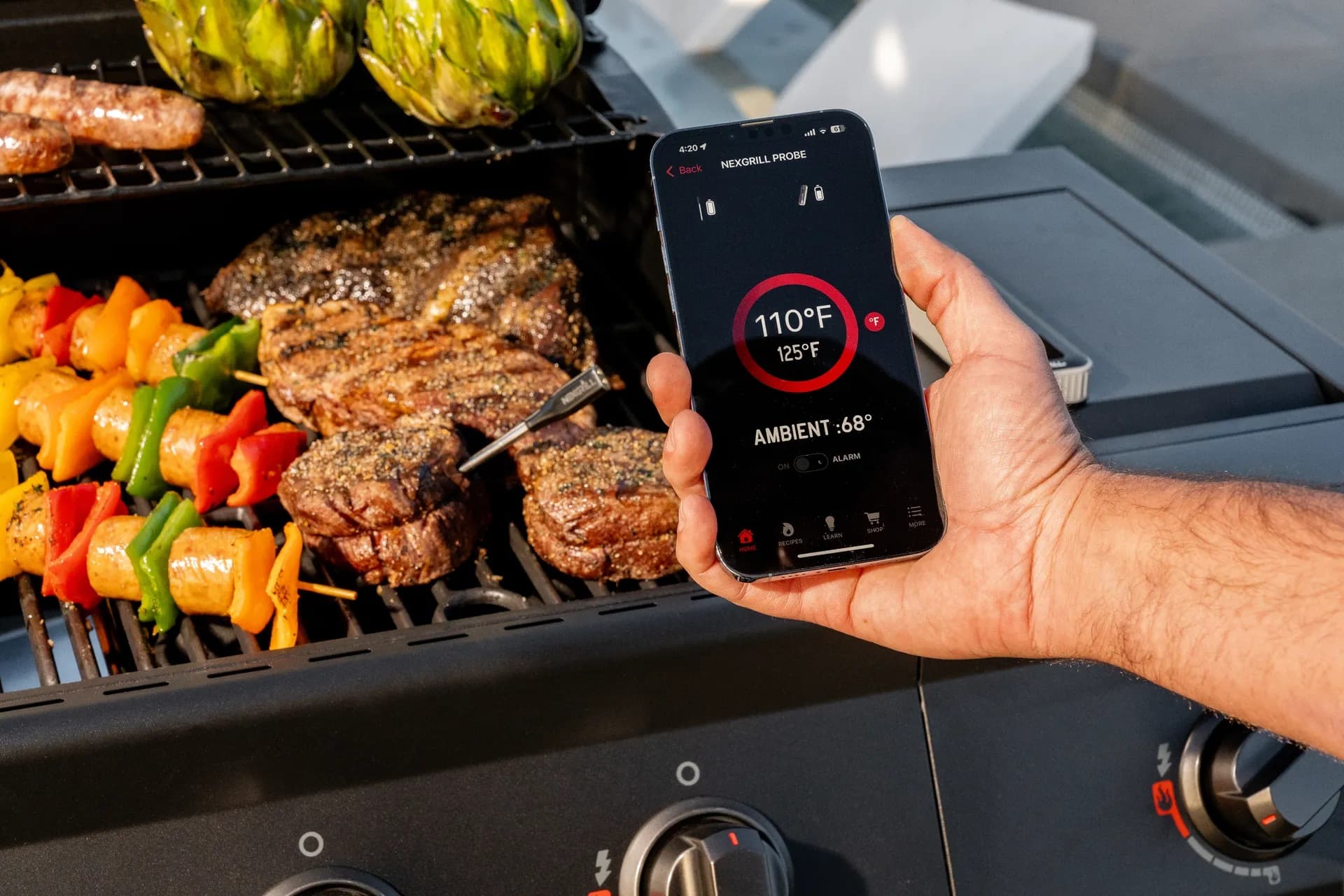
The benefit of a thermometer goes beyond food safety. It also helps with texture. Chicken pulled at the right point stays juicier, pork chops hold their moisture better, and thicker burgers stay tender rather than drying out. For many home cooks, temperature feedback is the difference between repeating a recipe and refining it. If you want to get better at grilling quickly, this is the tool that gives you the most useful feedback on every cook. It tells you what happened, not just what you hoped happened.
Warning: Do not judge doneness by color alone, especially with chicken and pork. Heat, lighting, and marinades can make visual cues unreliable.
The spatula is often underestimated because it seems simple, but in practice it handles some of the trickiest foods on the grill. Burgers often stick briefly before releasing, fish can fall apart if lifted too soon, and sandwiches need a wide, controlled lift. A rigid blade gives you leverage without forcing you to scoop or pry too aggressively. If you grill a lot of delicate foods, this is where build quality shows itself quickly. A weak blade can turn a tidy flip into a broken meal.
A lower budget does not have to mean low usefulness. In fact, some of the best-value grilling tools are simple, durable, and focused on one job. Instead of paying for novelty features, look for tools that use basic construction well. For tongs, that means a secure grip, a handle that stays comfortable, and a locking mechanism that actually holds. For a spatula, it means a strong blade and a handle that does not flex under pressure. For a thermometer, it means quick readings and a display that is easy to interpret in outdoor light.
Budget shoppers should also think in terms of replacement cost. A slightly cheaper tool that wears out after a season may cost more over time than a mid-priced option that lasts for years. That is especially true for items with moving parts, high-heat exposure, or repeated cleaning. If you are shopping economically, spend first on the tools you use every cook, then delay specialty items until you know they solve a real need. That keeps your kit lean and practical.
Tip: Value usually comes from durability and accuracy, not from the number of accessories in the package.
A smart budget approach is to buy one dependable item at a time. Start with tongs, then add a thermometer, then a spatula if you cook burgers or fish regularly. That sequence works well because each purchase improves a different part of the grilling process. It also lets you learn your preferences before investing in extras. Some grillers discover they want extra-long tongs. Others prefer a wider spatula blade. Buying gradually gives you that information before you commit to a full set.
More experienced grillers often move beyond basic handling tools and start looking for accessories that support control, timing, and repeatability. That can include digital probe thermometers for longer cooks, heavy-duty gloves for managing hot cookware, and specialized turners or scraper tools for specific food styles. The key is to choose advanced tools because they solve a technical problem, not because they are more elaborate. In serious grilling, a specialty tool should make a demanding task simpler or more precise.
For example, long cooks benefit from tools that reduce interruptions. If you are smoking meat or cooking at a controlled temperature over several hours, a thermometer that gives dependable readings without constant opening of the lid can help maintain temperature stability. If you frequently move large cuts or cast-iron pans, gloves with better heat handling can make the setup safer and more efficient. These tools are less about basic flipping and more about workflow, especially when you are managing several components of a meal at once.
Advanced users also tend to care more about build details. A handle that seems merely adequate for casual grilling may become annoying during a long cook. A thermometer that reads well in one setting but struggles in glare may be a poor fit for a bright patio. This is why seasoned grillers often select tools based on specific use conditions: night cooks, tailgates, large patio setups, or cooks with mixed proteins. The better the match between the tool and the situation, the more useful the tool becomes.
Info: Advanced tools should improve repeatability first. If a tool does not make your results more consistent, it is probably not worth adding.
Quality grilling tools are widely available through kitchenware retailers, home improvement stores, and brand websites that specialize in outdoor cooking. When shopping, use the product page to verify the most important details: material, handle length, temperature resistance, cleaning instructions, and what each item is designed to do. That information matters more than a product photo or a general description. If a listing does not clearly explain the tool’s purpose, it is usually better to keep looking.
For Nexgrill shoppers, it also makes sense to browse the broader outdoor cooking catalog so you can match accessories with the rest of your grill setup. A tool kit for a compact backyard grill may look different from one built for a larger cooking station, and the best purchase is often the one that fits the way you already cook. If you are choosing between similar tools, prioritize comfortable handling, heat durability, and accuracy over extra features you are unlikely to use. The right tool should feel practical on day one and dependable on day one hundred.
Before you buy, think about storage as well. If your kitchen or patio space is limited, tools that hang neatly or fit into a dedicated caddy can keep your setup cleaner and more efficient. If you grill often, a simple organizational system can matter as much as the tools themselves because it reduces setup time and helps prevent lost accessories. Good grilling is partly about cooking skill, but it is also about having the right items in the right place when the fire is ready.
Here's what sets us apart
We position ourselves as delivering high-end outdoor cooking features and performance without premium-brand pricing, emphasizing “Quality Grills. Unbelievable Value.”
We offer gas grills, pellet grills, griddles, smokers, pizza ovens, portable/tabletop grills, electric grills, accessories, and replacement parts — allowing customers to stay within one ecosystem for all outdoor cooking needs.
We differentiate ourselves through smart grilling products like the Oakford smart pellet grill, including app-connected cooking controls and modern outdoor cooking technology.
Don't just take our word for it
Keep reading
From our catalog