An in-depth analysis of top-performing gas grills featuring warming racks to enhance your outdoor cooking experience.
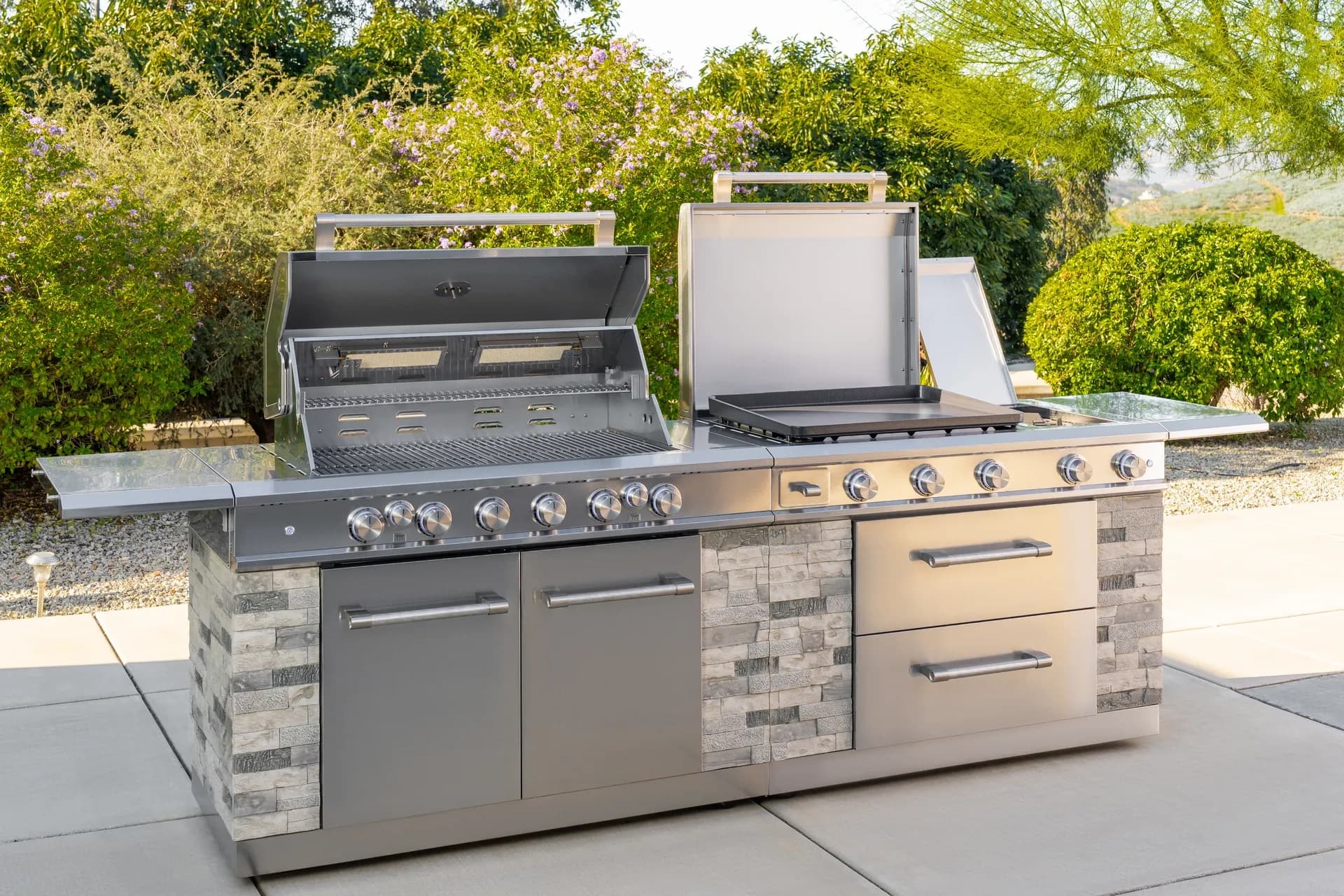
From sizzling breakfasts to smash burgers and teppanyaki-style dinners, the Daytona Pro 5 Burner NitroGuard™ Griddle delivers powerful heat, fast cooking, and a durable cooking surface built for every backyard cookout. Watch how easy outdoor cooking can be.
Here's what sets us apart from the competition
We position ourselves as delivering high-end outdoor cooking features and performance without premium-brand pricing, emphasizing “Quality Grills. Unbelievable Value.”
We offer gas grills, pellet grills, griddles, smokers, pizza ovens, portable/tabletop grills, electric grills, accessories, and replacement parts — allowing customers to stay within one ecosystem for all outdoor cooking needs.
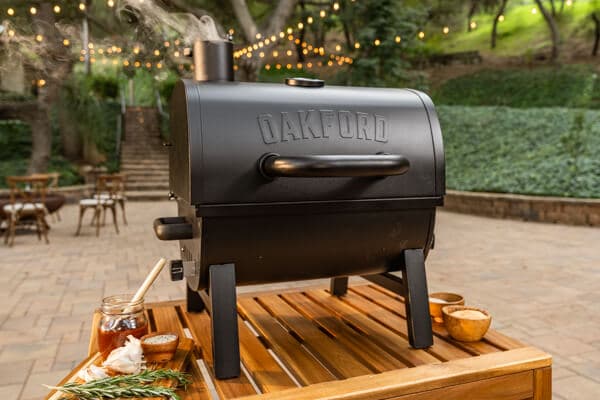
We differentiate ourselves through smart grilling products like the Oakford smart pellet grill, including app-connected cooking controls and modern outdoor cooking technology.
Expert tips, buying guides, comparisons, and inspiration for choosing and getting the most out of your grill.
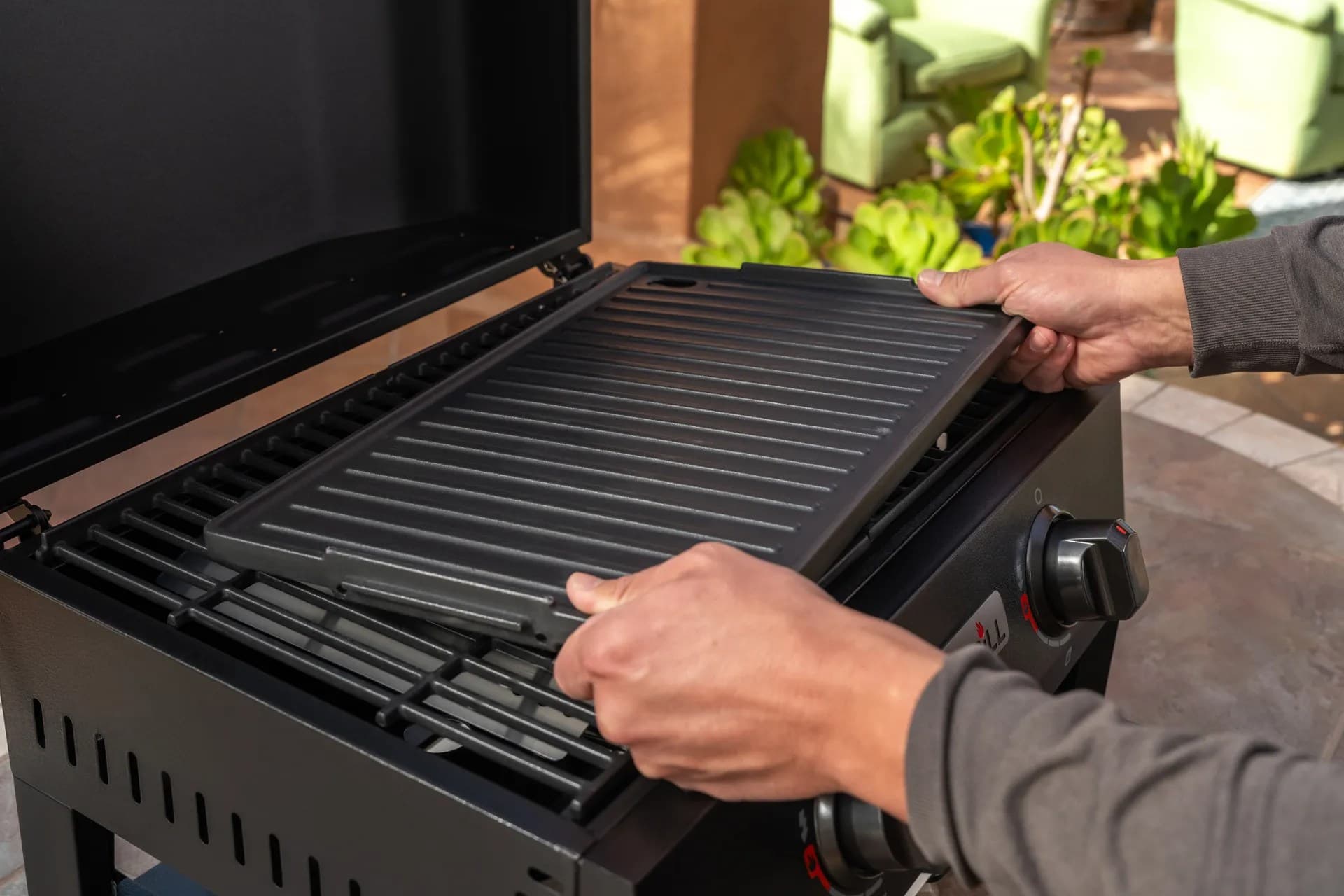
Practical guides for cleaning, maintenance, common grill issues, and performance optimization.
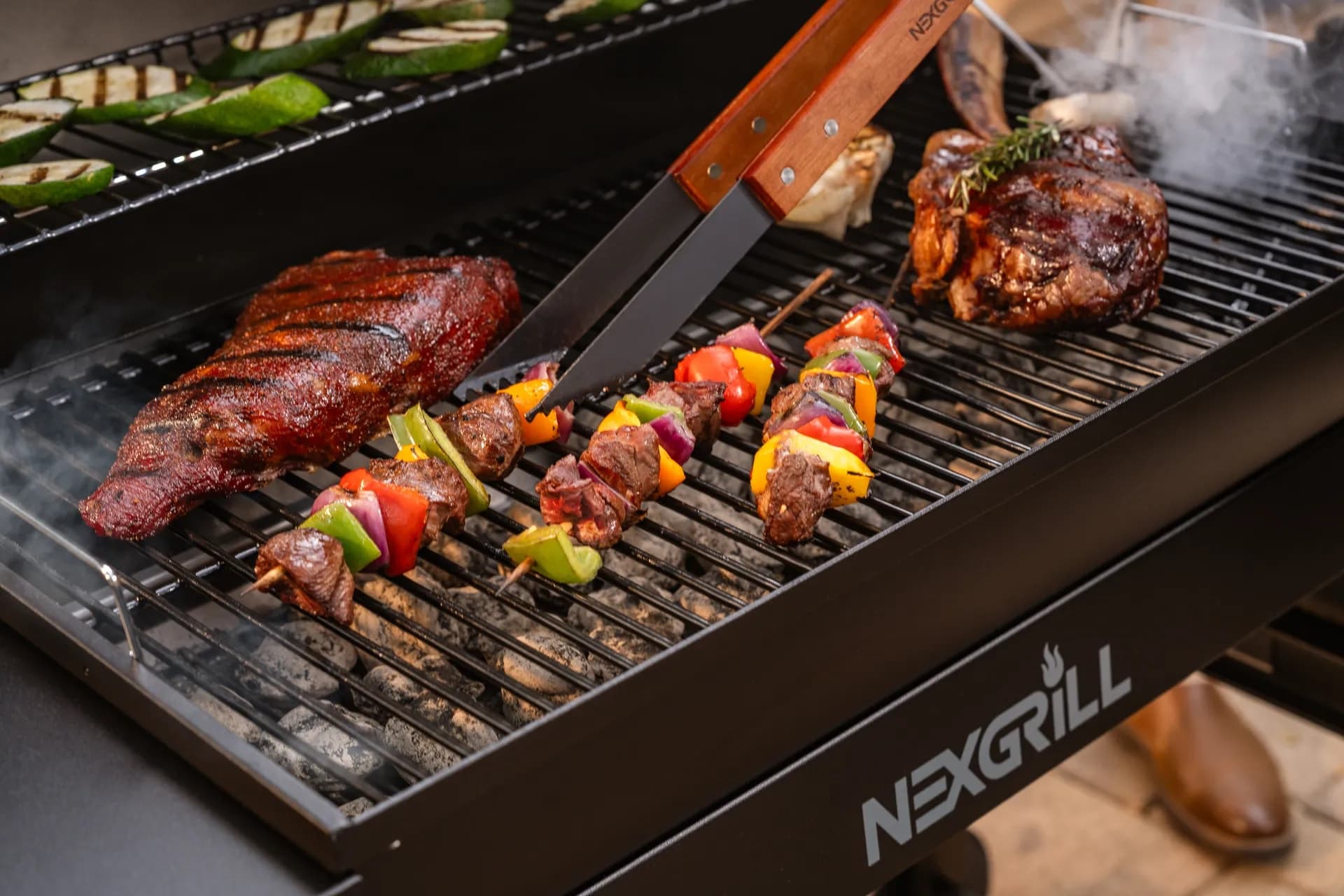
Step-by-step grilling recipes, cooking techniques, and meal ideas for every occasion and skill level.
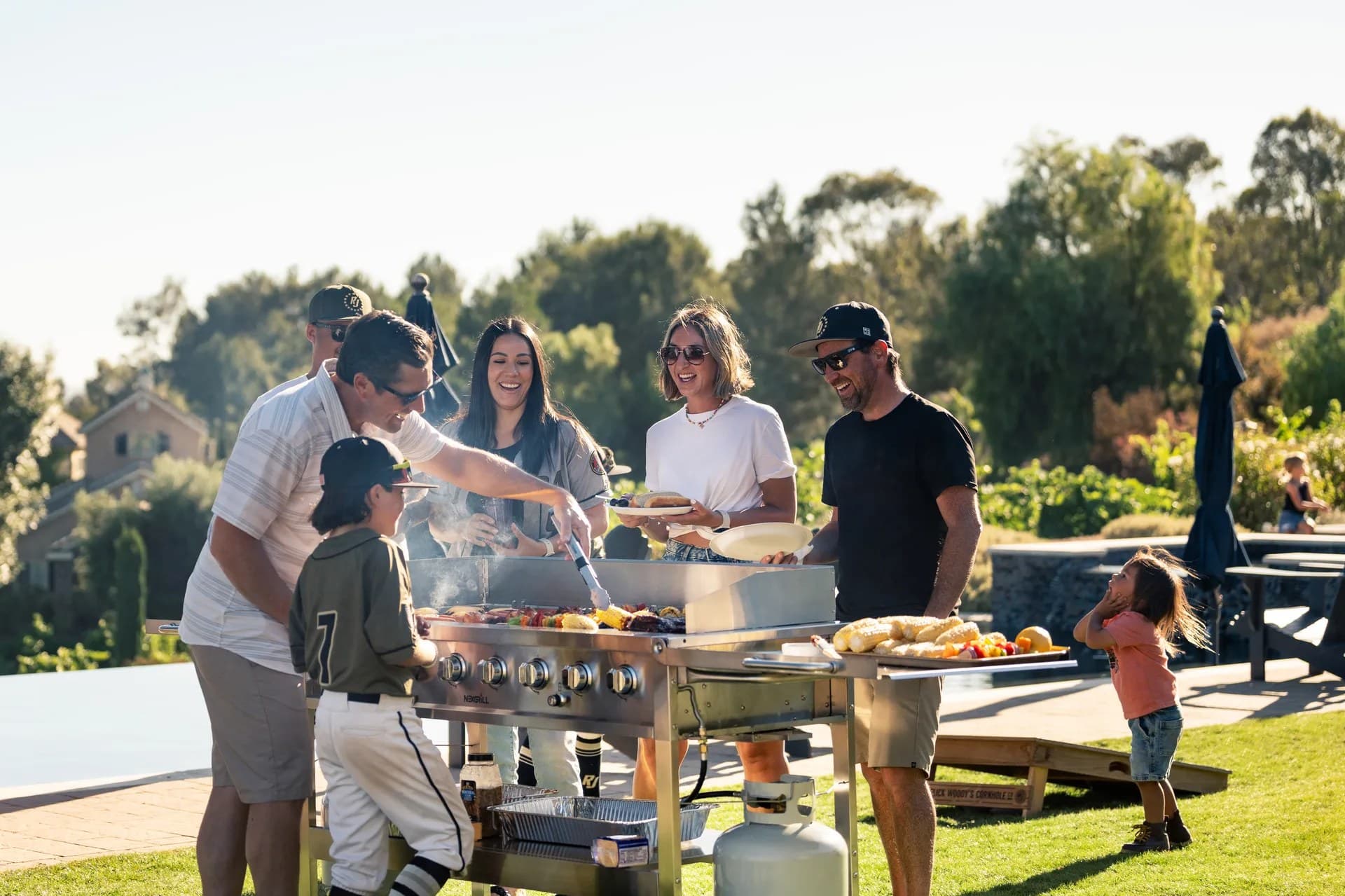
Backyard entertaining ideas, seasonal grilling inspiration, and stories that celebrate outdoor cooking culture.
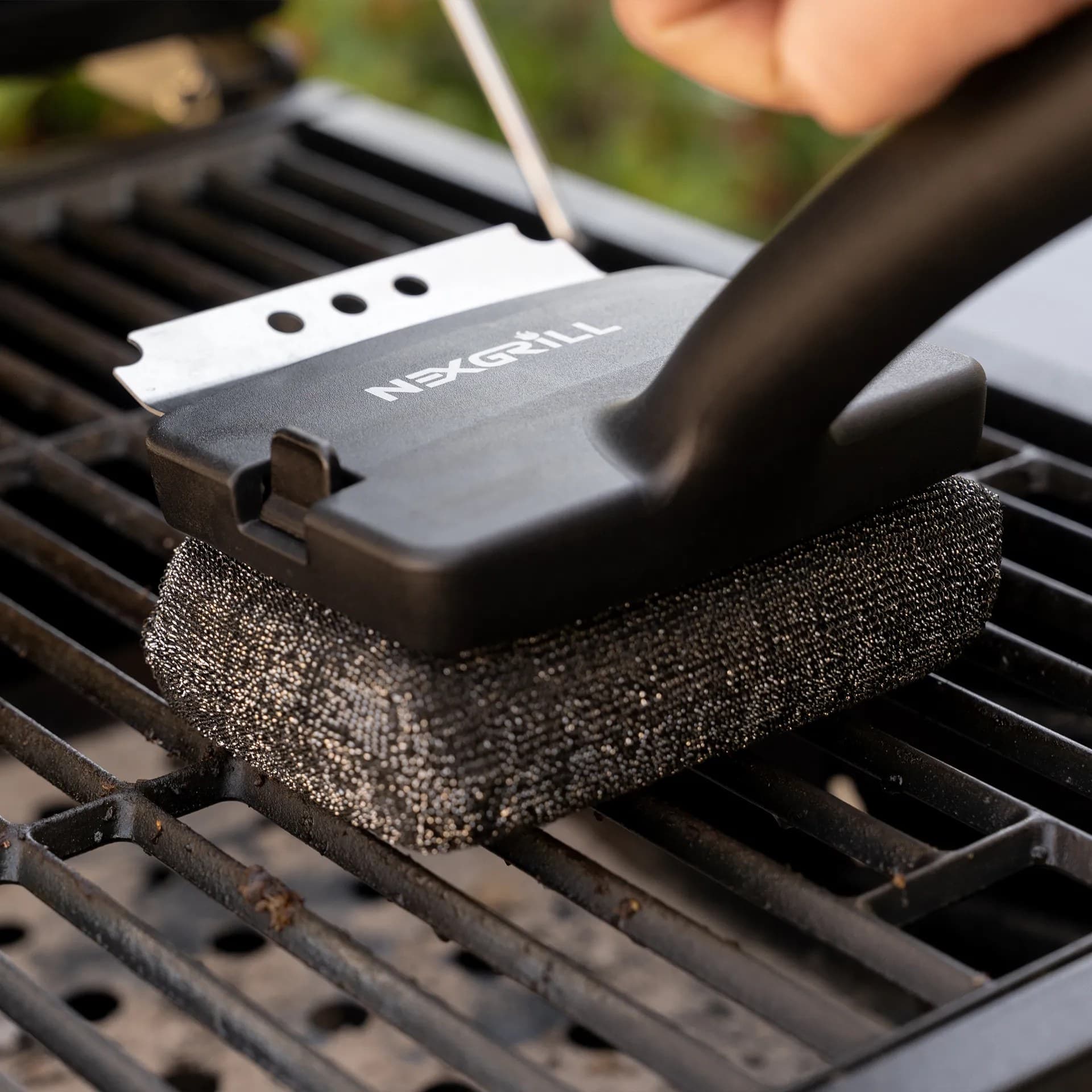
Helpful articles covering grilling tools, cookware, maintenance gear, and must-have accessories for outdoor cooking.
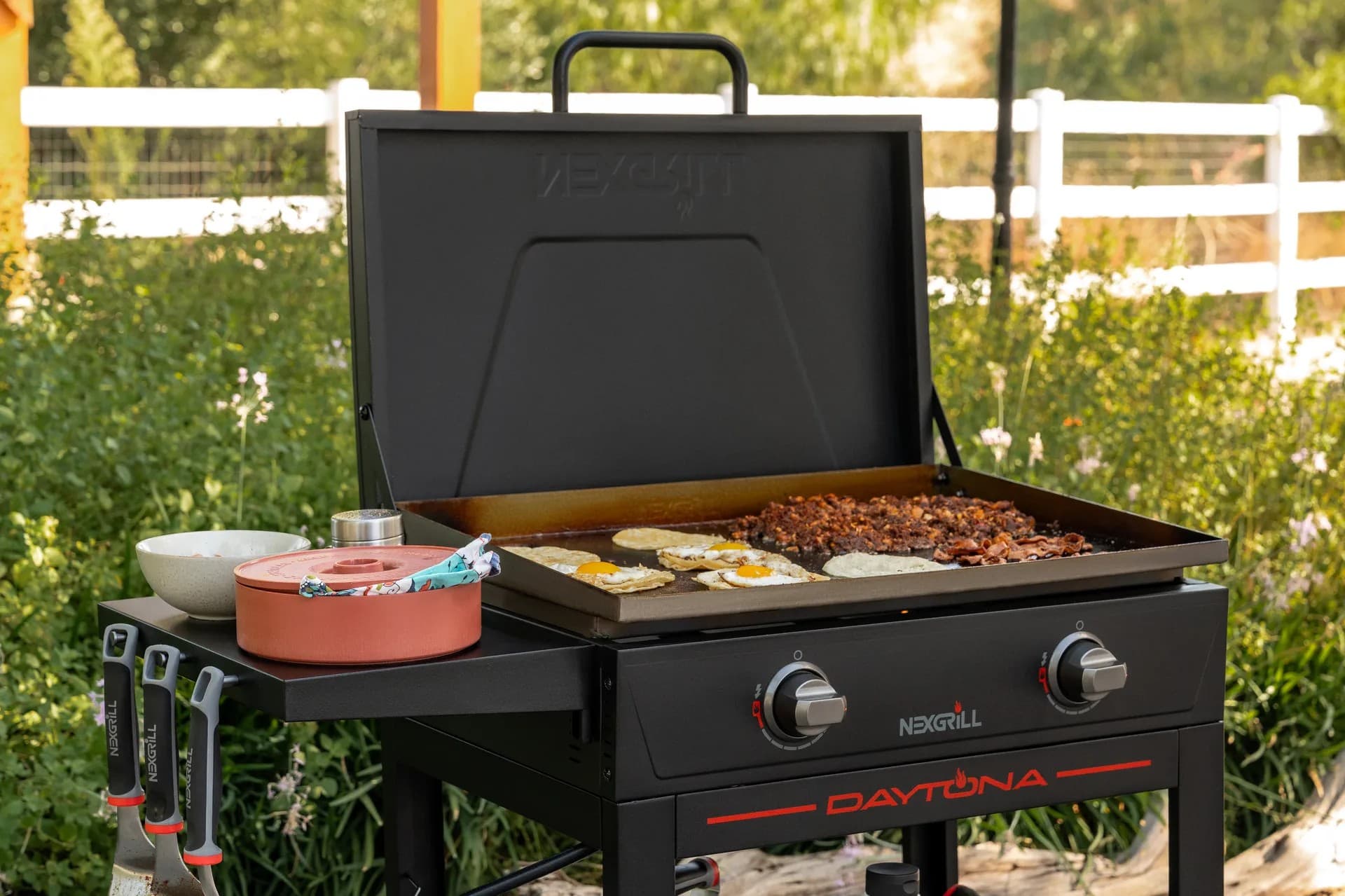
Find griddle recipes, cooking techniques, cleaning tips, and outdoor meal ideas designed for Nexgrill griddles.
Find answers to common questions
Gas grills provide instant heat and precise temperature control, making them easier to use. Charcoal grills offer a smoky flavor and high heat for searing but require more time to heat up and manage.
Pellet grills combine the convenience of gas with the flavor of wood, allowing for smoking, baking, and grilling. Traditional gas grills, however, are quicker to start and often easier to clean.
Charcoal grills typically reach higher temperatures quicker than gas grills, making them better for searing meat. However, high-quality gas grills can also provide adequate heat for effective searing.
Nexgrill offers models designed specifically for gas, charcoal, and pellets, allowing users to choose based on their cooking style and flavor preferences. Each type is built to optimize the characteristics of its respective fuel.
Choosing between gas and charcoal grills depends on your cooking preferences and lifestyle. If you value convenience and quick cooking, a gas grill may suit you better; if you prefer the taste and experience of traditional grilling, a charcoal grill would be ideal.
In This Article
Top Gas Grills with Warming Racks
Effective Use of Warming Racks
Brand Comparisons and User Insights
A gas grill with a warming rack is one of those details that seems minor until you start cooking for more than two people. The main cooking grates do the heavy lifting, but the warming rack adds a separate zone above the burners where you can hold finished food, toast buns, soften vegetables, or finish delicate items without blasting them with direct flame. For backyard cooks in the United States, that extra zone is often what turns a good grill into a more flexible cooking station. It helps keep timing under control when steaks need a minute to rest, chicken is still finishing, or side dishes need to stay warm while the rest of the meal catches up.
The best reviews of gas grills with warming racks should not treat the rack as a bonus accessory only. Its size, material, and placement affect how useful the whole grill feels. A wide stainless-steel rack can hold multiple buns or a tray of vegetables, while a shallow rack may be better suited to light warming than real cooking. On many 2-burner and 3-burner grills, the warming rack also creates a more efficient workflow because it lets you manage one or two items separately from the primary sear zone. That matters when you are grilling in stages, especially on weeknights when dinner needs to be ready fast and still taste like you put effort into it.
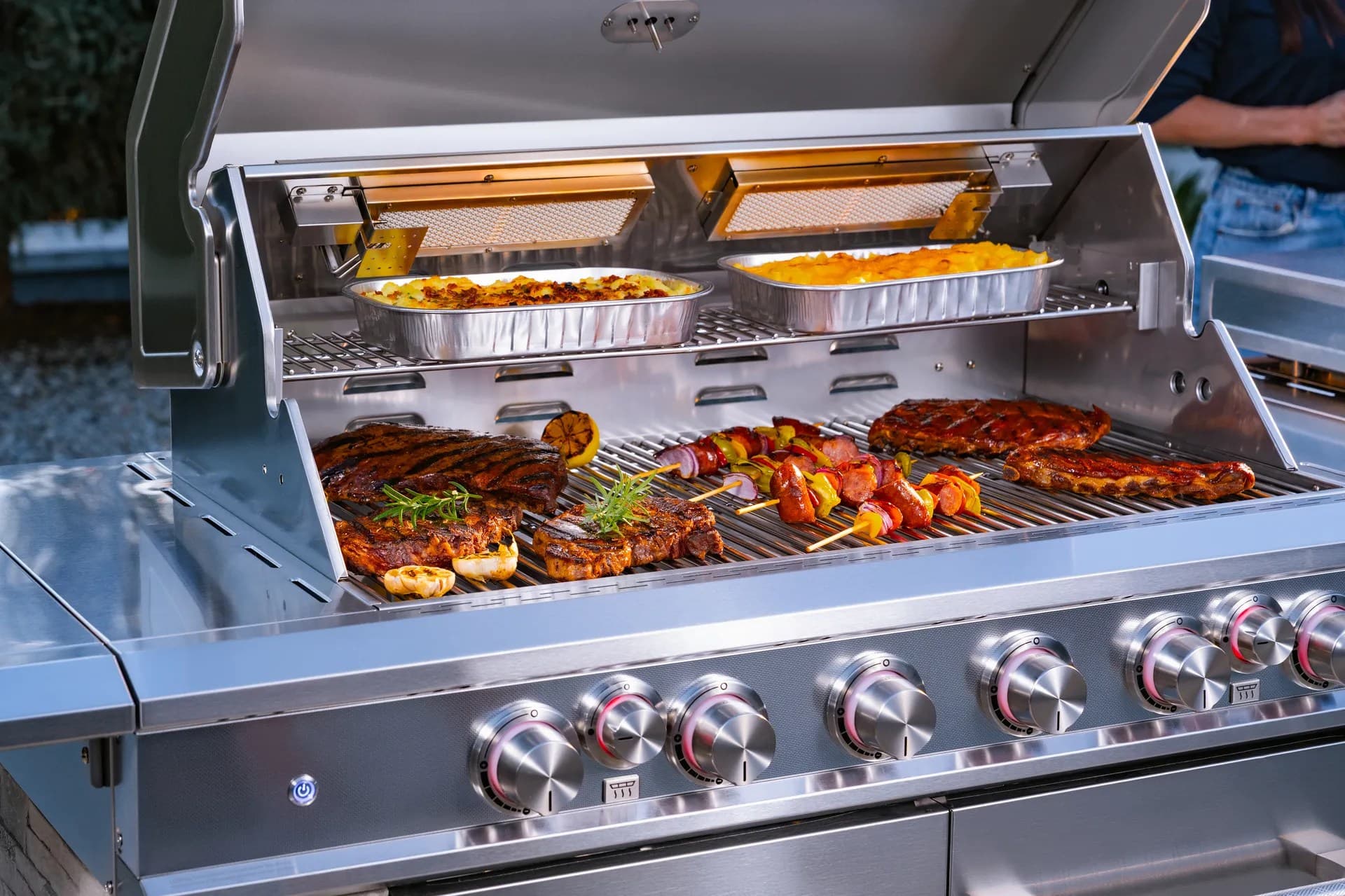
A warming rack gives you a place to hold, finish, or toast food without crowding the main grate.
Info: In practice, the warming rack is most valuable when the rest of the grill is already busy. It reduces the “everything is done at once” problem and gives you a small buffer that helps dinner land on the table hotter and more organized.
For this review, the key question is not just which grill gets hottest, but which design makes the warming rack genuinely useful. That includes how evenly the grill distributes heat, whether the rack sits close enough to the fire to warm efficiently, and whether the grill’s layout allows direct and indirect cooking at the same time. Nexgrill’s broader approach to outdoor cooking emphasizes practical, family-friendly usability and inclusive backyard gathering, which fits the role of a warming rack especially well because the feature is all about timing, sharing, and serving food in a way that feels calm rather than rushed .
A strong gas grill review should also reflect how people actually cook. Many owners are not trying to reverse-sear every cut of meat or smoke brisket for twelve hours. They want dependable ignition, enough space for burgers and vegetables, and a warming rack that can handle the practical parts of the meal: holding toast, keeping asparagus warm, or letting food rest without losing texture. That is why warming racks deserve real attention in a buying guide. They are not flashy, but they often decide whether a grill feels cramped or well thought out.
When evaluating top picks, it helps to think in terms of cooking style rather than brand name alone. A compact two-burner grill can be a smart choice for couples or small households, especially if the warming rack is sturdy enough to handle buns and smaller side items. A three- or four-burner grill usually offers better zone control, which matters when the warming rack is being used as a secondary hold area instead of merely a shelf. For larger gatherings, the value of the warming rack increases because it becomes part of the serving workflow, not just the cooking workflow.
| Model type | Best use | What the warming rack adds |
|---|---|---|
| 2-burner gas grill | Weeknight meals, small patios, couples | Simple hold zone for buns, vegetables, and resting proteins |
| 3-burner gas grill | Families, mixed meals, better heat zoning | Useful secondary area for indirect finishing and light warming |
| 4-burner gas grill | Entertaining, larger cookouts, more volume | Supports service timing across multiple dishes at once |
Among Nexgrill’s product mix, the 4-Burner Gas Grill with Side Burner in Black is a strong example of the kind of setup that makes a warming rack matter. A side burner lets you manage sauce or sides while the warming rack keeps finished food ready for the plate. That combination is especially useful for cooks who serve multiple courses or need to stretch the timing of a meal without overcooking the main protein. The broader Nexgrill 4-burner category also fits readers who want a balanced mix of cooking space, control, and value, which lines up with the brand’s accessible and practical positioning .
Another good fit is the 4-Burner Propane Gas Grill in Black with Stainless Steel main lid, which is the kind of grill that appeals to buyers who want straightforward performance and enough room to use the warming rack as part of a real dinner workflow. If you are cooking burgers and vegetables together, the warming rack becomes a staging area for toasted buns or items that are done ahead of the rest. On a more compact scale, the Deluxe 2-Burner Gas Grill shows why smaller grills can still be practical: if the primary grate is efficient and the warming rack is usable, you do not need a huge footprint to make dinner feel organized.
Warning: A warming rack that is too small or too close to direct heat can dry out bread and over-harden delicate items. Size and rack position matter as much as burner count.
For readers comparing premium mainstream brands, Weber and Napoleon often stand out for build quality and control, but the exact winner depends on what you want the warming rack to do. Some buyers prioritize heavy lids, refined heat retention, and accessories, while others care more about day-to-day value and usable space. Nexgrill’s appeal is that it often makes the practical features more approachable for budget-conscious buyers without losing the functionality that matters on a busy cookout day. The best pick is the one whose warming rack fits your real meal pattern, not the one that looks best on a spec sheet.
A warming rack works best when you treat it as a temperature-management tool rather than a storage shelf. The first rule is to understand that it is usually hotter than room temperature but cooler than the main grate, which makes it ideal for items that need gentle heat. That includes burger buns, cooked vegetables, foil-wrapped potatoes, corn, and proteins that have already reached target doneness and need to hold for a short period. If you move food to the rack too early, though, you may stall crisping and lose the texture you worked to create on the main cooking surface.
The second rule is to use the warming rack in coordination with your burner zones. For example, on a 3-burner or 4-burner grill, you can keep one or two burners on high for searing and another area on medium or low for indirect finishing. The warming rack can then hold finished items while the rest of the meal completes. This is especially useful for mixed menus: salmon can rest above a cooler zone while vegetables finish on the grate, or chicken thighs can hold warm while buns toast and sauce is heated below.
| Food item | Best warming-rack use | Practical note |
|---|---|---|
| Buns and rolls | Short toast or hold | Move quickly to avoid drying |
| Cooked vegetables | Hold while proteins finish | Good for asparagus, peppers, onions |
| Resting meats | Keep warm briefly before serving | Do not leave too long or juices may be lost |
| Sauced items | Gentle hold in foil tray | Watch for steaming rather than browning |
A few habits make the rack work better. Preheat the grill fully before placing food on the warming rack so the rack has a stable temperature. Keep lighter foods toward the center where heat is more even, and avoid stacking multiple trays unless the grill was designed for that load. If you are using a foil pan, leave a bit of room for steam to escape so food does not turn soggy. And if the rack is adjustable, test the positions with a simple meal before relying on it for a larger gathering.
Tip: Use the warming rack to buy yourself time, not to fix overcooked food. Its real strength is in coordination, especially when multiple dishes reach the finish line at different moments.
The most overlooked warming-rack technique is using it to manage carryover cooking. A steak or thick pork chop can come off the main grate and rest long enough on the rack to stabilize before slicing. That does not mean the rack is a replacement for a proper resting board, but it does help if you are serving several items and need an orderly handoff from grill to plate. In a family setting, that small bit of control can make the whole meal feel smoother and less chaotic.
Once you have thought through how you will actually use the warming rack, the brand comparison becomes more meaningful. Weber is often associated with dependable construction and a straightforward user experience. Napoleon is frequently praised for feature density, strong cooking control, and premium-leaning materials. Nexgrill tends to stand out for approachable value and a broad range of product formats that fit real households and different budget levels, which aligns with the brand’s positioning around accessibility and everyday usability .
| Brand | Typical strength | Warming rack experience | Best for |
|---|---|---|---|
| Weber | Consistency and durability | Usually reliable and well integrated | Buyers who prioritize long-term confidence |
| Napoleon | Feature richness and control | Often part of a more advanced cooking layout | Users who want more tuning and premium details |
| Nexgrill | Value and practical versatility | Useful for everyday holding, resting, and batch cooking | Families and budget-minded buyers |
The difference is not simply price. Weber may feel more polished in some categories, while Napoleon may appeal to cooks who enjoy dialing in heat zones and exploring more complex setups. Nexgrill’s strength is that it often gives you the core features that actually affect the meal, including a warming rack that contributes to service flow rather than just adding a line item to the product page. Nexgrill’s own brand language emphasizes togetherness, accessibility, and the idea that grilling should welcome different skill levels and budgets, which is a useful lens for evaluating warming-rack usability .
If you are deciding between these brands, ask which one matches your cooking routine. For frequent entertainers who want a refined finish and are willing to pay more, Napoleon can be compelling. For buyers who want confidence and a simple ownership experience, Weber remains a familiar benchmark. For shoppers who want practical value and a family-friendly feature set, Nexgrill is often the most balanced option. The warming rack should support your cooking habits, not complicate them.
User feedback around gas grills with warming racks tends to cluster around a few recurring themes. The first is convenience: many owners say they did not realize how often they would use the rack until they had one. People mention holding buns, keeping grilled vegetables warm, and juggling timing when a second batch of food is not ready yet. The second theme is size. Some users love a full-width rack; others find that a smaller rack is enough for family meals but not ideal for entertaining. The third theme is cleanup and durability. A well-built rack that removes easily or wipes down without fuss gets good marks because it does not add friction to the cooking process.
Expert opinions often line up with those user impressions. Reviewers tend to value racks that are useful without getting in the way of the main grilling area. In practical terms, that means the best designs keep the rack out of the hottest direct flame while still making it easy to access. A rack that is flimsy, awkwardly shaped, or too narrow loses points because it turns a helpful feature into dead space. That is why good reviews focus less on whether a grill includes a rack and more on whether the rack is actually integrated into the cooking experience.
Info: User reviews are most useful when they mention real meal patterns. Comments about holding appetizers, feeding a crowd, or managing a family dinner are more revealing than generic praise about “nice features.”
One common positive comment is that the warming rack makes grilling less stressful because food can wait for a moment without being ruined. That matters a lot in ordinary backyard use, where people are talking, kids are running around, and not every item finishes at exactly the same second. A common complaint, on the other hand, is that some racks are better for holding than cooking, which is not necessarily a flaw but does need to be understood before purchase. If you expect the rack to crisp bread or brown toppings aggressively, you may be disappointed. If you expect it to keep food warm and organized, you will likely be satisfied.
A gas grill with a warming rack is worth close attention if you care about timing, flexibility, and serving food at the right moment. The rack is not the headline feature, but it often has an outsized effect on how enjoyable the grill feels to use. Compact two-burner models can be enough for simple household meals, while larger 3- and 4-burner grills offer better zone control and more meaningful use of the rack during bigger cooks. For Nexgrill shoppers, the strongest value usually comes from choosing a model where the warming rack complements the rest of the design instead of sitting there as an afterthought .
If your goal is to cook for family and friends without constantly fighting timing issues, prioritize a grill with a warming rack that is sturdy, appropriately sized, and easy to use. That combination is what turns an ordinary gas grill into a more capable backyard workstation. Try comparing two products side by side below to see which fits best.
A gas grill with a warming rack is one of those details that seems minor until you start cooking for more than two people. The main cooking grates do the heavy lifting, but the warming rack adds a separate zone above the burners where you can hold finished food, toast buns, soften vegetables, or finish delicate items without blasting them with direct flame. For backyard cooks in the United States, that extra zone is often what turns a good grill into a more flexible cooking station. It helps keep timing under control when steaks need a minute to rest, chicken is still finishing, or side dishes need to stay warm while the rest of the meal catches up.
The best reviews of gas grills with warming racks should not treat the rack as a bonus accessory only. Its size, material, and placement affect how useful the whole grill feels. A wide stainless-steel rack can hold multiple buns or a tray of vegetables, while a shallow rack may be better suited to light warming than real cooking. On many 2-burner and 3-burner grills, the warming rack also creates a more efficient workflow because it lets you manage one or two items separately from the primary sear zone. That matters when you are grilling in stages, especially on weeknights when dinner needs to be ready fast and still taste like you put effort into it.
A warming rack gives you a place to hold, finish, or toast food without crowding the main grate.
Info: In practice, the warming rack is most valuable when the rest of the grill is already busy. It reduces the “everything is done at once” problem and gives you a small buffer that helps dinner land on the table hotter and more organized.
For this review, the key question is not just which grill gets hottest, but which design makes the warming rack genuinely useful. That includes how evenly the grill distributes heat, whether the rack sits close enough to the fire to warm efficiently, and whether the grill’s layout allows direct and indirect cooking at the same time. Nexgrill’s broader approach to outdoor cooking emphasizes practical, family-friendly usability and inclusive backyard gathering, which fits the role of a warming rack especially well because the feature is all about timing, sharing, and serving food in a way that feels calm rather than rushed .
A strong gas grill review should also reflect how people actually cook. Many owners are not trying to reverse-sear every cut of meat or smoke brisket for twelve hours. They want dependable ignition, enough space for burgers and vegetables, and a warming rack that can handle the practical parts of the meal: holding toast, keeping asparagus warm, or letting food rest without losing texture. That is why warming racks deserve real attention in a buying guide. They are not flashy, but they often decide whether a grill feels cramped or well thought out.
When evaluating top picks, it helps to think in terms of cooking style rather than brand name alone. A compact two-burner grill can be a smart choice for couples or small households, especially if the warming rack is sturdy enough to handle buns and smaller side items. A three- or four-burner grill usually offers better zone control, which matters when the warming rack is being used as a secondary hold area instead of merely a shelf. For larger gatherings, the value of the warming rack increases because it becomes part of the serving workflow, not just the cooking workflow.
| Model type | Best use | What the warming rack adds |
|---|---|---|
| 2-burner gas grill | Weeknight meals, small patios, couples | Simple hold zone for buns, vegetables, and resting proteins |
| 3-burner gas grill | Families, mixed meals, better heat zoning | Useful secondary area for indirect finishing and light warming |
| 4-burner gas grill | Entertaining, larger cookouts, more volume | Supports service timing across multiple dishes at once |
Among Nexgrill’s product mix, the 4-Burner Gas Grill with Side Burner in Black is a strong example of the kind of setup that makes a warming rack matter. A side burner lets you manage sauce or sides while the warming rack keeps finished food ready for the plate. That combination is especially useful for cooks who serve multiple courses or need to stretch the timing of a meal without overcooking the main protein. The broader Nexgrill 4-burner category also fits readers who want a balanced mix of cooking space, control, and value, which lines up with the brand’s accessible and practical positioning .
Another good fit is the 4-Burner Propane Gas Grill in Black with Stainless Steel main lid, which is the kind of grill that appeals to buyers who want straightforward performance and enough room to use the warming rack as part of a real dinner workflow. If you are cooking burgers and vegetables together, the warming rack becomes a staging area for toasted buns or items that are done ahead of the rest. On a more compact scale, the Deluxe 2-Burner Gas Grill shows why smaller grills can still be practical: if the primary grate is efficient and the warming rack is usable, you do not need a huge footprint to make dinner feel organized.
Warning: A warming rack that is too small or too close to direct heat can dry out bread and over-harden delicate items. Size and rack position matter as much as burner count.
For readers comparing premium mainstream brands, Weber and Napoleon often stand out for build quality and control, but the exact winner depends on what you want the warming rack to do. Some buyers prioritize heavy lids, refined heat retention, and accessories, while others care more about day-to-day value and usable space. Nexgrill’s appeal is that it often makes the practical features more approachable for budget-conscious buyers without losing the functionality that matters on a busy cookout day. The best pick is the one whose warming rack fits your real meal pattern, not the one that looks best on a spec sheet.
A warming rack works best when you treat it as a temperature-management tool rather than a storage shelf. The first rule is to understand that it is usually hotter than room temperature but cooler than the main grate, which makes it ideal for items that need gentle heat. That includes burger buns, cooked vegetables, foil-wrapped potatoes, corn, and proteins that have already reached target doneness and need to hold for a short period. If you move food to the rack too early, though, you may stall crisping and lose the texture you worked to create on the main cooking surface.
The second rule is to use the warming rack in coordination with your burner zones. For example, on a 3-burner or 4-burner grill, you can keep one or two burners on high for searing and another area on medium or low for indirect finishing. The warming rack can then hold finished items while the rest of the meal completes. This is especially useful for mixed menus: salmon can rest above a cooler zone while vegetables finish on the grate, or chicken thighs can hold warm while buns toast and sauce is heated below.
| Food item | Best warming-rack use | Practical note |
|---|---|---|
| Buns and rolls | Short toast or hold | Move quickly to avoid drying |
| Cooked vegetables | Hold while proteins finish | Good for asparagus, peppers, onions |
| Resting meats | Keep warm briefly before serving | Do not leave too long or juices may be lost |
| Sauced items | Gentle hold in foil tray | Watch for steaming rather than browning |
A few habits make the rack work better. Preheat the grill fully before placing food on the warming rack so the rack has a stable temperature. Keep lighter foods toward the center where heat is more even, and avoid stacking multiple trays unless the grill was designed for that load. If you are using a foil pan, leave a bit of room for steam to escape so food does not turn soggy. And if the rack is adjustable, test the positions with a simple meal before relying on it for a larger gathering.
Tip: Use the warming rack to buy yourself time, not to fix overcooked food. Its real strength is in coordination, especially when multiple dishes reach the finish line at different moments.
The most overlooked warming-rack technique is using it to manage carryover cooking. A steak or thick pork chop can come off the main grate and rest long enough on the rack to stabilize before slicing. That does not mean the rack is a replacement for a proper resting board, but it does help if you are serving several items and need an orderly handoff from grill to plate. In a family setting, that small bit of control can make the whole meal feel smoother and less chaotic.
Once you have thought through how you will actually use the warming rack, the brand comparison becomes more meaningful. Weber is often associated with dependable construction and a straightforward user experience. Napoleon is frequently praised for feature density, strong cooking control, and premium-leaning materials. Nexgrill tends to stand out for approachable value and a broad range of product formats that fit real households and different budget levels, which aligns with the brand’s positioning around accessibility and everyday usability .
| Brand | Typical strength | Warming rack experience | Best for |
|---|---|---|---|
| Weber | Consistency and durability | Usually reliable and well integrated | Buyers who prioritize long-term confidence |
| Napoleon | Feature richness and control | Often part of a more advanced cooking layout | Users who want more tuning and premium details |
| Nexgrill | Value and practical versatility | Useful for everyday holding, resting, and batch cooking | Families and budget-minded buyers |
The difference is not simply price. Weber may feel more polished in some categories, while Napoleon may appeal to cooks who enjoy dialing in heat zones and exploring more complex setups. Nexgrill’s strength is that it often gives you the core features that actually affect the meal, including a warming rack that contributes to service flow rather than just adding a line item to the product page. Nexgrill’s own brand language emphasizes togetherness, accessibility, and the idea that grilling should welcome different skill levels and budgets, which is a useful lens for evaluating warming-rack usability .
If you are deciding between these brands, ask which one matches your cooking routine. For frequent entertainers who want a refined finish and are willing to pay more, Napoleon can be compelling. For buyers who want confidence and a simple ownership experience, Weber remains a familiar benchmark. For shoppers who want practical value and a family-friendly feature set, Nexgrill is often the most balanced option. The warming rack should support your cooking habits, not complicate them.
User feedback around gas grills with warming racks tends to cluster around a few recurring themes. The first is convenience: many owners say they did not realize how often they would use the rack until they had one. People mention holding buns, keeping grilled vegetables warm, and juggling timing when a second batch of food is not ready yet. The second theme is size. Some users love a full-width rack; others find that a smaller rack is enough for family meals but not ideal for entertaining. The third theme is cleanup and durability. A well-built rack that removes easily or wipes down without fuss gets good marks because it does not add friction to the cooking process.
Expert opinions often line up with those user impressions. Reviewers tend to value racks that are useful without getting in the way of the main grilling area. In practical terms, that means the best designs keep the rack out of the hottest direct flame while still making it easy to access. A rack that is flimsy, awkwardly shaped, or too narrow loses points because it turns a helpful feature into dead space. That is why good reviews focus less on whether a grill includes a rack and more on whether the rack is actually integrated into the cooking experience.
Info: User reviews are most useful when they mention real meal patterns. Comments about holding appetizers, feeding a crowd, or managing a family dinner are more revealing than generic praise about “nice features.”
One common positive comment is that the warming rack makes grilling less stressful because food can wait for a moment without being ruined. That matters a lot in ordinary backyard use, where people are talking, kids are running around, and not every item finishes at exactly the same second. A common complaint, on the other hand, is that some racks are better for holding than cooking, which is not necessarily a flaw but does need to be understood before purchase. If you expect the rack to crisp bread or brown toppings aggressively, you may be disappointed. If you expect it to keep food warm and organized, you will likely be satisfied.
A gas grill with a warming rack is worth close attention if you care about timing, flexibility, and serving food at the right moment. The rack is not the headline feature, but it often has an outsized effect on how enjoyable the grill feels to use. Compact two-burner models can be enough for simple household meals, while larger 3- and 4-burner grills offer better zone control and more meaningful use of the rack during bigger cooks. For Nexgrill shoppers, the strongest value usually comes from choosing a model where the warming rack complements the rest of the design instead of sitting there as an afterthought .
If your goal is to cook for family and friends without constantly fighting timing issues, prioritize a grill with a warming rack that is sturdy, appropriately sized, and easy to use. That combination is what turns an ordinary gas grill into a more capable backyard workstation. Try comparing two products side by side below to see which fits best.
Here's what sets us apart
We position ourselves as delivering high-end outdoor cooking features and performance without premium-brand pricing, emphasizing “Quality Grills. Unbelievable Value.”
We offer gas grills, pellet grills, griddles, smokers, pizza ovens, portable/tabletop grills, electric grills, accessories, and replacement parts — allowing customers to stay within one ecosystem for all outdoor cooking needs.
We differentiate ourselves through smart grilling products like the Oakford smart pellet grill, including app-connected cooking controls and modern outdoor cooking technology.
Don't just take our word for it
Keep reading
From our catalog