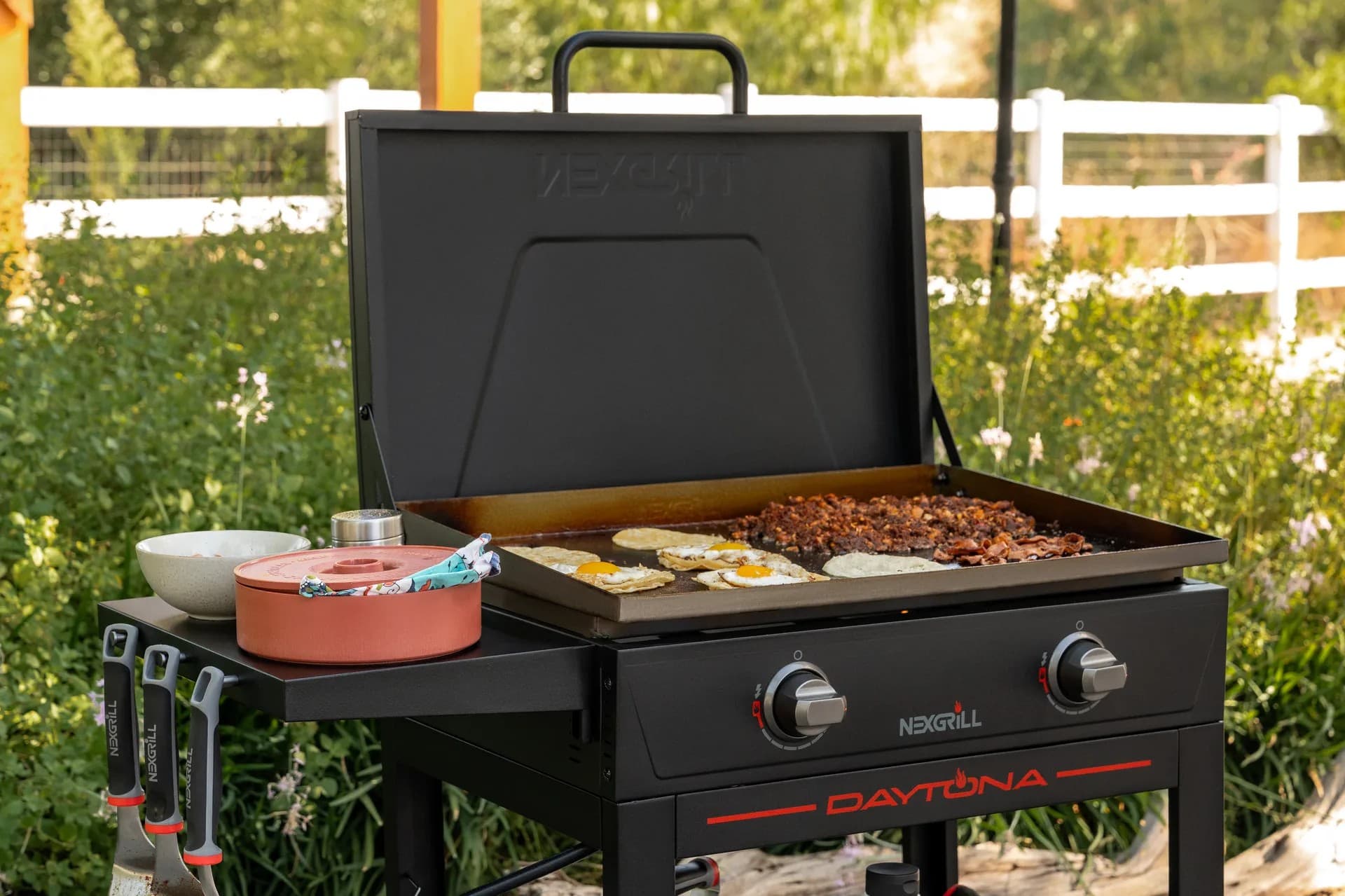
A comprehensive review of the best gas grill cleaning brushes, focusing on safety, effectiveness, and user experiences.

Here's what sets us apart from the competition
We position ourselves as delivering high-end outdoor cooking features and performance without premium-brand pricing, emphasizing “Quality Grills. Unbelievable Value.”
We offer gas grills, pellet grills, griddles, smokers, pizza ovens, portable/tabletop grills, electric grills, accessories, and replacement parts — allowing customers to stay within one ecosystem for all outdoor cooking needs.
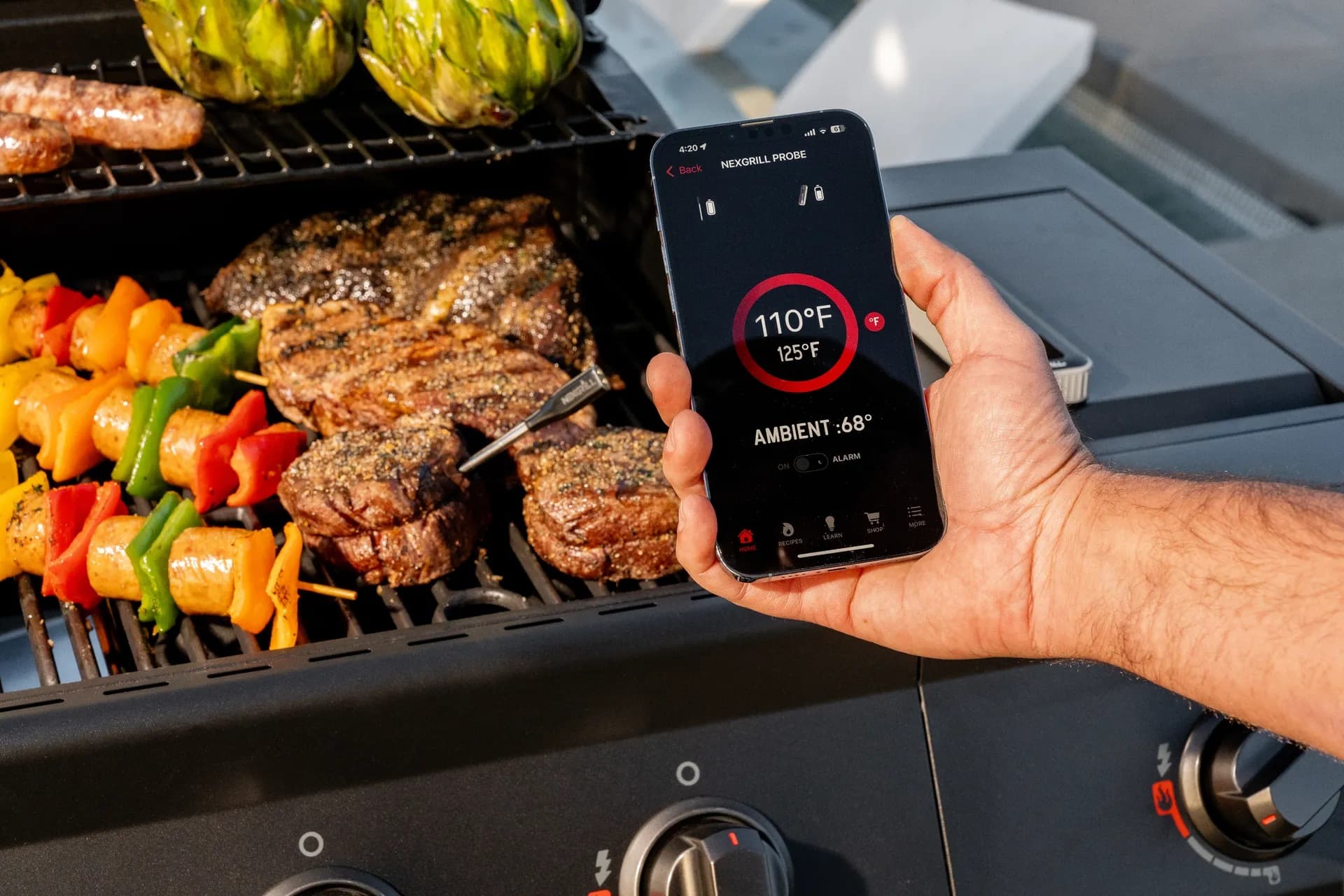
We differentiate ourselves through smart grilling products like the Oakford smart pellet grill, including app-connected cooking controls and modern outdoor cooking technology.

Expert tips, buying guides, comparisons, and inspiration for choosing and getting the most out of your grill.

Practical guides for cleaning, maintenance, common grill issues, and performance optimization.

Step-by-step grilling recipes, cooking techniques, and meal ideas for every occasion and skill level.

Backyard entertaining ideas, seasonal grilling inspiration, and stories that celebrate outdoor cooking culture.

Helpful articles covering grilling tools, cookware, maintenance gear, and must-have accessories for outdoor cooking.

Find griddle recipes, cooking techniques, cleaning tips, and outdoor meal ideas designed for Nexgrill griddles.
Find answers to common questions
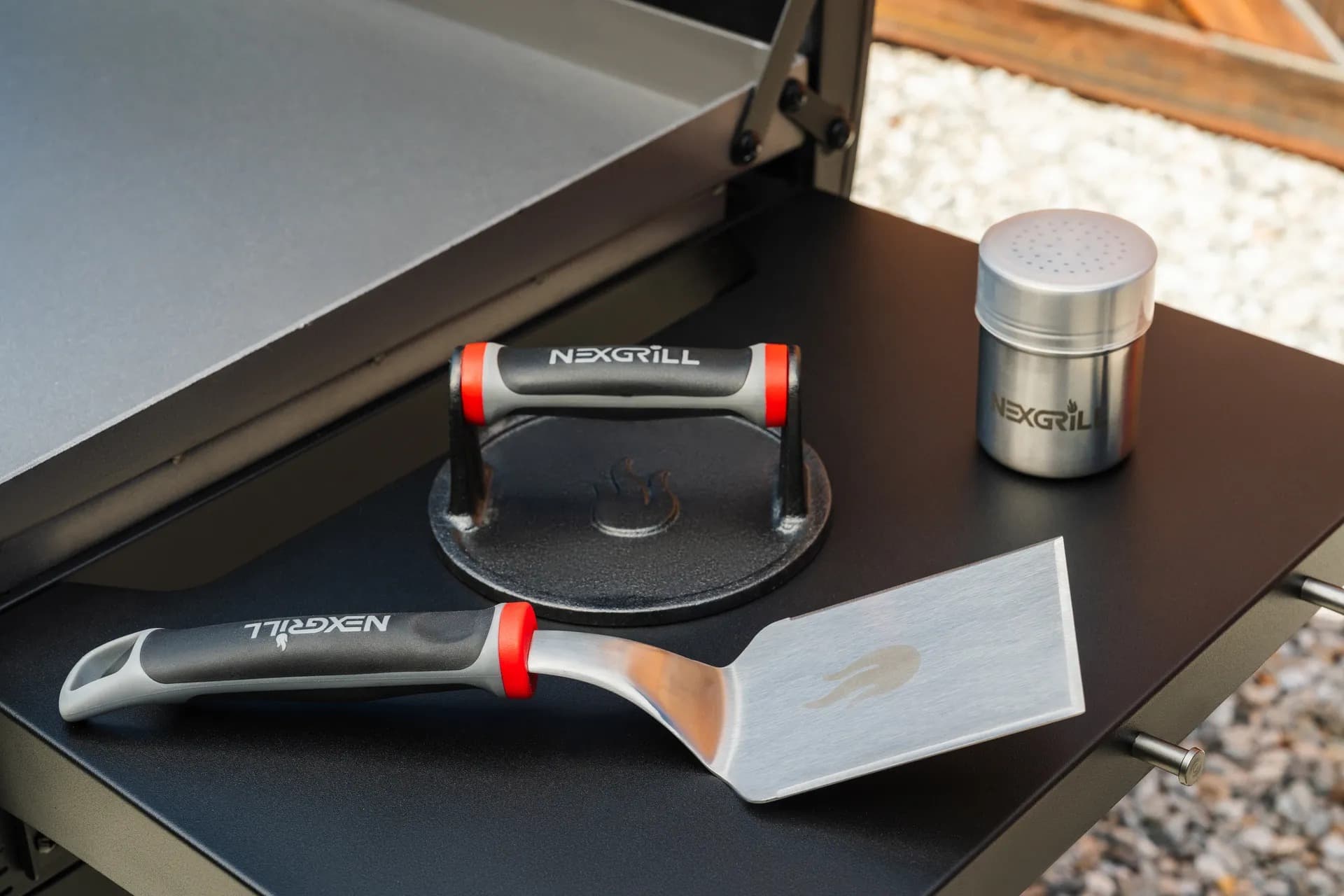
Nexgrill offers a variety of accessories including grill tools, covers, cooking utensils, and replacement parts designed to enhance your grilling experience.
Many Nexgrill accessories are widely compatible with various grill brands, but it is recommended to check the specifications for proper fit and functionality.
To maintain your Nexgrill accessories, regularly clean them with warm soapy water, avoid using abrasive materials that could scratch the surface, and store them in a dry place when not in use.
Yes, Nexgrill accessories can be purchased separately from the grills, allowing customers to customize their grilling setup as needed.
Instructions for using Nexgrill accessories are typically included in the packaging, and additional resources can be found on the Nexgrill website or in the product user manuals.
In This Article
Types of Grill Brushes
Safety Considerations
User Reviews
A clean gas grill is not just about appearance. It affects heat transfer, food flavor, flare-up control, and how confidently you can cook week after week. When grease, carbon, and food residue build up on the grates, they can create uneven cooking zones and make it harder to get a reliable sear. A good cleaning brush becomes part of the grilling routine in the same way a thermometer or tongs do: it helps protect the grill you already invested in and keeps the cooking surface ready for the next meal.
For Nexgrill owners, that matters because many backyard cooks use their grill for fast weeknight dinners, weekend gatherings, and repeat use throughout the season. The brush you choose should match that real-life pattern. A brush that cleans quickly after burgers and vegetables may feel very different from one used after sticky barbecue sauce, sugary glazes, or a long cook with rendered fat. That is why gas grill cleaning brush reviews tend to focus on more than just price. They also evaluate safety, reach, handle comfort, and whether the brush holds up after repeated use.
The best brush is the one you will actually use after every cook, because regular cleaning prevents buildup from becoming a tougher job later.
A few minutes after each cook can reduce carbon buildup and extend grate life.
There is also a safety side to grill maintenance that buyers should not ignore. Wire bristles have been widely discussed because loose bristles can stick to cooking grates and potentially transfer to food if the brush wears out or is used carelessly. That does not mean every wire brush is a bad choice, but it does mean shoppers should evaluate construction and inspect the brush over time. Safer alternatives such as bristle-free scrapers, nylon brushes for cooler surfaces, and electric or steam cleaning tools can make sense depending on the grill and the user’s habits.
If you are shopping for a brush review because your current cleaner is frayed, bent, or no longer removes residue effectively, the goal is to find a tool that balances cleaning power with control. The sections below compare the major brush types, explain the features that matter most, and highlight what everyday users tend to notice after a few weeks of ownership.
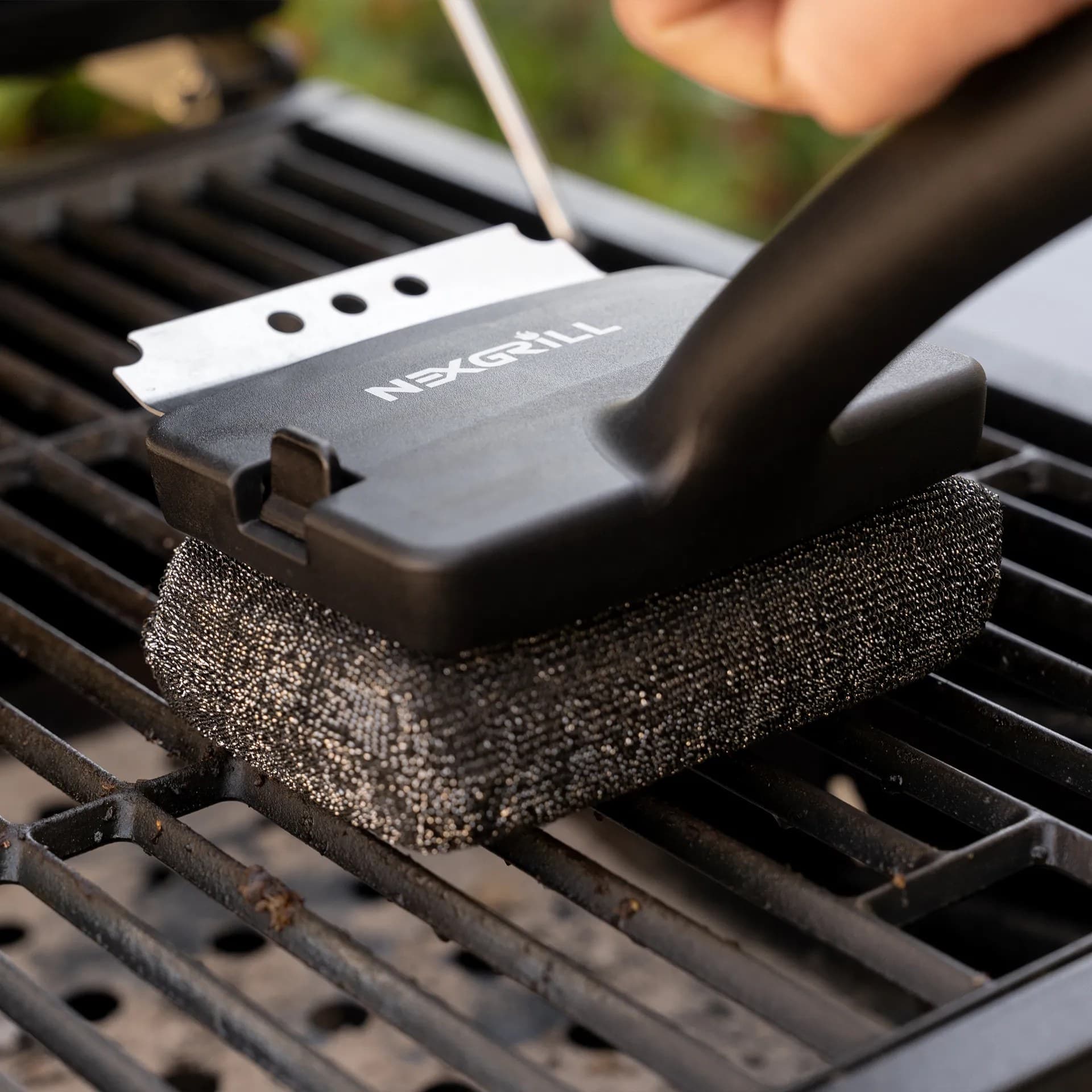
Most gas grill cleaning brushes fall into four broad categories: wire, nylon, electric, and steam-based tools. Each approach solves a different problem, and the right choice depends on how hot your grill is when you clean it, how dirty your grates usually get, and how much hands-on effort you want to spend. A brush that is excellent for heavy carbon removal may be less ideal for delicate enamel-coated grates, while a gentler tool may struggle against hardened grease.
| Brush type | Best use | Main trade-off |
|---|---|---|
| Wire brush | Fast scraping of heavy residue on standard metal grates | Needs regular inspection for wear and loose bristles |
| Nylon brush | Light cleaning on cooler grates and coated surfaces | Less aggressive on stuck-on carbon |
| Electric brush | Hands-off scrubbing for users who want speed and less strain | Costs more and usually needs charging or batteries |
| Steam cleaner | Loosening grease with heat and moisture | Works best with preparation and careful handling |
Wire brushes remain popular because they are simple, affordable, and effective when used correctly. Many reviewers like the immediate feedback they give: you can feel stubborn residue releasing from the grate as you scrub. The downside is durability and safety vigilance. If the bristles begin to bend, shed, or look uneven, it is time to replace the brush. For buyers who want a more traditional feel and quick cleanup after high-heat grilling, wire is still the most common option.
Nylon brushes are better suited to lower-temperature cleaning sessions or grills with surfaces that should not be scraped aggressively. They are less likely to damage coatings, but they also need more patience. User reviews often describe them as “gentle and predictable,” which is useful if you clean frequently and do not want to gouge grates. They are not the best match for a grill that is routinely left with hardened carbon from long, saucy cooks.
Electric brushes use rotating heads or powered scrubbing to reduce manual effort. These can be appealing for users with larger grills or limited hand strength, especially when cleaning several grates in one session. Steam-based tools, by contrast, rely on heat and moisture to soften residue before wiping or scraping. They can be especially appealing to users who dislike dry-brushing or want to reduce airborne ash and dust. Both options are more specialized than a standard handheld brush, but they are worth considering if convenience is your priority.
The best gas grill cleaning brush is not simply the one with the stiffest head. The features that matter most are the ones that affect control, reach, cleaning speed, and safety over time. A brush can look sturdy in a product photo and still feel awkward if the handle is too short, the head is too narrow, or the grip slips when your hand is warm and greasy. Reviews from experienced grillers often emphasize these small details because they are what determine whether a brush feels efficient or frustrating after a few uses.
| Feature | Why it matters | What to look for |
|---|---|---|
| Bristle material | Affects cleaning strength and safety | Stainless steel for tough cleaning; non-bristle or nylon for gentler use |
| Handle length | Keeps hands farther from heat | A long, balanced handle with good leverage |
| Grip design | Improves control while scrubbing | Textured, non-slip grip that stays comfortable |
| Head shape | Determines how well it fits between grates | Angled or wide heads for broad coverage; narrow tips for corners |
| Storage loop or hanger | Keeps the brush clean and accessible | A loop or hanging hole for dry storage |
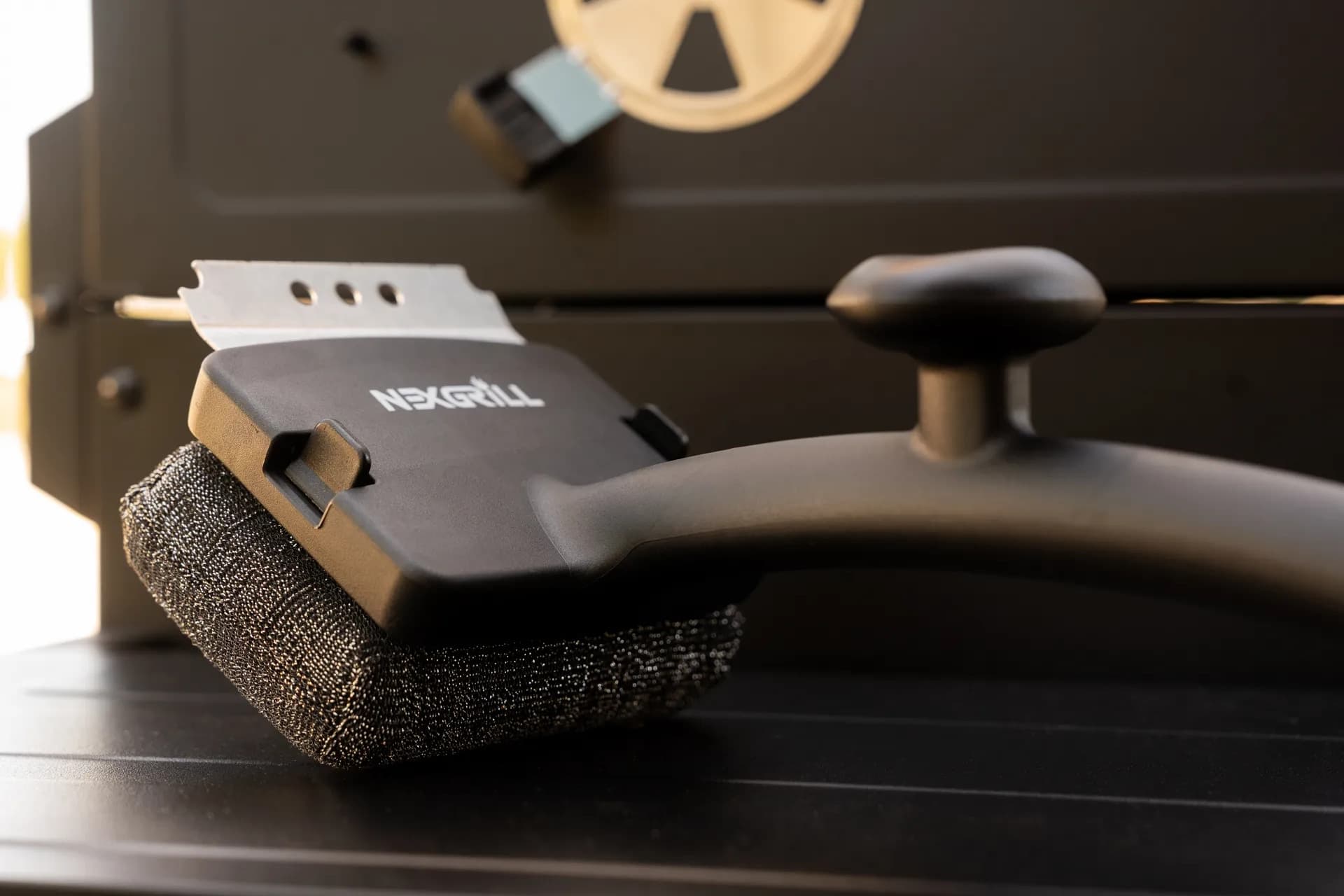
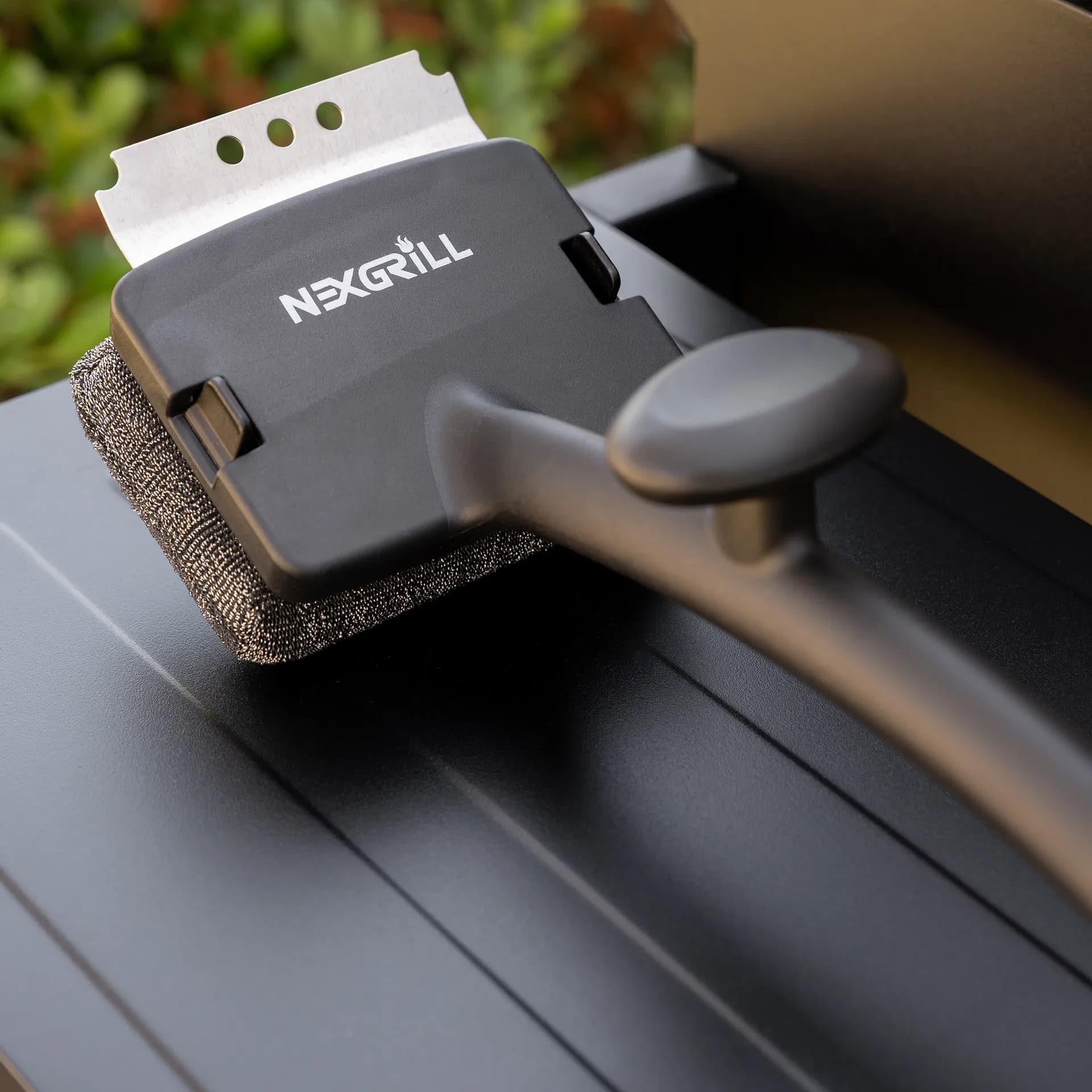
Bristle material is the first decision most shoppers should make. Stainless steel bristles offer strong scraping power and are favored for heavily used gas grills, but they require careful inspection. Nylon can be more reassuring for light-duty use, especially when the grill surface is not extremely hot. Bristle-free designs use coils, scrapers, or woven metal patterns to avoid the loose-bristle issue entirely. They may take slightly more effort on stubborn residue, but many buyers see that as a worthwhile trade-off.
Handle design may sound minor, yet it is one of the most cited comfort factors in user reviews. A long handle keeps knuckles farther from heat and provides leverage, while a shorter or flimsy handle can make scrubbing feel tiring. If you clean a full-size gas grill often, weight distribution matters too: a brush that feels front-heavy may dig in too hard, while one that feels too light may glide over residue instead of removing it. A stable, balanced brush generally performs better in real use than one that simply looks rugged.
Safety features are equally important. Buyers should look for securely anchored heads, smooth transitions in the handle, and a design that does not shed material during normal use. If the brush includes a replaceable head, that can be helpful for maintaining performance without replacing the whole tool. If it includes a scraper edge, that is useful for hardened spots but should not be so sharp that it damages grates. When in doubt, choose the tool that makes inspection easy and does not force you to take safety on faith.
Try comparing two products side by side below to see which fits best:
Once you've compared two brush styles side by side, the next step is deciding how those differences show up in daily grilling. Reviews tend to make more sense when you look at the kind of user behind the rating. A brush that earns high marks from someone with a small backyard gas grill and weekly burgers may not be the right pick for a person cleaning a large, heavily seasoned cookbox after weekend parties. Below is a practical comparison of the brush categories most often discussed by buyers, with the kinds of experiences users commonly report.
| Top pick style | Best for | What users usually like | Common drawback |
|---|---|---|---|
| Stainless steel wire brush | Frequent grillers who want fast, aggressive cleaning | Quick cleanup and strong scraping on hot grates | Requires careful inspection for loose bristles |
| Bristle-free scraper brush | Users prioritizing safety and long-term peace of mind | No bristles to shed and simple maintenance | May need more passes on baked-on residue |
| Nylon brush | Light cleaning and cooler post-cook routines | Gentle feel and low risk of scratching | Less effective on hard carbon buildup |
| Powered or electric brush | People who want less manual scrubbing | Reduced effort and fast coverage on wide grates | Higher price and more parts to keep track of |
| Steam cleaner | Detail-oriented users who like a softer cleaning method | Helps loosen residue before wiping | Needs setup and is less spontaneous than a handheld brush |
A typical positive review of a stainless steel wire brush sounds like this: the buyer says the brush “gets the grates clean in one pass” and is especially good right after preheating the grill. That kind of feedback usually comes from people who want speed and do not mind checking the brush before every use. These users often value a solid handle and an angled head more than extra accessories. If that sounds like you, wire may be the best value.
By contrast, buyers who prefer bristle-free tools often describe them as “safer to own” and “easier to trust over time.” That trust factor is a real part of the review conversation. Even if a bristle-free brush takes a little longer to loosen residue, many users accept the trade-off because they do not want to worry about tiny wire fragments. For households where different people may clean the grill, or where the brush is stored and reused often, that peace of mind can be worth paying for.
Nylon brushes usually win praise for gentleness. People like that they are less likely to scratch finishes and easier to handle during lighter maintenance sessions. The flip side is that many reviews note they are not the best choice for a grill that has gone several cooks without cleaning. That makes them a better fit for routine upkeep than for emergency rescue jobs after a backyard party.
Electric and steam tools tend to divide opinion in a useful way. Users who want convenience often love them because they reduce scrubbing effort, especially on large cooking surfaces. Users who prefer simple tools may think they are overkill. If you grill frequently and have multiple grates to maintain, these tools can feel efficient. If you only grill occasionally, they may be more feature than you need. The best review reading habit is to match the reviewer’s cooking pattern to your own before deciding what to buy.
If a brush shows bent bristles, loose strands, or uneven wear, replace it sooner rather than trying to stretch its life.
A grill brush itself needs care, even though it is often treated like a disposable tool. After each use, tap out loose debris, rinse or wipe the head if the manufacturer allows it, and let it dry fully before storage. Leaving a brush wet in a toolbox, drawer, or grill cabinet can shorten its lifespan and encourage corrosion on metal parts. Clean storage matters because a dirty brush can transfer grime right back onto freshly heated grates.
It also helps to inspect the brush under good light every few uses. Look for bent wires, flattened bristles, cracked plastic, or a head that has started to loosen from the handle. If the brush has a scraper edge, make sure it remains smooth and intact. Do not continue using a tool that feels unstable in your hand, because the cost of replacement is lower than the cost of dealing with a poor cleaning job or a safety problem.
A simple rule works well: clean the brush, dry the brush, inspect the brush, then store it off the floor and away from moisture.
For users who clean heavily charred grates, it can help to have two tools on hand: one primary brush for routine cleaning and a second scraper or backup cleaner for tough spots. That prevents unnecessary wear on a single brush and helps keep the working edge in better condition. The goal is not to make brush care complicated. It is to make it easy enough that you actually keep doing it.
A good gas grill cleaning brush should do three things well: remove residue effectively, feel comfortable and controlled in use, and give you confidence that it is safe to keep using. Wire brushes remain the most aggressive choice, nylon brushes are the gentlest, and bristle-free, electric, or steam options appeal to buyers who want a different balance of convenience and safety. The right choice depends less on trends and more on your grilling habits, your grate material, and how often you want to clean.
If you grill often and want the fastest cleanup, look for a sturdy brush with a long handle, a securely attached head, and materials that hold their shape after repeated use. If safety is your top priority, consider bristle-free or steam-based designs. If you clean lightly and frequently, a nylon brush may be enough. In every case, the smartest purchase is the one that fits your actual routine rather than the one with the most aggressive claims.
Here's what sets us apart
We position ourselves as delivering high-end outdoor cooking features and performance without premium-brand pricing, emphasizing “Quality Grills. Unbelievable Value.”
We offer gas grills, pellet grills, griddles, smokers, pizza ovens, portable/tabletop grills, electric grills, accessories, and replacement parts — allowing customers to stay within one ecosystem for all outdoor cooking needs.
We differentiate ourselves through smart grilling products like the Oakford smart pellet grill, including app-connected cooking controls and modern outdoor cooking technology.
Don't just take our word for it
Keep reading
From our catalog