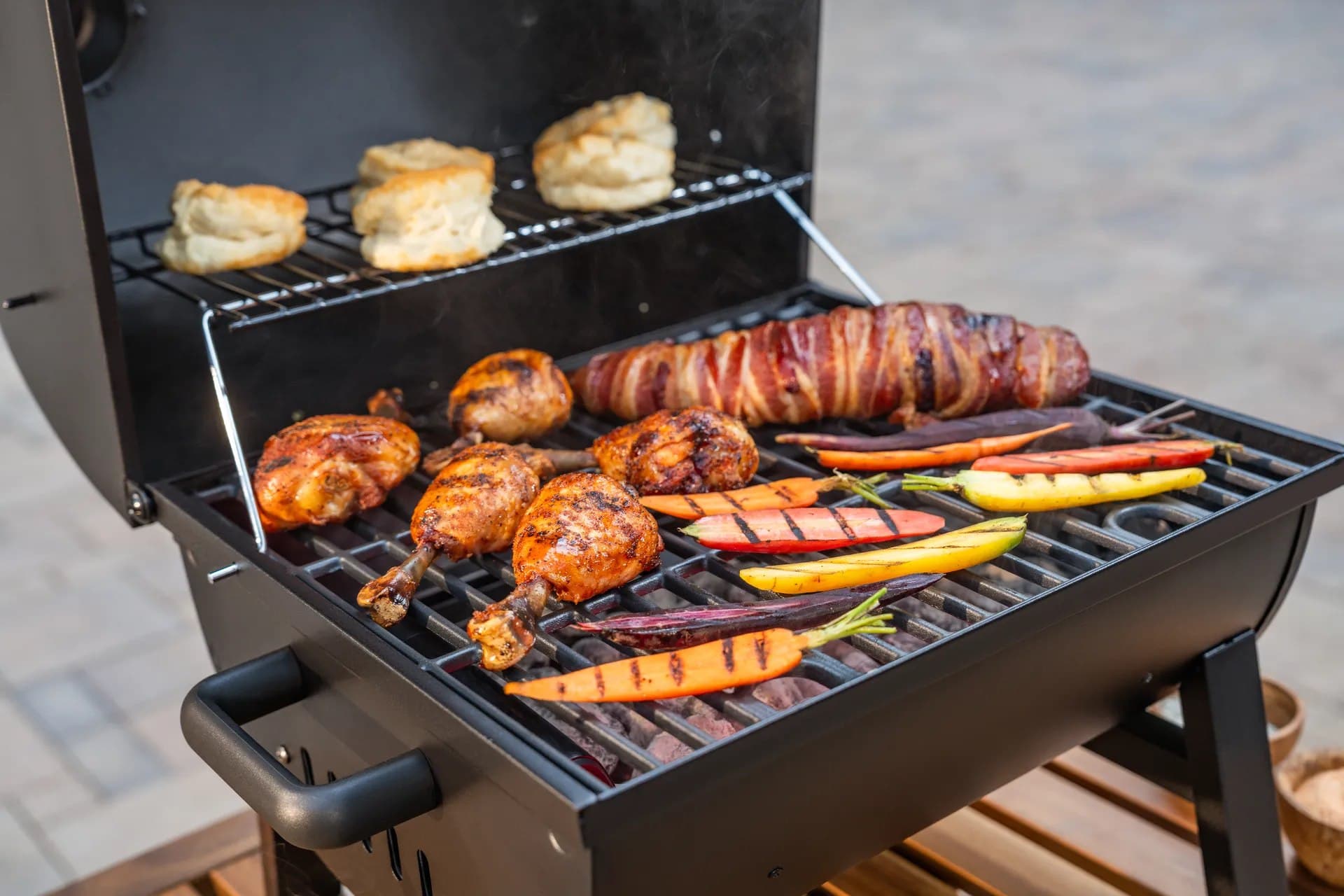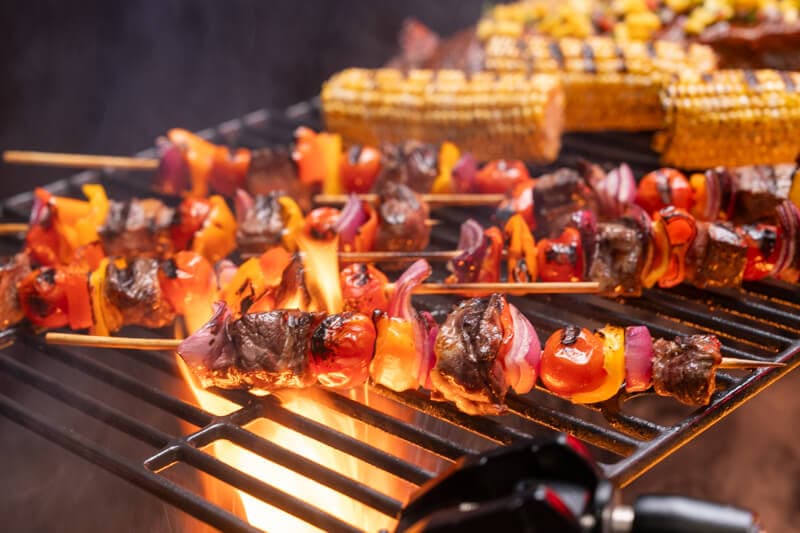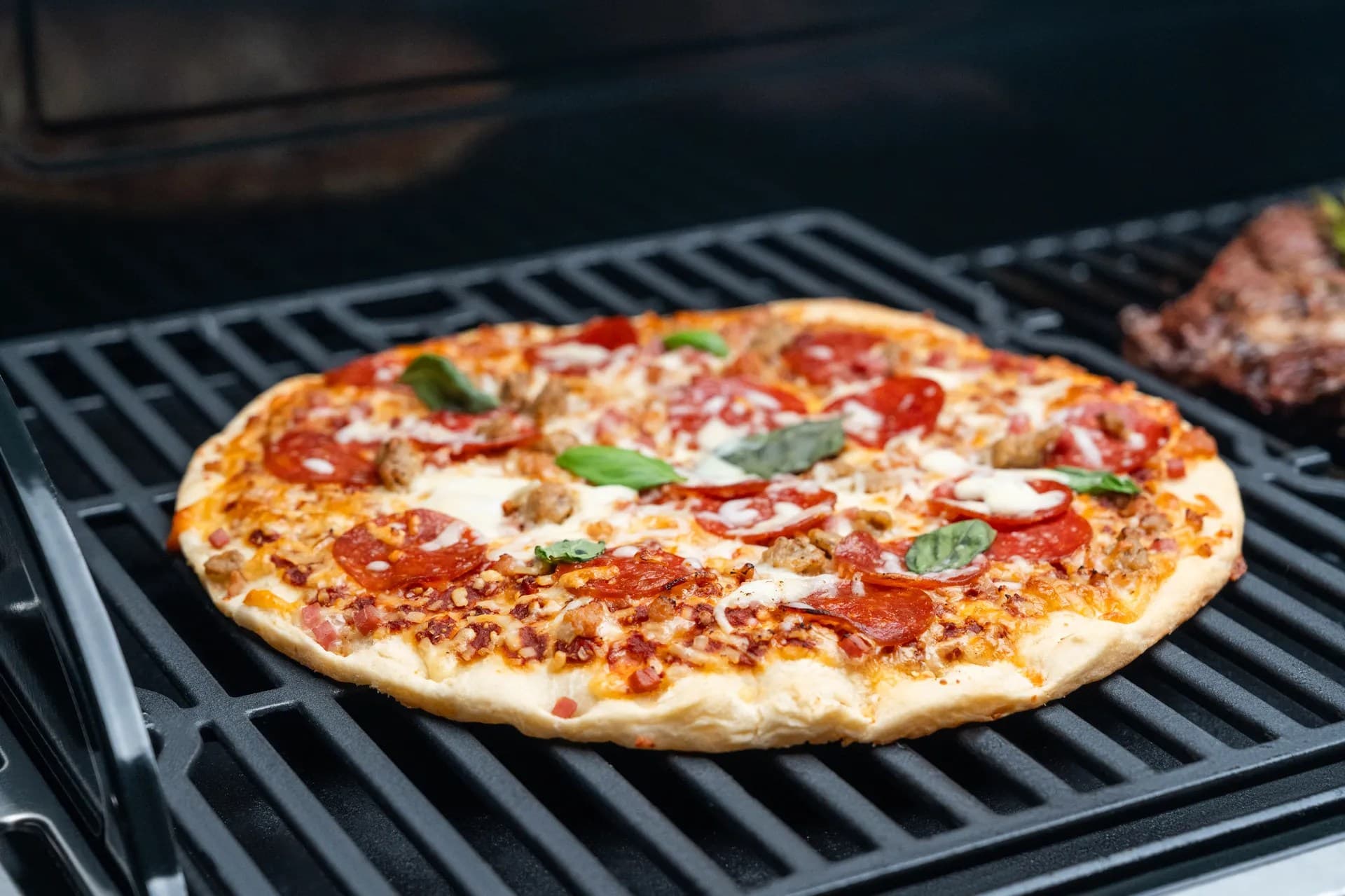
Elevate your summer cookouts with these unique and delicious side dishes.
Here's what sets us apart from the competition
We position ourselves as delivering high-end outdoor cooking features and performance without premium-brand pricing, emphasizing “Quality Grills. Unbelievable Value.”
We offer gas grills, pellet grills, griddles, smokers, pizza ovens, portable/tabletop grills, electric grills, accessories, and replacement parts — allowing customers to stay within one ecosystem for all outdoor cooking needs.
We differentiate ourselves through smart grilling products like the Oakford smart pellet grill, including app-connected cooking controls and modern outdoor cooking technology.
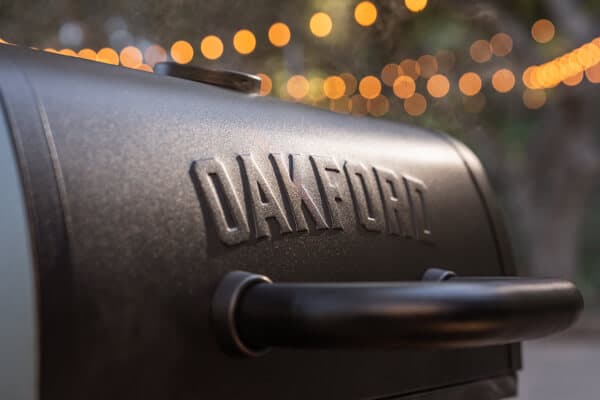
Expert tips, buying guides, comparisons, and inspiration for choosing and getting the most out of your grill.

Practical guides for cleaning, maintenance, common grill issues, and performance optimization.
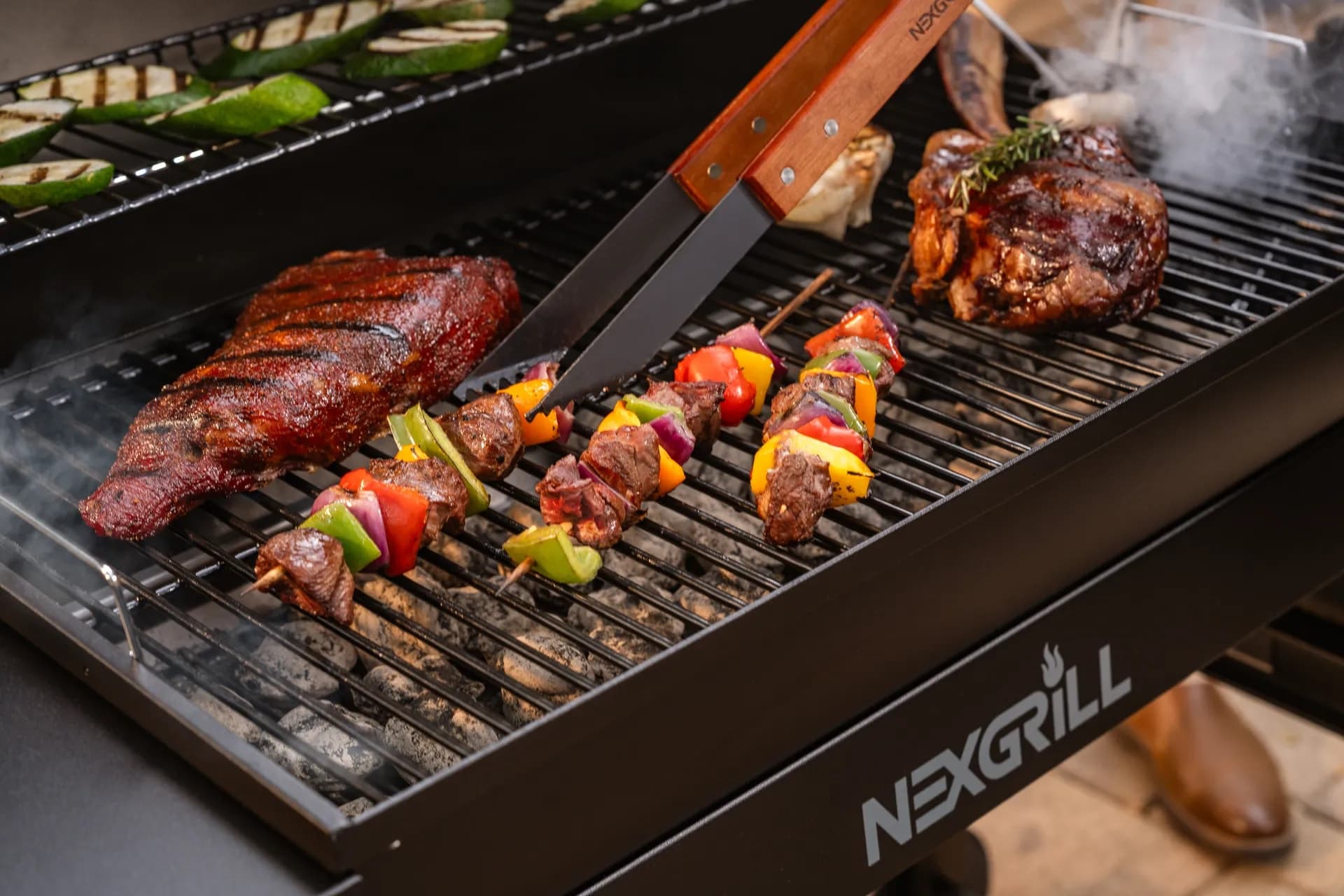
Step-by-step grilling recipes, cooking techniques, and meal ideas for every occasion and skill level.
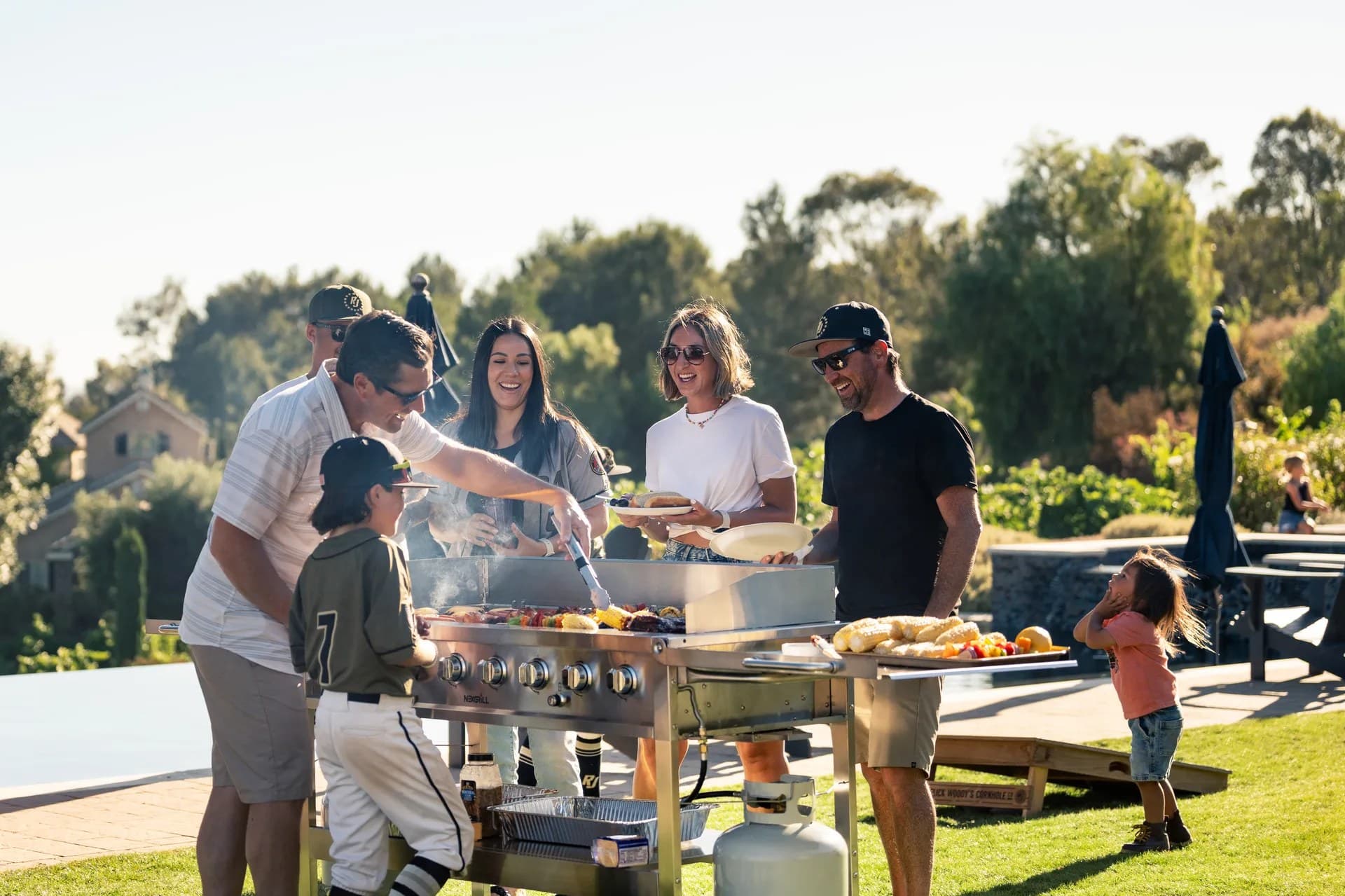
Backyard entertaining ideas, seasonal grilling inspiration, and stories that celebrate outdoor cooking culture.
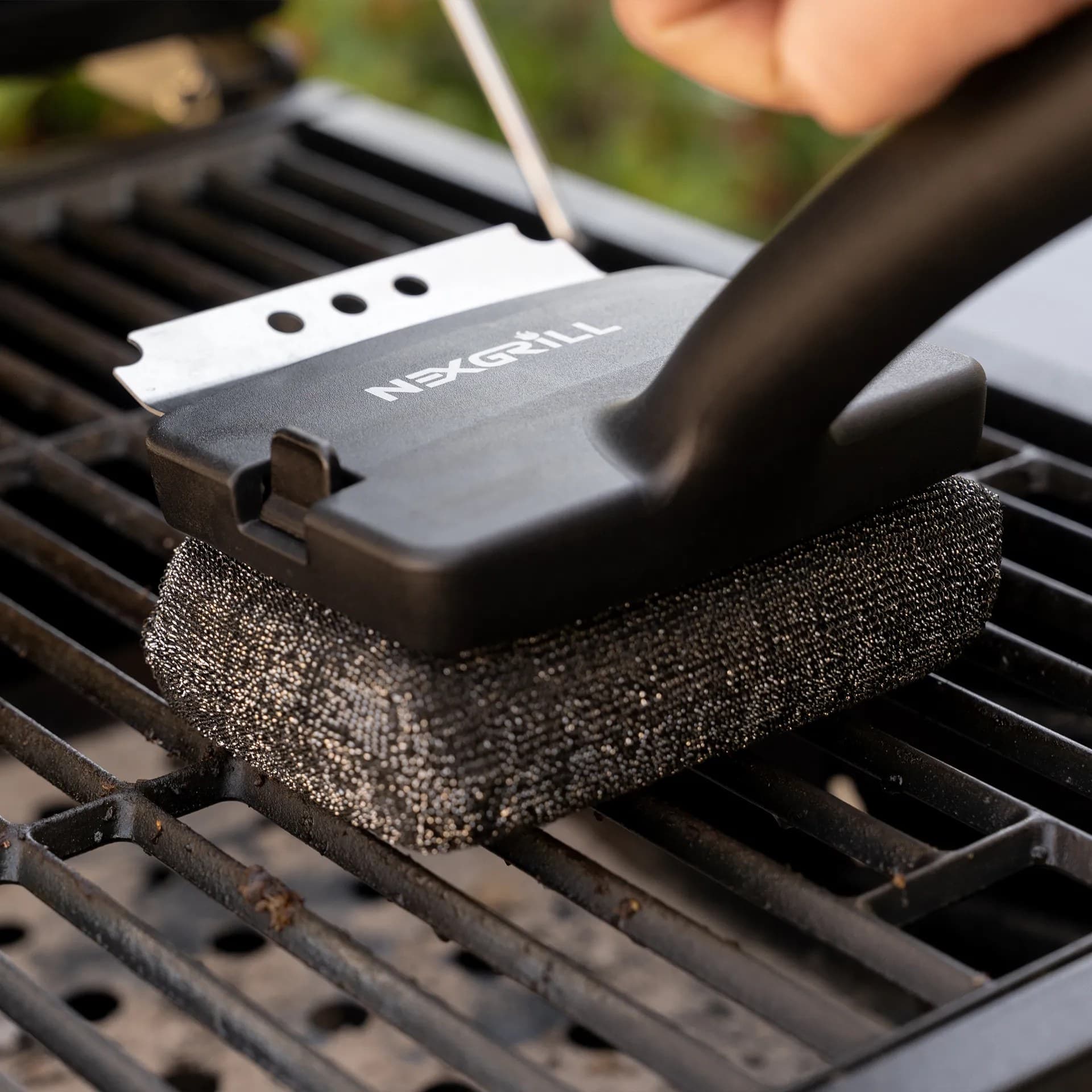
Helpful articles covering grilling tools, cookware, maintenance gear, and must-have accessories for outdoor cooking.
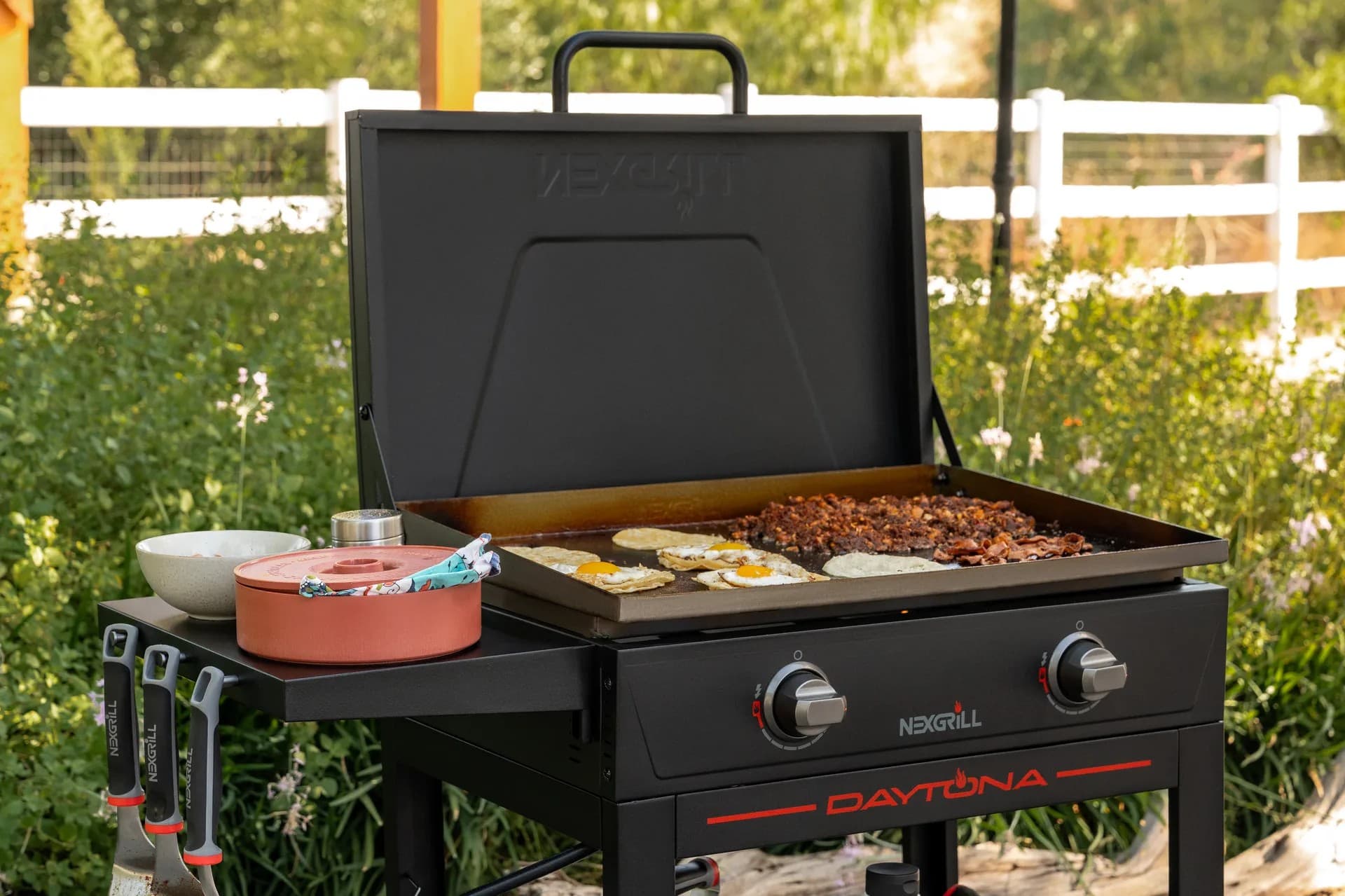
Find griddle recipes, cooking techniques, cleaning tips, and outdoor meal ideas designed for Nexgrill griddles.
Find answers to common questions
Nexgrill equipment is suitable for a variety of recipes including meats, vegetables, and even pizzas. Popular options include marinated steaks, grilled vegetables, and shrimp skewers.
To enhance the flavor of grilled vegetables, consider marinating them in olive oil, herbs, and spices before grilling. Alternatively, you can season them with salt and pepper during grilling for a more straightforward approach.
To achieve perfect grill marks, preheat your grill to a high temperature and ensure that the food is dry before placing it on the grill. Avoid moving the food too early, as it needs to sear properly to form those classic grill marks.
Using a meat thermometer is the most accurate way to ensure your grilled meat is at the desired temperature. For instance, chicken should reach an internal temperature of 165°F while medium-rare beef is typically at 135°F.
To clean your Nexgrill after cooking, allow it to cool and then use a grill brush to remove any residue from the grates. You can also wipe down the exterior with a damp cloth and mild soap to keep it looking its best.
In This Article
Grilled Corn Salad
Mediterranean Orzo Salad
Mango Jicama Slaw
Summer barbecues tend to revolve around the same familiar main dishes: burgers, hot dogs, ribs, chicken, and maybe the occasional steak. What often makes the meal memorable, though, is what sits beside the protein on the plate. A truly good side dish does more than fill space. It adds contrast, brightness, texture, and a second flavor story that keeps the meal from feeling heavy or repetitive. That is why flavorful sides for summer barbecues deserve just as much attention as the grill menu itself. They can cool down a smoky plate, sharpen rich barbecue sauces, or bring a fresh, crisp element that balances the heat of the cookout.
This article focuses on three sides that feel at home at a backyard cookout but offer a little more personality than standard potato salad or coleslaw. Grilled corn salad brings charred sweetness and tangy dressing together in a way that feels unmistakably summery. Mediterranean orzo salad adds a lighter, more composed option with pasta, feta, olives, herbs, and sun-dried tomatoes. Mango jicama slaw gives the table crunch, brightness, and a sweet-sour finish that works especially well with grilled meats and spicy barbecue rubs. These are not difficult dishes, but they do reward a little care in seasoning, texture, and timing. Grilled corn salad can be assembled after the corn cools. Orzo salad benefits from a brief chill in the refrigerator. Mango jicama slaw actually improves when the dressing has a few minutes to soak into the vegetables and fruit. That flexibility means less stress during the cookout and better flavor on the plate.
The best summer sides usually do three things well: they stay tasty at room temperature, they hold texture after sitting, and they complement smoke or char instead of competing with it.
For home cooks, this matters because barbecue menus are usually built around timing and simplicity. You may be managing several items at once, from preheating the grill to resting meat and arranging serving platters. Sides that can be partially prepared ahead of time make that process much easier. Another reason to upgrade the side dish game is that summer guests often have different appetites and preferences. Some want something refreshing, some want something hearty, and some want a side that feels more like a second main. A thoughtful spread can cover all three. When you mix smoky vegetables, chilled pasta, and crisp fruit-and-vegetable slaw, you give people options without overcomplicating the menu. That is especially useful for larger gatherings where you may not know whether guests are arriving with a light appetite or expecting a full feast.
distinct side dishes that bring smoke, freshness, and crunch to a summer barbecue
Grilled corn salad is one of the most rewarding summer sides because it starts with a simple ingredient and turns it into something layered and lively. Corn already has natural sweetness, but grilling adds a deeper flavor through char and light caramelization. Once the kernels are cut from the cob and tossed with herbs, citrus, and a creamy or vinaigrette-style dressing, the salad becomes far more than the sum of its parts. It tastes fresh, but it also has enough depth to stand up next to brisket, ribs, chicken thighs, or grilled sausages.
A strong grilled corn salad usually begins with four ears of corn, though you can scale the recipe up easily for a larger gathering. Brush the ears lightly with oil and grill them over medium-high heat until they develop golden spots and a few darker char marks, turning every couple of minutes. After the corn cools, slice the kernels off the cob. Add chopped red onion for sharpness, fresh cilantro or parsley for herbaceous lift, and diced red pepper if you want color and a little extra crunch. A dressing made with lime juice, olive oil, a touch of honey, salt, and black pepper keeps the salad bright. If you want a richer version, add a spoonful of mayo or crumbled cotija cheese for creaminess and salt.
The key to making this salad memorable is not overpowering the corn with too many additions. The char should remain the leading flavor, and the other ingredients should support it. A little cumin can work well if you are serving the salad alongside spice-rubbed meats, while chopped jalapeño can add heat without changing the basic profile. If you are feeding a crowd with mixed tastes, consider keeping the dressing simple and offering add-ins on the side. That way, guests can customize their serving without turning the dish into a one-note chili-lime mixture.
| Ingredient | Purpose in the salad |
|---|---|
| Grilled corn | Adds sweetness, smoke, and the main texture |
| Lime juice | Provides acidity and brightness |
| Fresh herbs | Adds freshness and aroma |
| Red onion | Contributes bite and contrast |
If you want to make the salad ahead of time, grill the corn a few hours early and keep the kernels refrigerated separately from the dressing. Toss everything together shortly before serving so the herbs stay lively and the corn keeps its texture. This is especially useful at cookouts where the grill is busy and side dishes need to be ready without last-minute effort. Served chilled or at cool room temperature, grilled corn salad remains one of the easiest ways to add smoky complexity to a summer spread.
Mediterranean orzo salad fills a different role on the barbecue table. Where grilled corn salad leans smoky and tangy, orzo salad brings a calmer, more polished balance of textures and flavors. Orzo is small enough to feel light but substantial enough to make the dish satisfying. When paired with feta cheese, olives, cucumbers, cherry tomatoes, lemon, and herbs, it becomes a side that can refresh the palate after richer barbecue fare while still feeling complete in its own right.
A practical version starts with about 1 pound of orzo cooked in salted water until just tender. Drain it and rinse briefly if you want to stop the cooking quickly, then spread it out so it cools without clumping. While the pasta cools, chop cucumbers, halve cherry tomatoes, slice kalamata olives, crumble feta, and mince fresh dill or parsley. A dressing built from olive oil, lemon juice, garlic, Dijon mustard, salt, and black pepper gives the salad body and lift. If you like a more pronounced Mediterranean profile, add chopped roasted red peppers or a few pieces of sun-dried tomato for sweetness and color.
The most important decision with orzo salad is texture. Because the pasta is small, it can become soft quickly if overcooked or overdressed. The goal is for each bite to feel distinct: the soft pasta, the juicy tomato, the salty feta, and the crisp cucumber should all be recognizable. You can prevent sogginess by dressing the pasta lightly first, then adding the vegetables and cheese just before serving. If the salad needs a little more moisture after chilling, add a spoonful of olive oil and lemon juice instead of pouring on extra dressing all at once.
This side works well for hosts who want something that can hold on the buffet table for an extended period. It travels well, scales up cleanly, and pairs with both grilled chicken and heartier barbecue mains. It can also serve as a bridge dish for guests who may not want a heavily smoky side. The flavors are familiar enough to appeal to a broad audience, but they still feel a step above the expected pasta salad. That makes Mediterranean orzo salad especially useful when you want your barbecue menu to feel thoughtful without becoming fussy.
For the best texture, cool the orzo fully before mixing and add feta last so it stays distinct instead of dissolving into the dressing.
Mango jicama slaw is the side dish that can surprise guests in the best possible way. It combines crisp, watery crunch from jicama with the perfume and sweetness of ripe mango, then ties everything together with a citrusy dressing that keeps the flavors bright. Unlike heavier slaws that rely on mayonnaise, this version feels light and lively, which makes it especially well suited for hot weather and spicy barbecue menus. It adds contrast, coolness, and a clean finish after smoky grilled foods.
To make it well, the cut matters as much as the flavoring. Jicama should be peeled and cut into thin matchsticks or very small strips so its texture feels crisp rather than bulky. Choose a mango that is ripe but still firm enough to slice cleanly. Combine those with shredded cabbage or napa cabbage if you want a more traditional slaw base, then add thinly sliced scallions, chopped mint or cilantro, and maybe a little red bell pepper for color. The dressing can be as simple as lime juice, orange juice, olive oil, a pinch of salt, and a small amount of honey or agave to smooth out the acidity.
What makes this slaw especially useful at summer barbecues is how well it complements rich mains. It cuts through fatty meats, refreshes the palate after barbecue sauce, and adds a sweet-savory note that many guests remember. If you are serving grilled chicken with a spicy rub or pork with a smoky glaze, mango jicama slaw gives the plate a cooling balance without feeling bland. It also introduces a different kind of crunch than the usual cabbage-only slaw, which makes it feel more special than a standard picnic side.
Because mango can soften as it sits, this slaw is best assembled close to serving time. You can prep the jicama, cabbage, and herbs ahead of time, but hold the mango and dressing until the final mix. That way the dish remains crisp and bright rather than watery. If you want to add heat, thinly sliced jalapeño or a pinch of chili flakes works well, but use restraint so the fruit still shines. The balance should feel refreshing first, with sweetness, acid, and crunch all working together.
The easiest way to serve these sides successfully is to plan around texture and temperature. Grilled corn salad benefits from being assembled after the corn cools, but it can be dressed earlier in the day if needed. Orzo salad should be completely cooled before you add the cheese and fresh herbs, especially if you want the feta to stay in clean crumbles. Mango jicama slaw is the most delicate of the three, so it should be tossed as close to serving as possible. Thinking about timing this way helps each dish taste its best rather than simply fit the menu.
| Side dish | Best served | Make-ahead note |
|---|---|---|
| Grilled corn salad | Cool or room temperature | Grill corn early; toss near serving |
| Mediterranean orzo salad | Chilled or lightly cooled | Fully prep ahead; refresh dressing before serving |
| Mango jicama slaw | Cold and crisp | Prep components ahead; combine at the last minute |
Serving style matters too. If your main dishes are saucy or rich, put the brightest side first in the serving line so guests can choose a refreshing contrast early. Keep lemon wedges, extra herbs, or a little flaky salt nearby so people can adjust flavor at the table. For larger groups, use shallow bowls or wide platters rather than deep containers. That keeps the food visually appealing and makes it easier to serve without smashing the ingredients.
A final practical tip is to think about color. Summer barbecue plates look more inviting when the sides bring visual contrast: yellow corn, green herbs, red tomatoes, orange mango, white feta, and pale jicama all help the table feel abundant. Color is not just decoration here; it is often a sign that the menu contains multiple textures and flavor directions. That variety is what turns a standard cookout into a more memorable meal.
A summer barbecue becomes more memorable when the side dishes carry real flavor, not just filler. Grilled corn salad brings smoke and tang. Mediterranean orzo salad adds cool, balanced richness. Mango jicama slaw contributes crunch, sweetness, and a bright finish that wakes up the plate. Together, they create a menu that feels varied, seasonal, and more polished than a routine cookout spread.
The appeal of these sides is that they are practical as well as distinctive. They can be prepared in stages, they travel reasonably well, and they fit a wide range of grilled mains. That makes them useful for casual family cookouts, neighborhood gatherings, and more ambitious backyard feasts. When you choose sides with a clear purpose, your barbecue feels more complete and your guests notice the extra care.
If you want your next cookout to feel a little more special, start with one of these sides and build the rest of the menu around it. The main dish may bring people to the table, but the sides are often what they remember afterward.
Once you have compared the three side dishes, grilled corn salad is the one most directly connected to the grill itself, which makes it especially fitting for a barbecue-centered meal. The flavor starts with the corn, but the finished dish is really about contrast: char against sweetness, acid against richness, soft kernels against crisp add-ins. That balance is what makes the salad feel fresh rather than heavy, even when it is served alongside ribs, burgers, or grilled sausages. It also has a practical advantage for hosts because the corn can be grilled well before the rest of the meal is finished, then assembled quickly when guests are ready to eat.
For a dependable version, use 4 to 6 ears of corn, 1 tablespoon of oil, 1 small red onion, 1 cup of chopped herbs, 1 lime, and salt and pepper to taste. Grill the corn over medium-high heat until it shows visible char in spots, then cool it enough to handle before cutting the kernels away from the cob. If the corn is especially fresh and sweet, a very simple dressing is enough: olive oil, lime juice, salt, and black pepper. If the corn is more starchy or less sweet, a small amount of honey or a pinch of sugar can help round out the flavor. For richer barbecue menus, a spoonful of mayonnaise or a sprinkle of cotija can turn the salad into something more substantial without hiding the corn.
Avoid over-charing the corn to the point of bitterness. A few dark spots are ideal; a fully blackened cob can overwhelm the salad.
The best version of this dish also respects the role of aroma. Fresh cilantro gives a sharper, more vibrant profile, while parsley feels calmer and pairs better with guests who prefer a softer herb note. Red onion contributes bite, but if you want the salad to stay more delicate, soak the chopped onion in ice water for a few minutes before mixing. That removes some harshness and lets the corn remain the main flavor. You can also add diced avocado just before serving, although that shifts the salad from crisp and zesty toward creamy and rich. If you do that, keep the dressing lighter so the finished dish does not feel dense.
| Version | Best use | Flavor profile |
|---|---|---|
| Simple lime corn salad | Lighter cookouts and weekday grilling | Bright, clean, and smoky |
| Cotija corn salad | Heavier barbecue mains | Salty, creamy, and tangy |
| Herb-heavy corn salad | Menus with grilled fish or chicken | Fresh, fragrant, and lively |
If you want to make the salad more substantial without losing its summer identity, add black beans or diced cucumber. Black beans give it more body and make it suitable for vegetarians as a full side. Cucumber adds cooling crunch, which is particularly useful if the rest of the barbecue leans spicy. Either way, the key is to keep the salad textured enough that every bite feels different from the last.
Mediterranean orzo salad succeeds because it gives the barbecue table a side that feels composed, cool, and balanced. It is not trying to mimic the main grill flavors; instead, it offers relief from them. Orzo works well because it behaves like pasta while still feeling small enough to keep the dish airy. Combined with cucumber, tomato, feta, olives, herbs, and lemon, it becomes a side with enough complexity to feel intentional and enough restraint to avoid competing with smoky barbecue items.
A well-built bowl starts with about 1 pound of orzo, cooked just to al dente. After draining, rinse it briefly if needed and spread it out so the grains stop steaming together. Then add 1 cup diced cucumber, 1 to 1 1/2 cups halved cherry tomatoes, 1/2 cup sliced olives, 1/2 cup feta, and a generous handful of chopped herbs. The dressing should be straightforward: olive oil, fresh lemon juice, minced garlic, salt, and black pepper. Dijon mustard can help emulsify the dressing and add a little depth, but use only enough to support the lemon, not take over the bowl.
Let the orzo cool before adding the feta and herbs. Warm pasta can flatten fresh flavors and make the cheese soften too much.
This salad is especially effective for gatherings where food will sit out for a while. It remains enjoyable at room temperature and can even improve after a short chill because the dressing settles into the pasta. If you are making it a few hours ahead, reserve a small amount of lemon juice and olive oil so you can brighten the salad right before serving. That small finishing step makes a big difference, especially if the bowl has been in the refrigerator for a while and the flavors have muted slightly.
There is also room to make this salad feel more distinctive without losing its identity. Sun-dried tomatoes add sweetness and chew, toasted pine nuts bring a subtle nutty note, and chopped arugula can give the dish a peppery edge. These additions should be used sparingly so the salad stays barbecue-friendly rather than turning into a dense pasta bowl. Think of it as a cold side with enough structure to be satisfying, but enough freshness to keep the meal from feeling too rich.
Mango jicama slaw gives the summer table a very different kind of energy. It is crisp, juicy, and bright, with a texture profile that feels immediately refreshing next to grilled food. Jicama is especially valuable here because it stays crunchy and mild, which means it can carry sweet or acidic dressings without collapsing. Mango adds fragrance and a natural sweetness that softens the sharper edges of the dressing. The result is a slaw that feels lighter than mayonnaise-based versions but still complete enough to serve confidently beside barbecue mains.
To prepare it, peel and julienne about 2 cups of jicama, slice 1 ripe but firm mango into thin strips, and combine them with shredded green cabbage or napa cabbage for volume. A dressing of lime juice, orange juice, olive oil, a tiny drizzle of honey, and salt is enough to tie the ingredients together. Fresh mint gives the slaw a cooler finish, while cilantro gives it a brighter, slightly more savory edge. If the barbecue menu includes spice-forward mains, a small amount of sliced jalapeño can add a sharp counterpoint that keeps the slaw from reading too sweet.
The important thing here is to preserve crunch. Jicama should be cut thin enough to eat easily, but not so thin that it loses its snap. Mango should be ripe, but not mushy. If the fruit is too soft, the slaw can become wet quickly and lose its appeal. For best results, salt the cabbage lightly and let it sit for a few minutes before mixing. That draws out a little moisture and gives the dressing a cleaner base. Then combine everything right before serving so the texture stays lively.
| Adjustment | When to use it | Effect on the dish |
|---|---|---|
| Add jalapeño | Spicy mains or bold barbecue rubs | Adds heat and sharper contrast |
| Use mint | Hot afternoons and lighter menus | Feels cooler and more refreshing |
| Add cabbage | Need a larger batch for guests | Increases volume and structural crunch |
The three sides work best when you plan their timing around the barbecue, not the other way around. Grilled corn salad benefits from a two-step process: grill the corn early, then finish the salad once the rest of the meal is close to ready. Mediterranean orzo salad is the easiest to make ahead because the flavors settle well after chilling. Mango jicama slaw is the most timing-sensitive, so its dressing should wait until the last possible moment. This sequence reduces stress and protects texture, which is the main reason these dishes stand out in the first place.
| Side dish | Best temperature | Ideal serving window |
|---|---|---|
| Grilled corn salad | Cool or room temperature | Within a few hours of grilling |
| Mediterranean orzo salad | Chilled or cool | Best after short refrigeration |
| Mango jicama slaw | Cold and crisp | Right after tossing |
Presentation also shapes how these sides are perceived. Wide shallow bowls show off the ingredients better than deep containers, and a finishing sprinkle of herbs or cheese can make each dish look more deliberate. If you are serving a group, label the sides in simple terms so guests know what they are choosing. That is especially helpful if one dish includes dairy, another includes pasta, and another is naturally lighter. It gives people confidence and reduces hesitation at the table.
Taste each side right before serving. A small pinch of salt or squeeze of citrus at the end can wake up flavors that softened while sitting.
The most memorable summer barbecues usually have at least one side that surprises people. Grilled corn salad does that with smoke and tang. Mediterranean orzo salad does it with balance and a cooler, composed flavor profile. Mango jicama slaw does it with crispness, sweetness, and a clean finish that lingers after the meal. Each side fills a different role, which is exactly why the menu feels more complete when they are paired with grilled mains.
If you are building a cookout menu for guests with different tastes, this combination is especially effective. The corn salad feels bold enough for barbecue lovers, the orzo salad offers reassurance for guests who prefer familiar Mediterranean flavors, and the slaw brings freshness for anyone looking for something lighter. Together, they give your table range without forcing you to make complicated recipes or hard-to-find ingredients.
That is the real strength of flavorful sides for summer barbecues: they make the meal feel intentional. They help the smoked, grilled, and sauced elements on the plate taste better by contrast. They also give hosts a way to prepare ahead, serve confidently, and create a spread that feels thoughtful from the first bite to the last.
Here's what sets us apart
We position ourselves as delivering high-end outdoor cooking features and performance without premium-brand pricing, emphasizing “Quality Grills. Unbelievable Value.”
We offer gas grills, pellet grills, griddles, smokers, pizza ovens, portable/tabletop grills, electric grills, accessories, and replacement parts — allowing customers to stay within one ecosystem for all outdoor cooking needs.
We differentiate ourselves through smart grilling products like the Oakford smart pellet grill, including app-connected cooking controls and modern outdoor cooking technology.
Don't just take our word for it
Keep reading
From our catalog