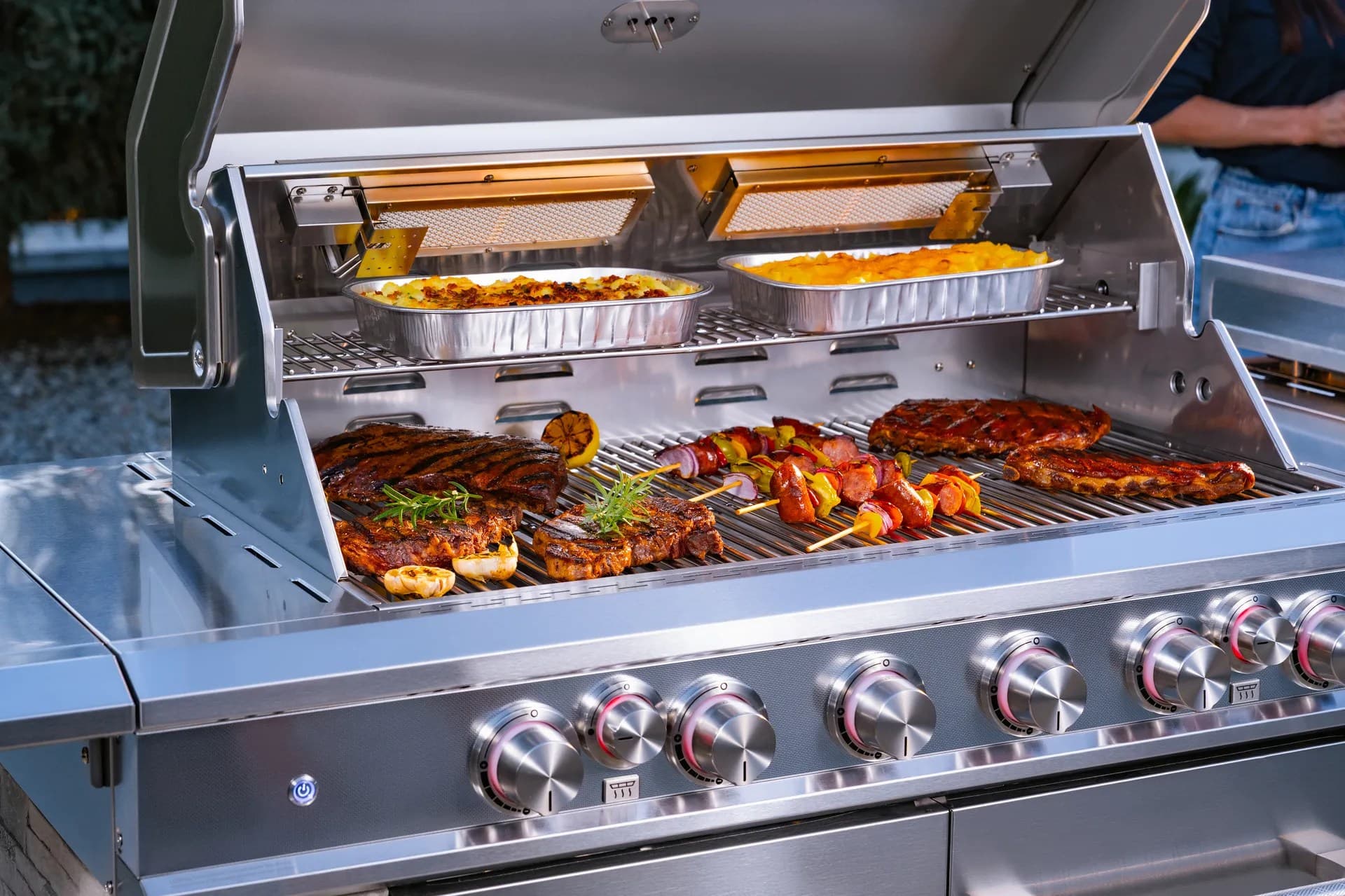
Explore the health advantages of choosing electric grills for your outdoor cooking needs over traditional charcoal grills.

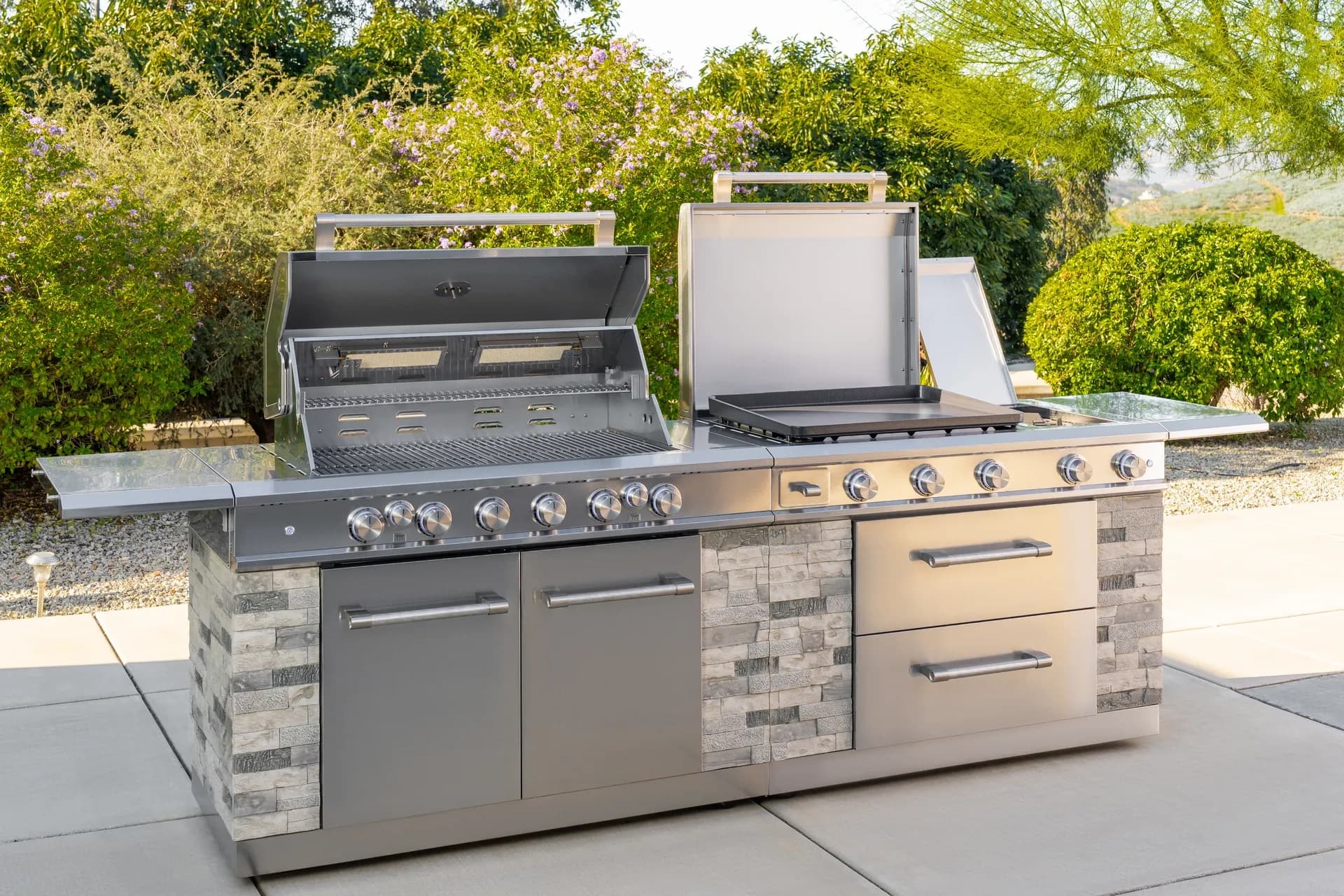
From sizzling breakfasts to smash burgers and teppanyaki-style dinners, the Daytona Pro 5 Burner NitroGuard™ Griddle delivers powerful heat, fast cooking, and a durable cooking surface built for every backyard cookout. Watch how easy outdoor cooking can be.
Here's what sets us apart from the competition
We position ourselves as delivering high-end outdoor cooking features and performance without premium-brand pricing, emphasizing “Quality Grills. Unbelievable Value.”
We offer gas grills, pellet grills, griddles, smokers, pizza ovens, portable/tabletop grills, electric grills, accessories, and replacement parts — allowing customers to stay within one ecosystem for all outdoor cooking needs.
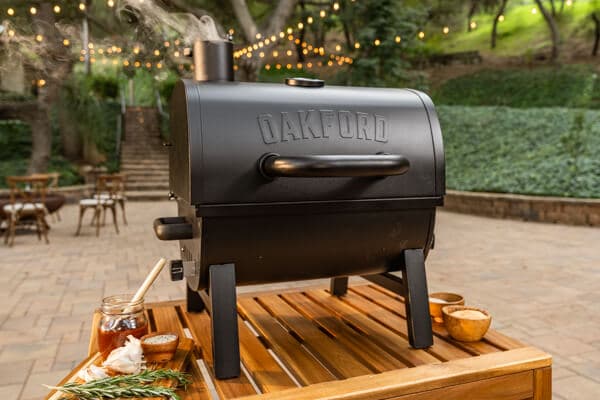
We differentiate ourselves through smart grilling products like the Oakford smart pellet grill, including app-connected cooking controls and modern outdoor cooking technology.

Expert tips, buying guides, comparisons, and inspiration for choosing and getting the most out of your grill.

Practical guides for cleaning, maintenance, common grill issues, and performance optimization.

Step-by-step grilling recipes, cooking techniques, and meal ideas for every occasion and skill level.

Backyard entertaining ideas, seasonal grilling inspiration, and stories that celebrate outdoor cooking culture.

Helpful articles covering grilling tools, cookware, maintenance gear, and must-have accessories for outdoor cooking.

Find griddle recipes, cooking techniques, cleaning tips, and outdoor meal ideas designed for Nexgrill griddles.
Find answers to common questions
Gas grills provide instant heat and precise temperature control, making them easier to use. Charcoal grills offer a smoky flavor and high heat for searing but require more time to heat up and manage.
Pellet grills combine the convenience of gas with the flavor of wood, allowing for smoking, baking, and grilling. Traditional gas grills, however, are quicker to start and often easier to clean.
Charcoal grills typically reach higher temperatures quicker than gas grills, making them better for searing meat. However, high-quality gas grills can also provide adequate heat for effective searing.
Nexgrill offers models designed specifically for gas, charcoal, and pellets, allowing users to choose based on their cooking style and flavor preferences. Each type is built to optimize the characteristics of its respective fuel.
Choosing between gas and charcoal grills depends on your cooking preferences and lifestyle. If you value convenience and quick cooking, a gas grill may suit you better; if you prefer the taste and experience of traditional grilling, a charcoal grill would be ideal.
In This Article
Cleaner Cooking
Nutrient Preservation
Eco-Friendly Option
Electric grills have become increasingly popular among health-conscious grilling enthusiasts. Unlike traditional charcoal grills, electric grills offer a cleaner cooking process that minimizes exposure to harmful substances. One of the primary health benefits is the reduction of carcinogens, which are compounds linked to cancer formation. Charcoal grills can produce higher levels of polycyclic aromatic hydrocarbons (PAHs) and heterocyclic amines (HCAs), both of which are by-products of grilling meats at high temperatures, especially when fat drips onto the flame.
Electric grills reduce the production of PAHs and HCAs by utilizing a heat source that doesn’t rely on burning solid fuel.
Furthermore, electric grills allow for more precise temperature control, helping to prevent overcooking or burning, which can further reduce the formation of these harmful compounds. The consistent heat distribution also ensures that food is cooked evenly, reducing the risk of raw centers that might harbor bacteria.
Another significant advantage of electric grills is the reduction in smoke production. Charcoal grills are known for emitting large amounts of smoke, which can contain particulate matter and other harmful substances that affect air quality. These emissions are not only a concern for the environment but also for anyone inhaling the smoke during cooking. Electric grills, by contrast, produce minimal smoke, making them a better option for maintaining healthier air quality, especially in enclosed or semi-enclosed spaces such as balconies or patios.
| Feature | Electric Grill | Charcoal Grill |
|---|---|---|
| Carcinogen Production | Low | High |
| Smoke Production | Minimal | High |
| Temperature Control | Precise | Variable |
Electric grills can also contribute to better nutrient preservation in grilled foods. The ability to control temperature more accurately helps in retaining the essential nutrients in vegetables and lean meats, as these are less likely to be overcooked or charred. Overcooking can degrade vitamins and minerals, diminishing the nutritional value of the meal.
Moreover, electric grills often come with non-stick surfaces which require less oil, contributing to lower calorie and fat intake without compromising on taste or texture.
Electric grills promote nutrient-rich cooking by maintaining even heat and reducing the need for excess fats.
For individuals focused on maintaining a healthy diet, these factors make electric grills an appealing choice that aligns with their dietary goals while still enjoying the pleasures of grilling.
Electric grills not only offer health benefits for the cook and consumers but also have positive implications for the environment. By eliminating the need for charcoal or lighter fluid, which can release volatile organic compounds (VOCs) and other harmful chemicals into the atmosphere, electric grills contribute to reduced air pollution and a smaller carbon footprint. This is particularly important for those who are eco-conscious and looking to make environmentally friendly choices in their lifestyle.
In addition to their health and environmental benefits, electric grills offer convenience and safety advantages. They are easy to operate, often featuring simple plug-and-play functionality. This simplicity reduces the risk of accidents associated with open flames and hot coals. Electric grills heat up quickly and cool down with ease, making them safer for use in various settings, including urban balconies and indoor-outdoor spaces.
Electric grills minimize risks associated with open flames, providing a safer cooking environment.
Moreover, electric grills are often more compact and lightweight, making them ideal for small spaces and easy to store when not in use. Their portability adds to their convenience, especially for those who enjoy grilling but lack extensive outdoor space.
While the initial cost of an electric grill may be higher than that of a basic charcoal grill, the long-term savings are substantial. Users save on the recurring purchase of charcoal and lighter fluid, and the maintenance costs are generally lower due to fewer parts that require cleaning or replacement. Electric grills' energy efficiency can also lead to lower utility bills, especially when used frequently.
Additionally, the durability of electric grills is enhanced by their construction, often featuring materials designed to withstand regular use without degradation. This durability means less frequent replacements and repairs, further contributing to cost savings over time.
Electric grills are particularly suitable for urban dwellers, health-conscious individuals, and those who prioritize convenience and safety. They are an excellent choice for families looking to reduce potential health risks associated with traditional grilling methods and for anyone interested in sustainable cooking practices. With the added benefits of easy maintenance and operational simplicity, electric grills cater to both novice cookers and seasoned grill masters seeking a reliable and healthy grilling solution.
| Aspect | Electric Grill | Charcoal Grill |
|---|---|---|
| Initial Cost | Higher | Lower |
| Operating Cost | Lower | Higher |
| Maintenance | Easy | Complex |
Here's what sets us apart
We position ourselves as delivering high-end outdoor cooking features and performance without premium-brand pricing, emphasizing “Quality Grills. Unbelievable Value.”
We offer gas grills, pellet grills, griddles, smokers, pizza ovens, portable/tabletop grills, electric grills, accessories, and replacement parts — allowing customers to stay within one ecosystem for all outdoor cooking needs.
We differentiate ourselves through smart grilling products like the Oakford smart pellet grill, including app-connected cooking controls and modern outdoor cooking technology.
Don't just take our word for it
Keep reading
From our catalog