A comprehensive guide to selecting the ideal electric tabletop grill for compact cooking spaces.
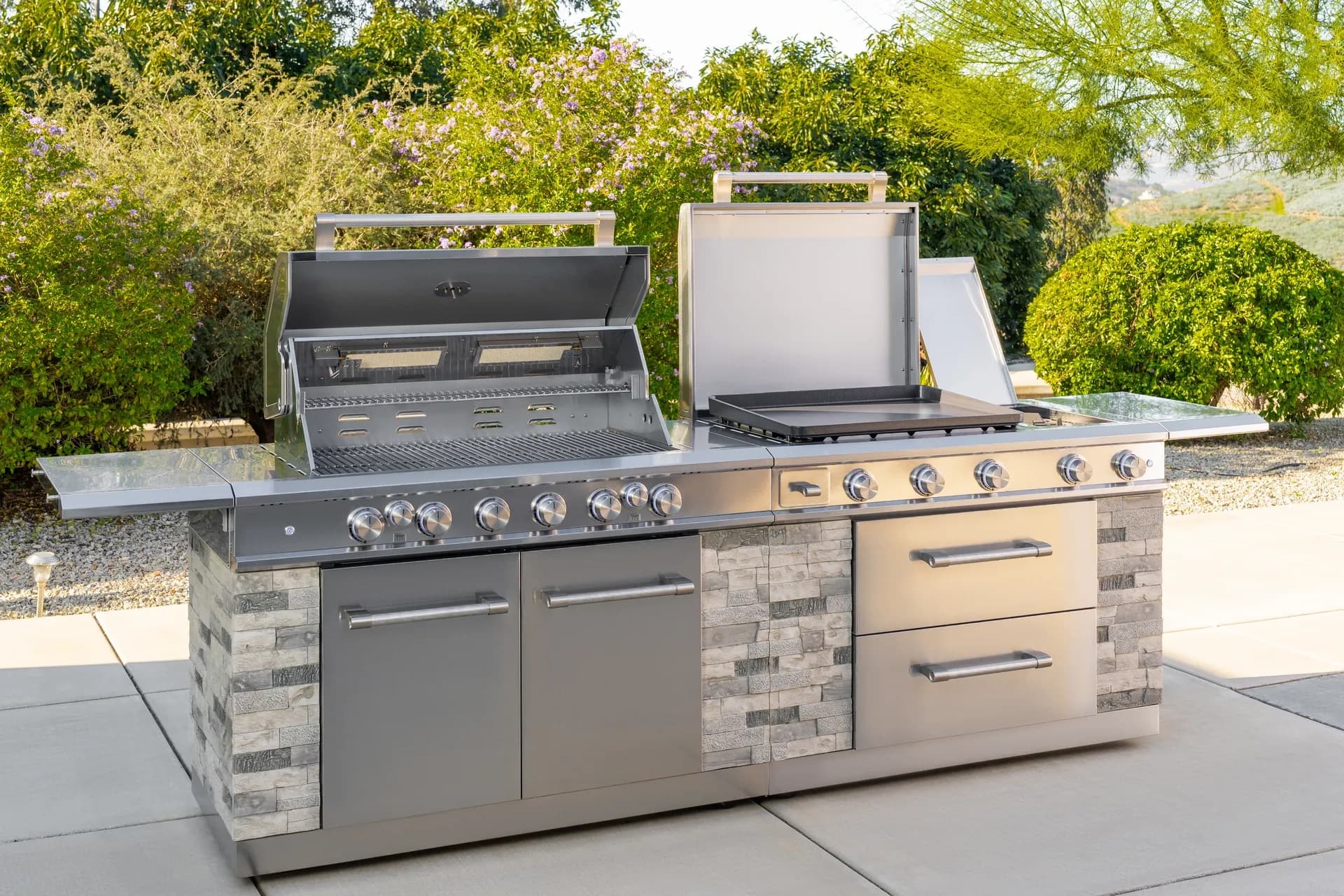
From sizzling breakfasts to smash burgers and teppanyaki-style dinners, the Daytona Pro 5 Burner NitroGuard™ Griddle delivers powerful heat, fast cooking, and a durable cooking surface built for every backyard cookout. Watch how easy outdoor cooking can be.
Here's what sets us apart from the competition
We position ourselves as delivering high-end outdoor cooking features and performance without premium-brand pricing, emphasizing “Quality Grills. Unbelievable Value.”
We offer gas grills, pellet grills, griddles, smokers, pizza ovens, portable/tabletop grills, electric grills, accessories, and replacement parts — allowing customers to stay within one ecosystem for all outdoor cooking needs.
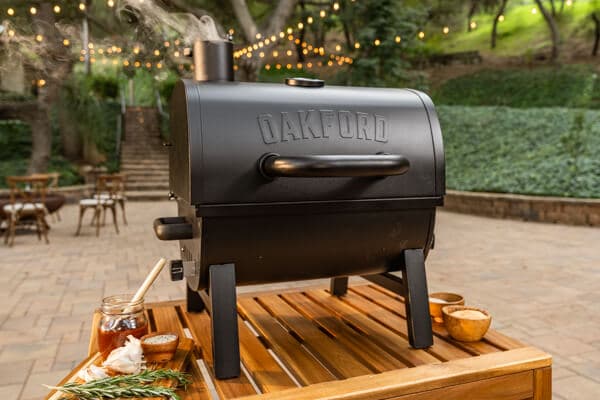
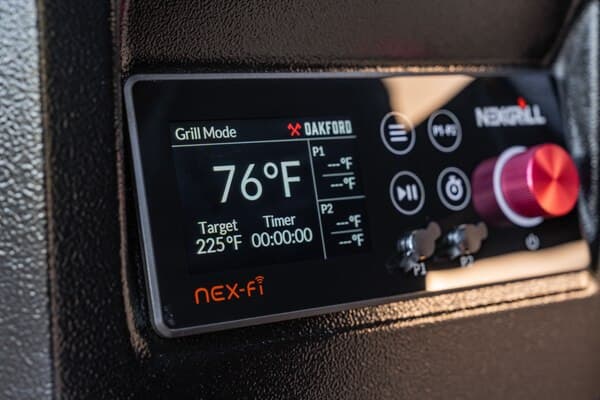
We differentiate ourselves through smart grilling products like the Oakford smart pellet grill, including app-connected cooking controls and modern outdoor cooking technology.

Expert tips, buying guides, comparisons, and inspiration for choosing and getting the most out of your grill.

Practical guides for cleaning, maintenance, common grill issues, and performance optimization.

Step-by-step grilling recipes, cooking techniques, and meal ideas for every occasion and skill level.

Backyard entertaining ideas, seasonal grilling inspiration, and stories that celebrate outdoor cooking culture.

Helpful articles covering grilling tools, cookware, maintenance gear, and must-have accessories for outdoor cooking.

Find griddle recipes, cooking techniques, cleaning tips, and outdoor meal ideas designed for Nexgrill griddles.
Find answers to common questions
Gas grills provide instant heat and precise temperature control, making them easier to use. Charcoal grills offer a smoky flavor and high heat for searing but require more time to heat up and manage.
Pellet grills combine the convenience of gas with the flavor of wood, allowing for smoking, baking, and grilling. Traditional gas grills, however, are quicker to start and often easier to clean.
Charcoal grills typically reach higher temperatures quicker than gas grills, making them better for searing meat. However, high-quality gas grills can also provide adequate heat for effective searing.
Nexgrill offers models designed specifically for gas, charcoal, and pellets, allowing users to choose based on their cooking style and flavor preferences. Each type is built to optimize the characteristics of its respective fuel.
Choosing between gas and charcoal grills depends on your cooking preferences and lifestyle. If you value convenience and quick cooking, a gas grill may suit you better; if you prefer the taste and experience of traditional grilling, a charcoal grill would be ideal.
In This Article
Compact Design
Quick Heating
Easy Cleanup
An electric tabletop grill can solve a very specific problem: how to cook grilled foods when your kitchen is small, your counter space is limited, and you still want the speed and browning that make grilled meals satisfying. In apartments, studio kitchens, dorm-style setups, and compact condos, full-size outdoor grills are often impractical, and stovetop pans can only go so far. A tabletop grill gives you a self-contained cooking surface that heats quickly, stays in one place, and usually fits into a storage cabinet or on a narrow shelf when you are done.
For small kitchens, the best electric tabletop grill is rarely the biggest or the most powerful model on paper. The best choice is the one that balances usable cooking area, heat recovery, storage footprint, and cleanup effort. A compact grill that sears a couple of chicken cutlets evenly and stores upright may be a better fit than a larger unit that looks impressive but dominates the counter. That is why a comparative review matters more than a generic “top pick” list. Small-space cooking is about trade-offs, and those trade-offs are easiest to understand when you compare how grills actually behave in everyday use.
The right tabletop grill should earn its footprint through fast preheat, easy storage, and consistent results.
Info: Electric tabletop grills are especially useful when you want grill marks and controlled heat without managing charcoal, propane, or outdoor setup.
When comparing electric tabletop grills for small kitchens, it helps to focus on real cooking routines instead of abstract features. A person cooking solo may only need a flat, compact surface for salmon, vegetables, and sandwiches. A couple preparing weeknight dinners may want a grill with enough width to cook two proteins at once. A family using the grill for breakfast and dinner might prioritize removable plates and rapid cleanup over maximum searing power. The best electric tabletop grill should match the pace and scale of your kitchen, not just your appetite.
Because the search intent here is comparative, the most useful way to evaluate these products is to look at how they differ in footprint, surface type, temperature behavior, and maintenance. Some electric tabletop grills emphasize sandwich-style pressing or contact cooking, while others are open grills with room for burgers, vegetables, and skewers. Some heat evenly but slowly, while others preheat quickly but may have more noticeable hot and cool zones. In a small kitchen, those differences can affect whether the grill becomes a weekly staple or a gadget that stays in the cabinet.
Choosing the best electric tabletop grill starts with the dimensions of your actual kitchen, not the marketing photo. Measure your available counter depth, the clearance under cabinets, and the storage area you plan to use. A grill with a modest footprint but a bulky lid can still be awkward if it will not slide under upper cabinets or fit into a lower drawer. If you live in a small apartment kitchen, the ability to store the grill upright or with detachable parts can matter as much as the cooking surface itself.
Cooking surface size is the next major factor. A compact grill may have enough room for one or two portions at a time, while a larger tabletop unit may allow batch cooking for a small household. For best results, match the cooking area to the kinds of meals you actually prepare. If you mostly cook burgers, sliced vegetables, chicken breasts, and quesadillas, a flat or ridged surface between compact and medium size often provides the best balance. If you want to make panini-style sandwiches, a clamshell grill may be more useful than an open surface because it speeds cooking and reduces the need to flip food.
| What to compare | Why it matters in a small kitchen | Best fit |
|---|---|---|
| Footprint | Determines whether the grill fits on the counter and in storage. | Studio apartments, tight counters |
| Surface style | Affects versatility for sandwiches, proteins, and vegetables. | Open-grill or contact-grill users |
| Removable plates | Speeds cleaning and helps manage grease in a compact sink area. | Frequent users who value cleanup |
| Temperature control | Improves cooking consistency for different foods. | Home cooks who prepare varied meals |
Temperature control deserves more attention than many buyers give it. A tabletop grill that only has a simple on-off switch can be fine for occasional use, but a grill with adjustable heat settings usually performs better across a wider range of foods. Fish, vegetables, and toast-like items benefit from moderate heat, while burgers and steaks usually need higher heat for browning. In a small kitchen, where you may rely on one appliance to do many jobs, adjustable heat helps make the grill more versatile.
Warning: A bigger cooking surface does not automatically mean better performance. If the grill cannot recover heat after food is added, the extra area may not translate into better results.
The strongest contenders in this category generally fall into a few practical types. Open tabletop grills are the most flexible because they can handle mixed foods, from shrimp and zucchini to burgers and halloumi. These are often the best choice for cooks who want variety and can tolerate a little more cleanup. Contact grills, by contrast, are a smarter fit for sandwich lovers or anyone who wants fast cook times with less flipping. They excel at press-style cooking, panini, and quick proteins, but they can be less flexible for larger foods or thicker cuts.
For very small kitchens, the best tabletop grill is often the one that can handle your most common meal without taking over your prep area. If your routine includes breakfast items, lunch sandwiches, and simple dinners, a compact open grill with removable plates may be the most useful all-around option. If you mainly want to reheat, press, or sear smaller portions, a more compact contact grill may be the better value because it uses less space and heats up quickly. The goal is not to find a grill that does everything; it is to find one that does your most frequent cooking tasks better than your current setup.
Comparative reviews should also account for ease of use. Some electric tabletop grills have simple dial controls and indicator lights, which work well for beginners. Others offer more precise temperature settings and better control over preheat timing, which can be useful if you cook often. If you are comparing models online, look closely at how the plates are described: ridged plates provide classic grill marks, flat plates offer a more even surface for fragile foods, and reversible plates can add flexibility if you want both styles in one unit. In a small kitchen, a reversible design may reduce the need for multiple appliances.
The most meaningful performance differences between tabletop grills show up in three places: preheat speed, heat consistency, and recovery after food is added. A grill that preheats quickly is convenient on busy weeknights, but speed alone is not enough. If the temperature drops sharply when you lay down food, you may get uneven browning or steamed results instead of a proper sear. That is especially noticeable when cooking several items in a row.
| Feature | Best for | Trade-off |
|---|---|---|
| Fast preheat | Quick meals and busy schedules | May not guarantee even cooking across the plate |
| Removable non-stick plates | Easy cleanup and low mess | Sometimes adds weight or extra parts to store |
| Open grill surface | Flexible mixed meals | Usually requires more hands-on cooking |
| Contact grill lid | Panini, thin cuts, fast pressing | Less useful for delicate or oversized foods |
Another important comparison is plate material and coating. Non-stick surfaces can make everyday cooking easier, especially for lean proteins and vegetables that tend to stick. But coating quality matters, and the best user experience usually comes from a well-designed plate that heats evenly and releases food cleanly without requiring heavy oiling. For small kitchens, this also affects cleanup time because a grill that releases food well is easier to wipe down in a sink with limited space.
Build quality is also part of performance, even if it is less visible. A sturdier hinge, more stable feet, and a grill body that feels balanced when opened or moved all help make the appliance more pleasant to use. In a cramped kitchen, it is easy to bump into appliances while cooking. A tabletop grill that wobbles or shifts can be frustrating and less safe. When comparing products, notice whether the design looks stable when loaded with food and whether the handle and cord placement seem practical for countertop use.
Good maintenance matters more in a small kitchen because every cleanup step has to happen in a limited space. The easiest grills to live with are the ones you can clean shortly after cooking without needing special tools or a large sink setup. If your model has removable plates, let them cool slightly, then wash them according to the manufacturer’s instructions. If the plates are fixed, wipe them carefully once the grill is unplugged and fully cooled. The key is to stay consistent so residue does not build up around the edges and heating surfaces.
Grease management is another part of maintenance that affects daily use. A good tabletop grill should direct runoff into a tray or collection point that is easy to remove and empty. In small kitchens, a poorly designed drip system can create extra mess on the counter and make cleanup much harder than it should be. If you are comparing models, a removable drip tray is a practical feature worth prioritizing, even if it seems minor at first glance.
Tip: Wipe the grill while it is warm but not hot. Food residue usually comes off more easily, and cleanup takes less time than waiting until everything hardens.
Also check whether the plates are dishwasher-safe, but do not assume that is the only thing that matters. Dishwasher-safe parts are helpful, yet handwashing may still be faster for quick weeknight meals. The most important maintenance question is whether the grill can be cleaned without creating a long, inconvenient process. For compact living, the best tabletop grill is the one you will actually keep clean because it does not feel like a chore to maintain.
To protect the appliance over time, avoid using metal utensils on non-stick surfaces unless the manufacturer says they are safe, and store the unit in a dry place where the cord will not be bent sharply. If you cook frequently, inspect the plates and hinges for residue buildup every few uses. A short routine of cleaning and inspection will usually preserve appearance and performance better than occasional deep cleaning after neglect. Try comparing two products side by side below to see which fits best.
Once you have compared two tabletop grills side by side, the next question is how they behave in real kitchens. User experiences tend to separate the “looks good online” models from the ones that actually earn counter space. In small kitchens, people often judge a grill by a few simple things: how fast it heats, whether it leaves enough room to prep food beside it, how much smoke or splatter it creates, and whether cleanup feels manageable after a weeknight meal. Those practical details matter more than a long feature list.
A common pattern among satisfied users is that the best electric tabletop grill quickly becomes part of a routine rather than an occasional appliance. People use it for thin chicken breasts, breakfast sausage, vegetables, smashed sandwiches, and reheating leftovers with a crisp finish. In reviews, compact models are often praised not because they do everything, but because they do a few things well without making the kitchen feel crowded. Users living in apartments especially value models that heat quickly and clean up in minutes, because they are more likely to use the grill on a Tuesday night after work than during a planned weekend cooking session.
There is also a clear split in testimonials between buyers who want versatility and buyers who want speed. Versatility-focused users often appreciate open grills with adjustable temperatures and removable plates, since those grills can handle different foods across multiple meals. Speed-focused users usually prefer contact grills because they are easy to set up and keep the cooking process simple. The right choice depends on whether you see the grill as a miniature cooking station or as a fast sandwich-and-protein tool. That distinction is especially important in a small kitchen where every appliance needs to justify its presence.
Info: In small-space reviews, storage convenience is mentioned almost as often as cooking quality. If a grill is hard to put away, it is less likely to be used regularly.
Maximizing space starts with how you stage the appliance before cooking. Keep the grill near an outlet that allows the cord to run safely without crossing a primary work lane. If your counter is tight, clear a dedicated zone for the grill, a plate, and a utensil or two. A compact grill works best when it can remain partially set up rather than being moved multiple times during one meal. That alone can make weeknight cooking feel more manageable.
Storage strategy matters just as much. Some tabletop grills fit neatly in a cabinet if the cord can be wrapped securely and the plates are compact. Others work best on an open shelf or in a pantry organizer where they can be accessed quickly. If the grill has removable parts, keep those parts together in a labeled bag or container so you do not lose accessories in a crowded kitchen drawer. Small kitchens become frustrating when appliance pieces are scattered.
| Space-saving approach | Best use case | Why it helps |
|---|---|---|
| Vertical storage | Cabinets with limited shelf depth | Frees horizontal space for other cookware |
| Dedicated cord wrap | Frequent use and quick cleanup | Prevents tangling and damage |
| Serve on one plate | Solo meals or couple portions | Reduces dishes and countertop clutter |
| Batch cook smartly | Meal prep in small batches | Uses one heating cycle efficiently |
Another useful tactic is choosing recipes that fit the grill rather than forcing the grill to fit the recipe. In a small kitchen, that often means cooking in smaller portions, using thinner cuts, and preparing ingredients in advance so the grill surface is not overloaded. Overcrowding makes any small appliance feel less effective because steam rises and browning drops. If you batch your ingredients wisely, even a compact tabletop grill can handle a surprising number of meals each week.
The most useful recipes for an electric tabletop grill are the ones that take advantage of fast heating and controlled contact. A small kitchen does not require complicated dishes to feel rewarding. A grilled chicken-and-pepper wrap, sesame tofu with scallions, or a lemon-herb salmon fillet can be prepared quickly and with very little mess. The grill gives these foods a browned exterior that a microwave or standard toaster oven cannot match. For compact living, that upgrade in texture is often the difference between an appliance that feels practical and one that feels disposable.
You can also use the grill creatively for breakfasts and sandwiches. Try toasted breakfast quesadillas, hash brown patties with eggs on the side, or pressed sourdough with sliced tomato and cheese. For lunch, a tabletop grill works well with portobello mushrooms, zucchini strips, and marinated tofu. For dinner, thin steak, shrimp skewers, and sliced eggplant cook efficiently because they need short heat exposure and benefit from grill marks. These are not complicated restaurant dishes; they are the kinds of real meals that make a small kitchen more capable without adding clutter.
Tip: For the best texture, pre-dry watery vegetables and pat proteins dry before grilling. Less surface moisture means better browning on compact electric grills.
If you are comparing models, think about which recipes each one makes easier. An open grill is better for mixed ingredients and side-by-side cooking, while a contact grill is better for sandwiches and thin proteins. A reversible plate can be useful if you want both styles. The most innovative recipe choice is usually the one that fits your appliance and kitchen habits without creating extra pans, extra cleanup, or extra waiting.
Safety in small kitchens starts with placement. Keep the grill on a flat, stable surface with enough clearance around it so heat and steam do not hit cabinets, curtains, or other appliances. Because tabletop grills are often used in tighter spaces, there is less margin for careless placement. Make sure the cord is routed away from the edge of the counter and cannot be snagged while you are cooking. A secure setup is especially important if the grill will be used near traffic areas in an apartment or compact galley kitchen.
You should also treat the preheat and cooldown phases as part of safe operation. Many users rush the process, but electric tabletop grills work best when they are allowed to reach temperature fully before food is added. Likewise, the unit should be unplugged and allowed to cool before cleaning. This protects both the appliance and the person using it. If your model includes removable plates or drip trays, wait until components are safe to handle before washing them.
Warning: Never place a hot tabletop grill in a cramped cabinet or on a soft surface. Heat retention can damage nearby materials and create unnecessary risk.
Use utensils appropriate for the surface type, and avoid scraping aggressively on non-stick coatings. It is also wise to keep paper towels, dish cloths, and food packaging away from the immediate cooking area. Small kitchens fill up quickly, and clutter increases the chance of accidental contact with hot surfaces. If you cook often, establish a repeatable workflow: prep ingredients first, clear the counter, preheat the grill, cook in batches, then shut down and clean immediately. That routine reduces mistakes and makes the grill easier to use safely over time.
The best electric tabletop grill for a small kitchen is the one that fits your space, matches your cooking habits, and makes cleanup simple enough that you will use it regularly. For some buyers, that means a compact contact grill for quick sandwiches and thin proteins. For others, it means a small open grill with removable plates and better flexibility for mixed meals. The right answer depends less on trendiness and more on whether the appliance solves a daily problem in a limited space.
If you cook for one or two people, live with minimal counter space, or want a reliable indoor grilling option without a larger footprint, focus on practical details: footprint, plate style, temperature control, and cleanup design. Those features matter more than flashy extras in a small kitchen. A good comparative review should help you narrow the field to the model that feels easiest to use, not just the one with the longest spec sheet.
In the end, the perfect grill is the one that earns a permanent place in your kitchen routine. It should make simple meals better, reduce the number of pans you need, and store away without a struggle. Choose the model that does those things consistently, and your small kitchen will feel much more capable every day.
Here's what sets us apart
We position ourselves as delivering high-end outdoor cooking features and performance without premium-brand pricing, emphasizing “Quality Grills. Unbelievable Value.”
We offer gas grills, pellet grills, griddles, smokers, pizza ovens, portable/tabletop grills, electric grills, accessories, and replacement parts — allowing customers to stay within one ecosystem for all outdoor cooking needs.
We differentiate ourselves through smart grilling products like the Oakford smart pellet grill, including app-connected cooking controls and modern outdoor cooking technology.
Don't just take our word for it
Keep reading
From our catalog