Benefits of Switching to Natural Gas for Grilling
Explore the advantages of converting your dual-energy gas grill to natural gas for a superior grilling experience.
In This Article
Unlimited Fuel Supply
Cost Efficiency
Environmental Impact
Introduction to Dual-Energy Gas Grills
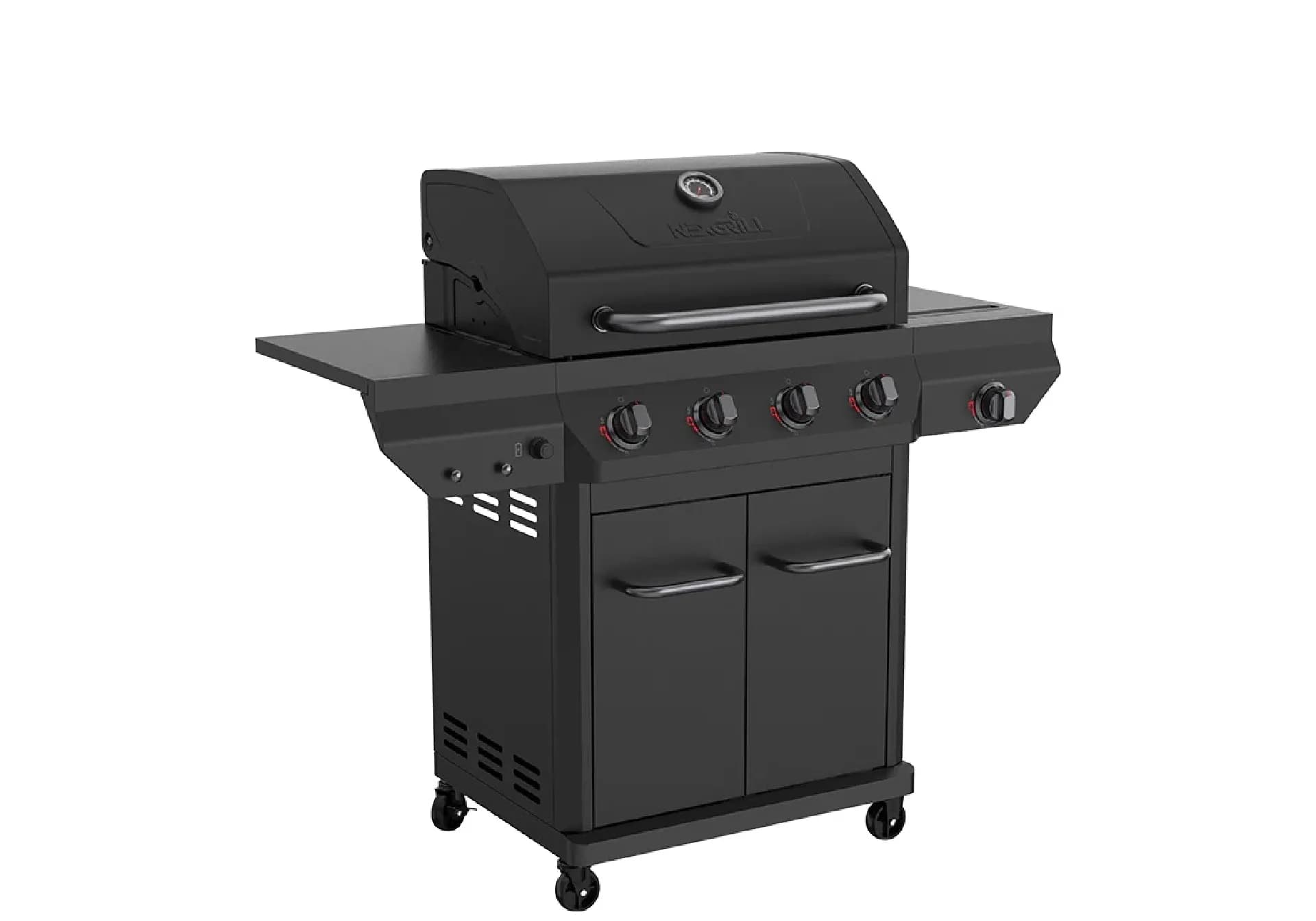
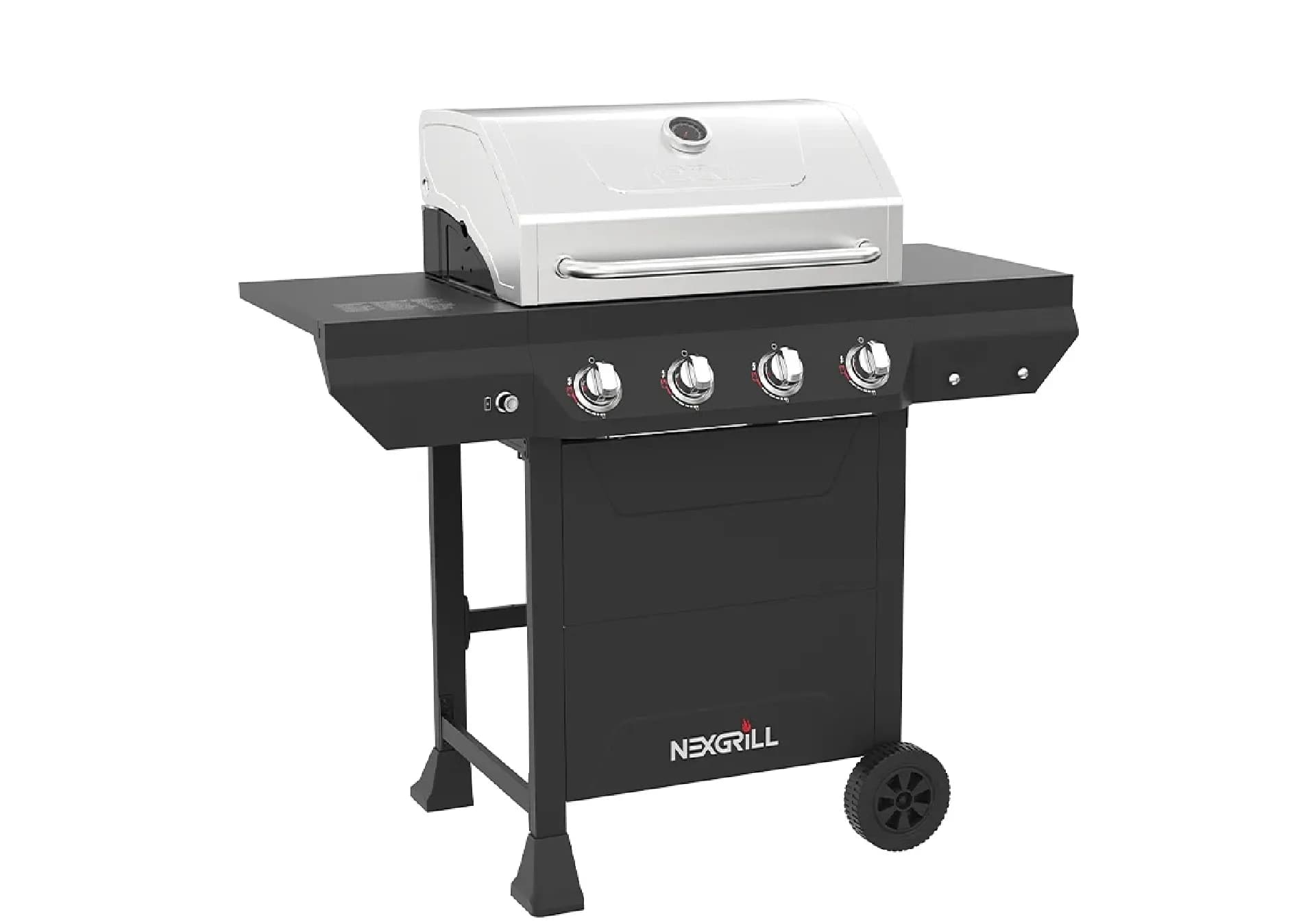
A dual-energy gas grill convertible to natural gas sits in a practical middle ground for many U.S. households: it is usually purchased with propane flexibility in mind, but it can be adapted for a fixed natural gas setup when the grill, hose kit, and home connection all line up. That flexibility matters because outdoor cooking habits are rarely static. A family may start with a propane tank because it is easy to place on a patio, then later realize the grill has become a regular weeknight tool and would be more convenient on a permanent gas line. For that kind of owner, the conversation is less about novelty and more about long-term convenience, fuel planning, and how often the grill is actually used.
The best review of this kind of grill is not just a feature checklist. It is a lifestyle review. A grill that converts to natural gas is especially appealing when the cooking space is fixed, the grill stays in one location, and the owner wants to avoid watching tank levels before every cookout. That said, the conversion only makes sense when the model is designed for it. If the grill is not compatible with natural gas, conversion should not be attempted. Compatibility and proper installation come first, not convenience. Nexgrill’s brand philosophy emphasizes approachable, dependable outdoor cooking that brings people together, and that same mindset applies here: the right grill setup should make grilling easier, not more complicated.
can replace repeated propane refills when the grill is installed for natural gas use
In everyday use, the attraction is simple: natural gas offers a steady supply, consistent ignition, and less interruption between meals. For someone who grills burgers on a Tuesday, vegetables on Thursday, and chicken on Sunday, the appeal is not theoretical. It is the comfort of knowing the grill is ready without a tank exchange trip. That convenience becomes even more valuable when the grill is part of a backyard kitchen or a larger patio entertaining area where the appliance stays in one place.
Advantages of Natural Gas for Grilling
The strongest benefit of switching to natural gas is reliability. With propane, the cook has to keep an eye on tank levels, plan around replacements, and sometimes discover there is less fuel left than expected halfway through a meal. Natural gas removes that routine. For frequent grillers, the difference is felt in small but meaningful ways: fewer interruptions, fewer backup plans, and less fuel management before guests arrive. That steady supply is especially useful during long cook sessions, such as indirect roasting, when a grill may run for an hour or more.
Another advantage is operating cost. In many U.S. markets, natural gas can be less expensive to use over time than propane, especially for homeowners who grill often. The upfront conversion may involve parts and professional labor, but the day-to-day cost profile can improve if the grill is used regularly. That makes natural gas more attractive for households that see outdoor cooking as part of weekly meal planning rather than an occasional backyard event. Nexgrill’s product approach is built around accessible value, and that principle fits well here: a smart conversion can improve the ownership experience without changing how the user cooks.
A third benefit is a cleaner-burning fuel profile. Natural gas generally produces fewer visible emissions than propane, which appeals to buyers who care about the environmental side of their outdoor setup. This does not make grilling impact-free, but it does make the fuel choice more efficient in a practical sense. For many homeowners, that cleaner burn also helps create a more pleasant cooking experience around the patio, especially in neighborhoods where the grill is used often and the cooking area is close to seating or doors.
Info: The biggest natural gas advantage is not just cost or emissions; it is the way it removes the small friction points that make propane feel like a chore over time.
Converting Your Dual-Energy Gas Grill to Natural Gas
Conversion should begin with one question: is the grill designed to be converted? If the answer is yes, the process is still not something to rush. Most conversions involve replacing or adjusting specific components so the grill can work safely with the lower-pressure natural gas supply. The exact procedure depends on the model, and that is why the owner’s manual matters. A proper conversion is not a guess-and-check project; it is a controlled parts-and-installation job that should match the grill’s engineering.
In many cases, the steps include obtaining the correct conversion kit, shutting off fuel, replacing orifices as needed, attaching the proper hose and quick-connect components, and verifying burner performance after installation. Because gas systems affect safety, performance, and warranty coverage, many homeowners choose to have a licensed professional handle the work. That recommendation is not about making the process sound difficult. It is about reducing the chance of leaks, poor flame patterns, or a conversion that looks complete but does not operate correctly under load. Nexgrill’s guidance on approachable outdoor cooking pairs naturally with that mindset: do the setup carefully so the grill remains dependable later.
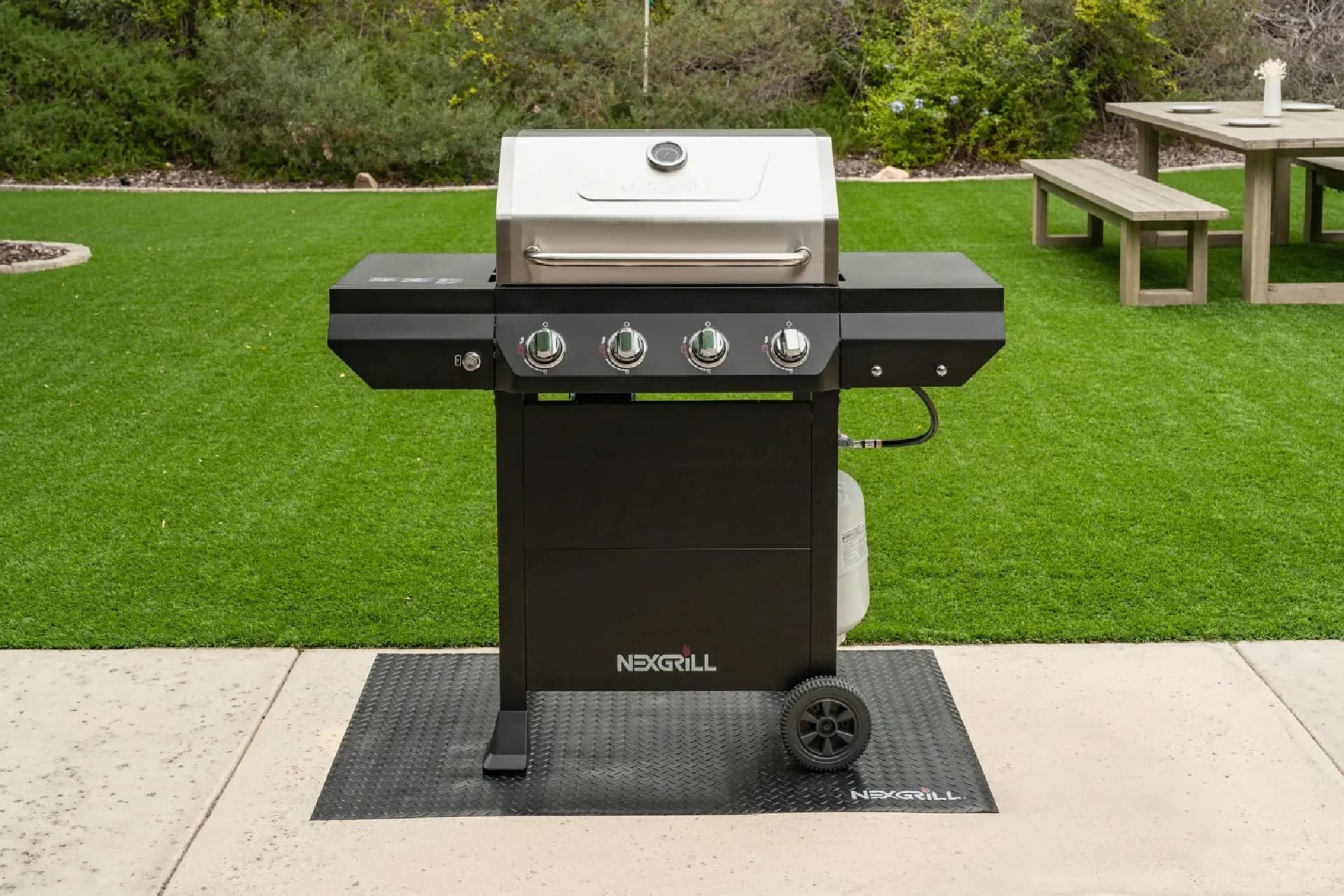
For a homeowner in a U.S. suburb with a permanent patio grill station, the conversion can feel like a one-time upgrade that pays off every time the grill is used. For a renter, a tailgater, or someone who stores the grill in a garage between uses, the same conversion may not be worth it because natural gas typically limits mobility. The trade-off is simple: you gain convenience at the cost of portability. That is why the physical placement of the grill should be decided before conversion, not after.
Considerations Before Making the Switch
Before converting, the owner should check several practical issues. First, the grill must be compatible with natural gas. Second, the home must already have a safe and code-compliant natural gas supply point or a plan for professional installation. Third, the owner should confirm whether the warranty covers conversion and what parts or labor are included or excluded. These are not minor details; they determine whether the switch is smooth or expensive. A low-cost conversion kit does not matter much if the grill cannot be connected safely or if the setup requires additional plumbing work.
Mobility is another major factor. Once the grill is tied into a fixed line, it behaves more like a built-in appliance than a movable patio grill. That may be perfect for a dedicated outdoor kitchen but limiting for anyone who likes to rearrange the deck or take the grill to another part of the yard. There is also the matter of maintenance. A natural gas setup still needs regular inspection of hoses, fittings, ignition performance, and burner cleanliness. Switching fuels does not eliminate care; it changes the way the grill is supplied.
For readers comparing whether to convert now or stay with propane, the most useful question is this: how often do you actually use the grill, and where does it live most of the time? If the answer is “a lot” and “in one place,” natural gas is usually compelling. If the answer is “occasionally” and “I move it around,” propane may still be the better fit. Try comparing two products side by side below to see which fits best:
Conclusion
Switching a compatible dual-energy gas grill to natural gas is less about chasing a trend and more about removing friction from the grilling routine. The fuel is always there, the operating pattern is more predictable, and the grill becomes easier to use for the kind of frequent, real-world cooking that fills a backyard calendar. For many households, that means more spontaneous weeknight grilling, fewer tank-related interruptions, and a setup that feels closer to a permanent outdoor cooking station.
Still, the best choice depends on compatibility, installation quality, and how the grill will be used. The right conversion can improve convenience and cost over time, but only when it is done safely and with the full picture in mind. In that sense, natural gas is not just a fuel upgrade; it is an ownership upgrade for the right kind of griller.
Unlimited Fuel Supply: Never Run Out Mid-Cookout
Once you've weighed two options against each other, the biggest advantage of natural gas becomes obvious in day-to-day use: the fuel supply is continuous. That means no tank swaps before guests arrive, no last-minute station run when the burner starts to fade, and no half-finished meal because the propane level was lower than expected. For a homeowner who grills several times a week, that kind of consistency changes the rhythm of cooking. The grill moves from being a device you prepare for into a tool that is simply ready whenever you are.
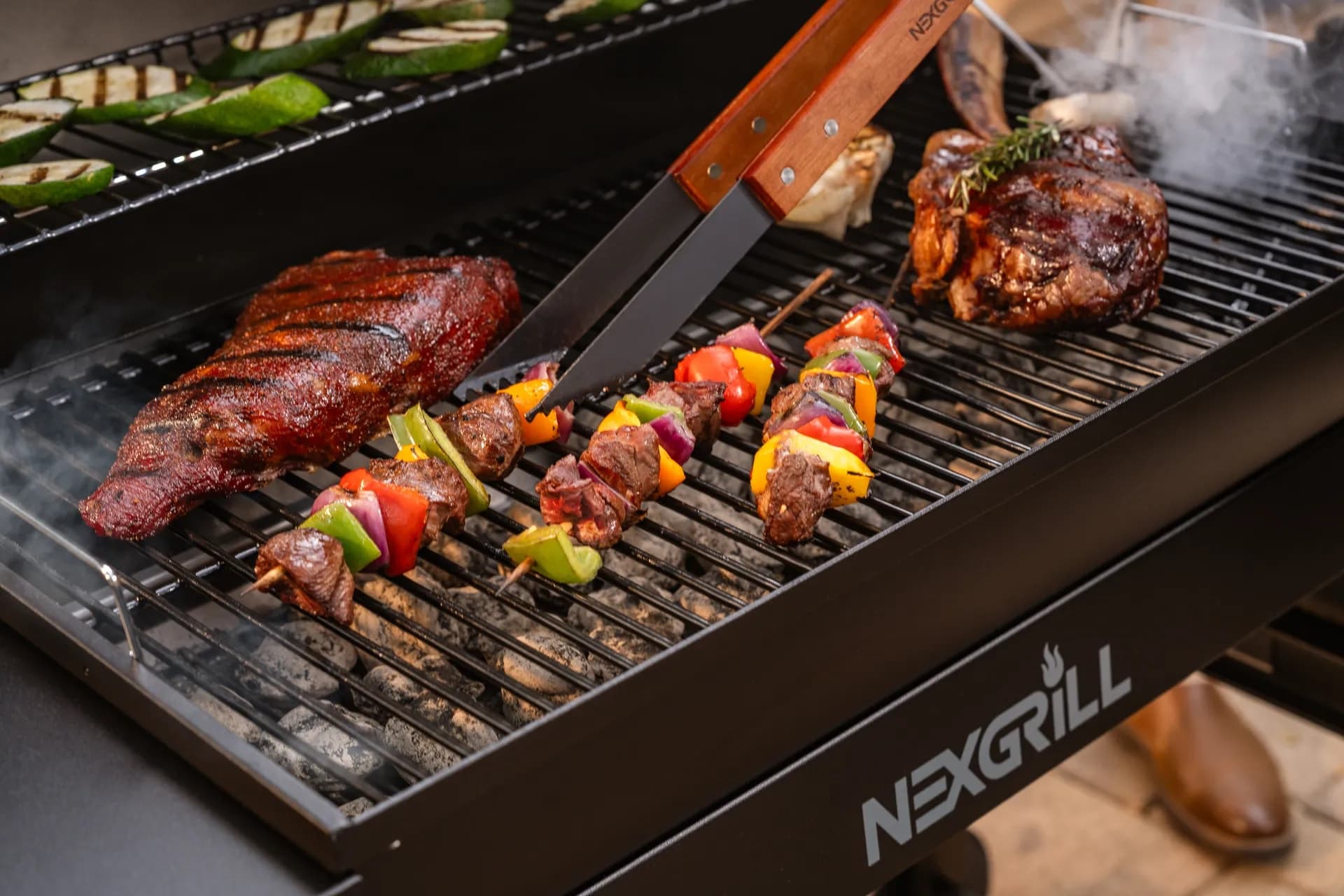
This matters most in real cookout scenarios. Imagine a Sunday afternoon when you start with chicken thighs, move to vegetables, and then finish with a few skewers for late arrivals. With natural gas, that timeline is easier to manage because the fuel source is tied to the home supply instead of a removable cylinder. The result is less mental overhead and fewer pauses in the cooking process. That also helps when you want to use indirect heat or longer roast times, because you are not constantly considering whether the tank has enough left to finish the job.
For households that entertain often, the unlimited supply angle is less about excitement and more about confidence. If the grill is part of the regular weekly routine, the owner can keep cooking without building in a propane-related contingency plan. That is why natural gas often feels especially valuable for fixed patio kitchens and backyard installations where the grill has a dedicated location.
Tip: If your grill stays in one outdoor spot most of the year, natural gas can simplify the entire cooking routine from prep to cleanup.
Cost Efficiency: Lower Operating Expenses
The cost argument is one of the main reasons many U.S. buyers consider converting a compatible dual-energy grill. Natural gas is often less expensive to use than propane over time, especially for frequent grillers. That does not mean the conversion is free or always cheaper immediately. There may be an upfront cost for the correct kit, fittings, and professional installation. But over the long run, regular users may see the difference in fuel costs add up meaningfully.
The best way to think about the economics is in usage patterns. If you grill once a month, the savings may be modest and the conversion may never fully matter. But if you grill year-round, use the grill for family dinners, or host repeated weekend gatherings, the lower operating expense becomes more relevant. In that setting, the grill is not just a weekend appliance; it is a frequent cooking station that can justify the switch.
There is also a hidden savings that does not show up on a utility bill: time. You no longer need to schedule tank exchanges, return empty cylinders, or wonder whether a spare tank is actually full. For many people, that convenience is worth money by itself. Nexgrill’s brand emphasis on accessible value and dependable use aligns well with this kind of ownership decision. A smart setup should reduce hassles, not create them.
Environmental Impact: Cleaner Burning Fuel
Natural gas is often viewed as the cleaner-burning option compared with propane for outdoor grilling applications. While grilling always involves fuel use and emissions, a natural gas setup can reduce the footprint associated with repeated propane cylinder refills and transport. For buyers who care about the environmental side of their backyard setup, that cleaner burn can be an important part of the decision.
In practical terms, cleaner burning can also help create a more pleasant cooking environment around the grill. Backyard cooking areas are often close to patios, seating, or outdoor dining spaces, and many homeowners prefer a setup that feels less heavy or smoky during routine use. Natural gas does not replace good grilling technique, but it supports a simpler and more streamlined fuel choice.
The key thing to keep in mind is balance. Environmental benefits matter, but they should be weighed alongside installation constraints, fixed placement, and whether the grill will still suit the household’s habits after the switch. A greener choice is only useful if it is also a practical one.
Conversion Process: Steps to Switch to Natural Gas
The conversion process should be treated as a safety-sensitive upgrade. Start by confirming that the grill model is designed for conversion and that the required natural gas kit is the correct one for that exact unit. Then shut off the fuel supply, remove or replace the specified components, and connect the grill to the natural gas line using the proper fittings. After that, test burner operation, flame quality, and leak points before regular cooking begins.
Because natural gas installation can involve home gas infrastructure, many owners should rely on a licensed professional. That is especially true if the gas line must be added or if the connection point is not already established. Professional installation also helps protect safety and can be important for preserving warranty coverage, which should always be verified before conversion.
A useful way to think about the process is that the conversion is not just about parts; it is about the whole cooking system. The grill, hose, regulator setup, home connection, and final placement all need to work together. If one piece is off, the experience is compromised. A careful installation is the difference between a grill that merely has natural gas attached and one that truly performs well on natural gas.
| Conversion step | Why it matters | Best practice |
|---|---|---|
| Confirm compatibility | Prevents unsafe or ineffective conversion | Check the model documentation first |
| Use the right kit | Matches the grill’s fuel requirements | Use the kit specified for the model |
| Install professionally | Improves safety and reliability | Use a licensed professional when possible |
| Test flames and leaks | Confirms the grill is operating correctly | Test before the first full cookout |
Factors to Consider: Installation and Maintenance
The final decision should go beyond the fuel savings story. Installation is one of the biggest practical factors because a natural gas conversion usually makes the grill a fixed appliance. That is excellent for a permanent backyard kitchen, but it is limiting if you like to move the grill around the deck or store it away seasonally. Before converting, decide whether the grill’s new home is truly its long-term home.
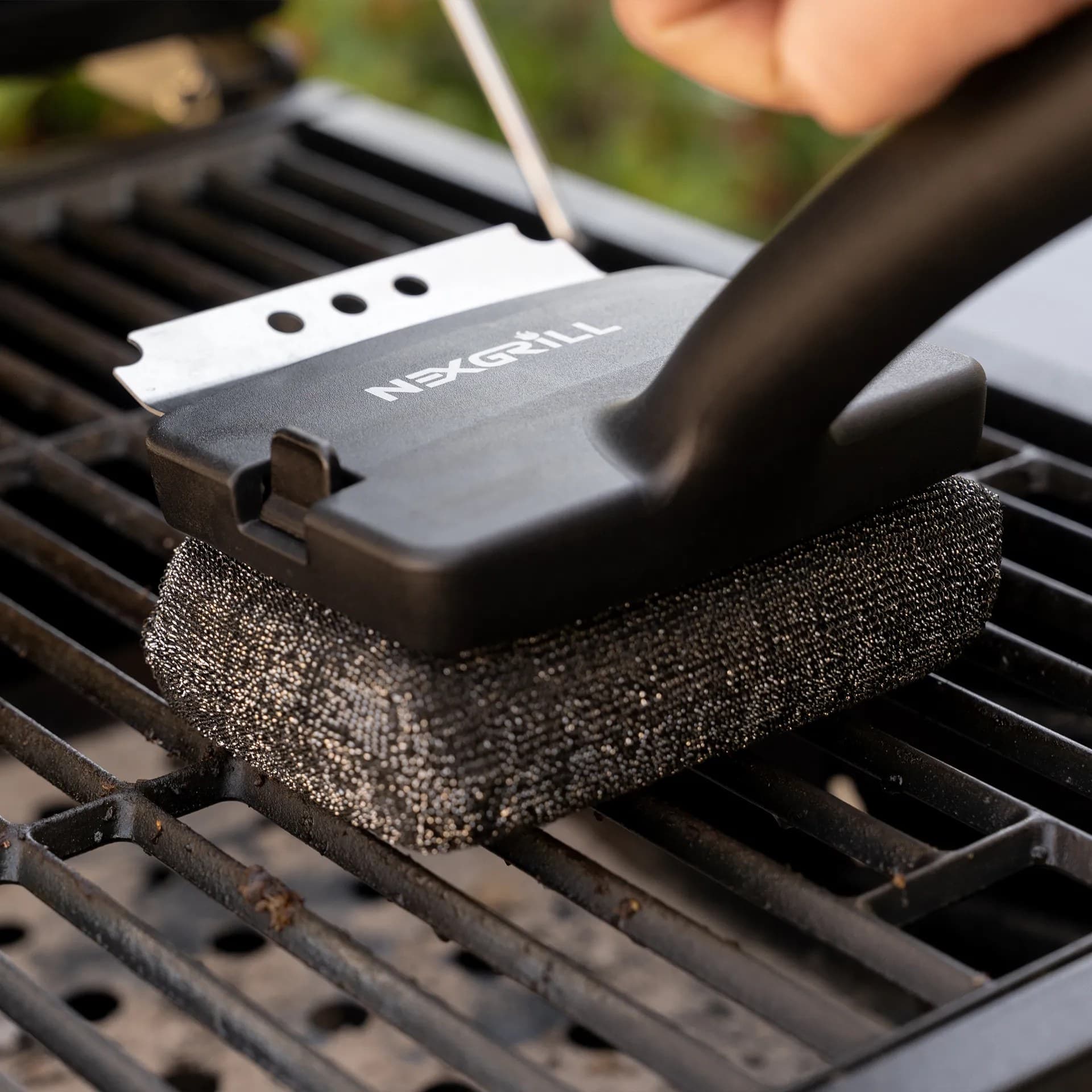
Maintenance also changes slightly after the switch. Natural gas still requires periodic checks of burners, hoses, connections, and ignition performance. Grease management, grate cleaning, and burner inspection remain important. The fact that fuel comes from the house does not remove the need for regular care. In some ways, it makes maintenance more important, because the grill is likely to be used more often once the convenience of continuous fuel becomes part of the routine.
Warranty review is essential. Before making any conversion, verify whether the warranty covers the change and whether a professional install is required to keep that coverage intact. If the answer is unclear, treat that as a warning sign and get the details in writing if possible. In the end, the best conversion is the one that improves convenience without creating safety concerns, performance problems, or avoidable ownership costs.