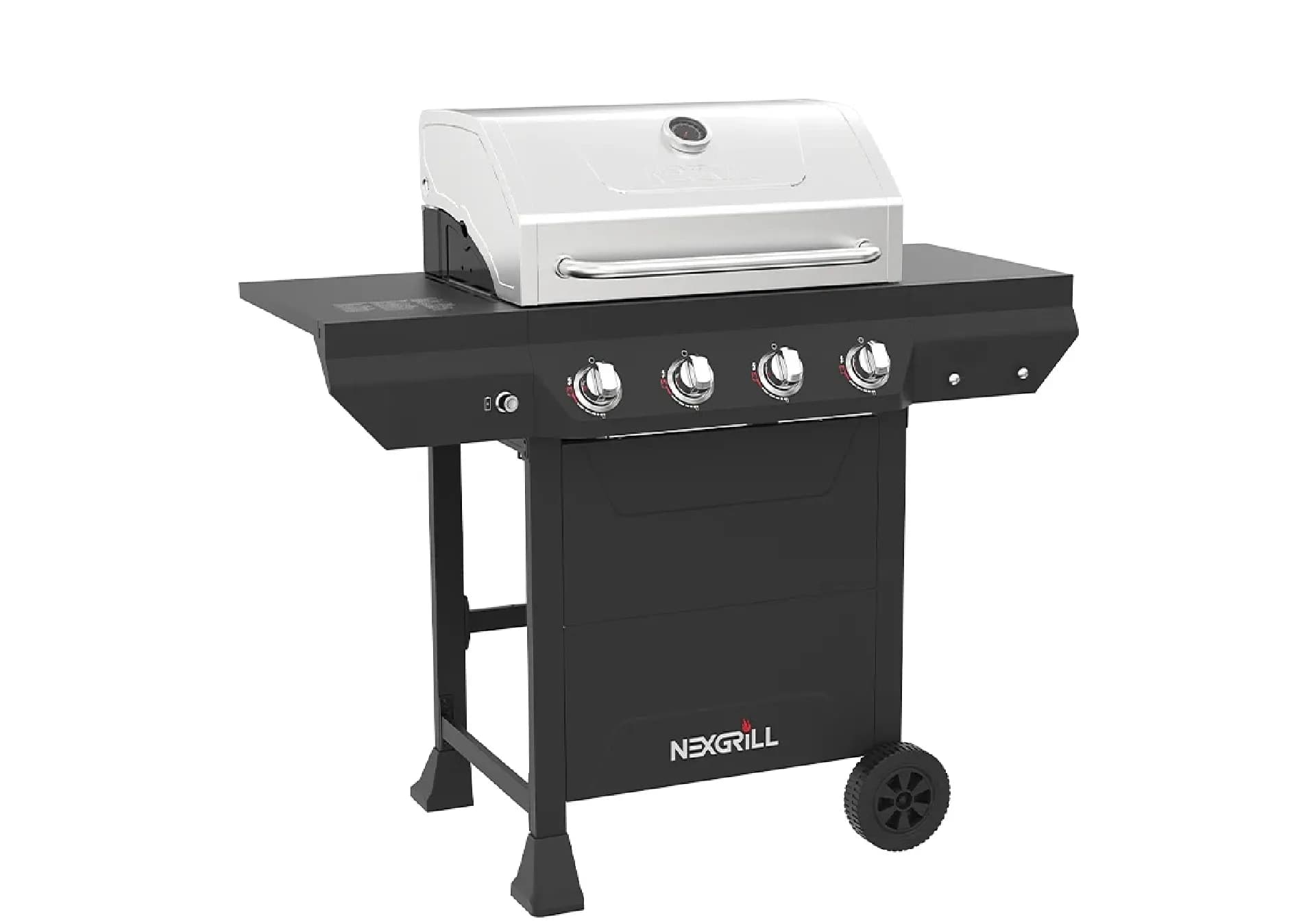
A comprehensive review of gas grills with searing stations and their advantages over traditional grilling methods.
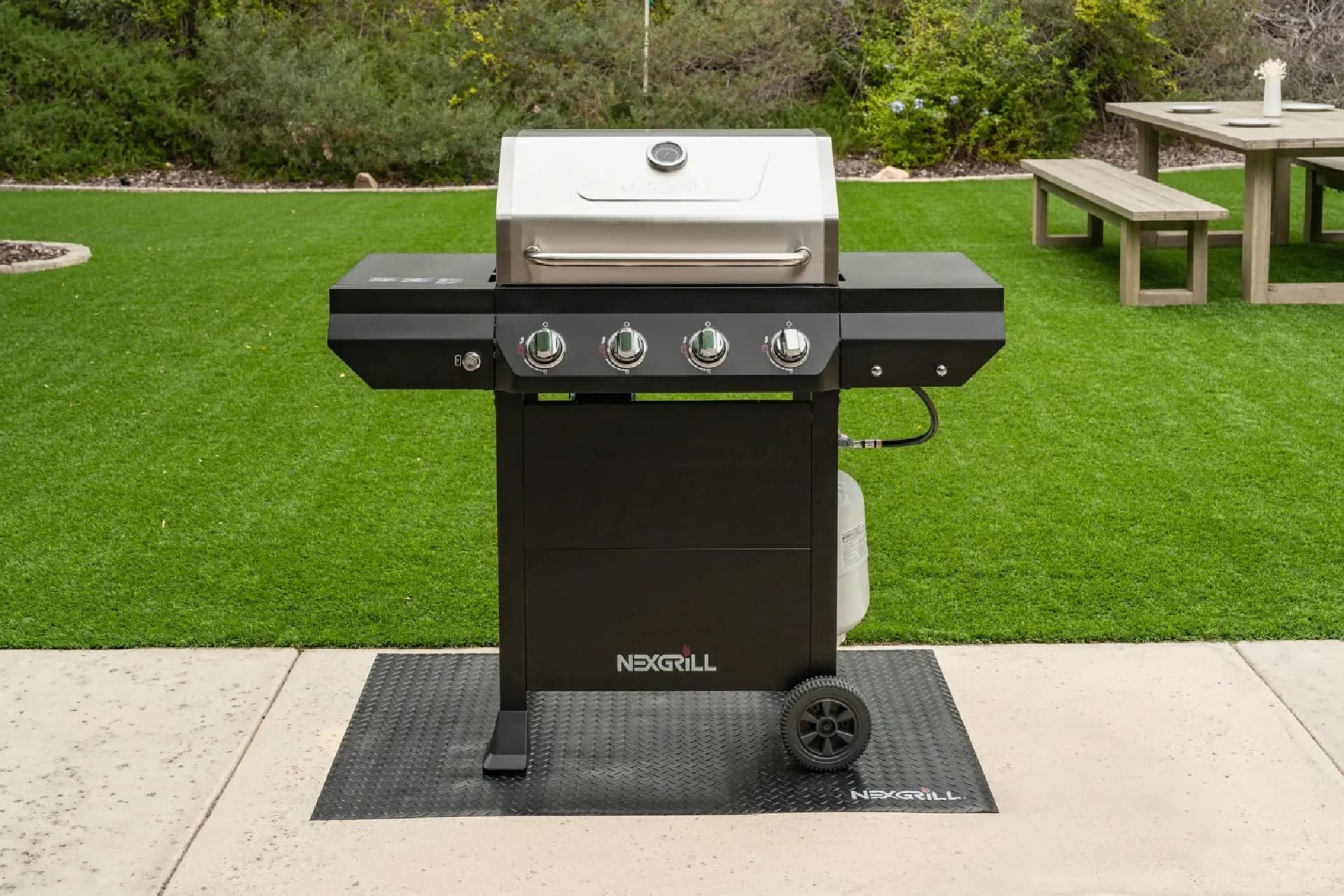
Here's what sets us apart from the competition
We position ourselves as delivering high-end outdoor cooking features and performance without premium-brand pricing, emphasizing “Quality Grills. Unbelievable Value.”
We offer gas grills, pellet grills, griddles, smokers, pizza ovens, portable/tabletop grills, electric grills, accessories, and replacement parts — allowing customers to stay within one ecosystem for all outdoor cooking needs.
We differentiate ourselves through smart grilling products like the Oakford smart pellet grill, including app-connected cooking controls and modern outdoor cooking technology.
Expert tips, buying guides, comparisons, and inspiration for choosing and getting the most out of your grill.
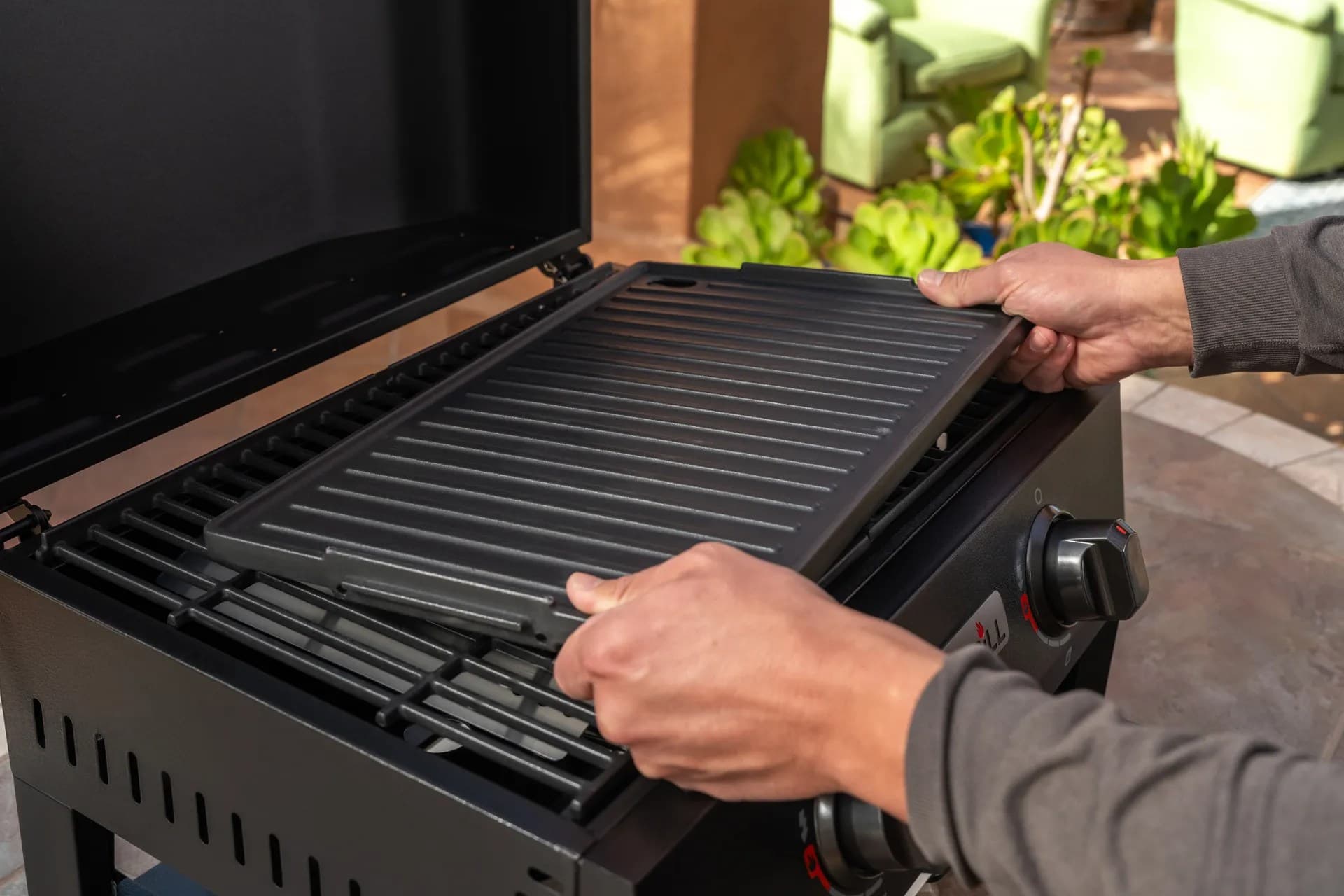
Practical guides for cleaning, maintenance, common grill issues, and performance optimization.
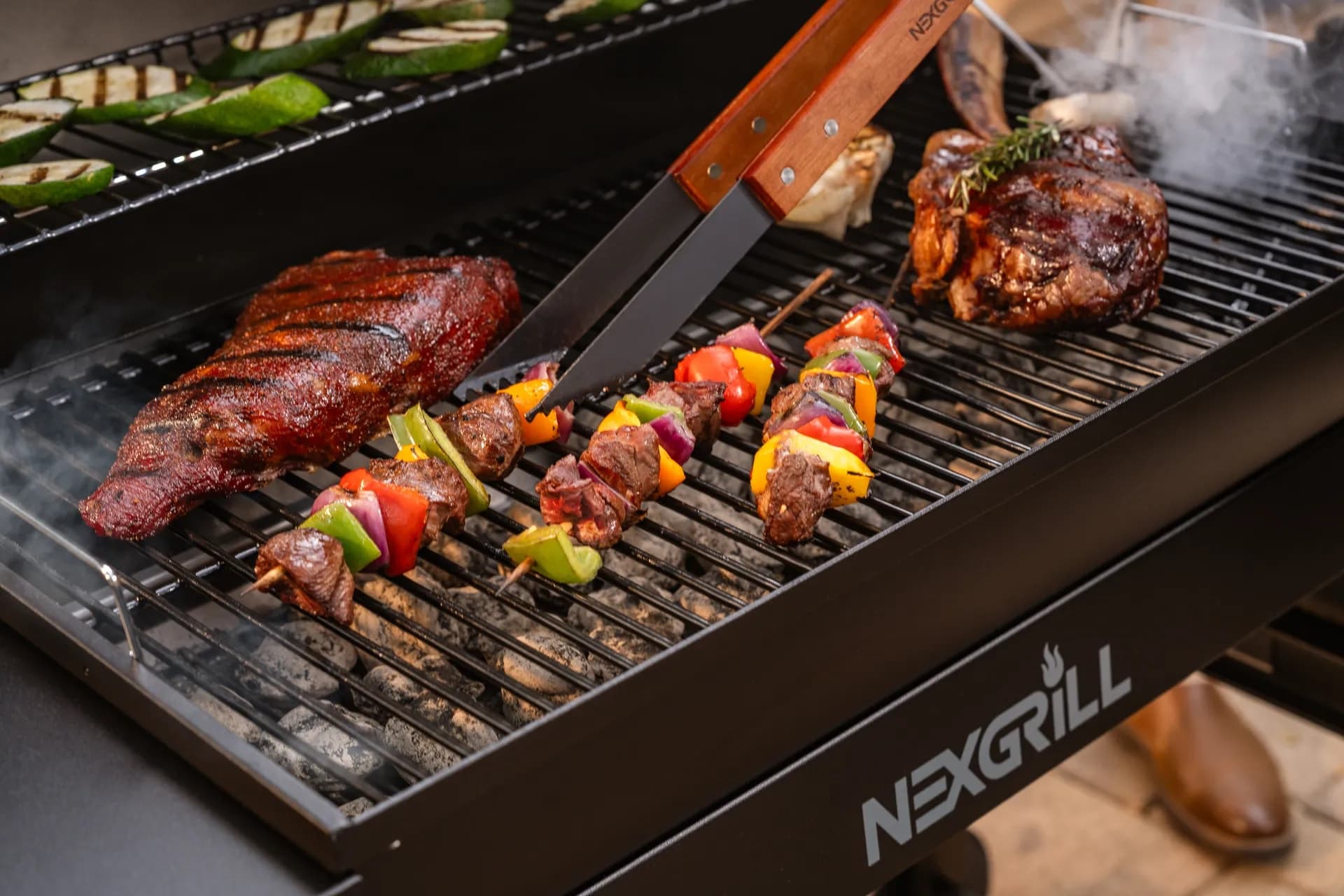
Step-by-step grilling recipes, cooking techniques, and meal ideas for every occasion and skill level.

Backyard entertaining ideas, seasonal grilling inspiration, and stories that celebrate outdoor cooking culture.
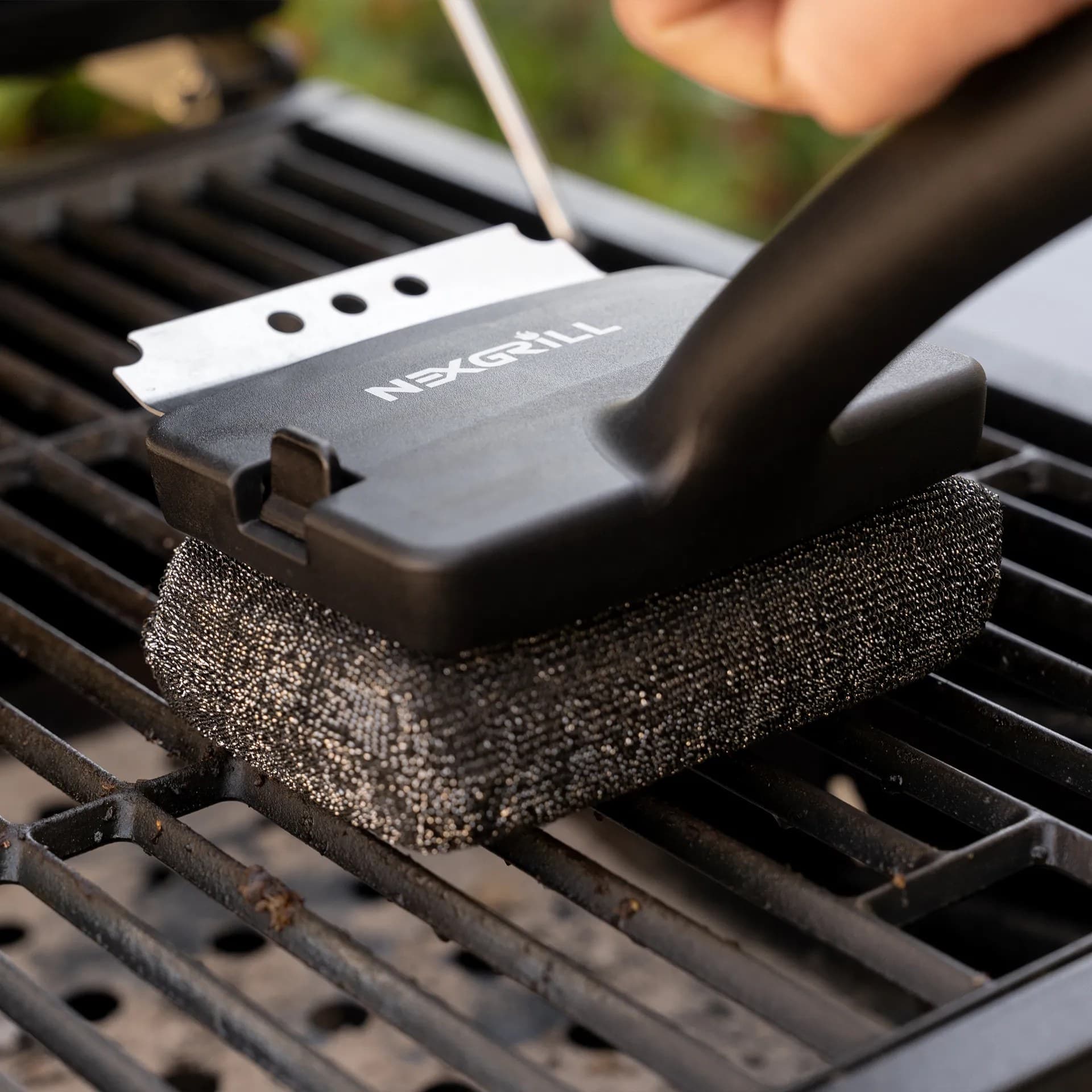
Helpful articles covering grilling tools, cookware, maintenance gear, and must-have accessories for outdoor cooking.
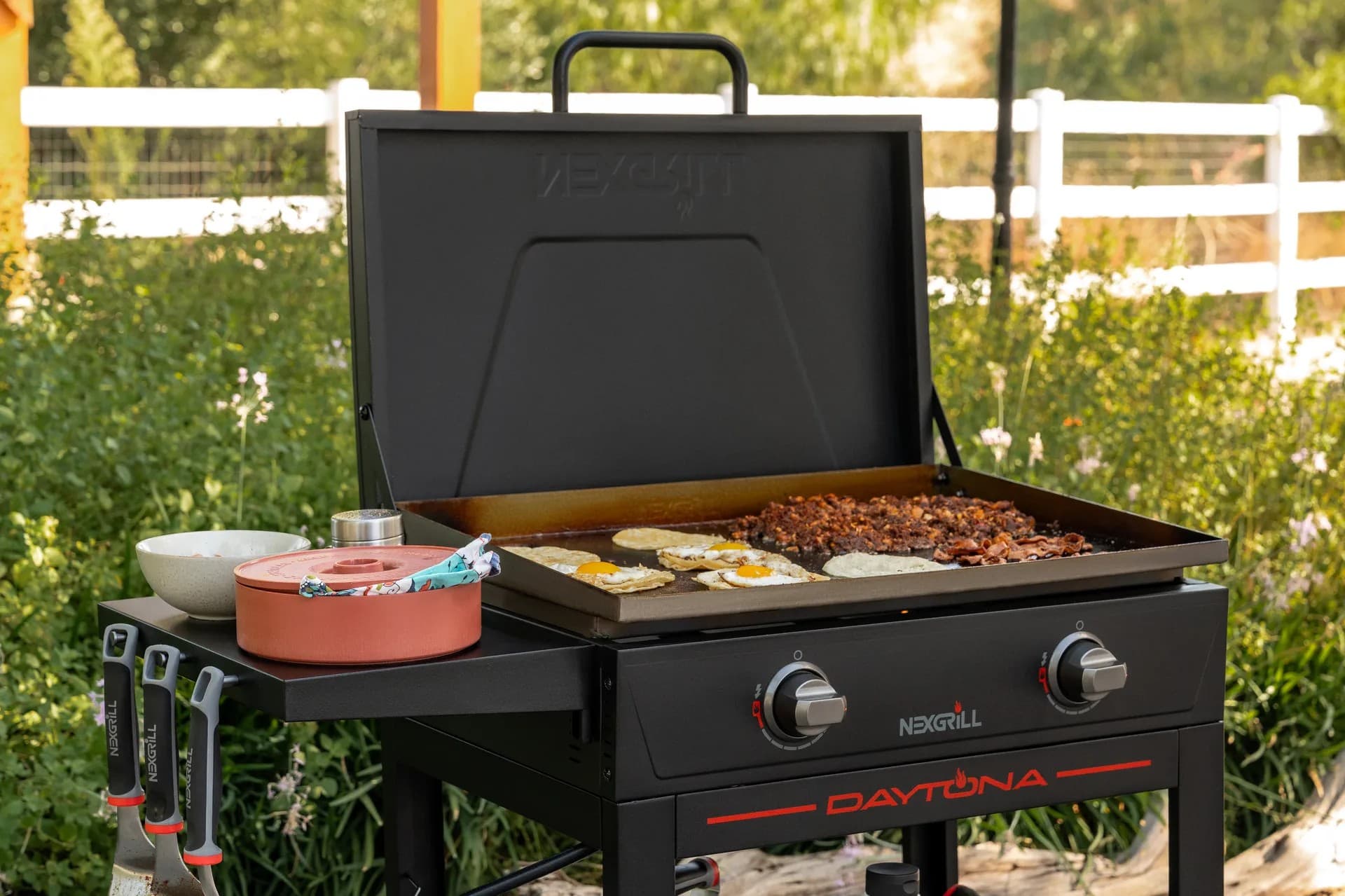
Find griddle recipes, cooking techniques, cleaning tips, and outdoor meal ideas designed for Nexgrill griddles.
Find answers to common questions
Nexgrill offers a variety of gas grills, including standard models, portable options, and premium designs with advanced features. Each is designed to cater to different grilling needs and preferences.
To clean your Nexgrill gas grill, regularly scrape down the grates, empty the grease tray, and wipe down exterior surfaces. Consult your model's manual for specific maintenance instructions and recommended cleaning products.
Nexgrill gas grills are designed to use either propane or natural gas, depending on the model. Ensure you read the specifications to determine the appropriate fuel type for your grill.
Many Nexgrill models can be converted from propane to natural gas with a conversion kit. Check the owner's manual for compatibility and details on the conversion process.
If your Nexgrill gas grill is not lighting, first check the fuel supply, ensure the gas lines are free of obstructions, and verify that the igniter is functioning. Consult the user manual for troubleshooting tips specific to your model.
In This Article
Enhanced Searing Capabilities
Flavor Profiles
Grilling Efficiency
When shoppers compare a gas grill with a searing station to a more traditional gas grill setup, they are usually trying to answer a practical question: does the extra high-heat zone actually change how food cooks, or is it just a feature that looks impressive on the spec sheet? The short answer is that it changes the cooking workflow in a meaningful way, but only if you understand what it is designed to do. A searing station is not a replacement for the main burners. It is a focused, higher-intensity heat area that helps you build faster browning and a more aggressive crust on steaks, chops, tuna, and even vegetables that benefit from intense surface heat.
Traditional grilling, by contrast, relies on the main burners and the broader cooking surface to handle most of the job. It is the familiar approach: preheat the grill, set a zone, place the food on the grate, and manage doneness by adjusting burner levels and flipping as needed. For many households, that method is enough. It is simple, predictable, and flexible enough for burgers, chicken thighs, sausage, corn, and weeknight meals. But when the goal is restaurant-style sear marks or a deep crust without overcooking the center, the traditional setup often asks the cook to compromise between surface browning and internal temperature control.
This review looks at the two approaches side by side so the feature comparison is grounded in actual use. Nexgrill’s brand focus on accessible outdoor cooking aligns well with this question because many buyers want a grill that can do more than one job without becoming complicated to use. A searing station adds a second layer of capability, but it also adds another maintenance task and another point of heat management to learn. That trade-off matters for both beginners and experienced grillers.
A searing station is most useful when you want high-heat finishing without losing the convenience of gas grilling for the rest of the meal.
Main burners handle general grilling, while the searing station concentrates intense heat for crust building.
A searing station is essentially a dedicated high-output burner area built to produce more intense heat than the primary grill zones. On a practical level, this means a steak can be moved from the main grate to a smaller, hotter section to finish with stronger caramelization. That matters because browning is not just cosmetic; it changes texture and flavor. The crust on a well-seared ribeye or strip steak delivers a more concentrated savory bite, while vegetables like zucchini, peppers, and asparagus gain faster char and firmer edges. Even seafood can benefit when the goal is a quick, confident finish rather than prolonged exposure to grill heat.
What makes the feature valuable is not raw temperature alone. It is heat density. A traditional gas grill can reach high temperatures, but the heat is spread across a larger area, so the cook has to wait longer and manage the food more actively to achieve a similar surface effect. A searing station tightens that process. In many cases, the cook starts proteins on the main burners to develop even internal doneness and then finishes on the searing zone to sharpen the exterior. That sequence is especially helpful for thicker cuts because it reduces the chance of a dry outside before the center reaches the desired temperature.
The biggest mistake with a searing station is leaving food on it too long. The feature rewards attention, not guesswork.
For buyers comparing products, the useful questions are: how large is the searing area, how easy is it to access, and does it complement the rest of the grill rather than crowd it out? A well-designed searing station should feel like an extension of the cook’s workflow. It should not force awkward food placement or make the main cooking surface unusable for the rest of the meal. In that sense, the feature is best evaluated by cooking behavior, not by marketing language.
Traditional gas grilling depends on consistent burner heat and good technique. The food sits on the primary grate, and the cook manages doneness by adjusting the burners, using lid position, and deciding when to move items between hotter and cooler parts of the grill. This approach is dependable because it is versatile. A single setup can handle burgers for a crowd, chicken breasts that need gentler heat, and vegetables that cook quickly without a separate station. Traditional grilling also tends to be easier for people who are learning to cook outdoors because the heat zones are more intuitive and the stakes are lower than with a dedicated searing burner.
There is also a real advantage in cooking volume. A grill without a searing station often preserves more usable grate space for family meals. If you are cooking multiple ears of corn, several chicken pieces, and a tray of vegetables, the open cooking area matters more than having one especially hot spot. Traditional grilling is therefore less specialized, but in many households that is a strength. It is the better fit when flexibility and batch cooking matter more than peak crust development.
That said, traditional grilling asks the cook to work harder if they want a steakhouse-style finish. It may require a longer preheat, careful burner management, and more patience to avoid overcooking while trying to brown the outside. The result can still be excellent, but it depends more on timing and less on equipment assistance. For users who grill once or twice a week and mostly prepare straightforward meals, that can be perfectly acceptable. For users who regularly cook thick steaks or want sharper surface browning, it becomes a limitation rather than a convenience.
The clearest difference between the two methods is what they optimize for. Traditional grilling optimizes for overall versatility. Searing stations optimize for surface transformation. If you are cooking burgers, the difference may be modest. If you are cooking a thick strip steak, the difference becomes obvious in both the crust and the speed at which you can finish the exterior without pushing the internal temperature too far.
| Criterion | Searing Station | Traditional Grilling |
|---|---|---|
| Best use | Steaks, chops, quick finishing, crust building | Everyday meals, batch cooking, mixed menus |
| Heat pattern | Concentrated, intense heat in a smaller zone | Broader, more evenly distributed heat |
| Learning curve | Moderate; requires more attention to timing | Lower; familiar and forgiving |
| Cooking capacity | May reduce usable space for large batches | Usually better for larger amounts of food |
| Maintenance | Requires extra cleaning attention around the high-heat zone | Simpler overall, fewer concentrated heat surfaces |
For many buyers, the decision comes down to how often they cook high-value proteins. If you regularly buy ribeye, New York strip, salmon fillets, or pork chops, a searing station gives you more control over the final texture and presentation. If your grilling is mostly burgers, chicken, kielbasa, and vegetables, the traditional route likely gives you better day-to-day utility. In other words, the feature is not automatically “better”; it is better for a narrower but meaningful set of tasks.
Efficiency is another important difference. A searing station can shorten the finishing step because the food browns faster, but it does not necessarily make the entire cook faster. You still need to preheat the grill, and you may still use the main burners first. Traditional grilling can be slower to develop a crust, but it is often easier to manage across a whole meal because everything cooks in the same environment. That can reduce mental overhead, which is valuable when entertaining.
The best gas grill with a searing station is the one that integrates the feature cleanly into the rest of the cooking layout. A searing zone should not feel tacked on. It should complement a broader grill design that still gives you enough burner space, stable heat, and practical storage for tools and prep. When comparing models, pay attention to whether the searing station is infrared, how close it sits to the main grate, and whether the grill still offers enough room for indirect cooking.
For a household that wants a strong all-around gas grill with a high-heat finishing zone, a model like the 4-Burner Gas Grill with Side Burner in Black can be a useful fit because it supports multi-zone cooking and the side burner adds another layer of meal flexibility. If you want a more specialized flat-top cooking experience in the same outdoor setup, the Daytona 4-Burner Propane Gas Griddle in Black is not a searing-station grill in the classic sense, but it demonstrates how Nexgrill approaches high-heat versatility across categories. For users focused on pellet smoking rather than gas, the Oakford Pro 875 Pellet Smoker Grill offers a different temperature-management style, which is helpful for comparison because it shows how strongly a searing station stands apart from slow-cooking formats.
| Model type | Why it stands out | Best for |
|---|---|---|
| 4-Burner Gas Grill with Side Burner in Black | Flexible multi-zone cooking with an added prep-cooking burner | Families and frequent backyard cooks |
| 4-Burner Propane Gas Grill in Black with Stainless Steel main lid | Traditional gas-grill format that still supports strong searing behavior on the main cook surface | General-purpose grill buyers |
| Oakford Pro 875 Pellet Smoker Grill | Useful for low-and-slow cooking when searing is not the priority | Users comparing fast searing to smoke-driven flavor |
Maintenance differs in a meaningful way between a searing station and a traditional gas grill. The hotter the zone, the more likely you are to see carbonized residue, uneven grease buildup, and localized discoloration. That does not mean the feature is difficult to live with, but it does mean you need to be more deliberate about cleanup. After cooking on a searing station, it helps to brush the surface while it is still warm, remove loose debris, and inspect the area for grease accumulation that can interfere with future performance. The goal is to preserve the quick-heating character of the burner rather than letting residue insulate it.
Traditional grilling maintenance is usually simpler because heat and residue are spread more evenly across the cooking system. You still need to clean grates, empty grease trays, and inspect burners, but the wear pattern is less concentrated. That can be attractive for buyers who prefer a lower-effort ownership experience. On the other hand, a traditional grill that is never properly cleaned will show performance loss more broadly, especially in the form of flare-ups and uneven heating. The maintenance lesson is the same in both cases: cook cleanly, brush regularly, and protect the grill from the elements.
If your grill has a searing station, clean it as part of every cook session rather than waiting for a full deep-clean day.
A practical ownership habit is to think of the searing station as the “finisher” that needs more frequent attention. Because it runs hotter, it tends to build residue faster, especially when used after fatty proteins. That extra care pays off in more consistent performance and easier ignition. Traditional burners, while less intense, should still be inspected for blocked ports and grease pathways. In both cases, a weather-resistant cover and dry storage environment help protect the grill between uses.
A gas grill with a searing station is not automatically the superior choice for every backyard. It is the better choice when your cooking style rewards precision finishing, steakhouse-style crusts, and a more technical approach to browning. Traditional gas grilling remains the better all-purpose method for many families because it preserves more usable space, stays easier to manage, and handles everyday meals with less attention.
If you want one grill to do most things well, a traditional layout may be enough. If you want one grill that can do those things and also give you a meaningful edge on steaks and other high-heat finishes, the searing station is worth the extra complexity. Try comparing two products side by side below to see which fits best.
Once you've weighed two options against each other, the next step is deciding how you actually grill in real life. That is where the searing station conversation gets more interesting. Many buyers focus on temperature numbers or burner count, but the better question is whether the grill helps you cook the foods you make most often with less compromise. A gas grill with a searing station is designed for cooks who like the convenience of propane or natural gas but still want a more dramatic finish on proteins. Traditional grilling, by comparison, remains the straightforward route for flexible weeknight meals and larger batch cooking.
In practice, these two approaches are not competitors so much as different tools inside the same category. A traditional gas grill offers the broadest utility. It can sear moderately well, roast with the lid closed, and handle vegetables, chicken, and burgers without much fuss. A searing station adds one more specialty: faster surface browning at a more concentrated heat. That matters because browning changes flavor and texture. A grilled steak with a firm crust and a rosy center feels very different from a steak that was cooked entirely over a broader, gentler heat source. The same is true for chops, tuna steaks, and even vegetables that benefit from quick caramelization.
For Nexgrill shoppers, the useful lens is value through function. The brand’s broader outdoor cooking lineup is built around accessibility and practical use, which means the question is rarely “which grill is most powerful?” It is usually “which grill gives me the right mix of features for the money I want to spend?” That is why this review emphasizes how the searing station changes the cooking experience rather than treating it like a luxury badge.
A searing station is most valuable when you cook thicker proteins often enough that finishing speed and crust quality matter every week, not just on special occasions.
A searing station is a high-heat burner or concentrated heat zone built into the grill body. The purpose is simple: create intense surface heat where you need it most. In the outdoor cooking world, that usually means proteins that benefit from a fast crust. On some grills, the searing zone is infrared-based. On others, it is a high-output burner arrangement that concentrates heat in a smaller footprint. Either way, the result is a more aggressive finishing zone than the main burners typically provide.
The useful difference is not just that the station gets hot. It is that it gives the cook a dedicated task. You can use the main burners to bring a chicken breast, pork chop, or steak close to doneness, then move the food to the searing area for a quick final finish. That sequence reduces the risk of overcooking because the crust step happens quickly. It also helps when you are cooking for guests and want food to leave the grill with a stronger visual appeal. Sear marks and browned edges are part presentation and part flavor, and the searing station does both jobs efficiently.
There is a learning curve, though. The hotter zone is less forgiving than a standard grate, so the cook needs to watch for flare-up risk and manage timing carefully. Fatty cuts can brown fast, which is useful until they cross into burnt territory. That is why the best use of a searing station is usually a controlled final step rather than a full-length cook from start to finish. If you try to do everything there, you can end up with an exterior that outruns the interior.
Traditional grilling on a gas grill uses the main burners and cooking grates as the workhorse. This is the method most people already know: preheat the grill, oil the grates if needed, place the food on the cooking surface, and use lid control to balance heat. It is a broad, forgiving way to cook because the entire system is built around even heat distribution and predictable operation. For many families, that means less time learning a specialty feature and more time simply getting dinner on the table.
The strength of traditional grilling is scale. If you need to cook a lot of food at once, the main cooking area is easier to use than a smaller specialty zone. It handles mixed menus well: vegetables on one side, chicken on another, and buns or corn warming on the outer edges. That flexibility is one reason traditional grilling remains the default for so many households. It is also more intuitive for beginners, since the heat management is usually about burner selection and lid position rather than moving food between specialized zones.
Traditional grilling can still produce excellent flavor, especially when the food is handled well and the grill is properly preheated. What it lacks is the focused finishing power that a searing station brings. When the goal is a more assertive crust, the cook often has to compensate with longer preheating and more precise timing.
The comparison becomes clearest when you look at three factors: crust quality, workflow, and cleanup. On crust quality, the searing station wins. It is built for faster surface browning, so a steak or chop can develop deeper color and texture in less time. On workflow, traditional grilling wins for simplicity. You put the food on one surface and manage the meal in fewer steps. On cleanup, traditional grilling is usually easier because there is less concentrated buildup in one hot zone.
| What matters most | Searing station advantage | Traditional grilling advantage |
|---|---|---|
| Crust and browning | Faster, more intense exterior char | Adequate, but less concentrated |
| Everyday versatility | Good for finishing and specialty cooking | Better for mixed, all-purpose meals |
| Ease of use | Requires more attention | More forgiving for beginners |
| Effort after cooking | More focused cleaning around the hot zone | Simpler overall cleanup |
In the United States, where a lot of backyard grilling happens around weekend entertaining and weeknight dinner shortcuts, the best choice depends on how often you cook specific foods. A household that buys steaks frequently may value the searing station enough to justify the extra complexity. A household that grills chicken thighs, sausages, kebabs, and vegetables in larger batches may be happier with a traditional gas setup that keeps the whole cooking area available. That is why a comparison review should not only ask which gets hotter, but which matches the pattern of use.
The other hidden difference is efficiency of attention. A searing station can shorten the finishing moment, but it makes the cook responsible for managing multiple heat behaviors. Traditional grilling is more uniform, so the cook can focus on timing and flipping rather than switching zones. For a quiet dinner, the searing station feels rewarding. For a full patio gathering, the traditional setup may be calmer to live with.
When evaluating gas grills with searing stations, look first at how naturally the feature fits into the rest of the cook box. A good example is a multi-burner grill that preserves enough main grate space to support direct and indirect cooking while giving you a dedicated high-heat area for finishing. If the searing station is too small or awkwardly placed, it can become more of a novelty than a useful cooking asset. If it is well integrated, it can become the most-used part of the grill for steak nights and quick finishes.
Nexgrill shoppers often compare feature-rich gas models alongside versatile alternatives in the brand’s lineup. For example, the 4-Burner Gas Grill with Side Burner in Black is useful to consider because it gives you the flexibility of multiple heat zones and an extra side burner for sauces or sides. The 4-Burner Propane Gas Grill in Black with Stainless Steel main lid offers a more straightforward full-grill format that appeals to cooks who want broad utility first. If you are comparing gas grilling to other Nexgrill formats, the Daytona 2-Burner Gas Griddle with Lid and the Daytona 4-Burner Propane Gas Griddle in Black show how flat-top cooking solves different problems, especially breakfast and smash burger service, but they are not substitutes for a searing-station grill when the goal is a steakhouse crust.
A smart buyer also pays attention to build and layout. The best searing-grill options keep the cooking surface stable, provide easy burner control, and leave enough room for everyday foods. That balance is what makes the category worth considering over a standard traditional model. You are not buying the hottest burner you can find; you are buying a cooking system that lets you use intense heat when needed without giving up the rest of the grill.
If you rarely cook thick steaks, pay more attention to total cooking area and burner layout than to the searing station alone.
| Example product | Why compare it | Practical takeaway |
|---|---|---|
| 4-Burner Gas Grill with Side Burner in Black | Represents flexible gas-grill utility with extra cooking support | Useful for families who want more than one cooking zone |
| 4-Burner Gas Grill in Black with Stainless Steel main lid | Represents a traditional gas-grill-first ownership experience | Best for cooks who prefer broad, everyday grilling |
| Daytona 4-Burner Propane Gas Griddle in Black | Useful benchmark for flat-top versatility, not steakhouse searing | Shows how another Nexgrill format solves different meal needs |
Maintenance is where ownership habits start to matter. A searing station runs hotter than the rest of the grill, so grease and residue tend to cook on faster. That means the best practice is to brush the searing area after use while it is still warm and to keep an eye on burner openings, heat shields, and drip pathways. If the grill uses an infrared-style surface, cleaning should be gentle but regular so buildup does not interfere with the concentrated heat pattern. The payoff is better ignition and more consistent finishing performance over time.
Traditional grilling still needs attention, but the cleaning pattern is usually less intense. Grates, burners, and grease trays should be checked and cleaned regularly, yet the wear is spread across the entire cooking system rather than concentrated in one specialty zone. That makes traditional maintenance feel simpler to most owners. It also means neglect can go unnoticed longer, since there is no single hot zone reminding you to clean it after each use. Either way, a cover and dry storage are useful in the United States' varied outdoor climates, from humid coastal areas to dry, dusty regions.
If you want the searing station to stay effective, treat it like the most active part of the grill. Use a brush, avoid leaving fatty residue to harden, and check for grease pathways that could create flare-ups. For traditional grills, focus on uniform grate care and burner inspection. The maintenance burden is slightly higher on the searing side, but the performance payoff is also more specialized.
The best conclusion is not that one technique replaces the other. It is that they solve different problems. Traditional grilling gives you flexibility, lower friction, and better all-around cooking space. A searing station gives you better finishing power, stronger crusts, and a more confident way to cook thicker proteins. If your menu skews toward quick, varied, family-style meals, traditional grilling remains the better fit. If you care about steakhouse-style results and want the grill to help you get there faster, a gas grill with a searing station offers a real advantage.
That is the practical lens buyers should use: compare the food you cook most, how much attention you want to spend at the grill, and how much cleaning effort you are willing to take on for the sake of better browning. Once you have that answer, the right choice becomes a lot easier.
Here's what sets us apart
We position ourselves as delivering high-end outdoor cooking features and performance without premium-brand pricing, emphasizing “Quality Grills. Unbelievable Value.”
We offer gas grills, pellet grills, griddles, smokers, pizza ovens, portable/tabletop grills, electric grills, accessories, and replacement parts — allowing customers to stay within one ecosystem for all outdoor cooking needs.
We differentiate ourselves through smart grilling products like the Oakford smart pellet grill, including app-connected cooking controls and modern outdoor cooking technology.
Don't just take our word for it
Keep reading
From our catalog