A comprehensive guide to understanding the unique benefits of pellet grills for outdoor cooking enthusiasts.
Here's what sets us apart from the competition
We position ourselves as delivering high-end outdoor cooking features and performance without premium-brand pricing, emphasizing “Quality Grills. Unbelievable Value.”
We offer gas grills, pellet grills, griddles, smokers, pizza ovens, portable/tabletop grills, electric grills, accessories, and replacement parts — allowing customers to stay within one ecosystem for all outdoor cooking needs.
We differentiate ourselves through smart grilling products like the Oakford smart pellet grill, including app-connected cooking controls and modern outdoor cooking technology.
Expert tips, buying guides, comparisons, and inspiration for choosing and getting the most out of your grill.
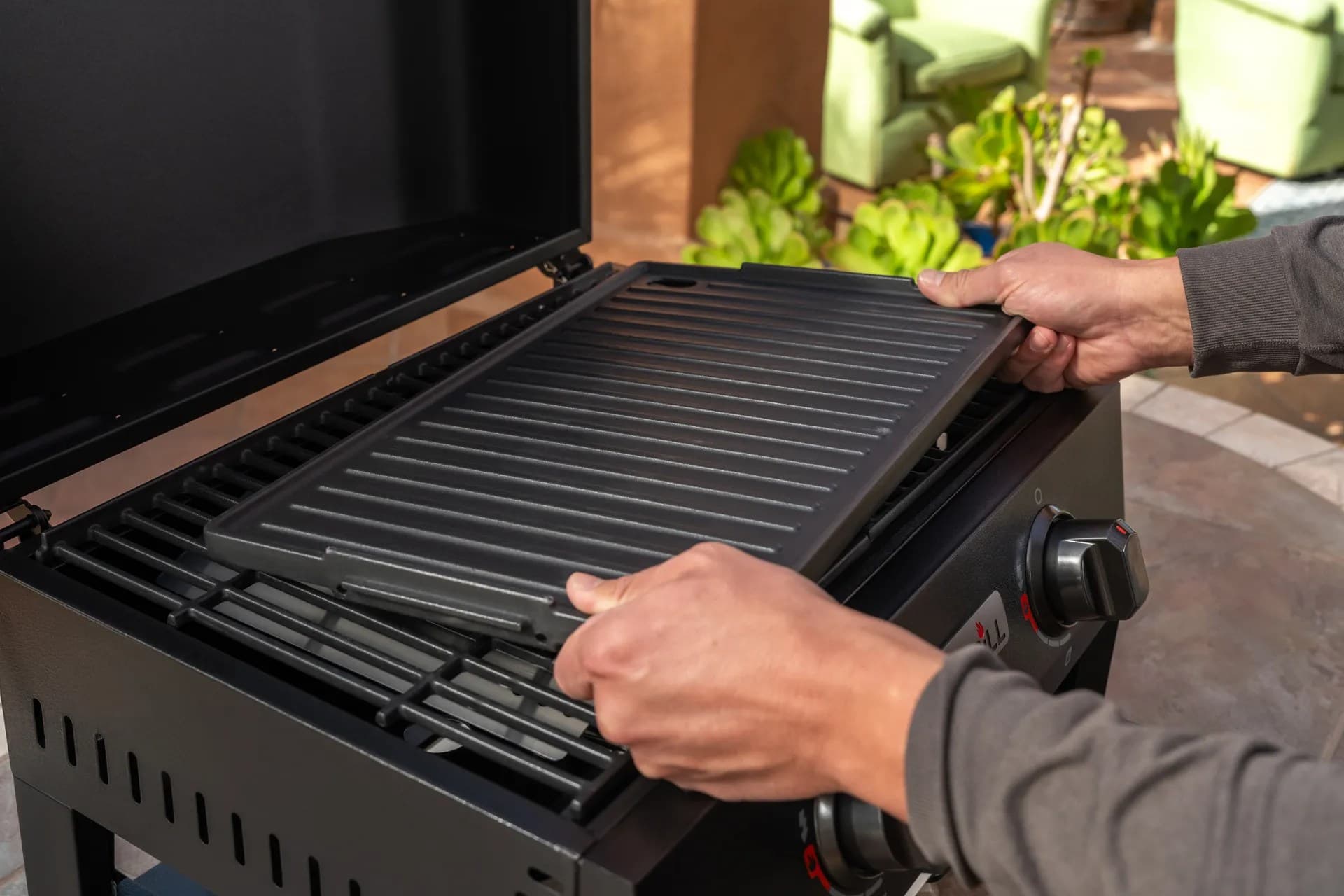
Practical guides for cleaning, maintenance, common grill issues, and performance optimization.
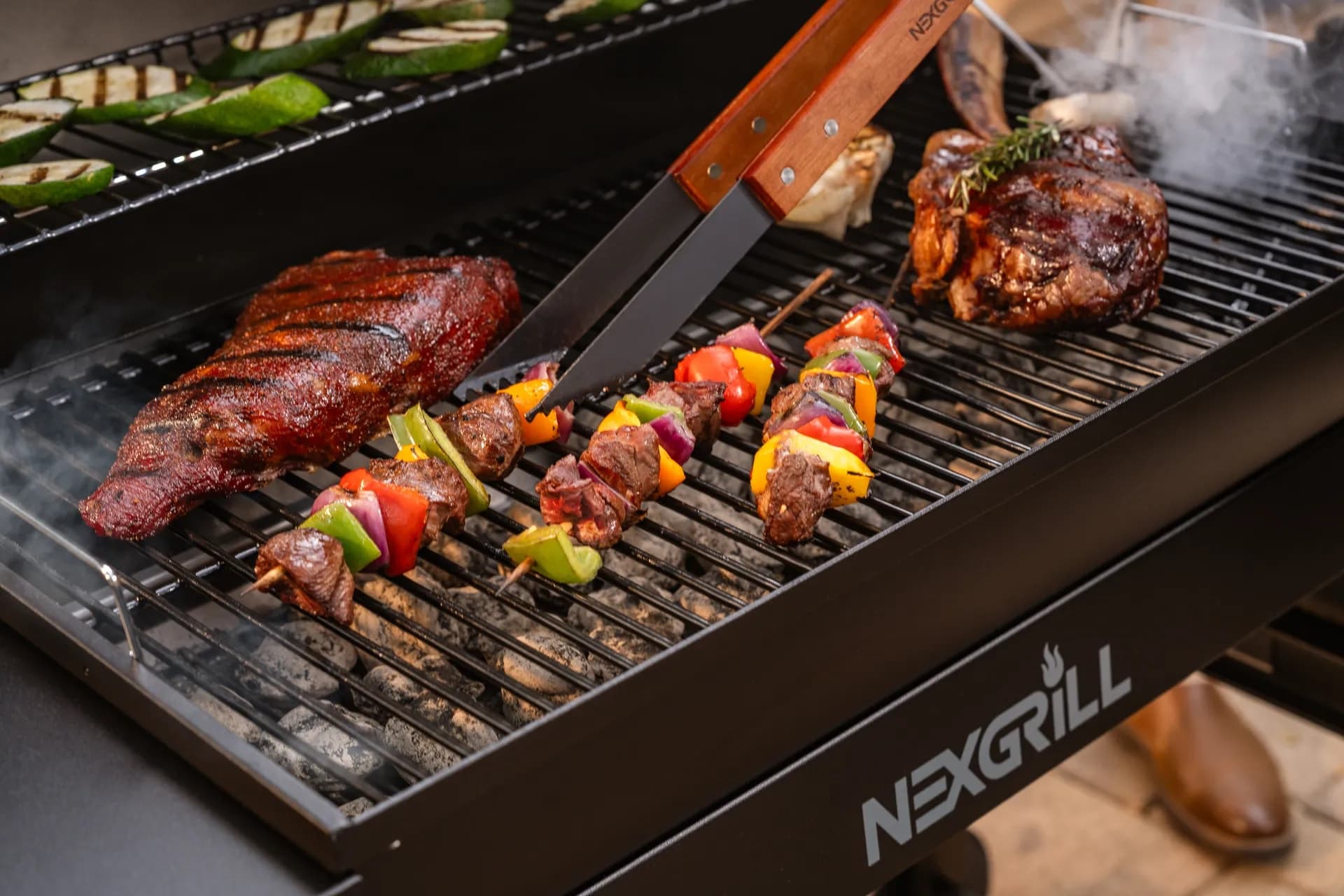
Step-by-step grilling recipes, cooking techniques, and meal ideas for every occasion and skill level.

Backyard entertaining ideas, seasonal grilling inspiration, and stories that celebrate outdoor cooking culture.
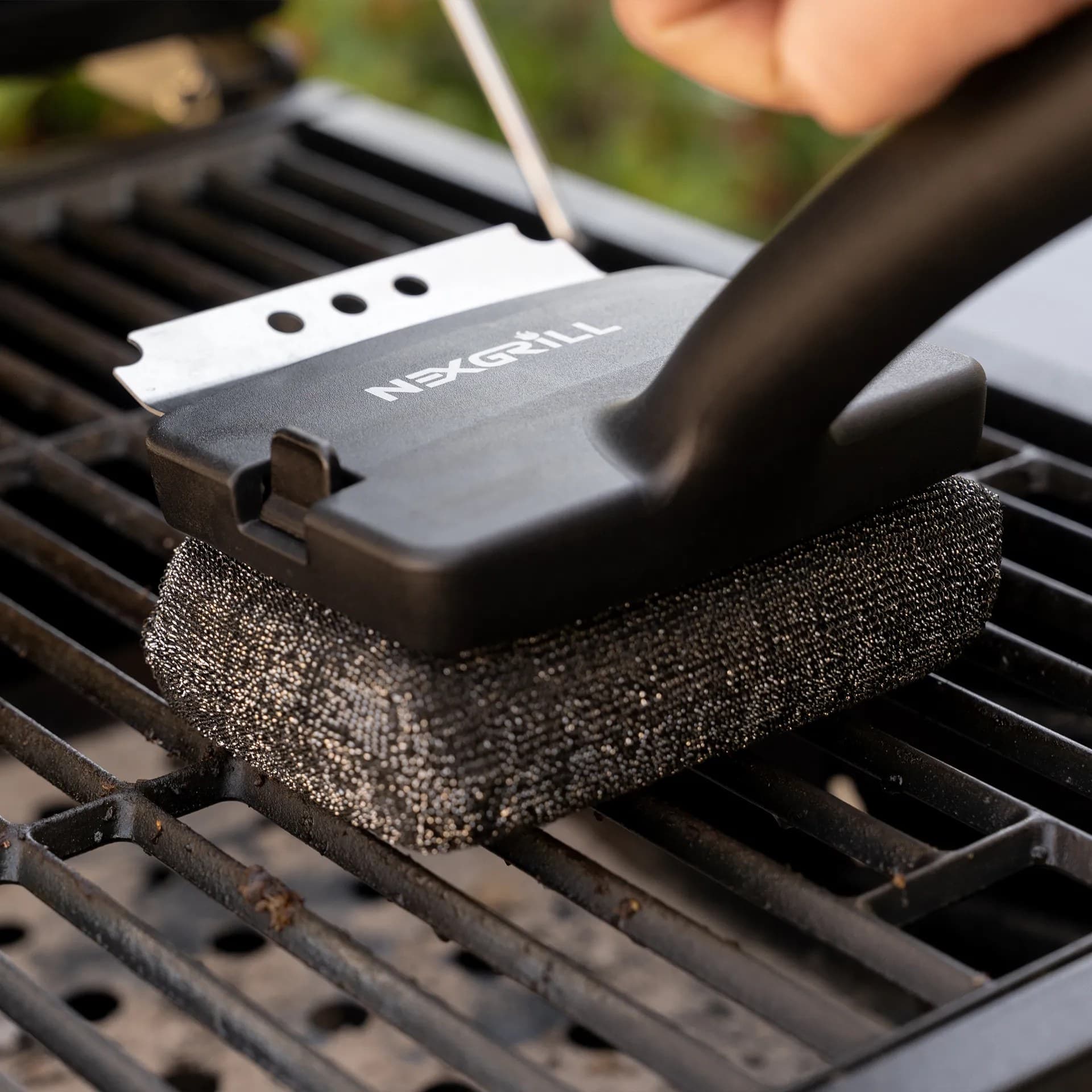
Helpful articles covering grilling tools, cookware, maintenance gear, and must-have accessories for outdoor cooking.
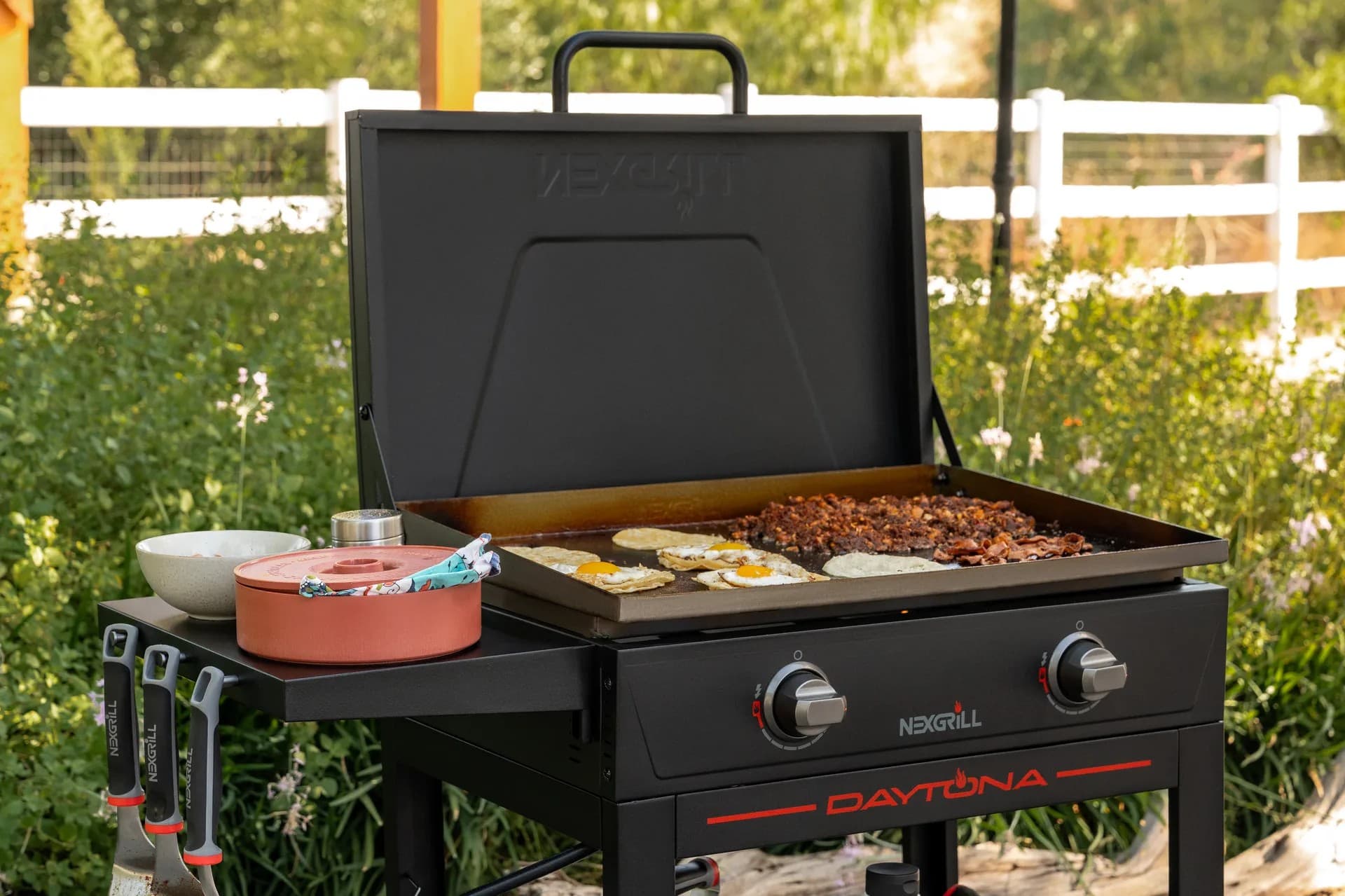
Find griddle recipes, cooking techniques, cleaning tips, and outdoor meal ideas designed for Nexgrill griddles.
Find answers to common questions
Pellet grills offer versatility by allowing you to smoke, grill, and bake with precise temperature control. They use wood pellets as fuel, providing a unique flavor to your food that is difficult to achieve with other types of grills.
Consider factors such as cooking capacity, temperature range, and additional features like digital controls or Wi-Fi connectivity. Assessing your cooking habits and space availability can also help in selecting a suitable model.
You can use a variety of food-grade wood pellets, including oak, hickory, mesquite, cherry, and apple. Each type of wood imparts a different flavor to your food, allowing for a unique grilling experience.
Regular cleaning involves emptying the ash pan, cleaning the heat diffusers, and wiping down the exterior. It's also important to check for any pellet obstructions in the hopper and ensure the grill's components are in good working order.
Nexgrill pellet grills are designed to smoke effectively, offering low-temperature settings to infuse food with rich, smoky flavors. They also provide adjustable temperature controls to suit various cooking styles.
In This Article
Effortless Cooking
Versatile Cooking Methods
Authentic Wood-Fired Flavor
Pellet grills occupy a very specific and increasingly popular place in outdoor cooking: they are designed for people who want the flavor character of wood fire without the constant manual babysitting that many traditional wood or charcoal setups require. At a practical level, a pellet grill uses compressed wood pellets as fuel and an electric controller to manage temperature. That combination is what makes the category distinct. Instead of repeatedly adjusting vents, moving coals, or chasing hotspots, the cook sets a target temperature and lets the grill regulate airflow and fuel feed through its auger system. For many backyard cooks, that is the moment pellet grilling starts to feel less like a technical project and more like a reliable cooking method.
This matters because people do not buy grills only for one style of food. They buy them for weeknight chicken, a Saturday brisket session, Sunday vegetables, and the occasional dessert experiment when the patio becomes the center of the meal. Pellet grills are appealing precisely because they can support all of those use cases. A single appliance can smoke ribs low and slow, roast a whole chicken, bake cornbread, or hold a steady temperature for salmon and vegetables. That range is part of the reason pellet grills have become a serious option for home cooks who want one outdoor cooker to do more than one job.
Nexgrill’s Oakford line fits naturally into this conversation because pellet cooking is really about building confidence through consistency. When the heat source is controlled electronically and the fire is fueled by small, uniform pellets, the cook spends less time managing the fire and more time focusing on flavor, timing, and technique. That does not mean pellet grills remove the craft from grilling. Instead, they shift the craft toward recipe planning, smoke profile selection, and doneness control, which is a much better fit for many households than a purely manual fire-management process.
Pellet grills are valued because they can smoke, roast, bake, and grill with controlled heat.
Another important reason pellet grills stand out is the way they change the social rhythm of outdoor cooking. A grill that holds temperature with less intervention frees the host to stay with guests, prep sides, or simply enjoy the evening rather than hovering over the fire. That “set it and monitor it occasionally” experience is not just convenient; it changes how people use their outdoor space. Instead of treating cooking as a task that isolates the cook from the gathering, the grill becomes part of the gathering itself. That aligns well with Nexgrill’s broader brand philosophy of inviting people to cook together and making outdoor meals feel approachable rather than intimidating .
The most obvious advantage of a pellet grill is temperature control. For home cooks, consistent heat is not a luxury; it is the difference between a brisket that finishes evenly and one that has dry edges before the center is ready. Pellet grills are built around digital control systems that feed pellets as needed to maintain a chosen temperature. That means less trial-and-error and fewer guesswork moments for cooks who are still learning how fire behaves. If you have ever had a charcoal fire run too hot or a gas grill swing around during a long cook, that stability can feel like a major upgrade.
The second major advantage is versatility. Pellet grills do not lock you into one category of food. They can smoke pork shoulder at low temperatures, roast vegetables at moderate heat, or bake a pizza-style dinner with the lid closed and steady heat maintained throughout the chamber. In real household terms, that means one grill can take on different cooking roles across the week. A family that wants smoked chicken on Friday and baked potatoes with grilled asparagus on Saturday does not need two or three separate outdoor appliances. The pellet grill can handle both with the same learning curve.
| Advantage | What it means in practice |
|---|---|
| Precise temperature control | Better consistency for long smokes, roasting, and repeatable results. |
| Multi-method cooking | Smoke, bake, roast, and grill on one appliance. |
| Wood-fired flavor | Pellets add smoke character without managing a live wood fire by hand. |
| Hands-off operation | Less active tending during long cooks, which is helpful for entertaining. |
The third advantage is flavor. Pellet grills are not just about convenience; they are about using wood as a real flavor ingredient. Different pellets can contribute different smoke personalities, so the cook can pair wood type with food type in a way that feels intentional. Mild fruit woods are often attractive for poultry and fish, while stronger hardwood profiles can support beef, pork, or richer dishes. That flexibility gives the cook another layer of control that many standard gas grills simply do not provide. And because the pellets burn in a managed system, the smoke tends to be more even and predictable than what a novice may experience with a manual wood-fire setup.
Tip: Think of pellet selection as seasoning the fire. The pellet blend you choose can influence the final character of the dish as much as a rub or sauce.
Pellet grills also earn points for accessibility. While they can handle advanced cooks, they are often easier for newer grillers to use than a charcoal smoker or offset smoker. That is important for households where one person may love barbecue technique and another person just wants dinner to come out right. A grill that is capable but not overly demanding helps more people participate in cooking. In that sense, pellet grilling supports the Nexgrill idea that outdoor cooking should welcome different skill levels and different levels of confidence at the same table .
Pellet grills offer real advantages, but the category is not without trade-offs. The first consideration is initial cost. Pellet grills commonly sit above entry-level gas grills in price because they combine hardware, electronics, and fuel management components. Buyers should think in terms of total value, not just upfront sticker price. A lower-cost grill may look appealing at first, but if it does not hold temperature well, has limited cooking space, or requires frequent workarounds, the savings can disappear quickly in day-to-day use.
Electricity is another practical factor. Because pellet grills rely on controllers, fans, and augers, they need a power source. For most suburban backyards, that is not a serious obstacle, but it does mean the grill behaves differently from a purely manual charcoal setup. If you cook in a location with limited outdoor power access, or if your grill lives far from an outlet, you should factor in extension cord planning and placement before you buy. The electrical requirement is not a drawback for everyone, but it is a real ownership detail that deserves attention.
Cooking style should also influence the purchase decision. Pellet grills excel at steady temperature and smoke-forward cooking, but they are not always the best answer for someone who wants the fastest possible high-heat sear on command every time. Some cooks prefer to use pellet grills for their versatility and then complement them with another outdoor cooker for searing or griddle-style meals. The right answer depends on whether your priorities are smoke flavor, broad cooking range, ease of use, or raw searing intensity.
| What to evaluate | Why it matters | Buyer takeaway |
|---|---|---|
| Cooking area | Affects how many people you can cook for at once. | Choose based on real household size, not just future ambitions. |
| Controller quality | Influences temperature stability and ease of use. | Prioritize reliable heat management over flashy extras. |
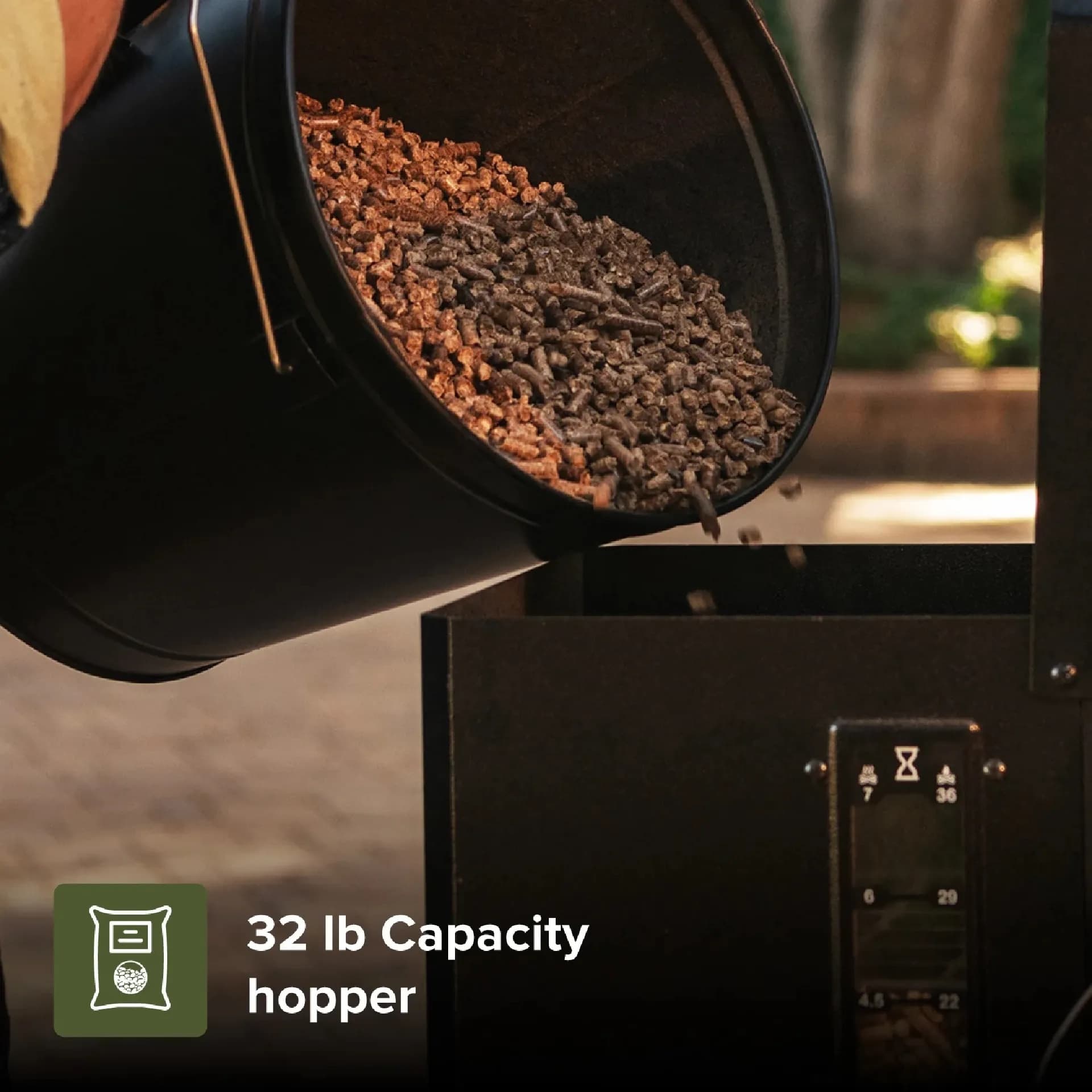
| Hopper capacity | Determines how long long cooks can run before refilling. | Long smoking sessions benefit from a larger hopper. |
| Cleaning access | Affects how easy it is to remove ash and grease. | If cleanup feels difficult, the grill may get used less often. |
Maintenance is the final consideration, and it should not be ignored. Pellet grills are often easier to cook with than to neglect with. Ash buildup, grease management, pellet storage, and component checks all matter. Because pellets are wood-based and moisture-sensitive, they must be kept dry for reliable feeding and clean combustion. A buyer who wants a low-effort cooking experience should understand that low-effort does not mean no-effort. That distinction is important, and it helps set realistic expectations before the first cook.
If you are comparing your options, pellet grills make the most sense for cooks who want repeatable results, wood-fired character, and a broader range of outdoor recipes than a single-purpose cooker can deliver. They reward people who like the idea of smoking and roasting without needing to constantly manage the flame. Try comparing two products side by side below to see which fits best:
Once you've weighed two options against each other, the next question is not simply which grill is better overall, but which grill is better for the way you actually cook. Pellet grills are easiest to understand when compared against charcoal and gas. Each fuel type solves a different problem. Gas is typically valued for quick ignition and straightforward weeknight convenience. Charcoal is often chosen for direct fire management and a familiar barbecue feel. Pellet grills sit in a different lane: they are for people who want a steadier, more automated cook with genuine smoke character and more versatility than a basic single-purpose grill can deliver.
If your main priority is a controlled barbecue session that lasts several hours, a pellet grill has a major advantage because it is built around consistency. A rib cook that starts in the morning and finishes near dinner time is easier to manage when the grill can hold a target temperature without constant manual adjustment. If your priority is rapid searing for a few steaks after work, gas may still feel faster. If your priority is turning out deeply fire-driven flavor with hands-on control over the embers, charcoal still has a place. The point is not that pellet grills replace every other type of grill. The point is that they cover a very useful middle ground where flavor, flexibility, and convenience meet.
Info: Pellet grills are especially attractive for cooks who want smoke flavor and consistency without learning the full rhythm of a manual smoker.
For households deciding between categories, the practical question is how often you cook and what you cook most often. If you mostly make burgers, hot dogs, and quick weeknight proteins, a gas grill may be enough. If you regularly cook brisket, pork shoulder, whole chickens, salmon, vegetables, and side dishes that benefit from controlled heat, pellet grilling becomes more compelling. That is why many buyers view pellet grills as a “do more” choice rather than a “do one thing very well” choice. They are not always the cheapest path, but they often reduce the need to own multiple outdoor cookers.
Consumer-oriented buying guides frequently frame pellet grills around convenience, versatility, and wood-fired flavor, which matches how most owners describe their experience once they begin cooking with them. Best Buy’s guide notes the appeal of pellet grills as a blend of smoke flavor and set-and-monitor convenience, while Consumer Reports and Lowe’s both emphasize practical ownership factors such as price, power dependence, and maintenance expectations . Those considerations are useful because they remind shoppers that the best grill is not the one with the most buzz, but the one that fits the way food actually gets cooked at home.
Pellet grill maintenance is straightforward when it becomes part of your routine. The most important habit is to manage ash and grease before they have a chance to affect airflow or flavor. After several cooks, ash can collect in the fire pot and around the burn area, which can interfere with ignition consistency and temperature stability. Grease should also be checked and cleaned on a regular schedule so the cooker remains safe and performs as expected. The exact timing depends on how often you grill and what foods you cook, but the habit itself is what matters most.
Pellet storage deserves special attention because pellets are sensitive to moisture. If they absorb water, they can swell, crumble, or feed poorly through the auger. That can lead to temperature swings or startup issues. The simplest solution is to keep pellets sealed and dry between uses. Many owners transfer them to a tight container after opening the bag, especially if the grill sits outdoors through changing weather. This is a small step, but it protects both performance and fuel quality.
| Care task | How often | Why it matters |
|---|---|---|
| Empty ash from the fire pot | Periodically, based on use | Supports clean ignition and steady airflow. |
| Wipe grease and buildup | After messy cooks and as needed | Helps reduce flare concerns and odor buildup. |
| Check pellets for moisture | Before each long cook | Prevents feed problems and weak combustion. |
| Inspect power connection and controller | Occasionally | Ensures the grill can maintain stable operation. |
A good cover is also worth the investment if the grill lives outside. Weather exposure can shorten the life of any outdoor appliance, and pellet grills add electronic components into the equation. Protecting the cooker from rain, snow, and direct sun helps preserve both appearance and function. That is not a dramatic upgrade; it is simply smart ownership. The same logic applies to storing the grill in a sheltered location when possible. Small preventative habits tend to have the biggest impact on longevity.
Warning: Do not assume pellet quality and moisture control are minor details. Poorly stored pellets are one of the fastest ways to create frustrating temperature swings.
The final part of care is user discipline. Pellet grills reward a little attention at the right times: clean before buildup becomes heavy, refill fuel before a long session becomes risky, and allow the grill to cool and be cleaned properly after use. Cooks who adopt that rhythm usually get years of steady performance and fewer surprises on busy weekends. That reliability is one of the hidden values of the category: it is easier to keep a pellet grill performing well when the maintenance routine is simple enough to actually follow.
A pellet grill is a strong choice if you want an outdoor cooker that blends convenience, versatility, and wood-fired flavor in one package. It is especially compelling for cooks who enjoy smoking and roasting but do not want to spend the whole afternoon managing fire. It is also a smart option for families that want one grill to cover both relaxed weeknight meals and more ambitious weekend projects. The category is not perfect for every person or every patio, but it excels when reliability and range matter more than manual fire management.
The best way to decide is to look honestly at your habits. If you prize easy temperature control, want to experiment with different wood profiles, and like the idea of preparing several kinds of food on one appliance, pellet grilling will probably feel worth the investment. If you mainly want the fastest possible sear or prefer a fully manual cooking ritual, another grill type may fit better. For many U.S. households, though, pellet grills land in the sweet spot: they make advanced outdoor cooking feel approachable while still leaving room for skill, creativity, and great flavor.
If that balance sounds right to you, the next step is not to chase every feature. It is to choose a model that matches your space, cooking volume, and appetite for smoke. That is where the real long-term value lives.
Here's what sets us apart
We position ourselves as delivering high-end outdoor cooking features and performance without premium-brand pricing, emphasizing “Quality Grills. Unbelievable Value.”
We offer gas grills, pellet grills, griddles, smokers, pizza ovens, portable/tabletop grills, electric grills, accessories, and replacement parts — allowing customers to stay within one ecosystem for all outdoor cooking needs.
We differentiate ourselves through smart grilling products like the Oakford smart pellet grill, including app-connected cooking controls and modern outdoor cooking technology.
Don't just take our word for it
Keep reading
From our catalog