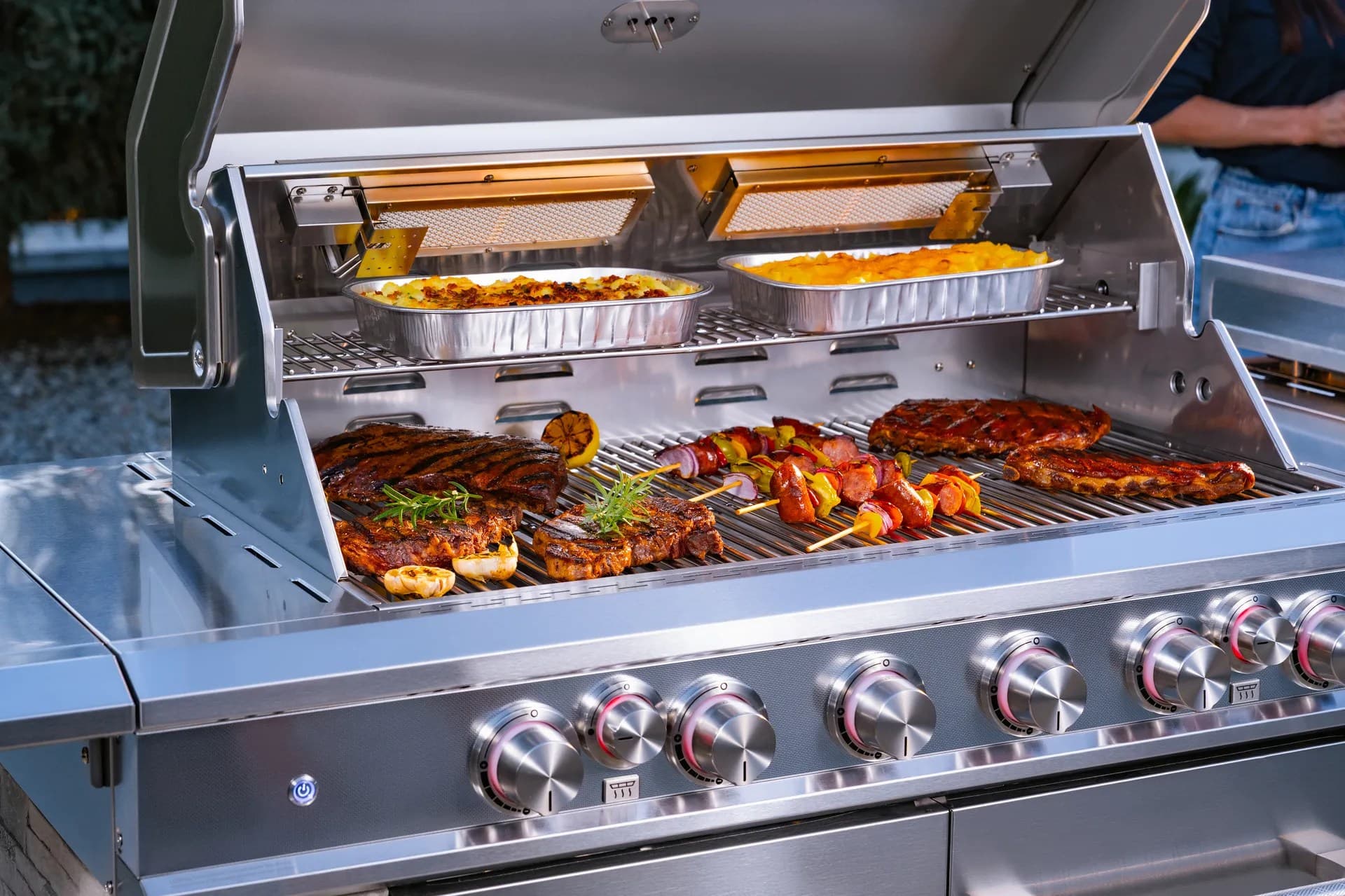
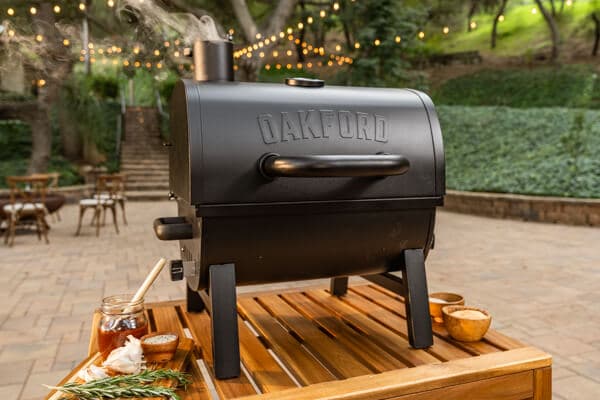
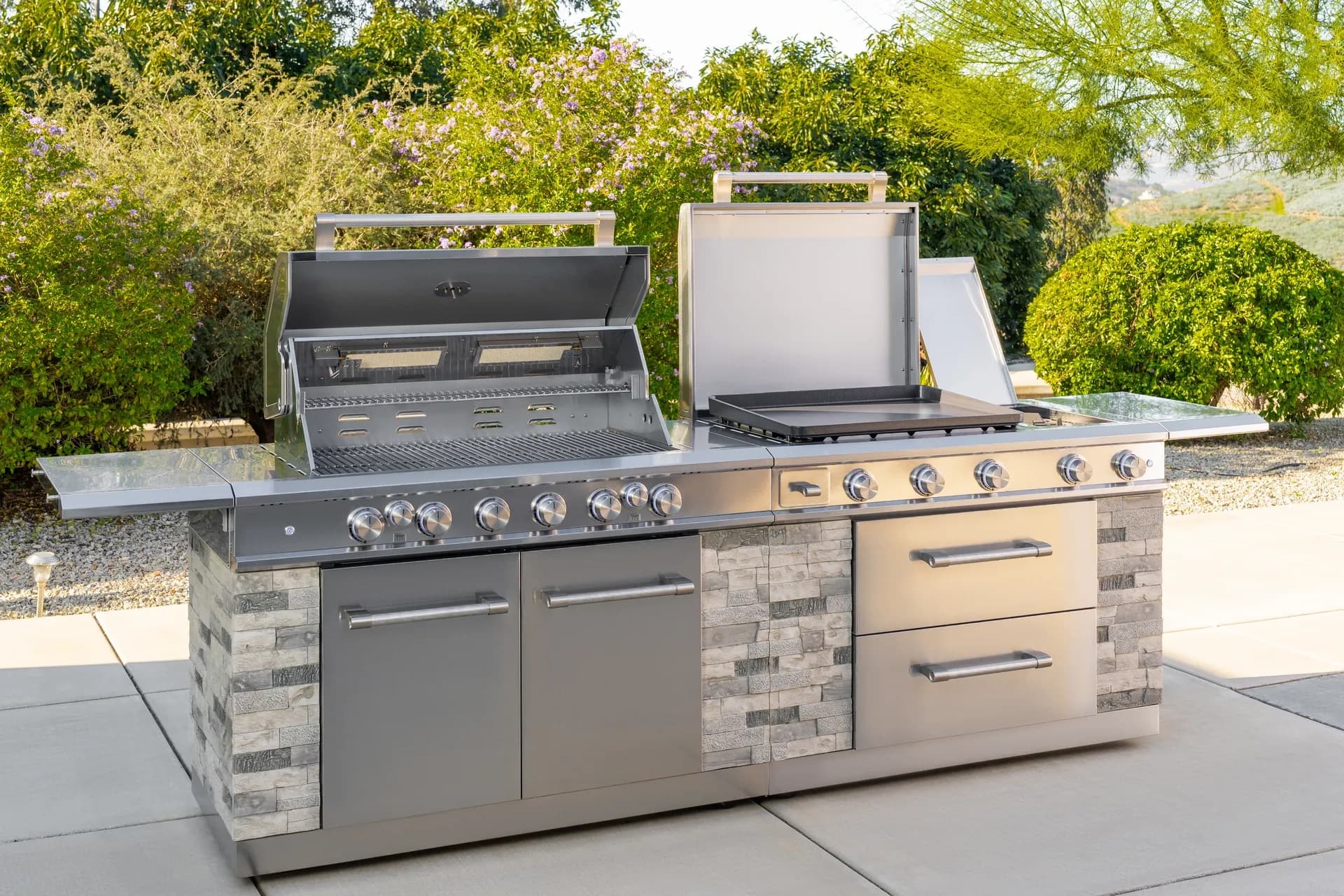
Explore the key differences between charcoal and gas grilling to determine which suits your cooking style and preferences.
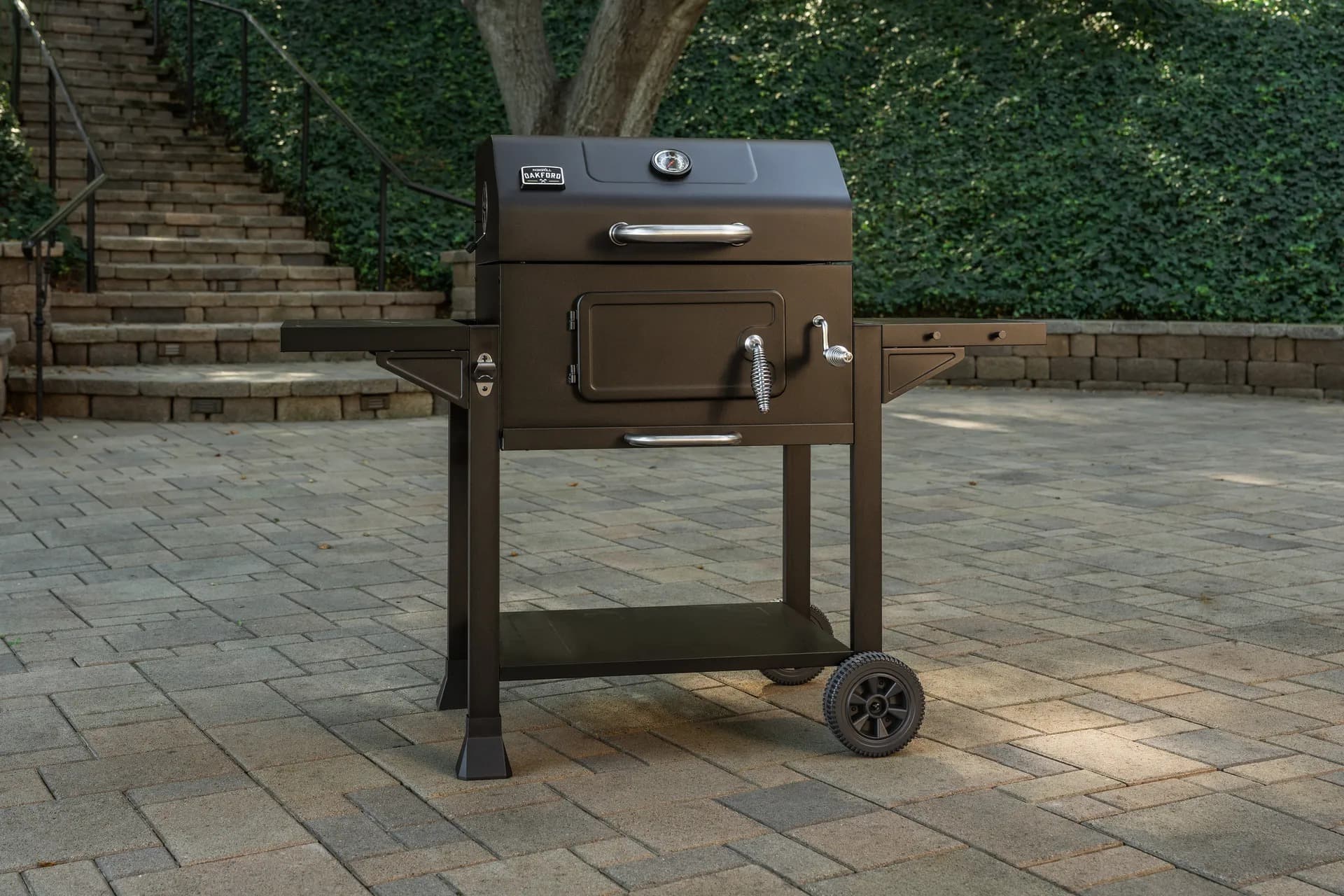
From sizzling breakfasts to smash burgers and teppanyaki-style dinners, the Daytona Pro 5 Burner NitroGuard™ Griddle delivers powerful heat, fast cooking, and a durable cooking surface built for every backyard cookout. Watch how easy outdoor cooking can be.
Here's what sets us apart from the competition
We position ourselves as delivering high-end outdoor cooking features and performance without premium-brand pricing, emphasizing “Quality Grills. Unbelievable Value.”
We offer gas grills, pellet grills, griddles, smokers, pizza ovens, portable/tabletop grills, electric grills, accessories, and replacement parts — allowing customers to stay within one ecosystem for all outdoor cooking needs.
We differentiate ourselves through smart grilling products like the Oakford smart pellet grill, including app-connected cooking controls and modern outdoor cooking technology.

Expert tips, buying guides, comparisons, and inspiration for choosing and getting the most out of your grill.

Practical guides for cleaning, maintenance, common grill issues, and performance optimization.

Step-by-step grilling recipes, cooking techniques, and meal ideas for every occasion and skill level.

Backyard entertaining ideas, seasonal grilling inspiration, and stories that celebrate outdoor cooking culture.

Helpful articles covering grilling tools, cookware, maintenance gear, and must-have accessories for outdoor cooking.

Find griddle recipes, cooking techniques, cleaning tips, and outdoor meal ideas designed for Nexgrill griddles.
Find answers to common questions
Gas grills provide instant heat and precise temperature control, making them easier to use. Charcoal grills offer a smoky flavor and high heat for searing but require more time to heat up and manage.
Pellet grills combine the convenience of gas with the flavor of wood, allowing for smoking, baking, and grilling. Traditional gas grills, however, are quicker to start and often easier to clean.
Charcoal grills typically reach higher temperatures quicker than gas grills, making them better for searing meat. However, high-quality gas grills can also provide adequate heat for effective searing.
Nexgrill offers models designed specifically for gas, charcoal, and pellets, allowing users to choose based on their cooking style and flavor preferences. Each type is built to optimize the characteristics of its respective fuel.
Choosing between gas and charcoal grills depends on your cooking preferences and lifestyle. If you value convenience and quick cooking, a gas grill may suit you better; if you prefer the taste and experience of traditional grilling, a charcoal grill would be ideal.
In This Article
Flavor Profiles
Heat Control
Maintenance
The charcoal versus gas question is less about which grill is “better” in the abstract and more about what kind of cook you are on a normal Tuesday night, on a Saturday with friends, or during the first warm weekend of spring. In Nexgrill’s world, grilling is about bringing people together without making the process more complicated than it needs to be. That perspective lines up with the brand’s broader message that outdoor cooking should feel open, welcoming, and practical for a wide range of skill levels and budgets . If you are deciding between charcoal and gas, the real issue is the trade-off between ritual and convenience, flavor and control, patience and speed.
Charcoal appeals to cooks who enjoy building fire, shaping heat by hand, and leaning into a more traditional barbecue rhythm. Gas appeals to cooks who want quick ignition, repeatable temperature settings, and less cleanup before the meal reaches the table. Neither choice is wrong. They simply serve different priorities. For a family that grills frequently, a gas model may be the easiest way to turn weeknight chicken, vegetables, and burgers into a dependable routine. For someone who treats weekend cooking as an event, charcoal can feel more immersive and rewarding, especially when the goal is a deeper, wood-fired style of flavor.
Quick framing: charcoal rewards patience and hands-on fire management; gas rewards consistency and speed.
A helpful way to approach the decision is to think in terms of cooking workflow. Charcoal asks you to light fuel, wait for the coals to come to temperature, then monitor vents, spacing, and ash as you cook. Gas asks you to turn a knob, preheat, and start cooking once the grates are ready. That difference affects everything from meal timing to how likely you are to grill on a busy weeknight. It also changes the learning curve: beginners often find gas more forgiving at first, while charcoal can teach heat management in a more tactile way.
This comparison is especially useful for buyers who are narrowing down their first serious backyard grill or replacing a unit they have outgrown. In the next sections, we will compare flavor, control, cleanup, costs, and emissions in practical terms so you can decide which type fits your cooking habits instead of chasing a one-size-fits-all answer. If you are comparing specific models, try weighing two options side by side below to see which one matches your space, routine, and comfort level.
Flavor is usually the first reason people lean one way or the other. Charcoal grilling is associated with a more pronounced smoky profile because the fuel itself contributes aroma and flavor as it burns. That effect can be especially noticeable when you cook over direct heat and let drippings hit the coals, creating little bursts of smoke that season the food. For many home cooks, that sensory experience is part of the appeal: the smell, the crackle, the visible smoke, and the deeper crust on seared proteins. It can make a simple steak, chicken thigh, or ear of corn taste more like an occasion.
Gas grilling, by contrast, is often described as cleaner tasting because the fuel burns more evenly and does not create the same level of smoke from the fire source. That does not mean gas food tastes bland. It means the result tends to highlight the ingredients and seasoning more than the fire itself. If you marinate vegetables, use spice rubs, or care most about consistent doneness, gas can be ideal because the grill flavor stays in the background. That makes it easier to cook for households with mixed preferences: one person wants a gentle char, another wants the food to taste bright and straightforward.
Charcoal contributes more of it; gas keeps it more restrained.
The flavor gap can narrow when cooks use technique well. A gas grill preheated properly can still create strong sear marks and good browning. A charcoal grill can taste flat if the fire is underdeveloped or the vents are mishandled. That is why flavor is not just about fuel type. It is also about temperature, airflow, and how close the food sits to the heat source. For example, burgers cooked over a roaring charcoal bed will often have more fire-kissed edges than burgers cooked on a gas grill set too low. But a gas-grilled burger cooked on a fully preheated grate with a lid closed will still develop solid browning and satisfying texture.
If you cook foods where the fire should stay in the background, such as fish, delicate vegetables, or quick-cooking chicken breasts, gas gives you a clean canvas. If you want the grill itself to contribute more personality, charcoal gives you that extra layer. The best choice depends on whether you want flavor to come mainly from the food or partly from the fire.
Heat control is where gas usually earns its reputation for ease. With gas, you can make small adjustments quickly: turn a burner down, create a cooler zone, or raise heat again without waiting for fuel to settle. That makes it practical for foods that cook at different rates or for meals where you need to manage direct and indirect zones at the same time. If you are cooking bone-in chicken pieces, for example, you can sear them over higher heat and then finish them on a lower section of the grill without losing momentum. For weeknight use, that kind of control matters because it saves both time and guesswork.
Charcoal heat management is more manual, but that is also what gives it depth. You shape the cooking environment by arranging coals, controlling airflow through vents, and adjusting the food position relative to the hottest area. It takes more attention, especially if you are trying to hold a steady temperature for a longer cook. A beginner may find that coals run hotter than expected or that a partly closed vent changes temperature more slowly than planned. Still, once you learn the rhythm, charcoal gives you a very satisfying level of physical control. You are not turning a dial so much as managing a living fire.
Warning: charcoal can drift quickly if airflow changes, so beginners should adjust vents gradually and wait before making more changes.
A practical difference shows up when you are cooking multiple items at once. Gas shines when you need steady repeatability across a wide surface. You can place vegetables on one side, protein on another, and keep a warming area going with minimal effort. Charcoal can absolutely do multi-zone cooking too, but the layout must be planned in advance. A pile in the center, two piles at the edges, or a split arrangement can all work, but each requires more forethought. For a cook who likes to improvise, gas is easier. For a cook who likes to read the fire and respond to it, charcoal may feel more engaging.
There is also a learning difference that matters for households with new grill owners. Gas teaches confidence through consistency. Charcoal teaches adaptability through observation. If you are training someone who is just getting comfortable around the grill, gas usually lowers the barrier to entry. If you are interested in developing a deeper feel for heat behavior, charcoal provides that education in a very direct way. That makes the “best” option less about status and more about how much control you want to exercise manually.
Maintenance is one of the clearest dividing lines between the two fuel types. Gas grills are generally easier to clean because they do not leave behind ash after every cook. Instead, the main jobs are scraping the grates, managing grease trays, and occasionally checking burners and ignition components. That makes gas especially appealing for people who grill often but do not want the cleanup process to dominate the experience. A quick brush while the grates are warm, plus a periodic deeper clean, is often enough to keep a gas grill ready for the next meal.
Charcoal grill maintenance includes everything gas owners do, plus ash disposal. Once the coals have fully cooled, the ash needs to be removed so airflow stays open and the grill doesn’t accumulate residue that can affect future burns. Ash is lightweight but messy, and if it gets damp it can clump or stain surfaces. That means charcoal owners usually build a small cleanup routine into the end of each cook. For some people, that is a manageable part of the ritual. For others, it becomes the reason they switch to gas.
Tip: brush grates while they are still warm; it is easier to remove residue before it hardens, regardless of fuel type.
The maintenance gap also affects how often you are likely to use the grill. A grill that is simple to reset after cooking tends to get used more often. That is one reason gas is so popular for everyday family meals. If you know cleanup will take only a few minutes, you are more likely to fire it up on a weeknight. Charcoal can still be a great choice, but the extra steps mean it is more often reserved for planned cooks. In other words, maintenance affects behavior, not just effort.
There is also an element of long-term care. Gas grills require periodic attention to burners, ignition, and fuel connections. Charcoal grills require attention to airflow paths, grates, and corrosion around ash exposure. Neither system is maintenance-free, but gas usually wins on daily convenience while charcoal wins for cooks who are comfortable treating cleanup as part of the process. For households with limited storage space or limited time after meals, that difference can be decisive.
One useful way to think about it: gas minimizes the end-of-night burden, while charcoal spreads the effort across setup, cooking, and teardown. If your best grilling experience is the one that ends quickly once the food is done, gas will probably feel more natural. If you enjoy the whole fire-building cycle, charcoal may feel worth the extra work.
Cost is not just the number on the price tag. It includes what you spend up front, what you burn through over time, and how much equipment you may need to keep the grill performing well. In many cases, charcoal grills are less expensive to buy initially, especially entry-level models. That makes them attractive to first-time grillers or to households that want a straightforward backyard setup without a bigger hardware investment. The trade-off is that you continue purchasing charcoal and related supplies every time you cook, which adds up over a season.
Gas grills often cost more at the start because the grill body, burners, ignition system, and fuel setup are more complex. But their day-to-day operating cost can be easier to predict, especially if you already use propane and have access to refill options. For frequent grillers, the convenience of gas may justify the upfront spend because the grill becomes part of the weekly cooking routine rather than an occasional project. If you grill often enough, the time savings can be as valuable as the fuel savings.
| Cost Factor | Charcoal | Gas |
|---|---|---|
| Typical upfront cost | Often lower | Often higher |
| Recurring fuel expense | Charcoal and fire starters | Propane or natural gas |
| Cleaning supplies | Ash tools and brushes | Brushes, grease tray care |
| Long-term convenience value | Moderate | High for frequent use |
A better buying question than “Which is cheaper?” is “Which one gives me the best value for how I actually cook?” If you grill only a few times a month, charcoal’s lower entry price may make sense, especially if you enjoy the process. If you grill often and want the fewest obstacles between deciding to cook and getting dinner on the table, gas may deliver better value over time. There is also the matter of accessories and fuel storage. Gas usually requires a fuel tank or connection setup, while charcoal requires dry storage for fuel and a place to manage ash disposal safely.
From a budgeting standpoint, the best decision comes from tracking real usage. Think through how many meals a month you expect to cook, whether you prefer short cooks or longer sessions, and how much value you place on convenience. That exercise usually makes the cost comparison clearer than looking at sticker price alone.
Environmental impact is a legitimate part of the charcoal versus gas conversation, especially for buyers trying to balance outdoor cooking enjoyment with lower-emission habits. Charcoal grilling generally creates more visible smoke and particulate matter because it relies on solid fuel combustion. That can appeal from a flavor standpoint, but it also means the cooking process is less clean-burning than gas. The impact is not only about what comes out of the chimney of the grill, but also about the broader resource use of producing and transporting charcoal.
Gas grilling is typically viewed as the cleaner-burning option during use because propane or natural gas generally burns more efficiently than charcoal. That does not make gas impact-free, but it does mean the cooking phase tends to produce less soot and ash. For consumers focused on reducing mess and limiting combustion byproducts at the grill, gas has a practical edge. If you want the simplest explanation, charcoal emphasizes flavor through a more smoke-heavy process, while gas emphasizes efficiency and cleaner combustion.
Eco-conscious note: the most sustainable grill is often the one you use efficiently and maintain well, rather than the one that sits idle or burns more fuel than needed.
Sustainability also includes how thoughtfully you cook. Preheating only as long as needed, using the right amount of fuel for the meal, and keeping the grill clean all reduce waste. A gas grill left running longer than necessary wastes fuel; a charcoal grill overfilled with briquettes wastes fuel and creates more ash than needed. In both cases, disciplined use matters. For cooks who value environmental responsibility, better habits can narrow the gap between the two choices.
There is also a lifecycle perspective. Charcoal is a consumable fuel, so its environmental footprint is tied to each cook. Gas also relies on fuel, but the grill itself may be used repeatedly with less waste at the end of each session. If you are choosing between the two because sustainability matters, the most honest answer is that gas usually has the advantage during cooking, while charcoal can still be used responsibly if the user is careful and intentional. The key is aligning the grill with how often you will cook and how efficiently you will operate it.
If you want the shortest possible answer, choose charcoal if you value smoky flavor, hands-on control, and a more traditional grilling ritual. Choose gas if you want speed, easier cleanup, and dependable temperature management. But the better answer is more personal than that. The right grill depends on how often you cook, how much time you want to spend managing fire, and whether you want the process itself to feel like part of the reward.
For beginners, gas is often the easiest way to build confidence because it removes much of the uncertainty around lighting and temperature stability. For more experienced cooks, charcoal can be deeply satisfying because it rewards attention and technique with layered flavor and a stronger sense of involvement. For many households, the choice also comes down to lifestyle: busy families tend to appreciate gas, while weekend entertainers and flavor-focused cooks often enjoy charcoal. Nexgrill’s broader approach to outdoor cooking reflects that range of needs, offering grilling solutions for both practical everyday use and more involved backyard sessions .
If you are still undecided, compare the two styles by asking one simple question: do you want the grill to disappear into the routine, or do you want the grill to become part of the experience? Gas tends to fade into the background so the meal can move forward. Charcoal tends to demand a bit more of your attention, but in return it can make the cooking process feel more memorable. Either way, the best grill is the one you will actually use well and enjoy using often.
Once you’ve weighed charcoal and gas side by side, the choice usually comes down to how you want grilling to fit into real life. Some people want the grill to be part of the event: they like tending coals, adjusting airflow, and waiting for the fire to settle before the first burger goes on. Others want the grill to work like a dependable appliance: lid up, burner on, food cooking, dinner served. That split is exactly why this debate stays relevant year after year. It is not just about taste; it is about rhythm, time, and how much manual involvement feels rewarding instead of inconvenient.
Nexgrill’s brand philosophy centers on bringing people together around food without making outdoor cooking feel exclusive or intimidating . That matters here because the best grilling setup is the one that makes it easier for more people to join in. For some households, charcoal creates that atmosphere because the fire itself becomes part of the gathering. For others, gas removes friction so more meals happen more often. In practical terms, this comparison is really about choosing the pace and style of your backyard cooking.
Think of charcoal as a craft and gas as a system: both can produce great results, but they ask for different kinds of attention.
That distinction becomes clearer when you imagine a few common U.S. use cases. A family in a suburban home that grills three nights a week may lean toward gas because it is easier to start after work and easier to clean before bed. A weekend cook who loves brisket, ribs, or slow-roasted chicken may favor charcoal because the process feels more immersive and the fire can contribute more character. A new homeowner who wants one grill for burgers, vegetables, and simple gatherings may choose gas first and learn flavor-building techniques over time. So the question is not whether one fuel is better in every case. It is which one fits your habits with the least resistance.
Flavor is where many people make their emotional decision, and for good reason. Charcoal produces a more smoke-forward profile because the fuel burns as part of the cooking environment. That smoke interacts with fat, seasoning, and moisture on the food surface to create the familiar backyard barbecue taste many people associate with summer. When the fire is well managed, charcoal can give steaks deeper browning, vegetables a stronger roasted edge, and poultry a more pronounced savory note. For cooks who prize that old-school flavor, charcoal usually feels worth the extra setup.
Gas generally delivers a cleaner flavor profile because the combustion is more controlled and the fuel source does not add the same level of smoke character. That can be a benefit, not a drawback. When the grill flavor stays lighter, herbs, marinades, sauces, and the natural taste of the ingredients come through more clearly. If you are cooking salmon, shrimp, marinated vegetables, or lean chicken cuts, gas keeps the dish from getting overwhelmed by smoke. It is also easier to repeat from one cook to the next, which matters if you are developing a signature seasoning blend or trying to recreate the same family dinner every week.
Charcoal adds more smoke-driven character; gas preserves a cleaner finish.
The practical lesson is that flavor preference should match the food you cook most often. If you mostly cook quickly seared steaks and burgers, charcoal can feel bold and satisfying. If you often cook mixed meals with vegetables, lighter proteins, and sauces, gas gives you more flexibility and less risk of the fire overpowering delicate flavors. The difference is subtle in some dishes and very obvious in others, which is why cooks often keep a strong preference after only a few uses. They are not just tasting food. They are tasting the type of experience the grill creates.
Gas wins most comparisons when precision is the priority. You can preheat quickly, set burners to different levels, and respond to changes in food temperature without rebuilding the fire. That makes it easier to cook thick pork chops, burger batches, or mixed trays of vegetables without overthinking every minute. If your goal is dependable results with minimal fuss, gas makes the temperature side of grilling much easier to master. It is especially useful for households where one person grills and another handles the rest of dinner preparation, because the workflow is straightforward and predictable.
Charcoal takes more skill because temperature is controlled indirectly through fuel placement and airflow. Opening the vents increases oxygen and can raise heat; closing them slows the fire. Moving food farther from or closer to the coals changes the cooking rate. That flexibility is powerful, but it requires patience. Changes are not instantaneous, so a new charcoal griller may overcorrect, then wait too long, then overcorrect again. Still, that manual process is part of what many experienced cooks love. Once you understand how charcoal behaves, you can create very lively sears, stable indirect zones, and a cooking surface with more personality.
Beginner tip: make one change at a time when adjusting charcoal vents, then give the grill a few minutes to respond before changing again.
A simple real-world example helps. If you are cooking chicken thighs and vegetables for four people, gas lets you keep one side hot for searing and another side gentler for finishing. On charcoal, you can do the same thing, but you have to arrange the coals carefully before cooking starts and be ready to move food as the fire evolves. That makes gas more forgiving during busy meals, while charcoal can be more rewarding when you enjoy the control process itself.
Maintenance is where many people move from preference to practicality. Gas grills are usually easier to live with after the food comes off because they do not create piles of ash. The cleanup routine tends to revolve around brushing the grates, emptying grease, and checking burner health from time to time. For households that grill frequently, that simplicity can be a major advantage. The grill is more likely to stay ready because the aftercare is short and familiar.
Charcoal requires a different end-of-meal routine. After the coals are fully dead and cool, the ash has to be removed so the firebox stays clear and airflow remains open. That ash can be fine and dusty, which means cleanup is a little more involved and sometimes a little messier. It is not difficult, but it is definitely another step. If you are grilling on a balcony, a compact patio, or a space where cleanup noise and residue matter, that step can influence how often you reach for the grill. Many charcoal owners do not mind because the ritual is part of the appeal, but first-time buyers should be honest about their patience for post-cook chores.
Tip: a warm grill brush and a quick wipe-down after cooking reduce buildup later, especially on gas grills where grease can harden if ignored.
The hidden maintenance issue is consistency. A gas grill that is cleaned regularly tends to stay more predictable because the burners, grates, and grease pathways remain in good shape. A charcoal grill that is allowed to build up ash or residue can lose some airflow and make temperature management harder. In both cases, simple upkeep protects performance. The difference is that gas rewards quick, repeated care, while charcoal asks for more thorough cleanup after each session.
Cost comparisons should include the grill, fuel, and the effort you put into keeping the system working well. Charcoal grills often have the lower entry price, which makes them attractive to buyers who want to start grilling without a large up-front commitment. But charcoal also means recurring purchases of briquettes or lump charcoal, plus starters and cleanup supplies. Over time, those ongoing costs become part of the experience. If you grill only occasionally, that may remain very manageable. If you grill every week, the fuel bill can become more noticeable.
Gas grills usually cost more initially because the equipment is more complex. Burners, ignition systems, and fuel delivery hardware all add to the build cost. The benefit is that day-to-day grilling is often more predictable from a budget standpoint, especially if you already have propane access. For households that grill often, the convenience can justify the higher starting price because you use the grill more regularly and spend less time managing fuel. In other words, the best value may come from the grill you will actually keep using rather than the cheapest one on the shelf.
| Budget Question | Charcoal Answer | Gas Answer |
|---|---|---|
| Lowest upfront spend? | Usually yes | Usually no |
| More predictable routine costs? | Less predictable | More predictable |
| Best value for frequent grilling? | Depends on how often you cook | Often stronger |
A good rule for U.S. buyers is to estimate your monthly cook count before you buy. If you expect a handful of cooks each summer month, charcoal may be perfectly sensible. If you expect to grill year-round or several times a week, gas often makes more financial and practical sense because it removes friction and keeps the routine consistent. That is especially true for households juggling work, school, and limited prep time.
Environmental impact is one area where the answer is more nuanced than people sometimes expect. Charcoal is a solid fuel, and burning it generally produces more smoke, ash, and visible combustion byproducts during use. That makes it less clean-burning than gas on the cooking side. Gas, by comparison, tends to burn more efficiently and usually leaves less residue. For buyers concerned about emissions and cleanup waste, gas often has the edge in day-to-day use.
That said, sustainability is not only about fuel type. It is also about how efficiently the grill is used. A grill that is preheated for the right amount of time, shut down promptly, and cleaned well will waste less energy than one that is left burning too long or packed with excess fuel. Charcoal cooks can improve efficiency by using only the amount of fuel needed and allowing the fire to fully die before cleanup. Gas cooks can reduce waste by not overshooting temperature or leaving burners on longer than necessary.
Eco-conscious tip: the smallest footprint usually comes from efficient grilling habits, not from ignoring fuel use once you buy the grill.
There is also a practical sustainability angle tied to longevity. If a grill lasts longer and suits your routine better, you are less likely to replace it quickly. That means build quality, care, and fit matter just as much as fuel type. A charcoal grill that is abandoned because cleanup feels too heavy is less sustainable in practice than a gas grill that is used weekly for years. The most responsible choice is the one that aligns with your habits and stays in service.
If you weigh all the trade-offs, the decision becomes clearer. Charcoal is the stronger fit if you value smoky character, hands-on control, and a slower, more deliberate cooking ritual. Gas is the stronger fit if you want faster starts, easier cleanup, and precise temperature management that supports frequent cooking. That does not mean one is categorically better. It means each one rewards a different style of outdoor cooking.
For the buyer who wants a grill that gets used often with minimal hassle, gas is usually the safest recommendation. For the buyer who enjoys the fire itself and doesn’t mind a little extra cleanup in exchange for deeper flavor and more involvement, charcoal is a strong choice. Nexgrill’s broader product approach reflects that reality: outdoor cooking should be accessible, practical, and worth sharing with other people around the table . The best grill is the one that fits your routine, your space, and your appetite for hands-on cooking.
If you are still undecided after comparing the two, ask yourself one last question: do you want the fire to be the main attraction, or do you want the meal to be the main attraction and the grill to simply perform? Your answer usually points you in the right direction.
Here's what sets us apart
We position ourselves as delivering high-end outdoor cooking features and performance without premium-brand pricing, emphasizing “Quality Grills. Unbelievable Value.”
We offer gas grills, pellet grills, griddles, smokers, pizza ovens, portable/tabletop grills, electric grills, accessories, and replacement parts — allowing customers to stay within one ecosystem for all outdoor cooking needs.
We differentiate ourselves through smart grilling products like the Oakford smart pellet grill, including app-connected cooking controls and modern outdoor cooking technology.
Don't just take our word for it
Keep reading
From our catalog