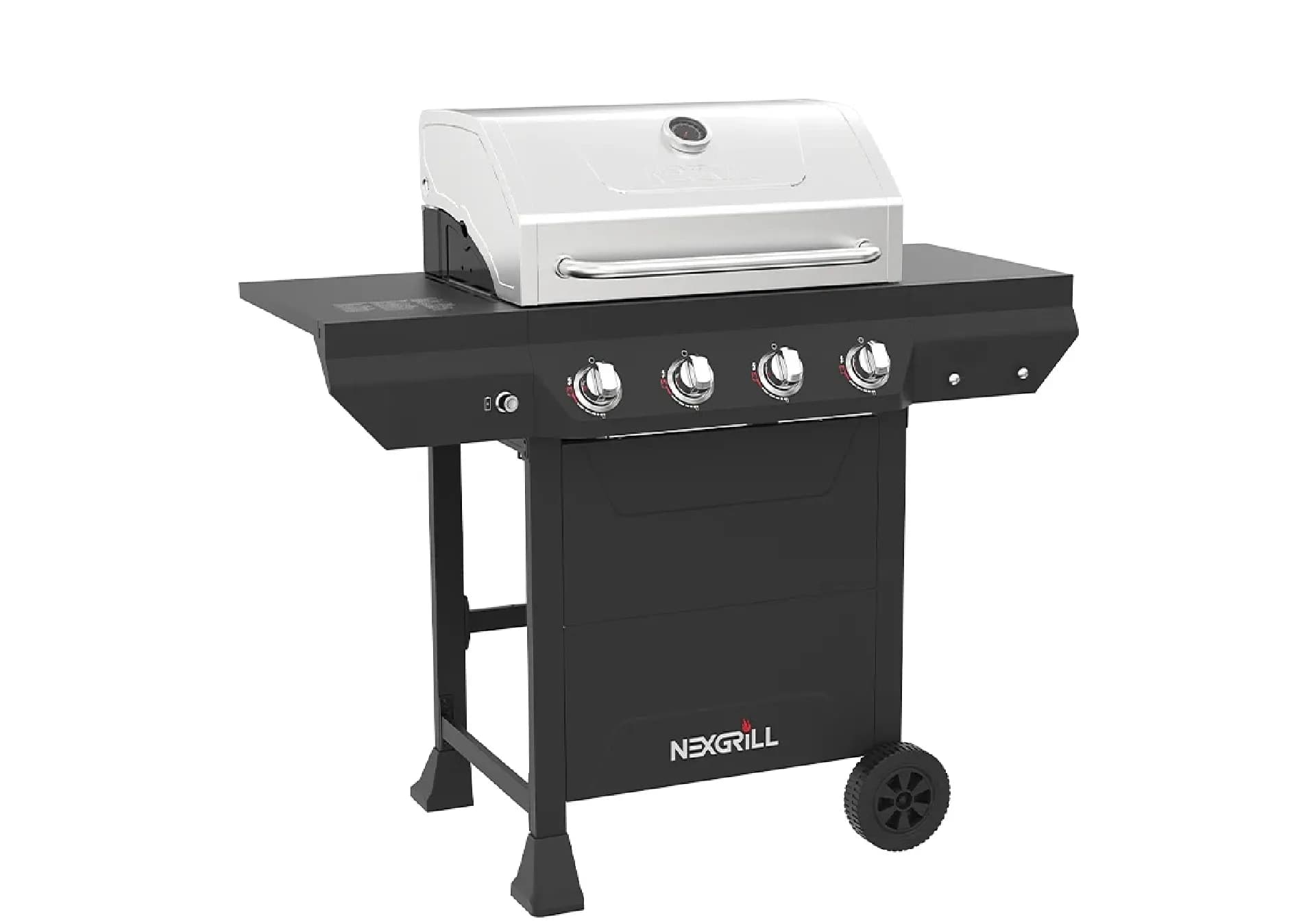
A comprehensive guide to selecting the ideal portable gas grill for your outdoor cooking needs.
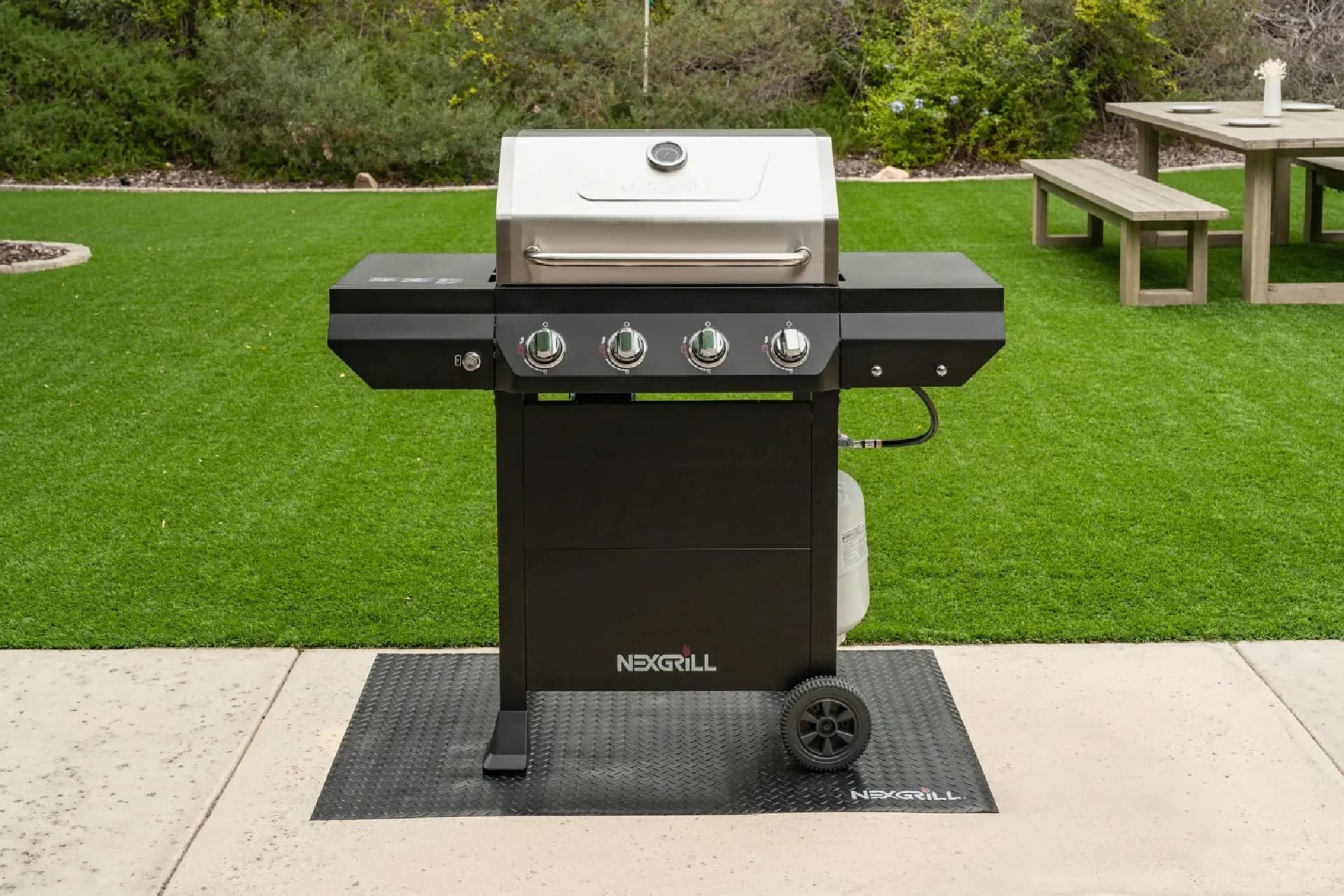
Here's what sets us apart from the competition
We position ourselves as delivering high-end outdoor cooking features and performance without premium-brand pricing, emphasizing “Quality Grills. Unbelievable Value.”
We offer gas grills, pellet grills, griddles, smokers, pizza ovens, portable/tabletop grills, electric grills, accessories, and replacement parts — allowing customers to stay within one ecosystem for all outdoor cooking needs.
We differentiate ourselves through smart grilling products like the Oakford smart pellet grill, including app-connected cooking controls and modern outdoor cooking technology.
Expert tips, buying guides, comparisons, and inspiration for choosing and getting the most out of your grill.
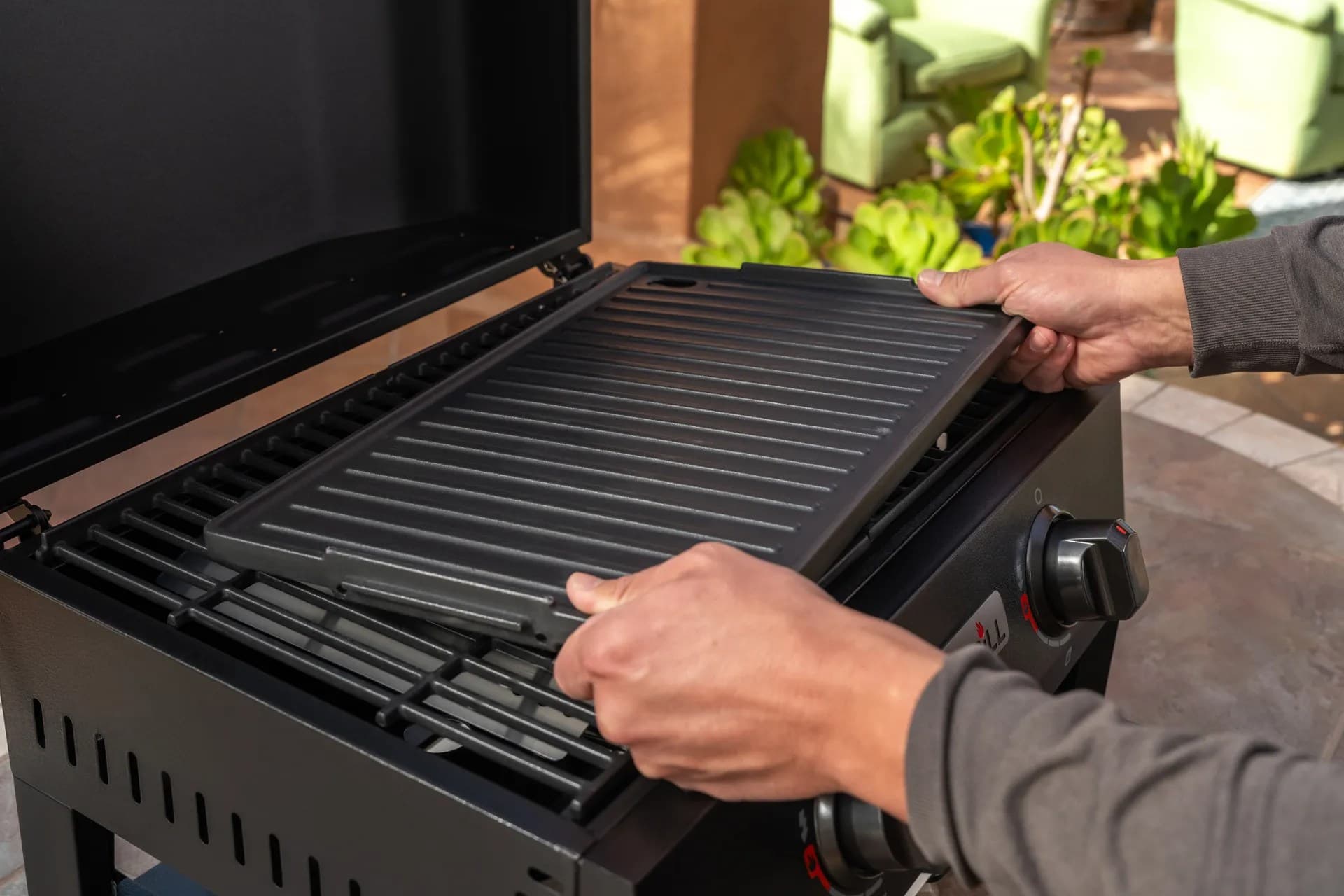
Practical guides for cleaning, maintenance, common grill issues, and performance optimization.
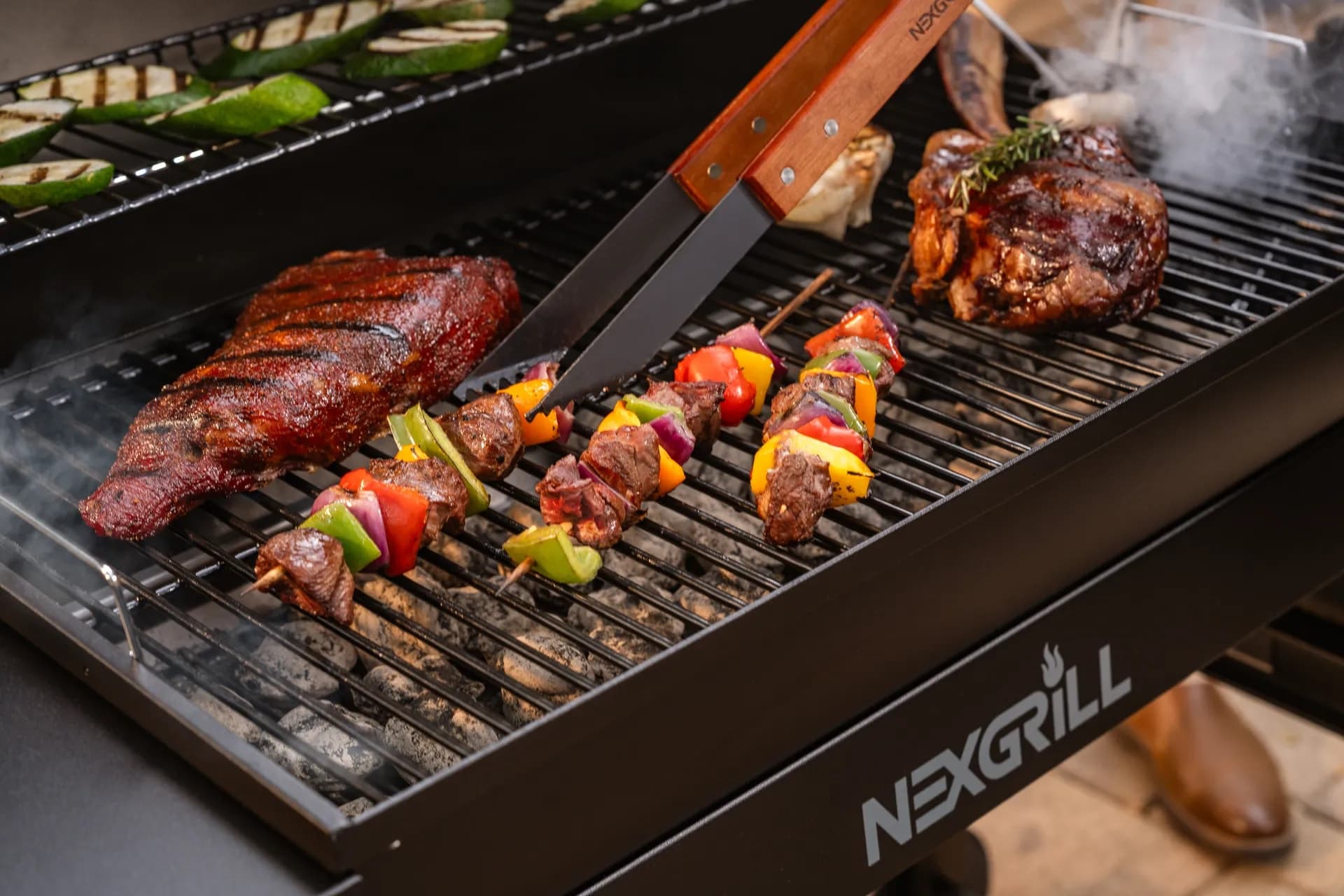
Step-by-step grilling recipes, cooking techniques, and meal ideas for every occasion and skill level.

Backyard entertaining ideas, seasonal grilling inspiration, and stories that celebrate outdoor cooking culture.
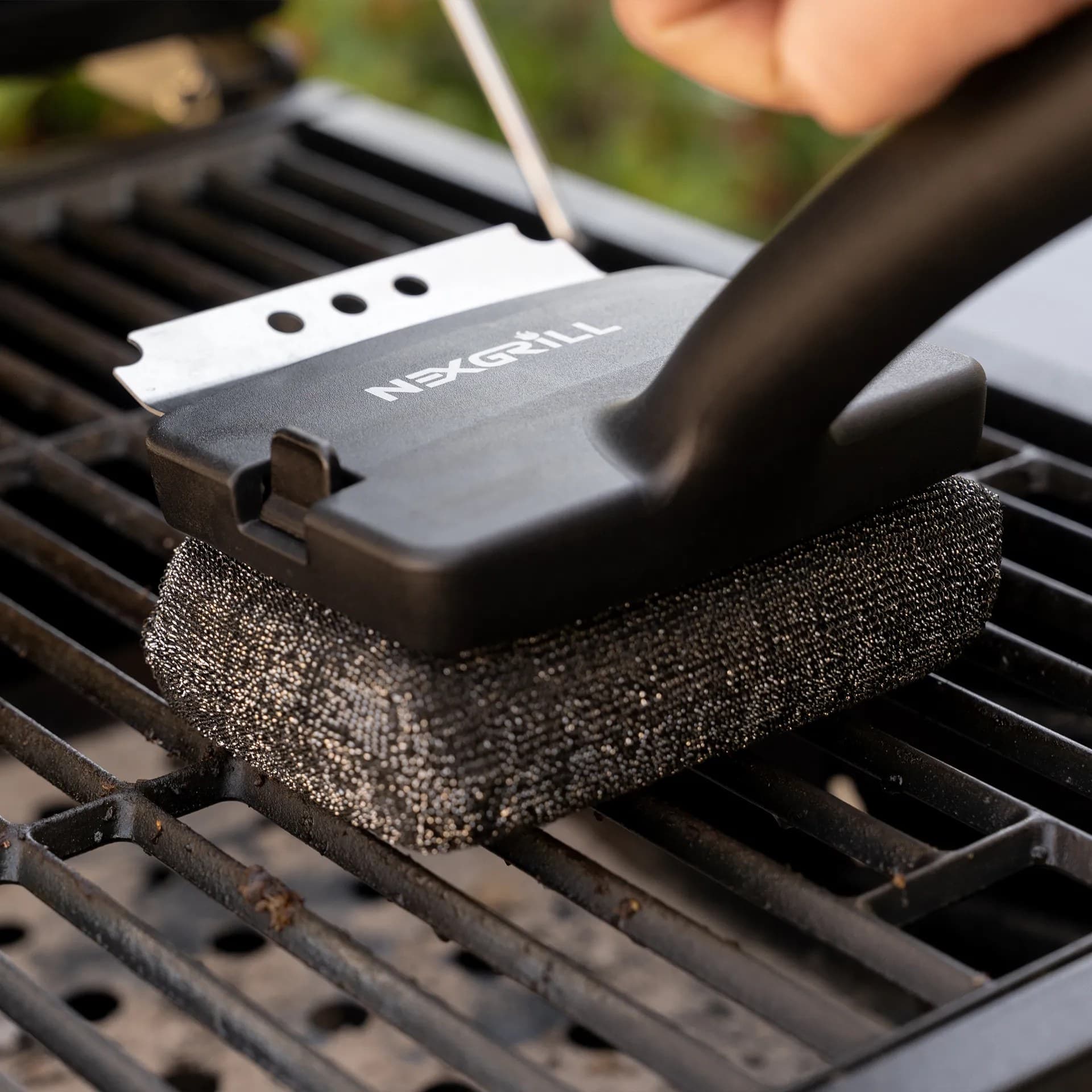
Helpful articles covering grilling tools, cookware, maintenance gear, and must-have accessories for outdoor cooking.
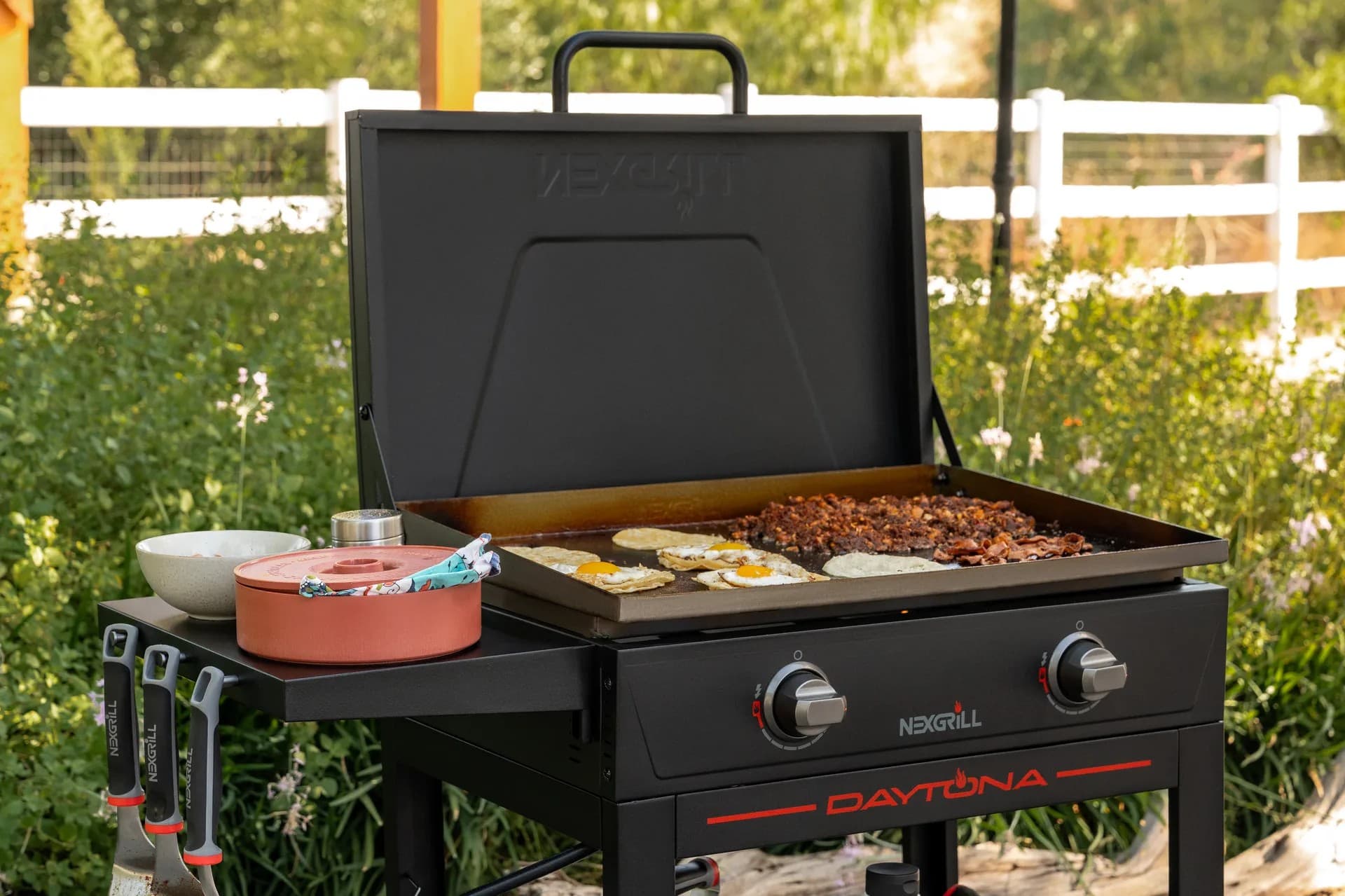
Find griddle recipes, cooking techniques, cleaning tips, and outdoor meal ideas designed for Nexgrill griddles.
Find answers to common questions
Nexgrill offers a variety of gas grills, including standard models, portable options, and premium designs with advanced features. Each is designed to cater to different grilling needs and preferences.
To clean your Nexgrill gas grill, regularly scrape down the grates, empty the grease tray, and wipe down exterior surfaces. Consult your model's manual for specific maintenance instructions and recommended cleaning products.
Nexgrill gas grills are designed to use either propane or natural gas, depending on the model. Ensure you read the specifications to determine the appropriate fuel type for your grill.
Many Nexgrill models can be converted from propane to natural gas with a conversion kit. Check the owner's manual for compatibility and details on the conversion process.
If your Nexgrill gas grill is not lighting, first check the fuel supply, ensure the gas lines are free of obstructions, and verify that the igniter is functioning. Consult the user manual for troubleshooting tips specific to your model.
In This Article
Cooking Surface Size
Heat Output (BTUs)
Portability Features
A portable gas grill should earn its place in your vehicle, on your patio, and in your weekend routine. The best one is not simply the smallest grill you can find. It is the model that fits the way you cook: quick burgers before a game, a few chicken breasts after work, tailgate sides that need steady heat, or a campsite meal where space is tight and cleanup needs to be simple. That is why the smartest way to buy portable gas grill options is to compare features in the order that affects real cooking results, not in the order they appear on a product page.
Nexgrill’s brand perspective is rooted in practical, welcoming outdoor cooking. The company’s messaging emphasizes accessibility, dependability, and the idea that grilling should bring people together rather than make the experience overly complicated . That matters here because portable grills are often chosen by people who want flexibility without giving up reliable performance. A good portable model should still heat quickly, cook evenly, and feel easy to move, even if it is designed for a smaller footprint than a full-size backyard grill.
The biggest mistake buyers make is starting with portability alone and treating everything else as secondary. In practice, cooking surface size, heat output, grate material, ignition reliability, and overall build quality all interact. A grill that is easy to carry but awkward to cook on will frustrate you. A grill that has high output but poor heat retention may burn one side of the food while leaving another undercooked. The goal is balance: enough cooking space for your usual meal, enough heat to sear and finish food properly, and enough durability to survive repeated loading, unloading, and exposure to weather.
Think of the purchase in terms of use cases. If you mostly cook for two, a compact two-burner or small single-zone layout can be ideal. If you regularly feed a tailgate group, cook hot sides alongside proteins, or want room for multiple items at once, you may need a wider grate and better zone control even if the grill is still considered portable. In other words, portable does not mean compromised. It means optimized for a different kind of cooking life.
A portable gas grill should match your meal count, travel habits, and cooking style before anything else.
Cooking surface size is the first feature to evaluate because it determines how efficiently you can actually use the grill. Portable models are naturally smaller, but there is still a meaningful difference between a grill that handles a couple of steaks and one that can cook dinner for a small group without constant batch cooking. When you compare portable gas grills, look beyond the overall footprint and focus on usable grate area. A larger footprint does not always translate into better cooking space if the design wastes room on bulky side shelves or oversized frames.
For most buyers, the right size depends on how many portions you cook at once. A solo griller or couple may be perfectly served by a compact model that can handle one or two main items with room for a vegetable tray. Families and frequent hosts usually need enough space for a protein and a side item at the same time. That extra room matters because crowding the grate traps steam, slows browning, and makes it harder to manage different foods at different temperatures.
It also helps to think about layout rather than just square inches. A wider cooking grate can improve flexibility for skewers, buns, and side vegetables, while a deeper surface may better suit larger cuts or multiple patties. If you like cooking with a hot zone and a cooler zone, a wider surface often gives you more control. If you mostly want one simple heat area, a smaller and more focused layout may be easier to manage and clean. Portable grill buyers often benefit from a model that is modest in size but efficient in layout, because wasted corners and awkward spacing can make a small surface feel even smaller.
A practical way to compare options is to imagine your most common meal. If your usual cookout is four burgers, two ears of corn, and a few peppers, a tight grate may force awkward sequencing. If your typical session is two chicken breasts and a packet of vegetables, you may not need a large surface at all. This is where portable grills reward honest planning. Buying slightly larger than your bare minimum can save time and give you better results, but oversizing too much can make the grill heavier and less convenient to transport.
| Cooking habit | Surface size priority | Why it matters |
|---|---|---|
| Solo meals or meals for two | Compact, efficient layout | Easier transport and faster preheat |
| Family dinners | Moderate grate with room for sides | Reduces batch cooking and crowding |
| Tailgating or group cooking | Wider grate with separate zones | Lets you cook multiple foods at once |
Warning: a compact grill can look convenient online but feel cramped once you add buns, vegetables, and a resting area for cooked food. Measure your real meal, not just the grill body.
BTUs get a lot of attention, and for good reason: heat output affects warm-up time, searing ability, and how quickly the grill responds when you open the lid or add cold food. But BTU numbers should never be treated as the only performance metric. On a portable gas grill, efficient heat delivery matters more than the highest possible number. A well-designed compact grill with solid burner placement and a heat-retaining grate can outperform a higher-BTU model that leaks heat or distributes it unevenly.
For portable cooking, you want enough output to preheat quickly and recover heat after food is placed on the grate. That is especially useful if you grill steaks, burgers, or vegetables that benefit from a hot surface. If the output is too low, the grill may struggle to create a proper sear. If it is too aggressive for the size of the cooking chamber, food can scorch before it cooks through. The right balance depends on the size of the grill and the foods you make most often.
A better way to judge output is to ask how the heat is managed. Look for burner control that allows meaningful adjustment rather than a simple high-or-low feel. Portable grills are often used in variable outdoor settings, from cool mornings at a campsite to windy afternoons at a tailgate. In those situations, a grill that responds predictably is more valuable than one that just prints a large number on the box. In practical terms, good heat output means you can preheat efficiently, hold a stable zone for cooking, and still lower the temperature when you need to avoid flareups or burning marinades.
Another useful test is recovery time. If you place multiple burgers on the grill, does the surface stay hot enough to maintain browning, or does it stall? Portable models live or die on this kind of real-world performance. Since they often have smaller fireboxes, they may recover faster than you expect if the burners and grates are designed well. That is why a portable grill with sensible heat engineering can be more satisfying than a larger, less efficient unit.
Tip: compare BTUs with cooking area and burner design together. Output only tells you part of the story; heat retention and control tell you whether the grill actually cooks well.
Portability is more than weight. A grill can be technically portable and still be awkward to move, store, or load into a trunk. The most useful portable gas grill designs reduce friction at every step: lifting, carrying, folding, securing, and setting up. That means looking for features such as integrated handles, foldable legs or carts, latching lids, and a stable shape that does not wobble when you carry it. If you travel often, those details matter every time you use the grill.
The best portability features depend on where the grill is going. For camping, compact dimensions and easy packing may matter most. For tailgating, a grill that sets up quickly and can sit level on uneven pavement is a big advantage. For backyard use with limited storage, a foldable cart or stand can make the grill feel more permanent when in use and more compact when put away. Portability should also include fuel handling. If the propane connection is simple to attach and the tank fits securely, the entire experience becomes safer and more convenient.
Users often underestimate the importance of stable setup. A light grill that shifts during use is not truly portable in a useful way. Stability helps with even cooking, but it also protects you while flipping food or moving a pan. Look for a base that spreads weight evenly and stays secure when the lid is opened. If the grill has fold-up legs, make sure the mechanism feels sturdy and does not add extra hassle during setup. A portable model should feel ready in minutes, not like a puzzle each weekend.
There is also a storage angle. Even if you plan to cook mostly at home, a portable grill should be easy to tuck away when not in use. Compact storage helps protect the grill from damage and makes it more likely you will actually use it. If the design allows the lid, handles, and legs to form a tighter package, that is a meaningful advantage for apartment patios, garage shelving, or RV storage bays.
Info: the best portable grills feel just as practical in storage as they do at the cookout. Ease of packing is part of performance, not an afterthought.
The grate material influences how a portable gas grill holds heat, marks food, and cleans up after the meal. Cast iron, porcelain-coated surfaces, and stainless steel each bring different trade-offs. Cast iron is valued for excellent heat retention and strong sear marks, but it can require more care. Stainless steel is often lighter and easier to manage in portable setups, while coated surfaces may offer easier cleaning depending on the finish and build quality. What matters most is not the label alone but how the grate distributes heat across the cooking surface.
Heat distribution is critical on a small grill because hot spots are more noticeable when space is limited. If one corner runs much hotter than the rest, you may end up moving food around constantly. A better grate and burner combination should spread heat in a way that supports both direct grilling and gentler cooking. This is especially important when you are making mixed meals, such as steak on one side and vegetables on the other. Even a compact grill should help you create usable zones rather than forcing you to cook everything in one narrow band of heat.
Cleaning is part of this decision too. A grate that cleans easily encourages regular maintenance, which in turn helps maintain consistent heat distribution over time. Grease buildup and charred residue can block heat and create flavor issues. A portable grill is often used on the go, so easy cleanup is a genuine feature, not a luxury. If the grate material resists sticking and is simple to brush down after use, the grill will stay more predictable from trip to trip.
A dependable ignition system is one of the most underrated features in a portable gas grill. When you are at a campsite, tailgate, or park, the last thing you want is a grill that takes repeated attempts to light. Push-button or electronic ignition systems can make the grill feel easy and modern, but the real test is whether the ignition works consistently after storage, transport, and exposure to moisture or dust. The simpler and more reliable the start-up process, the more likely you are to use the grill often.
Portable grills should be easy to light without requiring a long ritual. That means the ignition should be intuitive, the flame should appear quickly, and the control knob should make it clear when the burner is engaged. If a grill needs frequent manual backup lighting, it may still be usable, but it is less convenient in real-world settings. Reliability matters because portable grills are often taken off the grid, where convenience and confidence go hand in hand.
It is also worth considering how ignition interacts with safety and weather. Breezy conditions can complicate lighting, so a grill with a consistent start and a lid design that helps shield the burner can make a meaningful difference. A good ignition system reduces frustration, shortens setup time, and helps the rest of the cooking process begin on the right foot.
Portable grills take more handling than patio grills, which means durability should be evaluated with extra care. A model can look attractive in a photo and still fail when packed, bumped, or exposed to repeated heat cycles. Check the sturdiness of the lid hinge, the frame, the feet or legs, and the connection points around burners and handles. If those areas feel flimsy, the grill may not stand up well to regular travel. Build quality is especially important if the grill will live in a garage, RV, or trunk and be moved often.
Materials matter because portable grills are exposed to weather and transport stress. Powder-coated steel, stainless steel accents, and corrosion-resistant components can help the grill last longer, especially if it sees moisture or salt air. The finish should also be easy to wipe down, since portable cooking environments rarely offer the luxury of a full cleanup station. A grill that resists wear and feels solid in the hand usually offers better long-term value than one that feels thin or overly light.
The build should support the cooking experience too. A rigid frame helps keep burners aligned, which affects heat consistency. Tight-fitting parts can reduce rattling during transport and improve confidence when cooking. If a grill flexes too much, it can create small but annoying issues with lid closure, grate alignment, or flame stability. Over time, those small issues add up to a less satisfying ownership experience.
Additional features should make the grill easier to live with, not just more impressive on a spec sheet. Side shelves can help if you need a small landing zone for utensils or plated food, but on very compact models they should not make the grill harder to transport. A warming rack can be useful if you are cooking for a small group and want to hold food without overcooking it. A lid thermometer may help you track heat more confidently, although it should be used as a guide rather than the only temperature reference.
Think about how the extras support your actual habits. If you often cook sauces, vegetables, or sides, a more flexible setup may be worthwhile. If you use the grill mostly for fast searing on short trips, simplicity may matter more than accessories. The best portable gas grills are often the ones that keep the feature set focused and purposeful. Every added component should earn its weight, especially in a grill meant to move around.
Small conveniences can make a large difference over time. Tool hooks, removable grease trays, integrated fuel storage, and compact cart designs can improve the ownership experience without making the grill bulky. These features are easy to ignore during shopping, but they often determine whether the grill feels like a trusted travel companion or just another piece of gear.
Try comparing two products side by side below to see which fits best:
Once you have compared two portable gas grills side by side, the final decision usually becomes much clearer. The best choice is rarely the one with the longest feature list; it is the one that matches how you cook, how often you move the grill, and how much room you actually need when the food hits the grate. A compact design with thoughtful control can serve a solo griller better than a larger unit with extra bulk, while a more generous portable model may be worth the added size if you regularly cook for family, neighbors, or a tailgate group. The right answer is personal, but the evaluation process should stay disciplined.
A portable grill should feel easy from the first lift to the final cleanup. If you expect to use it on weekends away from home, favor stable portability, secure folding parts, and a dependable ignition system. If you plan to use it mostly at home but want the flexibility to store it away, prioritize compact storage and a cooking surface that is large enough for your real meals. If heat and searing matter most, pay close attention to burner performance, grate material, and heat recovery rather than focusing on the biggest BTU number alone. Those details are what determine whether food cooks evenly and whether the grill remains satisfying after the novelty wears off.
Tip: make your final choice by ranking the features that matter most to your routine. A portable grill is a tool for your lifestyle, not a trophy for a spec sheet.
Nexgrill’s broader approach to outdoor cooking emphasizes accessible, dependable products that fit real households and real budgets, which is especially relevant when shopping for portable equipment. That perspective is useful because portable grills are most successful when they simplify the cookout instead of complicating it. Whether you are packing for a road trip, setting up for a backyard gathering, or looking for a smaller grill that can still handle a proper meal, the best portable gas grill is the one that makes cooking feel natural wherever you set it down.
Here's what sets us apart
We position ourselves as delivering high-end outdoor cooking features and performance without premium-brand pricing, emphasizing “Quality Grills. Unbelievable Value.”
We offer gas grills, pellet grills, griddles, smokers, pizza ovens, portable/tabletop grills, electric grills, accessories, and replacement parts — allowing customers to stay within one ecosystem for all outdoor cooking needs.
We differentiate ourselves through smart grilling products like the Oakford smart pellet grill, including app-connected cooking controls and modern outdoor cooking technology.
Don't just take our word for it
Keep reading
From our catalog