Here's what sets us apart from the competition
We position ourselves as delivering high-end outdoor cooking features and performance without premium-brand pricing, emphasizing “Quality Grills. Unbelievable Value.”
We offer gas grills, pellet grills, griddles, smokers, pizza ovens, portable/tabletop grills, electric grills, accessories, and replacement parts — allowing customers to stay within one ecosystem for all outdoor cooking needs.
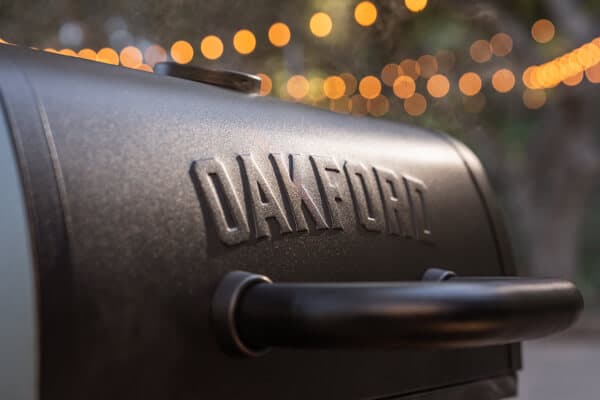
We differentiate ourselves through smart grilling products like the Oakford smart pellet grill, including app-connected cooking controls and modern outdoor cooking technology.
Expert tips, buying guides, comparisons, and inspiration for choosing and getting the most out of your grill.
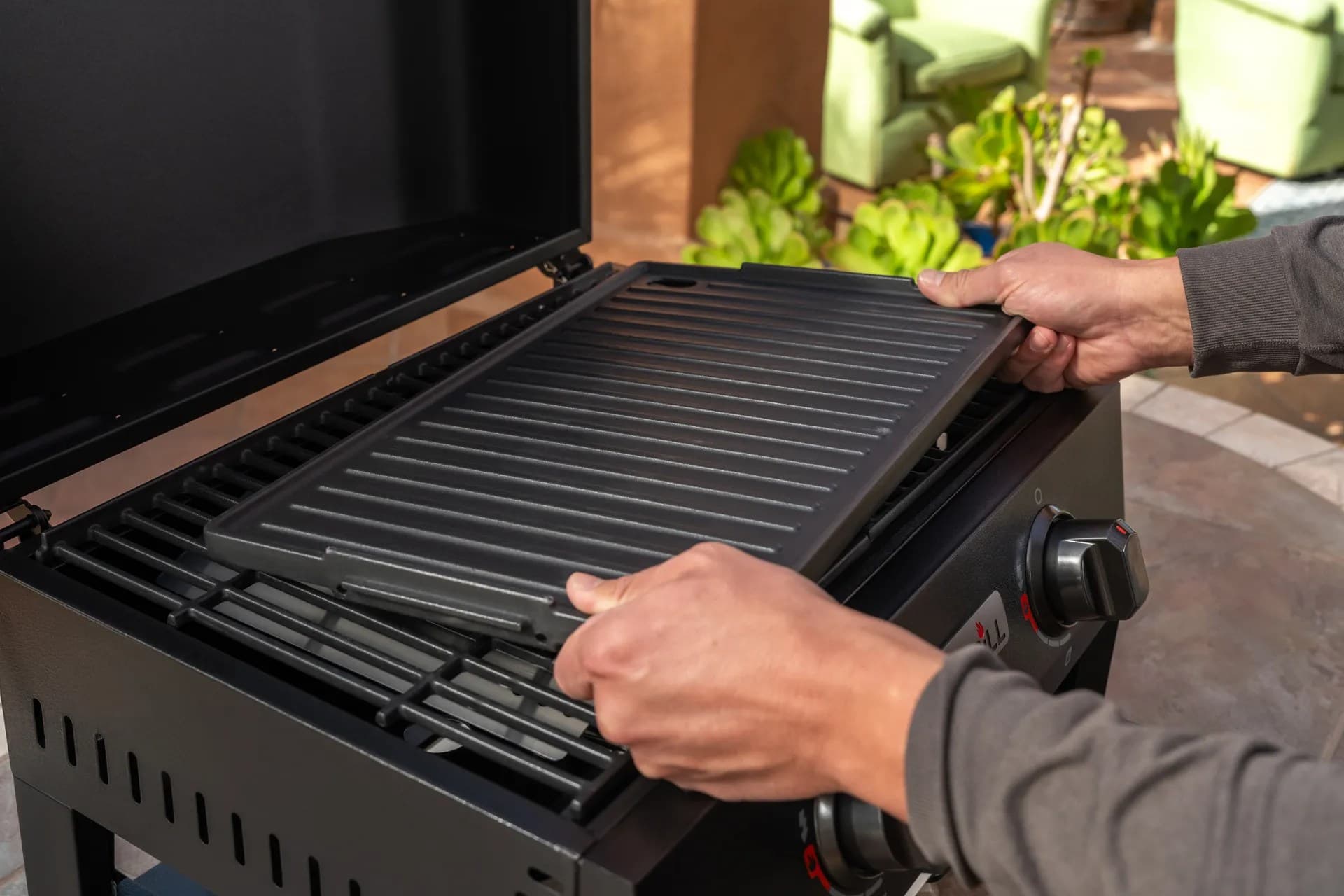
Practical guides for cleaning, maintenance, common grill issues, and performance optimization.
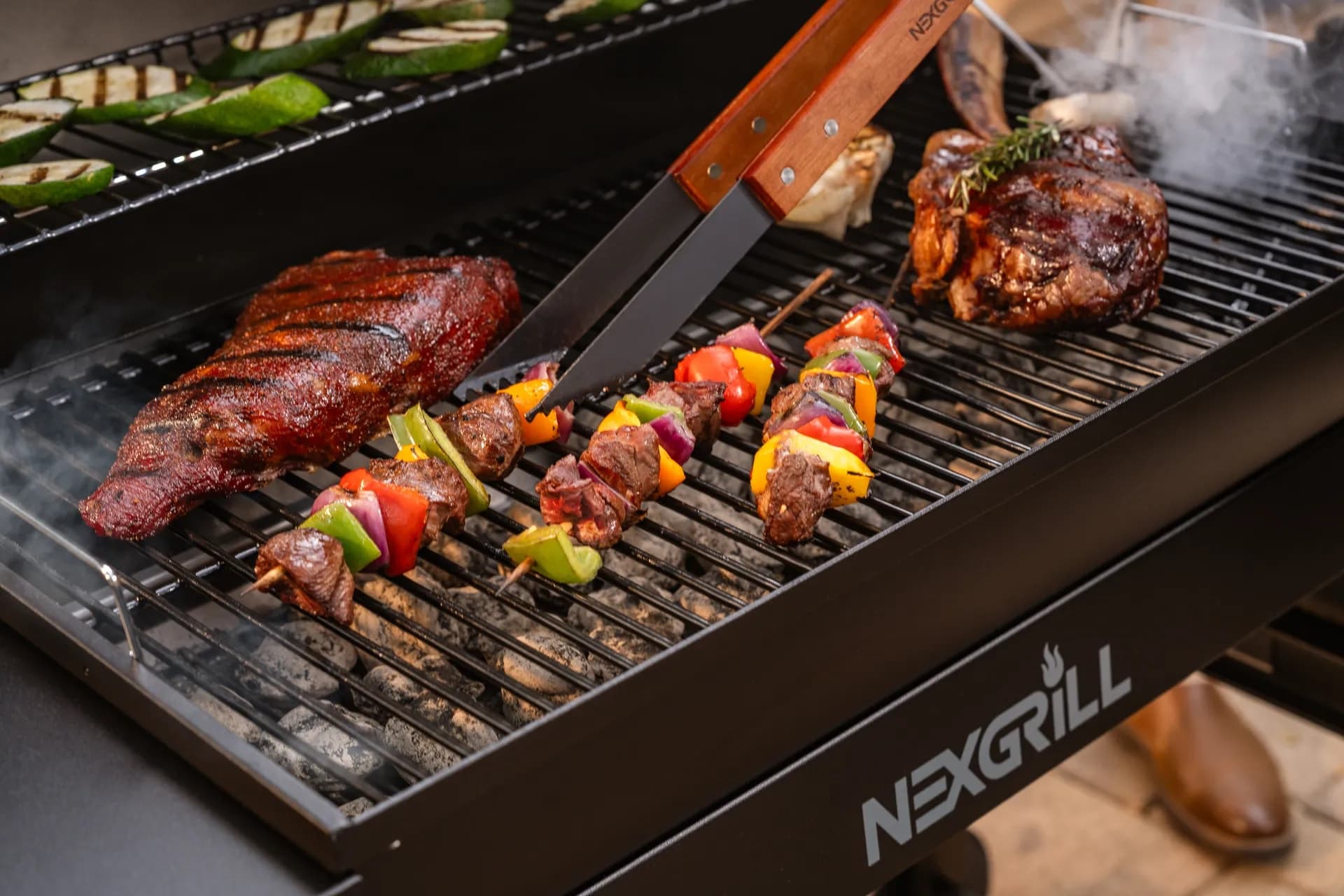
Step-by-step grilling recipes, cooking techniques, and meal ideas for every occasion and skill level.

Backyard entertaining ideas, seasonal grilling inspiration, and stories that celebrate outdoor cooking culture.
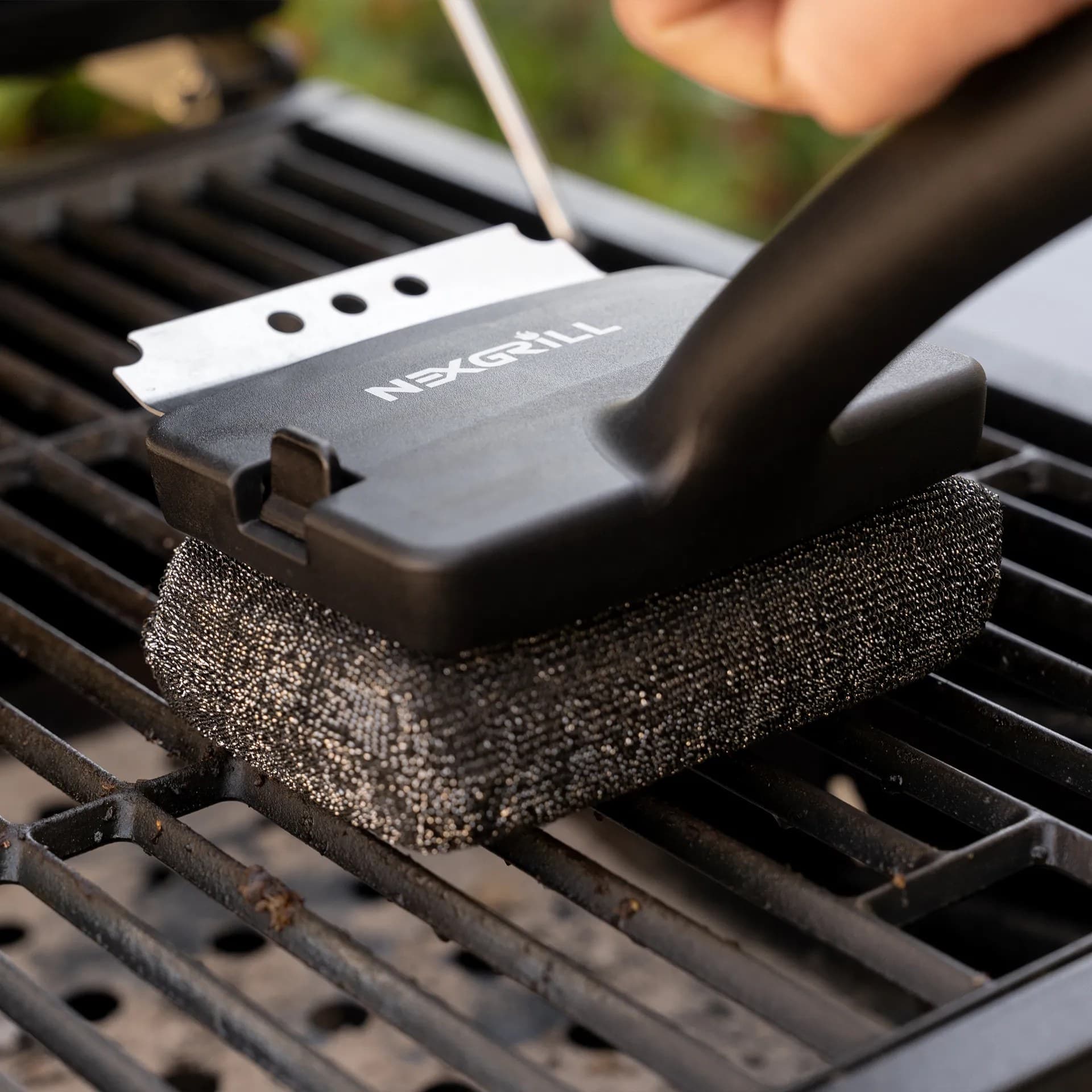
Helpful articles covering grilling tools, cookware, maintenance gear, and must-have accessories for outdoor cooking.
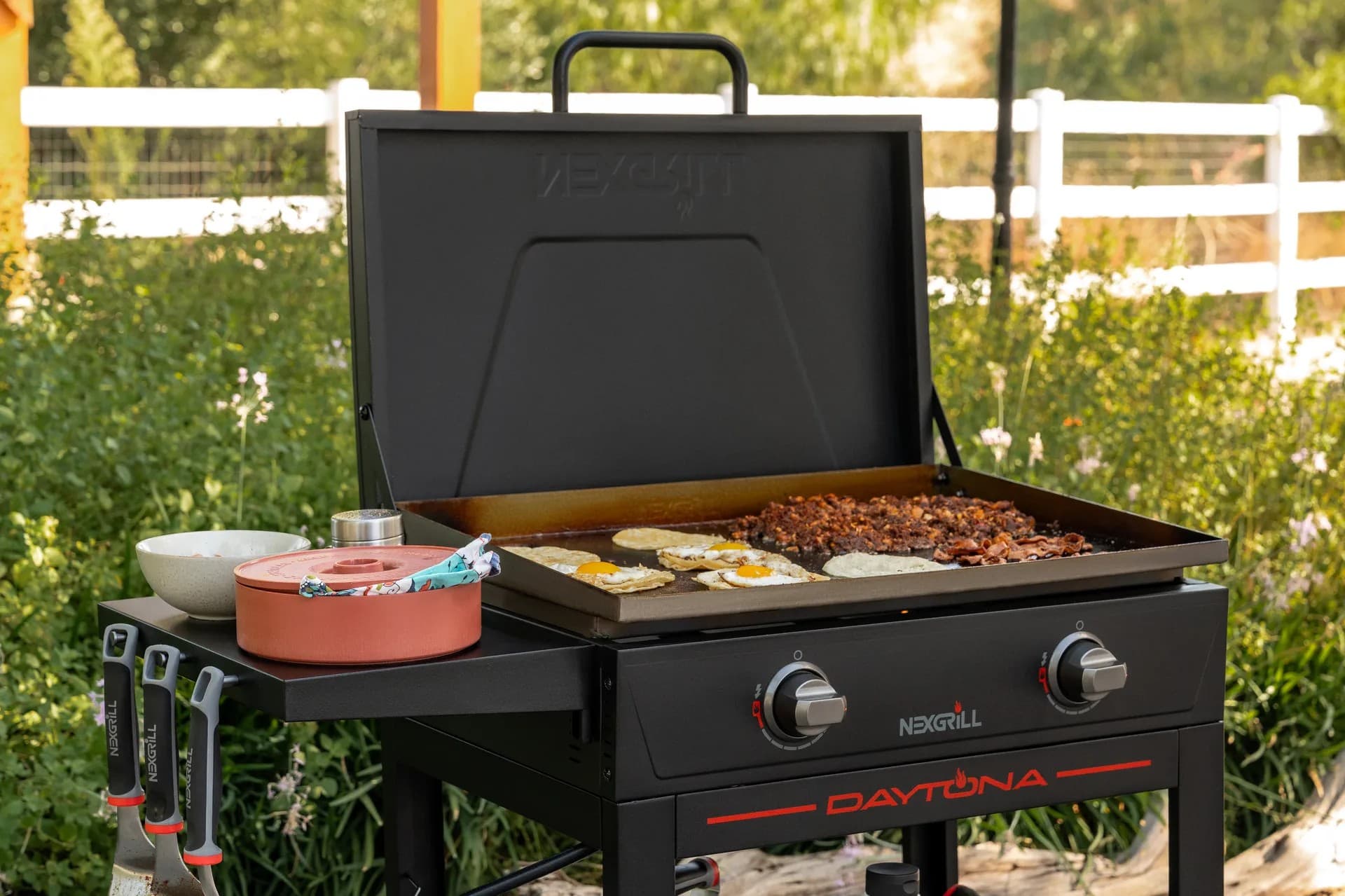
Find griddle recipes, cooking techniques, cleaning tips, and outdoor meal ideas designed for Nexgrill griddles.
Find answers to common questions
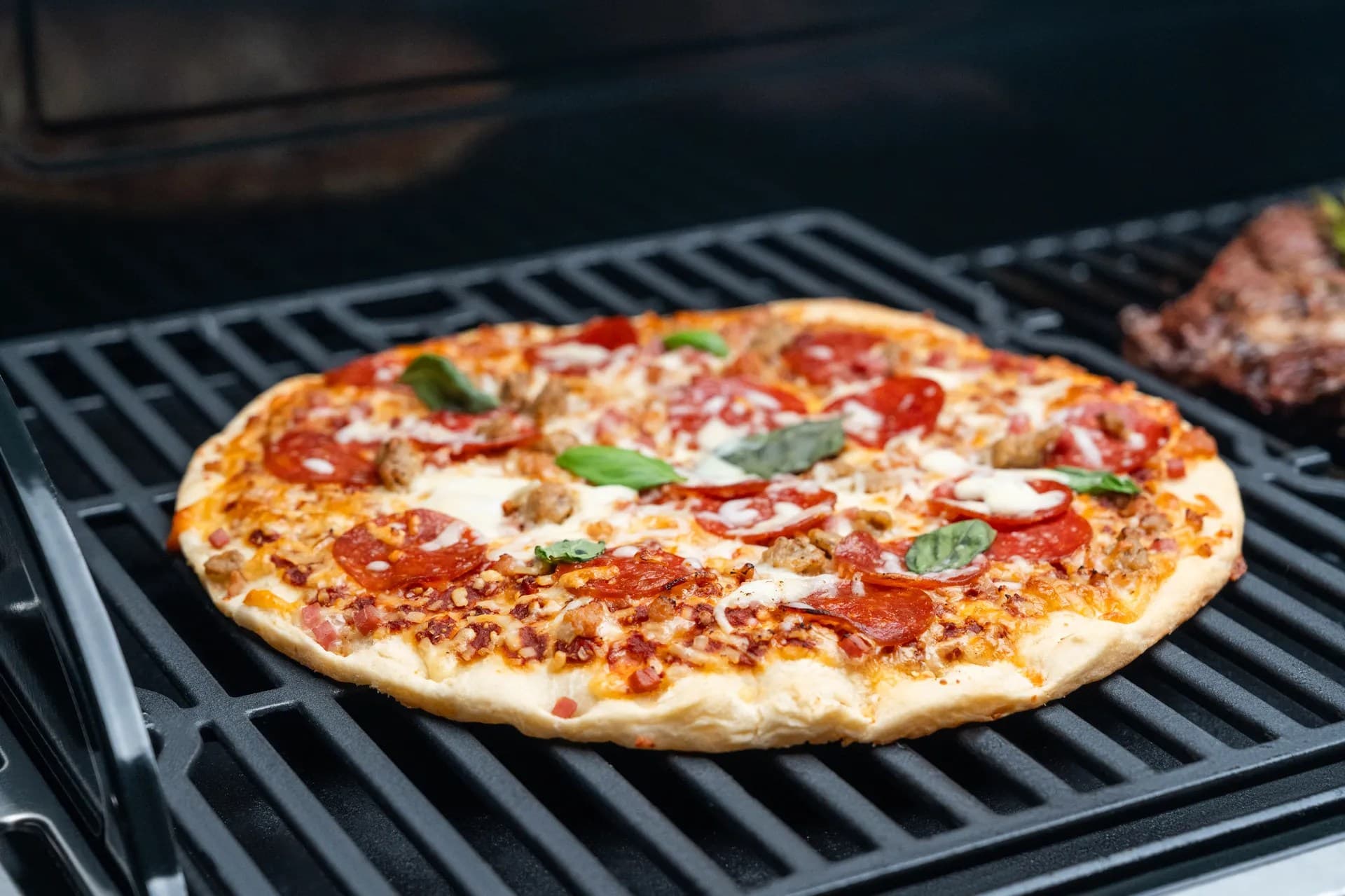
Nexgrill equipment is suitable for a variety of recipes including meats, vegetables, and even pizzas. Popular options include marinated steaks, grilled vegetables, and shrimp skewers.
To enhance the flavor of grilled vegetables, consider marinating them in olive oil, herbs, and spices before grilling. Alternatively, you can season them with salt and pepper during grilling for a more straightforward approach.
To achieve perfect grill marks, preheat your grill to a high temperature and ensure that the food is dry before placing it on the grill. Avoid moving the food too early, as it needs to sear properly to form those classic grill marks.
Using a meat thermometer is the most accurate way to ensure your grilled meat is at the desired temperature. For instance, chicken should reach an internal temperature of 165°F while medium-rare beef is typically at 135°F.
To clean your Nexgrill after cooking, allow it to cool and then use a grill brush to remove any residue from the grates. You can also wipe down the exterior with a damp cloth and mild soap to keep it looking its best.
In This Article
Affordable Recipes
Price Ranges Explained
Grilling Tips
Gas grills sit at the intersection of convenience and outdoor cooking tradition. For many home cooks, they are the fastest way to move from “what should we make tonight?” to dinner on the table without turning the patio into a project. That matters for recipe planning because the best gas-grill meal is rarely the fanciest one; it is usually the one that can be cooked confidently on a weeknight, fed to a group on a Saturday, and repeated without wasting ingredients. Nexgrill’s brand guidance centers that same idea of easy togetherness around the grill, where food is a shared experience rather than a technical challenge.
When people search for gas-grill-recipes-price, they are usually trying to solve two questions at once: what should I cook, and what will it cost me to cook it well? That is a smart way to shop. A gas grill is not just a box that heats food; it affects how quickly you can cook vegetables, how evenly you can sear chicken, and how much flexibility you have when a recipe calls for direct heat, indirect heat, or a quick warm finish. A reliable grill also changes the cost equation over time. A more capable model may reduce guesswork, waste, and failed meals, which is part of the real value even if the upfront price is higher.
Think of the grill and the recipe as one system: the right equipment can make a modest recipe taste better and cost less per serving.
Gas grilling also fits the way many households actually cook. You may not be preparing a full barbecue spread every weekend. More often, you want something practical: marinated chicken thighs, lemon vegetables, salmon, pork chops, or skewers that use ingredients already in the fridge. The benefit of gas is control. You can preheat fast, adjust heat quickly, and cook multiple items at different temperatures without waiting for coals to settle. That speed is valuable when you are comparing recipe cost, because it makes it easier to use everyday ingredients and still get strong results.
There are several practical categories of gas grills, and the best one depends on how you cook rather than how much you want to spend on the label. Compact two-burner grills are a strong fit for smaller patios, couples, or anyone who mostly cooks simple meals like burgers, chicken breasts, and vegetables. They are easier to manage, use less fuel, and usually land at the lowest price tier. For a household that grills a few times a month, this is often the most efficient starting point.
Three- and four-burner grills are the sweet spot for many families. They give you enough room to create direct and indirect heat zones, which is helpful for recipe variety. You can sear sausages on one side and warm buns or roast peppers on the other. That flexibility makes a difference in the kitchen math of grilling: when one appliance can handle the main dish and the side, the total meal cost can stay manageable even if the ingredients are a little upgraded. Nexgrill’s broader outdoor-cooking lineup reflects this balance of value and versatility, a theme that appears throughout the brand’s messaging and product strategy.
Larger grills with side burners or additional cooking space are more appropriate for people who entertain often, cook for bigger groups, or like to prepare sauces and vegetables alongside the main protein. These models typically cost more, but they can reduce the need for multiple pans indoors. That matters for summer cooking, when keeping the house cool is part of the real convenience. In practical terms, a larger grill is not always about cooking more food at once; it is about cooking more kinds of food with less juggling.
| Gas grill type | Typical use | Price expectation in USD |
|---|---|---|
| 2-burner | Small households, simple weeknight meals | $150-$350 |
| 3- to 4-burner | Families, mixed menus, better heat zoning | $300-$800 |
| 5+ burners or premium builds | Frequent entertaining, larger cookouts | $800-$1,500+ |
When comparing types, it helps to look beyond burner count. Grate material, ignition style, lid height, grease management, and shelf space all influence how easy a grill is to use for recipes that include marinades, vegetables, and delicate foods like fish. Consumer Reports’ buying guidance emphasizes that real-world usability matters more than a single spec on the box, especially when deciding whether the grill will suit your cooking habits over time.
Gas grill pricing is usually easiest to understand when you connect it to use case. Entry-level models often focus on basic heat, compact size, and simpler construction. These are well suited to people who mostly cook straightforward recipes like chicken skewers, grilled zucchini, or burgers with a store-bought marinade. In that range, you are paying for function first. The grill may not have thick stainless components or premium extras, but it can still do the job if you cook with reasonable expectations and clean it regularly.
Mid-range grills generally bring better temperature control, sturdier grates, more cooking space, and sometimes side burners or foldable shelves. This tier is often the best fit for recipe-focused shoppers because it allows for greater variety. If you want to move from simple grilling into more layered meals such as fajita vegetables, cedar-plank salmon, corn with herb butter, or grilled stone fruit, this is where the comfort level improves significantly. Many households discover that a mid-range grill is the point where cooking becomes less like a compromise and more like a routine.
Premium grills can include heavier build materials, more precise ignition systems, larger cook zones, and design details that improve heat retention and consistency. They are not automatically necessary for good food, but they can be worth it for frequent grillers who care about repeatable results and hosting. A premium grill may also support more ambitious meals like reverse-seared steaks, thick pork chops, or multi-component dinners that need strong control across several zones. In the context of price, it is useful to think about cost per use. If you grill every weekend, a higher-priced model can make sense faster than if you only cook outdoors a few times each summer.
A higher price does not automatically mean better food. It usually means more control, more capacity, and more margin for error.
The best buying strategy is to estimate both appliance cost and food cost together. For example, a family meal of marinated chicken thighs, grilled asparagus, and foil-packet potatoes can be built for a modest per-serving cost, especially if ingredients are bought in season. If the grill supports easy heat zoning, you are less likely to overcook one item while waiting on another. That saves food as well as money. Serious Eats often frames grill selection around how a grill performs in actual cooking conditions rather than showroom specs alone, which is the right mindset for anyone shopping with recipes in mind.
If you are trying to stay budget-conscious, the smartest move is usually to select the least expensive grill that still gives you dependable heat and enough space for the meals you actually cook. Buying too small can create frustration; buying too large can create waste. The right price point is the one that matches your menu, your household size, and how often the grill will leave the cover. Try comparing two products side by side below to see which fits best:
Once you've weighed two options against each other, the next question is what those burners should actually cook. The strongest gas-grill recipes share one thing: they are built around timing and simplicity. They should taste complete without requiring expensive ingredients or constant supervision. For weeknight meals, think of recipes that can move quickly from prep to plate. For weekends, use the grill’s zones to layer flavors. That is where gas grills shine, because they let you cook a protein, a vegetable, and even a finishing element without losing momentum.
For meat, chicken thighs are one of the best value choices. They stay juicy, take on marinades well, and are more forgiving than lean cuts. A garlic-soy or lemon-herb marinade can transform an inexpensive package of thighs into a dinner that feels much more polished than its cost suggests. Pork chops are another strong option, especially when brushed with mustard, brown sugar, or apple-based glaze during the last few minutes of grilling. For steak nights, choosing a smaller cut and slicing it after resting can stretch the meal without feeling like a compromise. The best recipe is not always the fanciest one; it is the one that makes the grill do work for you.
Vegetables deserve more space in gas-grill planning because they are both economical and useful for balancing richer foods. Corn, zucchini, bell peppers, onions, mushrooms, and asparagus all grill well when coated lightly with oil and seasoned before hitting the grates. A good summer meal might pair grilled chicken with a tray of peppers and onions for tacos, or serve salmon with charred asparagus and lemon. Grilled vegetables can also act as the “filler” that keeps portions generous without driving up the grocery bill. Food Network’s grilling recipe collection is useful here because it shows how meat and vegetables can share the same cooking style without becoming repetitive Food Network grilling recipes.
Fruit and dessert are often overlooked in gas-grill content, but they are one of the easiest ways to make a cookout feel special. Halved peaches, pineapple rings, and even banana splits can be finished over gentle heat with very little added cost. A grilled peach with yogurt, honey, and a crumble of nuts can work as a summer dessert for a fraction of the cost of a bakery item. This is where recipe planning and price awareness meet most clearly: the grill can create a premium-feeling dish from low-cost ingredients, as long as you use the right heat level and keep a close eye on timing.
Good gas-grill cooking is mostly about control. Preheating is not optional if you want better searing and fewer sticking problems. Give the grill time to heat the grates before the food goes on, especially for proteins. If you rush this step, the surface temperature drops, the food releases less cleanly, and you end up fighting the grill instead of using it. That simple habit makes a bigger difference than many expensive accessories.
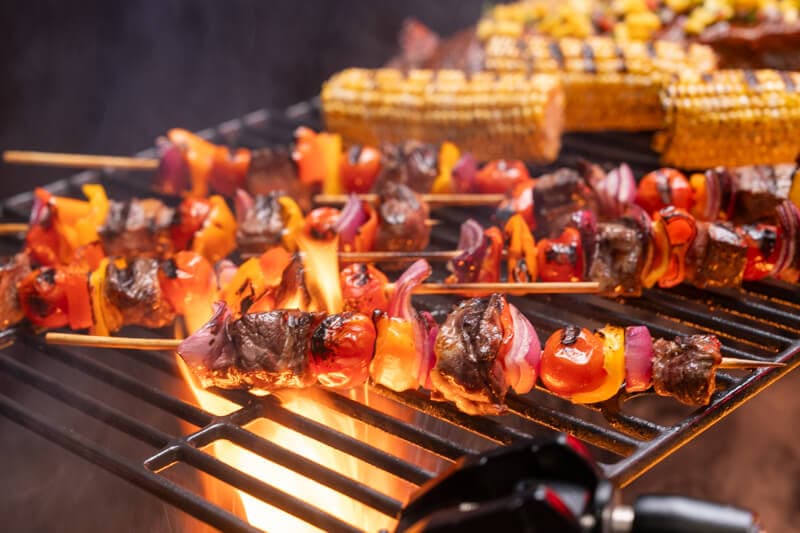
Heat zoning is the next skill worth learning. Create one hot side for direct cooking and one cooler side for finishing thicker cuts or keeping vegetables from burning. This is especially useful when making mixed meals. For example, if you are grilling chicken kabobs, you can start the kabobs over medium heat, move them to a cooler zone to finish, and then use the hotter area for lightly charred vegetables. The technique helps reduce waste because fewer items are lost to overcooking.
For better flavor and lower cost, cook ingredients that share the same seasoning profile together so one marinade can do more work.
Tool selection also matters. A reliable thermometer is one of the most valuable accessories because it removes guesswork from chicken, pork, and thicker cuts of fish. Tongs, a sturdy spatula, and a basting brush are usually enough for most recipes. If you are grilling vegetables or smaller items, a grill basket can be helpful, but it is not required for every setup. The point is to keep the workflow simple enough that cooking outdoors remains enjoyable.
Marinades and dry rubs are also a cost-conscious way to build flavor. A marinade made from oil, acid, garlic, herbs, and salt can make more affordable cuts taste intentionally designed rather than merely economical. Dry rubs can be mixed from pantry spices and used on everything from pork to cauliflower. The main rule is to match the seasoning to the cooking time. Delicate vegetables need lighter seasoning and shorter exposure to heat, while tougher meats benefit from longer marination and a stronger crust.
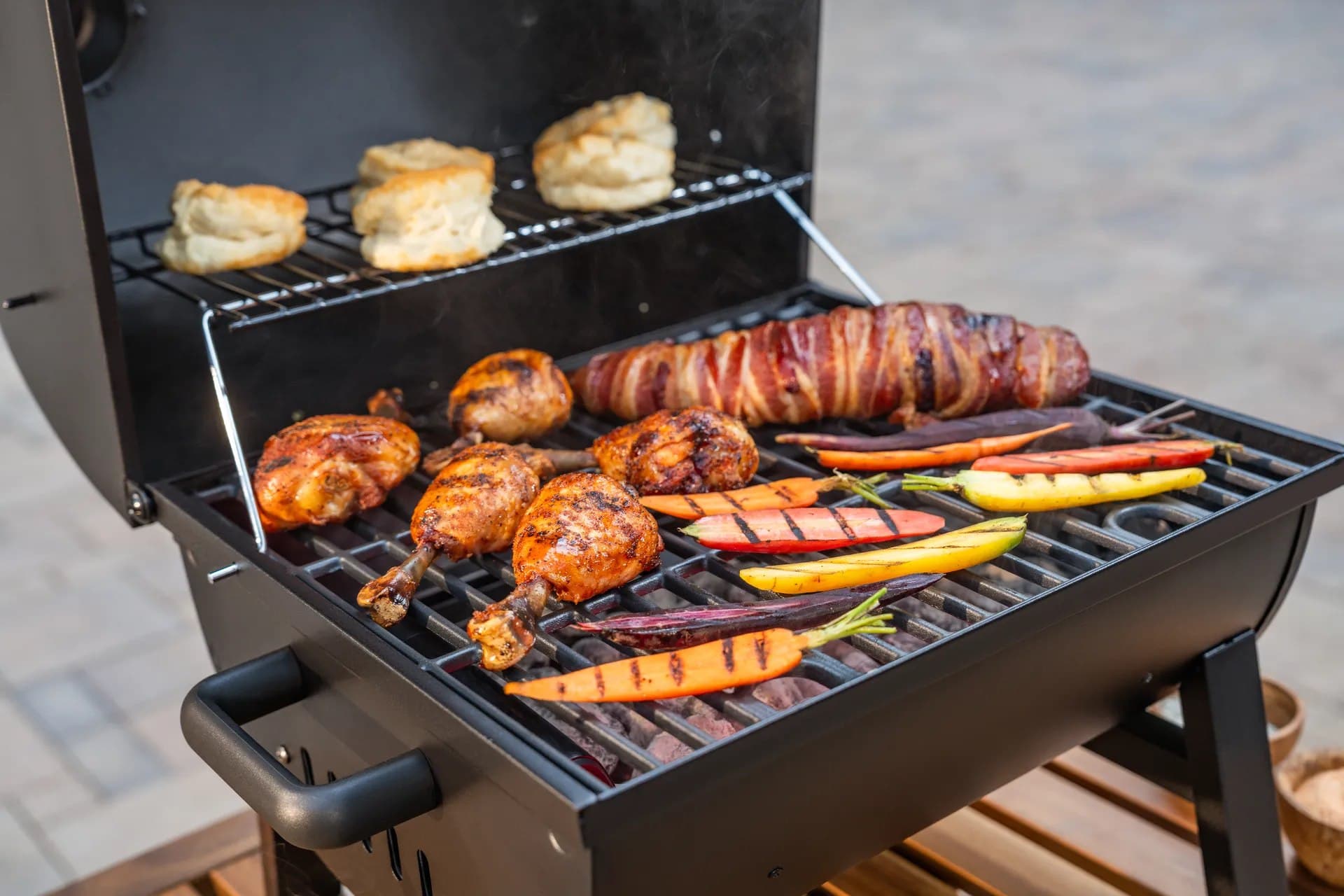
Budget-friendly grilling is less about eating cheaply and more about choosing recipes that deliver a strong return on ingredients. Under-$10 recipes work best when they rely on one protein, one or two vegetables, and seasoning you already have. A tray of chicken drumsticks, for example, can be seasoned with paprika, garlic powder, salt, and pepper, then grilled alongside corn or cabbage wedges. Cabbage is especially underused; when cut into thick slices and brushed with oil, it becomes sweet, smoky, and filling without costing much. A meal like that can serve a family without pushing the grocery total very high.
Another smart under-$10 option is sausage and peppers. Sausages provide strong flavor and reduce the need for a long ingredient list. Pair them with onions, peppers, and rolls, and you have a cookout meal that feels generous. Skewers are also effective, especially when built with cheaper cuts of chicken, seasonal vegetables, and a simple yogurt or citrus marinade. Because the pieces are smaller, the marinade penetrates quickly and the meal feels more assembled and intentional.
Seasonal cooking is the easiest way to keep costs down. In summer, corn, zucchini, tomatoes, peaches, and peppers are often at their best value and can be grilled with very little extra seasoning. In early fall, apples and squash can move onto the grill for a warm side or dessert. Matching your recipes to what is abundant helps control price while improving flavor, because ingredients usually taste better when they are in season.
| Budget recipe idea | Main ingredients | Why it stays affordable |
|---|---|---|
| Chicken drumsticks with grilled cabbage | Chicken, cabbage, spices | Low-cost protein and a filling vegetable |
| Sausage and peppers | Sausage, onions, peppers, rolls | Short ingredient list, high flavor |
| Grilled peaches with honey yogurt | Peaches, yogurt, honey | Simple dessert using seasonal fruit |
The best way to approach gas-grill recipes and prices is to treat them as one decision. A grill that matches your routine will make affordable ingredients taste better, reduce waste, and expand the kinds of meals you can cook without stress. If you want simple dinners, a compact model may be enough. If you like variety, a mid-range grill with better zoning will probably give you more value over time. If you entertain often, premium features may be worth the extra cost because they support consistency and capacity.
What matters most is not chasing the highest price or the longest recipe list. It is building a setup that helps you cook confidently, seasonally, and within budget. Nexgrill’s wider cooking culture aligns with that practical approach, emphasizing approachable outdoor cooking that brings people together around real food and real life . For readers who want to keep going, the next step is to compare a few grills side by side and choose the one that fits your menu, your space, and the way you actually like to grill.
Here's what sets us apart
We position ourselves as delivering high-end outdoor cooking features and performance without premium-brand pricing, emphasizing “Quality Grills. Unbelievable Value.”
We offer gas grills, pellet grills, griddles, smokers, pizza ovens, portable/tabletop grills, electric grills, accessories, and replacement parts — allowing customers to stay within one ecosystem for all outdoor cooking needs.
We differentiate ourselves through smart grilling products like the Oakford smart pellet grill, including app-connected cooking controls and modern outdoor cooking technology.
Don't just take our word for it
Keep reading
From our catalog