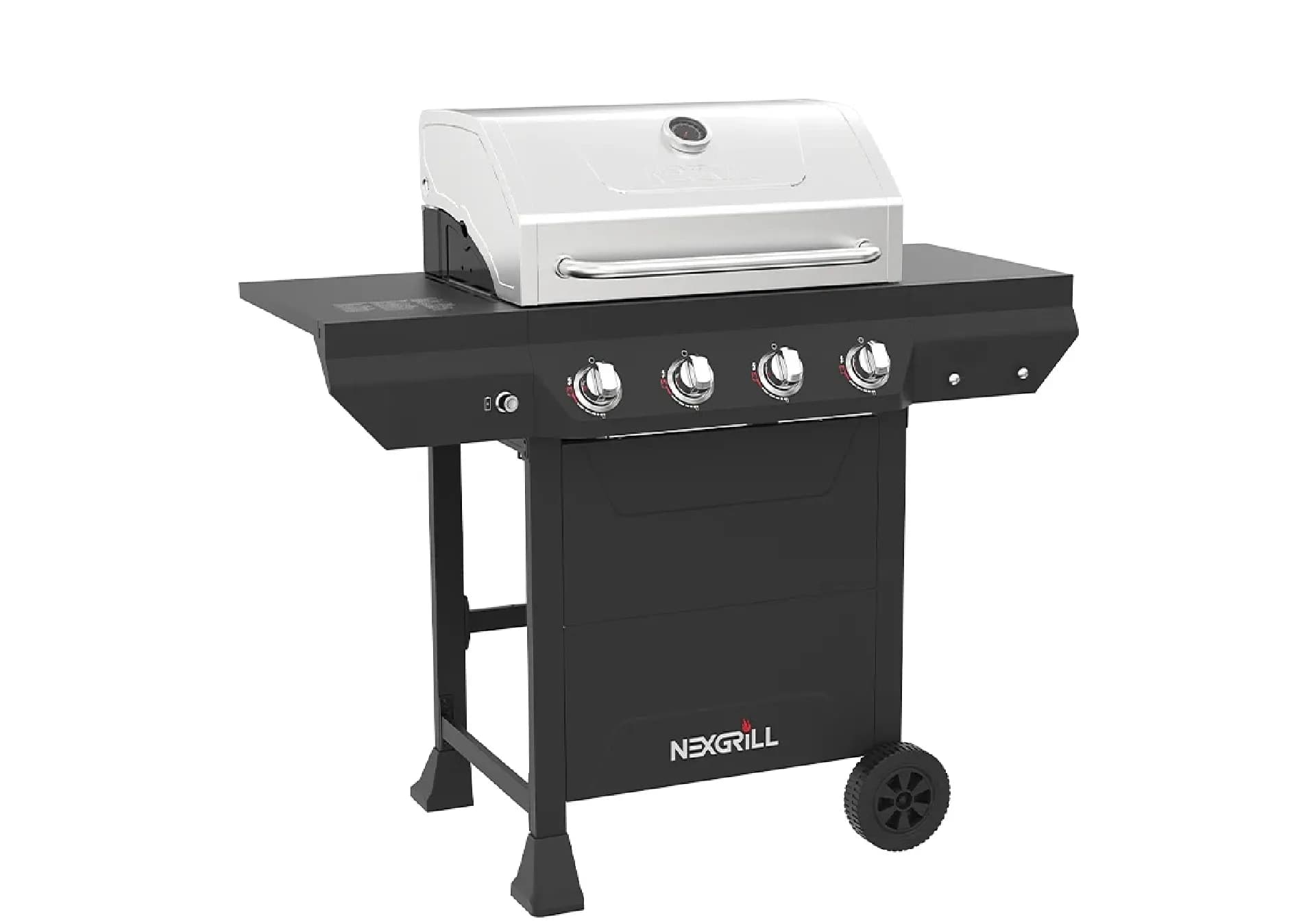
Discover the essentials of gas grills equipped with searing stations to elevate your grilling experience.
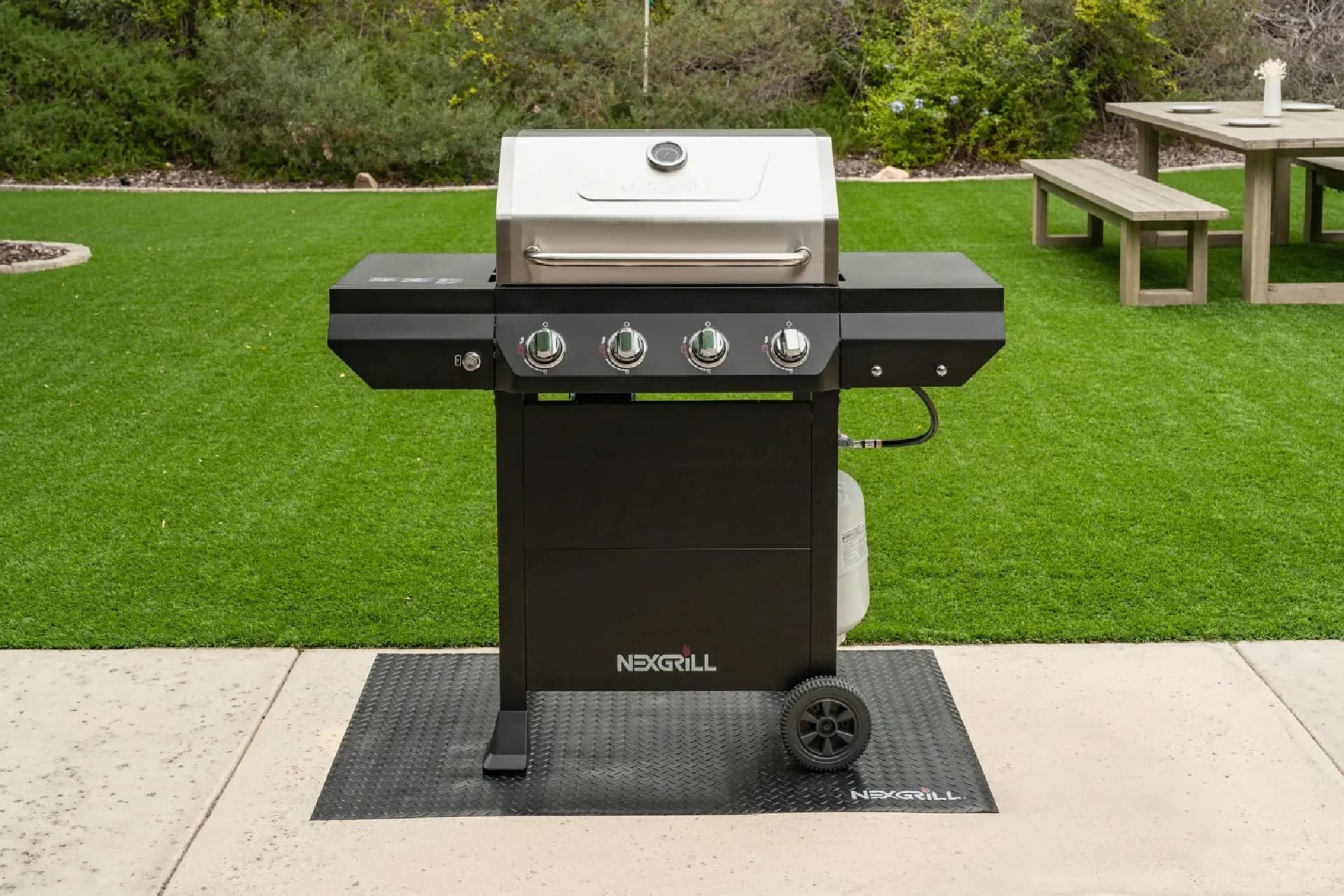
Here's what sets us apart from the competition
We position ourselves as delivering high-end outdoor cooking features and performance without premium-brand pricing, emphasizing “Quality Grills. Unbelievable Value.”
We offer gas grills, pellet grills, griddles, smokers, pizza ovens, portable/tabletop grills, electric grills, accessories, and replacement parts — allowing customers to stay within one ecosystem for all outdoor cooking needs.
We differentiate ourselves through smart grilling products like the Oakford smart pellet grill, including app-connected cooking controls and modern outdoor cooking technology.
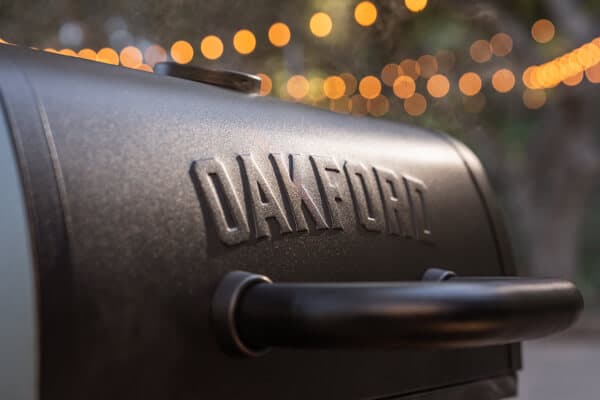
Expert tips, buying guides, comparisons, and inspiration for choosing and getting the most out of your grill.
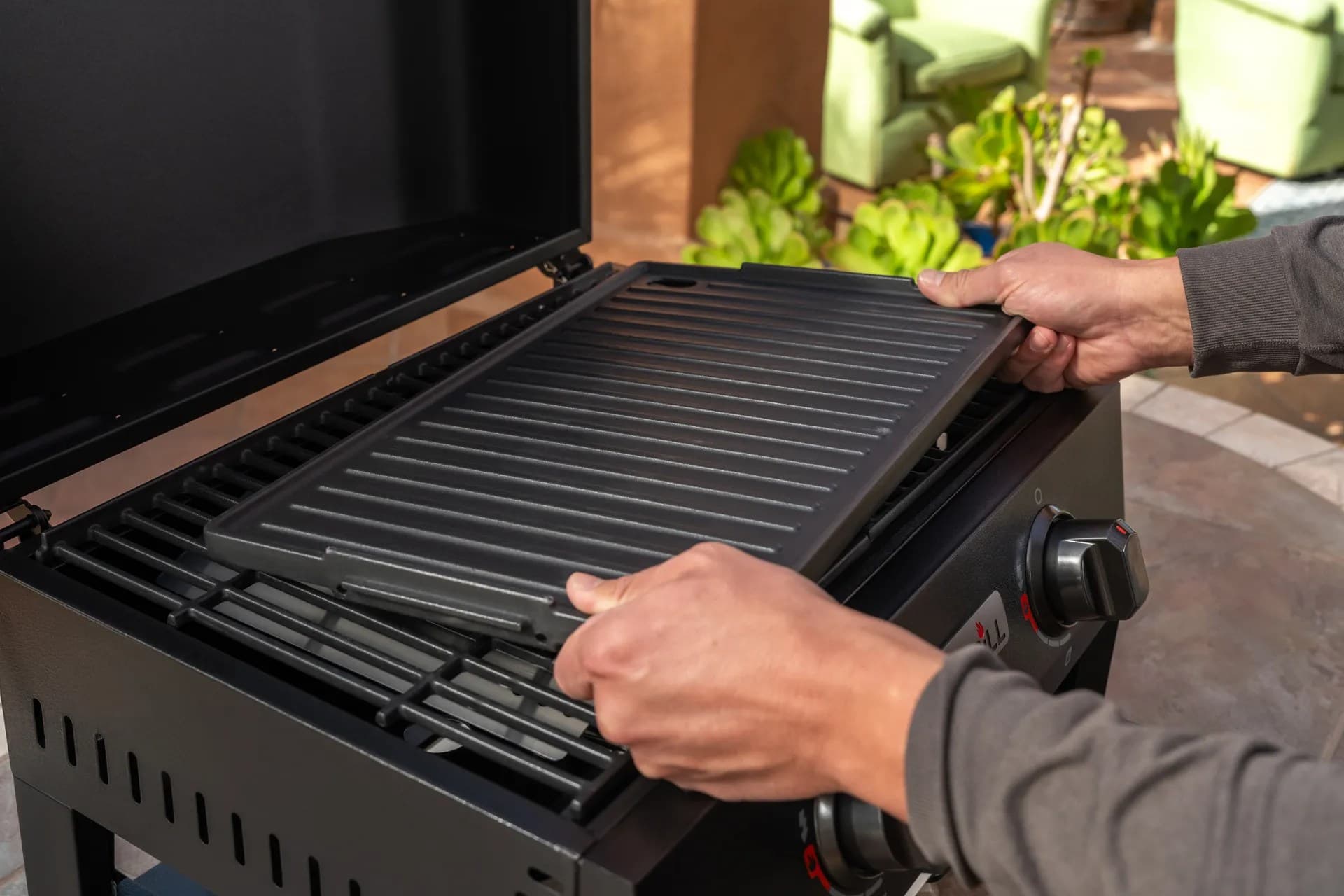
Practical guides for cleaning, maintenance, common grill issues, and performance optimization.
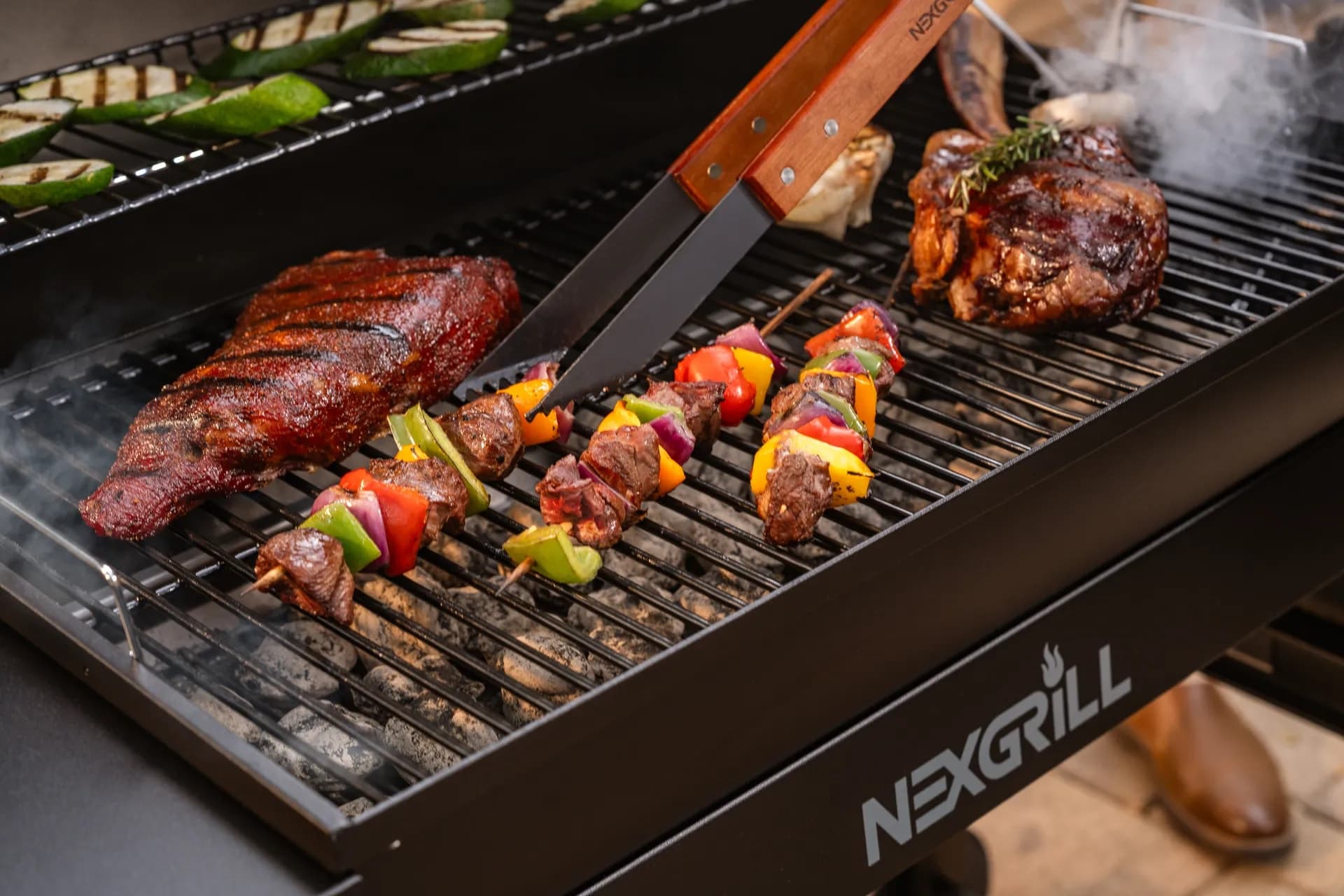
Step-by-step grilling recipes, cooking techniques, and meal ideas for every occasion and skill level.

Backyard entertaining ideas, seasonal grilling inspiration, and stories that celebrate outdoor cooking culture.
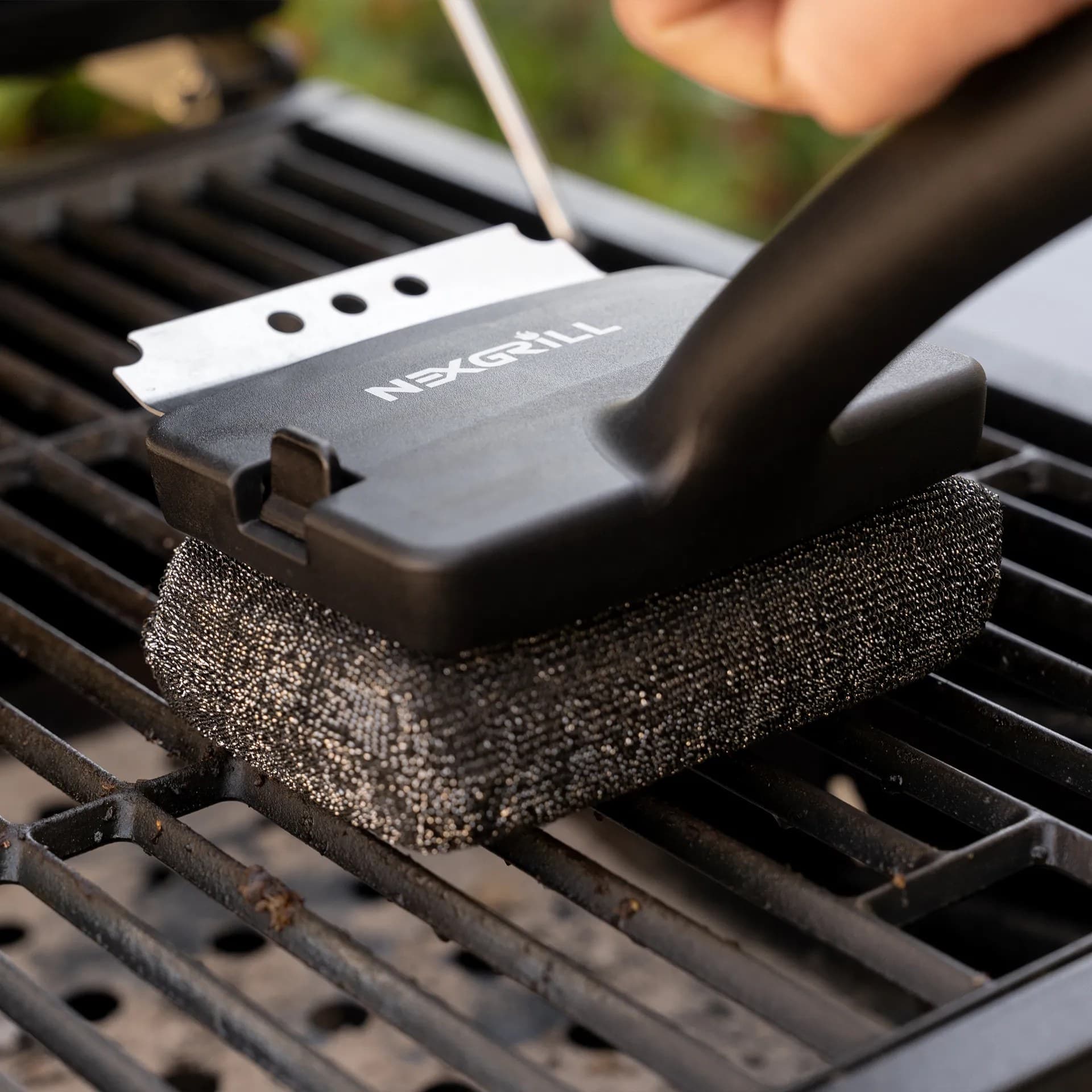
Helpful articles covering grilling tools, cookware, maintenance gear, and must-have accessories for outdoor cooking.
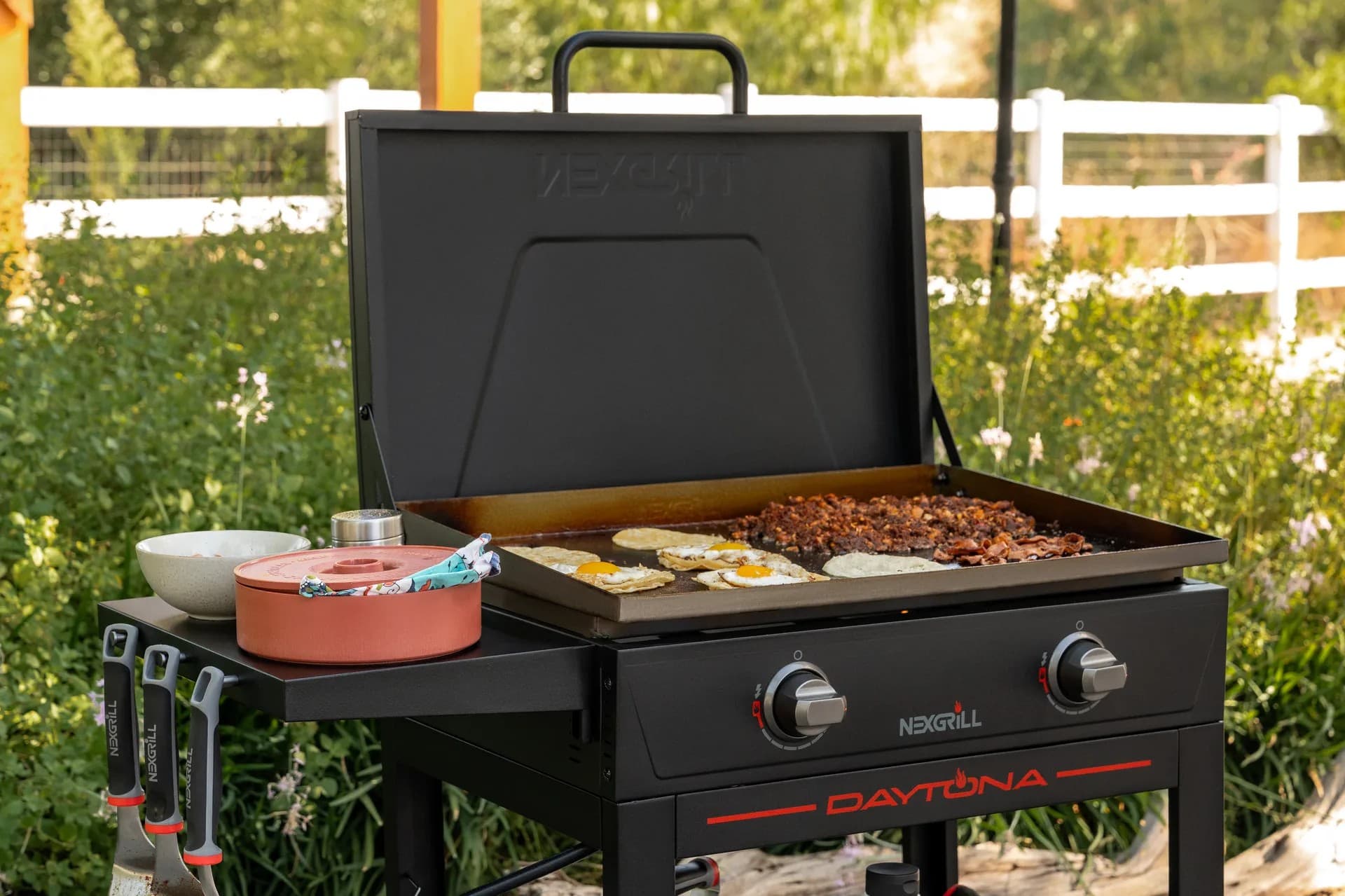
Find griddle recipes, cooking techniques, cleaning tips, and outdoor meal ideas designed for Nexgrill griddles.
Find answers to common questions
Nexgrill offers a variety of gas grills, including standard models, portable options, and premium designs with advanced features. Each is designed to cater to different grilling needs and preferences.
To clean your Nexgrill gas grill, regularly scrape down the grates, empty the grease tray, and wipe down exterior surfaces. Consult your model's manual for specific maintenance instructions and recommended cleaning products.
Nexgrill gas grills are designed to use either propane or natural gas, depending on the model. Ensure you read the specifications to determine the appropriate fuel type for your grill.
Many Nexgrill models can be converted from propane to natural gas with a conversion kit. Check the owner's manual for compatibility and details on the conversion process.
If your Nexgrill gas grill is not lighting, first check the fuel supply, ensure the gas lines are free of obstructions, and verify that the igniter is functioning. Consult the user manual for troubleshooting tips specific to your model.
In This Article
Enhanced Flavor
Quick Cooking
Versatile Grilling
A gas grill with a searing station is one of the easiest ways for a beginner to move from “I can cook burgers” to “I can cook like I planned this meal.” The idea is simple: you still get the convenience of gas, but one part of the grill is designed to run hotter than the rest so you can brown steaks, chops, tuna, chicken skin, or vegetables quickly and create the crust that makes grilled food taste finished. For someone just getting started, that extra high-heat zone can feel intimidating at first, but it is actually a very forgiving feature once you understand when to use it and when to leave it off. It is less about complicated technique and more about giving yourself a dedicated place for fast, confident finishing.
Beginners often assume a searing station is only for thick steaks. In practice, it becomes useful much sooner than that. If you are cooking pork tenderloin and want better color, if you want to char asparagus without overcooking it, or if you want to finish chicken thighs after they have mostly cooked over gentler heat, the searing station can help. It gives you a “hot side” that is separate from the rest of the cooking area, so you are not forcing every ingredient to share the same temperature. That matters because new grillers usually struggle more with control than with heat itself. A searing station makes that control more visual and more intuitive.
Beginner-friendly rule: use the searing station for color, not for the whole cook. Start food on moderate heat, then finish with a short, hot sear when you want browning.
For Nexgrill shoppers, this topic matters because the brand’s lineup spans practical, value-focused outdoor cookers, including flat-top options like the Daytona 4-Burner Griddle, which is helpful context when you are deciding whether you need a true searing zone or a broader high-heat cooking surface instead . A beginner comparing grills should think in terms of cooking behavior, not just product labels. A “searing station” may mean an infrared-style burner, a concentrated high-output zone, or a designated hot grate area, depending on the model. That is why price alone does not tell the full story. The real question is whether the grill gives you enough control to move from medium heat to intense finish without losing the rest of the meal.
The main benefit of a searing station is speed. High heat quickly triggers browning on the food’s surface, which gives you the dark, savory crust many people associate with steakhouse-style grilling. For a beginner, that can be a confidence boost because you see an immediate result. A couple of minutes on the searing zone can transform a plain piece of meat into something that looks and tastes more finished. The station also helps reduce the risk of overcooking because you can keep the bulk of the cooking on the main burners and only expose the food to intense heat for a short finish.
A second advantage is flexibility. You can cook a meal in stages instead of trying to force everything into one heat setting. For example, thicker bone-in pork chops can be brought up to temperature on the main burners, then moved to the searing station for a last burst of color. Vegetables like peppers or zucchini can be charred fast without becoming limp. Even fruit, such as pineapple rings or peach halves, can benefit from a quick sear. That flexibility makes the grill feel more useful day to day, especially if your household eats a mix of proteins and vegetables rather than a steady stream of steaks.
The searing zone is mainly for short, high-heat finishing, not all-day cooking.
There is also a practical learning benefit. New grillers often struggle to tell when a hot surface is actually hot enough. A dedicated searing station makes that easier to observe because the cook reaction is immediate. If food releases cleanly and develops visible char without sticking, you are learning the relationship between preheat time, oil, and contact heat. That feedback loop is valuable. It helps you build instincts that transfer to the rest of the grill. Over time, you will get better at recognizing when to preheat longer, when to move food, and how long a cut needs on each side.
Tip: think of the searing station as the last 10 percent of the cook. It is usually the finishing step, not the starting point.
When beginners shop for a gas grill with a searing station, they are usually balancing three things: cooking space, heat control, and budget. The right model is not always the one with the most features. It is the one that matches the kinds of meals you actually make. A compact grill may be enough if you mostly cook for two or three people, while a larger setup makes more sense if you entertain frequently or want room to manage indirect and direct heat at the same time.
| Model type | Best beginner use | Why it stands out |
|---|---|---|
| 4-burner gas grill with side or searing burner | Family dinners and mixed meals | Gives you room to cook on one side while finishing on the hot zone |
| Deluxe 2-burner gas grill | Smaller households and tight patios | Simpler setup, easier temperature learning, lower footprint |
| Flat-top griddle with strong heat output | Breakfasts, smash burgers, vegetables | Not a classic searing station, but excellent for high-heat contact cooking |
For beginners, the smartest comparison is often between a standard gas grill with a dedicated high-heat burner and a griddle-style cooker. Nexgrill’s Daytona 4-Burner Griddle, for example, shows how a broad, hot cooking surface can serve many of the same goals as a searing zone, especially if you cook breakfast foods, stir-fry, or smash burgers more often than thick steaks . By contrast, a traditional gas grill with a searing station will usually feel more natural if your focus is steak, chops, chicken, and classic grill marks. That difference matters because the best first grill is the one you will enjoy using every week, not the one that sounds most advanced.
Price in this category is shaped by more than burner count. Materials, cooking area, ignition quality, side-burner setup, and whether the searing function is a dedicated infrared-style zone or simply a hotter burner all affect what you pay. In the United States market, an entry-level grill with a basic high-heat feature can sit in a very different price band than a stainless-steel unit with multiple burners and a built-in side burner. Shoppers should expect price to rise as the grill becomes more durable, more spacious, or more specialized. The important part is understanding what you are paying for so you do not overspend on features you will rarely use.
Construction, heat control, and cooking area can influence cost as much as the searing feature itself.
Beginner buyers should also watch for hidden value drivers. A grill with better ignition and more stable burner control may cost a bit more upfront, but it can reduce frustration during the learning phase. Likewise, a larger grilling surface can be worth the extra spend if you plan to cook for a family or want room to keep a cooler zone available while the searing station handles finishing. If you only cook occasional weeknight meals, however, a simpler two-burner setup may be the better value because it teaches temperature control without forcing you to manage a larger footprint.
A useful beginner mindset is to buy for your most common meal, not your dream meal. If that meal is chicken breasts and vegetables, you do not need to pay for a showpiece searing system meant for thick steaks every weekend. If your household does a lot of steak nights, then the premium for a dedicated high-heat zone makes more sense. That is the core pricing logic behind this category: spend where the cooking behavior benefits you most.
Start by asking how you cook, not just what you want the grill to look like. A beginner who mostly makes simple dinners will likely do better with a straightforward layout and a moderate learning curve. If you are cooking for a family of four or more, choose a grill with enough total space to build two zones: a gentler main area and a strong finishing area. If you live on a smaller patio or have to store the grill in a tighter spot, make sure the cart, shelves, and lid clearance are practical before you think about extra features.
Also think about your first month of ownership. The right grill should help you build confidence fast. Look for easy ignition, clear burner controls, and a layout that makes it obvious where the hot zone is located. Beginners often do better when the cooking surface is visually simple. If the searing station is clearly separated, you will use it more intentionally. If it blends into the main surface without distinction, it can be harder to learn.
Warning: do not choose a grill just because the searing feature sounds premium. If the rest of the grill is cramped, flimsy, or hard to control, the hot zone will not make up for it.
Care is especially important for a grill with a searing station because high heat can leave behind carbonized residue faster than standard cooking. After the grill cools slightly, brush the grates or cook surface to remove food particles before they harden. On gas grills, inspect burner ports, ignition components, and grease pathways regularly so the hot zone continues to perform consistently. If the searing station is a dedicated burner, keep the area free of drips and grease buildup so airflow stays reliable.
For beginners, the best maintenance routine is simple and repeatable. Clean right after use, check for visible wear once a month, and store the grill protected from weather when possible. A cover is worth considering because heat, moisture, and dust can shorten the useful life of moving parts and cooking surfaces. If you are still learning how your grill behaves, maintenance also gives you a chance to notice changes early. A burner that lights more slowly, heats unevenly, or produces weaker sear marks is telling you something before it becomes a bigger issue.
Try comparing two products side by side below to see which fits best:
Once you've weighed two options against each other, the next step is to look beyond the searing feature itself. For beginners, the best comparison is usually not “which grill gets hottest,” but “which grill helps me cook dinner with less guesswork.” That means comparing cooking zone layout, total surface area, ignition reliability, cleanup effort, and how easy the controls are to read during a real cook. A grill can advertise a strong searing station and still be awkward if the rest of the design forces you into cramped, inefficient cooking. The right balance is one where the searing area supports the meal instead of dominating it.
For example, a four-burner gas grill with a side burner can be easier to learn on than a specialized high-heat model because you can keep one section for gentler cooking while using the hotter zone only at the end. A two-burner grill can actually be friendlier for a first-time owner because the heat map is simpler. On the other hand, if you already know you love steak nights, choosing a model with a more aggressive searing feature can save you from wanting to upgrade too soon. The best choice depends on whether you want a teaching tool or a more specialized finishing tool.
| Comparison point | Why it matters for beginners | What to look for |
|---|---|---|
| Heat zone layout | Helps you avoid overcooking while learning | A clearly separate hot area |
| Ignition and controls | Makes the first few cooks less stressful | Easy-start ignition and readable knobs |
| Cooking area | Determines how many foods you can manage at once | Enough room for one cool zone and one hot zone |
A searing station works by concentrating heat into a smaller area so the surface of the food reaches browning temperatures quickly. In practical terms, that means more intense radiant or direct heat than the rest of the grill. Some grills use a dedicated burner, while others use a specially designed high-output section over the main burners. The common goal is the same: create fast, strong surface heat to improve color, texture, and flavor. For a beginner, you do not need to memorize every engineering detail. You just need to know that the searing zone should preheat fully before food touches it, and the food should not stay there long enough to dry out.
If you are curious about the mechanics, think of the searing station as a precision tool rather than a power contest. Too much time in the zone can overcook thin cuts or burn sugary marinades. Too little time may not produce a true crust. The sweet spot depends on thickness, protein type, and whether the item was already brought close to doneness on the main burners. Beginner cooks benefit from a simple rule: cook most of the way on moderate heat, then use the searing area for finishing. That sequence makes the technology work for you instead of against you.
Tip: if the food has a sugary glaze, use the searing station carefully. High heat can darken sauces very quickly.
Beginner owners usually describe two big wins: better-looking food and easier timing. The first time they move a steak or chicken thigh to the searing zone and see the surface darken in seconds, the grill feels more capable. Reviews also tend to highlight how useful the feature is for mixed meals. If one side is holding vegetables and the other is finishing meat, dinner feels more organized and less rushed. That sense of control matters a lot when someone is still learning how long different foods take.
At the same time, practical reviews often mention a learning curve. High heat is not forgiving if the grill is not preheated or if the food is too wet. New users sometimes mistake “hotter” for “better all the time.” What they eventually learn is that the searing station is best used in short bursts. That is a positive sign, not a flaw. It means the grill is pushing them to cook with intention. When buyers talk about satisfaction, they usually value consistency and ease of use more than flashy specs, which is useful guidance for first-time shoppers.
Pricing often improves around major U.S. outdoor cooking seasons, especially spring kickoff, Memorial Day, Father’s Day, and end-of-summer clearance periods. For beginners, these windows can be the best time to upgrade because they often coincide with the exact moment you are planning to grill more often. Shopping during a seasonal sale can make it easier to move from an entry-level unit to a better-built grill with a true searing feature, especially if you have been comparing multiple sizes and notice that the higher-quality model is only slightly above your original budget during a promotion.
The best value often appears when outdoor cooking demand rises or when retailers clear summer inventory.
It helps to know what kind of discount is actually meaningful. A small markdown on a grill that fits your needs may be better than a bigger discount on a model that is too large, too complex, or too limited in cooking space. Beginners should also compare what is included. Sometimes the better deal is the grill that comes with the right shelves, a solid lid, or a more usable burner arrangement, even if the sticker price is slightly higher. Value is not just the lowest number; it is the best total ownership experience.
Safety matters more with a searing station because the heat level is intense enough to surprise people who are used to ordinary grilling. Always preheat in a stable, open area and keep flammable items away from the grill body. Since the searing area can produce fast browning, use long-handled tools and avoid leaning directly over the hot zone. Fat can also flare quickly when it drips onto a very hot burner or surface, so keep a close eye on the grill when finishing fatty cuts.
Beginners should get into the habit of turning the searing zone off when it is no longer needed. That sounds obvious, but many first-time owners leave the hottest burner running longer than necessary because they are focused on the meal. Shut down the hot zone once the food is finished, and let the main burners carry any remaining warming job. Also check the manufacturer’s instructions for safe operation and cleaning. A grill that is kept clean and used with attention is easier to manage and more enjoyable to cook on.
Warning: never treat the searing station like a place to walk away from. High-heat zones can burn food and create flare-ups faster than standard burners.
For a beginner, a gas grill with a searing station is less about mastering a complicated machine and more about gaining a useful extra step in the cooking process. It gives you a way to finish food with confidence, add color and texture, and expand beyond basic grilling without needing a separate specialty cooker. If you choose a grill that fits your space, budget, and most common meals, the searing station becomes a practical tool instead of a novelty feature. That is the key to long-term satisfaction: buy the grill you will actually use, then learn the hot zone gradually.
If you are still deciding, compare the cooking layout, control simplicity, and total footprint of two models side by side. For many first-time buyers, that comparison makes the right choice obvious once you see how much room you have for the main burners and the searing area together. A thoughtful purchase now will pay off in easier weeknight meals, better steaks, and fewer do-overs on the patio. To learn more about Nexgrill’s approach to outdoor cooking and product design, visit the Nexgrill homepage.
Here's what sets us apart
We position ourselves as delivering high-end outdoor cooking features and performance without premium-brand pricing, emphasizing “Quality Grills. Unbelievable Value.”
We offer gas grills, pellet grills, griddles, smokers, pizza ovens, portable/tabletop grills, electric grills, accessories, and replacement parts — allowing customers to stay within one ecosystem for all outdoor cooking needs.
We differentiate ourselves through smart grilling products like the Oakford smart pellet grill, including app-connected cooking controls and modern outdoor cooking technology.
Don't just take our word for it
Keep reading
From our catalog