Your definitive guide to achieving the perfect steak every time with Nexgrill.
Here's what sets us apart from the competition
We position ourselves as delivering high-end outdoor cooking features and performance without premium-brand pricing, emphasizing “Quality Grills. Unbelievable Value.”
We offer gas grills, pellet grills, griddles, smokers, pizza ovens, portable/tabletop grills, electric grills, accessories, and replacement parts — allowing customers to stay within one ecosystem for all outdoor cooking needs.
We differentiate ourselves through smart grilling products like the Oakford smart pellet grill, including app-connected cooking controls and modern outdoor cooking technology.

Expert tips, buying guides, comparisons, and inspiration for choosing and getting the most out of your grill.
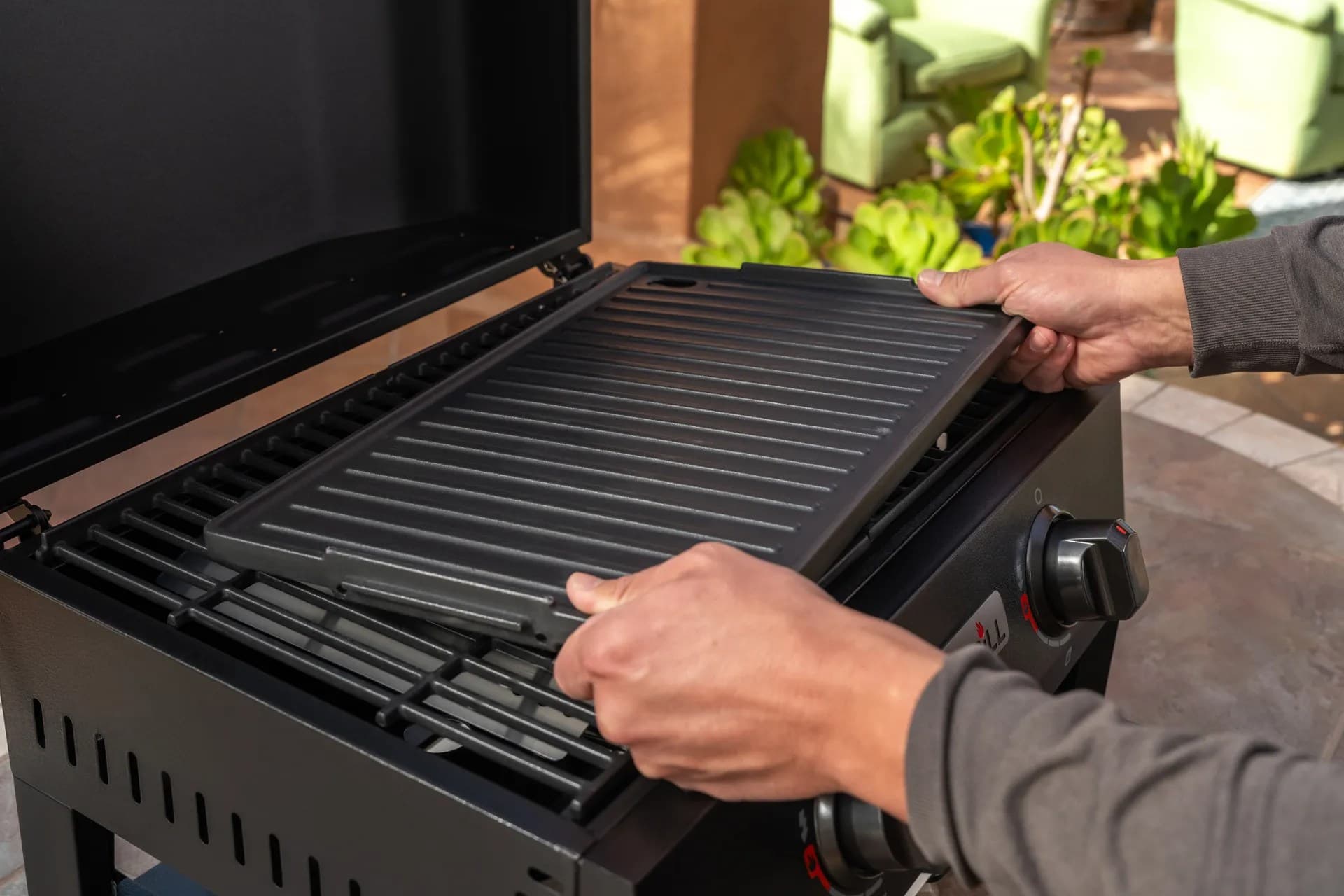
Practical guides for cleaning, maintenance, common grill issues, and performance optimization.
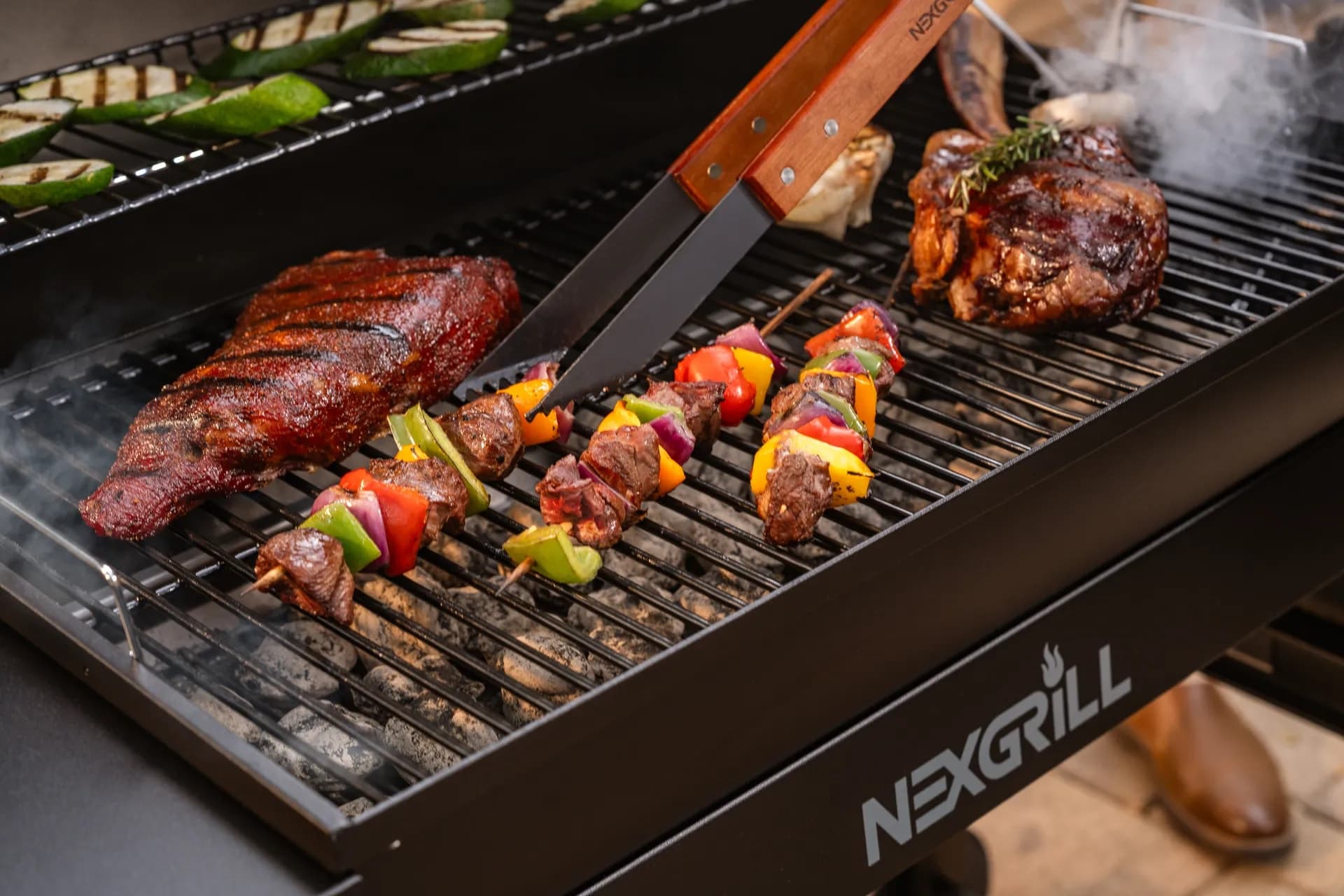
Step-by-step grilling recipes, cooking techniques, and meal ideas for every occasion and skill level.

Backyard entertaining ideas, seasonal grilling inspiration, and stories that celebrate outdoor cooking culture.
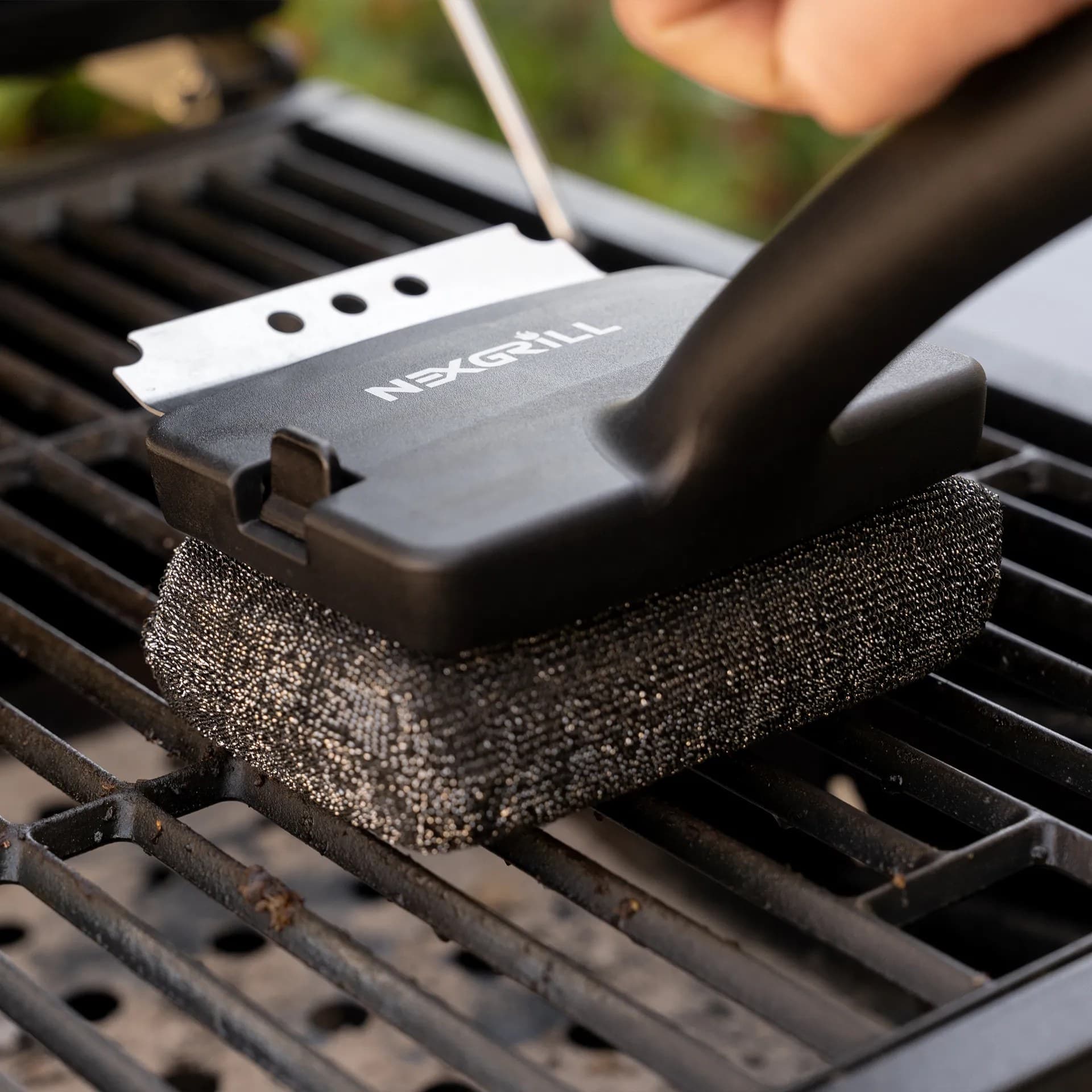
Helpful articles covering grilling tools, cookware, maintenance gear, and must-have accessories for outdoor cooking.
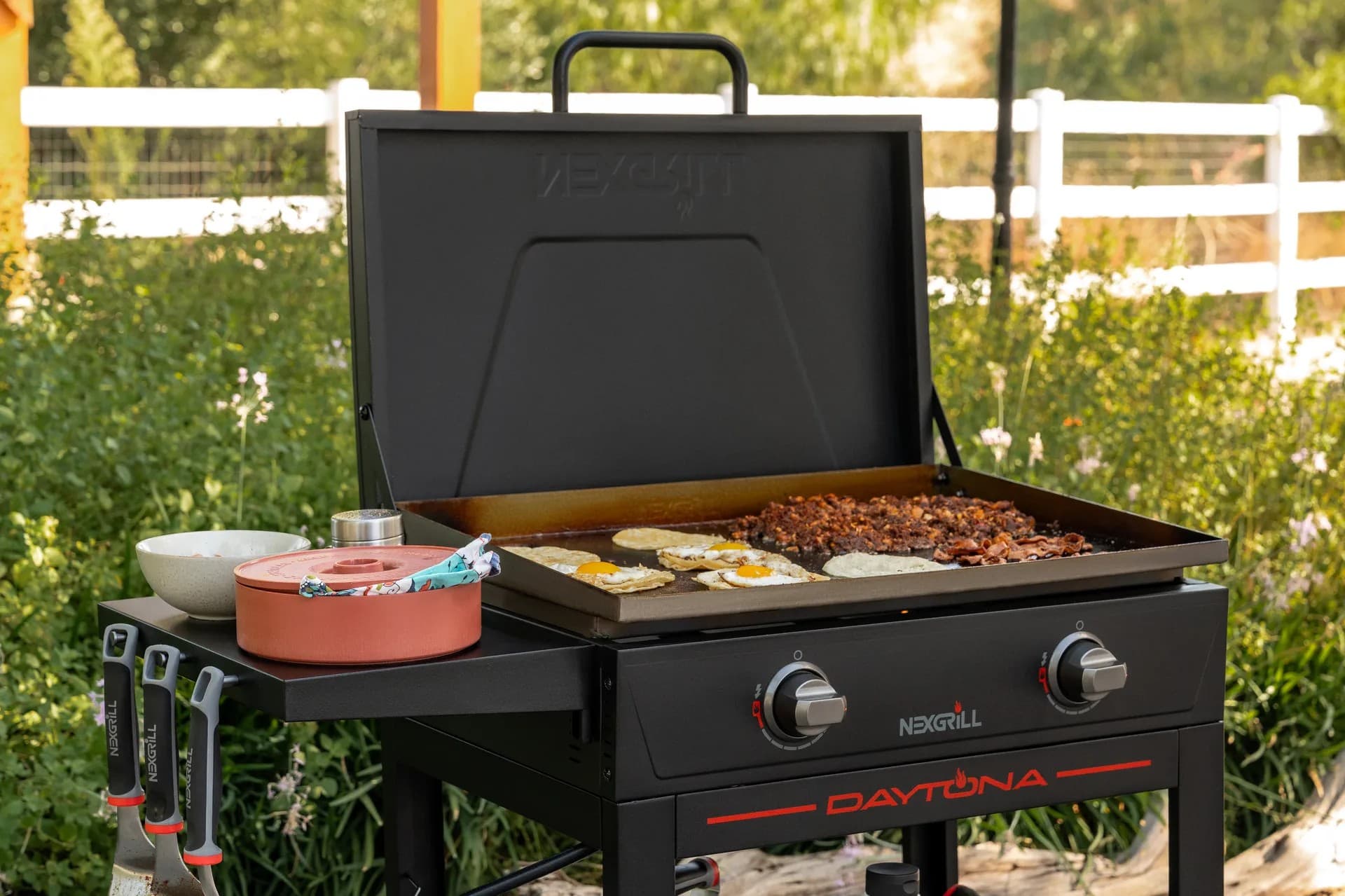
Find griddle recipes, cooking techniques, cleaning tips, and outdoor meal ideas designed for Nexgrill griddles.
Find answers to common questions
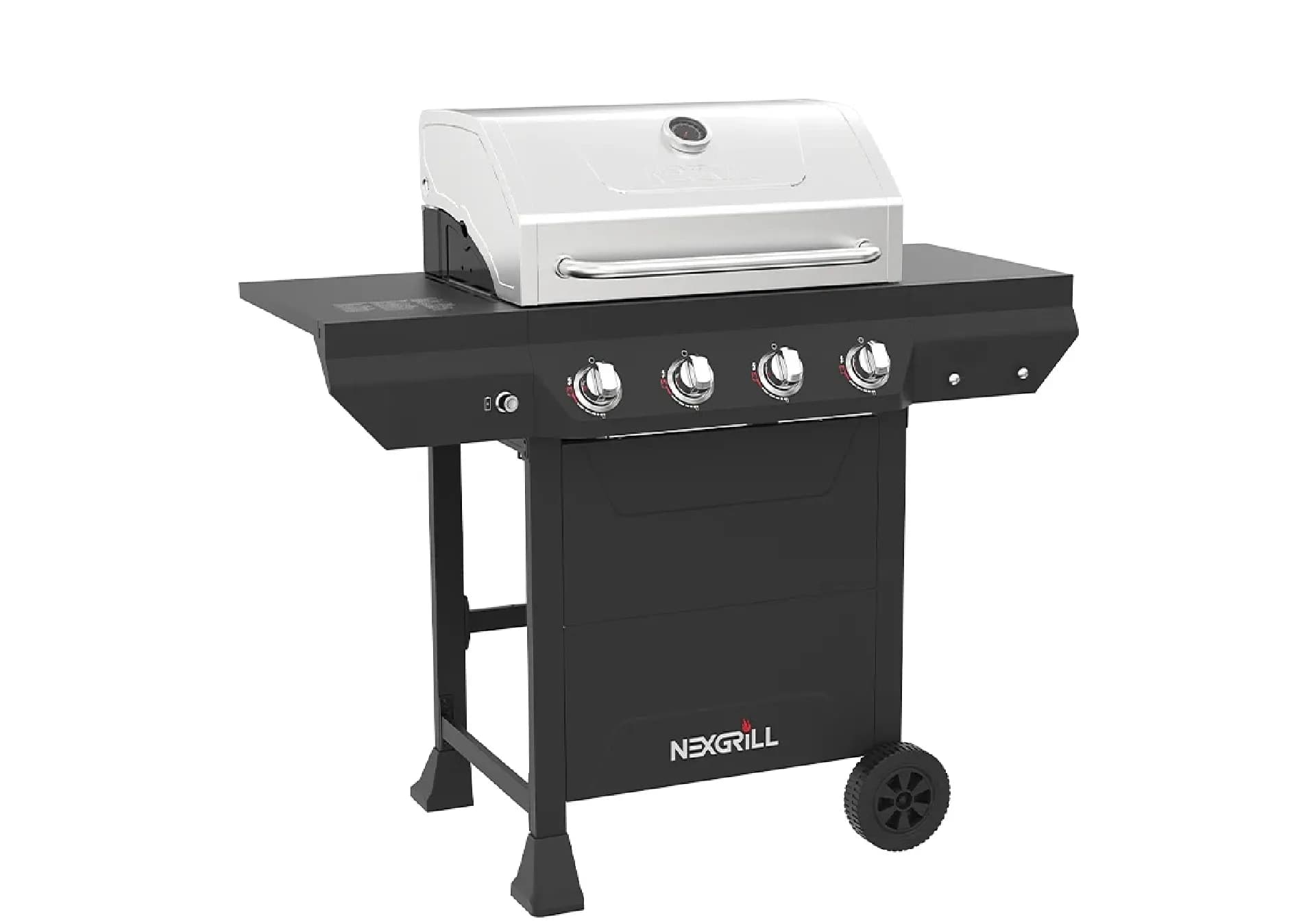
Nexgrill offers a variety of gas grills, including standard models, portable options, and premium designs with advanced features. Each is designed to cater to different grilling needs and preferences.
To clean your Nexgrill gas grill, regularly scrape down the grates, empty the grease tray, and wipe down exterior surfaces. Consult your model's manual for specific maintenance instructions and recommended cleaning products.
Nexgrill gas grills are designed to use either propane or natural gas, depending on the model. Ensure you read the specifications to determine the appropriate fuel type for your grill.
Many Nexgrill models can be converted from propane to natural gas with a conversion kit. Check the owner's manual for compatibility and details on the conversion process.
If your Nexgrill gas grill is not lighting, first check the fuel supply, ensure the gas lines are free of obstructions, and verify that the igniter is functioning. Consult the user manual for troubleshooting tips specific to your model.
In This Article
Choosing the Right Cut
Preheat and Prepare
Resting is Key
Choosing the right cut of steak is the first step in grilling a perfect steak. Different cuts offer various flavors and textures. For instance, the ribeye is known for its rich marbling, making it flavorful and juicy when grilled. If you prefer a leaner cut, the filet mignon might be your choice, offering tenderness without the fat. New York strip steaks provide a balance of tenderness and flavor, making them a popular choice for many grillers.
When selecting a cut, consider the thickness of the steak as well. A thicker steak, typically around 1.5 inches, is ideal for grilling as it allows for a nice sear while keeping the inside tender and juicy.
| Cut | Flavor | Texture |
|---|---|---|
| Ribeye | Rich, fatty | Juicy, tender |
| Filet Mignon | Mild, subtle | Very tender |
| New York Strip | Full-bodied | Firm, tender |
To achieve a perfect steak, proper preparation of your gas grill is essential. Begin by cleaning the grates to prevent any old food residues from affecting the taste of your steak. Once cleaned, preheat your grill to high heat, around 450°F to 500°F. This high temperature is crucial for searing the steak, creating a flavorful crust while locking in the juices.
Ensure that your grill has an even heat distribution by keeping the lid closed during preheating. This helps maintain the temperature and prevents heat loss. Use a grill thermometer to verify the temperature is consistent throughout.
Tip: Always use a meat thermometer to test the doneness of your steak without cutting into it and losing juices.
Seasoning is a personal preference, but a simple salt and pepper rub can enhance the natural flavors of your steak without overpowering it. Let the steak sit at room temperature for about 30 minutes after seasoning to ensure even cooking.
Place the steak on the preheated grill and sear each side for about 3-4 minutes, depending on the thickness. This initial sear is essential for developing the crust. After searing, reduce the heat to medium and continue grilling until your desired doneness is achieved. Use the chart below as a guide:
| Doneness | Internal Temperature | Cooking Time (Approx.) |
|---|---|---|
| Rare | 120°F - 125°F | 4-5 minutes |
| Medium Rare | 130°F - 135°F | 5-7 minutes |
| Medium | 140°F - 145°F | 7-9 minutes |
Once you've determined the doneness, remove the steak from the grill and let it rest for at least 5 minutes. This resting period allows the juices to redistribute, resulting in a more flavorful steak.
Try comparing two products side by side below to see which fits best:
For those looking to elevate their grilling game, consider using a two-zone cooking method. This involves creating a hot zone for searing and a cooler zone for finishing the cooking process. By moving the steak between zones, you can control the cooking pace and ensure an even cook throughout.
Basting is another technique to enhance flavor. Use a mixture of butter, garlic, and herbs to occasionally baste the steak while it cooks. This adds additional layers of flavor and helps keep the steak moist.
Tip: Use a cast iron skillet on the grill for a perfect sear and to hold additional flavors from basting.
Resting the steak is as important as cooking it. Allowing the steak to rest for about 5-10 minutes ensures the juices settle, making the steak juicy and tender. Place the steak on a cutting board and cover it loosely with foil to keep it warm while resting.
When serving, slice the steak against the grain. This technique shortens the muscle fibers, resulting in a more tender bite. Pair your steak with complementary sides such as grilled vegetables or a fresh salad to enhance the meal.
Consider the steak's flavor profile when choosing sauces or toppings. A classic chimichurri or a blue cheese butter can add a delightful contrast to the richness of the steak.
If your steak isn't turning out as expected, there are a few common issues to consider. Uneven heat distribution can lead to inconsistent cooking. Make sure your grill is preheated and check for any blockages in the burners.
Overcooking is another frequent problem. Always use a meat thermometer to check the internal temperature rather than relying solely on cooking times. This ensures accuracy and prevents overcooking.
Warning: Avoid cutting into the steak to check doneness as this releases the juices and can dry out the meat.
Once you've weighed two options against each other, here's what else matters: Experiment with different wood chips, such as hickory or mesquite, to infuse your steak with unique smoky flavors. Soak the chips in water and place them in a smoker box on the grill for best results.
Incorporate seasonal ingredients and herbs from your garden to personalize the grilling experience. Fresh rosemary or thyme can be placed on the steak during grilling for an aromatic touch.
Finally, always clean your grill after each use to maintain its performance and longevity. Regular maintenance will ensure that your gas grill continues to deliver perfectly cooked steaks for years to come.
For more grilling tips and resources, visit Nexgrill's homepage.
Here's what sets us apart
We position ourselves as delivering high-end outdoor cooking features and performance without premium-brand pricing, emphasizing “Quality Grills. Unbelievable Value.”
We offer gas grills, pellet grills, griddles, smokers, pizza ovens, portable/tabletop grills, electric grills, accessories, and replacement parts — allowing customers to stay within one ecosystem for all outdoor cooking needs.
We differentiate ourselves through smart grilling products like the Oakford smart pellet grill, including app-connected cooking controls and modern outdoor cooking technology.
Don't just take our word for it
Keep reading
From our catalog