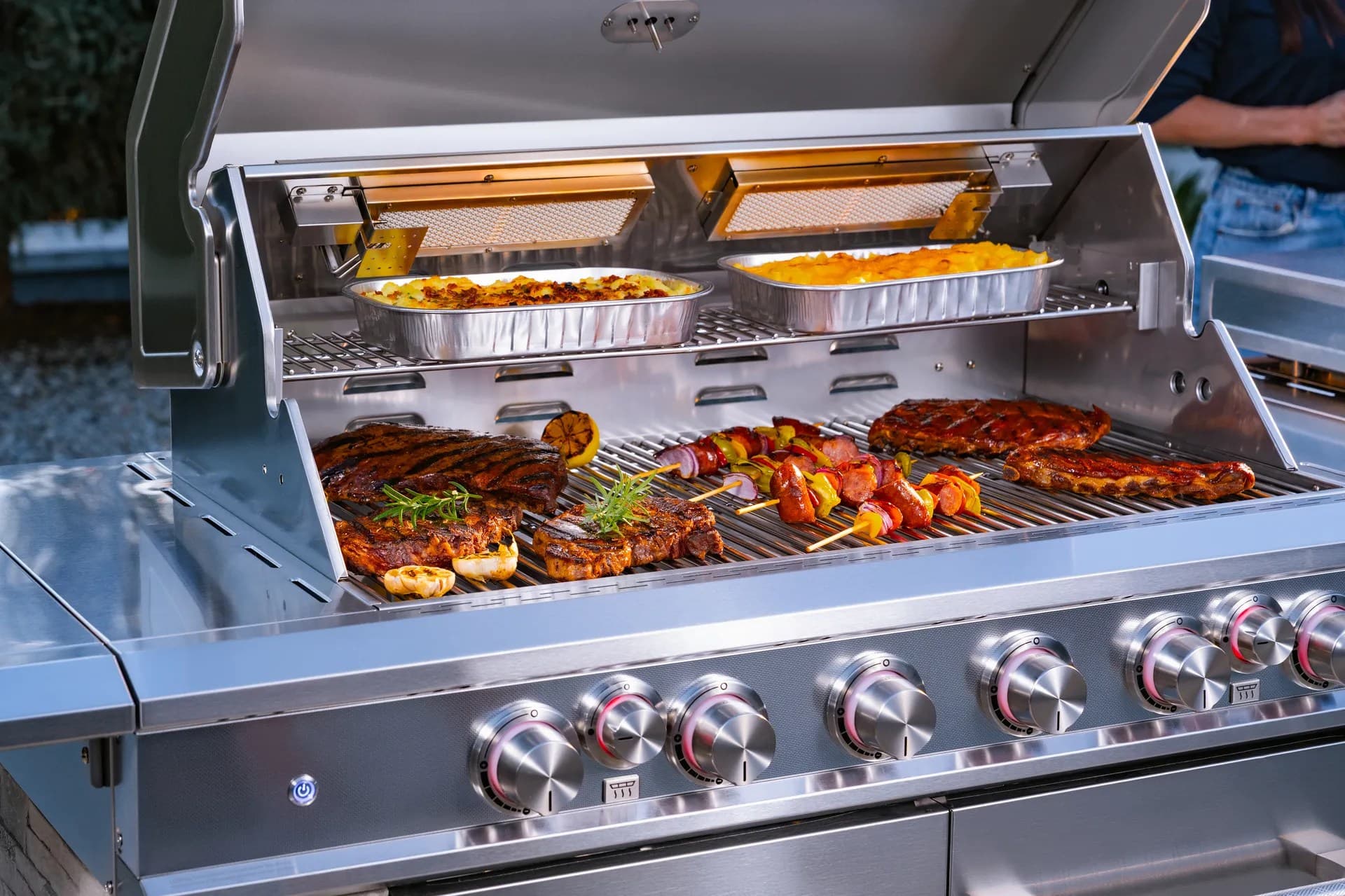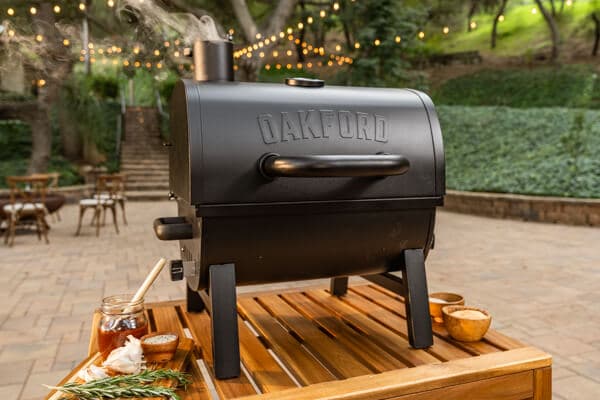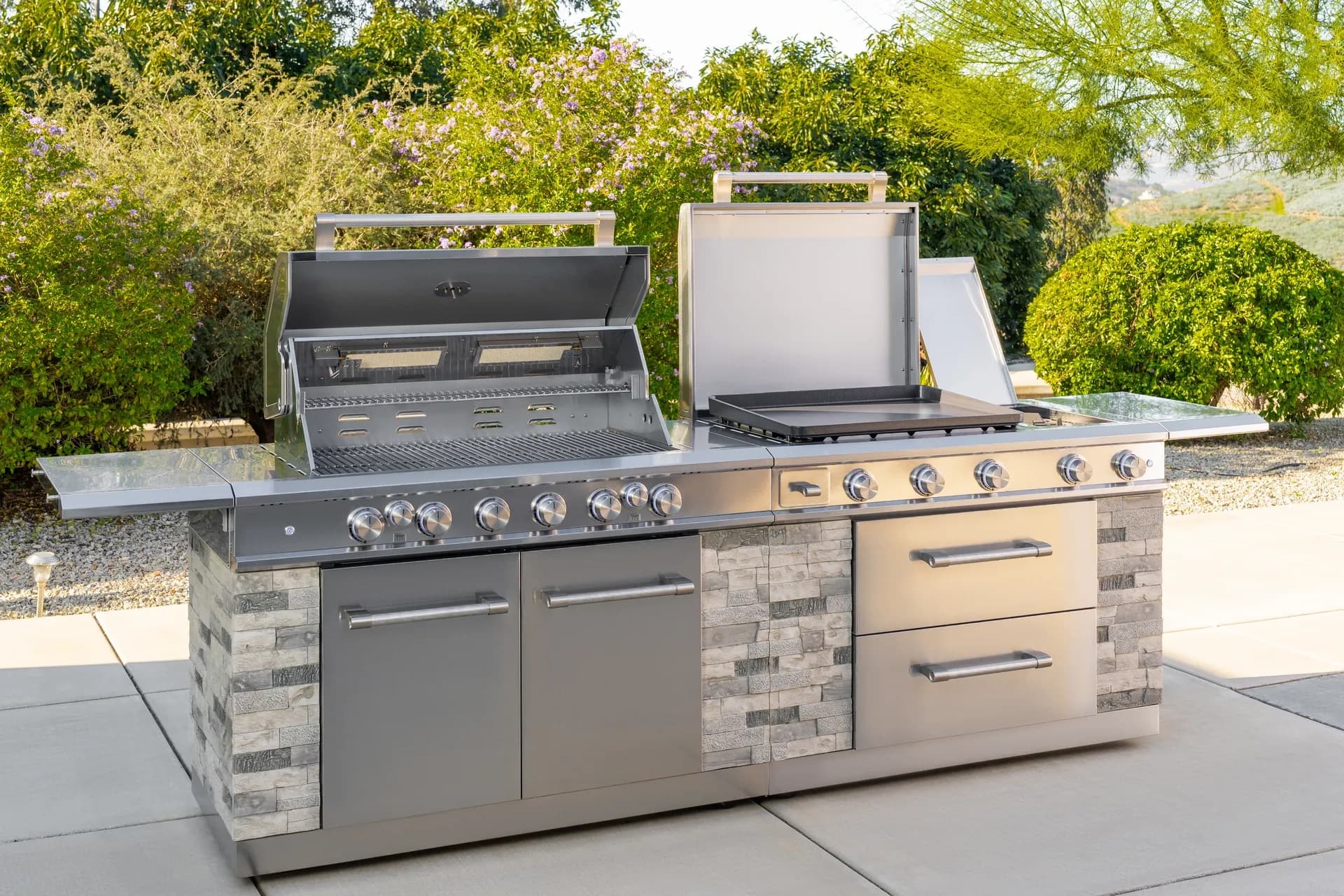
A comprehensive guide to the latest innovations in smart grilling for 2023.
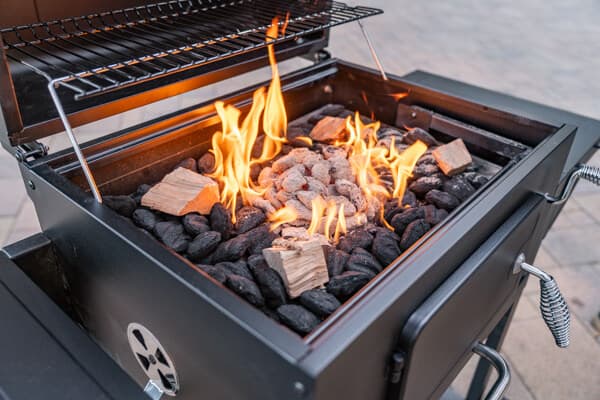
From sizzling breakfasts to smash burgers and teppanyaki-style dinners, the Daytona Pro 5 Burner NitroGuard™ Griddle delivers powerful heat, fast cooking, and a durable cooking surface built for every backyard cookout. Watch how easy outdoor cooking can be.
Here's what sets us apart from the competition
We position ourselves as delivering high-end outdoor cooking features and performance without premium-brand pricing, emphasizing “Quality Grills. Unbelievable Value.”
We offer gas grills, pellet grills, griddles, smokers, pizza ovens, portable/tabletop grills, electric grills, accessories, and replacement parts — allowing customers to stay within one ecosystem for all outdoor cooking needs.
We differentiate ourselves through smart grilling products like the Oakford smart pellet grill, including app-connected cooking controls and modern outdoor cooking technology.
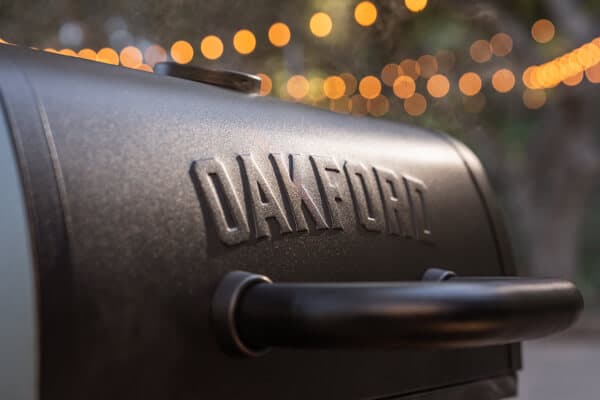
Expert tips, buying guides, comparisons, and inspiration for choosing and getting the most out of your grill.
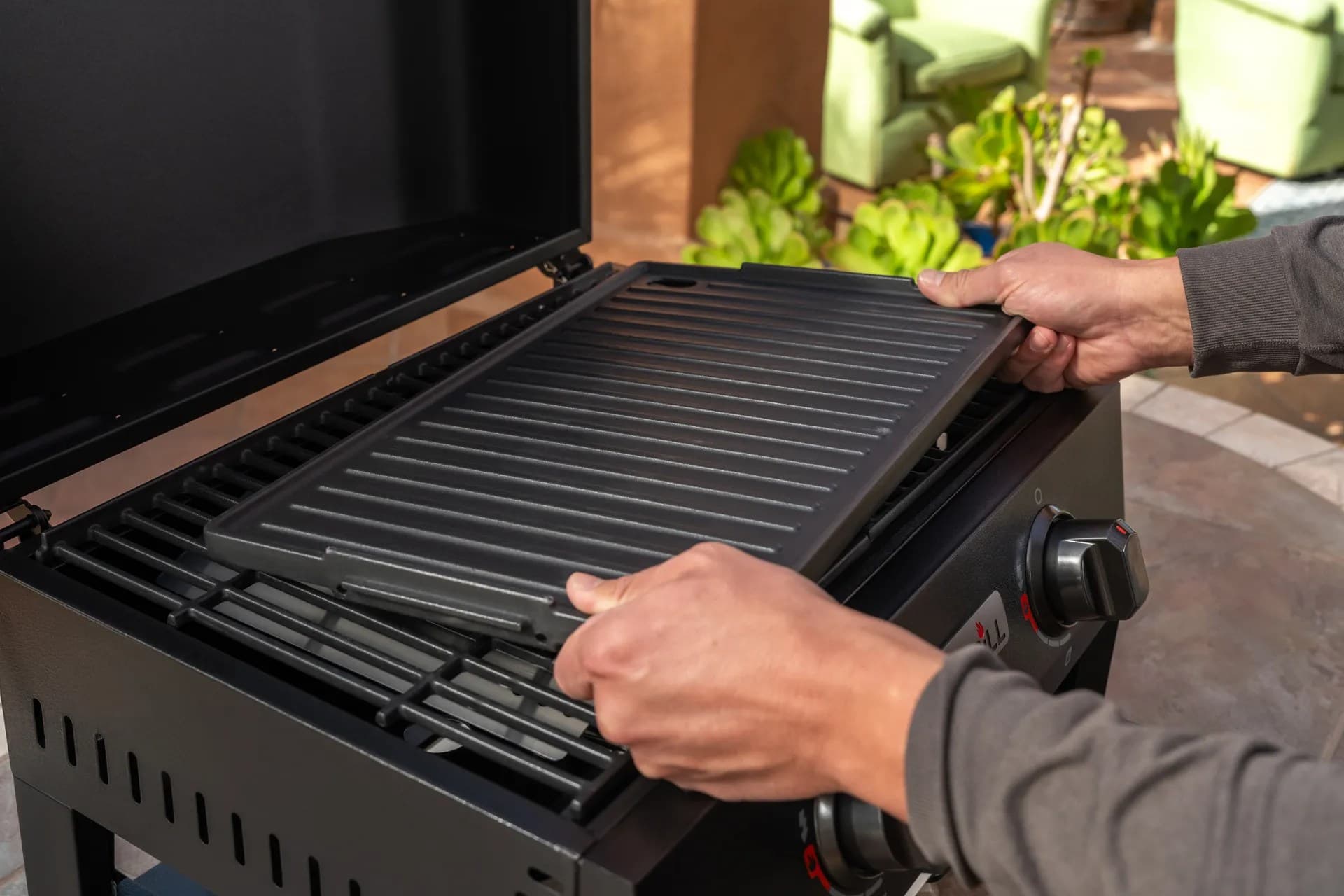
Practical guides for cleaning, maintenance, common grill issues, and performance optimization.
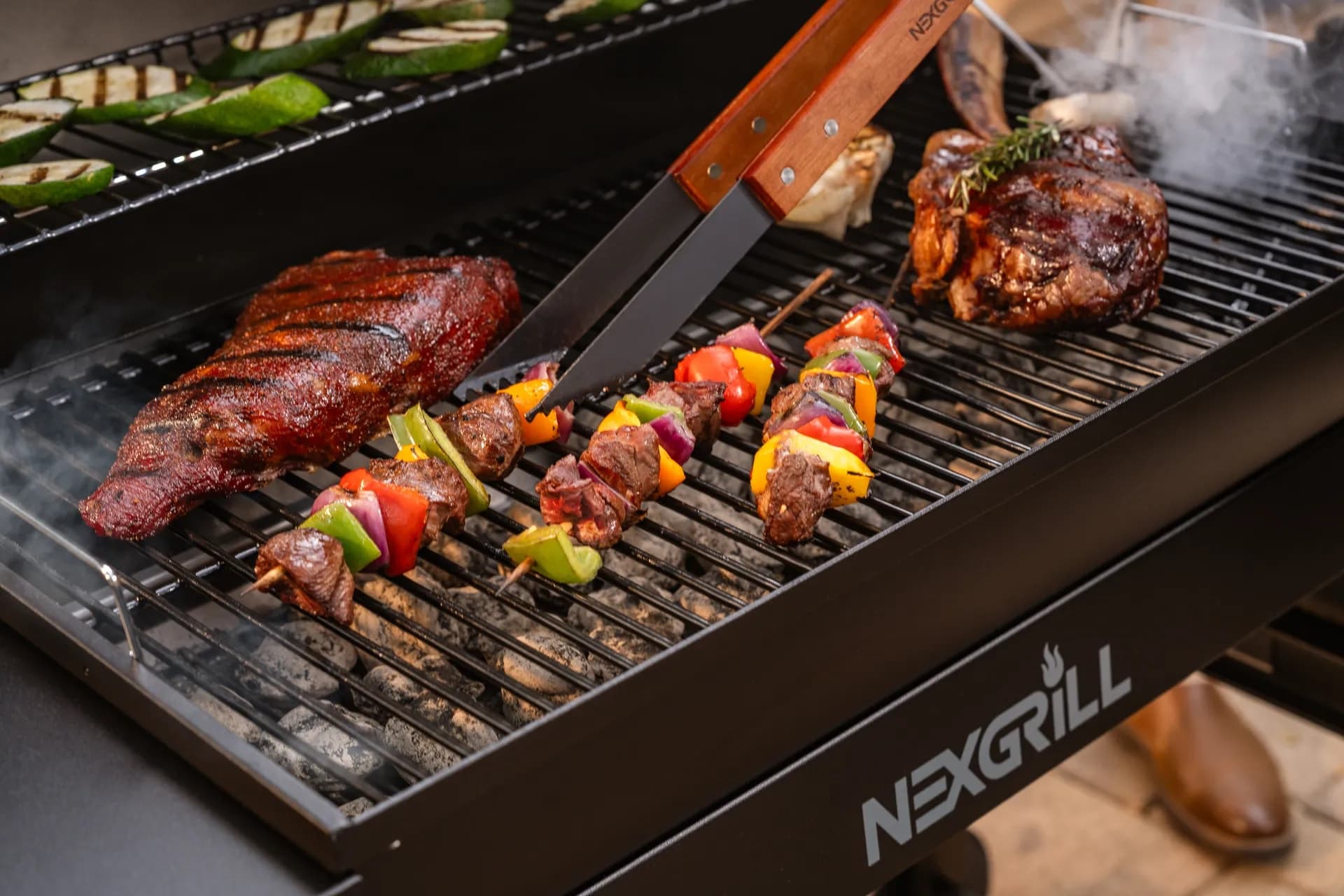
Step-by-step grilling recipes, cooking techniques, and meal ideas for every occasion and skill level.

Backyard entertaining ideas, seasonal grilling inspiration, and stories that celebrate outdoor cooking culture.
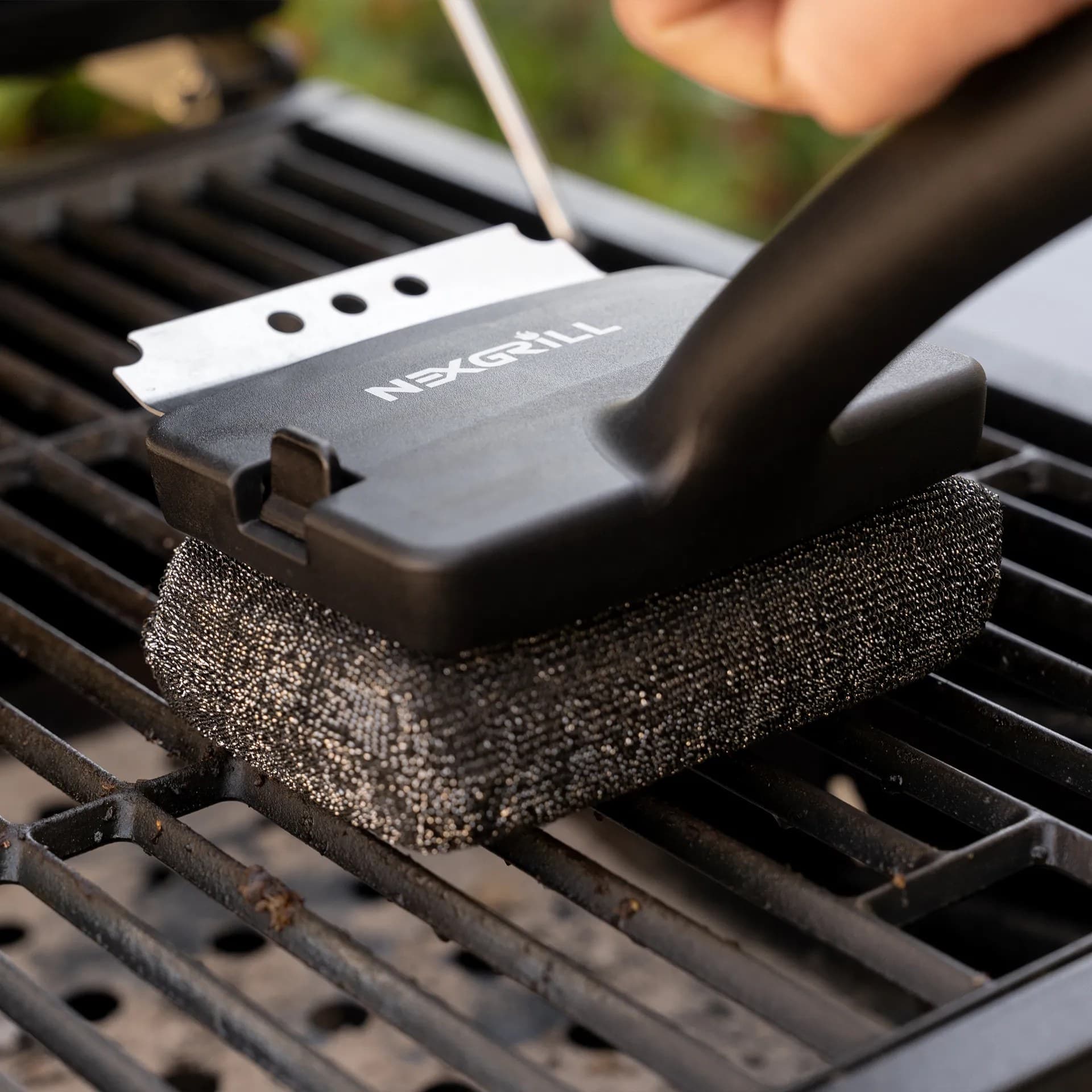
Helpful articles covering grilling tools, cookware, maintenance gear, and must-have accessories for outdoor cooking.
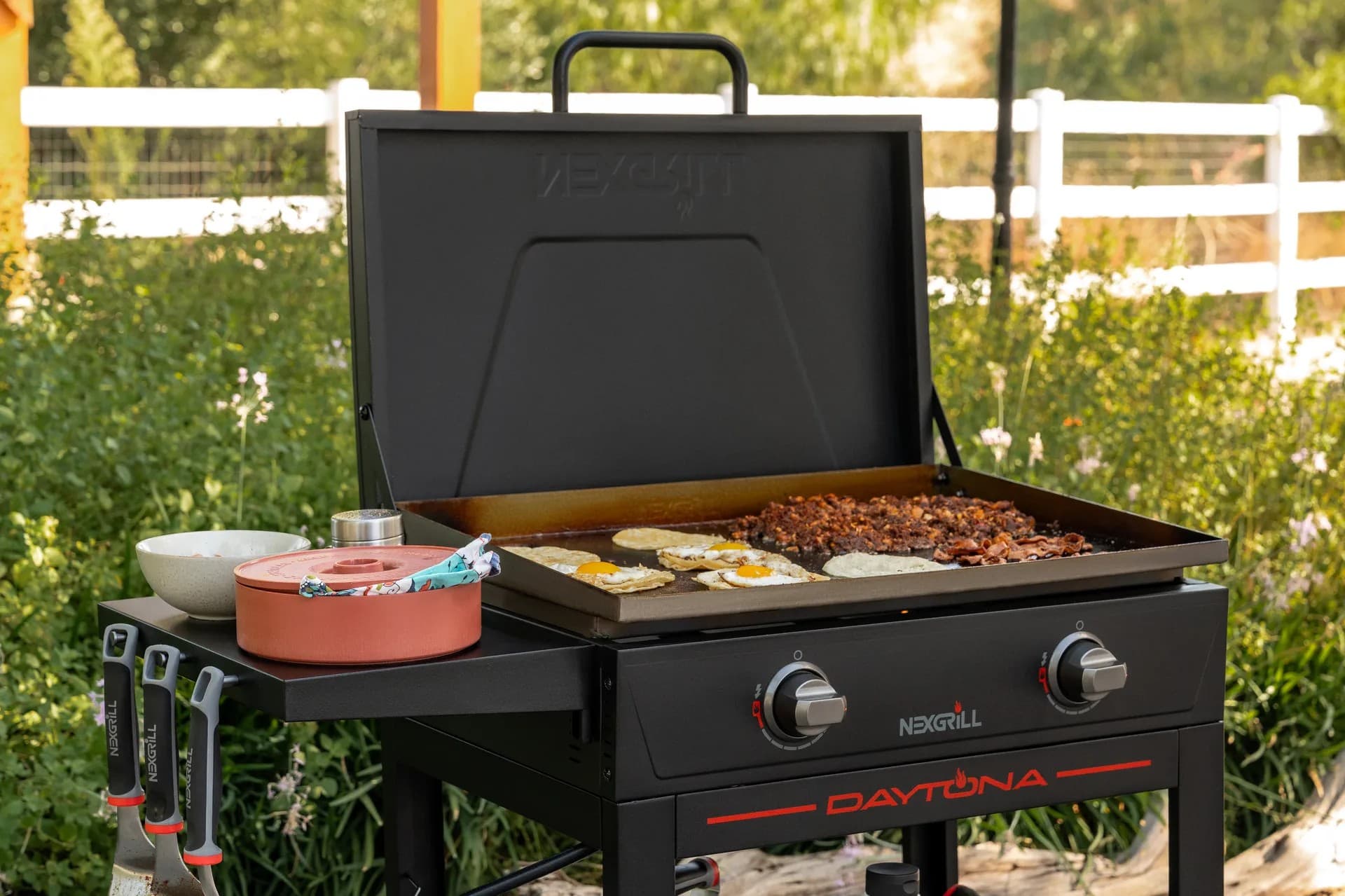
Find griddle recipes, cooking techniques, cleaning tips, and outdoor meal ideas designed for Nexgrill griddles.
Find answers to common questions
Gas grills provide instant heat and precise temperature control, making them easier to use. Charcoal grills offer a smoky flavor and high heat for searing but require more time to heat up and manage.
Pellet grills combine the convenience of gas with the flavor of wood, allowing for smoking, baking, and grilling. Traditional gas grills, however, are quicker to start and often easier to clean.
Charcoal grills typically reach higher temperatures quicker than gas grills, making them better for searing meat. However, high-quality gas grills can also provide adequate heat for effective searing.
Nexgrill offers models designed specifically for gas, charcoal, and pellets, allowing users to choose based on their cooking style and flavor preferences. Each type is built to optimize the characteristics of its respective fuel.
Choosing between gas and charcoal grills depends on your cooking preferences and lifestyle. If you value convenience and quick cooking, a gas grill may suit you better; if you prefer the taste and experience of traditional grilling, a charcoal grill would be ideal.
In This Article
Weber Genesis Smart SX-335 LP SS
Traeger Ironwood 885 Wood Pellet Grill
Ninja OG951 Woodfire Pro
Smart grilling is less about adding a gadget for its own sake and more about reducing guesswork when the meal matters. In practice, the best smart grill tech helps you hold a target temperature, monitor food remotely, and respond faster to changes in weather, lid position, or fuel behavior. That matters in the United States especially because many backyard cooks are balancing weeknight time constraints, weekend entertaining, and changing outdoor conditions across seasons. A smart grill does not replace cooking judgment, but it gives you better visibility into the cook so you can make better decisions sooner.
The strongest smart-grill setups usually combine three layers of control: grill-side hardware, connected temperature monitoring, and an app or interface that turns data into simple actions. That may sound straightforward, but the quality of the experience varies a lot by fuel type and ecosystem. A propane gas grill with smart control may prioritize fast ignition and temperature steadiness. A pellet grill often leans into automatic feed systems and probe-driven smoke management. An electric grill or smoker may focus on compact convenience, indoor-friendly setup logic, and easy temperature presets. The best choice is the one that fits how you actually cook, not the one with the longest feature list.
Smart grill tech is most useful when you cook multiple proteins, entertain guests, or want more consistent results without standing over the grate the entire time.
Smart grill models highlighted in this guide, each built around a different cooking style and fuel preference.
For 2023, the conversation around smart grills was not simply “which one connects to Wi-Fi?” It was “which grill makes the connected experience genuinely easier?” That means looking at the reliability of the companion app, the clarity of probe readings, the usefulness of alerts, and whether the grill still cooks well when you ignore the tech and just want dinner. Reviews from retail and outdoor-cooking publications consistently frame smart grills around this balance of convenience and performance, which is why the top tier usually includes a traditional gas option, a pellet option, and a compact multi-use option rather than three versions of the same product idea.
The best smart grill technologies of 2023 were not defined by one single category. Instead, the strongest products solved different problems for different kinds of cooks. The Weber Genesis Smart SX-335 LP SS is the classic backyard gas-grill answer: fast preheat, straightforward control, and a smart layer that supports accurate temperature management. The Traeger Ironwood 885 wood pellet grill is built for cooks who want more smoke flavor and a more automated low-and-slow experience. The Ninja OG951 Woodfire Pro is the value-and-versatility play, especially for users who want a smaller footprint and more than one cooking mode in a single unit. Those three models give a good snapshot of where smart grilling was heading in 2023: simplicity, automation, and flexibility.
When you compare them as a buyer, it helps to think less about “best overall” and more about “best for my setup.” A homeowner with an established patio, a strong propane preference, and frequent weeknight grilling may prefer the Weber because it feels the most familiar while still offering connected support. Someone who wants to smoke ribs, pork shoulder, or brisket with less manual intervention may lean toward the Traeger. A condo resident, occasional griller, or budget-conscious buyer with limited space may find the Ninja’s multi-function design more practical than a larger, more specialized cooker. This is why smart-grill shopping is as much about lifestyle fit as it is about technology features.
| Model | Best for | Smart-tech strength |
|---|---|---|
| Weber Genesis Smart SX-335 LP SS | Everyday gas grilling | Precise temp management and familiar gas-grill control |
| Traeger Ironwood 885 | Smoking and long cooks | Automated pellet feeding and probe-based monitoring |
| Ninja OG951 Woodfire Pro | Small-space versatility | Compact smart cooking with grill-and-smoker flexibility |
Retail roundups from outlets like Good Housekeeping and BBQGuys place smart grills in a broader decision framework that includes app quality, probe count, fuel type, and how well the hardware performs with or without digital assistance. That broader lens matters because the best smart tech is only useful if the grill itself is stable, responsive, and easy to live with over time. In other words, if a grill gives you beautiful app notifications but uneven heat at the grate, it is not really solving the core problem.
The Weber Genesis Smart SX-335 LP SS is the smart grill for people who want to keep the experience recognizable. It is still a gas grill at heart: fast to light, quick to recover heat, and convenient for burgers, chicken, vegetables, and weekday dinners. Its smart features are valuable because they support an already familiar workflow instead of asking you to learn a completely new style of cooking. That makes it especially appealing to households that grill often but do not want to babysit temperature from start to finish.
In real-world terms, this kind of gas smart grill is useful for mixed menus. You can sear steaks, move chicken to a cooler zone, and monitor a roast or thick pork chop without opening the lid as often. For families in the United States who split cooking duties between busy evenings and weekend hosting, that flexibility is a major advantage. It reduces wasted time, helps with timing side dishes, and keeps the main cook more in control. The smart layer becomes even more helpful when you are handling multiple pieces of meat at different doneness targets, because remote alerts can keep you from overcooking one cut while attending to another task.
Choose the Weber if you want the least disruptive path into smart grilling: familiar gas behavior with modern monitoring support.
The Traeger Ironwood 885 speaks to a different kind of griller: someone who wants a deeper smoke profile and is comfortable planning ahead for longer cooks. Pellet grills are often the most compelling smart grills because automation is built into the fuel delivery process itself. Instead of manually managing charcoal or continuously adjusting burners, the grill can use pellet feed and temperature control logic to help stabilize the cook. That makes it easier to run pork shoulder overnight, hold ribs in a steady smoke range, or experiment with lower-temperature sessions that would normally require much more supervision.
For buyers in suburban backyards, the Ironwood 885 offers a compelling middle ground between tradition and convenience. You still get the flavor direction people expect from wood-fired cooking, but the smart interface helps reduce the stress of long cooks. If you are the kind of host who wants to prep early, let the grill run, and then focus on guests instead of burner tweaks, a pellet smart grill is often the better fit. BBQGuys’ smart-grill guidance highlights exactly this tradeoff: pellet systems excel when you want a more automated smoke experience, while gas remains the simpler choice for fast weeknight cooking.
The Ninja OG951 Woodfire Pro is the most versatile of the three and the one most likely to attract buyers who are still deciding what role smart grilling should play in their kitchen-outdoor routine. Its appeal is not just that it is connected or electronically controlled; it is that it compresses several functions into a smaller footprint. That makes it useful for patios, smaller decks, renters with limited space, and households that want a grill, smoker, and flexible outdoor cooker without dedicating a large footprint to a single-use appliance.
This kind of model makes sense when your priorities include compact storage, multipurpose cooking, and less commitment to a large permanent setup. It is also appealing for households that cook for two to four people and do not need a massive grate to justify the purchase. The smart element matters because it lowers the learning curve for users who want to try smoking or outdoor roasting without investing in a dedicated full-size pellet or gas platform. In 2023, that accessibility was a major part of the smart-grill trend: technology was becoming less about enthusiast complexity and more about broad usability.
A useful way to compare smart grill features is to separate what happens before the cook, during the cook, and after the cook. Before the cook, the most important features are ignition speed, setup simplicity, and how clearly the grill communicates its status. During the cook, look at probe accuracy, alert reliability, temperature stability, and how easy it is to make adjustments without opening the lid repeatedly. After the cook, ask whether cleanup is simple, whether the grill reminds you to shut down properly, and whether the design makes upkeep more likely to happen on schedule. Those are the details that determine whether smart tech saves time or just adds another screen to your life.
| Feature | Why it matters | Best fit |
|---|---|---|
| Wi-Fi/app monitoring | Lets you check temps away from the grill | Hosts and multitaskers |
| Temperature probes | Improves doneness control and reduces guesswork | Meat-focused cooks |
| Automatic fuel management | Helps maintain a steady cooking environment | Low-and-slow smoking |
| Multi-mode cooking | Supports grilling, smoking, and roasting in one unit | Small-space households |
Which smart grill suits you depends on how often you cook, what flavor profile you want, and how much time you want to spend managing the fire. If you want the most familiar daily-use experience, the Weber Genesis Smart SX-335 LP SS is the safest bet. If your idea of great grilling includes smoke, patience, and a little weekend ritual, the Traeger Ironwood 885 is the strongest fit. If you want flexibility, smaller scale, and a simpler entry point into connected outdoor cooking, the Ninja OG951 Woodfire Pro makes the most sense.
A practical buyer should also think about space and workflow. A large patio with a permanent grilling station can support a full-size gas or pellet unit, while a compact balcony or secondary outdoor area may call for a more compact smart cooker. If your household frequently hosts guests, look for smart features that reduce active monitoring. If you mostly cook for a family of two or three, prioritize ease of storage, quick setup, and straightforward cleanup. The best smart grill technology is the one that fits into your routine so naturally that you actually use it often.
If you are choosing between two models, compare how they handle your most common meal, not the one special recipe you only make once a year.
Try comparing two products side by side below to see which fits best:
Once you've weighed two options against each other, the next step is understanding what the smart features are actually doing behind the scenes. In smart grilling, the most useful technology is usually invisible until you need it. A connected thermometer reads internal food temperature. A control system uses that reading, along with grill-side sensors, to help maintain cooking conditions. The app then translates all of that into a simpler experience: an alert when the meat is ready, a nudge when the chamber drifts, or a status update that lets you step away from the patio for a few minutes. The goal is not to turn grilling into a software project. The goal is to reduce avoidable errors.
In the best systems, the grill and the app work together instead of competing for your attention. If you are grilling in a United States summer backyard setting, for example, temperature swings can come from opening the lid too often, wind across the cooking surface, or simply cooking multiple items at once. Smart tech helps you see those changes sooner. That is especially useful when you are juggling guests, side dishes, and timing. The value shows up less in flashy dashboards and more in the fact that you can confidently leave the grill for a minute without losing the cook. BBQGuys’ smart-grill features comparison emphasizes that this combination of monitoring, alerts, and control is what separates a genuinely helpful setup from a basic connected gadget.
It is also worth noting that not every smart grill relies on the same kind of automation. Gas grills tend to lean on burner control and fast response. Pellet grills lean on fuel-feed systems and steady heat management. Multi-use electric models tend to focus on convenience, compactness, and simplified presets. That difference matters because a cook who values ribs and brisket is solving a different problem than a cook who wants fast burgers after work. When you match the technology to the job, the smart features feel like an advantage instead of an extra step.
The most obvious benefit of smart grilling is temperature awareness, but that is only the first layer. Better awareness leads to better timing, and better timing leads to more repeatable results. If you know exactly where your roast stands, you can plan sides more effectively. If you know a pellet grill is holding steady, you can host without constantly checking the lid. If you get an alert before a steak overshoots your target, you save dinner. Those benefits sound simple, but they add up quickly across a season of grilling.
Another major benefit is confidence. Many home cooks hesitate to try longer or more technical recipes because they fear overcooking expensive cuts. Smart grilling lowers that barrier. Instead of guessing, you are working from live temperature data. That is one reason the technology has become attractive to newer grill owners as well as more experienced users. It shortens the learning curve and makes advanced cooks feel more manageable. Publications that test smart grills often highlight how the best models are the ones that improve confidence without requiring constant app supervision.
For busy households, the biggest payoff is not novelty. It is fewer interruptions and more predictable meal timing.
Smart grilling can also support better menu planning. If you can track internal temperatures precisely, you can coordinate a reverse-sear steak with grilled vegetables, or keep a pork roast moving while you finish a salad and sauce. In other words, smart tech helps the whole meal come together more smoothly. That is why these grills are especially useful for hosts. Instead of standing over the fire, you can spend more time with the people you invited over, which is very much in line with the social side of outdoor cooking that Nexgrill celebrates in its brand voice.
The Weber Genesis Smart SX-335 LP SS stands out because it keeps the learning curve low. Buyers who already understand gas grilling can move into smart cooking without changing their entire routine. The connected features are most valuable when monitoring steaks, chicken breasts, pork chops, or thicker cuts that benefit from precise doneness control. In a practical sense, that means fewer lid openings and less second-guessing during the final stretch of the cook. The result is not just convenience but greater repeatability from one cook to the next.
For outdoor kitchens or patio setups in the United States, this model works well when grilling is a weekly habit rather than an occasional event. It suits households that want a fast-starting grill for family meals but still care about accurate monitoring. The smart system can be especially useful during busy evenings because you can track progress while setting the table or preparing sides. If you are feeding four to six people, the ability to keep an eye on multiple items without hovering over the grates is a real quality-of-life improvement. Outdoor grill reviews in 2023 commonly positioned smart gas grills like this as the easiest entry point for buyers who want connected features without giving up familiar propane cooking behavior.
The Traeger Ironwood 885 is most interesting when you think about time, not just temperature. Pellet grilling is often about committing to a longer cook with the expectation that the grill will help regulate itself. That means the smart layer has more room to shine, because a ten-hour brisket session is exactly the kind of event where consistent monitoring matters. The interface and probe support are especially helpful when you want to keep smoke quality, chamber temperature, and internal meat temperature aligned without manually adjusting every few minutes.
This model is ideal for cooks who are interested in backyard barbecue projects, Sunday smoking sessions, or holiday meals where the grill becomes part of the day rather than a quick appliance. If your cooking style is patient and process-driven, this is the type of smart grill that rewards planning. It also tends to appeal to people who value wood-fired flavor and want the automation to make that style more accessible. Compared with a standard gas grill, it shifts the focus from speed to consistency and aroma. BBQGuys’ smart-grill resources specifically call out pellet grills as a strong choice for cooks who want a more managed smoke experience with fewer manual interventions.
The Ninja OG951 Woodfire Pro is the standout for flexibility. If you want a device that can support quick meals, smaller gatherings, and different outdoor cooking styles, it gives you a practical entry into smart grilling without demanding a large footprint. That can be a major advantage for apartment patios, smaller suburban decks, or households that do not want to maintain a full-size dedicated grill. Because of its versatility, it can serve as a bridge between indoor appliance habits and outdoor cooking confidence.
The smart value here is not just monitoring. It is simplification. A product like this can make the jump into outdoor cooking feel less intimidating for someone who is not ready to commit to a large gas or pellet setup. It is also useful for households that want to smoke a smaller cut, grill dinner for a few people, or experiment with multiple methods over time. In 2023, that kind of compact versatility became an important smart-grill theme because more buyers wanted one tool that could adapt to different living situations and cooking goals. Good Housekeeping’s smart grill roundup reflects that shift by highlighting models that emphasize accessibility and multi-use convenience alongside traditional performance.
The smartest grill in the world still benefits from the right accessories. For most buyers, the first add-on should be a dependable set of food probes or replacement probes that are compatible with the grill’s monitoring system. After that, think about tools that protect the cooking environment and make cleanup easier. A well-fitted cover matters because smart grills contain electronics, sensors, and connection points that deserve protection from moisture and debris. A sturdy grill mat can also be useful on decks or patios because it helps manage grease and splatter around the cooking zone. BBQGuys’ smart grilling accessories guide points out that add-ons should improve both accuracy and convenience rather than just look impressive on a product page.
If you are building a smart outdoor setup from scratch, consider how the grill fits with prep tables, storage carts, and lighting. The best connected experience can still be frustrating if you cannot see the grill at dusk or have to cross the patio for every utensil. Also consider whether you want a dedicated storage location for probes, charging cables, or controllers if your model uses them. These small details matter because smart grilling works best when the whole workflow is thought through, not just the grill itself.
| Accessory | Why it helps | Best use case |
|---|---|---|
| Temperature probe set | Improves doneness monitoring | Steaks, roasts, poultry |
| Weather-resistant cover | Helps protect electronics and surfaces | Year-round outdoor storage |
| Grill mat | Catches splatter and protects flooring | Decks and patios |
Smart grills need the same basic care as any outdoor cooker, plus a little extra attention around sensors, controllers, and probe connections. The most important habit is keeping grease, soot, and residue from building up around the areas that affect temperature reading and airflow. If you cook often, inspect the probe ports, access points, and cooking chamber regularly so the electronics are not exposed to unnecessary grime. For pellet grills, that also means paying attention to ash management and keeping the feed path clear. For gas grills, make sure burners and ignition areas remain clean enough to support stable operation.
Good care extends to the app experience too. Keep firmware or app updates current when the manufacturer provides them, and check that your probes still connect reliably before a major cook. If you are storing the grill for a season, protect it from heavy moisture and keep accessories in a dry space. Publications focused on grill ownership often emphasize that the durability of smart features depends on protecting them the same way you would any other electronics used outdoors .
A practical maintenance routine for smart grills should be simple enough that you actually follow it. Wipe down surfaces after use, remove debris from grease channels, clean probes gently according to the manufacturer’s guidance, and inspect cords or battery compartments if your model uses them. Do that consistently, and the grill will be more dependable when you need the smart features most. At the end of the day, the best smart grill tech is not the one that requires the most attention. It is the one that keeps working quietly, meal after meal, while you focus on the people around the table.
Here's what sets us apart
We position ourselves as delivering high-end outdoor cooking features and performance without premium-brand pricing, emphasizing “Quality Grills. Unbelievable Value.”
We offer gas grills, pellet grills, griddles, smokers, pizza ovens, portable/tabletop grills, electric grills, accessories, and replacement parts — allowing customers to stay within one ecosystem for all outdoor cooking needs.
We differentiate ourselves through smart grilling products like the Oakford smart pellet grill, including app-connected cooking controls and modern outdoor cooking technology.
Don't just take our word for it
Keep reading
From our catalog