Discover top patio heaters that combine adjustable heat settings with sleek, space-saving designs.
Here's what sets us apart from the competition
We position ourselves as delivering high-end outdoor cooking features and performance without premium-brand pricing, emphasizing “Quality Grills. Unbelievable Value.”
We offer gas grills, pellet grills, griddles, smokers, pizza ovens, portable/tabletop grills, electric grills, accessories, and replacement parts — allowing customers to stay within one ecosystem for all outdoor cooking needs.
We differentiate ourselves through smart grilling products like the Oakford smart pellet grill, including app-connected cooking controls and modern outdoor cooking technology.

Expert tips, buying guides, comparisons, and inspiration for choosing and getting the most out of your grill.
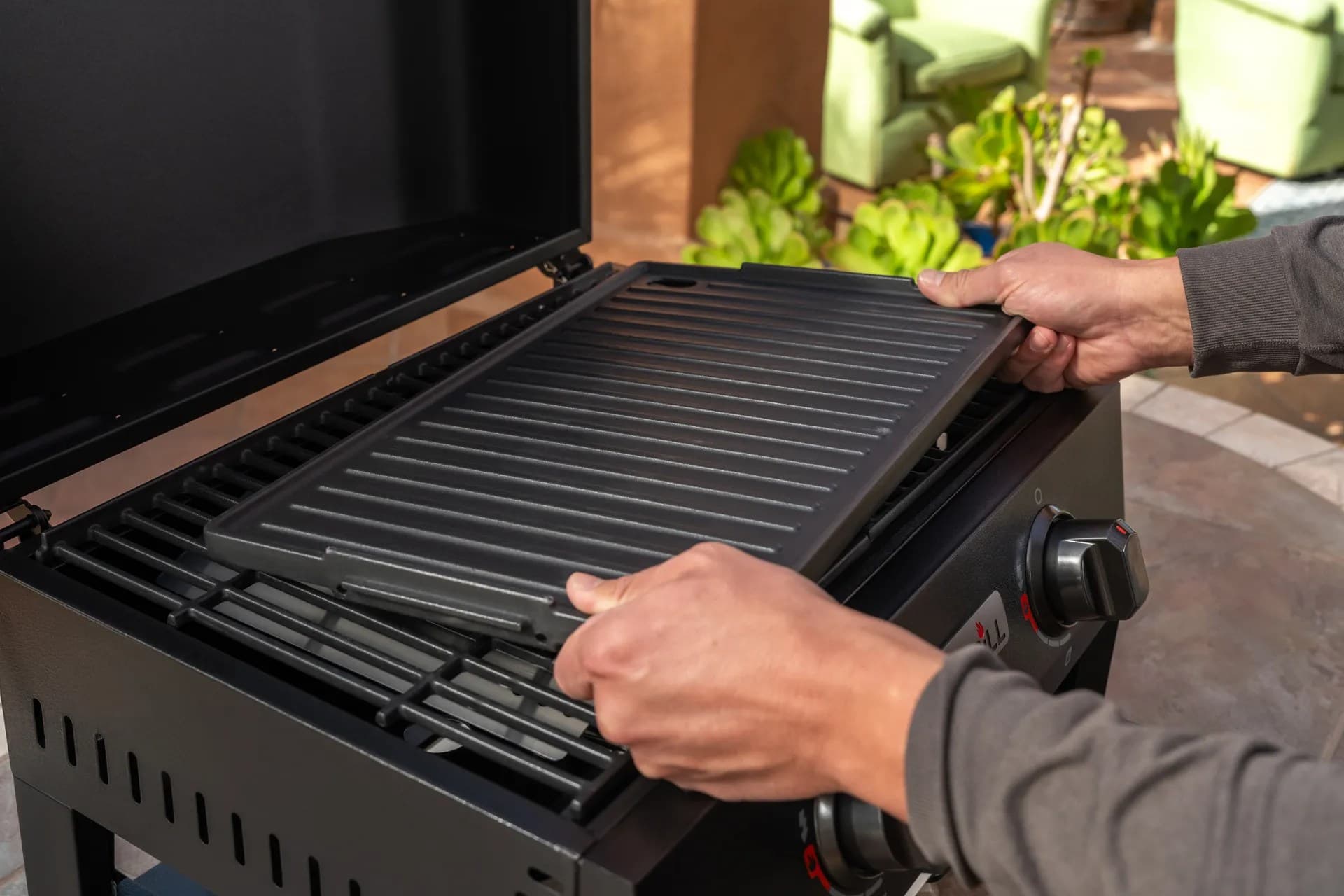
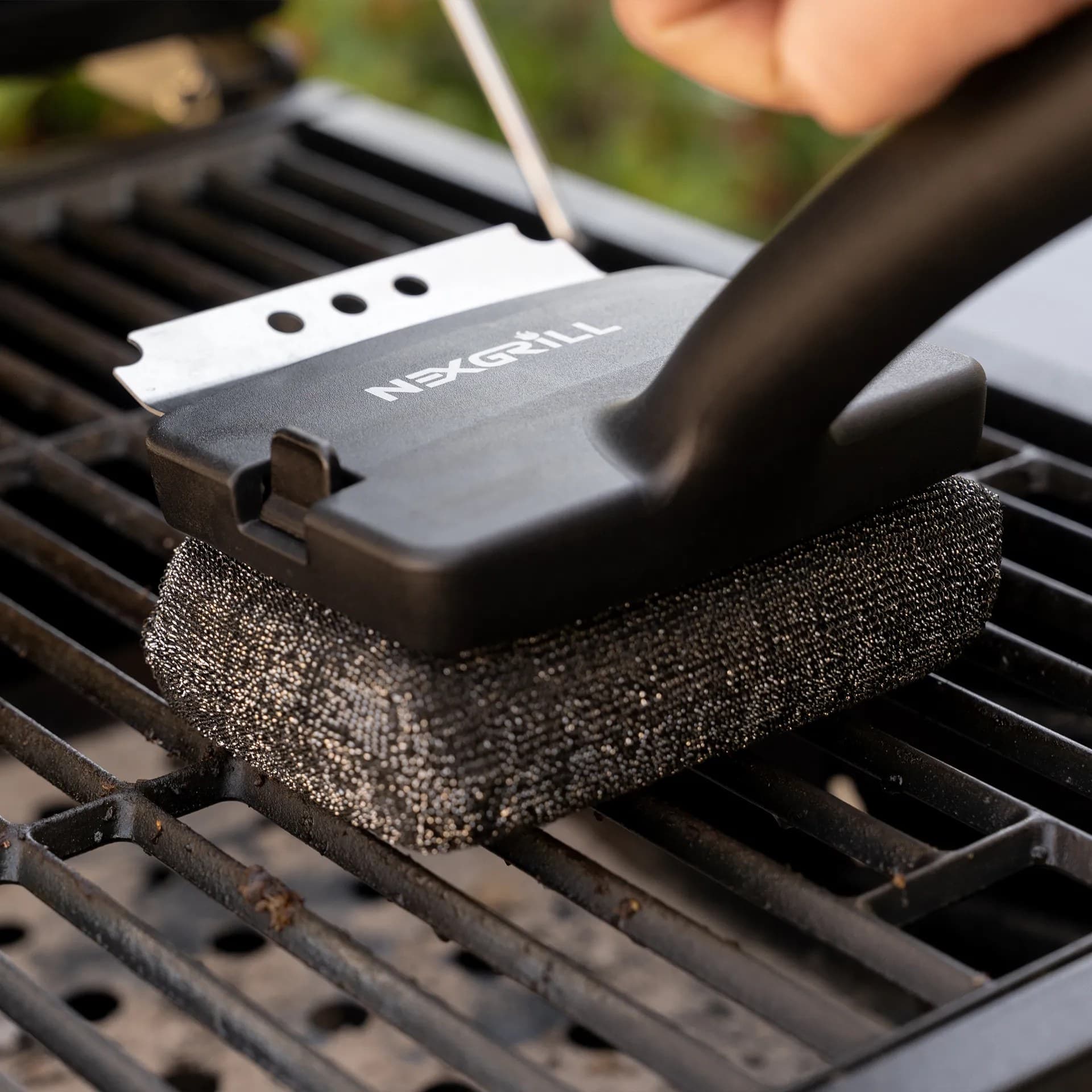
Practical guides for cleaning, maintenance, common grill issues, and performance optimization.
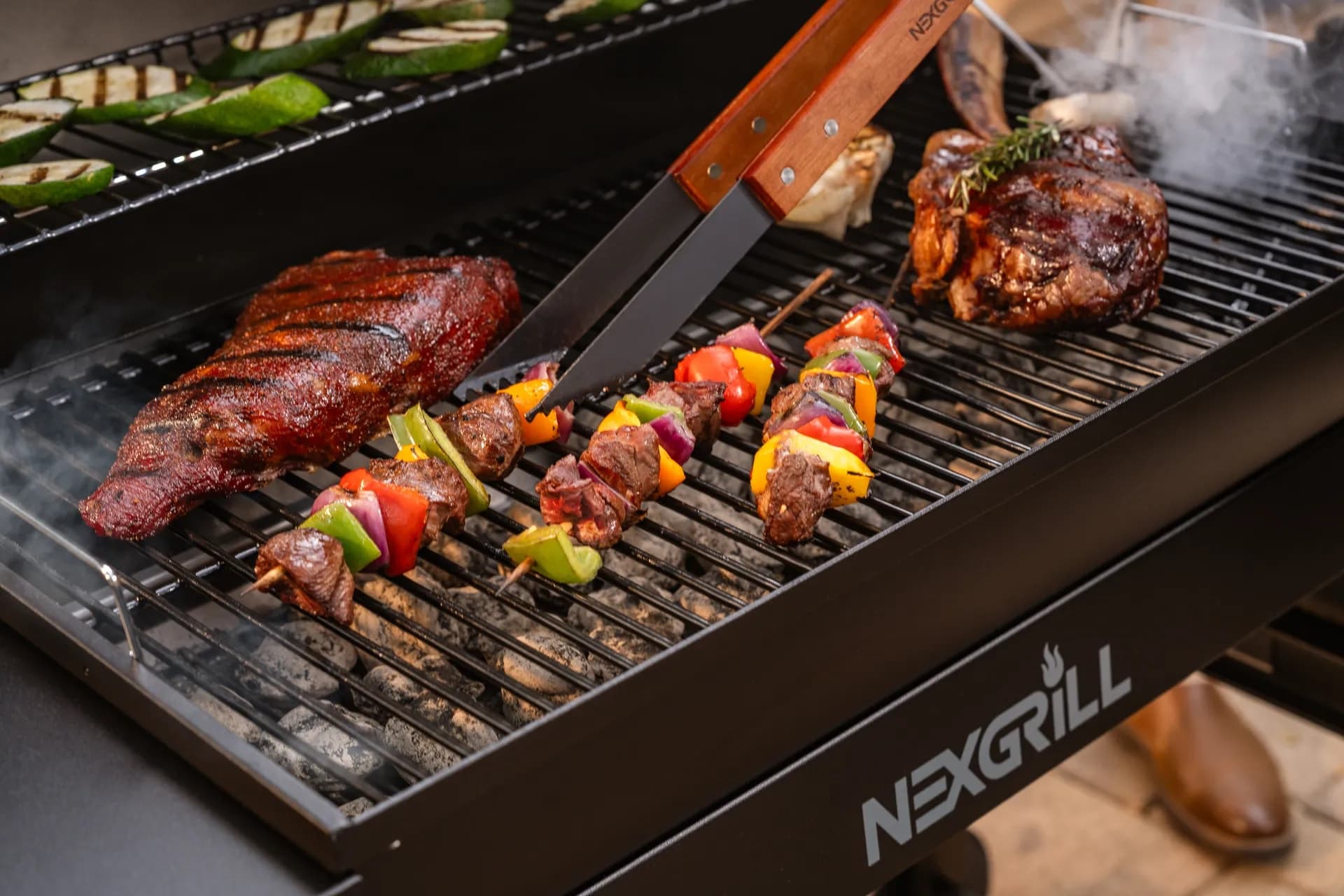
Step-by-step grilling recipes, cooking techniques, and meal ideas for every occasion and skill level.

Backyard entertaining ideas, seasonal grilling inspiration, and stories that celebrate outdoor cooking culture.
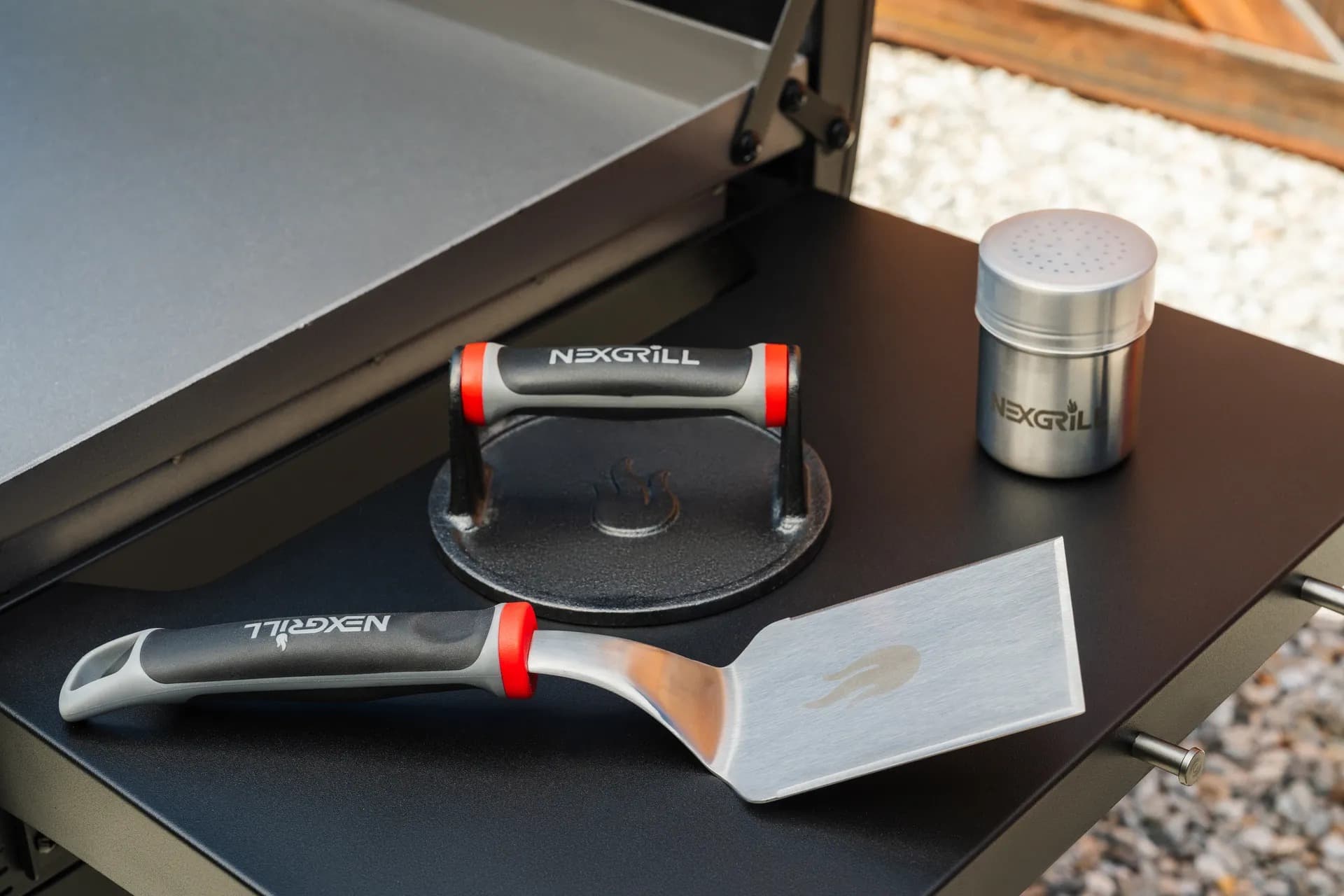
Helpful articles covering grilling tools, cookware, maintenance gear, and must-have accessories for outdoor cooking.
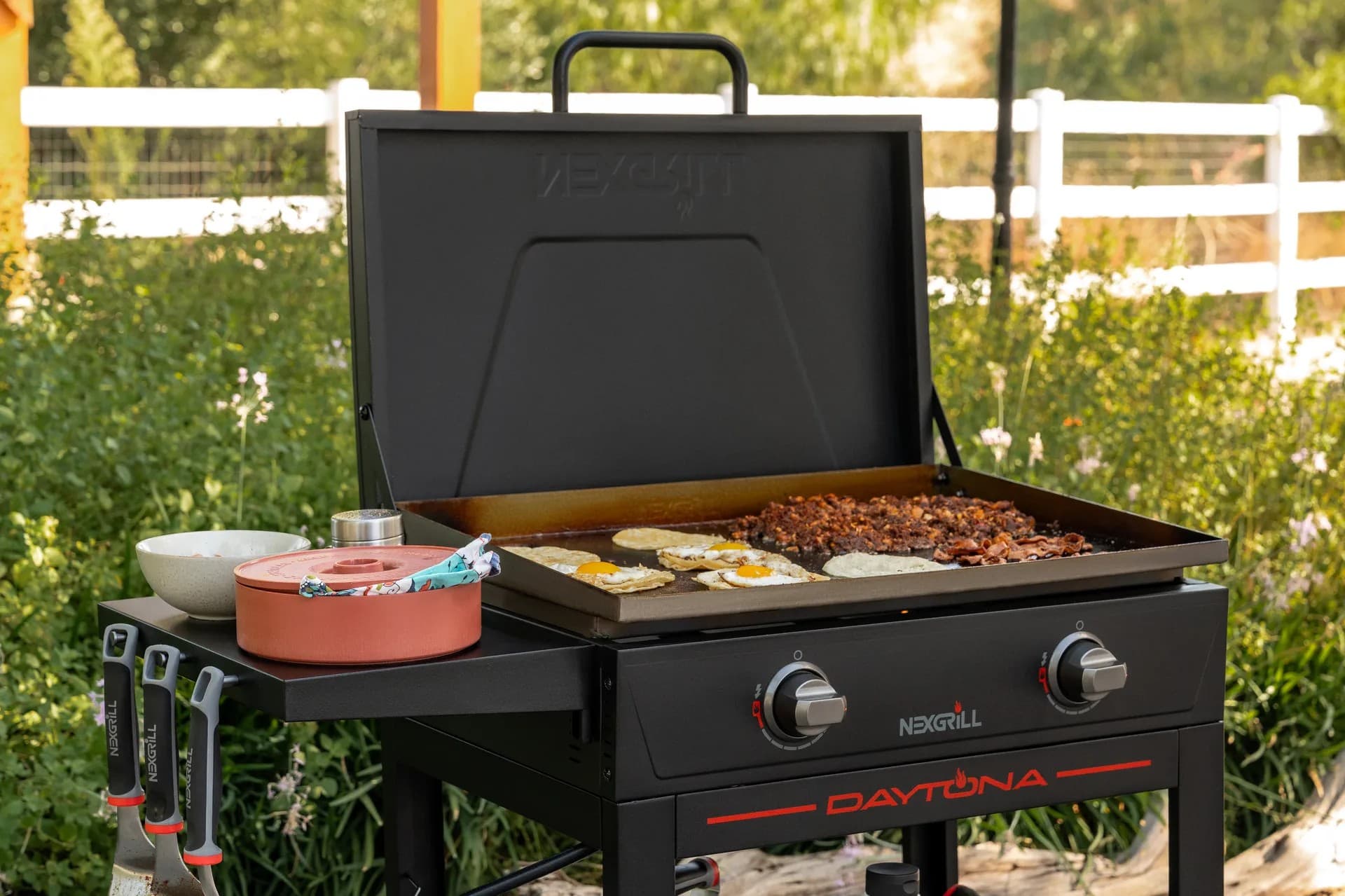
Find griddle recipes, cooking techniques, cleaning tips, and outdoor meal ideas designed for Nexgrill griddles.
Find answers to common questions
Nexgrill offers a variety of accessories including grill tools, covers, cooking utensils, and replacement parts designed to enhance your grilling experience.
Many Nexgrill accessories are widely compatible with various grill brands, but it is recommended to check the specifications for proper fit and functionality.
To maintain your Nexgrill accessories, regularly clean them with warm soapy water, avoid using abrasive materials that could scratch the surface, and store them in a dry place when not in use.
Yes, Nexgrill accessories can be purchased separately from the grills, allowing customers to customize their grilling setup as needed.
Instructions for using Nexgrill accessories are typically included in the packaging, and additional resources can be found on the Nexgrill website or in the product user manuals.
In This Article
Compact and Efficient
Sleek Aesthetics
Adjustable Heat Control
A great patio heater does more than push warm air into a chilly corner. In a small patio, balcony, rooftop nook, or narrow courtyard, the right model can define how the space feels after sunset. The best patio heater with adjustable heat is usually the one that gives you enough warmth to stay comfortable without overwhelming the area visually or physically. That balance matters even more in minimalist spaces, where every object has to earn its place and the heater needs to look intentional rather than bulky.
For compact outdoor areas, adjustable heat settings are not a luxury feature. They are the practical feature that helps you move from a light evening chill to a cooler late-night drop without buying a bigger heater than you need. A heater with multiple output levels lets you warm two chairs and a side table for a quiet weeknight drink, then dial up the output when a few more guests join. In a small footprint, that flexibility is often more useful than sheer size or maximum output.
Minimalistic design also changes the buying process. Instead of choosing a heater that dominates the deck, many shoppers want something with a slim profile, clean lines, and a neutral finish that blends with black metal railings, concrete planters, light wood furniture, or a simple bistro set. That is why outdoor heaters with remote control, low-profile bases, and quiet visual styling are especially appealing for modern apartments and tight backyard layouts. Research roundups from retailers and editorial reviewers consistently highlight adjustable electric and propane options as the most useful category for everyday home use in smaller spaces, especially when the goal is comfort without visual clutter.
In small spaces, the best heater is not the biggest one. It is the one that matches your square footage, gives you usable heat control, and stays visually quiet.
Can be enough for a compact balcony if it offers adjustable output and good placement.
Choosing a patio heater for a small space starts with the actual layout, not the product category. Measure the area you plan to heat, note where seating sits, and think about what the heater must avoid: walking paths, overhead awnings, low railings, or a door swing. In a compact setting, a heater can feel too hot, too tall, or too visually heavy long before it feels underpowered. Adjustable heat helps you fine-tune the comfort level, but the overall shape and placement still need to work with the room you have.
Fuel type matters, too. Electric heaters are often the easiest fit for minimalistic setups because they can be slimmer, quieter, and cleaner-looking than fuel-burning units. Propane heaters may deliver more flexible placement because they do not depend on a wall outlet, but they usually need more visual and physical space for the tank and base. If you are styling a small terrace or balcony with a restrained palette, an electric model with a vertical body and understated finish may feel more cohesive than a freestanding propane heater with a larger footprint.
When comparing options, do not stop at the advertised watts or BTUs. For compact spaces, the real questions are whether the heater has multiple output levels, how quickly it changes temperature, and whether the heat is directed where people actually sit. A 1500W electric heater with three settings can be more practical for a tiny patio than a much larger unit that only offers one output and makes the area uncomfortably hot. Several consumer guides and product listings show that models with remote controls, oscillation, or multiple power settings are especially popular with buyers who want comfort control in tight spaces.
You should also think about visual weight. Minimalist design is not only about color or shape; it is about how much the heater interrupts the view. A cylindrical tower, slim pole, or compact floor-standing form usually feels lighter in a small corner than a wide mushroom-top unit. The most successful designs for these situations tend to have simple controls, a small base, and a finish that disappears into the background when not in use.
| Decision factor | What works best in small spaces | Why it matters |
|---|---|---|
| Heat settings | Two to three levels | Lets you avoid overheating a compact seating area |
| Form factor | Slim tower or low-profile vertical design | Preserves floor space and keeps sightlines open |
| Power source | Electric for fixed spaces, propane for flexible placement | Affects installation, mobility, and clutter |
| Control method | Remote or simple dial | Makes frequent adjustments easy without standing up |
Among the models commonly recommended for compact outdoor areas, the best options tend to share the same traits: adjustable heat, a restrained silhouette, and controls that are easy to live with day after day. One useful reference point is the SereneLife 1500W floor-standing patio heater with remote control and three power settings, which has been featured in consumer roundups for people who want a straightforward electric option with multiple heat levels and a narrow footprint. Electric units like that are appealing because they fit cleanly beside a lounge chair or small café table and do not ask you to dedicate space to a tank or fuel bottle.
For shoppers who want a more premium design language, the Bromic Platinum Smart Heat outdoor electric marine patio heater is a strong example of how minimalism can still feel refined. Premium electric heaters in this style are often selected for covered patios or design-forward outdoor rooms because the heating element is paired with a streamlined body, which helps the unit disappear visually when the space is styled carefully. That makes them especially appealing for terraces where furniture and finishes are already doing most of the visual work.
If you prefer a simple plug-in solution and want to keep the purchase process easy, retail listings such as the Home Depot model included in the research notes show that buyers are looking for compact electric heaters with accessible controls and modest installation requirements. For small-space use, that kind of product often makes sense because it can be used seasonally, moved if the layout changes, and stored without much trouble.
The key is not to chase the biggest heater on the market. In a small space, oversizing often backfires. The heater may create a harsh hot zone directly in front of it while the rest of the patio remains underused. Adjustable heat settings solve part of that problem by letting you tune the output to the actual size of the sitting area. If you are heating one loveseat and a side table, low or medium settings are often the sweet spot. If you are warming a small dining set on a windy evening, the higher setting may be more appropriate for a short period of time.
For minimalistic patios, choose the heater that blends into the background when it is off. The best-looking unit is usually the one you barely notice until you need warmth.
| Example model | Adjustable heat | Why it fits small spaces |
|---|---|---|
| SereneLife 1500W floor-standing patio heater | Three power settings | Compact, easy to place, and simple to tune |
| Bromic Platinum Smart Heat | Model-dependent output control | Slim premium profile for design-focused spaces |
| Compact Home Depot electric patio heater | Varies by model | Practical option for fixed outdoor corners |
The best patio heater with adjustable heat is the one that fits both your floor plan and your sense of style. In small spaces, that usually means a heater that warms people efficiently without taking over the room, and a design that looks purposeful in a modern setting. Whether you choose a simple three-setting electric model or a more refined slimline heater, your goal should be the same: a comfortable outdoor corner that feels easy to use, easy to enjoy, and visually calm.
If you are deciding between two heaters, compare them side by side based on size, number of heat settings, visual profile, and how the unit will fit around furniture. That comparison is especially important in tight spaces where a small difference in base width or output range can change the whole experience. Try comparing two products side by side below to see which fits best:
Once you've weighed two options against each other, the next thing that matters most is how much control you really want over the warmth. Adjustable heat settings are the feature that separates a heater you tolerate from one you actually use often. In a small patio, heat can become uncomfortable quickly, especially when the seating area is only a few feet from the heater. Multiple settings let you choose a gentler output for mild evenings and a stronger output when the wind picks up or the temperature drops later in the night.
For electric heaters, the most common and useful setup is a three-setting control scheme. That often means low, medium, and high, or a stepped wattage approach such as 500W, 1000W, and 1500W depending on the model. The advantage is not just comfort; it is efficiency. If you only need a light warm zone around two chairs, you do not have to run the heater at full output. For propane models, adjustable settings may come through variable valve control rather than preset wattages, giving you finer control over flame intensity and perceived heat.
The practical benefit shows up most clearly in real use. On a still evening, a lower setting may keep a conversation area comfortable for hours without becoming overpowering. On a breezy night, the same heater can be turned up to compensate for heat loss. In small spaces, this matters because wind, shade, and enclosure all affect how warm the patio feels. A heater that can adapt is far more useful than one designed around a single ideal condition.
If your patio is smaller than about 100 to 150 square feet, adjustable output is often more valuable than raw maximum heat because comfort changes fast in tight quarters.
There is also a design advantage to adjustable heat. When the heater has multiple levels, you can buy for the space you have today without worrying as much about future use. If your balcony seating changes, if you add a small bistro table, or if you host a few more people in cooler months, you can adjust the warmth rather than replacing the unit. That makes the product feel more flexible and better suited to smaller homes and apartments where every purchase needs to do more than one job.
Minimalist outdoor design is about restraint, balance, and clarity. A heater that belongs in that setting should look like it was chosen deliberately, not like it was added as an afterthought. That means paying close attention to silhouette, finish, and visual density. Slim vertical bodies, matte black or brushed finishes, and simple control panels usually work well because they keep attention on the seating area and landscaping rather than on the appliance itself.
In many modern patios, the strongest aesthetic move is to keep the heater aligned with other vertical elements such as railings, planters, or outdoor lighting. A tall narrow heater often feels less intrusive than a wide dome or a bulky cabinet-style unit. Likewise, a neutral finish blends better with concrete, stone, dark wood, or powder-coated furniture. That is one reason indoor-inspired design language has become more popular outdoors; homeowners want the patio to feel like an extension of the home rather than a separate mechanical zone.
The best design choices are usually the quietest ones. Models with hidden controls, compact bases, and clean lines create a calmer visual field, which is exactly what small spaces need. Even the placement of the heater matters. In a minimalist layout, place the unit so it supports the furniture arrangement instead of competing with it. For example, a heater tucked just outside a seating triangle can warm the group while keeping the center of the patio uncluttered.
A heater with a smaller footprint can make a patio feel larger, but only if its shape and finish are visually calm.
Safety matters even more in compact outdoor areas because furniture, railings, and people are all closer together. When choosing a patio heater, look for features such as tip-over protection, overheat shutoff, stable bases, and clear clearance guidance from the manufacturer. These are especially important in small spaces where a heater may be used near foot traffic or where wind can affect stability. If the heater is electric, check that the cord routing will not create a trip hazard. If it is propane, keep the tank placement tidy and away from the main walking line.
Maintenance should be simple enough that you actually do it. Wipe down the exterior regularly to remove dust and pollen, inspect connectors and power cords for wear, and store the heater covered when not in use. For propane units, check the tank connection and valve area before each season. For electric models, make sure the outlet, plug, and cord remain in good condition. A compact heater is easier to maintain when the exterior design is clean and the hardware is accessible, which is another reason minimalist units can be more practical over time.
One helpful habit is to treat the heater like part of your outdoor furniture setup rather than a seasonal appliance you ignore until the first cold snap. If you clean the area around it and keep clutter away from the base, you lower the chance of accidental contact and make the space easier to enjoy. For small balconies especially, a tidy installation can be the difference between a cozy corner and a crowded one.
| Safety check | What to look for | Why it helps |
|---|---|---|
| Tip-over protection | Automatic shutoff if the unit tilts | Important in tight spaces with limited clearance |
| Overheat protection | Shuts the unit down at unsafe temperatures | Adds a safeguard during long run times |
| Cord or tank management | Clear, organized placement | Reduces clutter and trip hazards |
| Easy-clean surfaces | Smooth metal or coated finish | Makes regular upkeep faster |
For small-space buyers, the best purchase path is usually the one that lets you compare size, output, and style without guesswork. Retailers such as Home Depot, Macy's, and product review sources provide useful references because they show how different heaters are positioned for home use, including examples with multiple power settings and compact footprints. Before buying, read the product dimensions carefully and compare them to the exact footprint of your seating area, not just the patio as a whole. A heater that fits a large deck may still feel oversized on a narrow balcony.
Installation depends on the fuel type and design. Plug-in electric heaters are generally the simplest choice for apartments and condos, but you still need to confirm outlet access and cord routing before setting the unit in place. Floor-standing models should sit on an even surface with enough clearance on all sides, while wall-mounted or ceiling-mounted units require careful placement and secure hardware. Propane heaters need stable positioning and practical tank storage, which can be harder to hide in minimalist spaces. If the visual goal is simplicity, choose a location where the heater can be framed by furniture rather than becoming the center of attention.
It is also worth thinking about how the heater will live in the space during the off-season. Compact electric heaters are easier to store, and some floor-standing models can be tucked into a closet or utility room. That convenience can matter as much as heat output if you want a setup that stays neat throughout the year. A small patio feels best when every object has a clear purpose, and a well-chosen heater should support that feeling instead of complicating it.
Before setup, verify clearance requirements, outlet access, and whether the unit needs wall mounting, floor space, or a separate fuel source.
Here's what sets us apart
We position ourselves as delivering high-end outdoor cooking features and performance without premium-brand pricing, emphasizing “Quality Grills. Unbelievable Value.”
We offer gas grills, pellet grills, griddles, smokers, pizza ovens, portable/tabletop grills, electric grills, accessories, and replacement parts — allowing customers to stay within one ecosystem for all outdoor cooking needs.
We differentiate ourselves through smart grilling products like the Oakford smart pellet grill, including app-connected cooking controls and modern outdoor cooking technology.
Don't just take our word for it
Keep reading
From our catalog