Explore the best patio heaters featuring adjustable heat settings and their pricing.
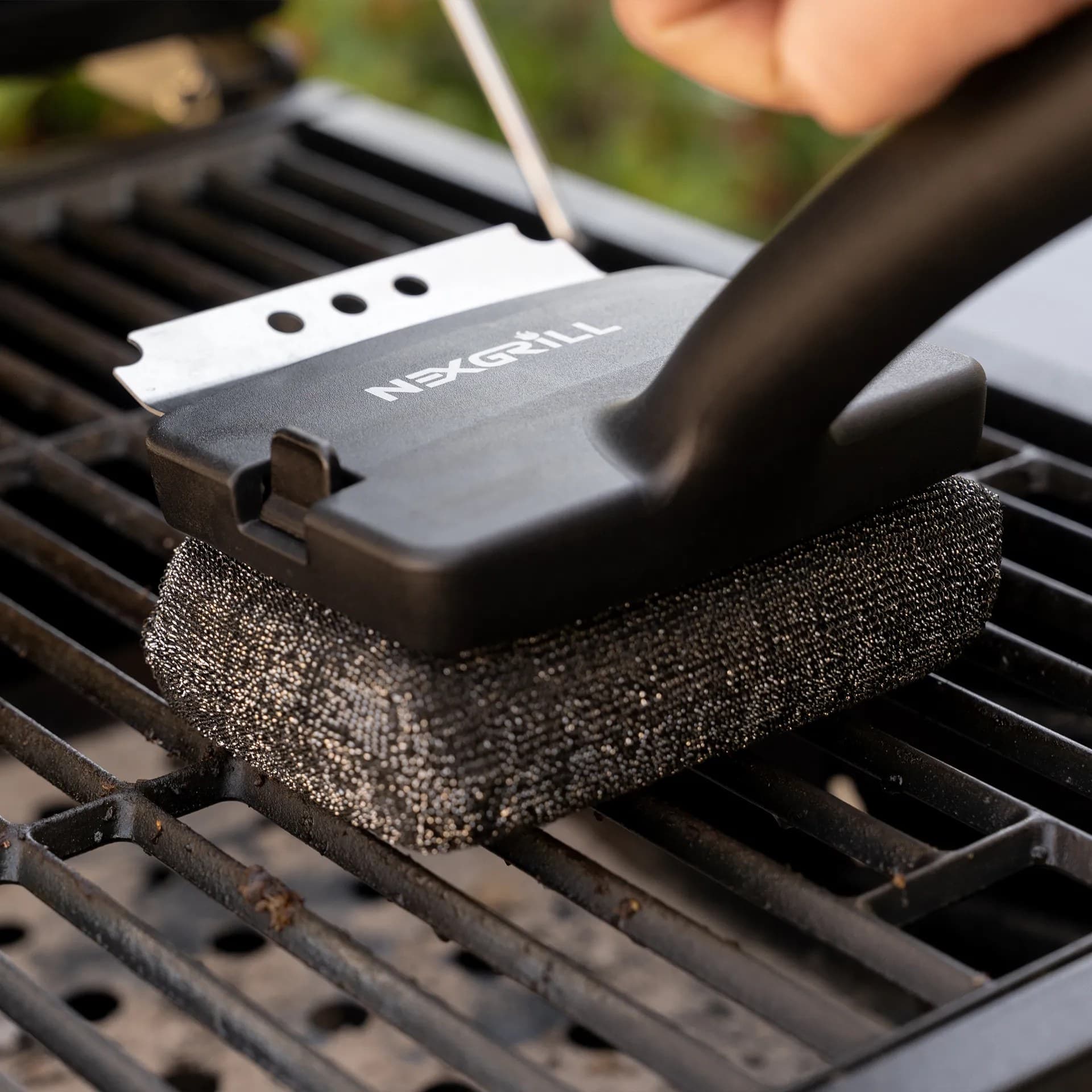
Here's what sets us apart from the competition
We position ourselves as delivering high-end outdoor cooking features and performance without premium-brand pricing, emphasizing “Quality Grills. Unbelievable Value.”
We offer gas grills, pellet grills, griddles, smokers, pizza ovens, portable/tabletop grills, electric grills, accessories, and replacement parts — allowing customers to stay within one ecosystem for all outdoor cooking needs.
We differentiate ourselves through smart grilling products like the Oakford smart pellet grill, including app-connected cooking controls and modern outdoor cooking technology.
Expert tips, buying guides, comparisons, and inspiration for choosing and getting the most out of your grill.
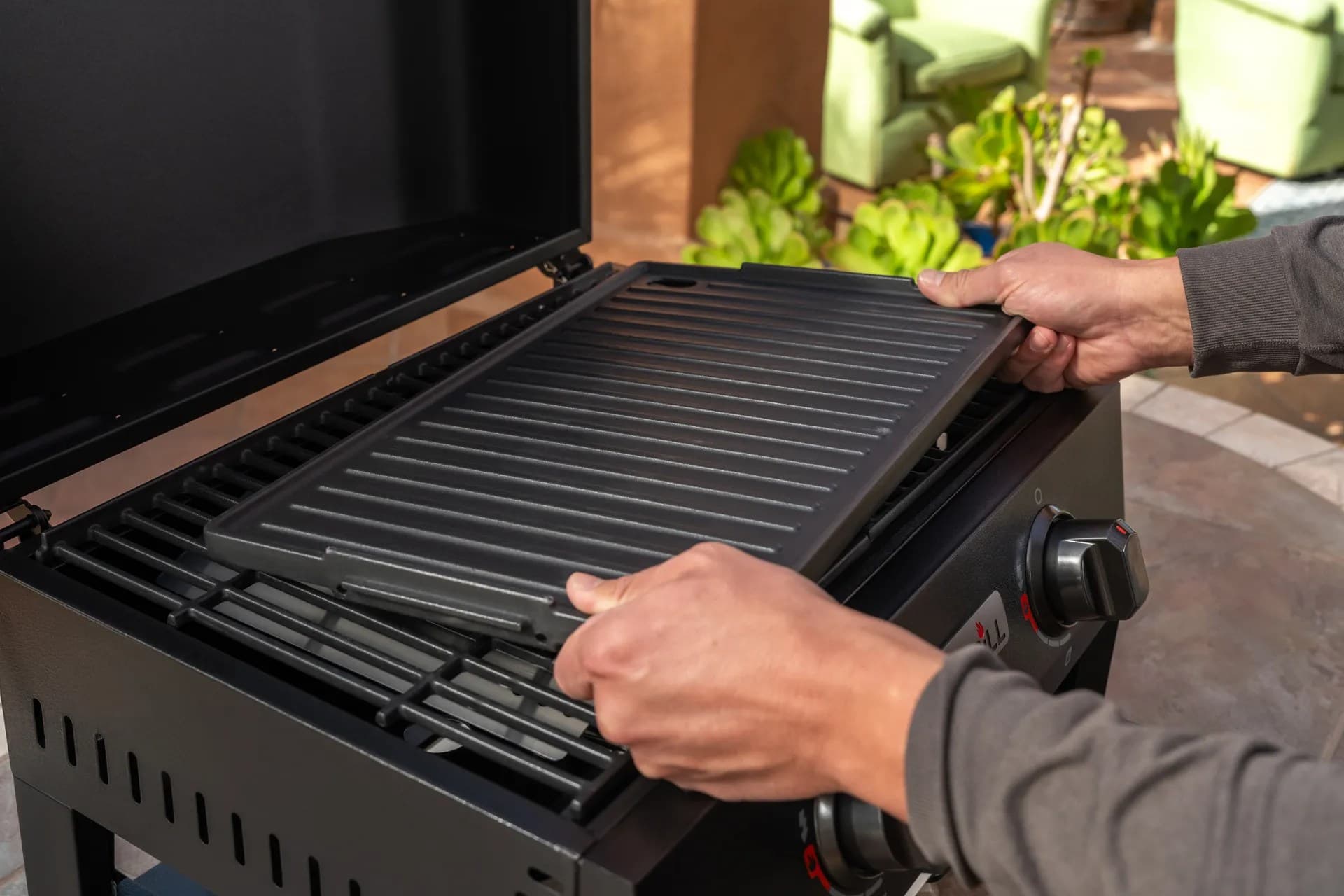
Practical guides for cleaning, maintenance, common grill issues, and performance optimization.
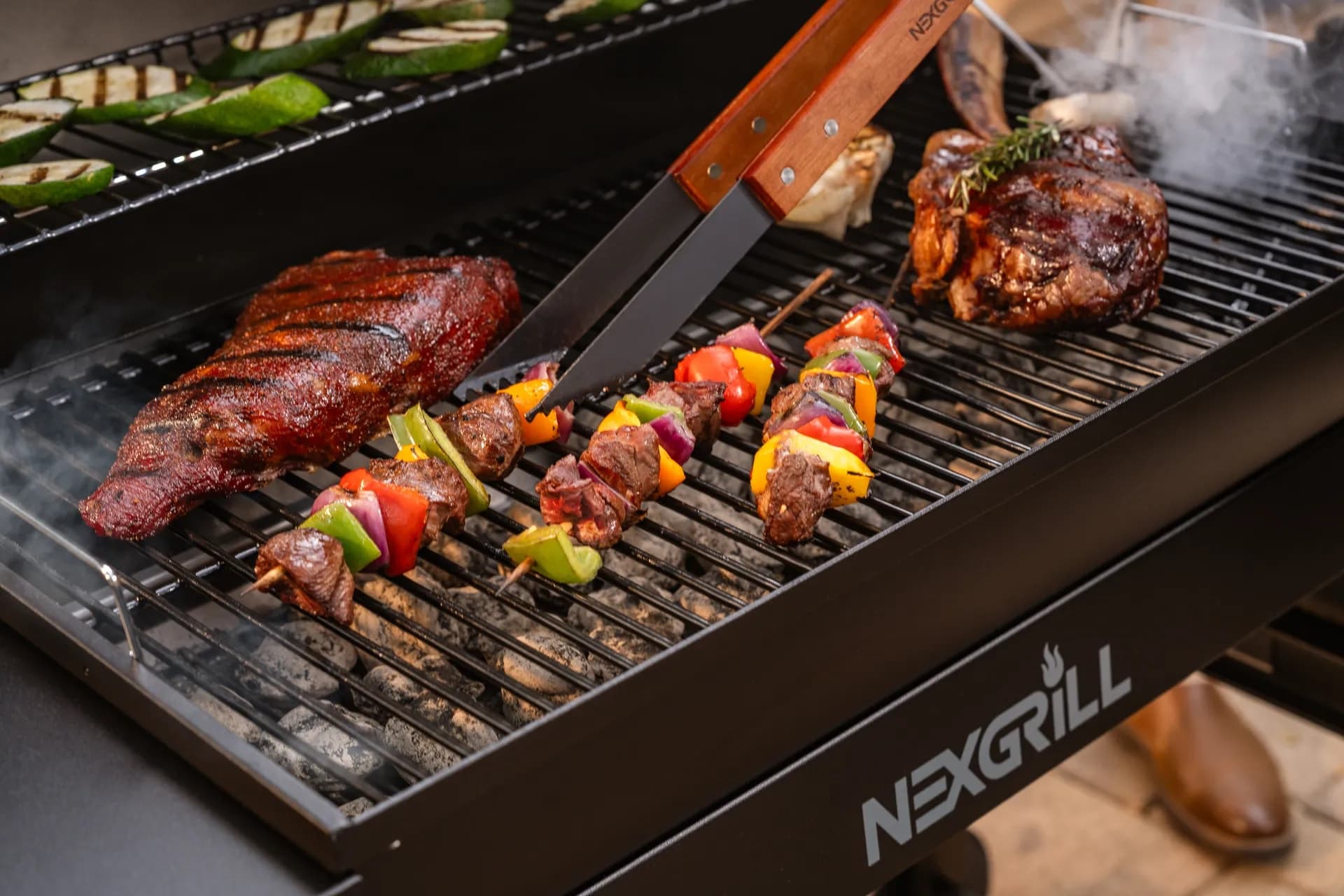
Step-by-step grilling recipes, cooking techniques, and meal ideas for every occasion and skill level.

Backyard entertaining ideas, seasonal grilling inspiration, and stories that celebrate outdoor cooking culture.
Helpful articles covering grilling tools, cookware, maintenance gear, and must-have accessories for outdoor cooking.
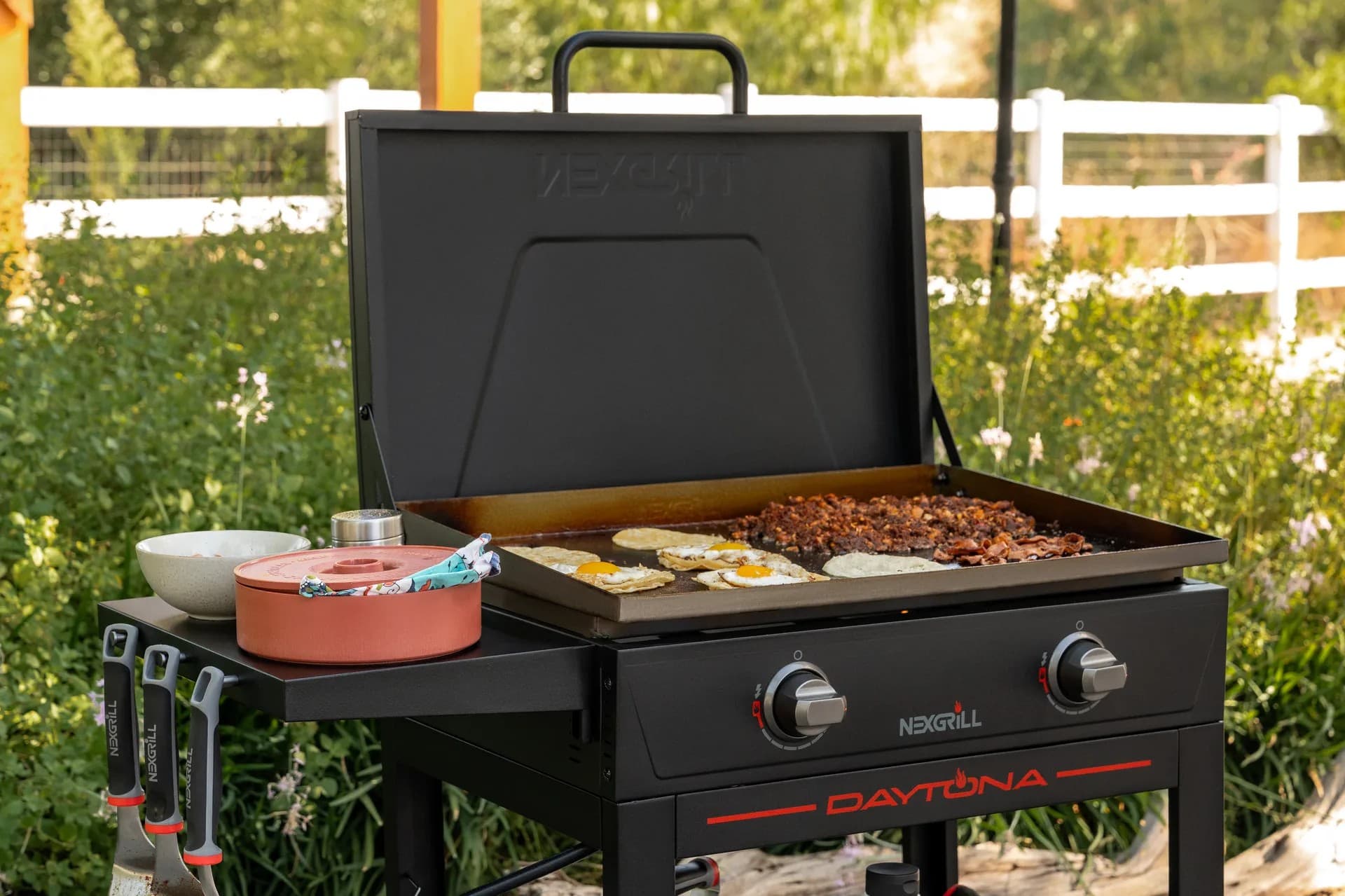
Find griddle recipes, cooking techniques, cleaning tips, and outdoor meal ideas designed for Nexgrill griddles.
Find answers to common questions
Nexgrill offers a variety of accessories including grill tools, covers, cooking utensils, and replacement parts designed to enhance your grilling experience.
Many Nexgrill accessories are widely compatible with various grill brands, but it is recommended to check the specifications for proper fit and functionality.
To maintain your Nexgrill accessories, regularly clean them with warm soapy water, avoid using abrasive materials that could scratch the surface, and store them in a dry place when not in use.
Yes, Nexgrill accessories can be purchased separately from the grills, allowing customers to customize their grilling setup as needed.
Instructions for using Nexgrill accessories are typically included in the packaging, and additional resources can be found on the Nexgrill website or in the product user manuals.
In This Article
Understanding Heat Adjustability
Price Ranges Explained
Top Models Reviewed
If you are comparing patio-heater-with-adjustable-heat-price options, the real value is not just the sticker number. It is how much control the heater gives you over comfort on different evenings, in different spaces, and for different kinds of gatherings. Adjustable heat matters because a patio that feels perfect on a calm 60-degree night can feel uncomfortably warm on a still 50-degree evening once the heater is set too high. That is why buyers increasingly look for models that let them move from a low, steady glow to a stronger output without having to replace the unit or overspend on features they will never use.
In practical terms, adjustable heat settings help you stretch the value of a patio heater across more months of the year. A family in the United States may only need a gentle setting for early fall dinners, but a higher setting for winter tailgates, game nights, or a covered deck with more airflow. For restaurant-style patios or larger backyard entertaining areas, the ability to fine-tune heat also helps reduce wasted fuel and improves guest comfort. That flexibility is one reason adjustable models often sit in the mid-range of the market rather than the very lowest price tier.
The most useful patio heaters are the ones you can dial in, not just turn on. Adjustable heat extends usability and helps match output to the actual space.
Usually means better comfort and less fuel waste over the season.
Because shoppers often compare propane, electric, and infrared heaters in the same search, it helps to understand how each category handles adjustability. Some offer true multi-level heat control, while others rely on power settings, thermostat-like controls, or distance-based warming that feels adjustable in practice even if the hardware works differently. The best choice depends on your layout, how often you entertain, and whether you want mobility, plug-in convenience, or more concentrated radiant heat.
For Nexgrill-minded buyers who care about value, the goal is to find a heater that feels dependable without overpaying for features that do not change the experience. That often means comparing ignition style, heat range, fuel consumption, and the size of the area you want to warm before focusing on brand names alone. Think of adjustable heat as a comfort control, but also as a budgeting tool: the right setting can help manage usage and keep the patio usable for more of the year.
The three most common patio-heater categories solve the same problem in different ways. Propane heaters are the most portable and are usually the first stop for homeowners who want to move heat from the deck to the driveway, or from one side of a backyard to another. They are common around open patios because they do not need a wall outlet, and many models offer multiple heat levels. The trade-off is fuel management: you will need to monitor tank supply and accept that the amount of heat changes with the selected output.
Electric patio heaters appeal to buyers who want simplicity. They often plug in, switch on, and provide controlled heat with fewer setup steps than fuel-based models. Adjustable heat on electric units may show up as low, medium, and high modes or as a thermostat-controlled range. They can be attractive for covered spaces, smaller patios, or locations where storage space is limited. The main limitation is that they depend on access to power and may not deliver the same broad, open-area warming feel as a large propane tower.
Infrared heaters use radiant energy to warm people and objects more directly instead of trying to heat all the air around them. That is especially useful in breezier environments, because the warmth is felt faster and tends to hold up better when air movement would otherwise disperse warm air. Adjustable infrared models may offer variable output levels or focused directional placement. This is one reason they are often favored for seating zones, dining tables, and covered outdoor rooms where you want targeted comfort rather than full-area heating.
| Type | How adjustable heat works | Best use case | Main trade-off |
|---|---|---|---|
| Propane | Manual heat knobs or output settings on the burner | Open patios, flexible placement, larger gatherings | Requires tank management and refills |
| Electric | Multiple power modes or thermostat-style control | Smaller spaces, easy everyday use, covered areas | Needs an outlet and sufficient electrical capacity |
| Infrared | Variable radiant output or directional heating levels | Dining zones, breezy patios, targeted comfort | Heats people more than the whole air volume |
If your space is windy or open to the elements, radiant styles often feel more effective than heaters that only warm the surrounding air.
For shoppers trying to narrow the field quickly, the best question is not “Which heater is strongest?” It is “Which heater is easiest to live with in my exact setup?” A propane model may win on mobility, an electric model may win on convenience, and an infrared model may win on directional comfort. Adjustable heat matters in all three categories, but it serves a slightly different role in each.
Adjustable heat settings make a patio heater more practical because outdoor temperatures are not fixed. One evening may need only enough warmth to take the chill off, while another may call for stronger output after sunset or during shoulder-season weather. A heater with only one intensity setting can be frustrating in those in-between conditions. Adjustable output lets you avoid overheating guests, and that matters because comfort is as much about moderation as it is about maximum power.
Another advantage is efficiency. When you can lower the output during mild weather, you are often using less fuel or electricity than you would with a heater that runs flat out all the time. Over a season, that can make a real difference in operating cost, especially for households that use the heater frequently. It also tends to make the heater feel more versatile. You can use one unit for a quiet dinner, a small family gathering, or a larger event without changing equipment.
Adjustability is valuable because it matches the heater to the moment. That usually improves comfort more than simply buying the highest-output model.
There is also a placement benefit. A lower setting can work well in a partially enclosed space, while a higher setting may be better for an open patio with some air movement. That means the same heater can adapt to a patio on the house side during one gathering and a more open seating zone during another. For buyers comparing patio-heater-with-adjustable-heat-price options, that flexibility often justifies paying a little more than entry-level pricing.
Try comparing two products side by side below to see which fits best:
Once you've weighed two options against each other, the next question is what you are actually paying for. Patio heater pricing in the United States varies widely, and adjustable heat is one of the features that pushes a model beyond the most basic entry tier. In general, electric tabletop or compact units tend to sit at the lower end, mid-height propane patio heaters often occupy the middle of the market, and premium infrared or commercial-style heaters can land higher because they add stronger materials, better coverage, and more precise output control. These are estimates, not fixed rules, but they are useful for setting expectations before you start shopping.
| Price band USD | Typical features | What you are likely paying for |
|---|---|---|
| Under $100 | Compact electric units, limited output settings | Basic convenience and small-area warmth |
| $100-$250 | Entry propane and better electric heaters | More consistent heat control and better build quality |
| $250-$500 | Full-size propane models, stronger adjustable output | Larger coverage and more durable construction |
| $500 and up | Premium infrared or commercial-oriented heaters | Higher-end materials, refined controls, broader or more focused coverage |
Several factors shape that price range. Heating method matters first, because propane units require a fuel-safe frame, burner assembly, and storage design, while electric models shift some cost into heating elements and control components. Materials matter too. Stainless steel, weather-resistant finishes, and sturdier bases usually raise the price but can also improve long-term ownership value. Height, coverage area, and mobility features such as wheels or folding components can also influence cost. Even the quality of the ignition system or the simplicity of the controls may nudge a product up or down in price.
A higher price does not always mean more warmth. Sometimes it means easier control, better stability, or longer-lasting materials.
Because this article is focused on buyer intent, the most helpful way to review models is by use case rather than by hype. In user-facing reviews, adjustable heat is usually praised when the controls feel intuitive and the comfort difference between low and high settings is noticeable. Shoppers often describe the best models as the ones that let them start the evening on low and step up only if the temperature drops later. That kind of gradual control is especially helpful for families with mixed comfort preferences or for hosts who want one seating area warm without turning the whole patio into a heat source.
For compact spaces, electric patio heaters with adjustable output often earn positive feedback because they are quiet, simple, and easy to place near a conversation area. A reviewer on a major retailer site may note that the unit made a covered balcony usable much later into the season, which is exactly the kind of real-world result most buyers want to hear. For larger patios, propane heaters are usually reviewed more favorably when they have stable bases, dependable ignition, and output levels that can be dialed down for smaller groups. Users appreciate not having to run the unit at full force just because they want a little extra comfort.
Infrared models often get credit for feeling efficient in breezy environments. Rather than waiting for the air to warm around a table, people feel the heat faster when sitting within the beam. That makes them attractive for dinner seating, covered porches, or spaces where wind would reduce the effectiveness of other styles. When reading reviews, focus on comments about warmth consistency, ease of adjustment, and whether the heater feels overpowered or underpowered for the area. Those are more useful than vague star ratings alone.
Look for reviews that mention the actual space size, not just the product name. A heater that works for one patio may be too much or too little for another.
Adjustable heat is useful only if the heater remains clean, stable, and safe to use. For propane heaters, check hoses, valves, and connections before each season and store fuel cylinders according to the manufacturer guidance. For electric heaters, inspect the cord, plug, and outlet condition regularly, especially if the unit is moved often. For infrared heaters, keep reflective surfaces and elements free of dust buildup so the heater can perform consistently. Cleaning the exterior, base, and venting areas also helps preserve the heater's appearance and function.
Safety should always guide placement. Keep patio heaters on level ground, away from overhanging materials, curtains, low branches, and anything that could be affected by heat. If you are using a propane unit, allow enough open clearance around the heater and make sure children and pets know the unit is not a touch-safe object. Electric heaters need particular attention around cords and moisture. Even a well-built heater can become a problem if it is placed where traffic, tipping, or weather exposure creates risk.
The simplest safety habit is also the most effective: use the lowest setting that keeps guests comfortable, then increase only when needed.
The best patio-heater-with-adjustable-heat-price choice is the one that matches your space, your power source, and your comfort expectations. If you want mobility and broad patio coverage, a propane model is often the strongest all-around option. If you want simplicity and predictable operation near an outlet, electric may be the smarter buy. If you want fast, directional warmth in a breezy setting, infrared often delivers the most practical experience. In every case, adjustable heat adds real value because it lets you control comfort instead of settling for one fixed output level.
Before you buy, compare the cost of ownership, not just the upfront price. Think about fuel use, storage, the size of the area you want to heat, and how often you will use the heater during a typical month in the United States. That approach usually leads to a better long-term decision than chasing the cheapest unit or the most powerful one. And if you want a more exact recommendation, compare two models side by side below to see which one fits your patio, your budget, and your routine best.
Here's what sets us apart
We position ourselves as delivering high-end outdoor cooking features and performance without premium-brand pricing, emphasizing “Quality Grills. Unbelievable Value.”
We offer gas grills, pellet grills, griddles, smokers, pizza ovens, portable/tabletop grills, electric grills, accessories, and replacement parts — allowing customers to stay within one ecosystem for all outdoor cooking needs.
We differentiate ourselves through smart grilling products like the Oakford smart pellet grill, including app-connected cooking controls and modern outdoor cooking technology.
Don't just take our word for it
Keep reading
From our catalog