
An in-depth analysis of top patio heaters featuring adjustable heat controls to enhance your outdoor comfort.

Here's what sets us apart from the competition
We position ourselves as delivering high-end outdoor cooking features and performance without premium-brand pricing, emphasizing “Quality Grills. Unbelievable Value.”
We offer gas grills, pellet grills, griddles, smokers, pizza ovens, portable/tabletop grills, electric grills, accessories, and replacement parts — allowing customers to stay within one ecosystem for all outdoor cooking needs.
We differentiate ourselves through smart grilling products like the Oakford smart pellet grill, including app-connected cooking controls and modern outdoor cooking technology.

Expert tips, buying guides, comparisons, and inspiration for choosing and getting the most out of your grill.
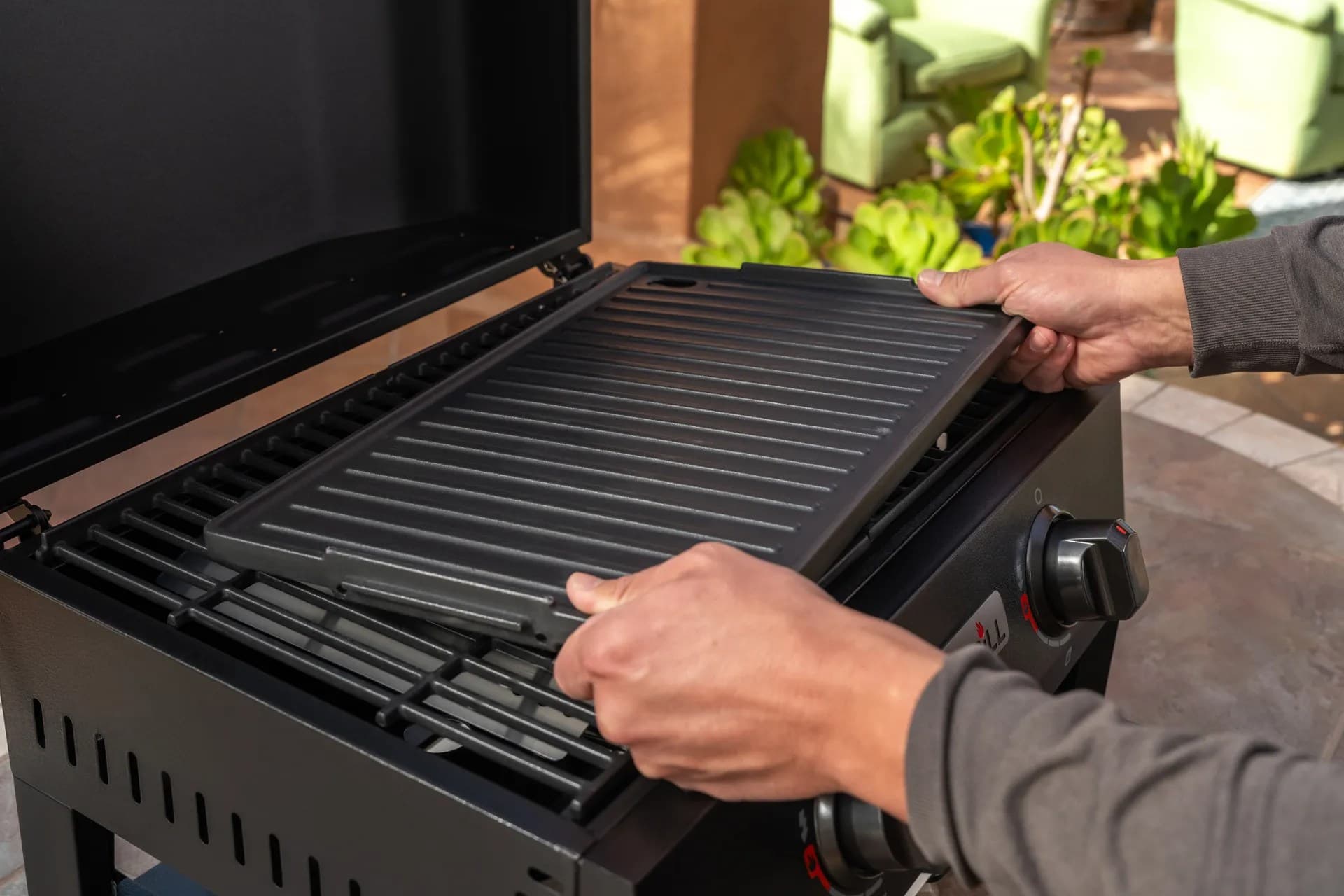
Practical guides for cleaning, maintenance, common grill issues, and performance optimization.
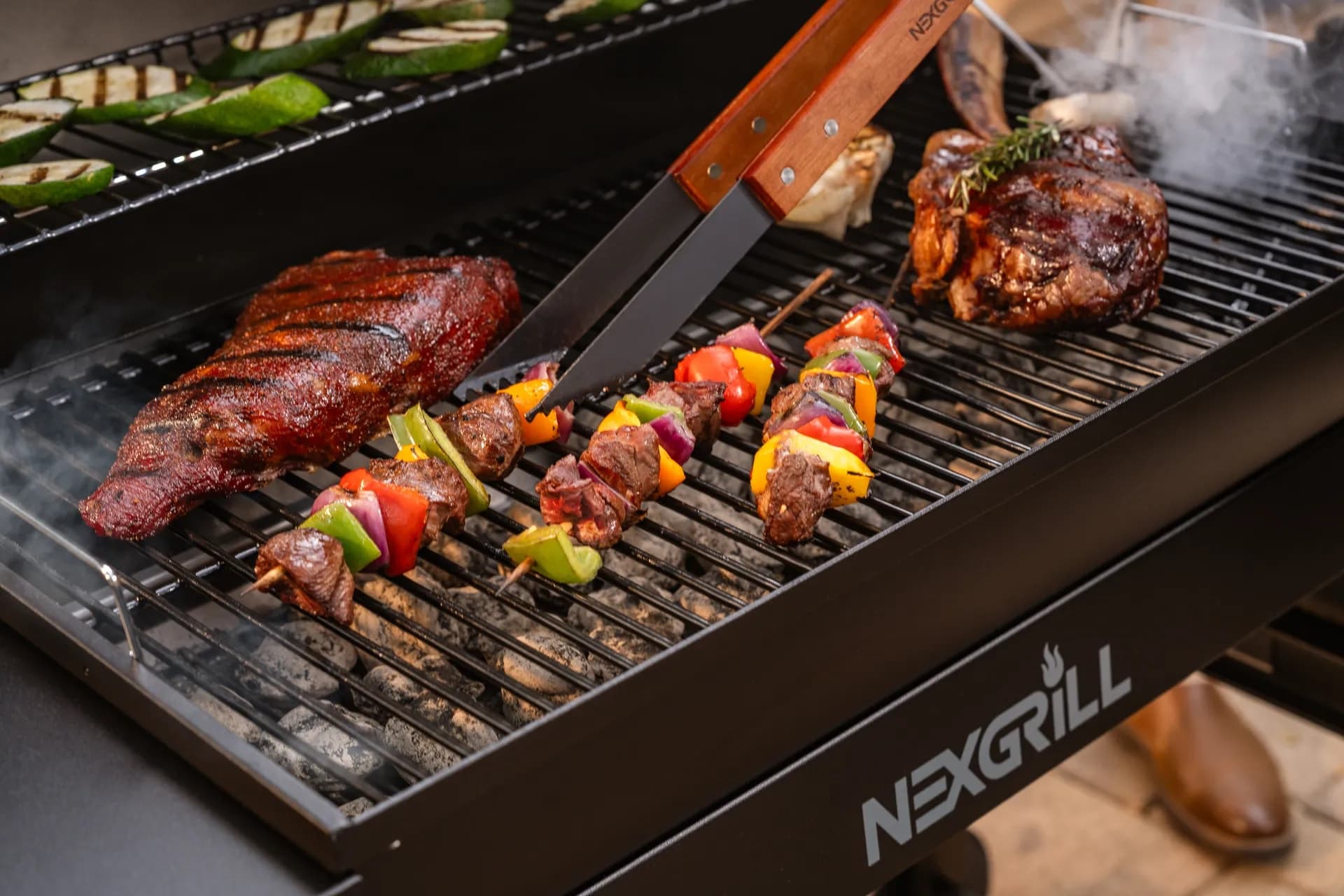
Step-by-step grilling recipes, cooking techniques, and meal ideas for every occasion and skill level.

Backyard entertaining ideas, seasonal grilling inspiration, and stories that celebrate outdoor cooking culture.
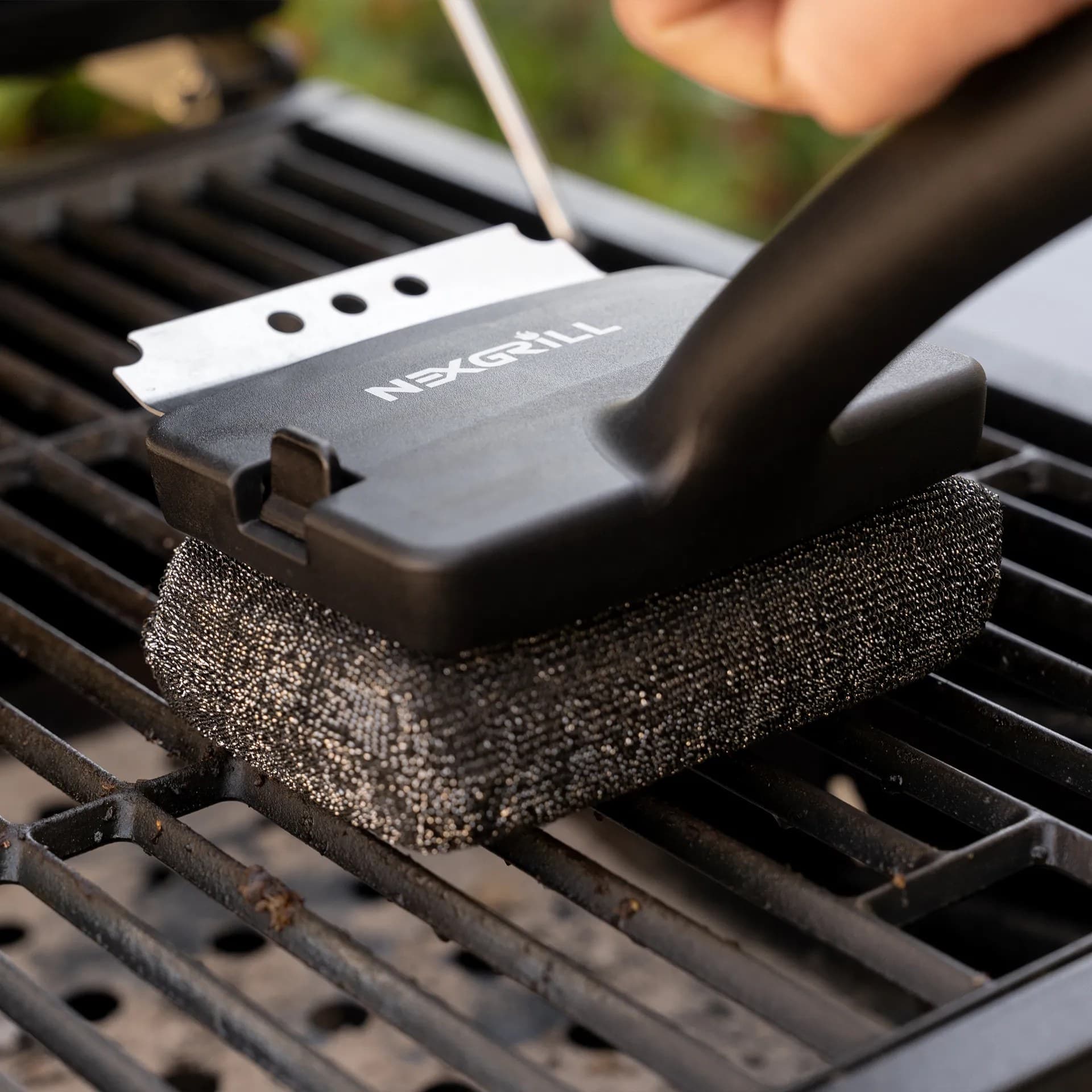
Helpful articles covering grilling tools, cookware, maintenance gear, and must-have accessories for outdoor cooking.
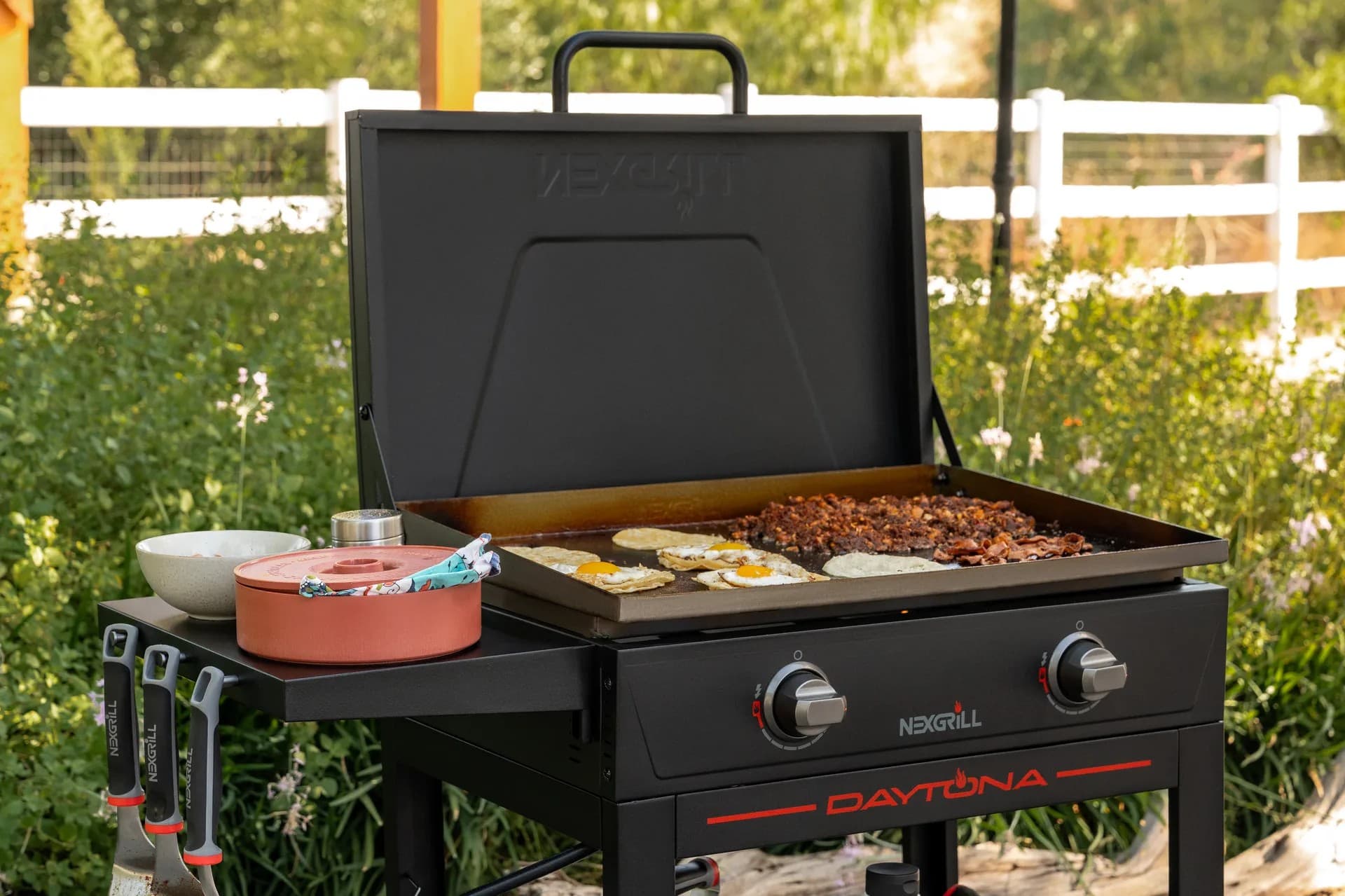
Find griddle recipes, cooking techniques, cleaning tips, and outdoor meal ideas designed for Nexgrill griddles.
Find answers to common questions
Nexgrill offers a variety of grills including gas, charcoal, and pellet grills, catering to different cooking preferences and styles.
Nexgrill is headquartered in California and serves a global market, primarily through retail partnerships such as Home Depot.
Yes, replacement parts are available for various Nexgrill products, and you can find them on the Nexgrill website or through authorized retail partners.
You can reach out to Nexgrill for support through their contact page on the website, where you will find options for phone and email inquiries.
Nexgrill products come with specific warranty terms, which can vary by product; it is recommended to check the warranty details on the product page or in the user manual.
In This Article
Top Picks
Key Features
User Insights
When shoppers look for a patio heater with adjustable heat review, they are usually trying to solve a very specific problem: how to stay comfortable outdoors without blasting the same amount of heat all evening. That matters more than it first appears. A fixed-output heater can be perfectly fine on a mild night, but once the temperature changes, the wind picks up, or guests move closer to the table, the ability to step heat up or down turns a simple appliance into a more usable part of the patio setup. In this review, the focus is not just on which heaters get warm, but on how well they let you control comfort in real conditions.
The adjustable-heat category is broader than many buyers expect. It includes propane patio heaters with variable burners, electric models with multiple power levels, and infrared heaters that often use staged output or directional control to focus warmth. Each type behaves differently. Propane heaters tend to offer higher total output and a broader heating footprint. Electric models are easier to place and often simpler to operate, especially for smaller patios or partially enclosed spaces. Infrared heaters can feel more immediate because they warm people and surfaces directly rather than trying to heat all the air around them. The right choice depends on where you sit, how often you move seating around, and whether your priority is maximum output, efficiency, quiet operation, or convenience.
Propane, electric, and infrared each handle adjustable heat differently.
The strongest reviews of adjustable patio heaters usually pay attention to details that product pages leave out. For example, a heater may advertise multiple settings, but if the lowest setting still feels too hot for a close conversation area, or if the control steps are too wide to fine-tune comfort, the adjustability is less useful than it sounds. Likewise, a model with impressive BTUs or watts can still disappoint if it loses too much heat to wind, has weak placement options, or is awkward to move once the weather changes. In other words, adjustable heat is valuable only when it translates into real flexibility on a patio, deck, balcony, or poolside seating area.
For readers comparing models, the most helpful approach is to evaluate the heater the same way you would use it: on a cool evening with a small group, during a longer gathering when temperatures drift, and in the exact outdoor layout you already have. A good review should make it easier to answer practical questions like whether you need a tall standing heater for a dining table, a tabletop heater for close-range warmth, or a wall-mounted infrared option that stays out of the way. That is the angle taken throughout this guide, with an emphasis on control, comfort, and everyday usability rather than marketing language.
Adjustable heat settings are valuable because outdoor conditions change constantly. One evening may feel calm and mild; the next may bring wind, moisture, or a larger guest count that makes the same heater feel underpowered. A heater with adjustable output lets you respond instead of overbuying heat for every scenario. In practical terms, that means you can run a lower setting when people are seated close together, then raise output when the wind rises or when guests drift farther from the heat source. That flexibility helps reduce wasted energy and can make the patio feel more comfortable because the heater is not forcing everyone to overheat just to keep one corner warm.
There are also differences in how adjustability is implemented. On propane models, adjustability often comes from a gas control valve that changes flame intensity. On electric patio heaters, it is usually a selectable wattage level, sometimes paired with a remote control or digital panel. On infrared units, the heater may be designed to direct heat more precisely, so the adjustable element is often less about raw intensity and more about how much power the unit sends to the warming element. This distinction matters because two heaters can both advertise multiple settings while feeling very different in use. One may shift smoothly between low and high, while another may jump from mild to intense with little in between.
Tip: the best adjustable setting is the one you will actually use. If the low setting is too weak or the high setting is too aggressive, the feature becomes less helpful than a simpler, more consistent heater.
When reading reviews, look for comments about control granularity, not just heat output. Granularity means how many practical steps the heater offers and whether those steps feel meaningfully different. A patio heater with three clear levels may be more useful than one with a vague dial if the controls make it easy to settle on a comfortable temperature. Buyers should also consider whether the heater starts at a usable low level. A low setting is especially helpful on shoulder-season nights, around smaller conversation zones, or when children and pets are nearby and you want to avoid excessive radiant heat.
A second point is placement. Adjustable heat works best when the heater’s coverage matches the seating layout. A high-output propane unit can be excellent for a larger open patio, but if most of your gatherings happen around a compact table, you may get more value from a lower-output model with better control. This is why adjustable heat should not be treated as a standalone feature. It should be paired with the heater’s shape, height, fuel source, and intended use. If those elements are aligned, adjustability becomes a genuine comfort advantage instead of a checkbox on the spec sheet.
The top-rated adjustable patio heaters tend to fall into three user-friendly categories: tall propane units for open entertaining spaces, electric heaters for convenience and predictable operation, and infrared models for direct, focused warmth. In many recent review roundups, East Oak is often highlighted for straightforward patio-friendly designs and accessible controls, while Cuisinart models frequently appeal to buyers who want a familiar consumer brand with compact outdoor-heating options. Editorial lists from outlets such as Tom’s Guide, Bob Vila, and Architectural Digest also show that buyers value a balance of output, portability, and simple adjustment mechanisms rather than raw size alone.
| Heater type | Best for | Strength of adjustable heat | Typical trade-off |
|---|---|---|---|
| Propane standing heater | Open patios and social seating areas | Strong flame-based output with clear low-to-high control | Requires fuel refills and more outdoor clearance |
| Electric patio heater | Smaller patios, balconies, and easy setup | Simple power-level adjustments and steady operation | Usually lower maximum heat than large propane units |
| Infrared heater | Focused seating zones and drafty corners | Fast-feeling directional warmth with good control | Best when people stay within the beam of heat |
For buyers comparing specific models, the most useful review language usually centers on how the heater feels in use. East Oak-style propane heaters are often praised for being easy to understand and for delivering a familiar patio-heater experience: quick warmth, visible flame, and a control knob that makes it easy to reduce output when the group gets too warm. Cuisinart-branded outdoor heaters are often attractive to people who want compact form factors, simpler storage, and a lower barrier to entry for casual seasonal use. The key is not which brand has the flashiest feature list, but which model’s adjustment pattern matches your outdoor routine.
If your patio use is mostly weekend dinners, the best option is usually a heater that warms quickly and lets you pull back output before people start moving away from the heat. If you host longer gatherings, the ideal model is one that can maintain a comfortable middle setting without cycling or feeling uneven. For apartment balconies or smaller terraces, a compact electric model with multiple settings is often more practical than a large propane tower because the adjustability is easier to use in tight spaces. Try comparing two products side by side below to see which fits best:
Performance is where adjustable heat heaters separate from one another. The first thing most buyers notice is output, but output alone does not tell the whole story. A heater can have a strong maximum rating and still feel less effective than a smaller unit if the heat is poorly directed or if the low setting is unusably weak. In outdoor use, what matters most is how the heater distributes warmth across your seating area, how fast it responds to adjustments, and whether the controls let you fine-tune comfort without overcorrecting.
BTU output remains important for propane models because it gives a rough sense of available heat, but reviews should interpret that number cautiously. Higher BTUs can help on breezy nights, yet they also increase the need for thoughtful placement and fuel management. Electric heaters are often judged more by wattage and consistent radiant performance than by raw burst heat. Infrared heaters deserve attention for responsiveness, because they often feel warmer sooner after turning on, especially when aimed at seated people rather than open air. The common thread is that adjustable heat should make each of those systems more usable, not just more complicated.
Warning: a heater that is too powerful for a small patio can create discomfort just as easily as a weak heater can. Match heat level to room size, not just to the highest rating on the box.
Portability also changes how people evaluate adjustable heaters. A wheeled propane tower may be easier to reposition than a wall-mounted infrared unit, but a lightweight electric heater may be even simpler if you only need warmth in one or two spots. For many shoppers, the best product is the one that fits the way they already use the space. If your furniture shifts seasonally, portability matters more. If your outdoor layout is fixed, stable mounting and directional heat control may matter more. Adjustable heat is at its most useful when it complements movement, not when it complicates it.
Another feature worth comparing is safety behavior during adjustments. Some models offer tip-over protection, overheat shutoff, or stable bases that make it easier to change settings without worrying about the unit moving or feeling unstable. That is especially important on uneven decks or around active gatherings. In real-world use, the best-reviewed patio heaters are often not the ones with the highest number of technical features, but the ones that make those features feel reassuring and intuitive. If the heat dial is easy to understand, the base is sturdy, and the warmth is predictable, the heater becomes easier to live with throughout the season.
User feedback on adjustable patio heaters is usually most helpful when it describes habits rather than hype. Shoppers consistently want to know whether the heater keeps a small gathering comfortable, whether the low setting is genuinely useful, and whether the unit feels worth the footprint it occupies. Across consumer reviews, one of the most common compliments is that adjustable heat lets people keep the patio usable longer into the season without running the heater at maximum output the entire time. That can translate into a more pleasant atmosphere because guests are less likely to be blasted by heat when they are sitting close to the unit.
A common positive theme in reviews of propane heaters is instant familiarity. Buyers like that they can feel heat quickly and turn it down when the setting feels too strong. Users often mention that this works best during mixed gatherings, where some people are seated near the heater and others are farther away. Electric heater users, on the other hand, often praise ease of use: plug it in, select a setting, and enjoy steady warmth with less fuss. Infrared heater reviewers frequently highlight how directional warmth makes smaller spaces feel more efficient, especially when the seating arrangement is stable and the goal is to keep a few people comfortable rather than warm a whole yard.
Not all experiences are positive, and those criticisms are useful. Some users say the adjustment range is too narrow, meaning the difference between low and high is not practical enough for changing weather. Others note that taller outdoor heaters can be sensitive to wind or take up more visual space than expected. Electric buyers sometimes wish for more power when temperatures drop sharply. These comments are valuable because they reveal a pattern: the best adjustable heater is not necessarily the one with the most settings, but the one whose settings are meaningful in everyday use. That is why reading reviews from homeowners with similar patio sizes and weather conditions can be more informative than reading star ratings alone.
Proper maintenance matters because adjustable patio heaters have moving parts, control systems, and heat-producing components that need to stay clean and protected. A well-maintained heater is more likely to respond consistently when you change settings, which is part of the value of the product in the first place. For propane heaters, regular inspection of the burner area, ignition components, and gas connections helps prevent problems before they affect performance. For electric and infrared units, keeping vents and radiant surfaces clean supports even operation and reduces buildup that can interfere with heat output.
One of the easiest habits is to store the heater properly between uses. If the model is designed to remain outdoors, use a fitted cover and position it where it is less exposed to rain and debris. If it is portable, bring it inside or into protected storage when the season ends. Check for loose hardware, wear on wheels or base components, and any accumulation of dust or insects around the control area. These small checks matter because adjustable heat depends on precise operation. A dial or switch that becomes stiff or contaminated may not deliver the same level of control over time.
Cleaning should also be matched to fuel type. Propane models benefit from periodic wipe-downs and visual inspections around the tank area and heat emitter. Electric heaters should be unplugged before cleaning, and any dust near the element or housing should be removed gently according to manufacturer guidance. For infrared units, protecting the emitter surface from scratches and buildup helps preserve directional performance. If your heater includes safety shutoff features, test them only as recommended in the manual and never bypass them. The goal is to keep the heater responsive, safe, and easy to adjust for many seasons, not just one.
The best patio heater with adjustable heat is the one that makes your outdoor space feel usable in more than one weather condition. That simple idea explains why adjustability matters so much: it helps the heater adapt to the evening instead of forcing you to adapt to the heater. If you need strong warmth for an open patio, a propane model with a clear low-to-high range may be the best fit. If you want simpler operation in a smaller setting, an electric model with selectable levels may be more practical. If your goal is fast, targeted warmth for a defined seating zone, infrared can be the most satisfying choice.
The most reliable reviews look beyond headline output and focus on control, comfort, and the way a heater behaves in real use. That is the standard worth applying before buying. Compare how much heat you need, how often your layout changes, and whether you value portability more than maximum output. When those answers are clear, adjustable heat stops being a marketing term and becomes a feature that genuinely improves outdoor living.
Once you have a sense of how two heaters compare side by side, the next question is whether either one actually fits your space, your weather, and your habits. That is the real value of a patio heater: not simply naming a winner, but showing how heat control changes the way a patio feels from one evening to the next. Adjustable heat is especially useful in the United States, where spring and fall can bring large temperature swings between sunset and late evening, and where even a mild breeze can change comfort by several degrees. A heater that can dial up or back down gives you more control over that experience.
The strongest patio heater reviews tend to separate the product category into practical use cases. Some buyers want a tall propane heater to anchor a backyard seating area. Others need a compact electric heater for a smaller deck. Still others want infrared warmth that feels immediate in a drafty corner. In this article, the emphasis is on what those differences mean once the heater is actually in use: how the low setting feels, whether the high setting is too aggressive, how easy it is to move or store the heater, and whether the controls are intuitive enough to use without thinking about them. Those are the factors that determine whether the heater becomes part of your routine or stays in the garage after a few weekends.
Comfort depends on control, placement, and the right heater type for your patio.
For shoppers comparing East Oak, Cuisinart, and similar brands, the most useful framing is to ask what problem each model solves. East Oak-style patio heaters are often chosen for straightforward adjustable output and outdoor-friendly standing designs. Cuisinart models can appeal to people who want a familiar consumer brand and a simpler, more compact footprint. Other reputable entries in review roundups from Tom’s Guide, Bob Vila, and Architectural Digest often win praise when they strike a balance between output and easy control rather than chasing the highest possible number on the spec sheet . That balance is especially important for buyers who do not want to overheat a seating area just to warm the people at the edge of it.
This review is deliberately focused on adjustability because that is what usually changes daily satisfaction. A patio heater can be powerful, attractive, and well built, but if it only works well on one setting, it may be less practical than a smaller heater with a more usable control range. The goal below is to help you read reviews more critically, compare what actually matters, and choose a heater that matches the way your outdoor space works in real life.
Adjustable heat settings are not just about convenience; they are about matching the heater to changing conditions. Outdoor spaces are less predictable than indoor rooms. The same patio that feels pleasant at dusk can feel cold an hour later, especially if the wind picks up or guests move away from the heat source. Adjustable output lets you respond without changing the entire setup. That can improve comfort, reduce unnecessary fuel use, and make it easier to keep a conversation area pleasant for longer periods.
The way adjustability works depends on the heater type. Propane heaters usually use a gas control knob to change flame intensity, which can provide a satisfying visual cue and a fairly wide range of output. Electric heaters often use set power levels or a digital control panel, making them easy to operate and repeat from one evening to the next. Infrared heaters often feel especially efficient because they direct radiant energy toward people and objects rather than trying to heat all the air in an open space. That distinction is important for buyers who sit in one spot for long periods and want warmth to feel immediate rather than delayed.
Info: a good adjustable heater should offer distinct, usable steps. If low, medium, and high all feel too similar, the control range is less valuable than it looks in the listing.
Adjustability is also tied to efficiency. Running a heater at maximum output all evening is rarely necessary and often uncomfortable for guests sitting close to it. A lower setting can make the patio more welcoming, especially for smaller groups or calmer weather. On the other hand, a stronger setting can help on cooler nights or in more open layouts. The key is not maximizing the setting you use; it is having options that let the heater adapt to the night.
When evaluating adjustable heat, think about the seating arrangement first. A tall standing heater may work best for open dining zones, while a tabletop or compact electric heater may be better for close-range conversation. If you often rearrange furniture, portability and control access matter more than maximum output. If your layout is fixed, a directional heater with good low-level performance may be the smarter buy. This is why adjustable heat should be judged in context rather than as an abstract feature.
The best-known patio heaters with adjustable heat settings usually fall into three practical groups. First are propane standing heaters, which remain popular for open-air patios because they deliver immediate warmth and clear control over output. Second are electric heaters, which appeal to buyers who want quieter operation, simpler start-up, and a more compact installation. Third are infrared heaters, which are especially useful when you want heat to feel concentrated and fast, rather than spread thinly across an entire yard. Review roundups from sources like Tom’s Guide, Bob Vila, and Architectural Digest regularly reflect these different priorities, with one model excelling in portability while another wins on heating consistency or ease of use .
| Model style | Best use case | Why adjustable heat helps | Potential limitation |
|---|---|---|---|
| Standing propane heater | Patios with multiple chairs or a dining set | Lets you increase output when the space opens up | Needs fuel and more clearance |
| Electric heater | Balconies, porches, and compact decks | Useful for steady, predictable low-to-medium warmth | May not satisfy larger outdoor areas |
| Infrared heater | Drafty corners and focused seating zones | Gives fast-feeling targeted comfort | Best when people stay within the radiant zone |
Among consumers, East Oak is often associated with easy outdoor setup and intuitive control, while Cuisinart is frequently appealing to buyers who prefer compact, approachable home products. The difference is not just branding; it is how the heater fits a real household. A larger backyard gathering may benefit more from a propane tower that can be turned down once the group settles in, while a smaller city patio may be better served by an electric or infrared model with simpler output levels. The best review will point out where each model feels honest about its strengths.
A useful way to shop is to imagine the heater on three different nights: a cool dry night, a windy night, and a night when guests sit close together. If the heater only feels right on one of those nights, it may not be the most adaptable option. If it feels comfortable across all three, the adjustable heat system is doing its job.
Performance comparisons should go beyond the biggest number in the spec sheet. A heater with a strong output rating is not automatically the best heater if it heats unevenly, is hard to control, or forces people to sit too far away. In practice, the best patio heater is the one that produces usable warmth at the distance where your guests actually sit. That means you should consider coverage pattern, response speed, and the quality of the adjustment control alongside raw output.
For propane heaters, BTU output is a useful indicator, but only as one piece of the story. A well-designed burner and reflector can often matter just as much as the rating itself. Electric heaters are better compared by how evenly they deliver heat and whether their settings are practical for the patio size. Infrared heaters are often praised because they seem to warm people quickly, which can be an advantage when you want comfort to feel immediate after sunset. The best adjustable models make those strengths easier to use by giving you a low setting for calm evenings and a higher setting for colder conditions.
Warning: bigger is not always better. An oversized heater on a small patio can create hot spots and make the space less comfortable.
Portability is another major feature. Wheeled propane heaters are attractive because they can be repositioned as seating changes, but they are still heavier and need fuel management. Electric heaters are often easier to place and simpler to store. Wall-mounted or ceiling-mounted infrared options save floor space and can be especially useful on covered patios where you want warmth without giving up movement. For many households, the best choice is the one that reduces friction: easy start-up, easy adjustment, and easy storage when the season ends.
Safety features deserve equal attention. Tip-over protection, stable bases, overheat protection, and dependable shutoff behavior are all important when a heater will be adjusted often. If you are changing settings during a gathering, the heater should feel stable and predictable. Good design makes the adjustment process feel easy rather than risky. That is particularly relevant for households with kids, pets, or frequently rearranged furniture.
User reviews add the missing layer that product specs cannot provide. Shoppers usually learn the most from comments about actual evenings on the patio: how long the heater takes to feel warm, whether the low setting is truly useful, and whether the highest setting is too intense for close seating. Across review sources, the most consistent praise goes to heaters that make temperature control easy to understand and easy to repeat. People like being able to set the heater once, settle into conversation, and make small changes as the evening cools down.
In many propane heater reviews, users appreciate the fast sense of warmth and the option to turn output down without shutting the heater off completely. That makes propane units especially attractive for groups that gather around a table and then drift into lounging. Electric users often say they value simplicity more than dramatic heat, especially in compact patios or covered porches where consistent warmth matters more than raw intensity. Infrared reviews often highlight the feeling of targeted comfort, particularly when the heater is aimed at the people who are sitting still. These patterns show why there is no single best heater for everyone.
Negative feedback is just as informative. Some users report that a heater’s adjustment range is too narrow, which can make the middle setting feel redundant. Others say that attractive design can come at the cost of stability in windy conditions. On the electric side, some buyers want more power than the heater can deliver in colder climates. The useful takeaway is that review language should be read against your own use case. If a complaint does not apply to your patio, it may not matter. But if several users mention the same weakness, especially around control or output balance, it is worth taking seriously.
The most trustworthy reviews usually sound practical, not dramatic. They talk about whether the heater made an evening more comfortable, whether the controls were easy to use with gloves on, and whether the unit needed frequent adjustment or could be left alone. Those are the details that tell you whether the heater will remain useful after the novelty wears off.
A patio heater with adjustable heat settings will stay useful longer if you treat the controls and heating components as part of a regular upkeep routine. For propane heaters, that means checking the burner area, connections, and tank area for wear, dirt, and anything that could affect consistent flame control. For electric and infrared heaters, keeping vents and elements clean helps preserve steady operation and responsive settings. Because adjustability depends on predictable performance, even small issues can change the way the heater feels in use.
Storage is one of the easiest ways to protect a heater. If the model is meant to remain outdoors, use a fitted cover and keep it in a location with as little direct weather exposure as possible. If it is portable, put it away during the off-season or when storms are expected. Wipe down surfaces periodically so dust and moisture do not build up around control areas. Also check wheels, bases, and fasteners because a heater that moves easily when you want it to should not wobble when it is in place.
Tip: a clean control dial or power panel is not just cosmetic. It helps preserve the precision that makes adjustable heat worth paying for.
If your heater uses a remote or digital control, replace batteries and keep the battery compartment dry. For infrared units, be careful not to scratch or obstruct the emitter surface. For propane heaters, make sure ignition and flame behavior stay consistent from one season to the next. A heater that is maintained well tends to preserve the very thing buyers want most from this category: the ability to choose the right amount of heat at the right moment.
The best patio heater with adjustable heat settings is the one that gives you control without adding frustration. That means the low setting should feel genuinely useful, the high setting should be reserved for colder moments, and the overall design should fit the space where you actually entertain. In larger, open patios, propane models remain a strong choice because they combine fast warmth with visible output and broad coverage. In compact spaces, electric or infrared heaters may be more practical because they are easier to place, simpler to operate, and often better suited to focused comfort.
If you are comparing models, the smartest approach is to judge them by your real evenings outside, not by a spec sheet alone. Ask how the heater behaves as temperatures drop, how easy it is to adjust in the middle of a gathering, and whether it still feels pleasant after an hour of use. The more naturally the controls fit your routine, the more satisfying the heater will be throughout the season.
Here's what sets us apart
We position ourselves as delivering high-end outdoor cooking features and performance without premium-brand pricing, emphasizing “Quality Grills. Unbelievable Value.”
We offer gas grills, pellet grills, griddles, smokers, pizza ovens, portable/tabletop grills, electric grills, accessories, and replacement parts — allowing customers to stay within one ecosystem for all outdoor cooking needs.
We differentiate ourselves through smart grilling products like the Oakford smart pellet grill, including app-connected cooking controls and modern outdoor cooking technology.
Don't just take our word for it
Keep reading
From our catalog