Mastering the Art of Grilling: Essential Techniques and Methods
A comprehensive guide to diverse grilling methods for perfect outdoor cooking.
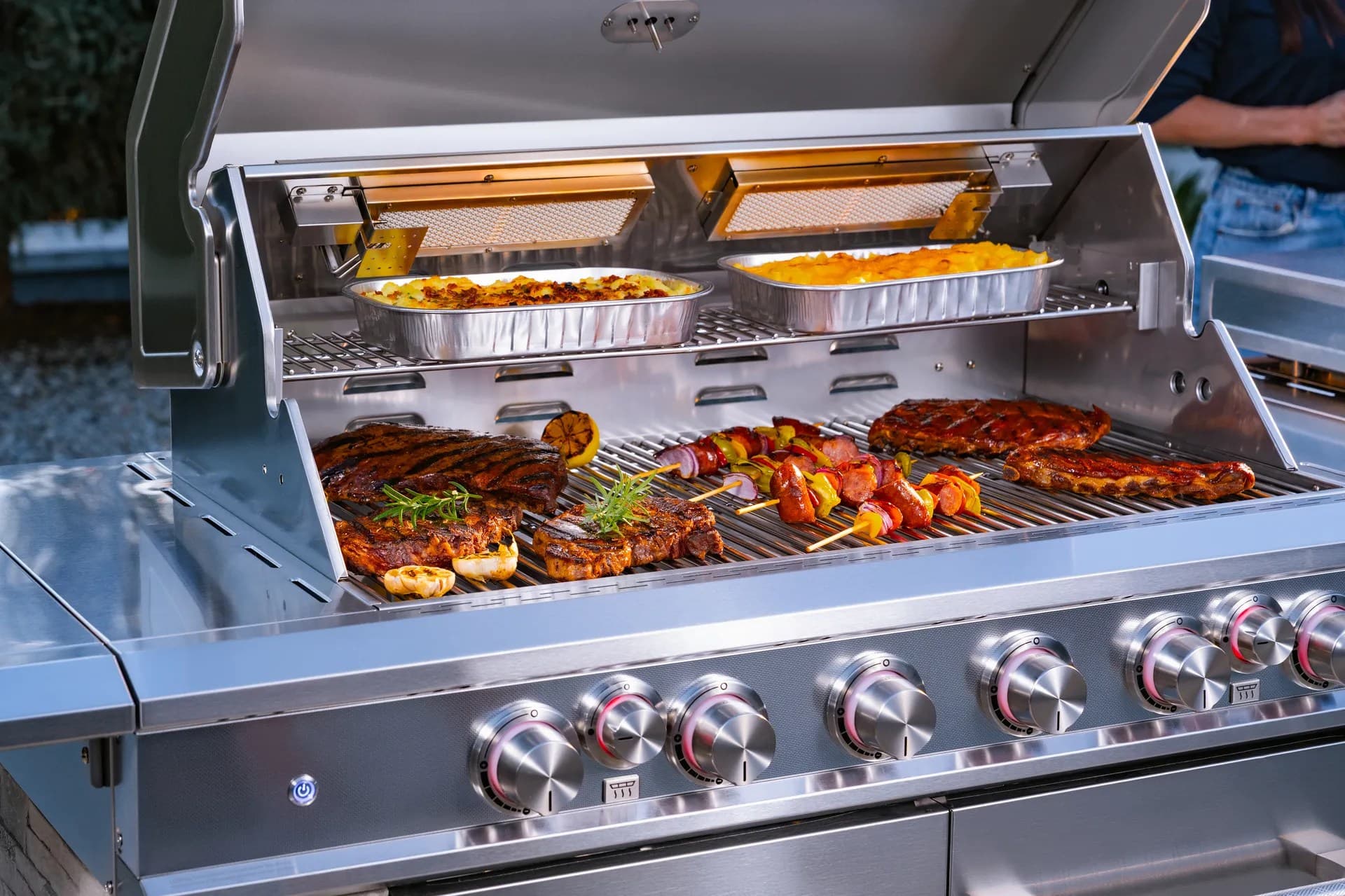
In This Article
Direct Grilling
Indirect Grilling
Two-Zone Grilling
Introduction to Grilling Techniques
The best grilling methods are not really about choosing one “right” way to cook outdoors. They are about matching heat, food, timing, and confidence. A weeknight chicken breast, a thick ribeye, a whole fish, a rack of ribs, and a tray of vegetables each respond differently to the fire. Once you understand how direct heat, indirect heat, two-zone setups, and low-and-slow smoking work, grilling stops feeling like guesswork and starts feeling repeatable. That is especially helpful for home cooks who want dependable results without overcomplicating dinner.
Nexgrill’s brand philosophy is built around making grilling feel welcoming and accessible, not intimidating. The company describes grilling as a shared experience that brings people together, and its tone emphasizes being approachable, dependable, and inclusive . That matters here because technique is easiest to learn when the goal is practical: cook the food well, keep the process safe, and enjoy the meal. You do not need to be a competition pitmaster to use advanced methods well. You just need to understand what the fire is doing.
At a high level, the cooking method you choose changes how quickly the surface of food browns, how evenly the interior cooks, and how much room you have to recover from small mistakes. Direct grilling works fast. Indirect grilling gives you breathing room. Two-zone grilling lets you move between both. Smoking adds time, airflow management, and wood flavor. When used intentionally, these methods cover almost every common backyard scenario.
If you only learn one grilling habit, learn to match the heat method to the shape and thickness of the food. Thin foods usually want direct heat; thicker foods usually need indirect finishing.
Core methods that cover most backyard grilling: direct, indirect, two-zone, and smoking
Understanding Heat Transfer in Grilling
Good grilling depends on understanding how heat moves. Conduction happens when food touches a hot grate, pan, stone, or plank. That contact creates the sear marks and surface browning people expect from grilling. Convection is the movement of hot air around the food, especially important when the lid is closed and the grill behaves more like an oven. Radiation is heat energy traveling directly from the flame, charcoal, or hot surfaces to the food. In practice, most grilling methods are a blend of all three.
This matters because different foods need different forms of heat emphasis. A thin zucchini slice can pick up enough color from conduction and radiation in a minute or two. A pork shoulder needs a much longer cook where convection and steady radiant heat help the interior become tender without scorching the exterior. If you know which form of heat is doing the work, you can better control flare-ups, drying, overbrowning, and uneven doneness.
In real backyard cooking, heat transfer also explains why lid position matters so much. Lid open grilling gives you more direct exposure and faster surface browning, which is great for thin cuts and quick flips. Lid closed grilling traps convective heat and stabilizes temperatures, which helps thicker foods and larger pieces cook through without burning the outside. A gas grill, charcoal grill, or pellet smoker can all support these methods, but the way you manage the lid changes the result dramatically.
| Heat transfer | What it does | Best use on the grill |
|---|---|---|
| Conduction | Transfers heat through direct contact | Searing steaks, browning vegetables, grill marks |
| Convection | Moves hot air around food | Roasting larger cuts with the lid closed |
| Radiation | Cooks food with direct energy from flames or coals | Fast browning, intense surface cooking, charcoal flavor |
A common mistake is chasing dark grill marks while ignoring the interior. The outside can look finished long before the center reaches a safe and desirable temperature.
Direct Grilling: High-Heat Searing
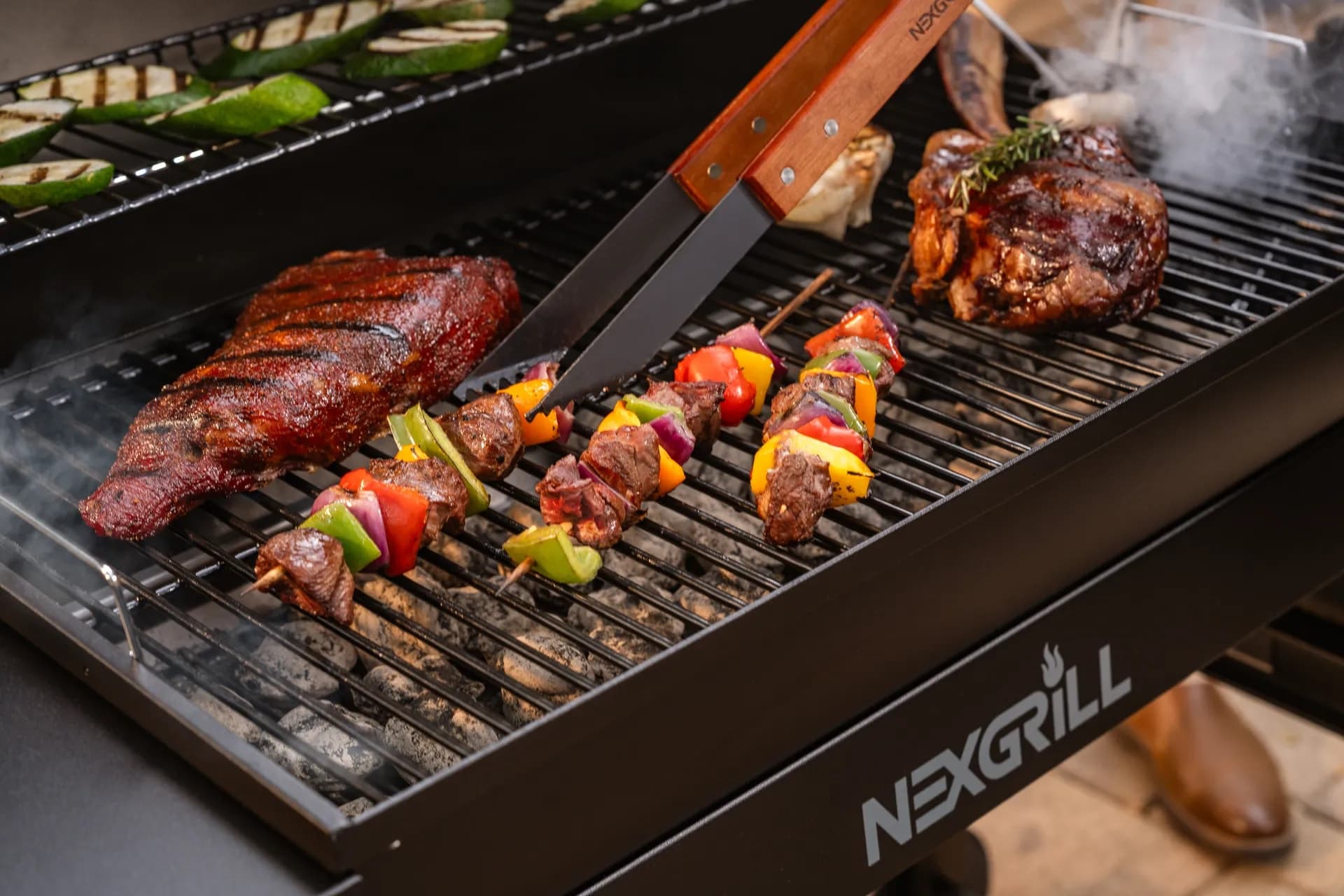
Direct grilling means food sits directly over the heat source. It is the fastest and most familiar of the best grilling methods, and it is ideal when the food cooks quickly enough that the outside will not burn before the inside is done. Think steaks, burgers, shrimp, asparagus, sliced peppers, halloumi, thin chicken cutlets, and most quick-cooking vegetables. On a hot grate, direct heat creates immediate browning, charred edges, and strong flavor development.
The main advantage of direct grilling is control through simplicity. You preheat the grate, oil the food lightly, place it over the fire, and manage the timing with a few turns. The challenge is that direct heat leaves little margin for error. If the flame is too aggressive or the food is too thick, the outside can overcook before the center is ready. That is why direct grilling works best with foods that are naturally tender and evenly shaped.
For home cooks, direct grilling is also the easiest way to build confidence. You can learn how your grill responds to temperature, how hot your hottest zone really gets, and how much browning occurs in a given time window. If you are new to grilling, use direct heat to learn the relationship between preheating time, lid position, and food thickness before moving to more complex methods.
When direct heat is the right choice
Use direct heat when the food is under about an inch thick, when you want a quick dinner, or when surface caramelization matters as much as interior doneness. A steak seared directly over hot coals or burners develops better crust than one cooked slowly from the start. The same idea applies to vegetables; high heat helps them char slightly instead of steaming into softness.
For better browning, let food sit undisturbed long enough to release naturally from the grate. If it sticks, it usually needs more time.
Indirect Grilling: Slow and Steady Cooking
Indirect grilling places food beside the flame or coals rather than directly above them. With the lid closed, the grill becomes a controlled hot-air chamber that cooks more gently and evenly. This method is ideal for larger cuts such as bone-in chicken, pork loin, whole fish, thick chops, sausages that need gentle cooking, and even small roasts. It also helps when you want to cook through without burning sugar-heavy marinades or delicate skin.
Indirect heat is often the method that saves dinner. If the outside of a cut is browning too fast, move it away from the hot zone and let convection do the rest. That slow finish gives you more control over doneness and reduces flare-up risk. It is also useful for foods that need time for connective tissue or fat to soften, though not to the same extent as a true smoker.
The best way to think about indirect grilling is as a finishing environment. You can start food directly for color and then move it to the cooler side to complete cooking. This gives you the benefits of both browning and a gentler interior finish. For many households, this is the most practical method for weekend cooking because it combines flexibility with fewer surprises.
Why indirect cooking improves consistency
Indirect heat distributes temperature more evenly around the food, which helps thicker or unevenly shaped items cook at a steadier pace. It is particularly useful when preparing multiple pieces of chicken or mixed cuts that will not finish at exactly the same time. Instead of chasing hotspots, you manage a cooking environment that is more forgiving and more predictable.
If you compare methods by risk level, indirect grilling usually ranks lower than direct grilling because it is harder to scorch the exterior. It is still important to monitor temperature, but the method gives you enough buffer to open the lid, check progress, and rotate food without immediately losing the cook.
Two-Zone Grilling: Combining Heat Methods
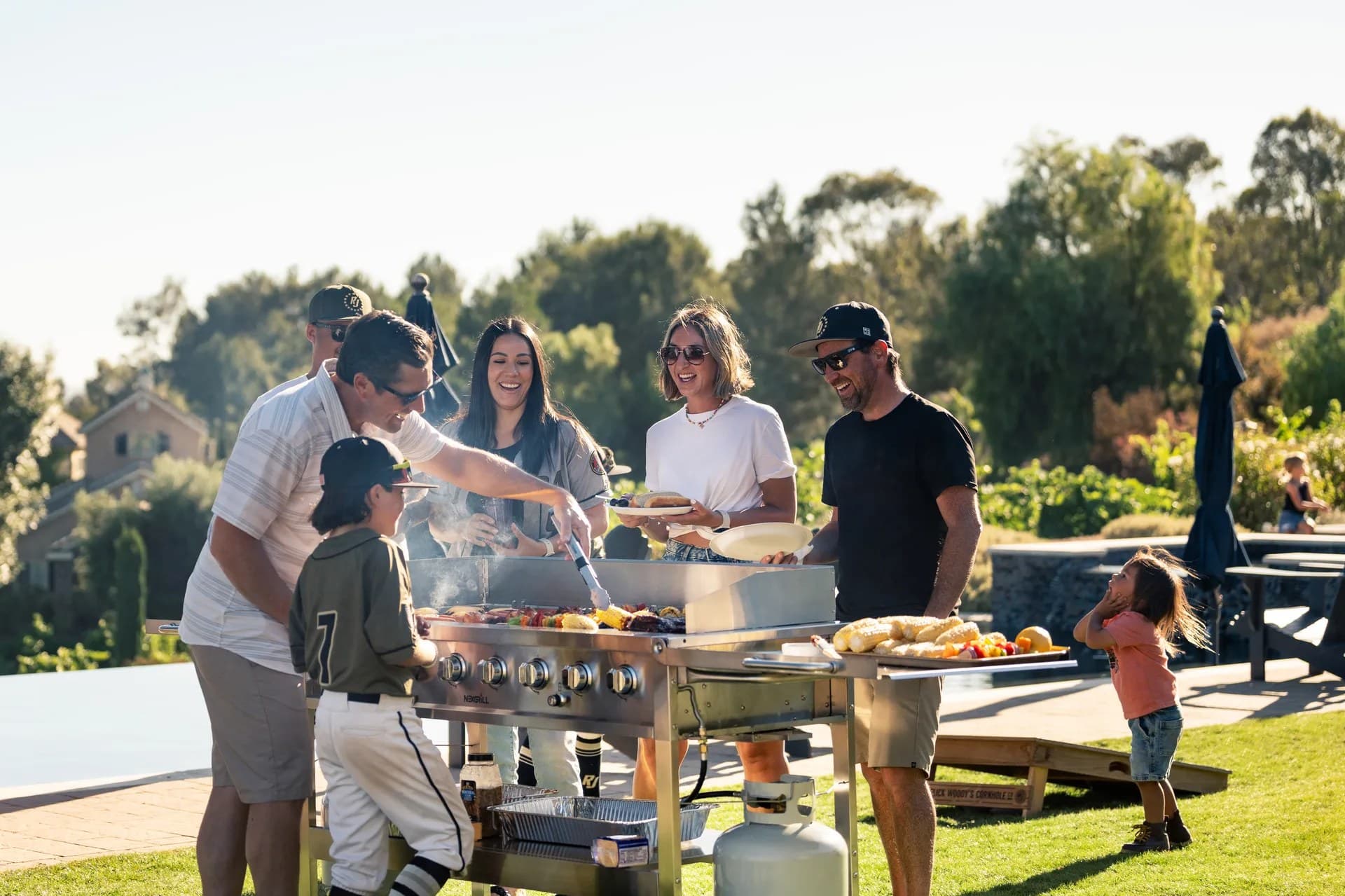
Two-zone grilling is one of the most useful techniques for everyday cooking because it gives you a hot side and a cooler side on the same grill. You can sear over the direct zone, then move food to the indirect zone to finish. Or you can reverse the process for thicker items that need a gentle start before browning. This method is especially valuable when cooking for several people because different foods can stay in play at different temperatures.
A two-zone setup is not a specialty trick. It is a practical management system. On a gas grill, that might mean running one or two burners hot and leaving the other side lower. On charcoal, it usually means banking coals to one side. Either way, the idea is the same: build a workspace where you can move food as the cook changes. For larger gatherings, this is often the difference between serving at one time and serving in a series of overdone or underdone batches.
| Method | Best for | Main advantage |
|---|---|---|
| Direct grilling | Thin, quick-cooking foods | Fast browning and crisp surface texture |
| Indirect grilling | Thicker or delicate foods | Even cooking with less flare-up risk |
| Two-zone grilling | Mixed meals and variable doneness | Move food between hot and cooler areas |
For mixed menus, two-zone grilling is especially useful with chicken thighs, sausages, corn, and vegetables because you can sear, rest, and hold all on the same cooking surface. It also reduces the pressure to keep every item over the flame the whole time, which lowers the chance of dryness and flare-related bitterness.
Low and Slow Smoking: Achieving Tenderness
Low and slow smoking uses steady heat over a longer period, often with wood added for flavor. This is the method for foods that need time to become tender, such as pork shoulder, brisket, ribs, and some large poultry cuts. The goal is not speed. The goal is gradual transformation. As moisture, fat, and connective tissue break down over hours, the food becomes more tender and deeply flavored.
Smoking is distinct from ordinary grilling because the emphasis shifts from surface browning to temperature management and smoke absorption. The lid stays closed more often, the heat is lower, and the cook is measured in hours rather than minutes. This method demands patience, but it rewards that patience with texture and flavor that direct heat alone cannot create.
For backyard cooks, low and slow works best when the grill or smoker can maintain a steady range and when fuel is managed consistently. Even if you are using a pellet grill, gas grill with smoke box, or charcoal setup with wood chunks, the principle stays the same: avoid large temperature swings and let time do the work.
Smoking is less about chasing one exact minute and more about keeping the cooking environment stable enough for connective tissue to soften gradually.
Advanced Grilling Techniques: Rotisserie and Plank Grilling
Rotisserie grilling and plank grilling expand what your grill can do without changing its basic role as an outdoor heat source. A rotisserie turns the food slowly as it cooks, which helps large poultry and roasts baste themselves in rendered juices and cook more evenly. It is especially good for whole chickens and certain roasts because it reduces the risk of one side drying out before the rest is done. The even rotation also helps achieve a more uniform crust.
Plank grilling uses a soaked wood plank as the cooking platform, usually for fish or other delicate foods. The plank moderates the direct heat and adds mild wood aroma while protecting fragile texture. It is a smart way to grill foods that might fall apart on bare grates. While plank grilling does not replace direct or indirect heat, it is a useful hybrid method that broadens your options.
These advanced techniques are worth learning because they solve specific problems. Rotisserie cooking addresses uneven browning on large pieces. Plank grilling helps with delicate proteins and presentation. Neither one is mandatory, but both can make you a more versatile outdoor cook.
Choosing the Right Grilling Method for Different Foods
The most practical way to choose a grilling method is to start with the food itself. Thin steak, burgers, shrimp, and asparagus usually belong over direct heat. Bone-in chicken, pork loin, and thicker sausages are usually better with a direct start followed by indirect finishing. Ribs, brisket, and pork shoulder are better suited to low and slow smoking. Fish fillets often benefit from indirect heat or a plank if they are especially delicate. Vegetables can go either way depending on size and desired char.
A helpful rule is to ask two questions: how quickly will the exterior brown, and how long does the interior need? If the answer to both is “fast,” use direct heat. If the exterior browns fast but the center needs more time, use indirect or two-zone cooking. If the food needs a long tenderness transformation, use low and slow.
Think of method choice as an ingredient of the meal, not just a technique. A cauliflower steak can feel flat if cooked with the wrong method, but it can be rich and caramelized when given the right zone and timing. The same is true for salmon, pork chops, and skewers. The method is part of the final flavor.
Safety and Maintenance Tips for Grilling
Safe grilling starts before the fire is lit. Check that the cooking area is clear, keep combustible items away from the grill, and make sure the grill sits on a stable surface. For gas grills, inspect hoses and connections regularly and follow the manufacturer’s lighting and shutdown steps. For charcoal setups, allow coals to cool fully before disposal. For smoking sessions, monitor airflow so ash and soot do not interfere with the cook.
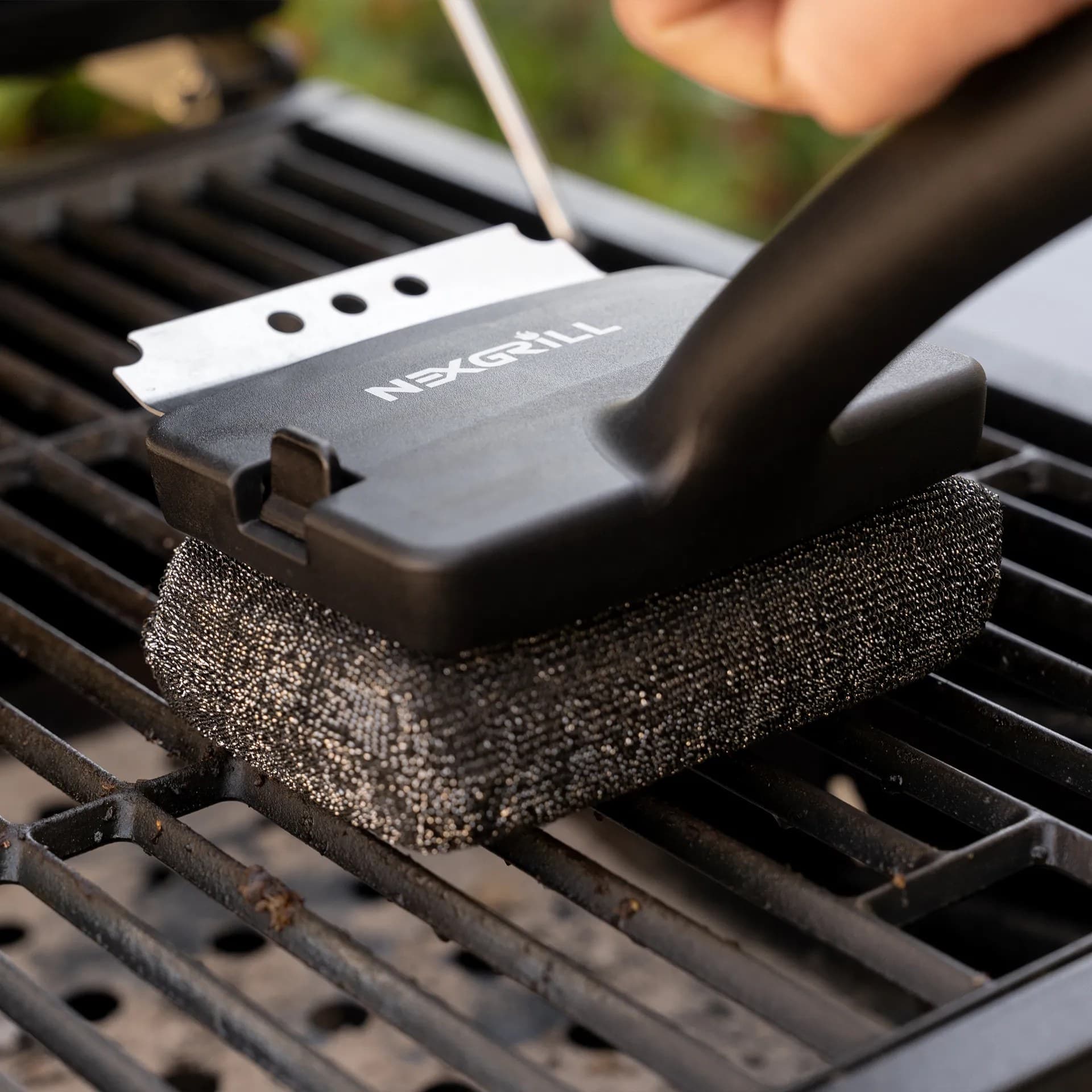
Maintenance also protects the quality of your methods. Dirty grates can stick, flare, and create uneven heat transfer. Grease buildup can ignite and interrupt an otherwise steady cook. Clearing ash, brushing grates, checking burners, and covering the grill after use all help preserve performance over time. Nexgrill’s guidance emphasizes dependable outdoor cooking experiences, and that includes keeping equipment in good working order so the fire stays manageable and the meal stays enjoyable .
The best grilling method is only as good as the grill behind it. Clean grates and stable heat make every technique easier to execute well.
Try comparing two products side by side below to see which fits best:
Grilling Tools and Accessories
Once you've weighed two options against each other, the next question is what tools make the best grilling methods easier to repeat. The right accessories do not replace skill, but they lower the chance of mistakes and help you move from one technique to another without losing control. At minimum, most home cooks benefit from a reliable instant-read thermometer, a long-handled spatula or tongs, a grill brush, a heat-resistant glove, and a tray system for raw versus cooked food. From there, your method choice determines which extras become useful rather than optional.
For direct grilling, thin spatulas and sturdy tongs matter because fast cooks need quick flips and easy repositioning. For indirect grilling and two-zone setups, a thermometer is more important than guesswork, since the lid may stay closed long enough that visual cues become unreliable. For smoking, items like water pans, wood chunks, charcoal baskets, and heat deflectors can stabilize the environment. Rotisserie cooks need the correct spit and motor alignment. Plank grilling works better with a dry backup plank and a safe way to handle the wood after soaking.
The most useful accessory is the one that reduces uncertainty. If you have ever pulled chicken off too early or steak off too late, you already know the value of temperature checks. Use tools to make your cooking method repeatable, not complicated.
A thermometer is the most versatile tool across all methods because it tells you what the food is doing, not just what the lid is doing.
| Method | Most helpful tools | Why they matter |
|---|---|---|
| Direct grilling | Tongs, spatula, thermometer | Fast handling and quick doneness checks |
| Indirect grilling | Thermometer, drip tray, gloves | Longer cooks need steady monitoring |
| Smoking | Heat deflector, wood chunks, ash tool | Controls airflow and fuel consistency |
Fuel Types and Their Impact on Grilling
Fuel choice changes how each grilling method behaves. Gas offers fast startup, easy zone control, and clean shutdown, which makes it especially convenient for direct and two-zone grilling. Charcoal produces stronger radiant heat and more traditional flavor, and it can be shaped into zones for both direct and indirect cooking. Pellet fuel excels at steady low-and-slow smoking because it simplifies temperature maintenance and wood flavor delivery. Wood chunks or chips can supplement charcoal or pellet cooks by layering aroma and smoke character.
In real-world use, the best choice depends on how much control you want and how much time you have. A weeknight burger dinner often favors gas because the grill heats quickly and cleanup is simpler. A weekend rack of ribs often favors charcoal or pellet because steady heat and smoke matter more than speed. The important part is not to romanticize one fuel source as superior in every case. Each one supports different strengths, and your cooking method should take advantage of those strengths rather than fight them.
If you are learning, start by understanding how your preferred fuel behaves when the lid is open and when it is closed. That alone can improve results more than changing recipes. Temperature response, flare-up potential, and recovery time all vary by fuel, and those differences affect every grilling method.
Temperature Control: Managing Heat Zones
Temperature control is where technique becomes practical. Managing heat zones means arranging the grill so you can cook fast and slow on the same surface. On gas, this usually means turning one side on high and the other side low or off. On charcoal, it means placing most coals on one side or using a ring or basket pattern. Either way, the goal is to create a safe landing zone for food that is browning too fast and a hot zone for searing when you need it.
A simple workflow works well for most cooks: preheat the hot zone thoroughly, set the cooler zone before food goes on, use the hot side to build color, then move food to the cooler side to finish. This approach works with steaks, chicken pieces, kebabs, and even vegetables that need different doneness levels. It also reduces panic because the food always has somewhere to go if the surface starts to darken too quickly.
If you open the lid repeatedly, temperature zones become harder to manage. Check food with purpose, then close the lid again so the grill can recover.
Marinating and Seasoning for Enhanced Flavor
Flavor starts before the food touches the grate. Seasoning and marinating should support the grilling method, not hide from it. Direct-grilled foods benefit from dry rubs, salt-forward seasoning, and light oil because high heat creates fast browning. Indirect-grilled foods can handle more layered spice mixtures and wetter marinades since they spend more time in the heat. Low-and-slow smoking often works best with simple seasoning that lets smoke and meat flavor lead the way.
The trick is balance. Sugary marinades can burn under direct heat if they are added too early, so they are better reserved for later in the cook or applied in moderation. Salt helps with moisture retention and flavor penetration, but it should be used thoughtfully depending on the cut and the timing. If you are grilling vegetables, a modest coating of oil, salt, and acid is often enough to create great results without overpowering the natural flavor.
Think of seasoning as a bridge between method and ingredient. A ribeye with a strong crust, a cedar plank salmon fillet, and a tray of peppers all need different levels of support. The more intense the heat, the simpler the seasoning usually should be at the start.
Troubleshooting Common Grilling Issues
When grilling goes sideways, the fix usually comes from the method itself. If food is burning outside but underdone inside, move it to indirect heat or lower the intensity of the direct zone. If the grill is not searing well, preheat longer, clean the grates, and make sure the cooking surface is hot before food goes on. If smoke tastes harsh, the fuel may not be burning cleanly or the airflow may be restricted. If food sticks, it often needs more time before flipping rather than more oil.
Uneven cooking is often a heat-zone problem rather than a recipe problem. For example, chicken thighs may finish at different times if they are not arranged evenly across the cook. Thick and thin items should not be treated as identical pieces. Move fast-cooking foods off the hot side sooner and hold them briefly in the indirect zone while the rest catches up. That small habit improves both texture and timing.
If a method fails, adjust heat first, then timing, and only then the recipe. Most grill problems are technique problems, not ingredient problems.
Grilling for Special Diets: Vegetarian and Vegan Options
The best grilling methods are not just for meat. Vegetarian and vegan cooking often benefits from the same heat logic, with a few extra considerations. Direct grilling is excellent for sturdy vegetables like zucchini, eggplant, corn, mushrooms, and bell peppers because high heat builds color and flavor quickly. Indirect grilling helps with stuffed vegetables, thick cauliflower steaks, and plant-based roasts that need more time. Two-zone cooking is especially helpful because you can char on the hot side and then finish gently on the cooler side without drying out delicate ingredients.
Plant-based grilling also depends on managing texture. Foods with higher moisture can release and brown better when they are lightly oiled and not moved too soon. Tofu and tempeh often benefit from marinating and pressing before they hit the grill. Halloumi can tolerate direct heat but should be watched carefully because it can soften and break if left too long. For mixed menus, keep dedicated utensils and a clean section of the grate to maintain order and avoid flavor crossover.
Grilling in Different Weather Conditions
Weather changes how every grilling method behaves. Cold air slows preheating and can make open-lid direct grilling less efficient. Wind can disrupt charcoal burning and make temperature zones less stable. Humidity can affect smoke movement and slightly lengthen cooking times. In hot summer conditions, grills may reach target temperatures quickly, but recovery after opening the lid may still take longer than expected.
The practical response is to plan ahead. Preheat more fully in colder weather, shield the grill from strong wind where it is safe to do so, and give yourself more margin when cooking large cuts outdoors. For low-and-slow cooks, monitor fuel more closely in winter because the grill may need extra energy to hold a steady range. Lids become even more important in bad weather because the enclosed environment helps protect convective heat from disruption.
Cleaning and Maintaining Your Grill for Longevity
The more methods you use, the more important maintenance becomes. Direct grilling leaves behind grease and protein residue that can affect future browning. Indirect cooking and smoking add ash, soot, and drippings that can clog airflow or cause flare-ups later. Regular brushing, drip tray checks, ash removal, and lid cleaning are not glamorous, but they preserve the performance that each method depends on. Nexgrill’s own brand guidance emphasizes dependable outdoor cooking experiences and welcoming gatherings, which only work well when the grill itself is ready to do its job .
A durable routine is simple: clean the grate while it is still warm, empty ash after the grill is fully cool, inspect burners or heat sources periodically, and store the unit covered when not in use. If you use your grill frequently, treat maintenance as part of the cooking method rather than as an afterthought. Clean equipment gives more stable heat, better flavor, and fewer interruptions during the cook.
The easiest way to improve every grilling method is to start each cook with clean grates and clear airflow.