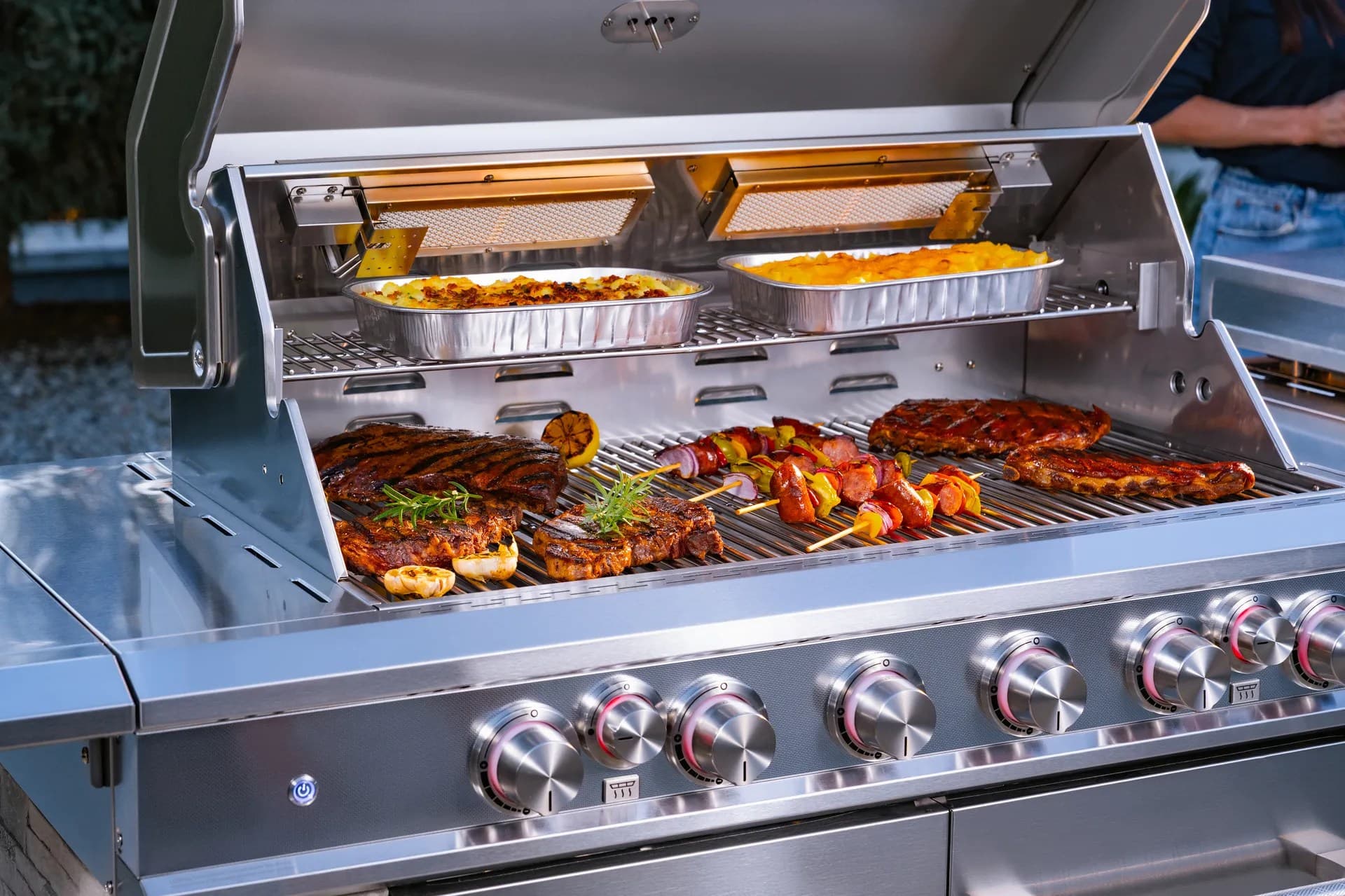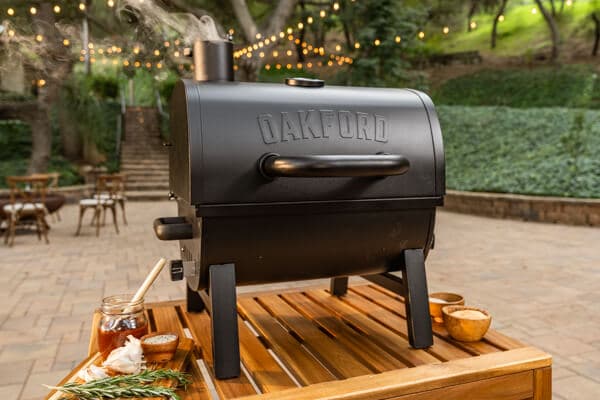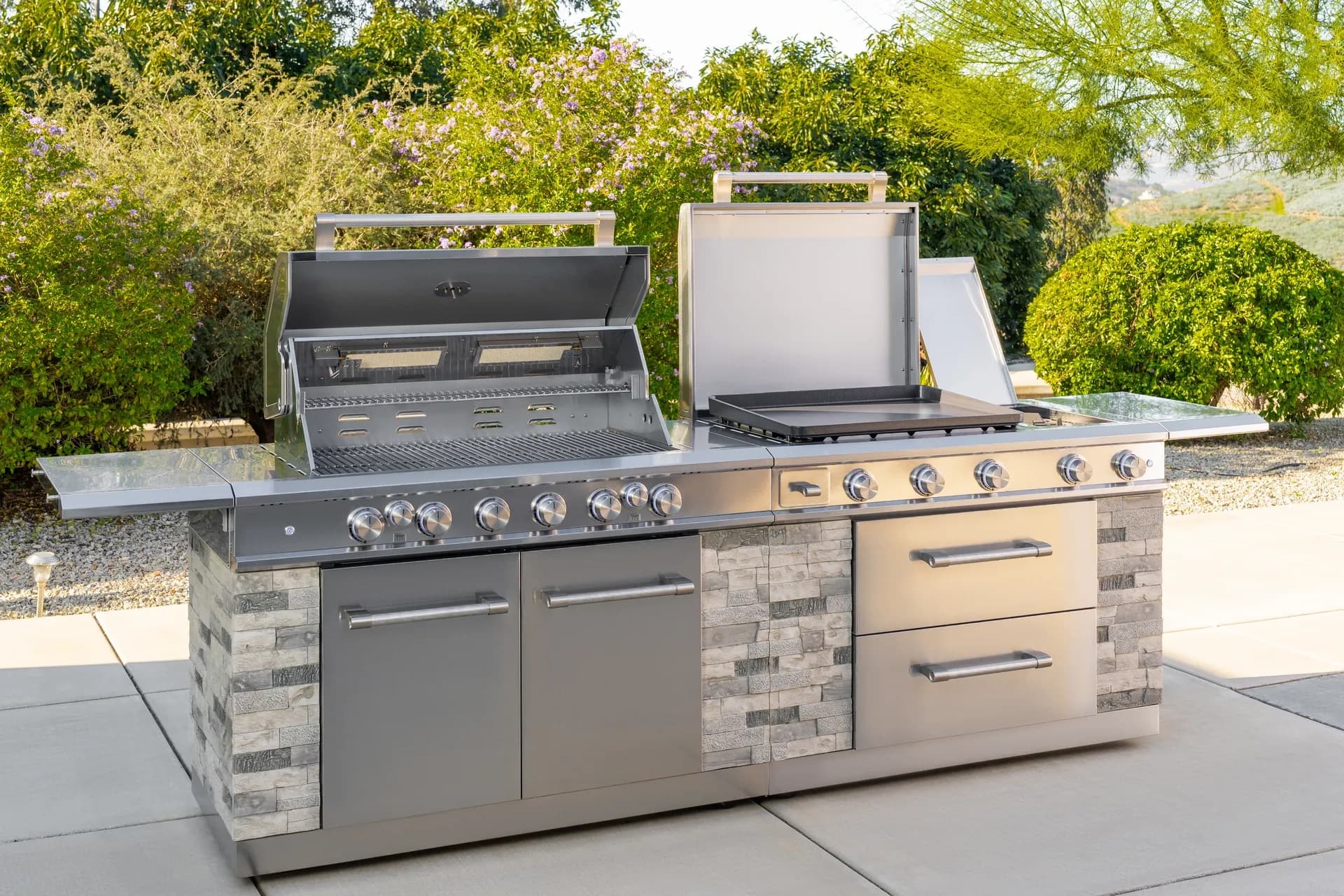
Explore the unique advantages of charcoal and gas grills for the ultimate outdoor cooking experience.
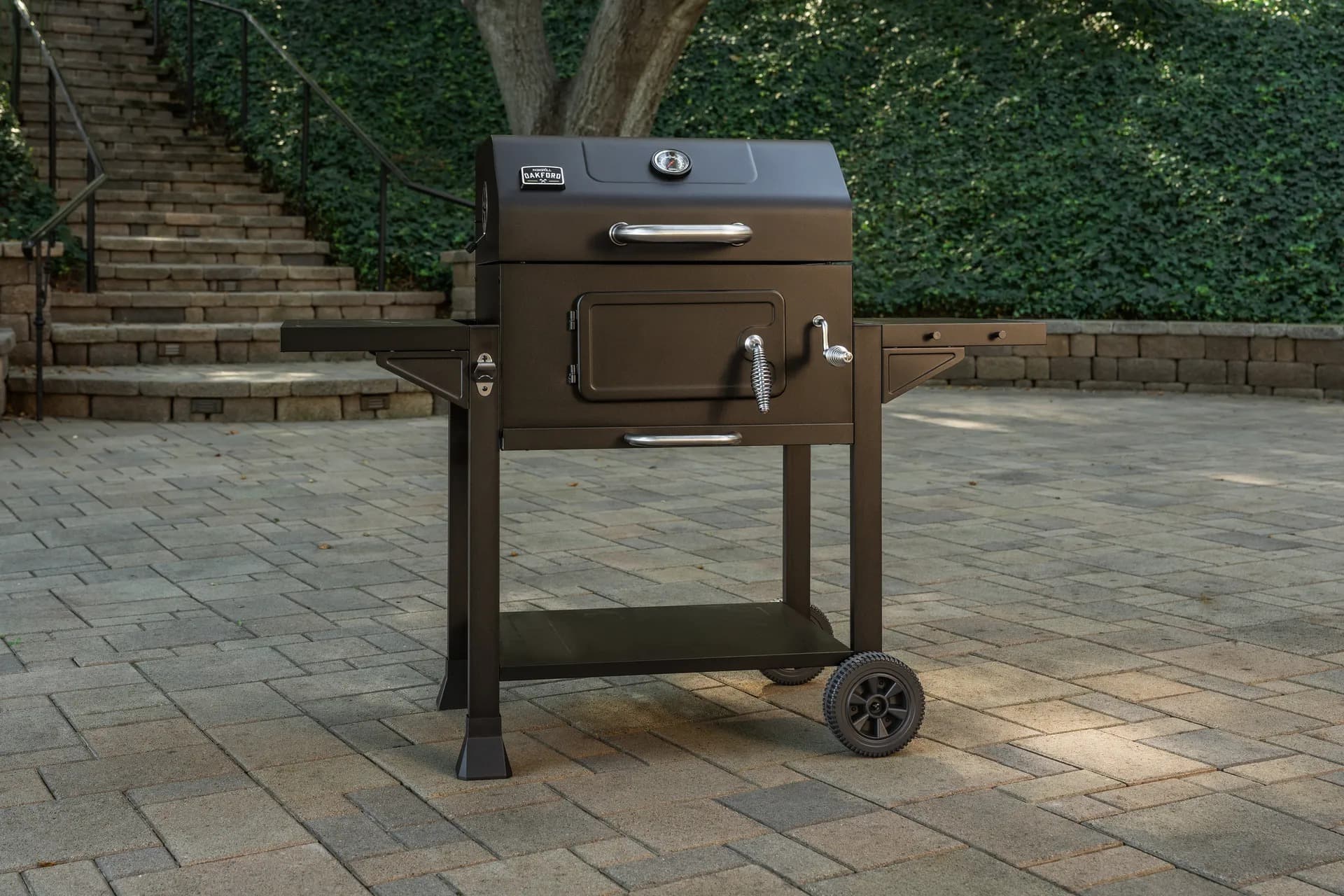
From sizzling breakfasts to smash burgers and teppanyaki-style dinners, the Daytona Pro 5 Burner NitroGuard™ Griddle delivers powerful heat, fast cooking, and a durable cooking surface built for every backyard cookout. Watch how easy outdoor cooking can be.
Here's what sets us apart from the competition
We position ourselves as delivering high-end outdoor cooking features and performance without premium-brand pricing, emphasizing “Quality Grills. Unbelievable Value.”
We offer gas grills, pellet grills, griddles, smokers, pizza ovens, portable/tabletop grills, electric grills, accessories, and replacement parts — allowing customers to stay within one ecosystem for all outdoor cooking needs.
We differentiate ourselves through smart grilling products like the Oakford smart pellet grill, including app-connected cooking controls and modern outdoor cooking technology.
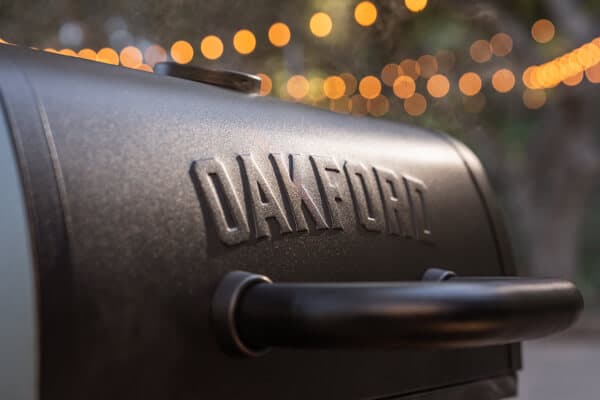
Expert tips, buying guides, comparisons, and inspiration for choosing and getting the most out of your grill.
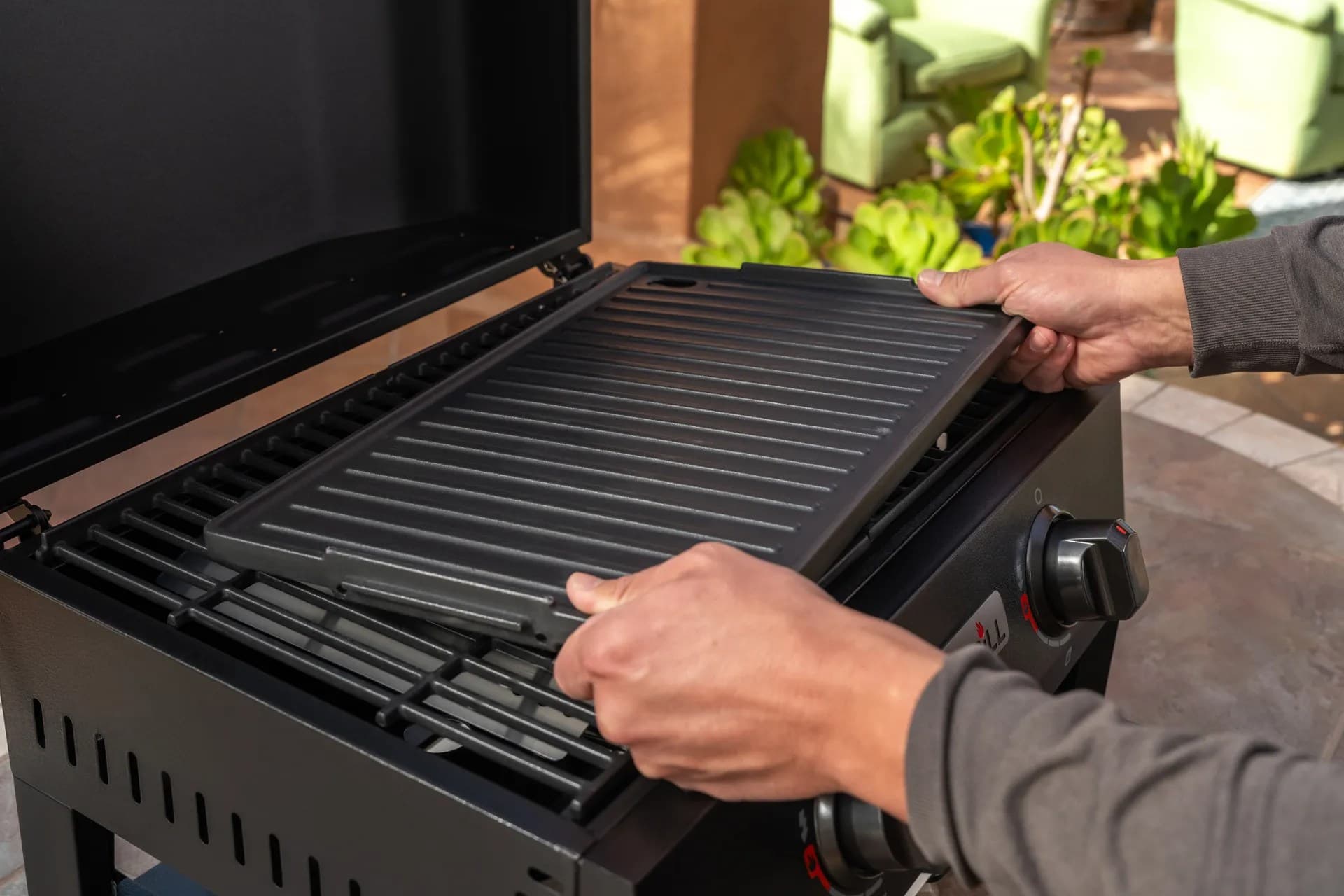
Practical guides for cleaning, maintenance, common grill issues, and performance optimization.
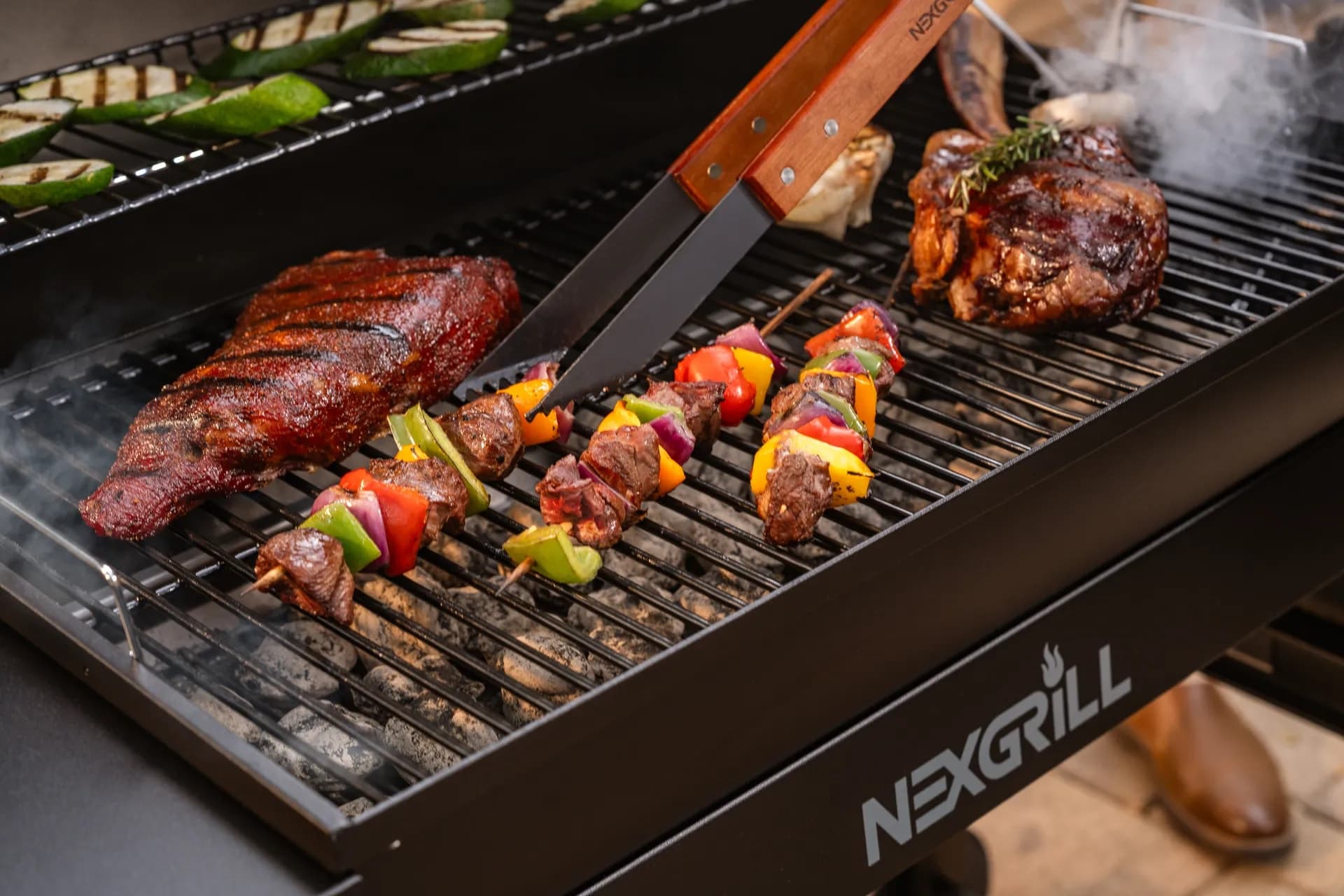
Step-by-step grilling recipes, cooking techniques, and meal ideas for every occasion and skill level.

Backyard entertaining ideas, seasonal grilling inspiration, and stories that celebrate outdoor cooking culture.
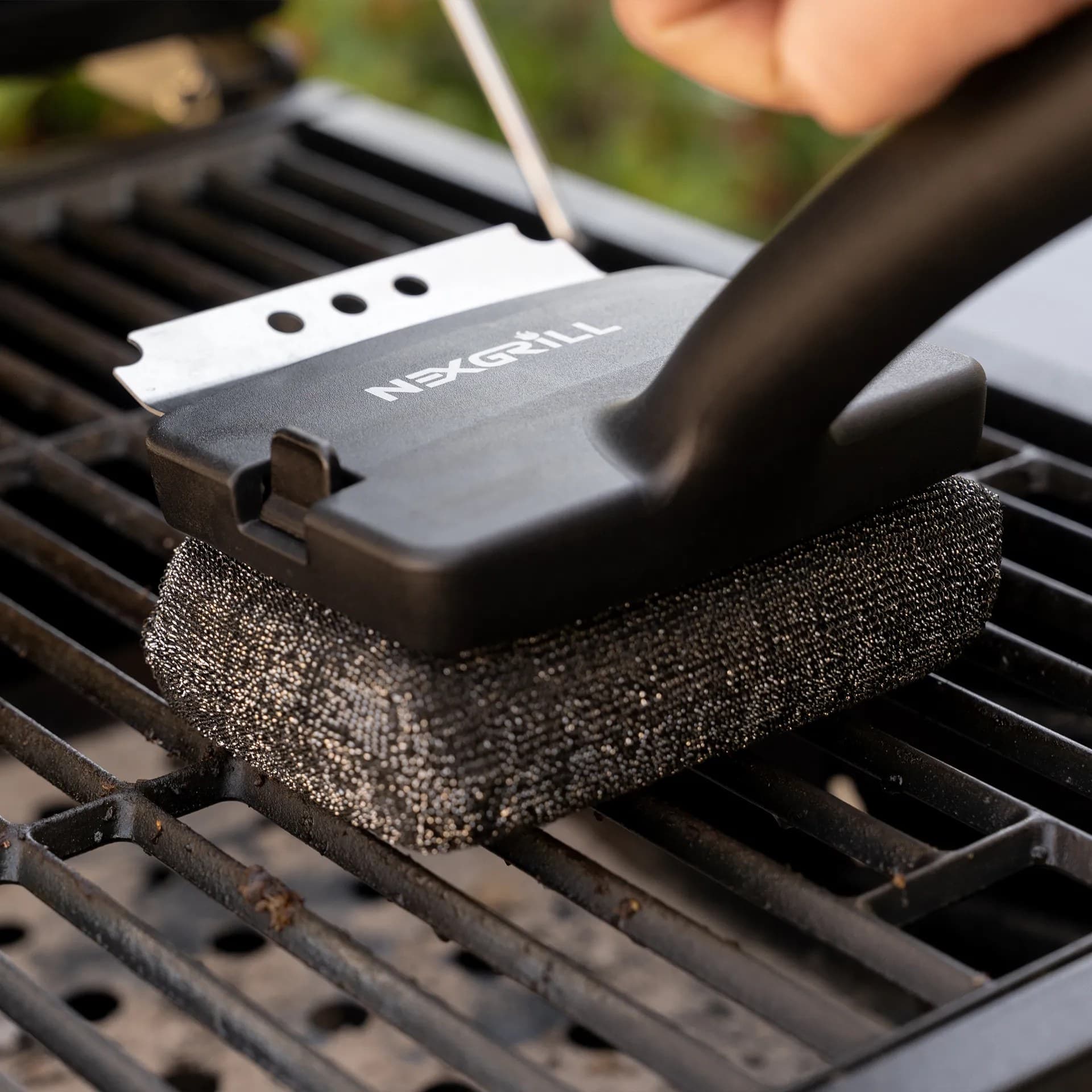
Helpful articles covering grilling tools, cookware, maintenance gear, and must-have accessories for outdoor cooking.
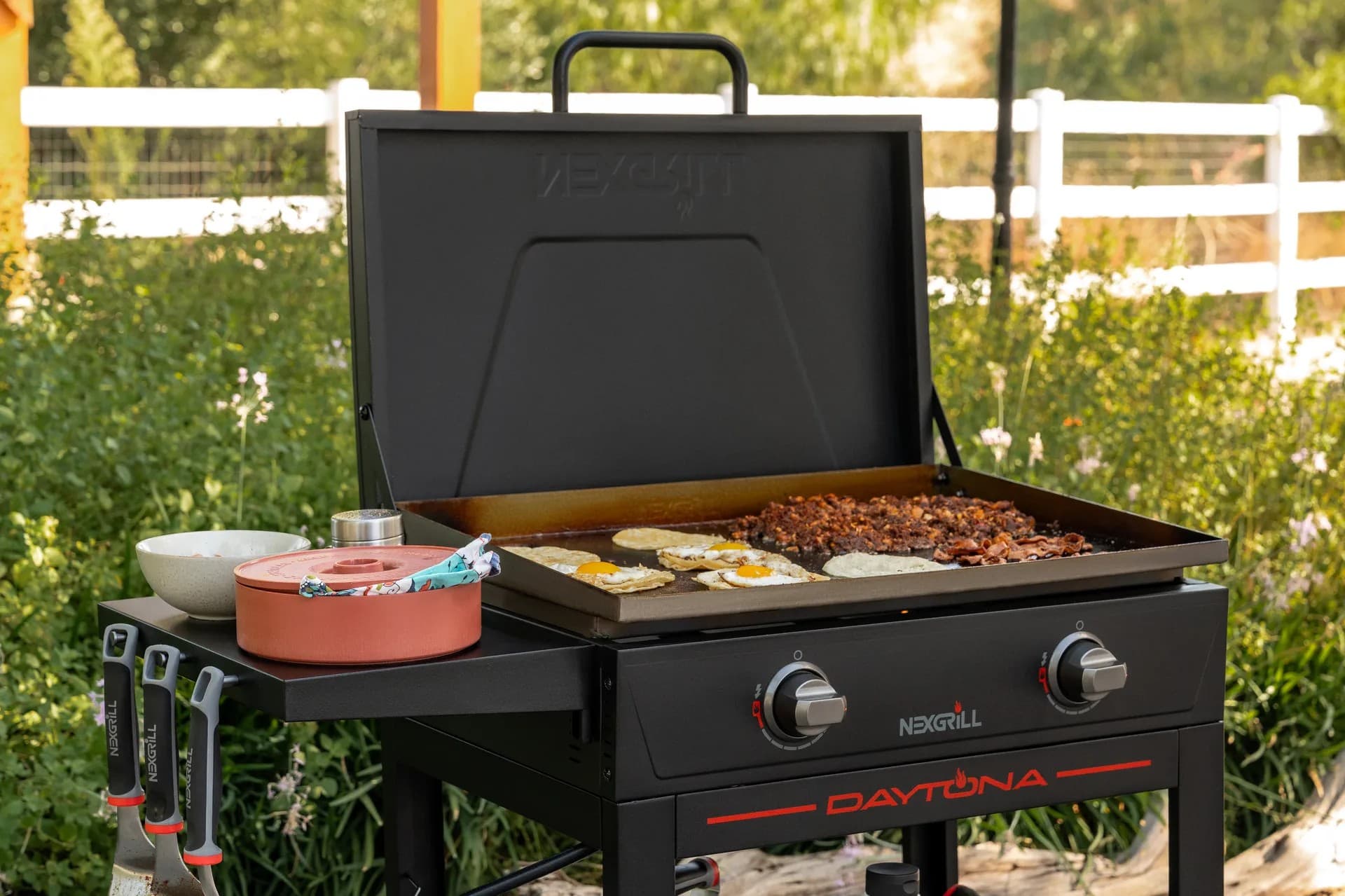
Find griddle recipes, cooking techniques, cleaning tips, and outdoor meal ideas designed for Nexgrill griddles.
Find answers to common questions
Gas grills provide instant heat and precise temperature control, making them easier to use. Charcoal grills offer a smoky flavor and high heat for searing but require more time to heat up and manage.
Pellet grills combine the convenience of gas with the flavor of wood, allowing for smoking, baking, and grilling. Traditional gas grills, however, are quicker to start and often easier to clean.
Charcoal grills typically reach higher temperatures quicker than gas grills, making them better for searing meat. However, high-quality gas grills can also provide adequate heat for effective searing.
Nexgrill offers models designed specifically for gas, charcoal, and pellets, allowing users to choose based on their cooking style and flavor preferences. Each type is built to optimize the characteristics of its respective fuel.
Choosing between gas and charcoal grills depends on your cooking preferences and lifestyle. If you value convenience and quick cooking, a gas grill may suit you better; if you prefer the taste and experience of traditional grilling, a charcoal grill would be ideal.
In This Article
Flavor Differences
Convenience Factor
Cost Considerations
One of the most significant differences between charcoal and gas grills lies in the flavor they impart to food. Charcoal grills are renowned for providing a rich, smoky flavor that many barbecue enthusiasts crave. This distinct taste comes from the combustion of charcoal, which releases aromatic compounds that infuse the meat. In contrast, gas grills tend to offer a cleaner flavor profile. While some may see this as a downside, it actually allows the natural flavors of the ingredients to shine, making it ideal for more delicate dishes.
Charcoal grilling is often associated with traditional barbecue and is preferred by those who enjoy the process of building and maintaining a fire. The type of charcoal used can also influence the flavor. Lump charcoal, for example, burns hotter and faster, while briquettes burn longer and more consistently. On the other hand, gas grills use propane or natural gas, providing a consistent heat source that makes cooking straightforward and efficient.
Tip: Experiment with different types of wood chips on a gas grill to add a smoky flavor similar to charcoal grilling.
Convenience is a major consideration for many when choosing between charcoal and gas grills. Gas grills offer unparalleled ease of use, with quick ignition and precise temperature control at the turn of a knob. This makes them perfect for a fast weeknight dinner or for those who prefer a hassle-free grilling experience.
Charcoal grills, while more labor-intensive, offer a rewarding experience for grill enthusiasts who enjoy the ritual of lighting a fire and managing the heat. The process of adjusting vents to control temperature can be seen as a challenge or an art form, depending on one's perspective. Additionally, charcoal grills often reach higher temperatures than gas grills, making them excellent for searing meats.
| Aspect | Charcoal Grill | Gas Grill |
|---|---|---|
| Flavor | Smoky, rich | Clean, natural |
| Temperature Control | Manual, via vents | Automatic, via knobs |
| Setup Time | Longer | Shorter |
The initial cost and maintenance of grills can greatly influence purchasing decisions. Charcoal grills are generally more affordable upfront compared to gas grills. They have a simple construction with fewer parts that might require replacement over time. However, the recurring cost of purchasing charcoal can add up, especially for frequent grillers.
Gas grills, while more expensive initially, offer cost-efficiency in the long run due to the lower price of propane or natural gas. Maintenance involves regular cleaning of burners and checking connections for leaks, which is essential for safety. On the flip side, charcoal grills require regular ash disposal and grate cleaning to prevent buildup.
Warning: Always ensure proper ventilation when using charcoal grills to avoid carbon monoxide buildup.
Try comparing two products side by side below to see which fits best:
Environmental considerations are increasingly influencing consumer choices, even in grilling. Gas grills are generally seen as more environmentally friendly compared to charcoal grills. This is because burning propane or natural gas produces fewer particulates and greenhouse gases than charcoal. Charcoal, especially briquettes, often contains additives like binders and accelerants that can release pollutants.
However, some eco-conscious grillers choose lump charcoal made from sustainable sources, which reduces the environmental impact. Gas grills, while cleaner burning, require the extraction and transportation of fossil fuels, which also have environmental implications. It's important for consumers to weigh these factors based on their personal values and environmental commitments.
Tip: Look for grills with certifications or ratings that indicate environmentally friendly production and operations.
Both charcoal and gas grills offer unique versatility in cooking techniques. Charcoal grills are ideal for those who enjoy smoking meats, as they can maintain low and slow temperatures for extended periods. These grills are also perfect for direct grilling and high-heat searing, making them versatile for a variety of cooking styles.
Gas grills, with their precise temperature controls, excel at multi-zone cooking. This allows grillers to have different temperature areas for searing, cooking, and warming, all at once. Features like side burners and rotisserie attachments further enhance the versatility of gas grills, catering to diverse cooking preferences.
Once you've weighed two options against each other, here's what else matters when choosing a grill:
| Feature | Charcoal Grill | Gas Grill |
|---|---|---|
| Smoking Capability | Excellent | Moderate |
| Temperature Zones | Single zone | Multiple zones |
| Add-ons | Limited | Variety available |
Choosing between a charcoal and a gas grill often depends on the griller's lifestyle and preferences. Charcoal grills are ideal for those who enjoy the traditional aspect of grilling and the rich flavors it produces. They are often favored by barbecue enthusiasts and those who enjoy experimenting with different smoking techniques.
Gas grills, by contrast, are perfect for those who value convenience and speed. They suit busy individuals who need quick meal solutions without compromising on quality. Families who regularly entertain might also prefer gas grills for their ease of use and ability to cater to large groups efficiently.
Ultimately, the choice between a charcoal and gas grill should align with your cooking style, flavor preferences, and environmental values. By understanding the distinct advantages and considerations of each type, you can select a grill that enhances your outdoor cooking experiences and suits your lifestyle needs.
Here's what sets us apart
We position ourselves as delivering high-end outdoor cooking features and performance without premium-brand pricing, emphasizing “Quality Grills. Unbelievable Value.”
We offer gas grills, pellet grills, griddles, smokers, pizza ovens, portable/tabletop grills, electric grills, accessories, and replacement parts — allowing customers to stay within one ecosystem for all outdoor cooking needs.
We differentiate ourselves through smart grilling products like the Oakford smart pellet grill, including app-connected cooking controls and modern outdoor cooking technology.
Don't just take our word for it
Keep reading
From our catalog