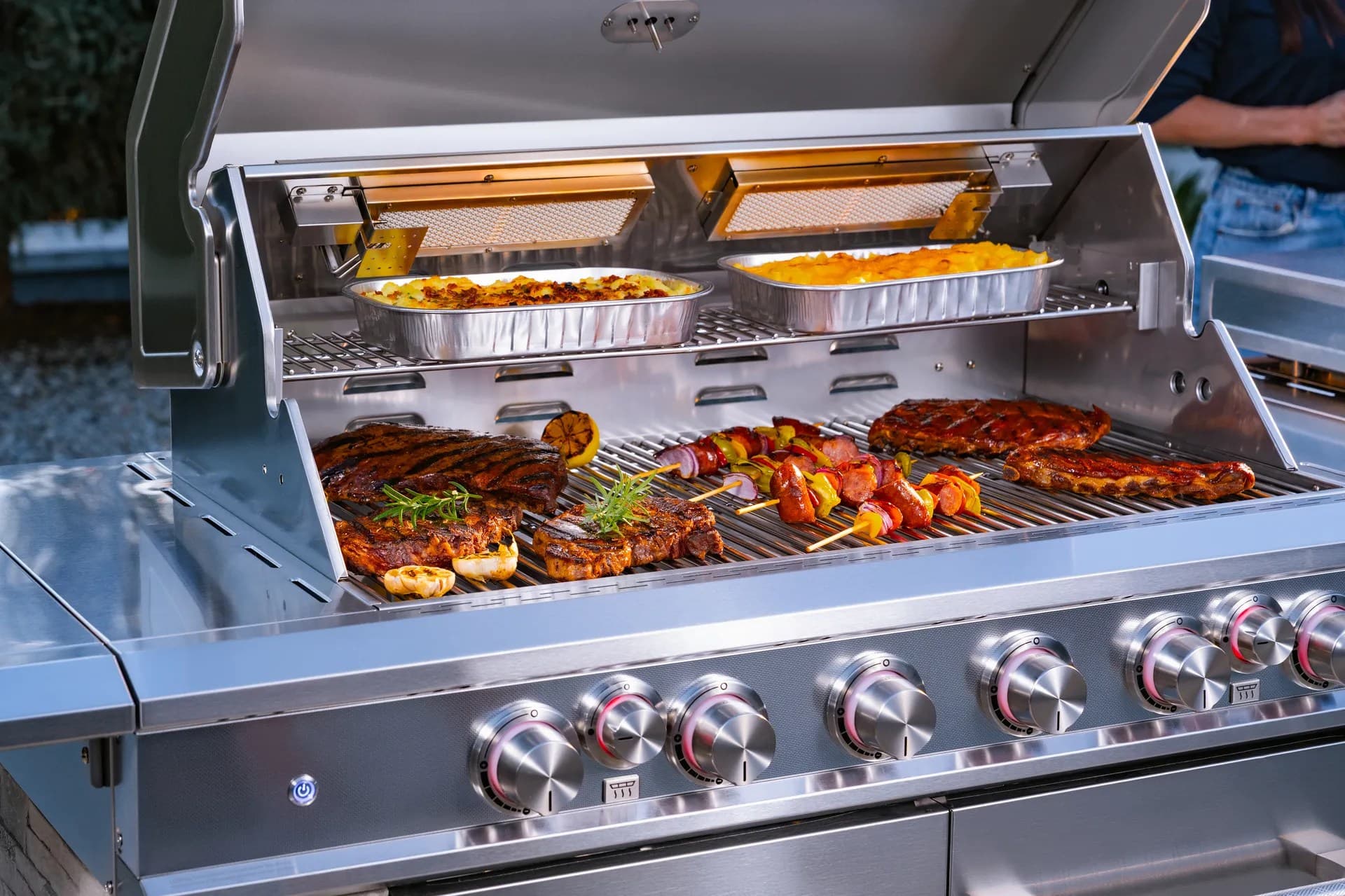
Essential strategies to ensure safe and enjoyable grilling experiences.
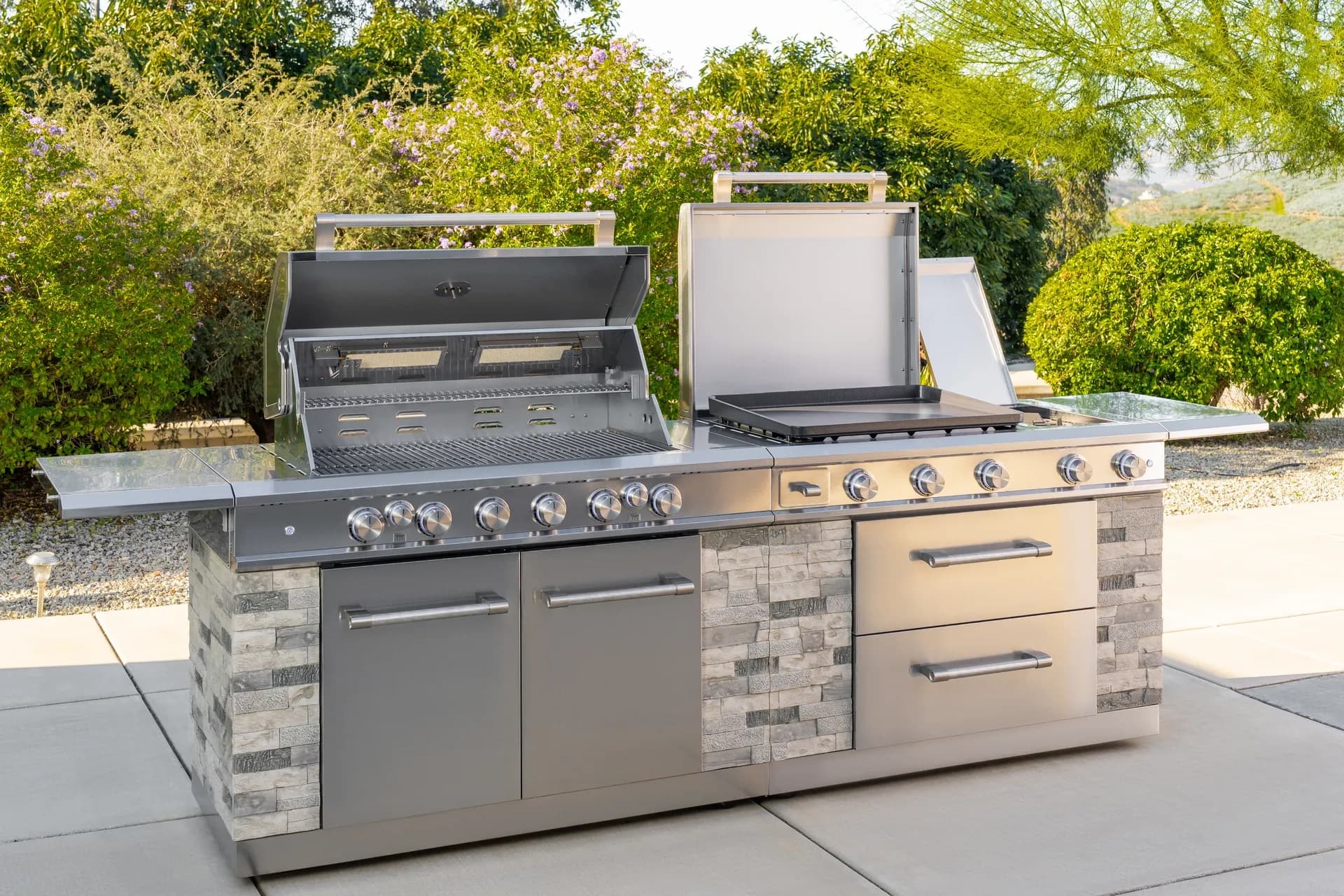
From sizzling breakfasts to smash burgers and teppanyaki-style dinners, the Daytona Pro 5 Burner NitroGuard™ Griddle delivers powerful heat, fast cooking, and a durable cooking surface built for every backyard cookout. Watch how easy outdoor cooking can be.
Here's what sets us apart from the competition
We position ourselves as delivering high-end outdoor cooking features and performance without premium-brand pricing, emphasizing “Quality Grills. Unbelievable Value.”
We offer gas grills, pellet grills, griddles, smokers, pizza ovens, portable/tabletop grills, electric grills, accessories, and replacement parts — allowing customers to stay within one ecosystem for all outdoor cooking needs.
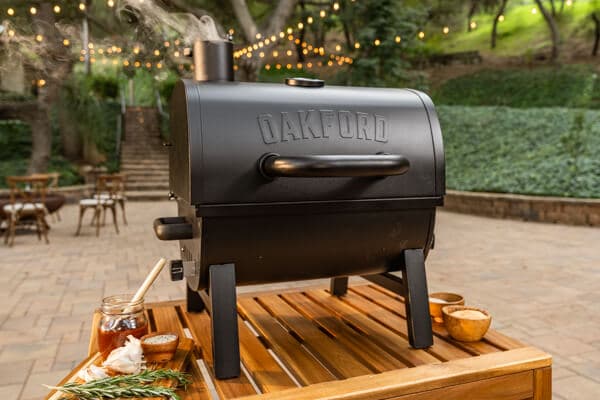
We differentiate ourselves through smart grilling products like the Oakford smart pellet grill, including app-connected cooking controls and modern outdoor cooking technology.
Expert tips, buying guides, comparisons, and inspiration for choosing and getting the most out of your grill.
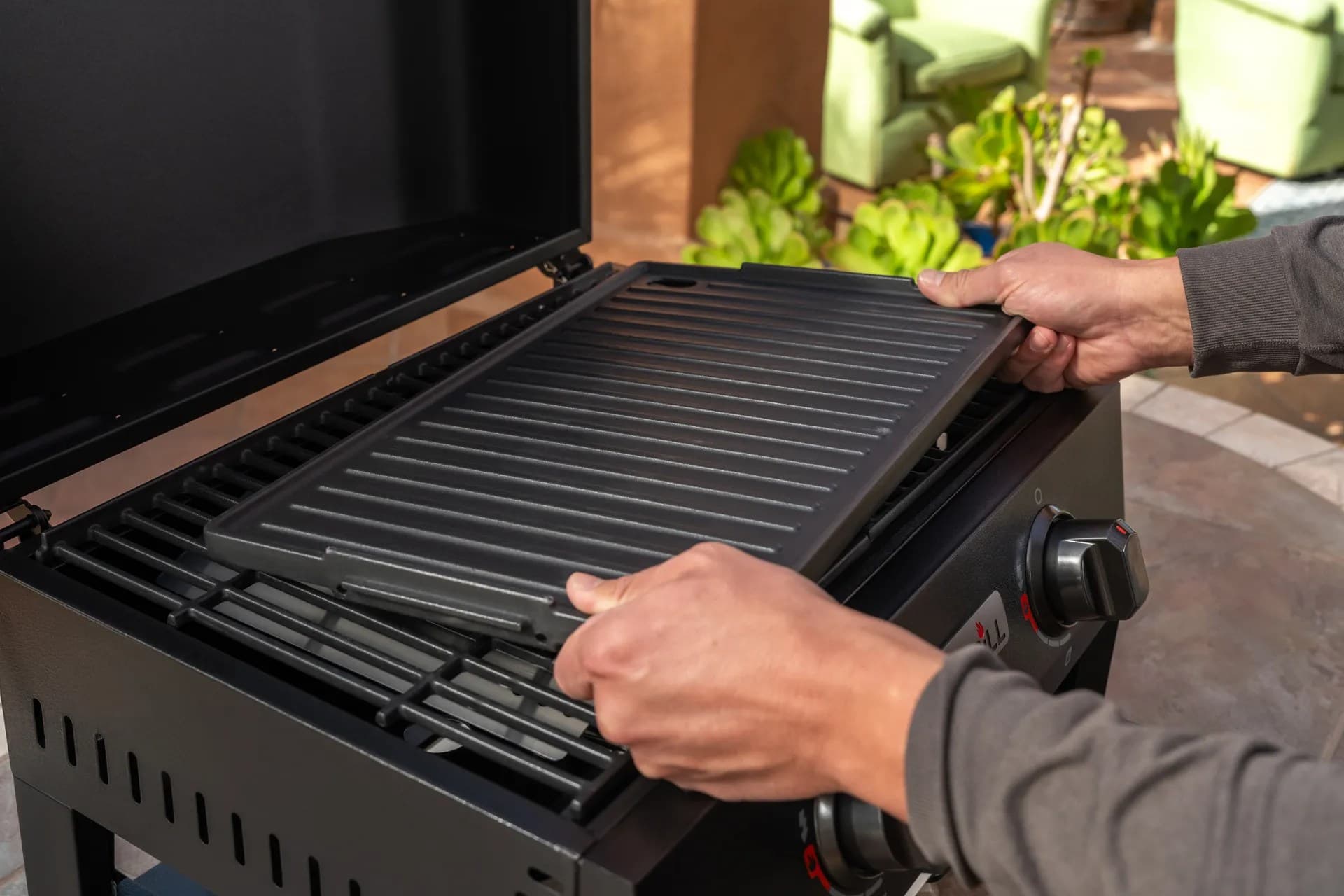
Practical guides for cleaning, maintenance, common grill issues, and performance optimization.
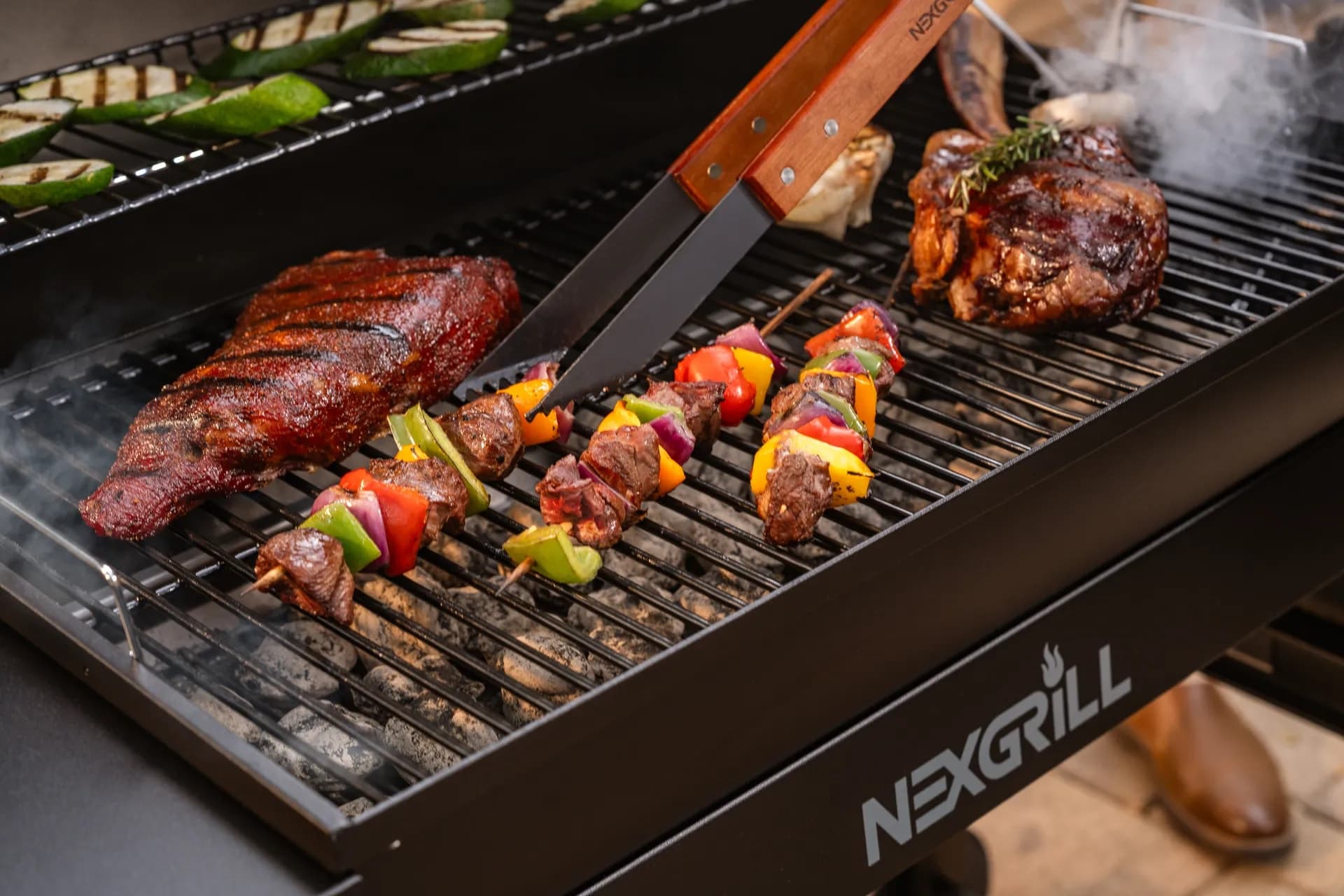
Step-by-step grilling recipes, cooking techniques, and meal ideas for every occasion and skill level.
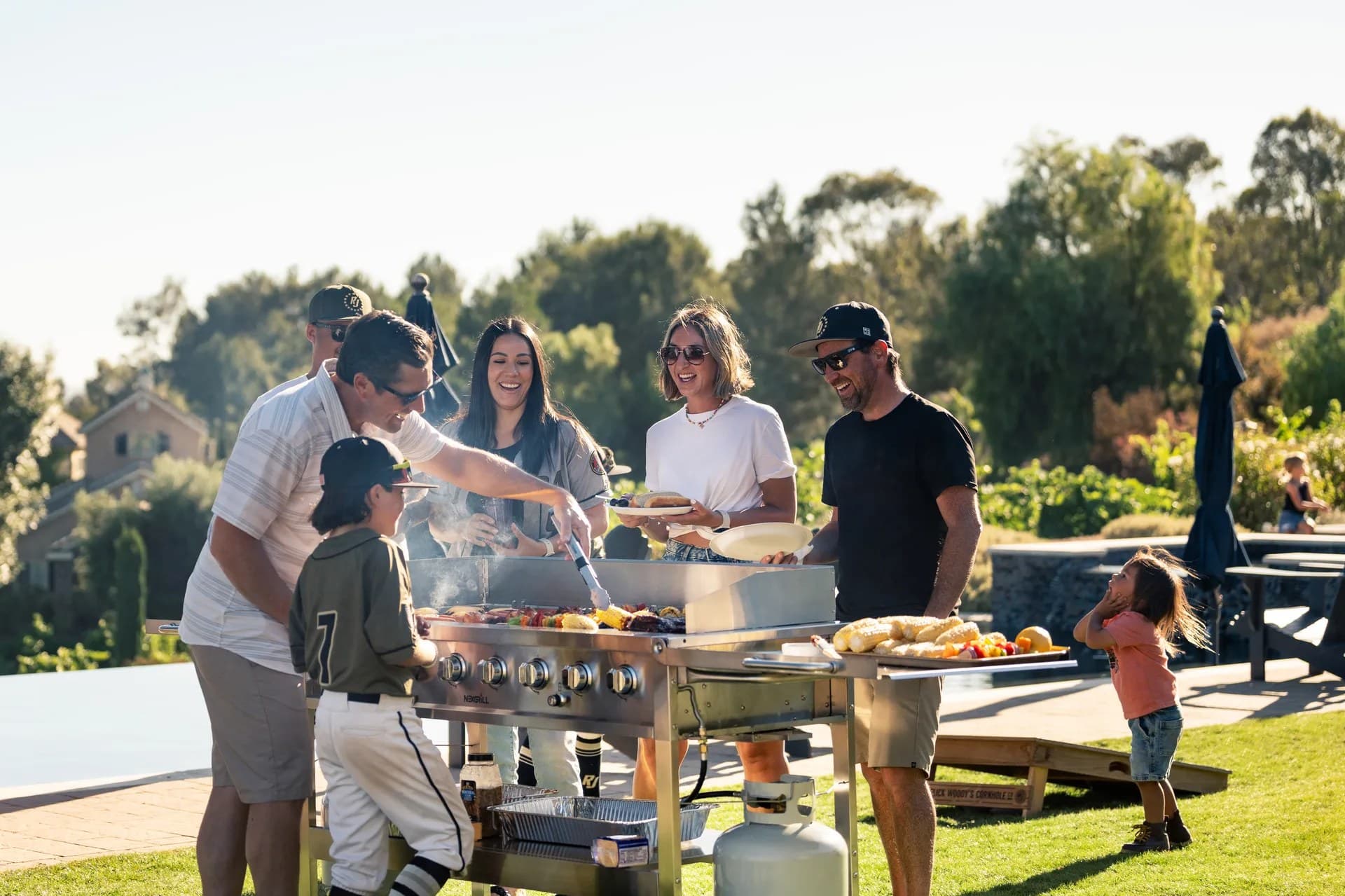
Backyard entertaining ideas, seasonal grilling inspiration, and stories that celebrate outdoor cooking culture.
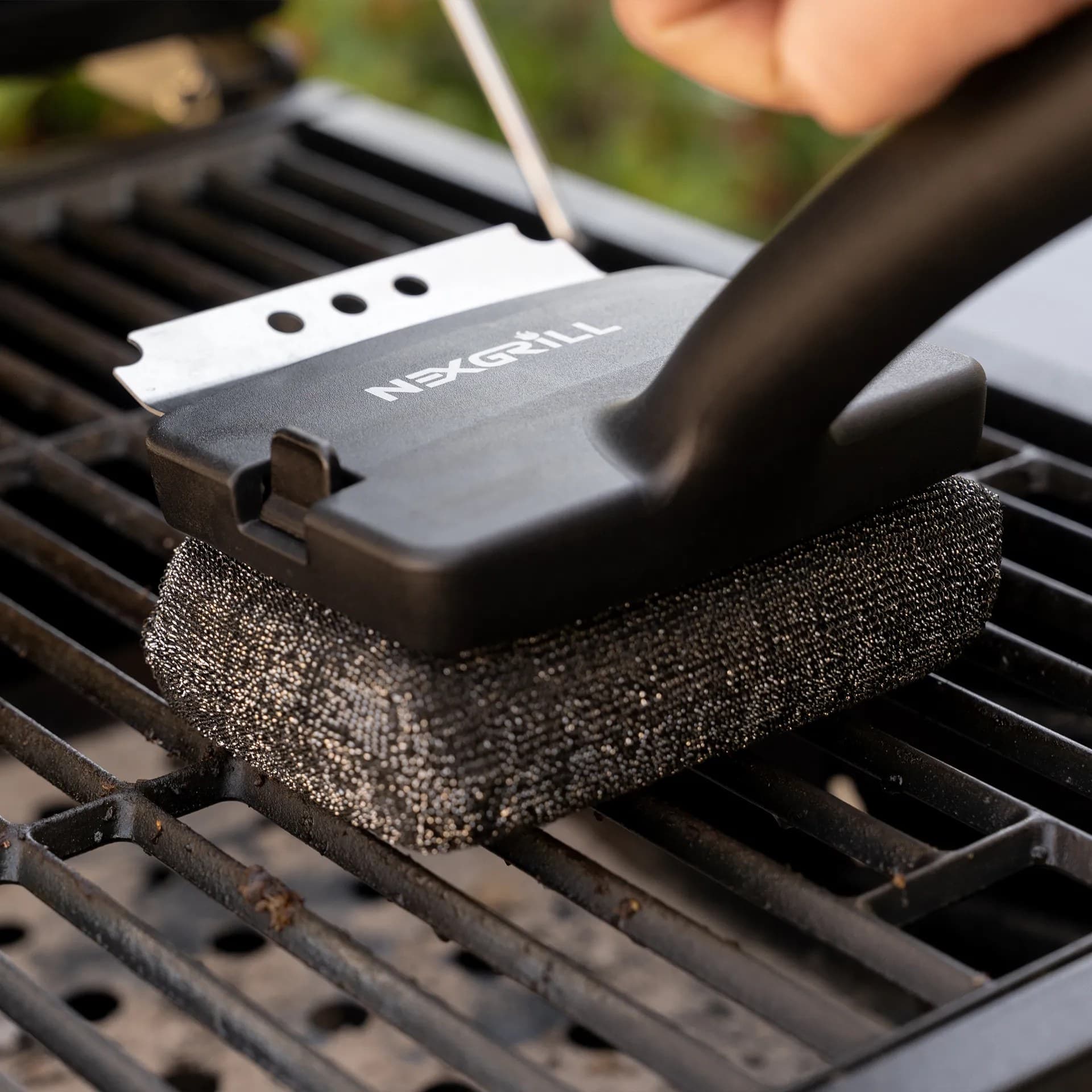
Helpful articles covering grilling tools, cookware, maintenance gear, and must-have accessories for outdoor cooking.
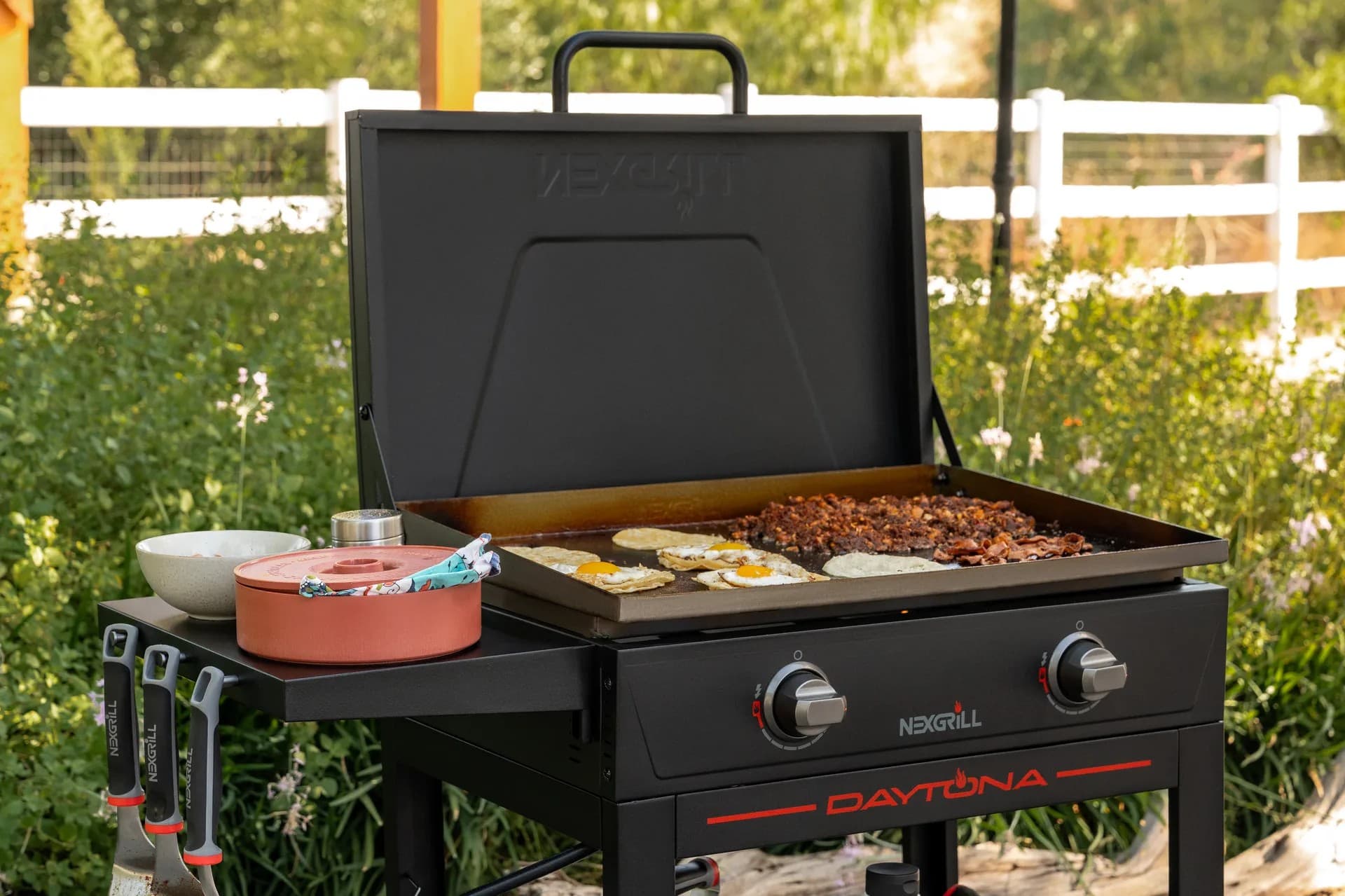
Find griddle recipes, cooking techniques, cleaning tips, and outdoor meal ideas designed for Nexgrill griddles.
Find answers to common questions
Gas grills provide instant heat and precise temperature control, making them easier to use. Charcoal grills offer a smoky flavor and high heat for searing but require more time to heat up and manage.
Pellet grills combine the convenience of gas with the flavor of wood, allowing for smoking, baking, and grilling. Traditional gas grills, however, are quicker to start and often easier to clean.
Charcoal grills typically reach higher temperatures quicker than gas grills, making them better for searing meat. However, high-quality gas grills can also provide adequate heat for effective searing.
Nexgrill offers models designed specifically for gas, charcoal, and pellets, allowing users to choose based on their cooking style and flavor preferences. Each type is built to optimize the characteristics of its respective fuel.
Choosing between gas and charcoal grills depends on your cooking preferences and lifestyle. If you value convenience and quick cooking, a gas grill may suit you better; if you prefer the taste and experience of traditional grilling, a charcoal grill would be ideal.
In This Article
Grill Fire Statistics
Safety Measures
Maintenance Tips
Grill fires usually start as small control problems before they become visible flames. In most backyard settings, the risk is not a dramatic explosion; it is a grease flare-up, a hidden hot spot, or a flame path that reaches a deck rail, side table, grease tray, or propane hose. The reason this matters is simple: grilling combines open flame, stored fuel, high heat, and food drippings in a compact outdoor workspace. If any one of those pieces is neglected, the other three can turn a normal cookout into a fire incident in seconds.
For Nexgrill readers, the practical way to think about fire risk is by looking at the whole cooking environment, not just the burners. A grill placed too close to siding or overhanging branches, a cooking surface that has not been cleaned of grease, or a lid opened at the wrong time on a flare-up can all change a manageable situation into a fast-moving one. That is why fire prevention is part design awareness and part habit. The grill itself may be built for outdoor cooking, but the cook still has to manage fuel, airflow, residue, and space.
The fuel source is usually already present; the trigger is poor cleanup, blocked airflow, or overheating.
A grill fire is often preventable long before ignition. If you can control grease, spacing, and ignition habits, you dramatically reduce the chance of an incident.
Another reason risk is misunderstood is that people separate “flare-ups” from “fires,” but they sit on the same spectrum. A flare-up from dripping fat can ignite food residue in a drip path, and a long enough flare-up can damage components or spread to nearby combustibles. In practical terms, the line between a spirited sear and a problem is whether the flame is under the cook’s control. That is why a fire-prevention mindset should include how long the grill has been heating, how much fat is on the grates, whether the lid is closed or open, and whether the surrounding area has combustible items like paper towels, paper plates, or soft-sided storage bins.
The type of grill also changes the risk profile. Gas grills introduce ignition hardware, burners, regulator and hose connections, and propane cylinders that must stay upright and ventilated. Charcoal grills remove gas-related concerns but add lighter fluid hazards, ash management, and longer heat retention after cooking ends. Pellet grills add their own ignition and fuel-feed behavior, which means ash buildup and hopper management matter. The safest approach is to learn the common failure points of the grill you actually use rather than relying on general advice that treats every model the same.
Most grill fires trace back to a short list of causes that are easy to overlook because they feel ordinary. Grease accumulation is one of the biggest. When grease collects in trays, channels, burners, or under grates, it can ignite at temperatures far below what many cooks expect. That is especially true when the grill is preheated aggressively or when food drippings hit a surface already coated in residue. A clean cooking system is not just about taste; it is a fire-control system.
Blocked burner ports or airflow paths are another frequent issue on gas grills. If burners do not light evenly, gas may accumulate in one area and ignite with more force than intended. On charcoal grills, restricted airflow can make cooks overcompensate with extra fuel or lighter fluid, which creates more flame than the setup can safely manage. In both cases, the underlying problem is control. A grill that cannot breathe or heat evenly is more likely to surprise the person using it.
| Common trigger | How it starts | Why it becomes dangerous |
|---|---|---|
| Grease buildup | Drippings collect in trays, on grates, or around burners | Fat ignites and spreads flame across hidden residue |
| Blocked burners | Food debris or corrosion disrupts gas flow | Uneven ignition can create sudden flare-ups |
| Too much lighter fluid | Fuel pools before charcoal is lit | Vapor ignition can send flames higher than expected |
| Nearby combustibles | Paper goods, cushions, or covers sit too close | Fire spreads outside the cooking zone |
Ignition mistakes deserve special attention because they happen early in the cooking process when users are most likely to rush. On gas grills, opening the lid before lighting, checking for proper ignition, and waiting before relighting after a failed start are basic habits that reduce risk. On charcoal grills, starting the fire in a chimney starter instead of pouring lighter fluid directly on hot coals can help keep the flame localized. The common thread is simple: fire should begin in a controlled way, not in a puddle of fuel, grease, or residual ash.
A less obvious cause is overconfidence with food placement. Loading the grill too heavily can cause flare-ups because there is less room for heat and grease to move evenly. Fatty cuts, marinated proteins, and foods with sugary glazes can smoke, drip, and burn faster than leaner items. This does not mean avoiding those foods; it means arranging them thoughtfully and being ready to shift to indirect heat if flames rise unexpectedly.
Grill fires tend to rise when outdoor cooking becomes more frequent and people are less practiced with their equipment. In the United States, that usually means late spring and summer, especially around holiday weekends and family gatherings. The safety issue is not just more cooking volume; it is more rushed cooking, more guests around the grill, and more distractions. A grill that was used calmly in April may be operated very differently during a July cookout with multiple side dishes, children nearby, and a host juggling several tasks at once.
Weather also changes behavior. Warm weather often leads to longer cook sessions and more outdoor fuel use, while windy conditions make flames harder to read and easier to misjudge. Dry conditions matter too, because surrounding surfaces and landscaping can be more vulnerable if a fire escapes the cooking area. People sometimes assume the danger drops after the food is removed, but in hot weather a grease tray, briquettes, or burners can remain dangerous well after the meal ends.
Seasonal risk is often a behavior problem, not a hardware problem. The busiest grilling months are also the months when cooks are more likely to multitask and skip a quick cleanup.
This seasonal pattern suggests a useful prevention habit: treat the start of grilling season like a reset. Before the first cookout of the year, inspect the grill for dust, spider webs, corrosion, old grease, and damaged hoses or cords. Even when the grill appears clean, winter storage can leave residue in places that are easy to miss, such as burner tubes, drip areas, and the underside of grates. A seasonal check gives you a chance to fix small problems before the first high-heat cook exposes them.
The most effective fire-prevention habits are simple, repeatable, and specific. First, create a clear cooking zone. Keep the grill away from deck railings, dry brush, overhead limbs, stored propane cylinders, and anything that can catch heat or embers. Second, keep the surface around the grill uncluttered. Paper towels, spray bottles, serving trays, and fuel containers should not sit right next to the flame source. Third, preheat with intention rather than by habit. If your grill reaches the right temperature in a short window, there is no advantage to leaving it roaring while you finish prep.
A smart fire-safe routine also includes monitoring the grill instead of stepping away. Many flare-ups grow because the cook turns attention to guests, side dishes, or a phone. If the grill is heating fatty food or you are using a charcoal setup, keep your eye on the cooking zone during the first few minutes after food hits the grate. That is when drippings, grease vapor, and ignition issues are most likely to appear.
Use direct heat for searing, but switch to a cooler zone as soon as flames climb above the food. A smart two-zone setup is one of the easiest ways to prevent runaway flare-ups.
For gas grills, inspect hose connections, burner ports, and ignition behavior before every season and after any move or storage period. For charcoal grills, avoid excessive lighter fluid and let coals ash over before cooking. For pellet grills, follow the manufacturer’s startup sequence and keep ash clear so ignition remains stable. The point is not to make grilling complicated; it is to remove the conditions that let one small flame become an uncontrolled fire. Try comparing two products side by side below to see which fits best:
Once you've weighed two options against each other, the next step is to understand why grill fire prevention matters beyond the backyard inconvenience of burnt food. Grill fires can damage decks, siding, outdoor furniture, and the grill itself, but they also create a broader safety problem because they often start near homes, children, pets, and flammable household items. In the United States, grilling is common enough that even a small percentage of incidents translates into a meaningful number of emergencies every year. The real takeaway is not fear; it is respect for how quickly outdoor cooking conditions can change.
The impact is usually strongest in three places: the cooking surface, the surrounding patio or deck, and the fuel delivery components. Food loss is the smallest consequence. More serious outcomes include warped grates, melted knobs, damaged regulators, scorched trim, and in severe cases a fire that moves into the structure. That is why a grill fire should be thought of as an equipment and environment issue, not just a cooking mistake. If a cookout ends with a scorched grease tray, you have already seen the warning sign that there is a maintenance or handling problem that needs attention.
| Impact area | What can be affected | Why prevention matters |
|---|---|---|
| Grill components | Burners, grates, ignition parts, drip systems | Heat damage shortens usable life and raises repair costs |
| Outdoor living area | Deck boards, patio furniture, siding, railings | Even a brief flare-up can leave lasting damage |
| Household safety | People, pets, nearby structures | A small fire can move faster than a person can react |
For grill owners, the best use of statistics is to convert them into habits. Instead of asking how likely a fire is on an average day, ask what conditions would make your own setup more vulnerable: old grease in the tray, a warped grate, a loose hose, a breeze blowing toward a fence, or a charcoal basket full of ash. Risk becomes manageable when you can identify the specific trigger points in your own routine.
Gas, charcoal, and pellet grills do not fail in the same way, so the fire-prevention habits should not be identical. On gas grills, the first priority is clean ignition and clear burners. Open the lid before lighting, check for even flame patterns, and never ignore repeated ignition failure. If a burner does not light right away, turn it off and wait before trying again. That pause helps avoid gas buildup. Keep grease trays clean, because a buildup can ignite under the grate and move flames toward the controls.
On charcoal grills, the major risk is fuel management. Use only the amount of charcoal needed for the meal, arrange it with airflow in mind, and avoid dousing already-lit coals with more lighter fluid. Chimney starters are a cleaner, more controlled way to get coals going because they reduce the chance of fluid pooling. Once the coals are lit, keep combustible tools and packaging far away from the grill body. Ash should be disposed of only after complete cooling in a noncombustible container.
Pellet grills add a maintenance-sensitive fuel path. The hopper, auger, burn pot, and ash area all need to stay clear so the fire stays where it belongs. If you notice unusual smoke, delayed ignition, or repeated shutdowns, stop and inspect the unit rather than forcing another start. Many pellet-related incidents are really cleaning and startup issues in disguise. The same idea applies across all grill types: a safe grill is one that starts predictably and contains heat predictably.
Good maintenance prevents the conditions that feed grill fires. For gas grills, begin with the grease path. Remove and empty drip trays regularly, clean the underside of grates, and check burner ports for blockage. If flame patterns look uneven, that is not a cosmetic issue; it can mean some areas are overheating while others are starving for gas. Also inspect hoses, connections, and knobs for wear, especially after storage or moving the grill.
For charcoal grills, maintenance is centered on ash and airflow. Ash can smother airflow, trap heat, and create unpredictable hot spots. Empty it after the grill cools completely, and clean out the fire bowl so the next cook starts with stable circulation. Grates should be scrubbed so residue does not flake into coals and ignite. If a charcoal grill has vents, make sure they open and close smoothly; a vent that sticks can make temperature control inconsistent and increase fire risk.
A clean grill is not only easier to use. It gives you earlier warning signs. Corrosion, bent parts, and cracked hoses are much easier to see before they cause a fire event.
A practical maintenance rhythm works best: quick wipe-down after every cook, deeper cleaning after fatty meals, and a seasonal inspection at the start and end of heavy-use months. It also helps identify if a grease tray is filling too quickly or if a grate is creating unexpected flare patterns. Small observations add up to safer grilling over time.
Seasonal safety is about adapting to weather and behavior. In spring, the main issue is equipment that has sat idle through winter. Dust, moisture, and debris can affect ignition and airflow. This is the time to inspect every contact point, clean the grill thoroughly, and test lighting before a full cook. In summer, the challenge shifts to heat, pace, and distractions. People stay outside longer, host more guests, and may assume the grill is “already hot enough” to ignore for a few minutes. That is exactly when a flare-up can escape notice.
Wind deserves special attention in every season. Even a moderate breeze can change how flames move, where heat concentrates, and how quickly a flare-up spreads. If the grill is positioned in a way that channels wind toward a wall, deck edge, or stack of utensils, move it before cooking. Fall can be deceptive because cooler temperatures may encourage longer preheats, which can dry out residue and raise ignition potential. No matter the season, the right response is to adjust the setup to the environment rather than assuming last week’s arrangement still works.
If a grill fire starts, the first objective is to protect people. Move children, pets, and guests away from the area and avoid leaning over the grill. If the fire is small and contained to the cooking surface, cut off the fuel source if you can do so without reaching through flame. For a gas grill, shut off the burners and propane supply. For a charcoal grill, close the vents and lid only if the fire is contained and doing so is safe; removing oxygen can help, but only if you are not trapping a larger problem inside. Never use water on a grease fire, and never move a burning grill unless there is no other option and you can do it safely.
Have a fire extinguisher rated for household fire response close to the cooking area, and make sure you know how to use it before you need it. If a flare-up has already spread beyond the grill body, call emergency services immediately. For minor burns, cool the area with clean running water and seek medical care when needed, especially for serious pain, blistering, or burns to the face, hands, or major joints. The important part is not to improvise. Safe response is fast, calm, and limited to actions that reduce danger rather than increase it.
If flames leave the grill body or you lose control of the situation, stop trying to save the food. People and property matter more than the meal.
Here's what sets us apart
We position ourselves as delivering high-end outdoor cooking features and performance without premium-brand pricing, emphasizing “Quality Grills. Unbelievable Value.”
We offer gas grills, pellet grills, griddles, smokers, pizza ovens, portable/tabletop grills, electric grills, accessories, and replacement parts — allowing customers to stay within one ecosystem for all outdoor cooking needs.
We differentiate ourselves through smart grilling products like the Oakford smart pellet grill, including app-connected cooking controls and modern outdoor cooking technology.
Don't just take our word for it
Keep reading
From our catalog